
West, London
Group Exhibition
Pre-Empty
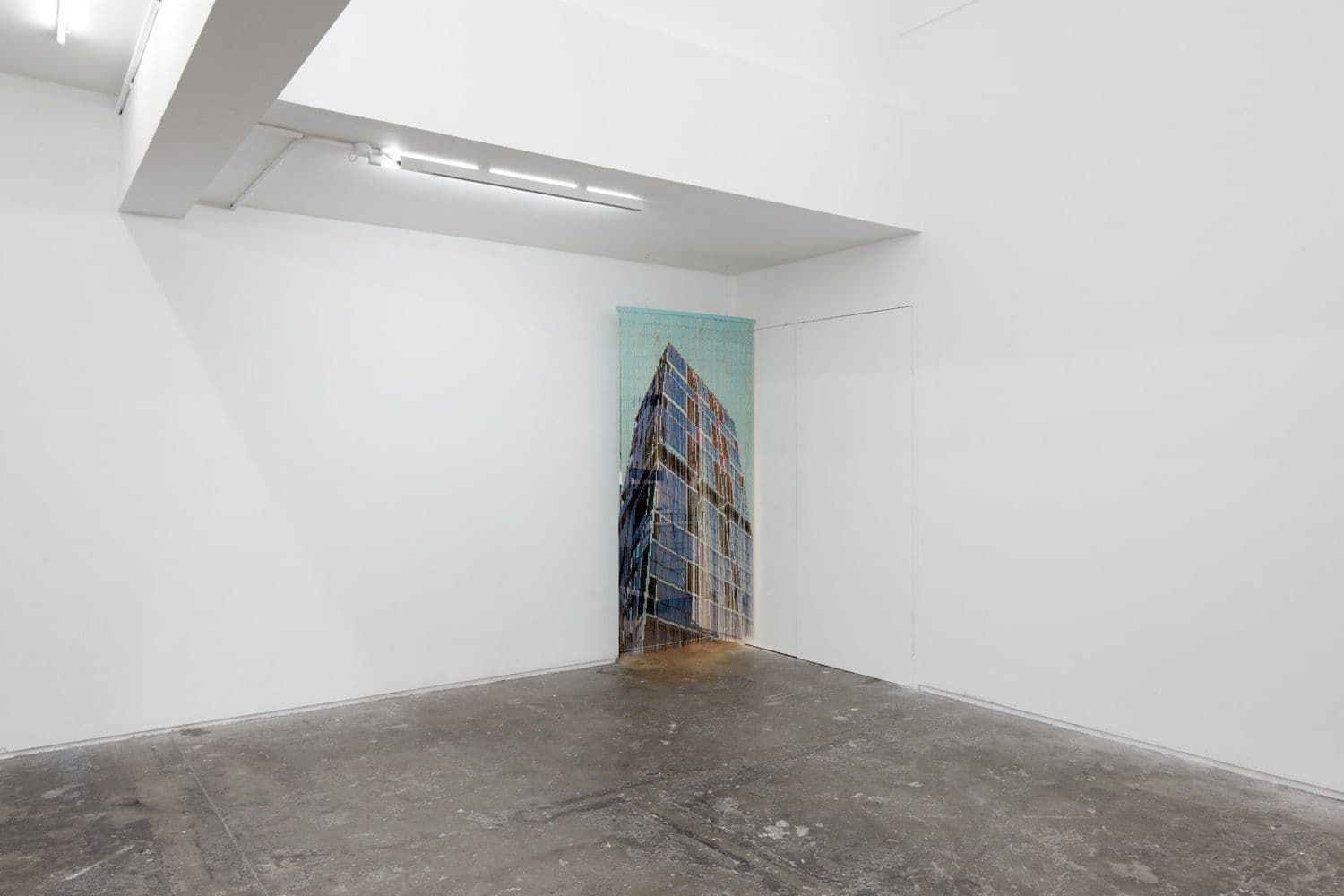
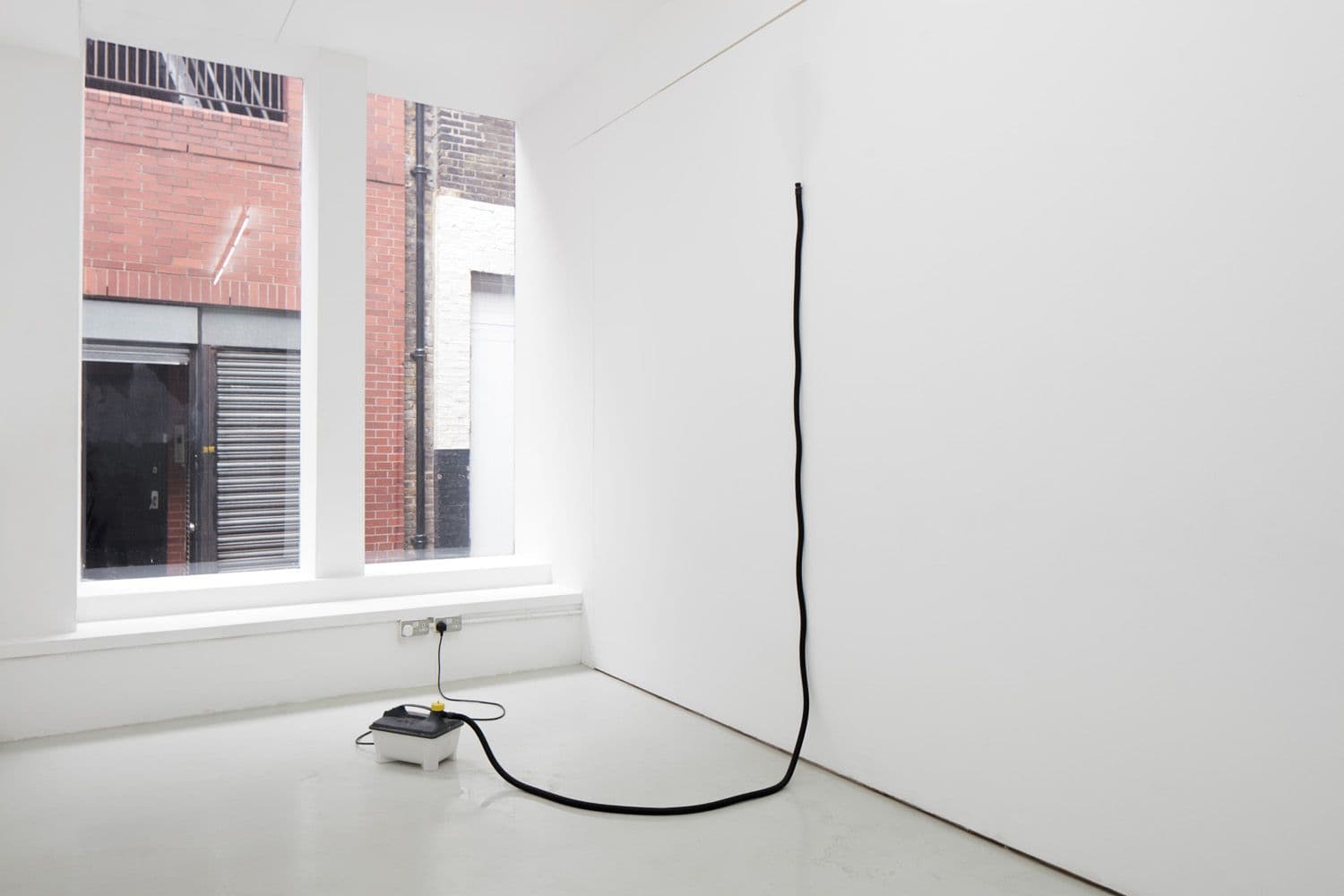
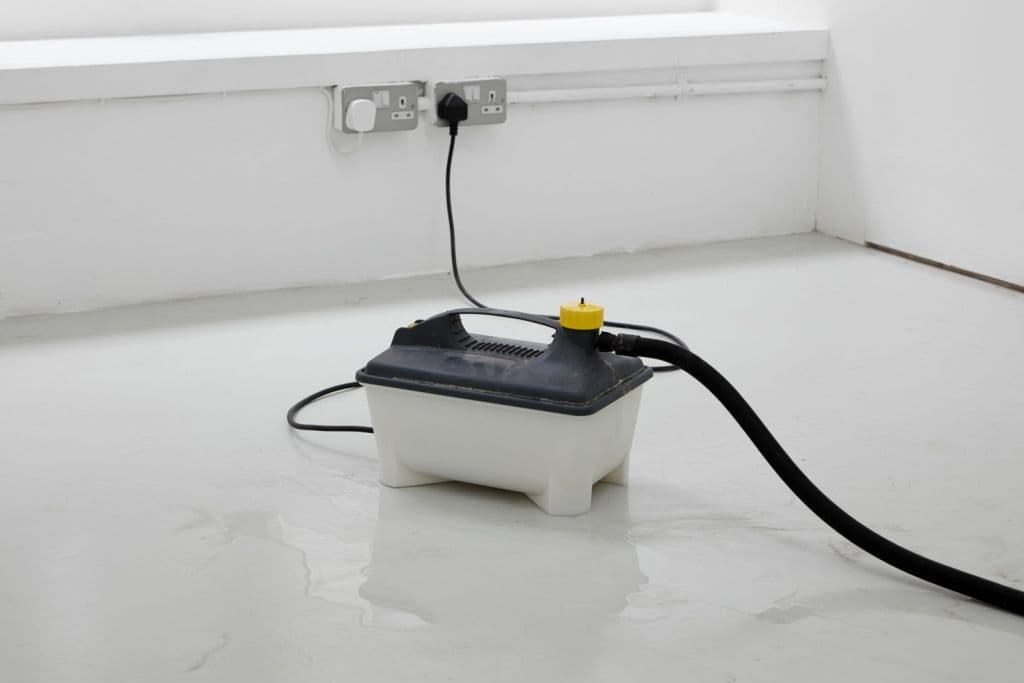
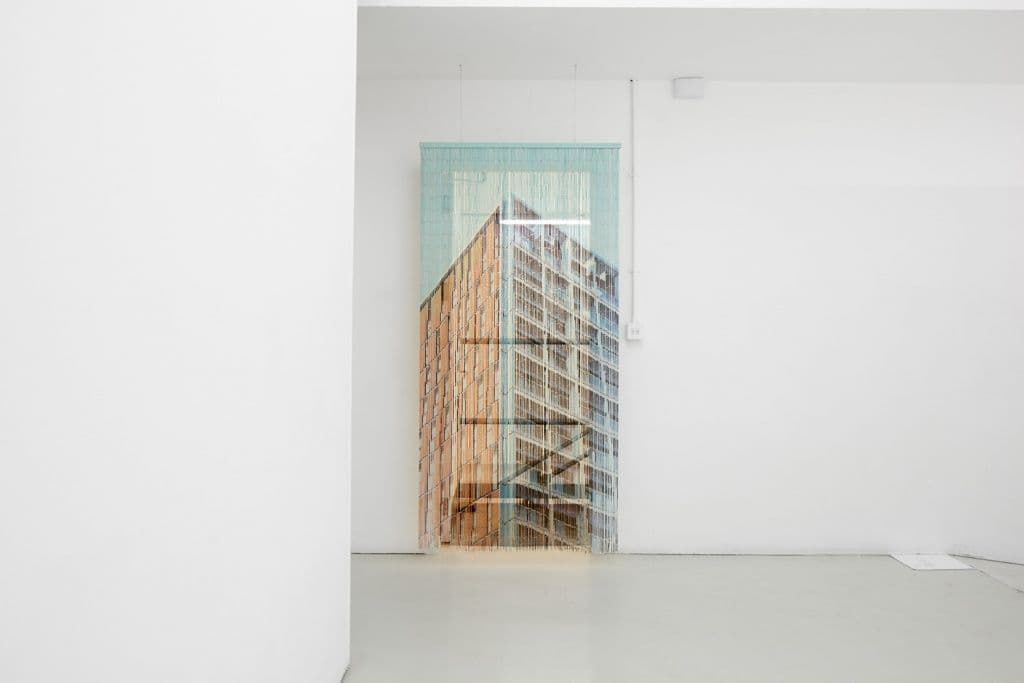
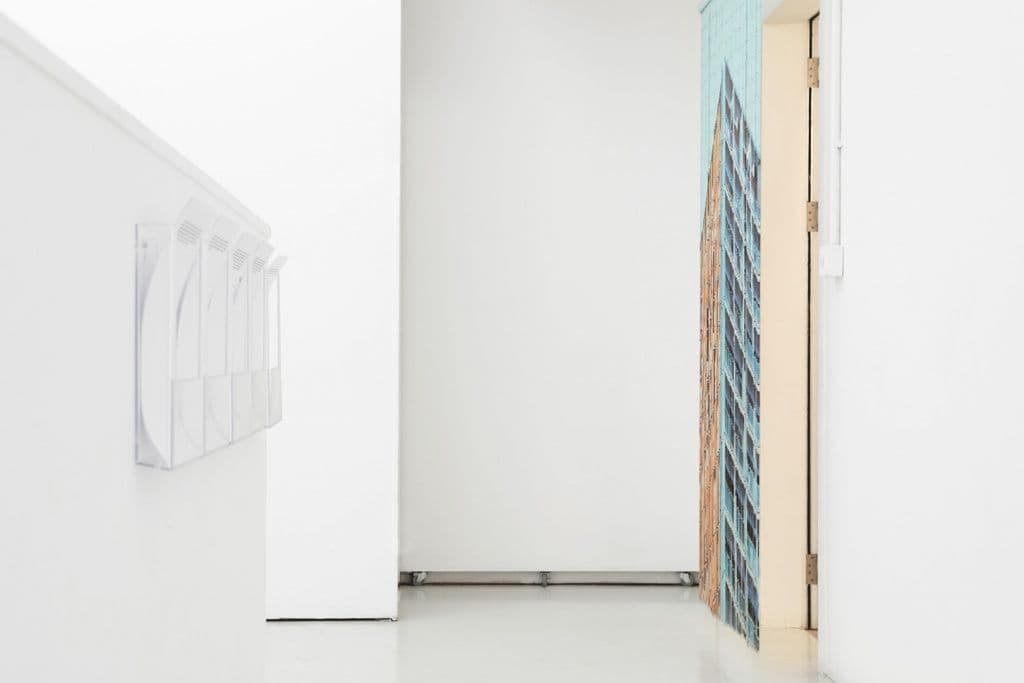
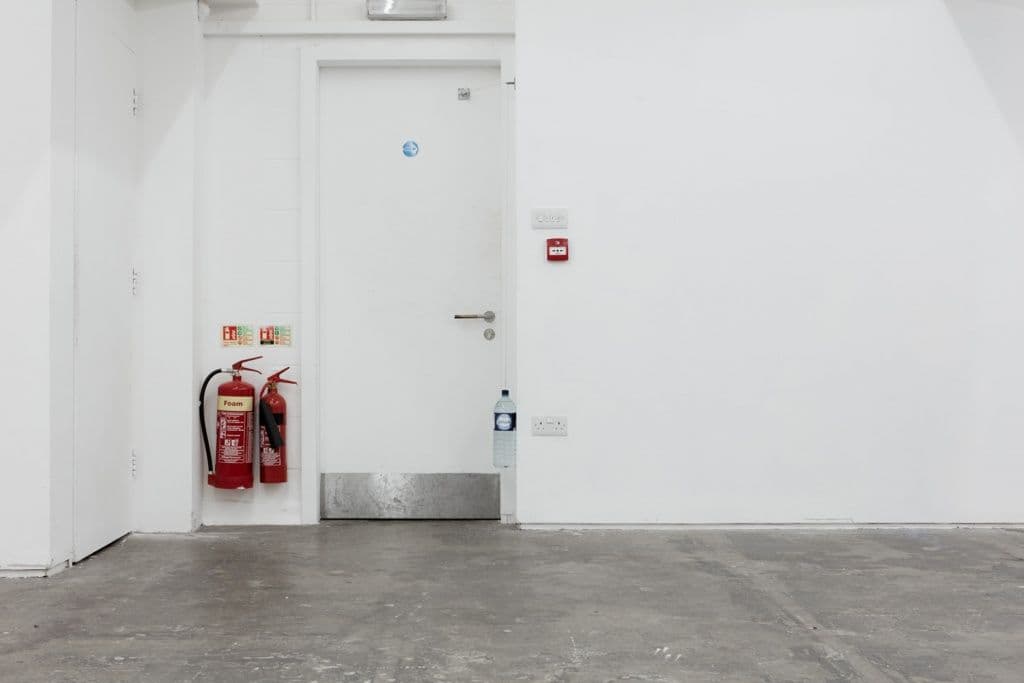
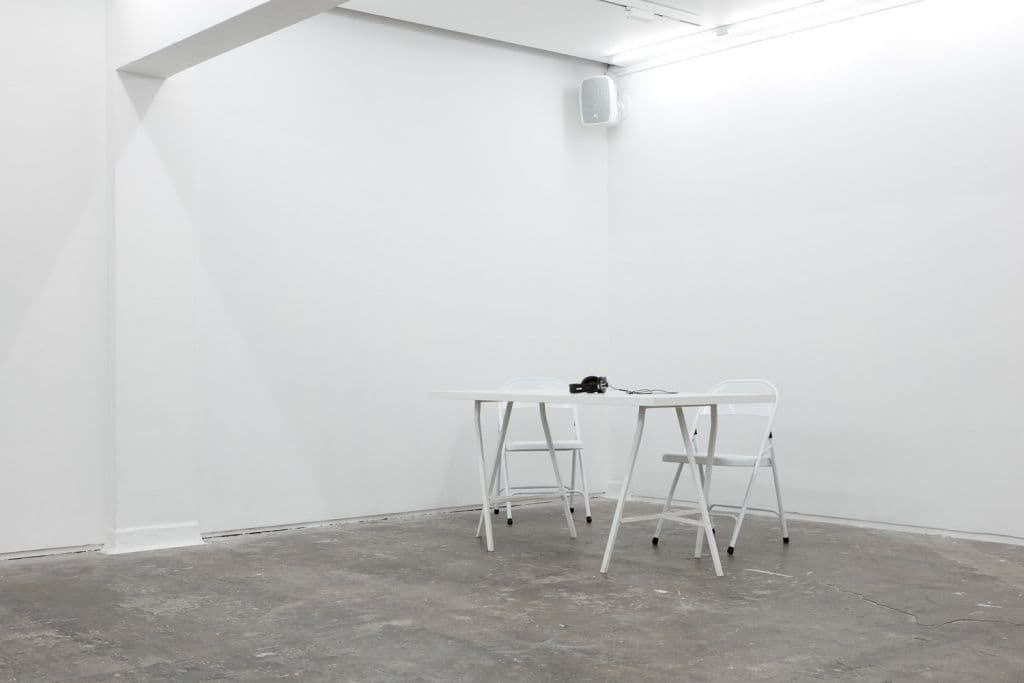
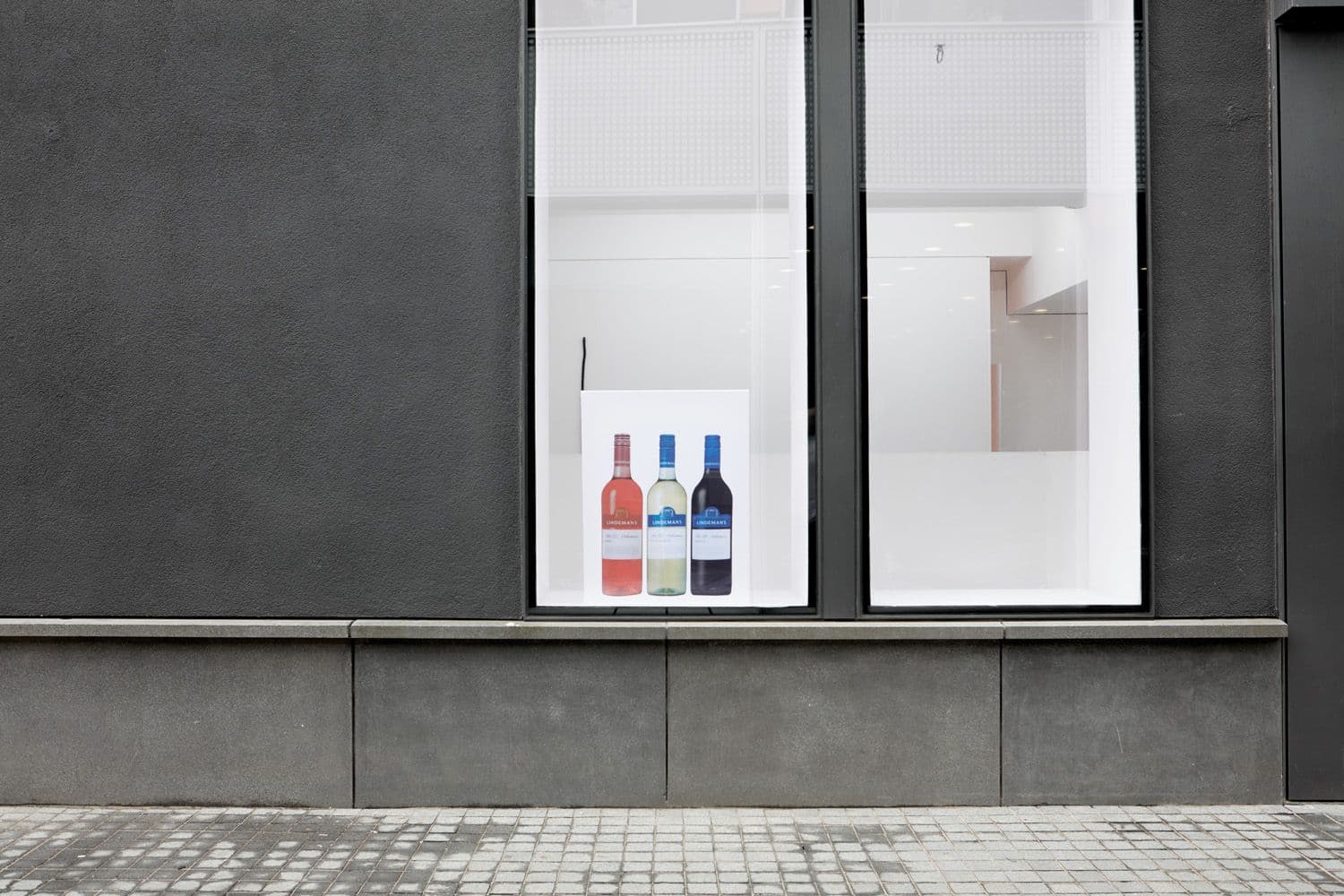
Evelyn YardJosh Bitelli Hamishi Farah Caspar Heinemann Felix Melia Gili Tal Curated by George Unsworth Pre-empty examines forms of production present in contemporary art, displaying artworks that expose the interstices that exist between our potential for spatial and interpersonal agency. Through conversations and shared writing around subjects such as safety, health, branding and value, it has become increasingly apparent that recent technological and political movements are having an indescribable impact on our relationships with space, time and our own projections of social and societal belonging. There exists a growing contemporary existentialism where individual artistic agency continues to clash with new capital appropriations of space; the result being new and unknown relationships between ourselves and the objects and the people around us. Pre-empty is a curatorial experiment in articulating these movements. In the exhibition the artworks carry the potential to alter or change the fabric of how the gallery space is perceived and how, by association, one might subsequently perceive their own relationships to space, themselves and ultimately to others. Gili Tal's digital print on canvas 'Range' rests on the windowsill of the gallery space visible from both outside the gallery, presenting the brand Lindeman's range of wine, and from inside the gallery, as a canvas and stretcher, with the three Lindeman wine bottles opaquely visible through the reverse of the canvas. Simultaneously visible as a reflection in the opposite building's own windowed facade. The presentation of these familiar branded objects displaces the representation of their value, over identifying their functional as well as cultural significance as objects of capital value and icons of capital's conquest over space and time. 'Range' in its subject and its positioning transforms the landscape in which these objects, and our understanding of them, are presented. Both literal understandings of the term 'landscape' are being transformed, the visible features present to us, as well as the manner in which these features are being depicted. Inside the gallery, doorways and thresholds have been occupied and adapted. Felix Melia's artworks, 'The Window's Accusing The Door of Abusing The Wall', here prefixed with the title 'Stage', appear both in the upstairs and downstairs gallery spaces. Upstairs, the artwork, a beaded wooden curtain, is hung in front of the doorway providing access to the stairwell to reach the downstairs gallery. Visitors to the exhibition are forced to pass through the artwork, physically disrupting the space, as well as momentarily dismantling the image of the building Melia has produced on the surface of the curtain. The second curtain, present downstairs, is hung in front of the door to the gallery office. Static and un- disrupted, downstairs the artwork is present as a barrier to the private operations of the gallery, in stark contrast to the performative interaction encouraged by the positioning of its partner. This performative engagement with the space, as well as the architectural inversions of the space, exemplified in the titling and prefixing of the artwork as 'Stage', are exaggerated further by Melia's introduction of Eucalyptus into the air of the gallery. A water steamer, turned on at intervals, fills the space upstairs with steam fragranced with Eucalyptus; an action that viewers to the gallery space may or may not witness at first hand. In the absence of direct observation, a scene has been set, and a stage created, in which the power hierarchies and hegemonies of the landscape of the space are further laid bare. Exposing the architecture of the space allows Melia to set a stage for artistic interaction, offering the potential for the production and presentation of a performance by the artist to take place later in the course of the exhibition. Caspar Heinemann's artwork, 'i don't know where i fit between the vegans and the nihilists', sits around the doorframe of the entrance to the downstairs gallery space. A rudimentary door closing mechanism, common to temporary dwellings and squats, consists merely of a two litre bottle of water suspended from the door and wall via two metal fixings. In its simplicity the artwork is barely noticeable when inside the gallery space. However, in its positioning, in amongst the gallery's fire alarm system, fire extinguishers, fire door kick plate, and plug sockets, the artwork can be seen as an additional component contributing to the supposed security of the viewer's surroundings. With the door being pulled closed behind the viewer there is a continuation of the exhibition's reconfigurations of architectural hegemony, of re- articulating the potential for alternative forms of spatial politics, positions of power and personal identification. Over the course of the exhibition's opening the participative performance work, Behavioural Framework 28/07/16, was composed and presented by Josh Bitelli. At the table three participants at a time were invited to plug a set of headphones into their mobile phones and each asked to access a different audio file online from Bitelli's website. After initial instructions were acted out and performed by the participants, to check each audio file was perfectly synchronised, Behavioural Framework becomes an automated but highly unique performative interaction between the three participants. Focusing on repeating the words of the artist, each participant's role in the performance reveals itself over the course of their involvement together. Sharing speech, offering monologue statements, repeating phrases, independent gestural hand movements, guttural noises and coughs. What transpires is a shared communication of the artist's own construction of what terms such as 'creative community' today infer, in amongst an explicit effort to understand the nature of funding, documentation, and an apologetic need to recognise and acknowledge the limitations of our social capacities as they exist under the guise of neo-liberal provisions such as health care and security. For the duration of the exhibition the audio file created by Bitelli from the opening evening is available to be played on the headphones provided whilst the artist collates the material, images, videos and statements from those that witnessed and participated in the performance itself. On the floor of the gallery space downstairs Hamishi Farah's artwork, Wifi Poem, consisting of an extension cable and five wifi plugs, becomes wholly visible upon the viewer searching for available wifi networks on their mobile phones. As the device conducts its search the numbered and titled wifi networks of the artwork slowly appear in full and in chronological order to form a piece of poetry. The words and phrasing of which offer a further reconfiguration of the systems and structures of space and architecture to which we are individually being subjected. These clashing interactions that compose our individual and social relationships operate today without spatial boundaries or governance. The flow of information, rendering some powerfully mobile and others dangerously static, is unrelenting in its filling of emptiness and its appropriation of time. Inspector Sands is a code phrase used by public transport authorities in the United Kingdom, including Network Rail and London Underground, to alert staff and other agencies, such as the police, to an emergency or potential emergency such as a fire or bomb scare without alerting the public and creating panic. Josh Bitelli (b.1989) lives and works in London, recently presented the solo exhibition A Partition, Cell Project Space, London, curated by Rebecca Lewin; and a new performance for The Chisenhale Gallery’s 21st Century programme. Solo projects include LimescaleTea at tank.tv, London; To Gaze at Ten Suns Shining (with Sarah Abu Abdallah) at POOL, Hamburg (both 2015). Recent group shows include CO-WORKERS – Network as Artist, Musée d'Art moderne de la Ville de Paris; Pavillon de l’esprit nouveau, Swiss Institute, New York (both 2015); Place of Dead Roads, screening with Felix Melia at Centre D’Art Contemporain, Geneva; '89plus marathon', Serpentine Galleries, London (2013). Felix Melia (b. 1990) lives and works in London, recent works include Waifs and Wraiths (Along The Westway), a live screening/performance presented at the Serpentine's 89plus Marathon, 2013; Place of Dead Roads with Josh Bitelli (screened at the Cinema Palace, Marrakech, 2014) and Moving Sickness which was screened and performed at the Peckhamplex Cinema with Flat Time House, (2015). Melia's work was presented in the Biennale of Moving Image at Centre d'Art Contemporain, Geneva and The Museum of Old and New Art, Tasmania (2014). His solo projects include The Inhalation Show, ANDOR, London (2016); All in a Clearing at LimaZulu, London, (2015) and Ozu's Arsehole at Interstate Projects, New York, (2016). Recent Group shows include HUAK-TUH! at Organ Haus Gallery, Chongqing (2013); CO-WORKERS at Musee d'Art Moderne, Paris (2015); Survival is Not Enough at Rodeo Gallery, Istanbul (2015); This Place is Really Nowhere at Jupiter Woods, London (2015); Filter Bubble at Luma Westbau, Zurich (2015); Les Limbes at La Galerie, Noisy Le Sec (2016). Melia is currently Writer in Residence at Whitechapel Gallery, London. Caspar Heinemann is a London based artist and writers from an activist background and engaged in the DIY punk culture. Their artistic practice tends towards the creation of moments of critical mysticism, countering the e ects of cultural mythology and queer biosemiotics. Heinemann has exhibited in projects at the ICA, SPACE, Res. and Arcadia Missa in London; Alt Stralau 4, Berlin; and Fokidos, Athens. They recently completed a thesis entitled ‘Fucking Pansies : Queer Poetics, Plant Reproduction, Plant Poetics, Queer Reproduction’. Gili Tal (b.1983), Tel Aviv, Israel, lives and works in London and Berlin. Solo exhibitions include presentations at Jenny's, Los Angeles, 2016; Vilma Gold, London; Temnikova & Kasela, Talinn, and Life Gallery, London, 2015; Sandy Brown, 2014 where she presented Panoramic Views of the City inspired by love as a brand and private wealth. Further exhibitions include Transatlantic Transparency, Mathew, Berlin 2014; Real Pain for Real People, Lima Zulu, London, 2013; The New Vegetarian, ANDOR, 2012. Hamishi Farah, (b.1991) lives and works in Melbourne, Australia. Recent projects include Sausersazbomb, Richardstrasse, Berlin; and the solo exhibition, Jailbait (For Us by Us), Mon Cheri, Brussels, 2015. Farah was part of Bien ou Bein? a group exhibition at Mon Cheri, 2014. Hamishi performs regular readings and presented poetry with Harry Burke for the event I Miss You Already 2, Mathew Gallery, NYC, 2015.