
Chinatown, New York
Julia Felsenthal
Low Visibility
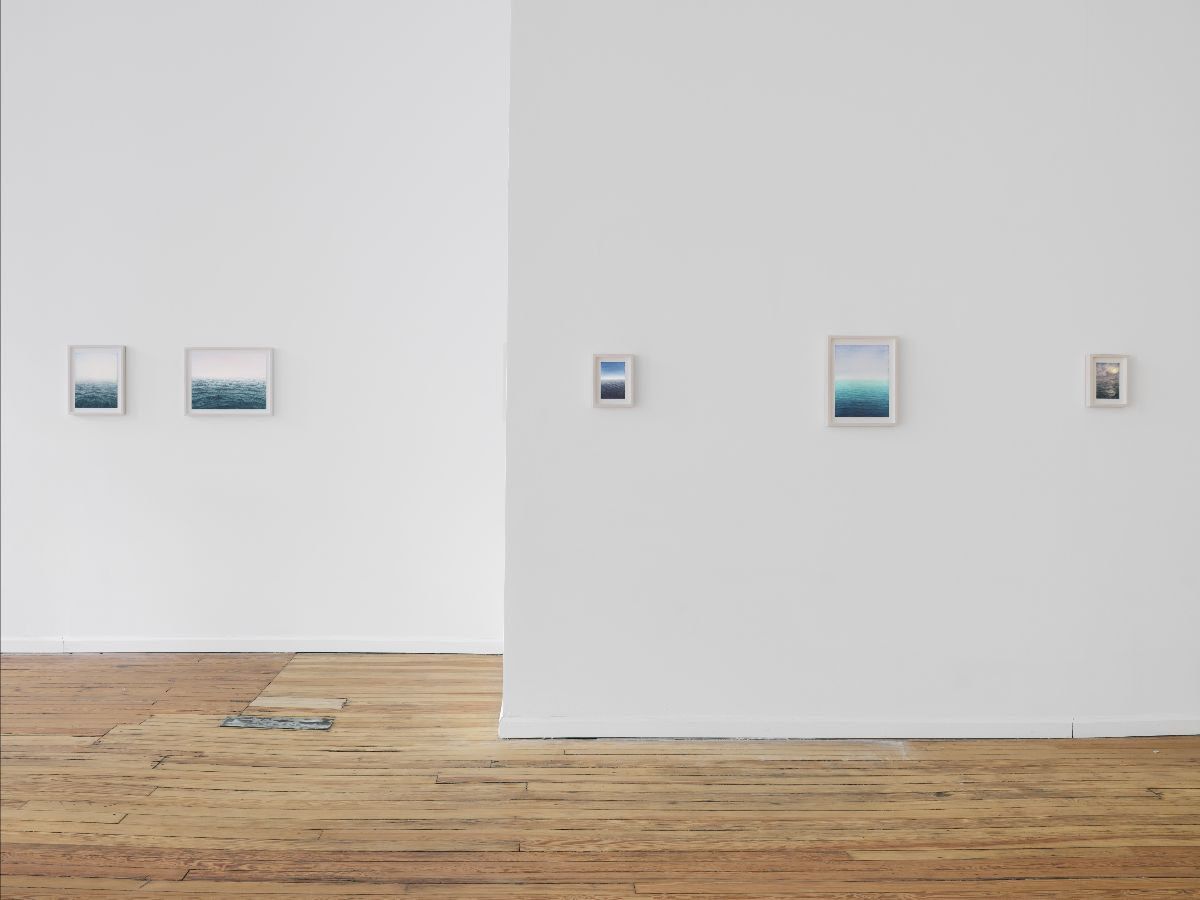
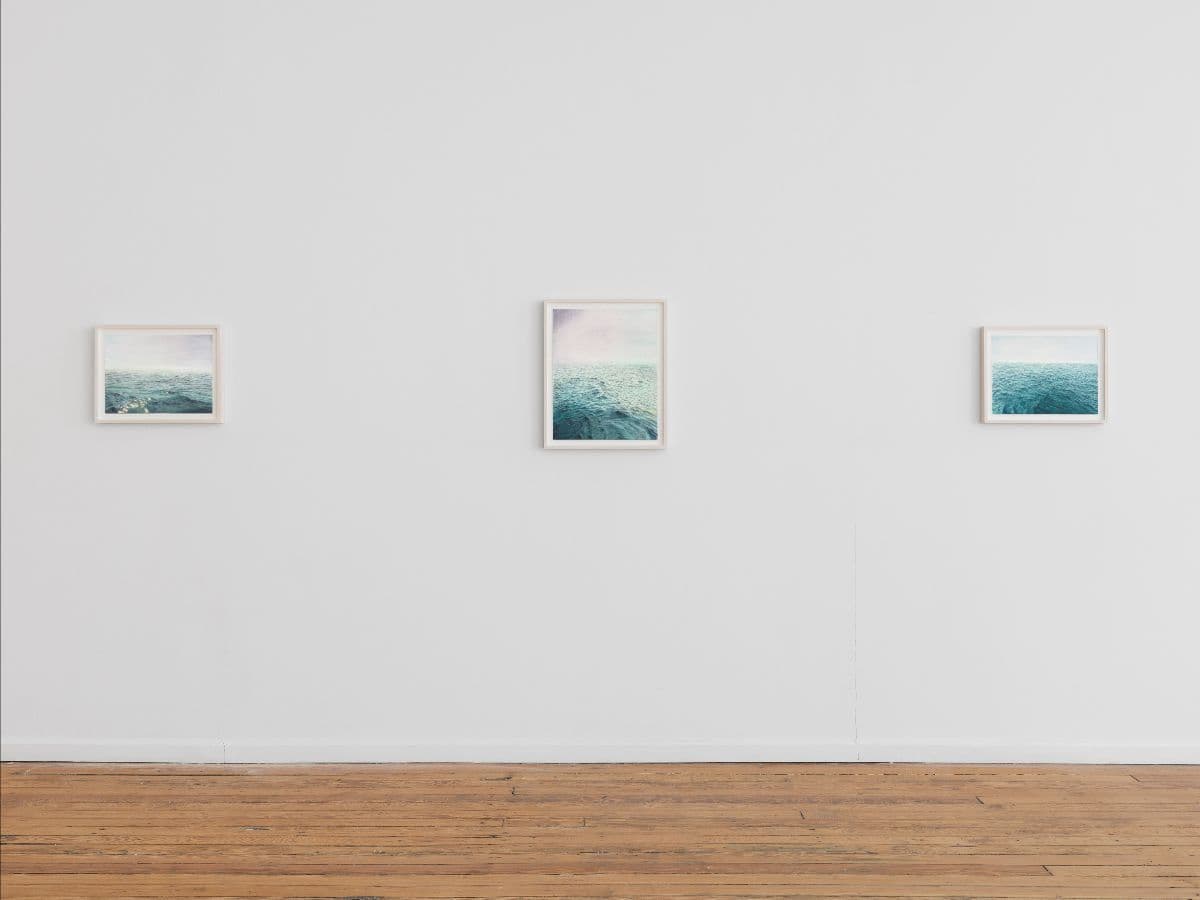
JDJIn Low Visibility, Julia Felsenthal's second solo show with JDJ, the artist explores the dazzling and uncanny effects of extreme weather on water, with a sequence of twenty-four watercolors of the ocean loosely based on The Odyssey. The paintings all derive from a single day: the afternoon of July 8, 2023, when Felsenthal and her husband, while boating on a bay off Cape Cod, briefly lost their bearings in the midst of a dense and implacable marine fog. Back in her studio, the artist felt compelled to translate those discombobulated hours into paintings, initially as a distraction from a period of creative perturbation, eventually as an obsession that had her lingering in the same 240 minutes for the better part of eighteen months. Interrogating the nature of time, of memory and the power of narrative, the resulting series begs the question: Can a person move forward by compulsively revisiting the past? The project takes its structure from The Odyssey, Homer's epic poem of losing one's way at sea, as well as from James Joyce's Ulysses, its modernist retelling in early 20th century Dublin. Low Visibility evokes literal fog and creative fogginess, the artist's desire to be seen and her declining visibility as she tips into middle age. Machismo haunts the genre of seascape painting. In "Lashed to the Mast," Felsenthal's largest watercolor to date, she borrows Odysseus's bravado in willfully exposing himself to the sirens' song— as well as that of swashbuckling marine painters past, who recklessly took to stormy seas to bottle the essence of nature's fury (or so the stories go). In Felsenthal's paintings, any such sturm und drang is latent, tamped down below the eerie surface. Wavelets beckon, horizon lines fizz into nothingness and mysterious points of light gleam from the depths. The thick fog echoes funny weather past — the Canadian wildfire smoke that turned New York City's air a soupy orange in June of the same summer —and presages funnier weather to come. Within its bubble, time and space operate according to unfamiliar rules. "Scylla and Charybdis" locates something alien in the contours of the swell, drawing a parallel between a strait patrolled by monsters and the creative perils an artist faces in her studio. "Boundless Sea" and "The Acheron"—demonic sun and glinting ripples conjuring its namesake river into Hades—are twinned paintings, showcasing a single moment from two vantages: looking east and west. The highly articulated surface of "Mercator's Projection" seems to curve toward the viewer, recalling the still-used 16th century mapping convention that warps land masses farther from the equator for the purposes of nautical navigation. Cartographers distort the logic of the natural world in their attempt to boil it down to two dimensions; so do painters. Beautiful and unsettling in equal measure, Felsenthal's watercolors toy with the line between real and surreal, external and internal, progress and regress, wayfinding and waylosing—and dissect the artistic hubris that enables her to make them.