
West, London
David Hockney
In the Mood for Love: Hockney in London, 1960-1963
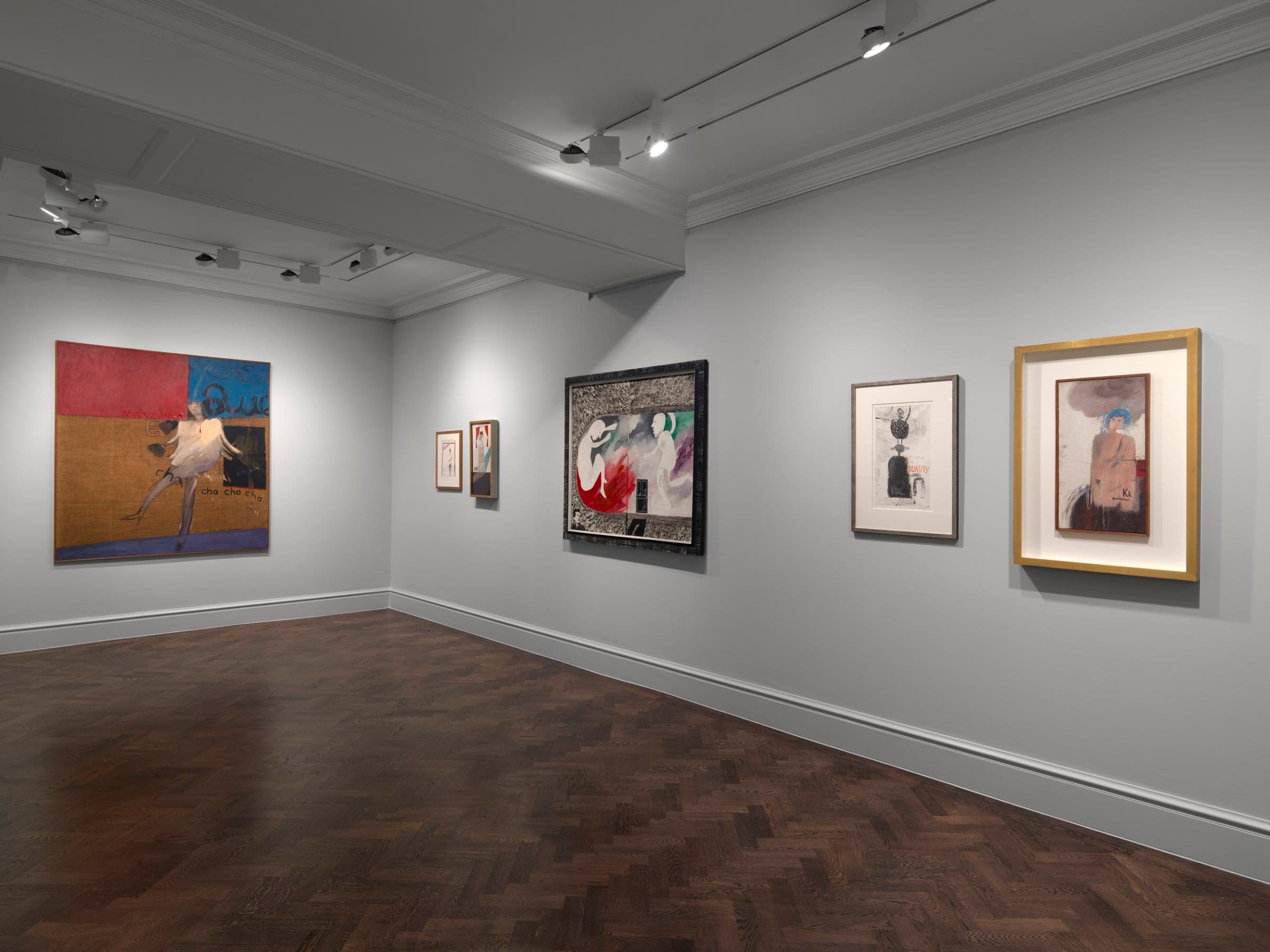
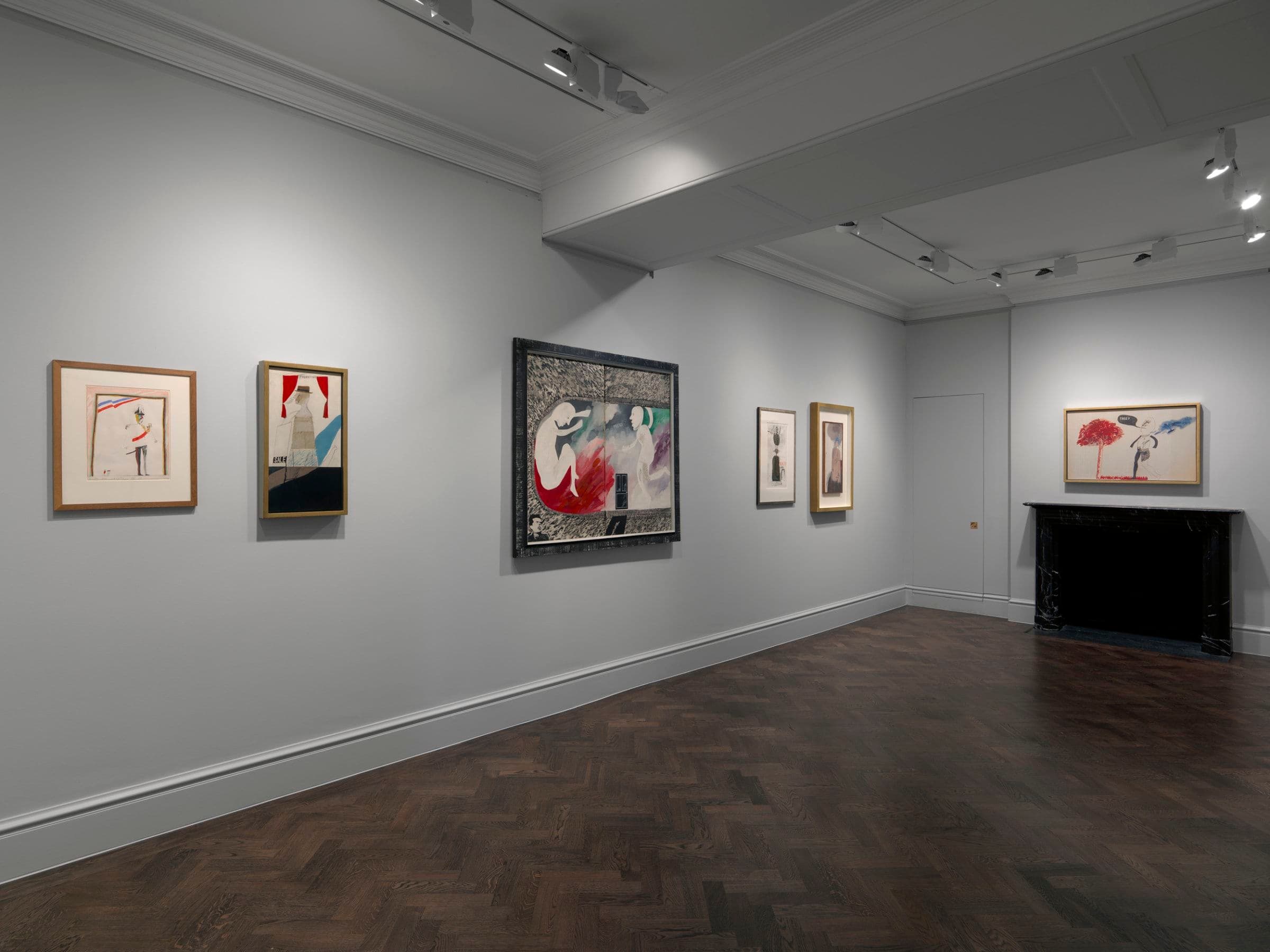
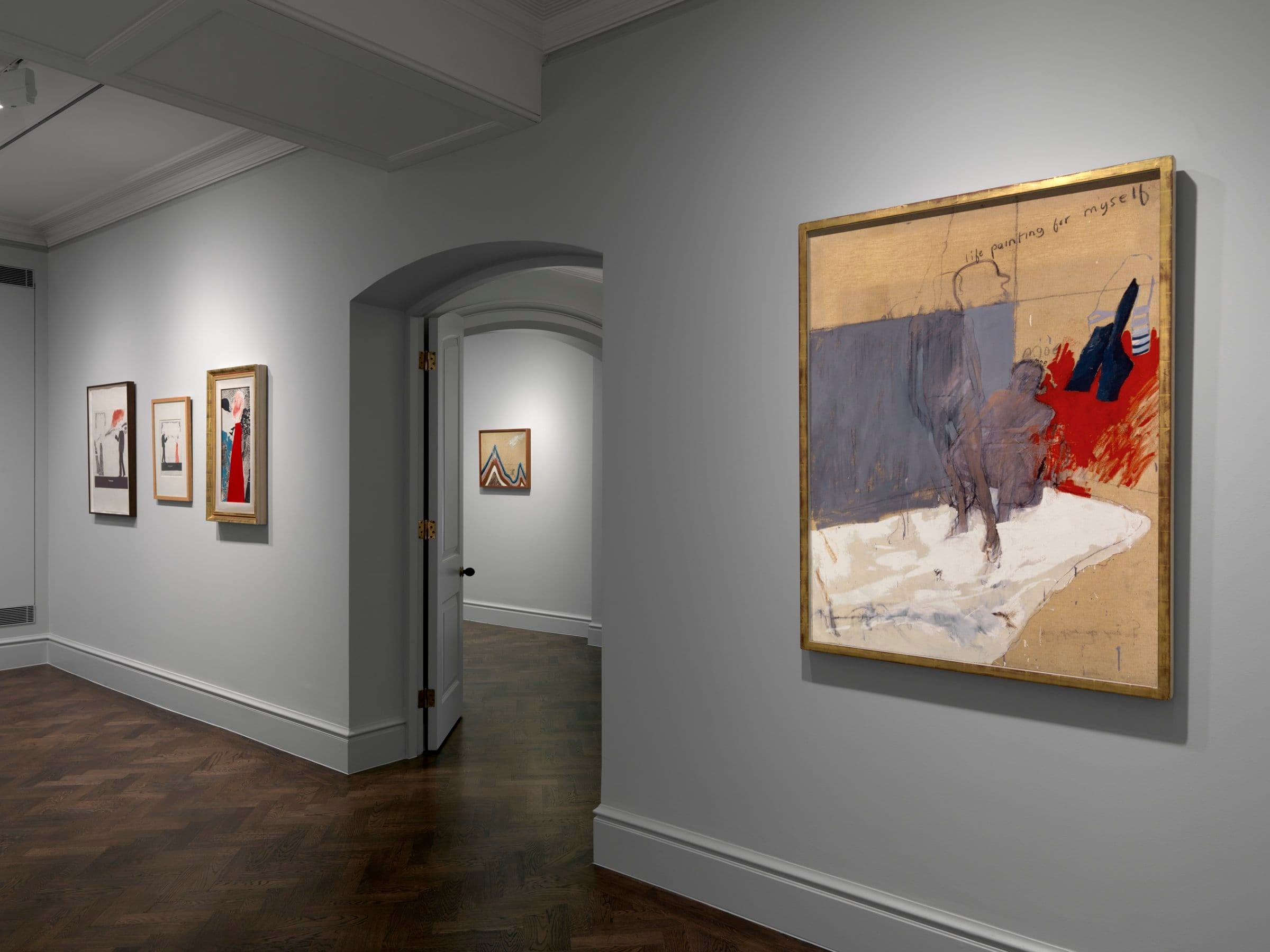
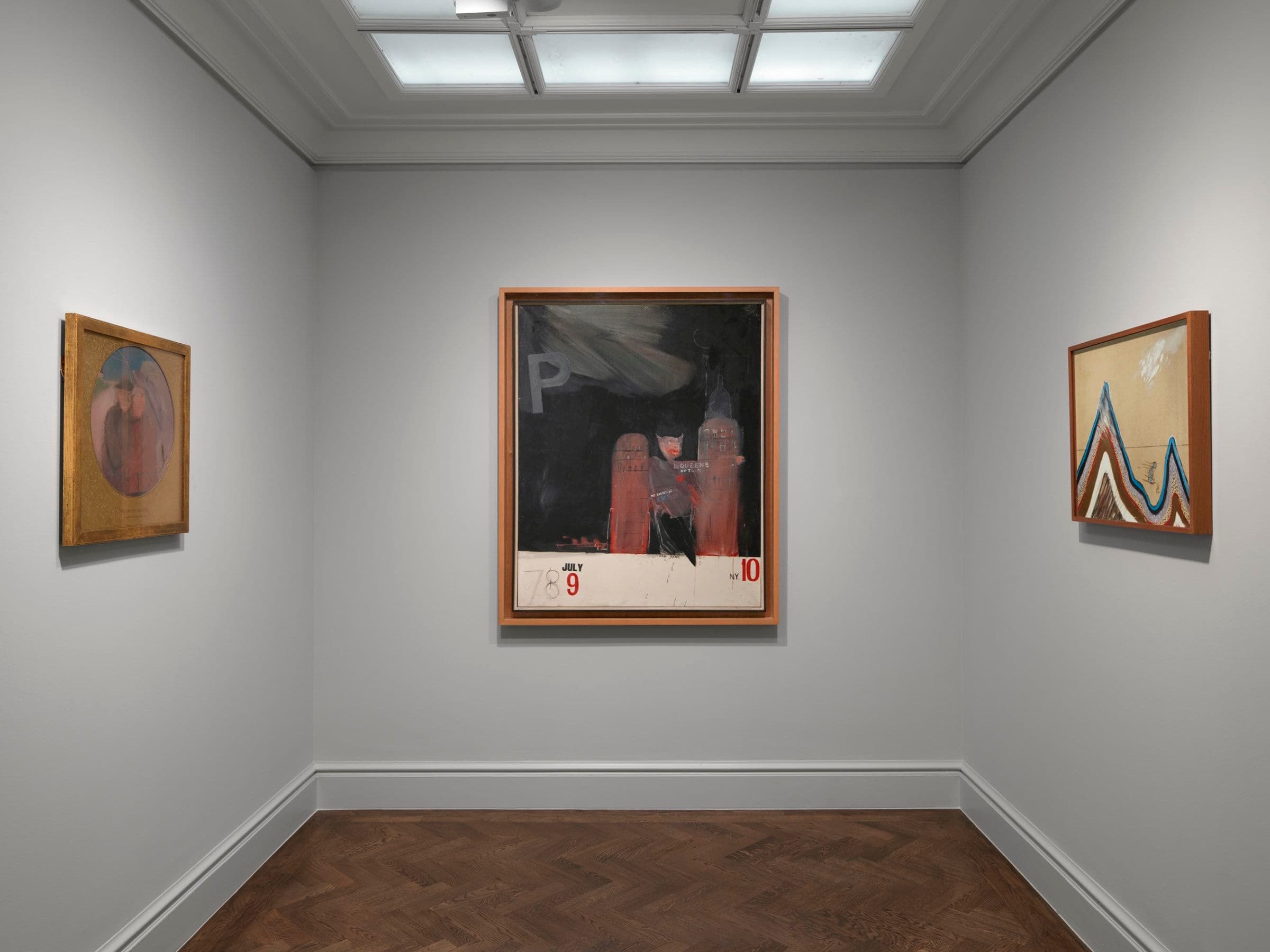
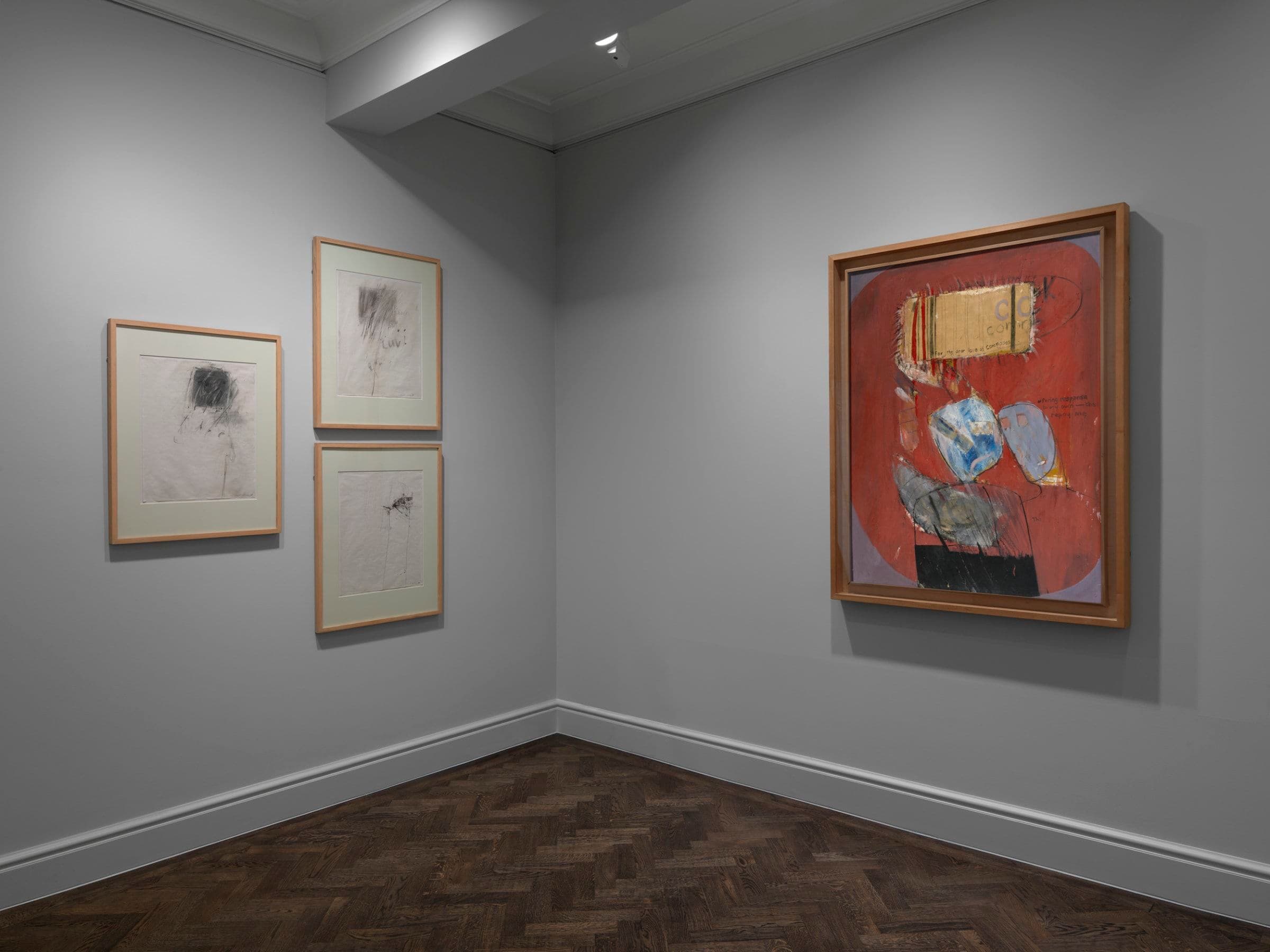
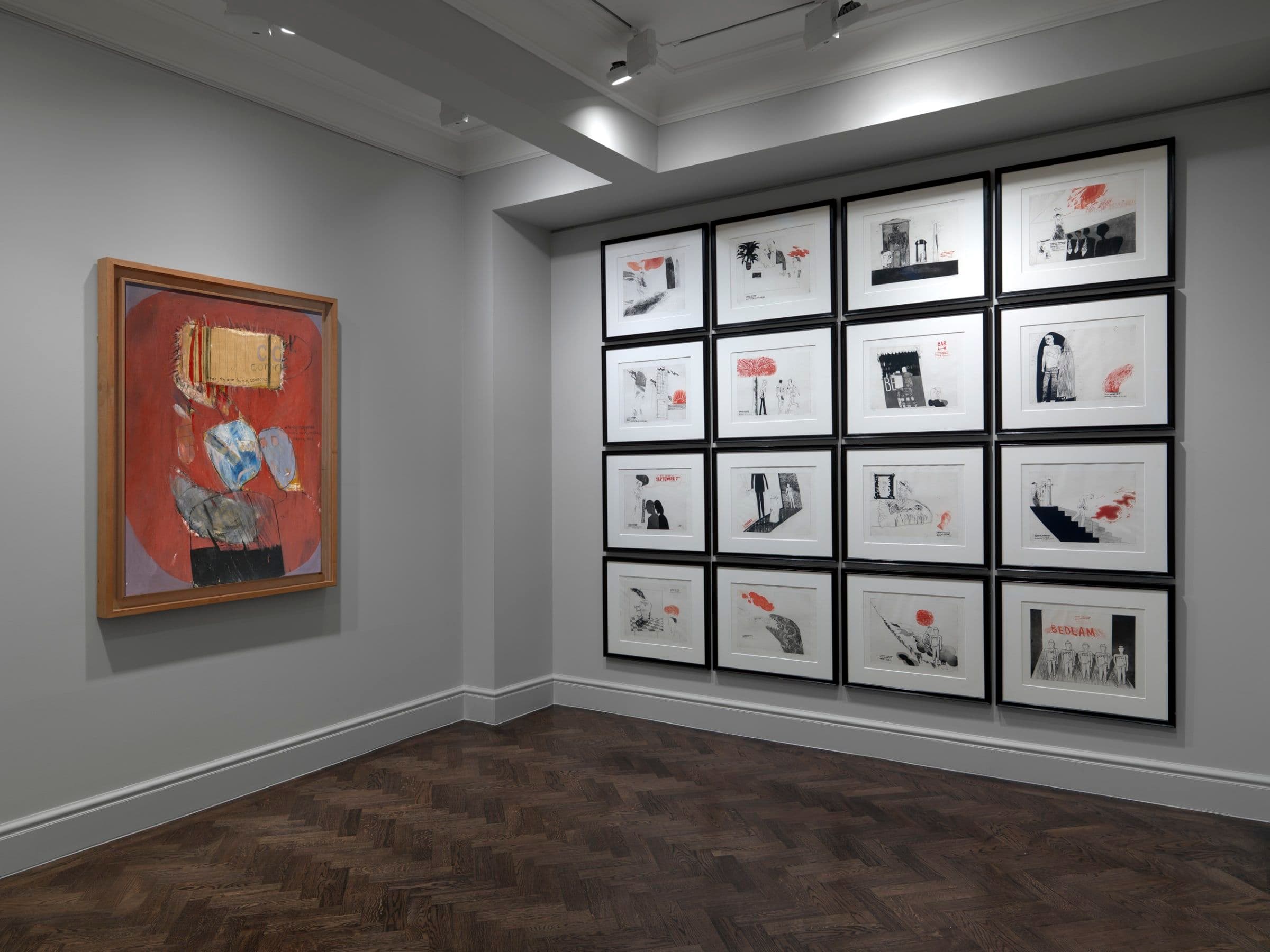
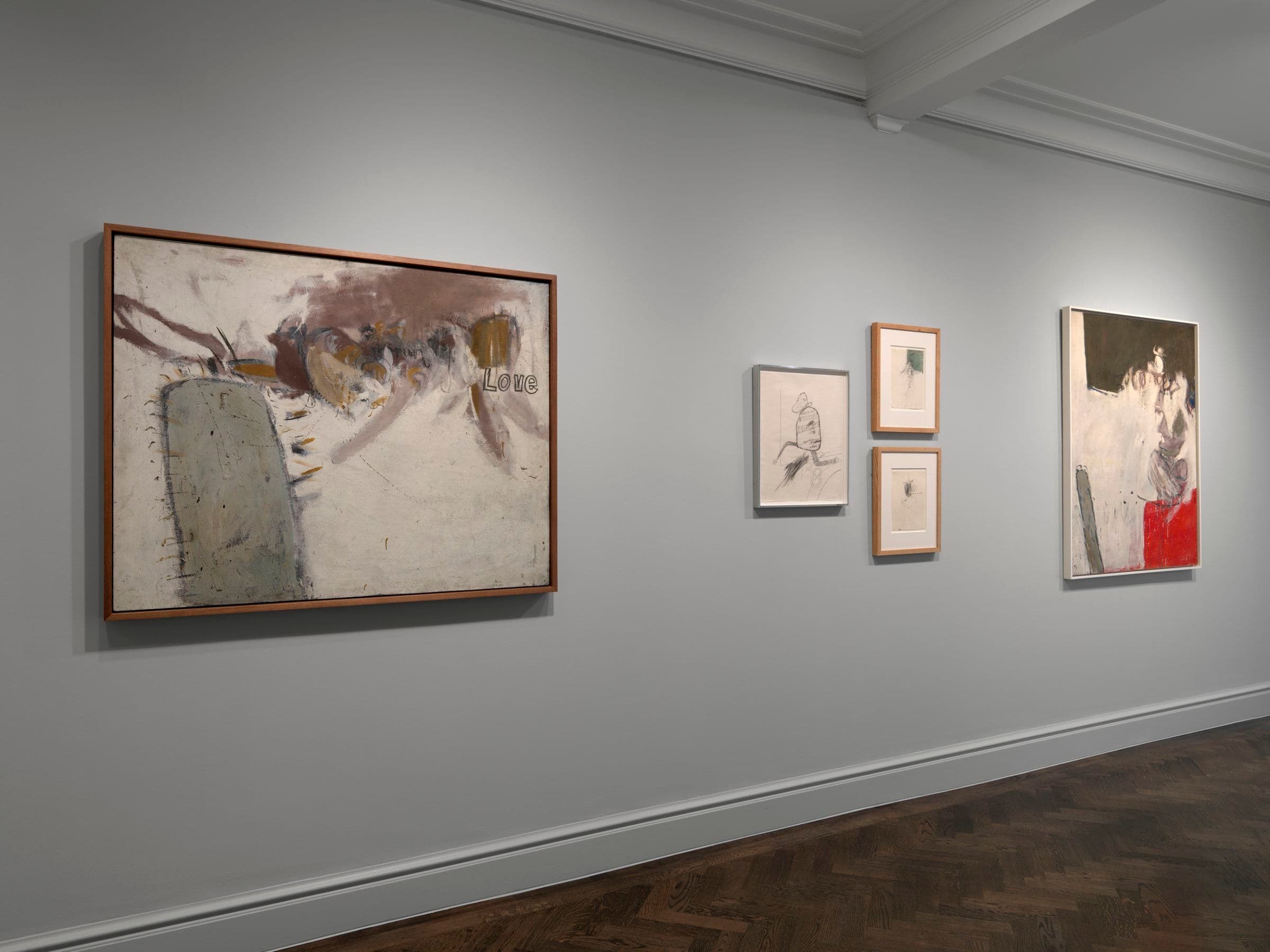
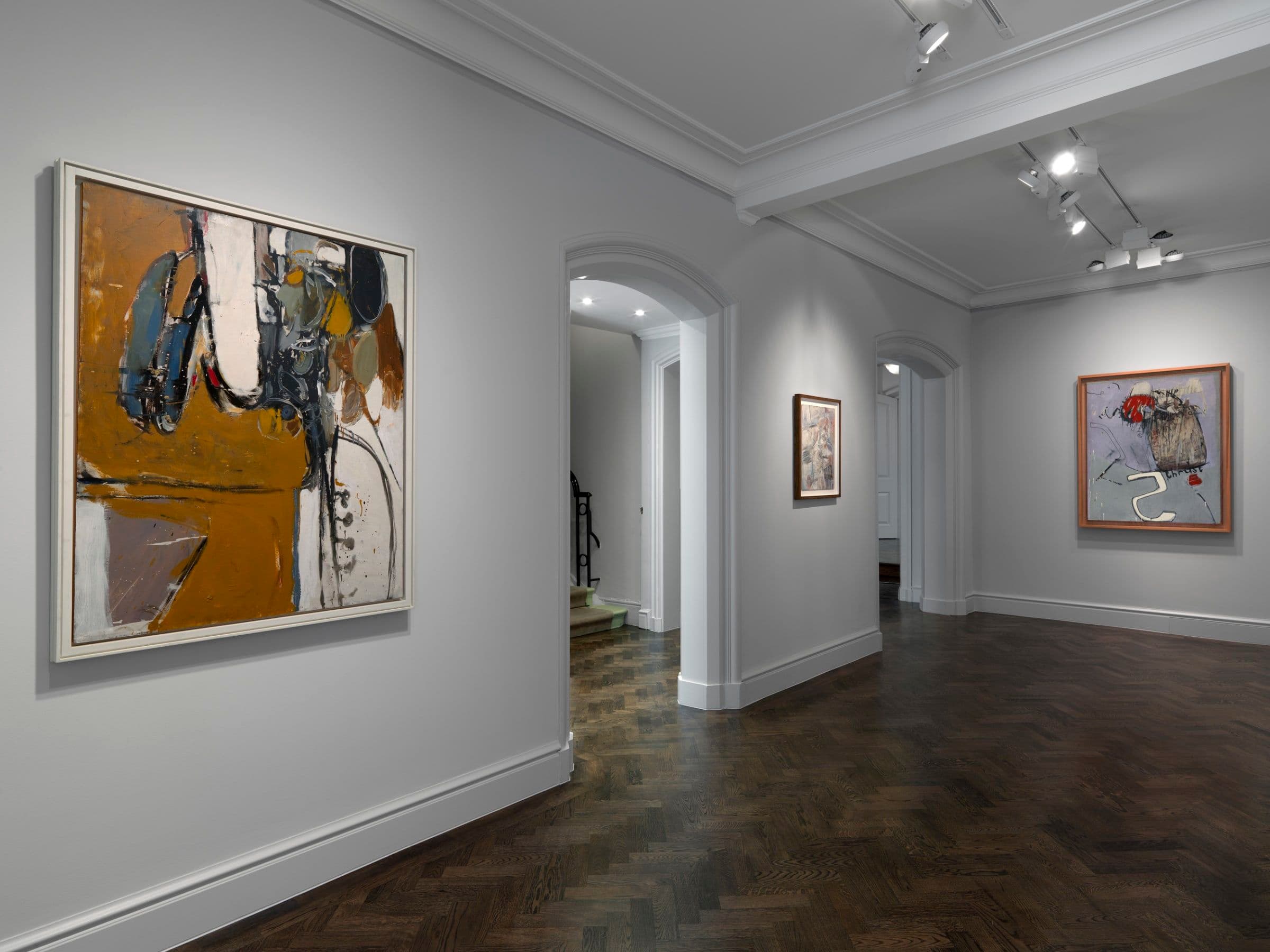
Hazlitt Holland-HibbertExhibited together for the first time, these early paintings embellished with love hearts, graphic text, suggestive shapes and depictions of friends and lovers reveal David Hockney’s precocious talent during the most formative chapter of his career. In 1959, Hockney moved from Bradford to begin his studies at the Royal College of Art, London, where he was determined to experience the capital’s postwar bohemian culture as well as absorb the modern and contemporary art in its museums and galleries. The exhibition focuses on this period before Hockney relocated to the United States at the end of 1963 and reveals his discovery of an unmistakably personal style of painting that would establish him as the most important artist of his generation. In these early years Hockney’s art boldly celebrated his sexuality, well before the partial decriminalisation of homosexuality in 1967. The ‘love paintings’, around which this exhibition is centred, are candid expressions of desired sexual liberation within a bold visual language that is marked by emotional intensity and abstract compositions. This unavoidable explicitness is paralleled with graphic annotations such as ‘queer’ and ‘queen’, contemporary slurs that signal the artist’s internal conflict. This period also saw Hockney’s commitment to the human figure – a move that defied the dominant modernist emphasis on abstraction and formalism. Works such as The Cha Cha that was Danced in the Early Hours of 24th March 1961 (1961) and Life Painting for Myself (1962), which depict friends Mo McDermott and Peter Crutch, engage with the tradition of figurative painting and life drawing at the same time as boldly reimagining its possibilities as Hockney transposed his inner world onto the canvas. These early paintings, rich in narrative and psychological complexity, laid the foundation for Hockney’s lifelong exploration of identity, desire, and the human figure and established many of the themes that continue to animate his work today. The exhibition is curated with the support of the artist and the David Hockney Foundation and includes loans from the Royal College of Art, London, and the Ferens Art Gallery Museum, Hull.