
Chelsea, New York
Group Exhibition
Articulating Activism: Works from the Shelley and Donald Rubin Private Collection
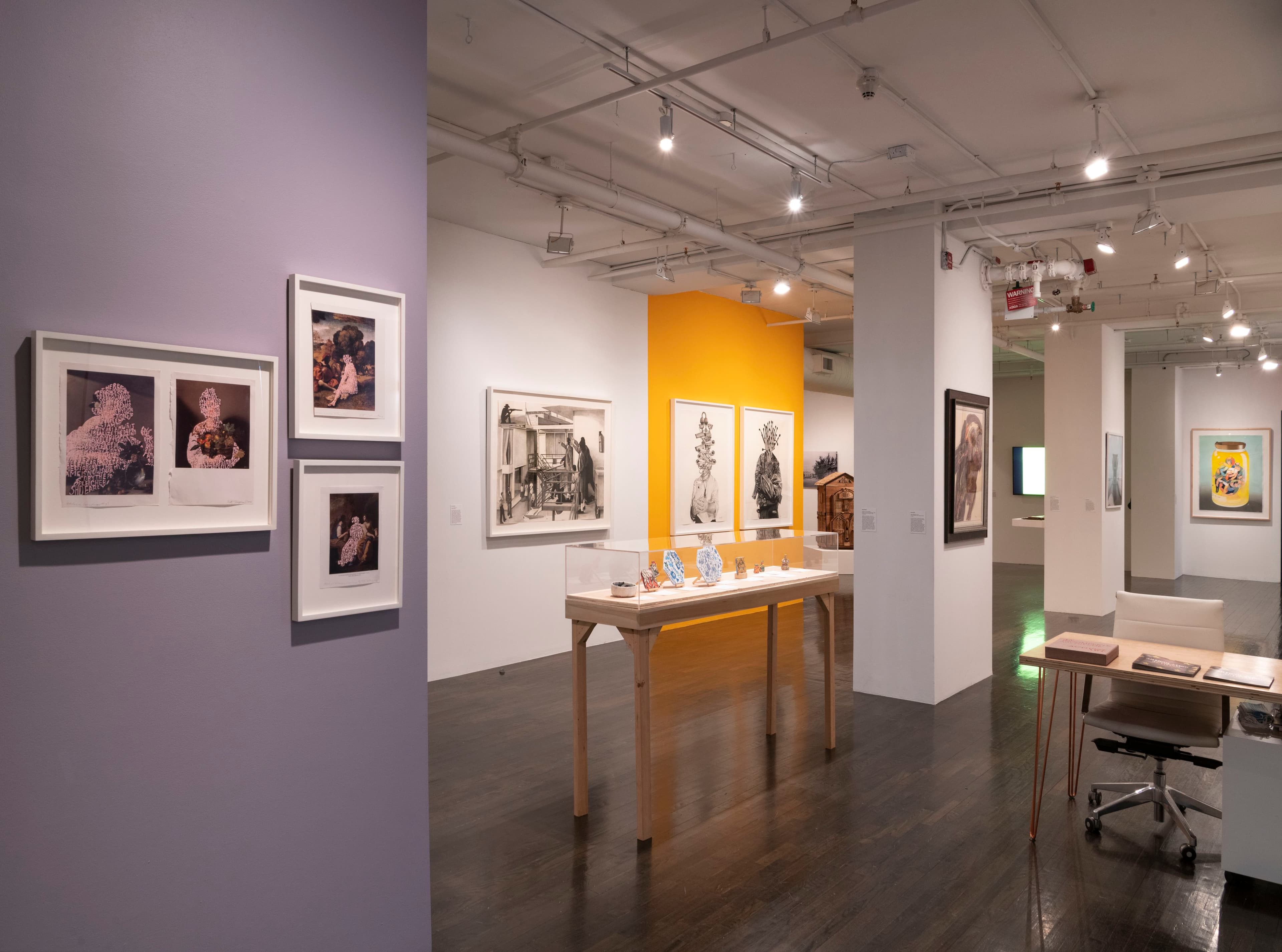
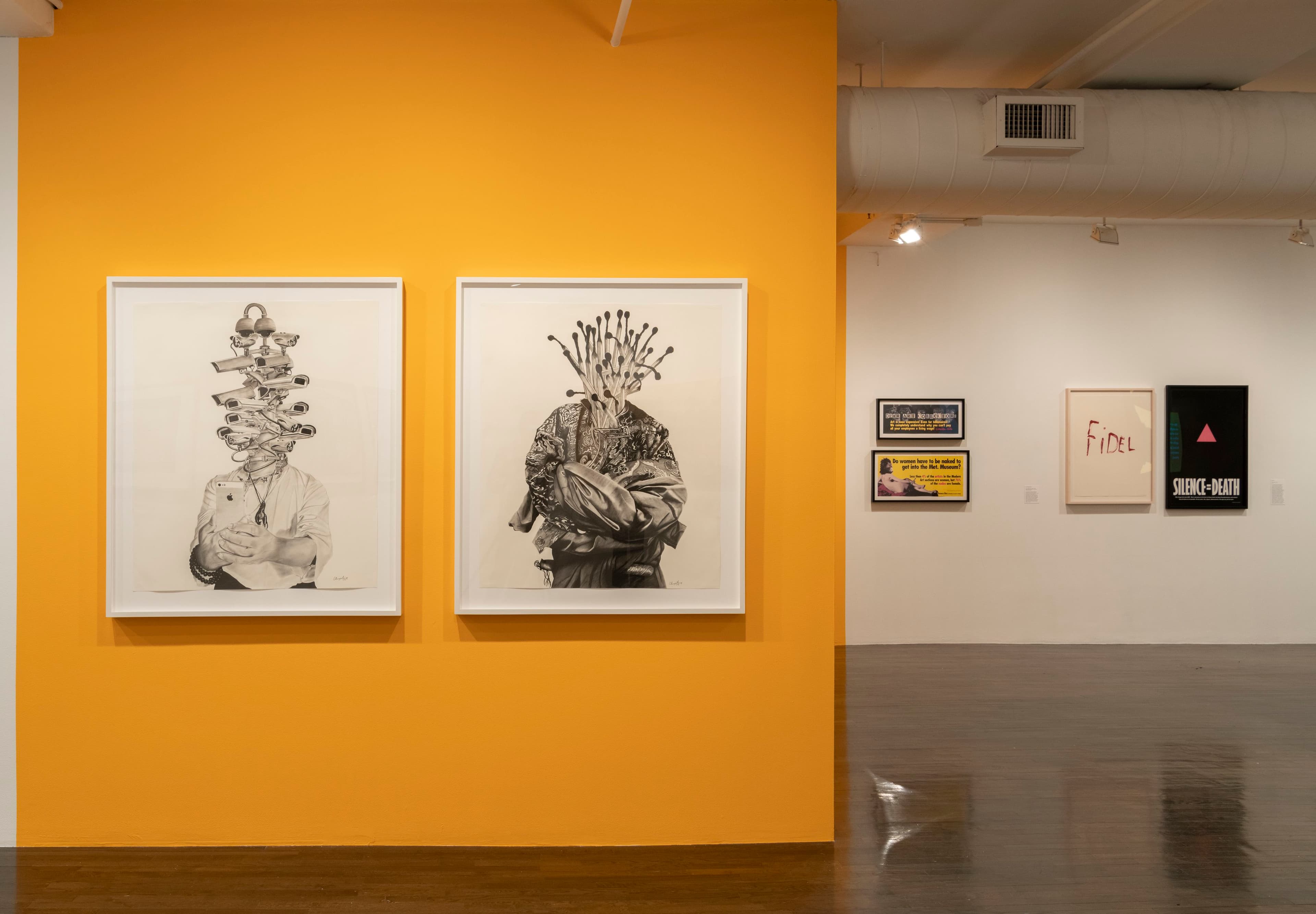
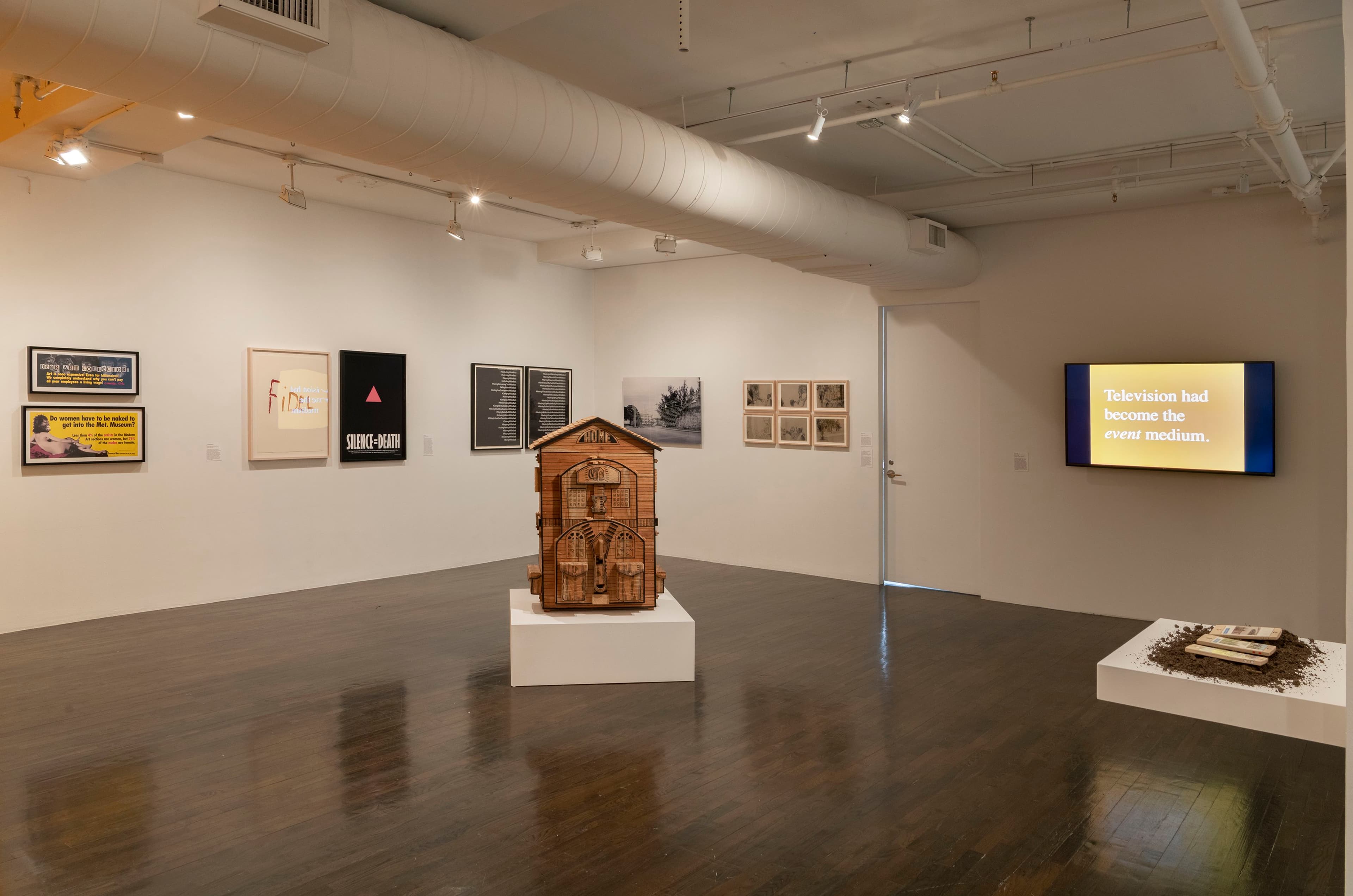
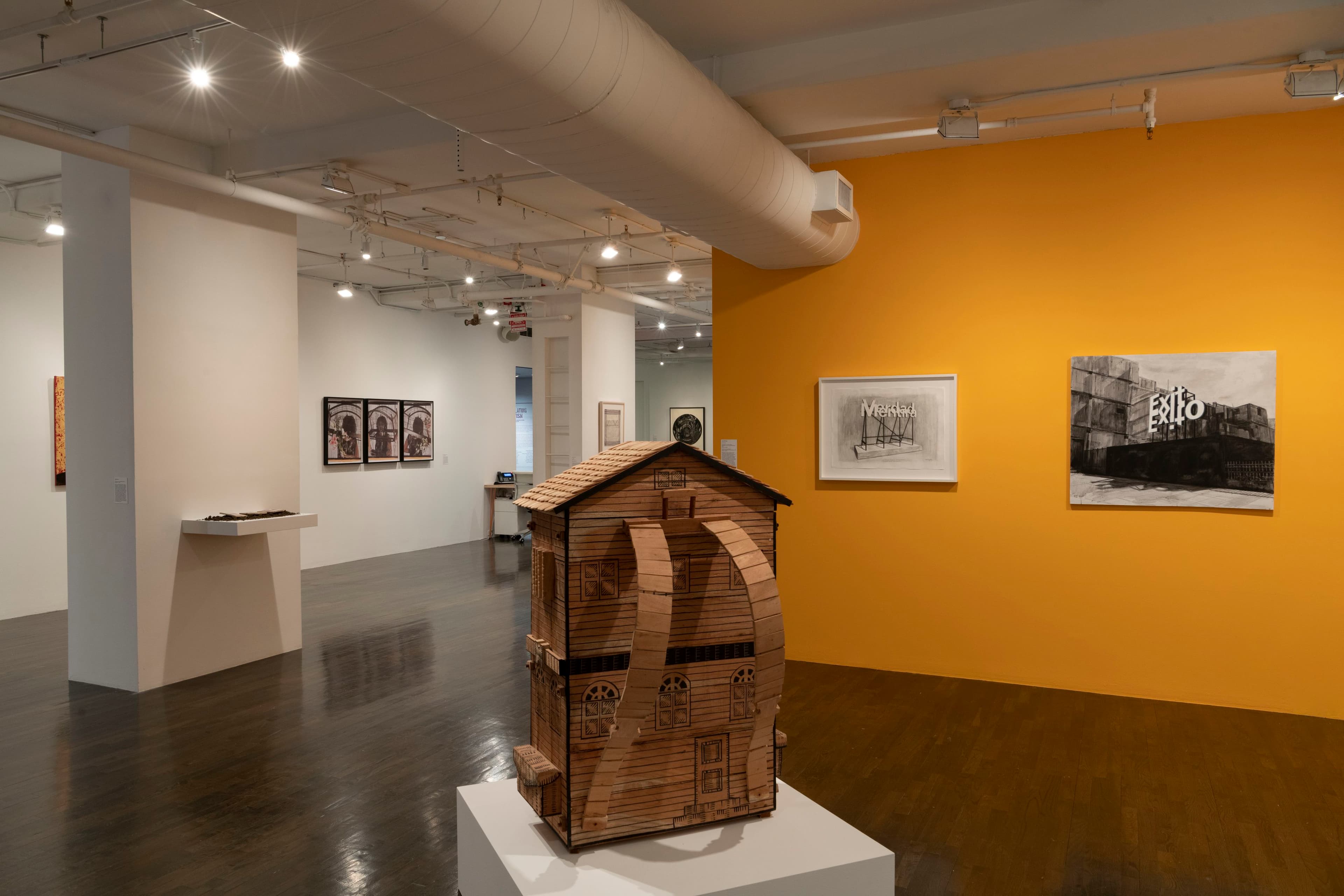
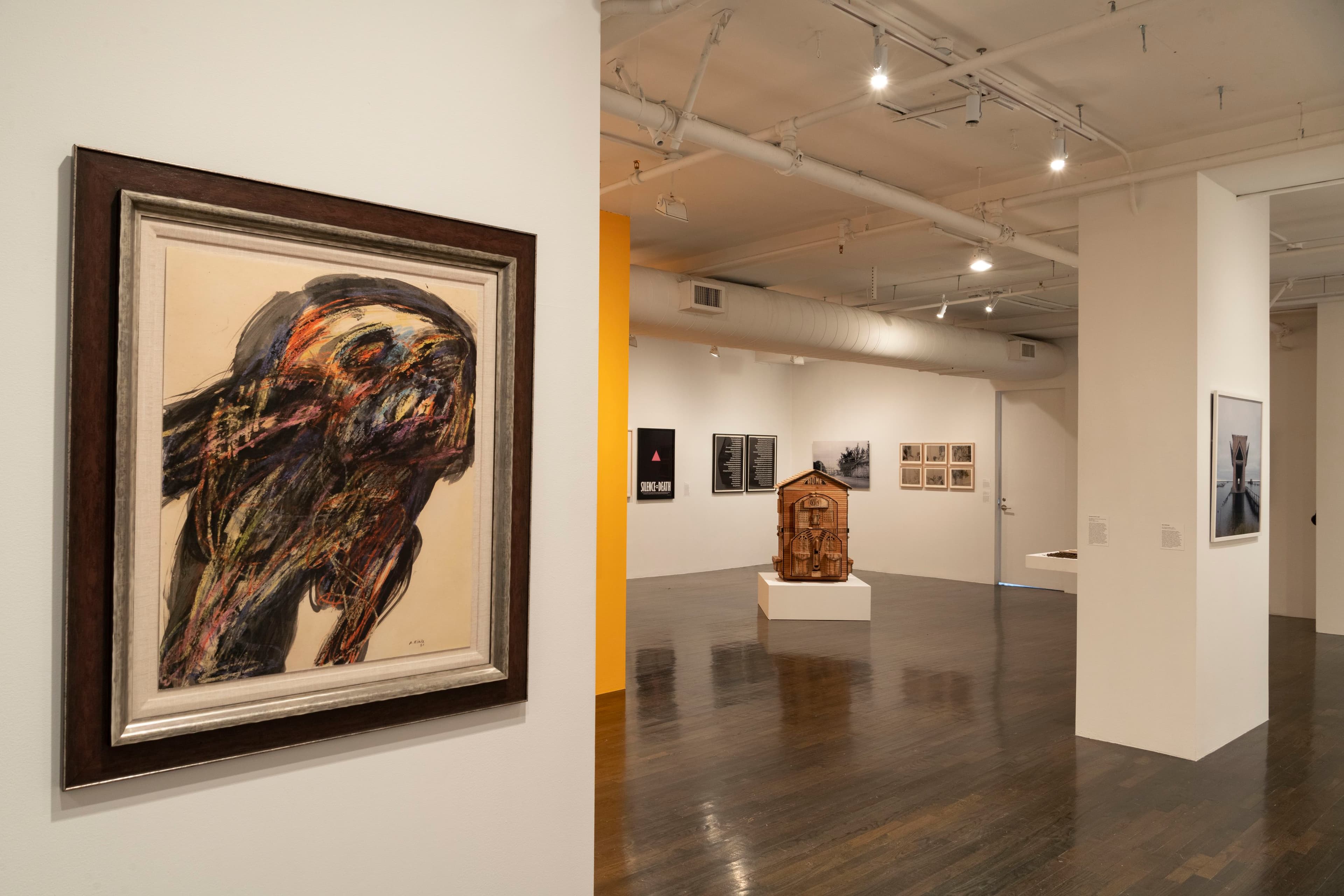
The 8th FloorACT UP, Belkis Ayón, Firelei Báez, Abel Barroso, María Magdalena Campos-Pons, Tony Cokes, Ángel Delgado, Antonia Eiriz, Carlos Garaicoa, Guerrilla Girls, Gonkar Gyatso, Hock E Aye Vi Edgar Heap of Birds, Shaun Leonardo, Cannupa Hanska Luger, Armando Mariño, Carlos Martiel, Frank Martínez, Mary Mattingly, Ana Mendieta, Cirenaica Moreira, Michael Rakowitz, Hunter Reynolds and George Lyter, Dread Scott, Tsherin Sherpa, José Ángel Toirac, Betty Tompkins, Chungpo Tsering, José Ángel Vincench, Jorge Wellesley "Protest and anger practically always derives from hope, and the shouting out against injustice is always in the hope of those injustices being somewhat corrected and a little more justice established." —John Berger The Shelley & Donald Rubin Foundation is pleased to present Articulating Activism: Works from the Shelley and Donald Rubin Private Collection. Predominantly drawn from their Art and Social Justice Collection, which began in 2015, the formation of this branch of the collection celebrates the prescience and power of art at this particular location and moment in history. The exhibition will also encompass work from other areas of concentration in the Rubins’ collection, namely contemporary art from the Himalayan region and Cuba. Each of the artists are devoted to finding solutions rather than simply highlighting problems, visualizing issues that have been previously obscured, overlooked, or ignored. Curatorially speaking, the Foundation has always believed in art’s unique ability to inspire change, that art has a purpose and potential, and that a diverse range of voices, bodies, and perspectives enhances discourse. Articulating Activism seeks to posit artists in dialogue with one another – through material, space, and time – in ways that encourage exchange and lead to poignant correlations between those experiencing the works from multiple branches of this epic collection. The expansiveness of art and activism since the 1960s in subject, medium, and the shifting perception around them as journeying towards something everyone can enjoy has seen its natural conclusion in socially engaged art. With society as their perpetually moving inspiration, artists no longer observe and make, but include the public directly, seeing them as participants and collaborators. The artists in this exhibition exemplify a compulsion, or passion, to deconstruct reality in a variety of media. How we see our bodily reality, reality as information through text-art, political reality, and the reality of injustice are the central threads of this presentation. Visual depiction of the self in positive societal roles is essential to the building of personal identity. In this regard, photography has functioned as a form of truth telling, or rather the subjective representation of truth. Self-portraiture can be a powerful form of resistance, exemplified by the works of Gonkar Gyatso, Carlos Martiel, and Cirenaica Moireira. Moreira’s Sin título, from the series Ojos que te vieron ir... (Untitled, from the series Eyes That Saw You Leave...), 1994, and Gyatso’s My Identity series, play with notions of national identity, political and ideological separation of people, and censorship. Ownership and empowerment of gender and cultural heritage through self-representation are evident in works of Belkis Ayón, Firelei Báez, Ana Mendieta, and María Magdalena Campos-Pons. These Caribbean and Latinx women excavate and subvert the legacy of the male and colonial gaze in a feminist context. The mouth is notably missing or rendered useless in works such as Báez’s Zafa Fukú (April 30th, 2012), 2015, and Campos-Pons’ Freedom Trap (2013), which has the appearance of a scold’s bridle. In each, the subjects appear voiceless and cloistered, implying the repression of both spirit and sexuality. Eyes, and the defiant intensity of the female gaze, emanates from these works, leaving the viewer with the distinct impression that the power structure has and will continue to shift. Art functioning as an act of protest, that which attempts to change society, often reflects the structures used for political ascendency and tactics of mass communication. This can be seen in the practices of ACT UP, Guerrilla Girls, Dread Scott, José Ángel Toirac, Betty Tompkins, Jorge Wellesley, and Tony Cokes, which mimic commercial strategies concentrating on the message, a honed political or poetic statement, or even a simple word – “Fidel” in the case of Toirac’s La Inmortalidad (1998). Both individual artists and collectives employ language to fight against repressed potential for justice, bringing the protest to white cube spaces, as in Do Women Have to be Naked to Get Into the Met. Museum? (2012) by the Guerrilla Girls, a data-driven examination of gender bias in museology, art history, and representation. Post-colonialist narratives, incarceration, ecological activism, cultural conservation, human access to geographies and freedom of movement are global issues facing every society, and many artists are affected by them today. Bearing witness is central to the practices of Carlos Garaicoa, Ángel Delgado, Jorge Wellesley, Cannupa Hanska Luger, Hock E Aye Vi Edgar Heap of Birds, and Tsherin Sherpa, who each uncover factors of concern, taking individual responsibility for collective memory by exposing a wide variety of injustices. On a global scale, the specter of colonialism looms large and is passionately contested in North America, where Indigenous people continually advocate for land rights and ecologically responsible land usage. Luger’s The Weapon is Sharing (This Machine Kills Fascists), 2017, examines the power of social media to disseminate, document, and amplify protest, as a way to counter media narratives and abuses of power, which can be seen in his images depicting the demonstrations at Standing Rock against the Dakota Access Pipeline. The theft of ancestral Indigenous lands, history of forced relocation, and violent conflict are addressed by Heap of Birds in his series Native Survival Inspite of Empire, where he graphically challenges the ongoing occupation of Native American land throughout U.S. history, asserting “Native Nations Have Their Own Presidents.” The opinions of the artists in Activating Activism are not divorced from their respective practices; whether addressing personal or societal struggles, they are intrinsic to the purpose of their creative endeavor – the message. The Foundation is proud to present works by artists that are at times deeply personal, revealing, and bordering on confessional, frequently made in protest, but always hopeful, and aiming towards a better future for us all. The exhibition coincides with the publication of An Incomplete Archive of Activist Art, published by the Shelley & Donald Rubin Foundation. Reflecting on the Foundation’s art and social justice initiatives, the two-volume publication features thematic essays, roundtable discussions, newly commissioned artworks and documentation of visual art exhibitions.