
Downtown, Los Angeles
Group Exhibition
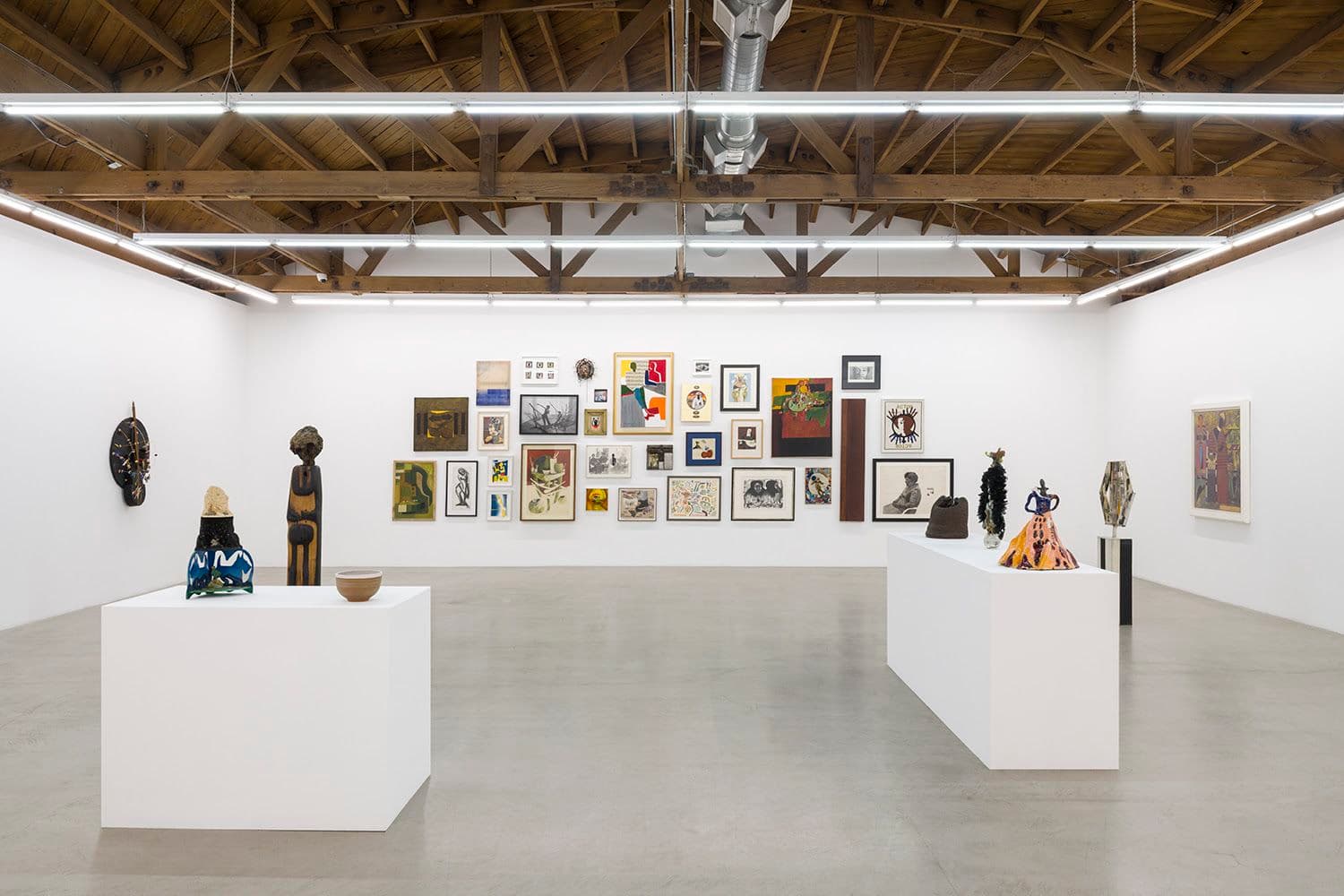
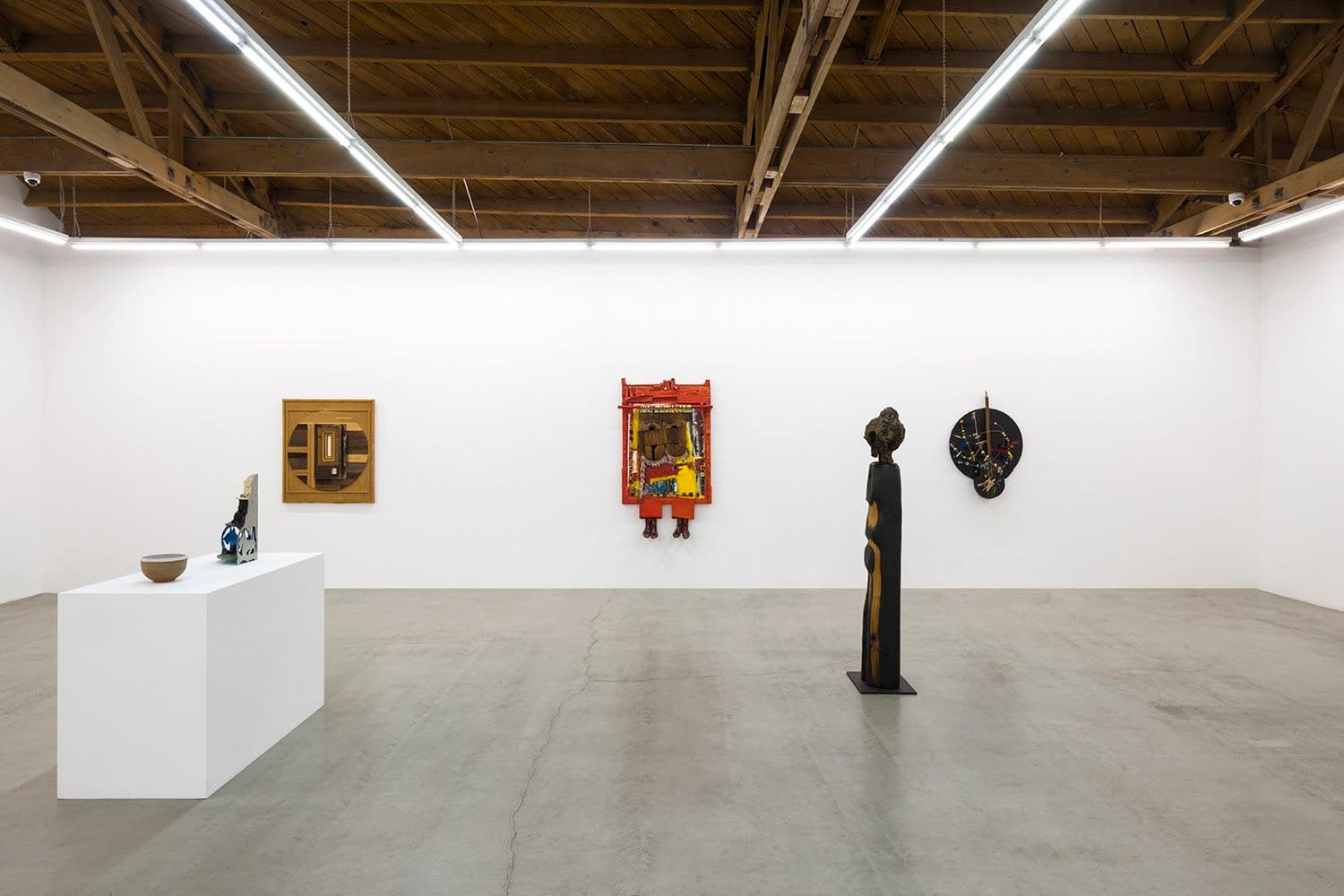
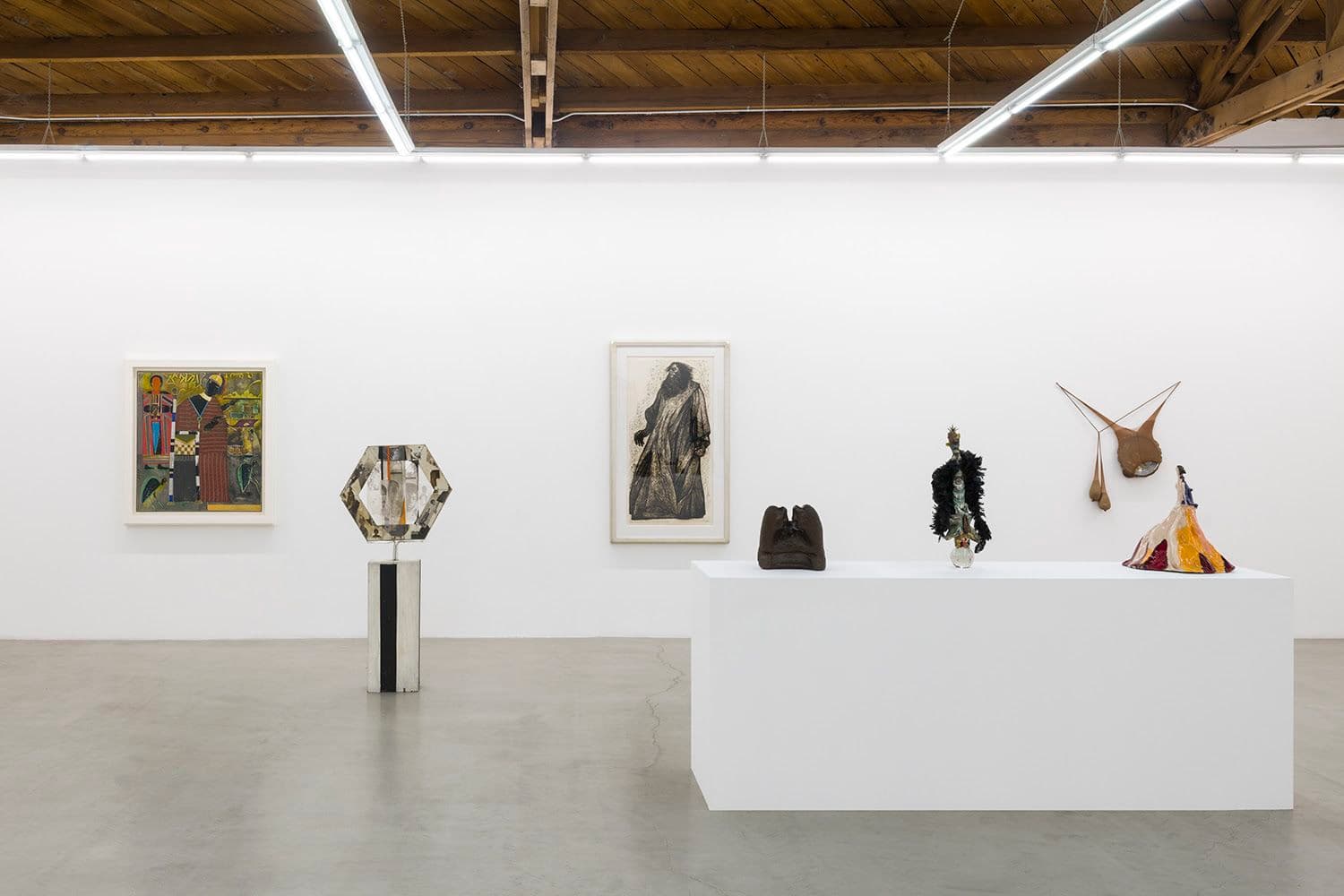
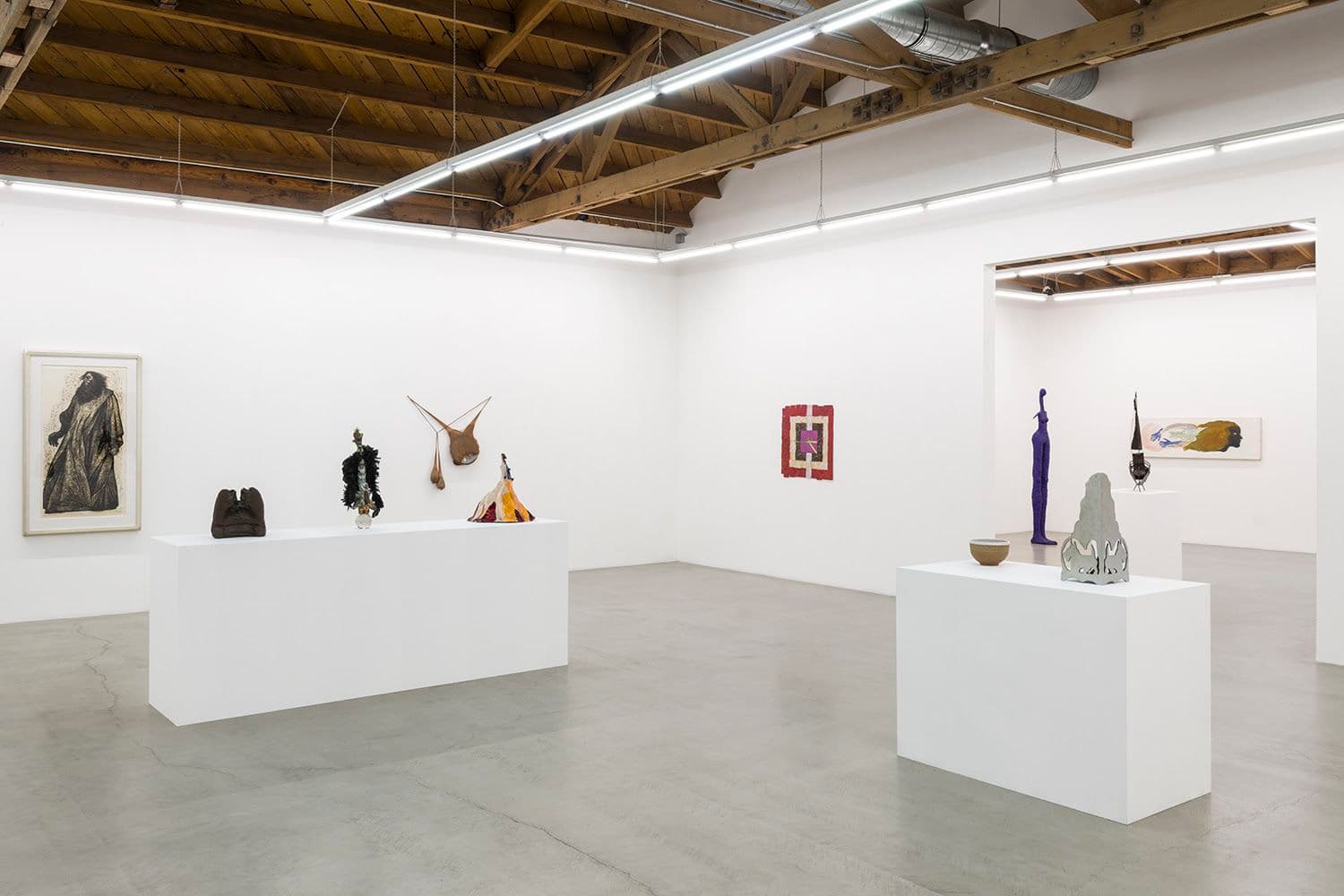
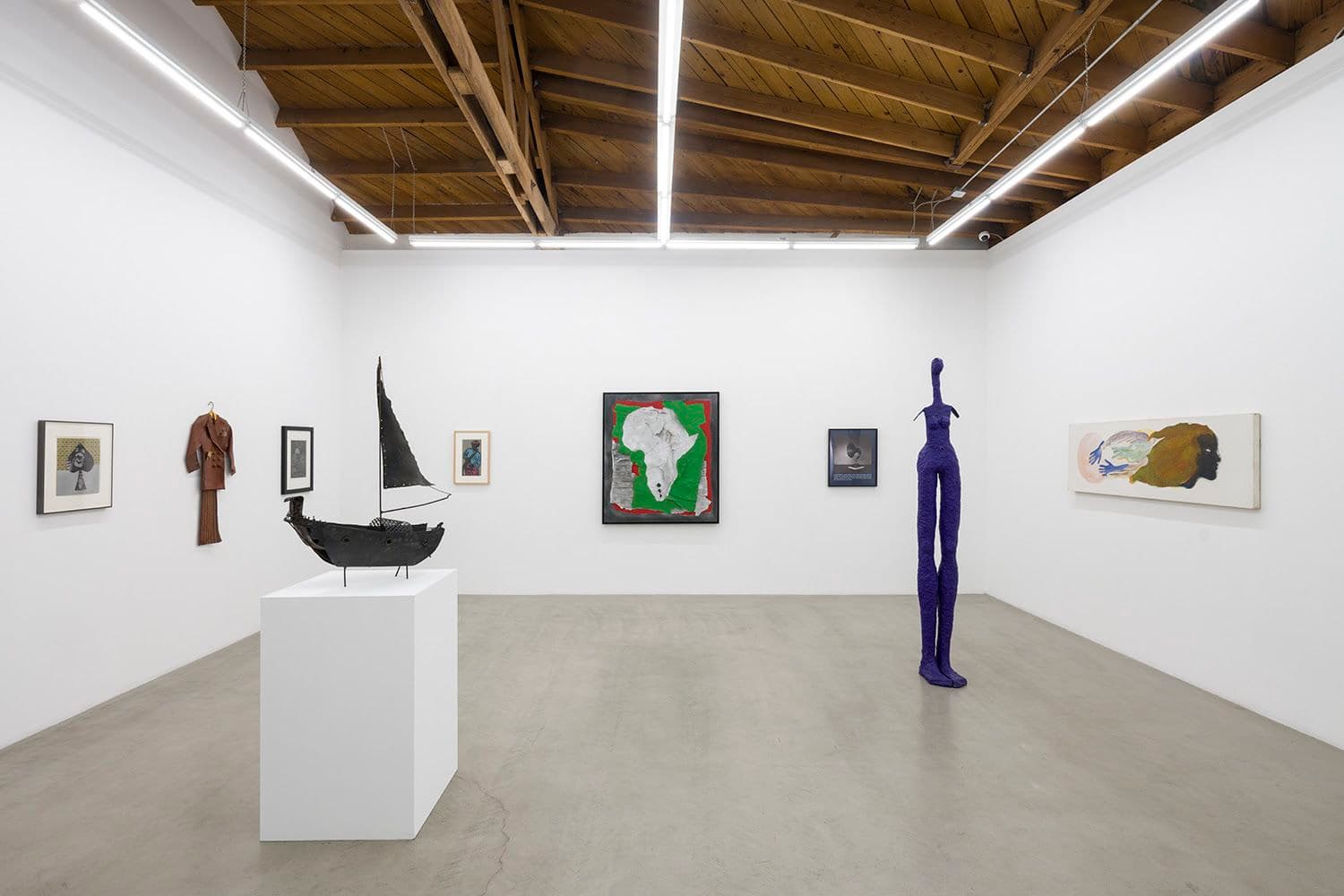
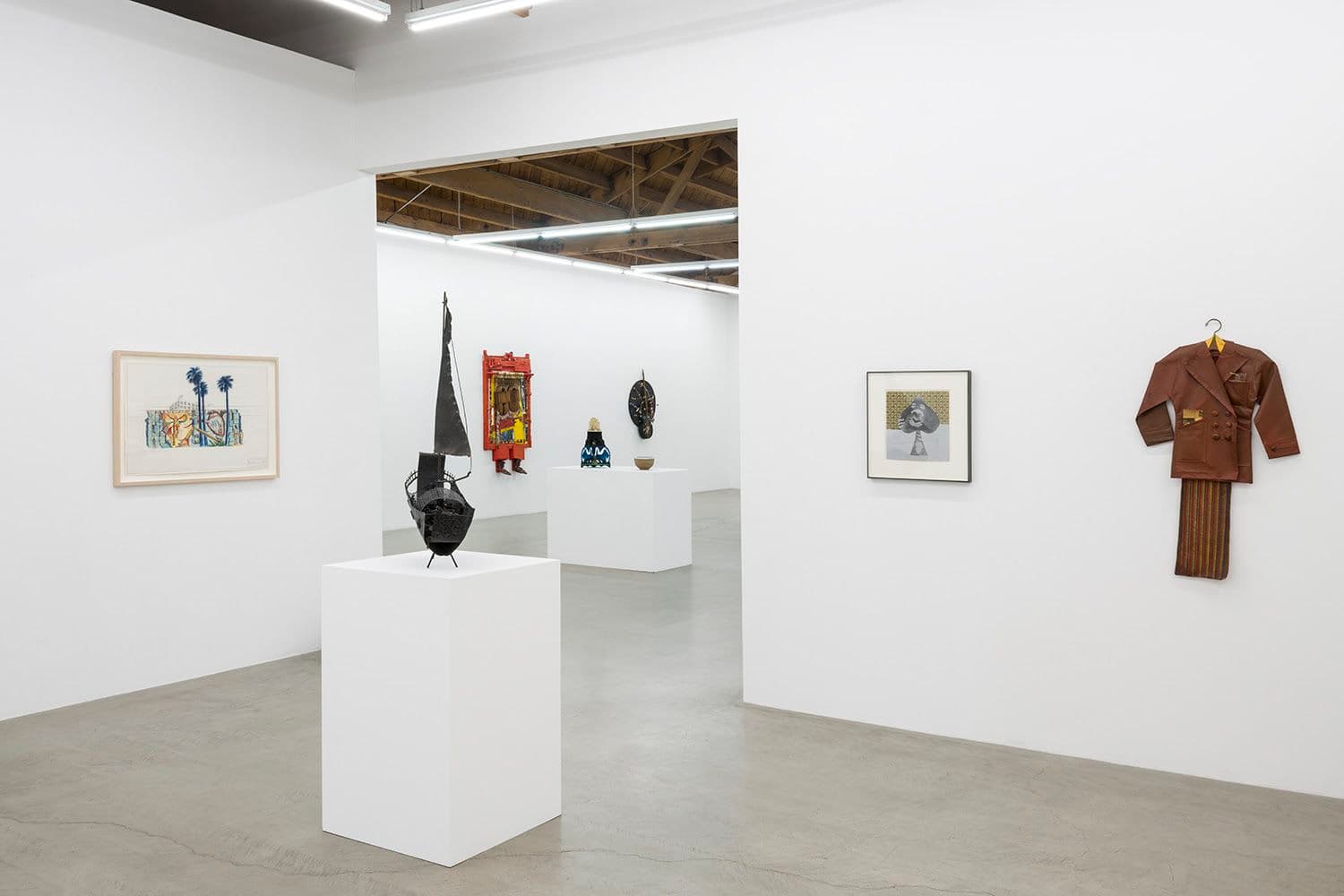
Back At Cha: A Celebration of Alonzo Davis
Parrasch HeijnenJudy Baca, Romare Bearden, Phoebe Beasley, Gloria Bohanon, King Brock, Nathaniel Bustion, Ben Caldwell, Bernie Casey, Elizabeth Catlett, Hyunsook Cho, Dan Concholar, Michael Cummings, Alonzo Davis, Dale Brockman Davis, Charles Dickson, Emory Douglas, Melvino Garretti, Mark Greenfield, David Hammons, Maren Hassinger, Varnette Honeywood, Mildred Howard, Suzanne Jackson, Doyle Lane, Samella Lewis, Kerry James Marshall, Yvonne Cole Meo, Senga Nengudi, Oliver Nowlin, John Outterbridge, William Pajuad, Judson Powell, Noah Purifoy, John Riddle, Frank Romero, Betye Saar, Kenzi Shiokava, Joseph Sims, Donald Ray Stinson, John Stinson, Teresa Tolliver, Kent Twitchell, Linda Vallejo, Ruth Waddy, Timothy Washington, Carrie Mae Weems, La Monte Westmoreland, Charles White, Richard Wyatt Jr., Stanley C. Wilson This expansive tribute includes not only Alonzo Davis, but artists in his orbit and with whom he had collaborative relationships. The joyful and enthusiastic outpouring of responses to the show encapsulate Davis' ethos of community and have resulted in the inclusion of works by 50 artists. A spiritual core resides at the heart of Davis' oeuvre. Social justice was a central part of his creative language and expression. Using self-referential iconography, Davis often employed arrows in his works, reflecting a philosophical interest in direction, be it political, societal, personal, or cosmic. His works are a reclamation of identity, using Blackness, Egyptian imagery, African imagery, and Indigenous motifs, projecting a winding narrative of identity and meaning, and suggesting it was, and continues to be, a subversive act to believe in oneself. As co-founder of the seminal Brockman Gallery in Los Angeles, the first major Black-owned contemporary art gallery in the United States (1967 - 1990), Davis, along with his brother Dale Brockman Davis, sought to champion Black artists in a time when white, male art was prevalent. The Davis brothers focused their efforts on promoting overlooked and underrepresented Black and minority artists by offering a platform for critical and commercial exposure and a nurturing environment to encourage talent and provide visibility within all communities. The Davises allowed artists to focus on experimentation, and Brockman grew to include studio and living spaces, as well as a nonprofit branch. During the summer of 1966, the Davis brothers traversed the continental United States in their green Volkswagen Beetle. The two visited artist studios in historically Black communities throughout the country, meeting Romare Bearden, John Biggers, and Jacob Lawrence, among others in an effort to rewrite the overwhelmingly western and white art history education they had received at university. Civil rights protests were forming across the nation, and the Davis brothers took an active role, participating in the James Meredith March - the "March Against Fear" - a 21-day solitary march down U.S. Highway 51 from the Peabody Hotel in Memphis, TN, to the Mississippi State Capitol in Jackson. The journey had an indelible impact on Davis, exposing him to myriad visual traditions practiced by Black and Indigenous communities. His realization, as quoted on the Hammer Museum website, that "there was room for me, that there was an opportunity for a person of color to be an artist and to make a statement," fueled both his mission and his passion. An advocate for public art, Davis consulted Robert Fitzpatrick, director of the Olympics Arts Festival, to commission a series of public murals to celebrate the 1984 Summer Olympics in Los Angeles. This endeavor resulted in works by ten artists, including Judy Baca, Frank Romero, Kent Twitchell, and Richard Wyatt Jr.. Davis' own contribution was the iconic Eye on ‘84, located on the 110 South Freeway at 3rd Street, which incorporated the Olympic Rings into compositions of hearts, eyes, and arrows. Alonzo Davis participated in multiple exhibitions at parrasch heijnen, including his 2022-2023 solo show The Blanket Series, Davis' first show in Los Angeles since 1984, as well as Alonzo Davis: Select Works, 1973-1979, Frieze Masters, London, UK (2023). Together with Franklin Parrasch Gallery, New York, parrasch heijnen co-presented retrospectives Brockman Days: 1967-1990 at Art Basel Miami Beach (2023), and Brockman Days (Part II): A Tribute to Brockman Gallery, Los Angeles 1967-1990, at Felix Art Fair, Los Angeles (2024). Alonzo Davis received a B.A. from Pepperdine University, Los Angeles, CA (1964), and a B.F.A. (1971) and M.F.A. (1973) from Otis Art Institute, Los Angeles, CA. Select solo exhibitions include Just Above Midtown Gallery, New York (1975); Modern Nordisk Konst, Göteborg, Sweden (1979); Watts Tower Arts Center, Los Angeles, CA (1981); and parrasch heijnen, Los Angeles (2022-2023). Davis' work resides in the permanent collections of the Los Angeles County Museum of Art, Los Angeles, CA; Museum of Contemporary Art, Los Angeles, CA; Hammer Museum, Los Angeles, CA; Blanton Museum of Art, Austin, TX; National Gallery of Art, Washington, D.C.; and the Saint Louis Art Museum, Saint Louis, MO.