

West, London
Martina Quesada
The Exit Shut Opened
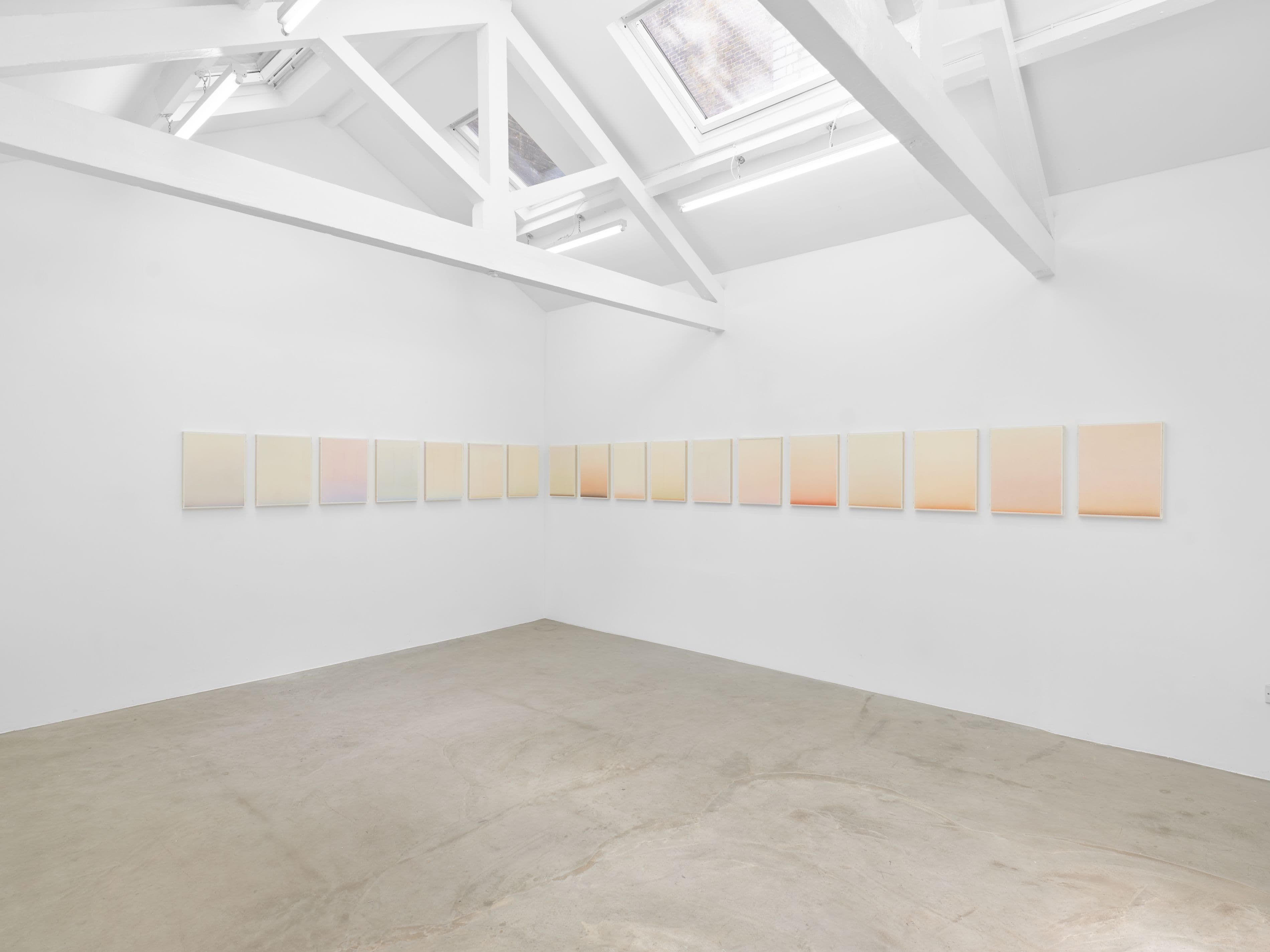
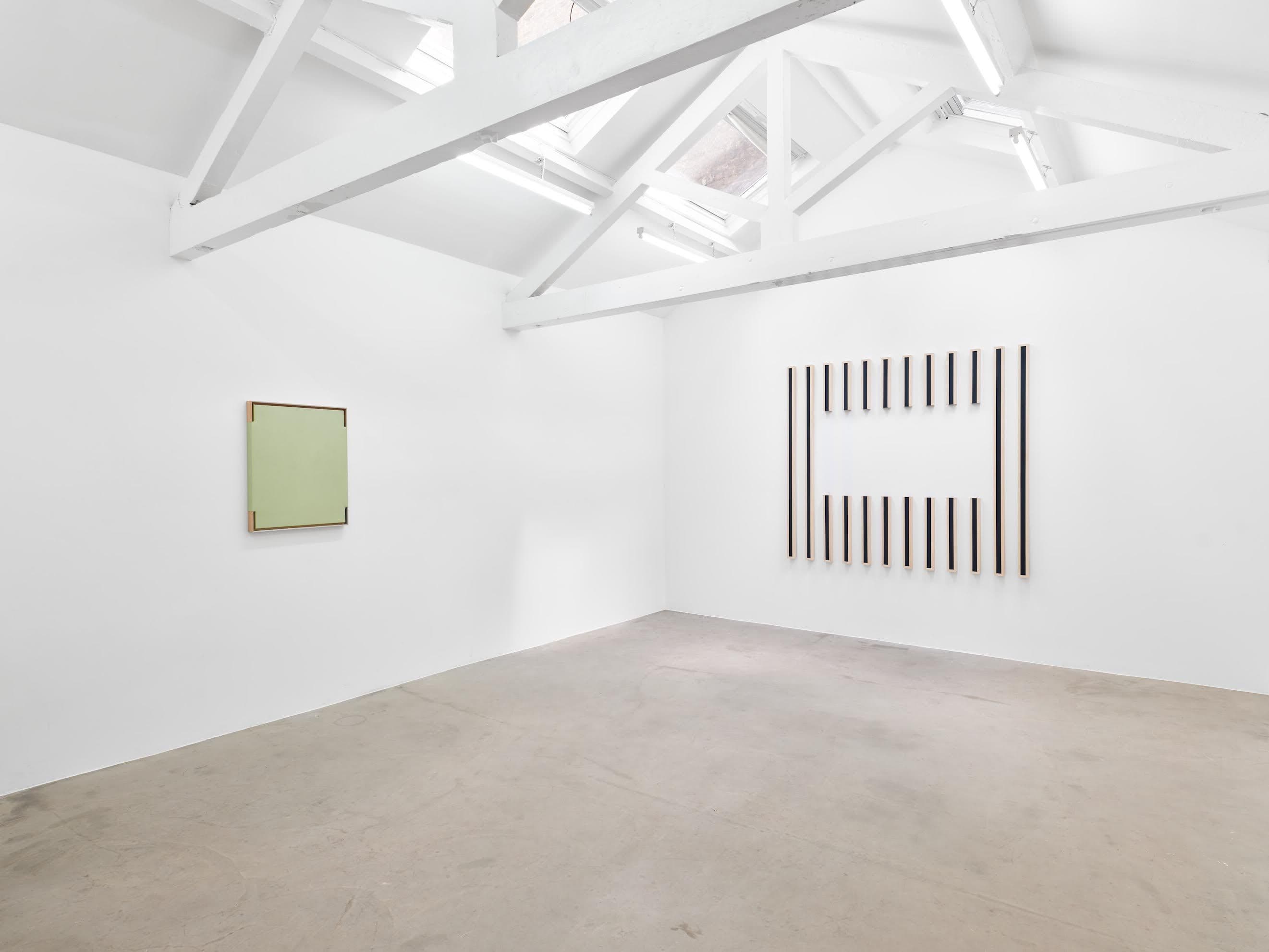
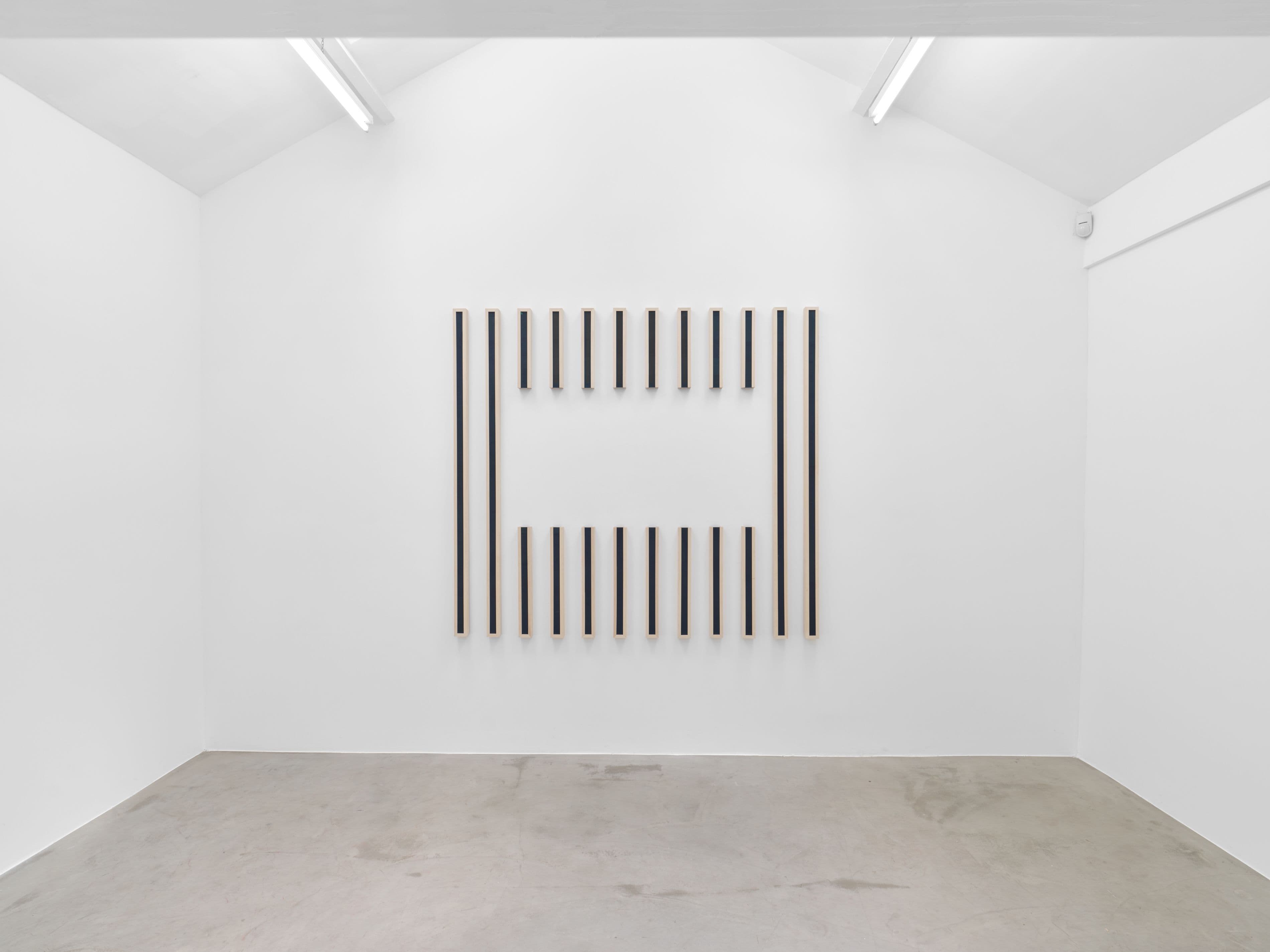
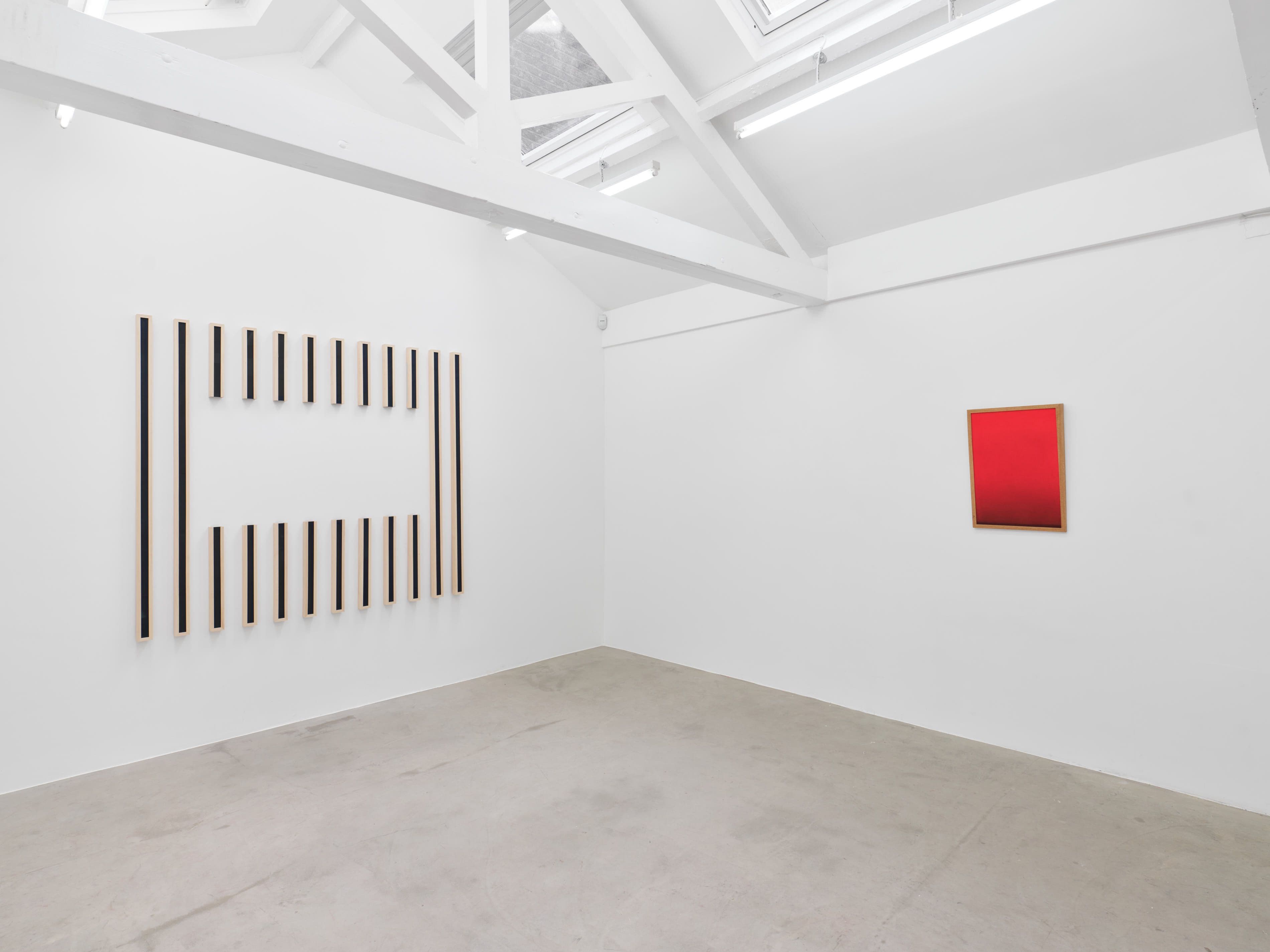
NisoNiso is pleased to present The Exit Shut Opened, Martina Quesada’s debut solo exhibition with the gallery, curated by Philippa zu Knyphausen. The Exit Shut Opened "A conversation in two different frames." —Int. Gallery A conversation unfolds against the backdrop of an exhibition. The artist, Martina Quesada, is absent. Instead, two curators—Philippa zu Knyphausen and Christian Dominguez— engage in a dialogue. It takes the form of a theatrical script: two voices, two acts, a shared arc. Much like the exhibition itself, this dialogue doesn’t seek to define the work. Instead, it unravels it—through perception, through exchange. Act One and Act Two; Room One and Room Two; Character One and Character Two: these parallel structures guide the visitor through the cognitive and sensory transitions of the exhibition. Unlike Sartre’s No Exit, these rooms move toward an ending: a gently unfolding uncertainty, where conflict softens into unresolved acceptance. P: It’s not just a work on a wall. It just looks and feels like one. But it’s a portal—a way through, not a boundary. A wall declares; a portal invites. The mind knows the difference— unless it’s grown dull. As Wilde said, people who choose the tedious life will succeed. That’s their punishment. The alternative is accepting that the soul is unknowable. Are you even listening? C: I am. A portal, sure—but also a threshold. One that doesn’t guarantee you’ll pass through. Like ideas. They only work if you risk stepping in. Maybe this “non-wall” is a kind of defence. There’s no passage without fear. No change without loss. Still, I follow. Even when you bring up Wilde. Even when you talk about the soul like it’s still outside language. What Martina offers isn’t escape—it’s the illusion of it. A broken geometry we have to finish. That’s where the real work happens: in the gaps. P: Alright. Let’s say the work on the wall is both defence and threshold. Maybe even an entrance—just not one we’ve crossed yet. The mind does that—starts with fear, imagines falling, failing. Then something slips through: an unfinished idea, winding like a maze. Then what? C: Then the wall doesn’t block. It creates space—for courage to take shape. The fall doesn’t end things. It opens them. Every broken piece is a promise—not of answers, but of presence. This work on the wall lives at the edge of what we know. P: So imagine this room as Act One. A state of mind, not yet stable. Change just beginning. Like a staircase—the first step toward solving something. The problem? Fear. And how the mind clings to it. That journey—from fear to summit—that’s the play. The next room? Act Two. C: Maybe the real tension is in-between. Where you’re not sure if you’re running or moving forward. The mind craves order—beginnings, endings. But here, nothing fits. And yet... there’s rhythm. Maybe the shift happens when you stop forcing meaning— and just breathe with the work. Then, quietly, something opens. Not an answer, but a release. Space softens. Color becomes breath. And in that openness— you stay. That’s the second room. P: Exactly. Act Two. The clearing. The lift. The artworks become light—pure pigment on paper. Almost divine. Not something to explain. Something to move through. As Wilde said, the soul isn’t ruled—it’s navigated. C: And here, it moves both ways. The staircase reaches up—wants to rise. But the pigment falls—soft, precise. One holds, the other lets go. Together they speak. No destination. Just stillness. A blue tremor. Everything quiet. Not explained—revealed.