
Upper East Side, New York
Group Exhibition
Amazonia Açu
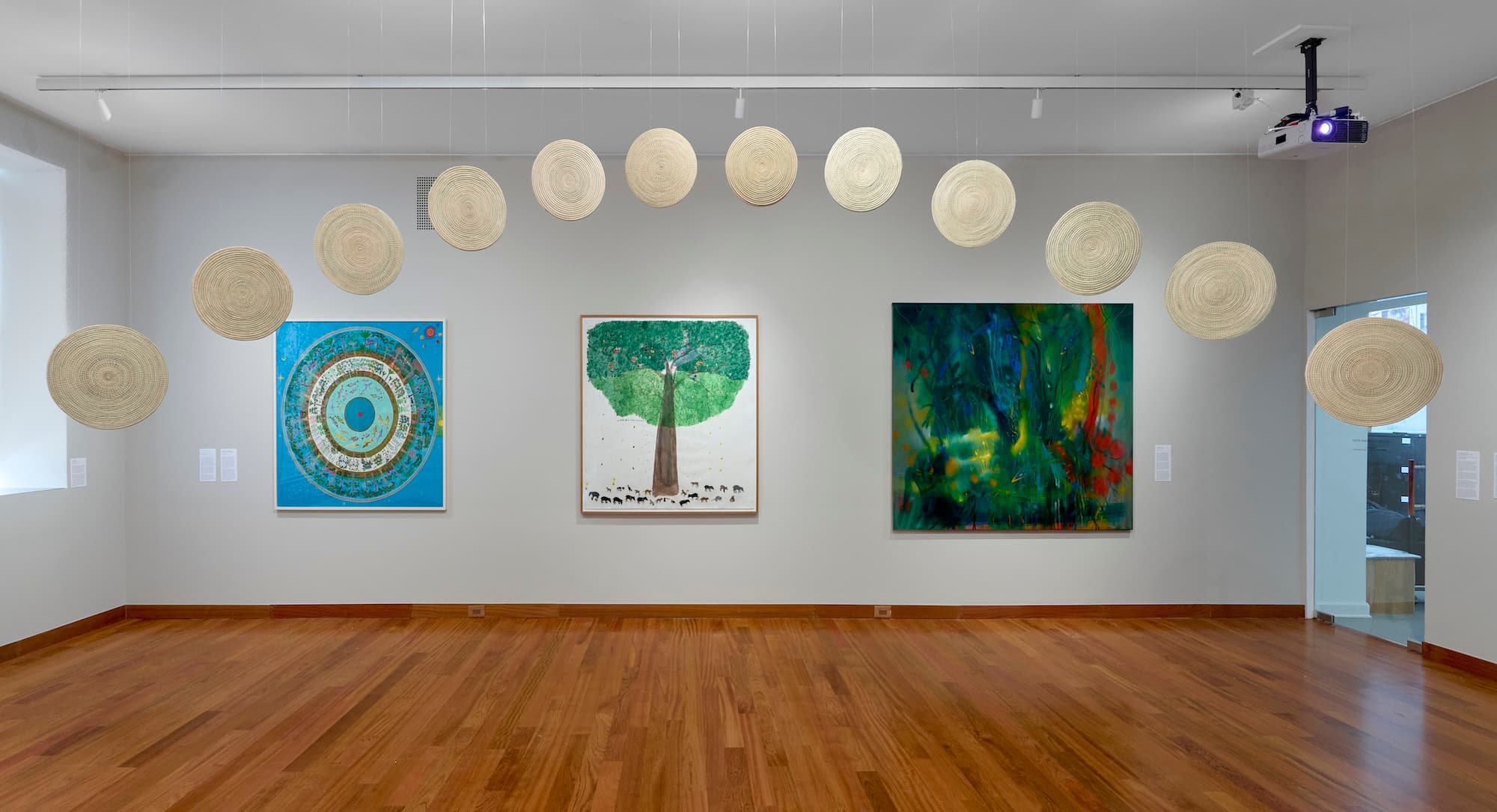
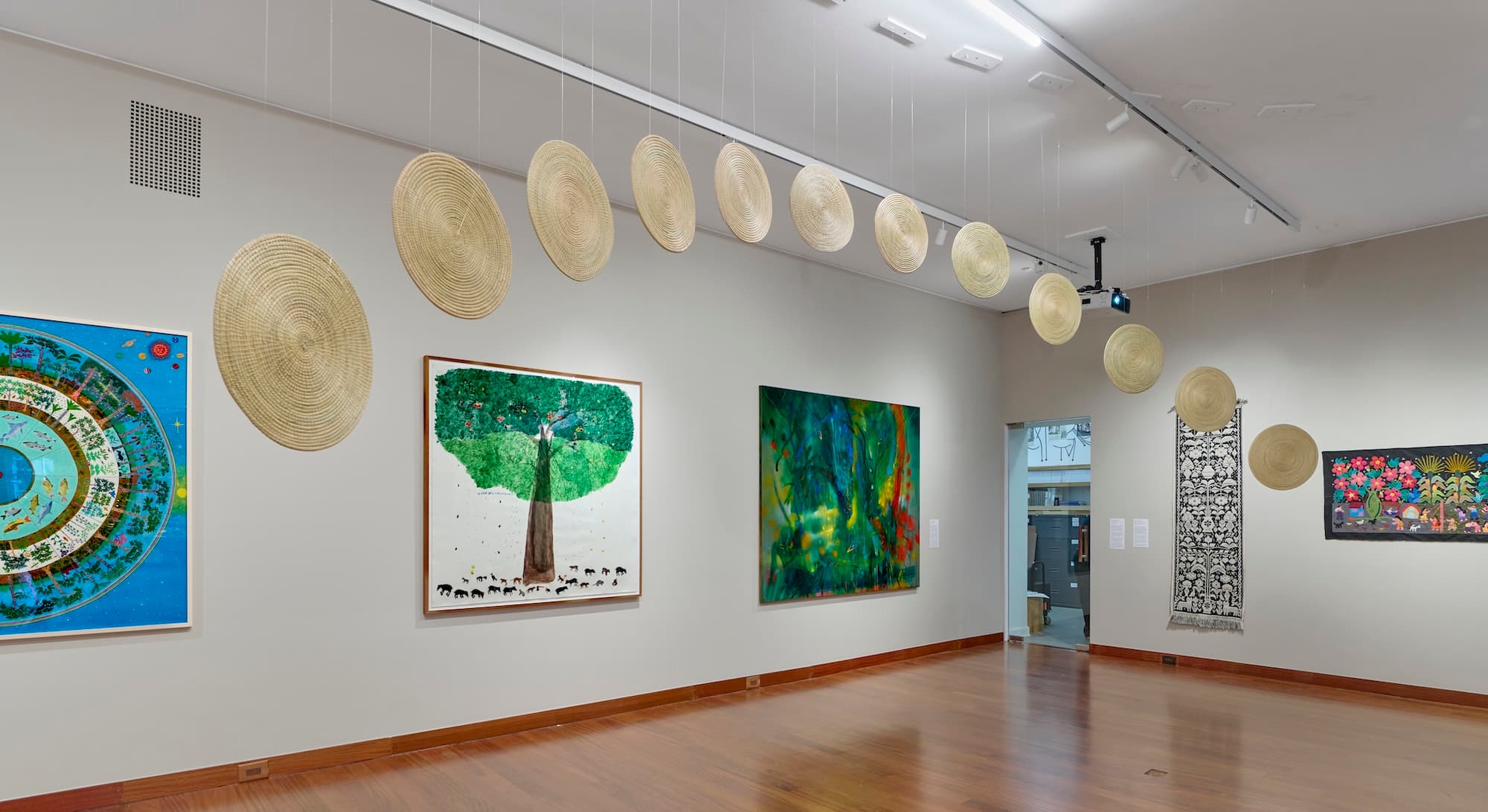
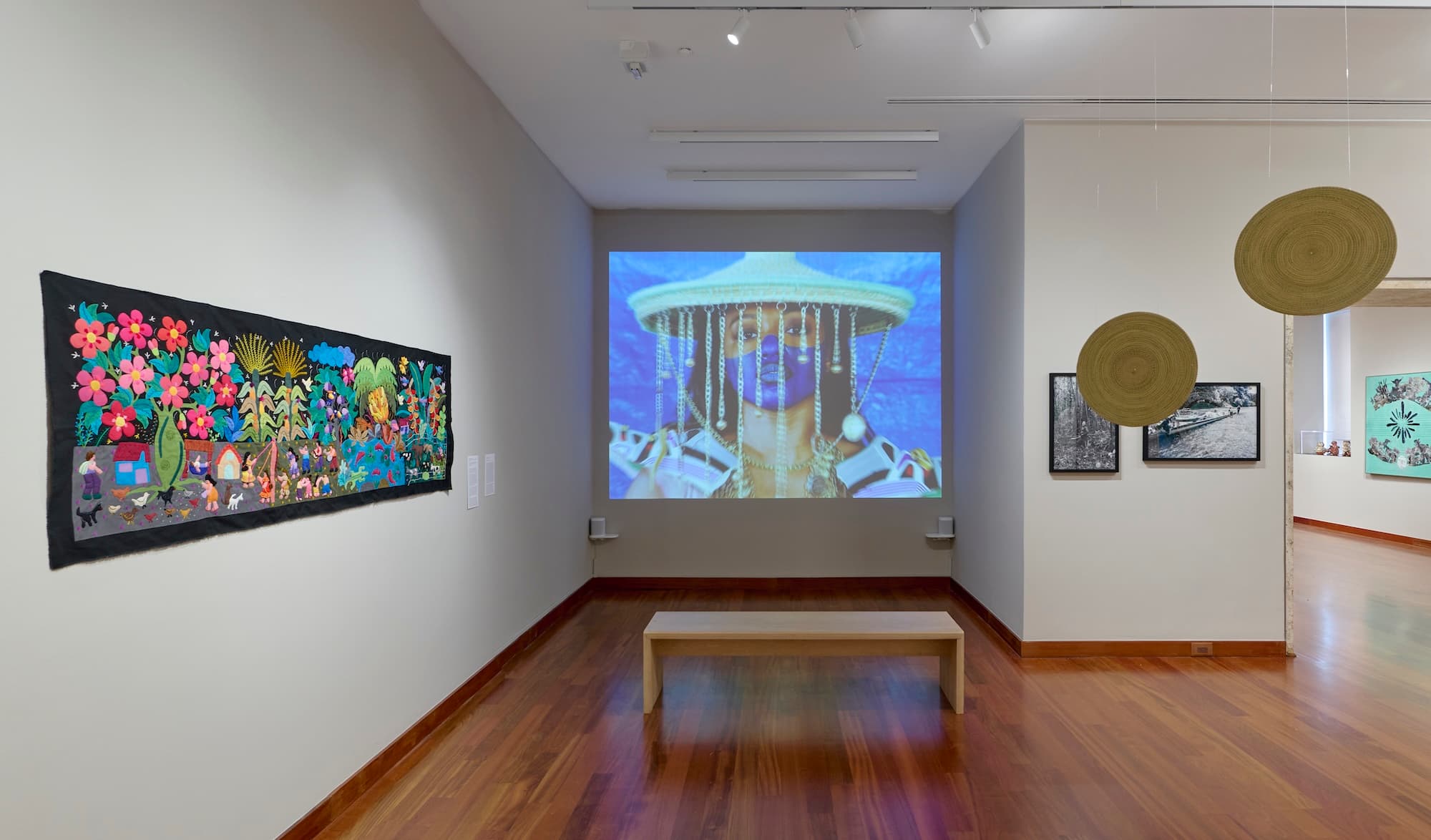
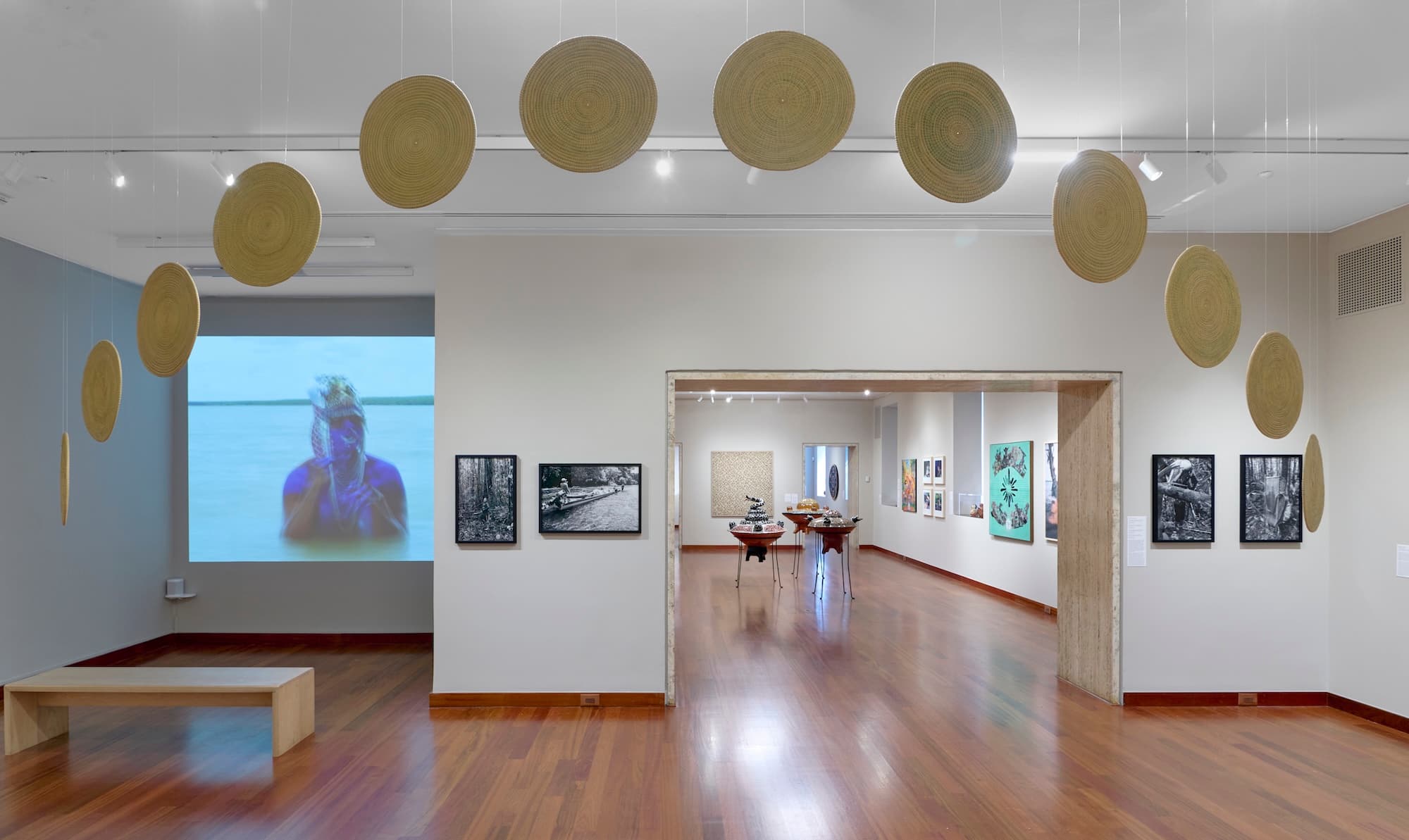
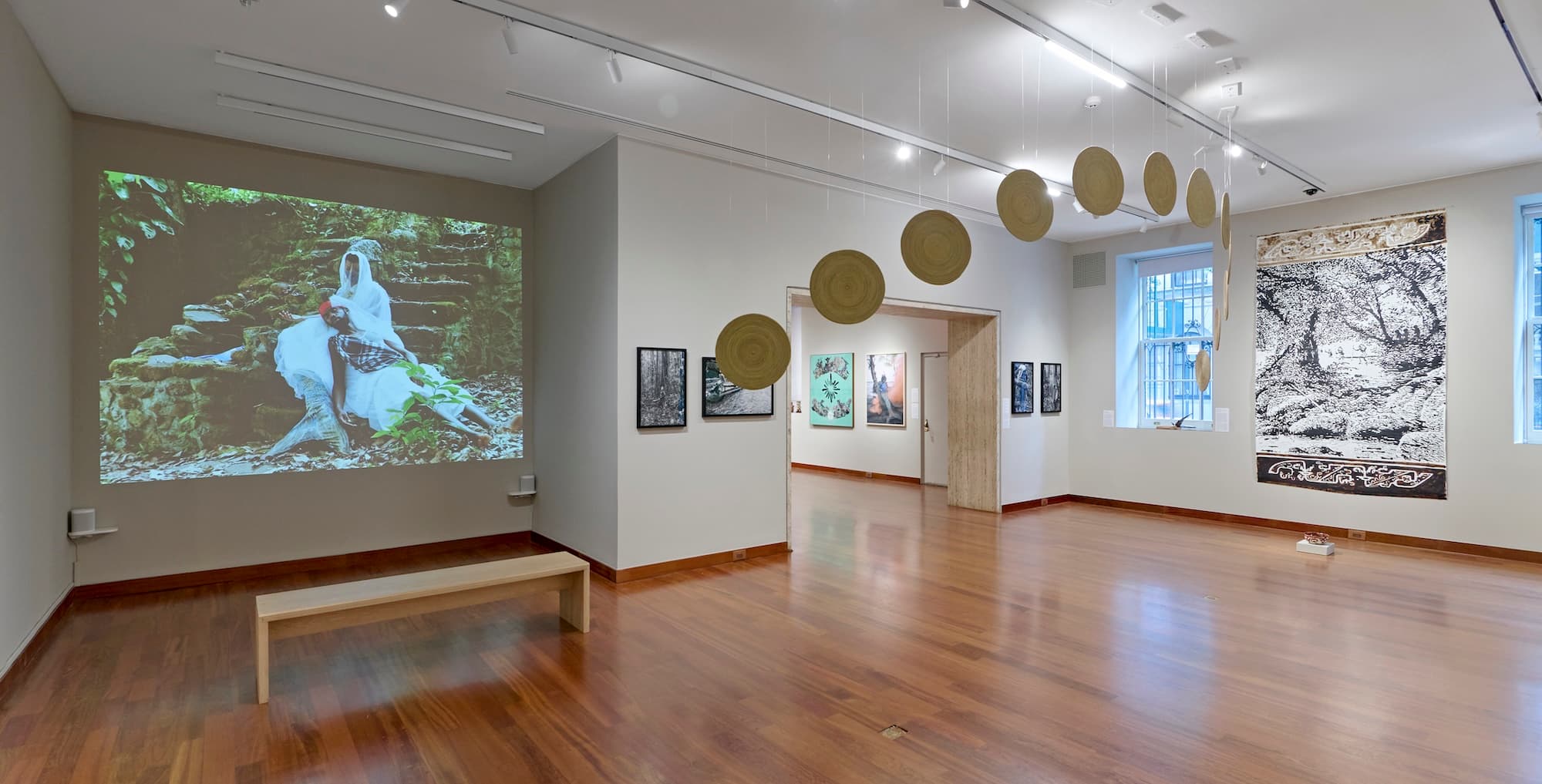
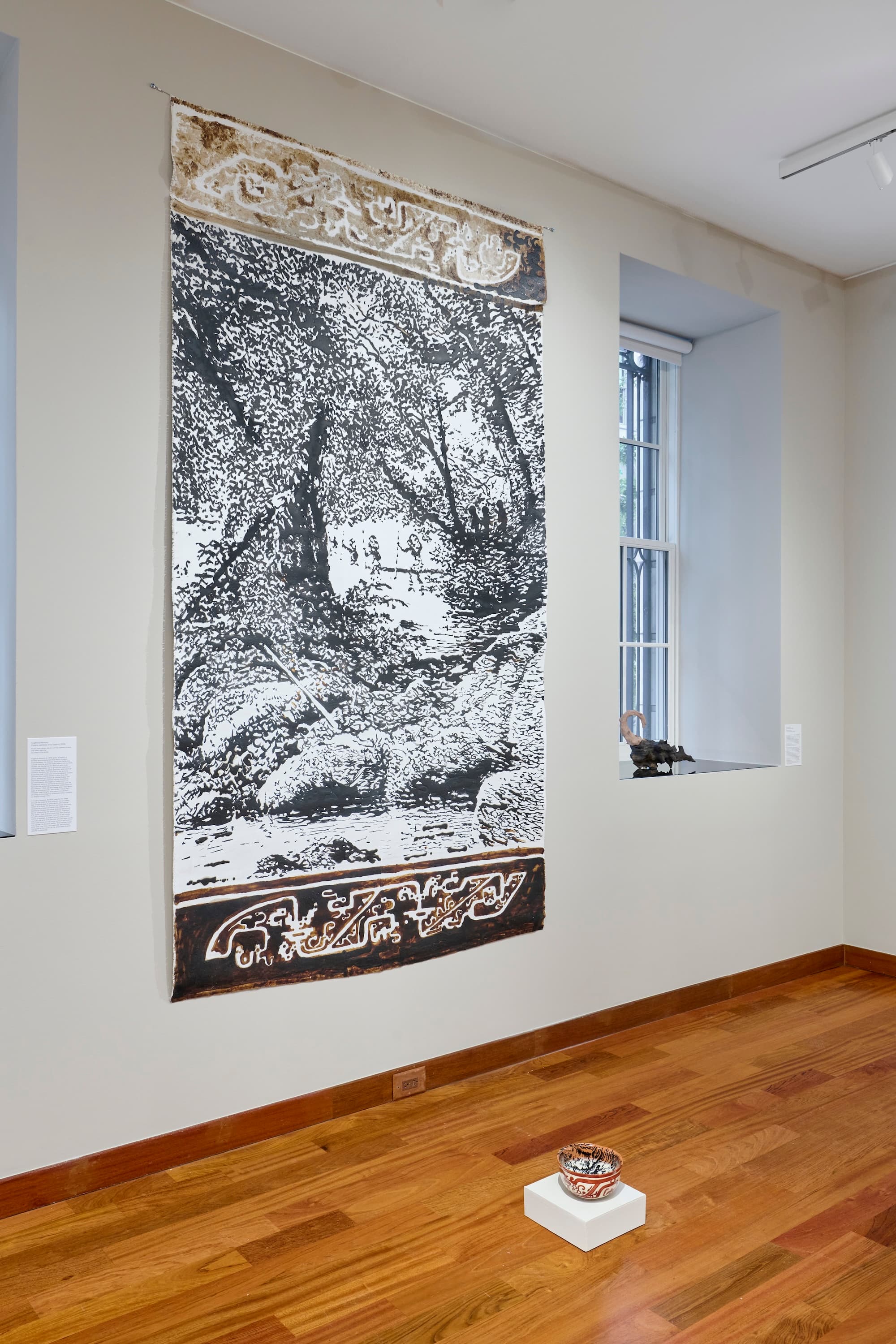
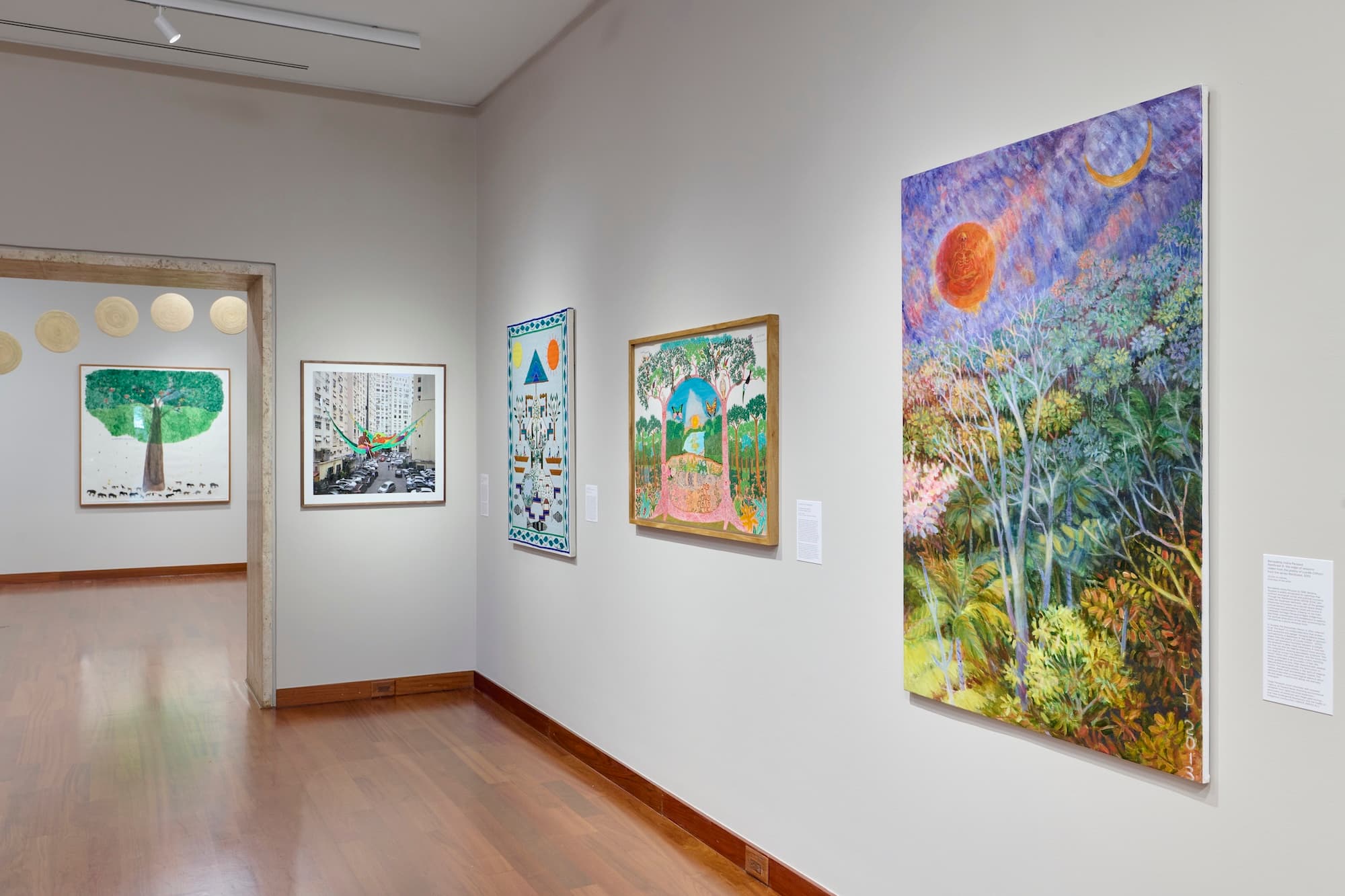
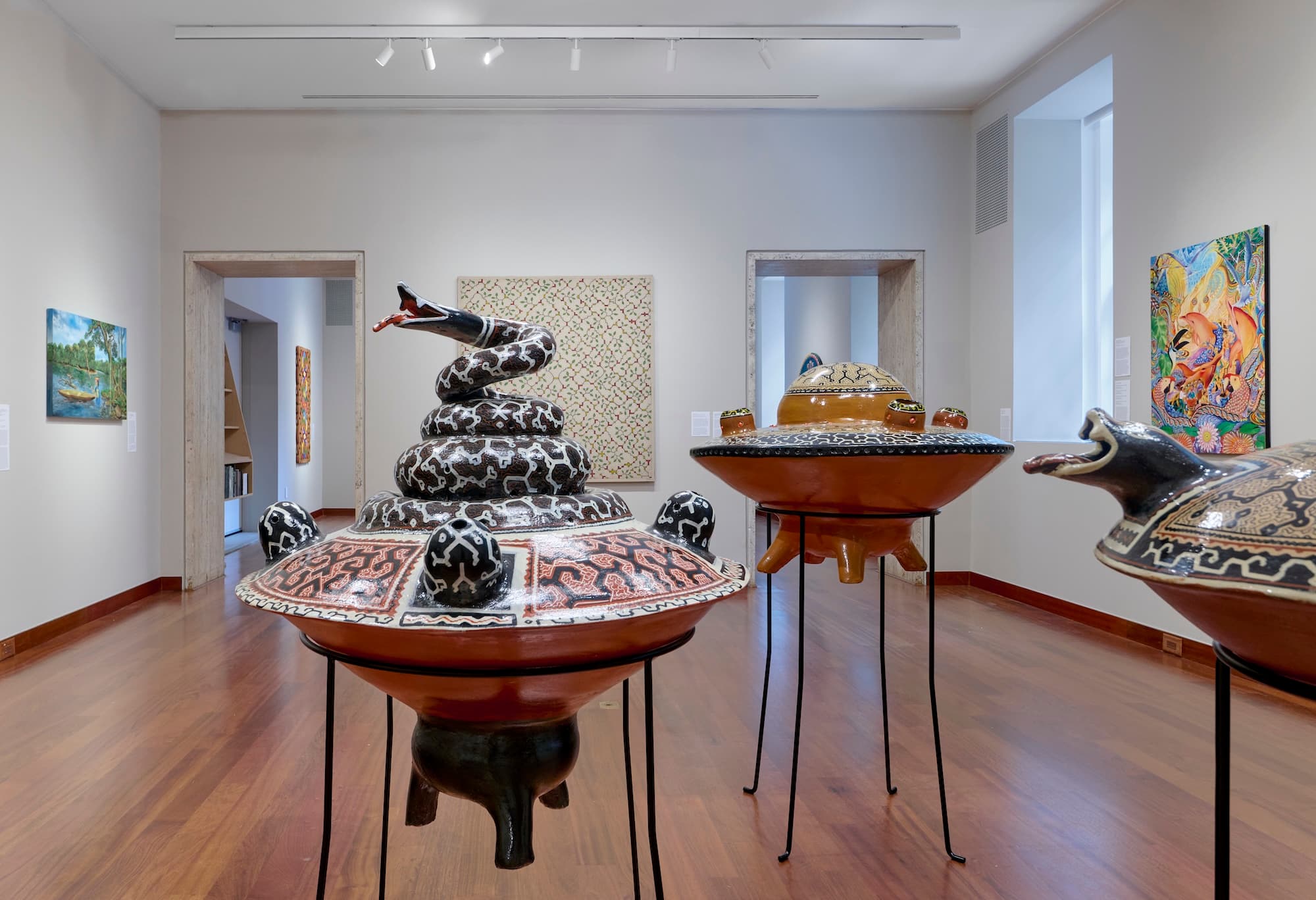
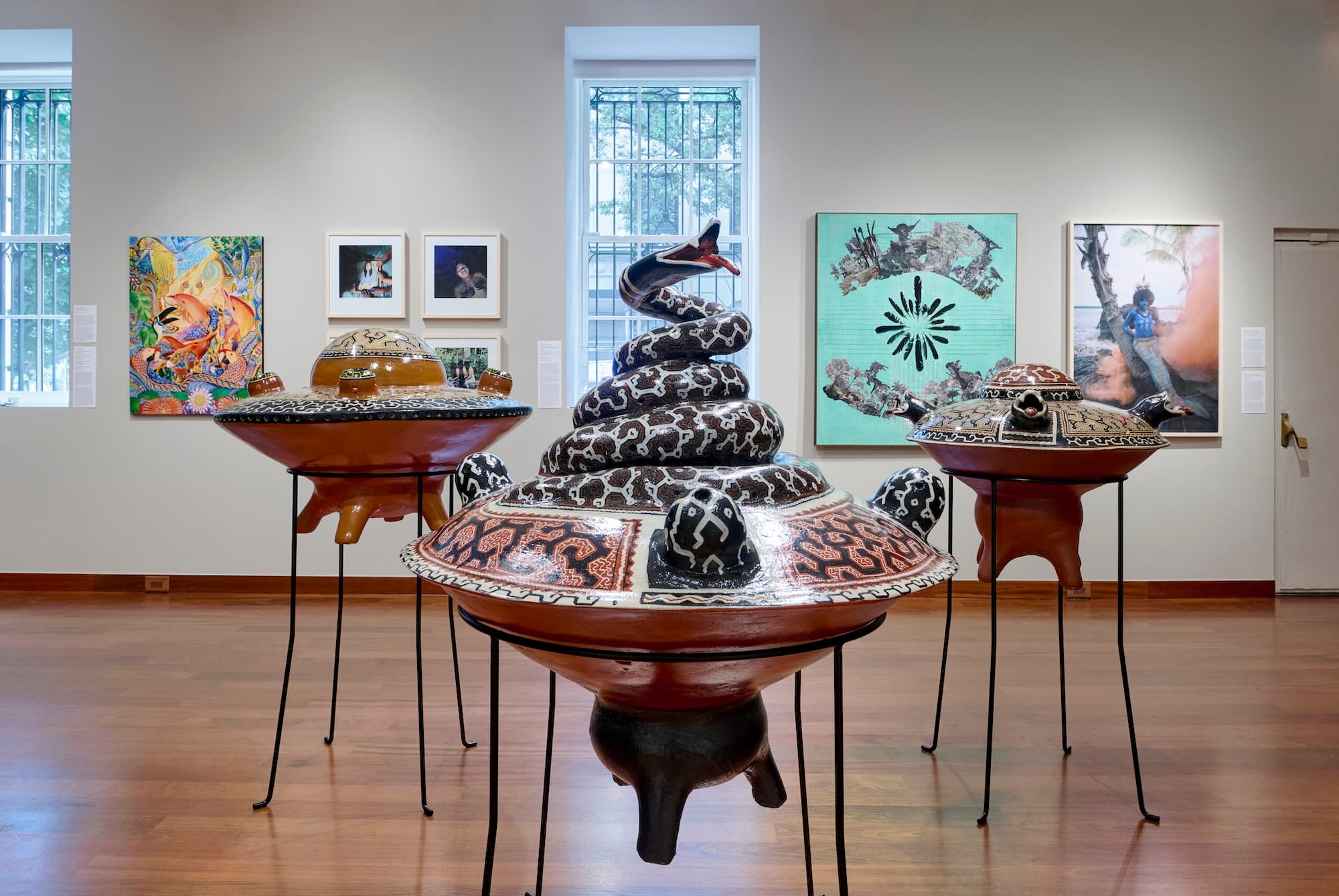
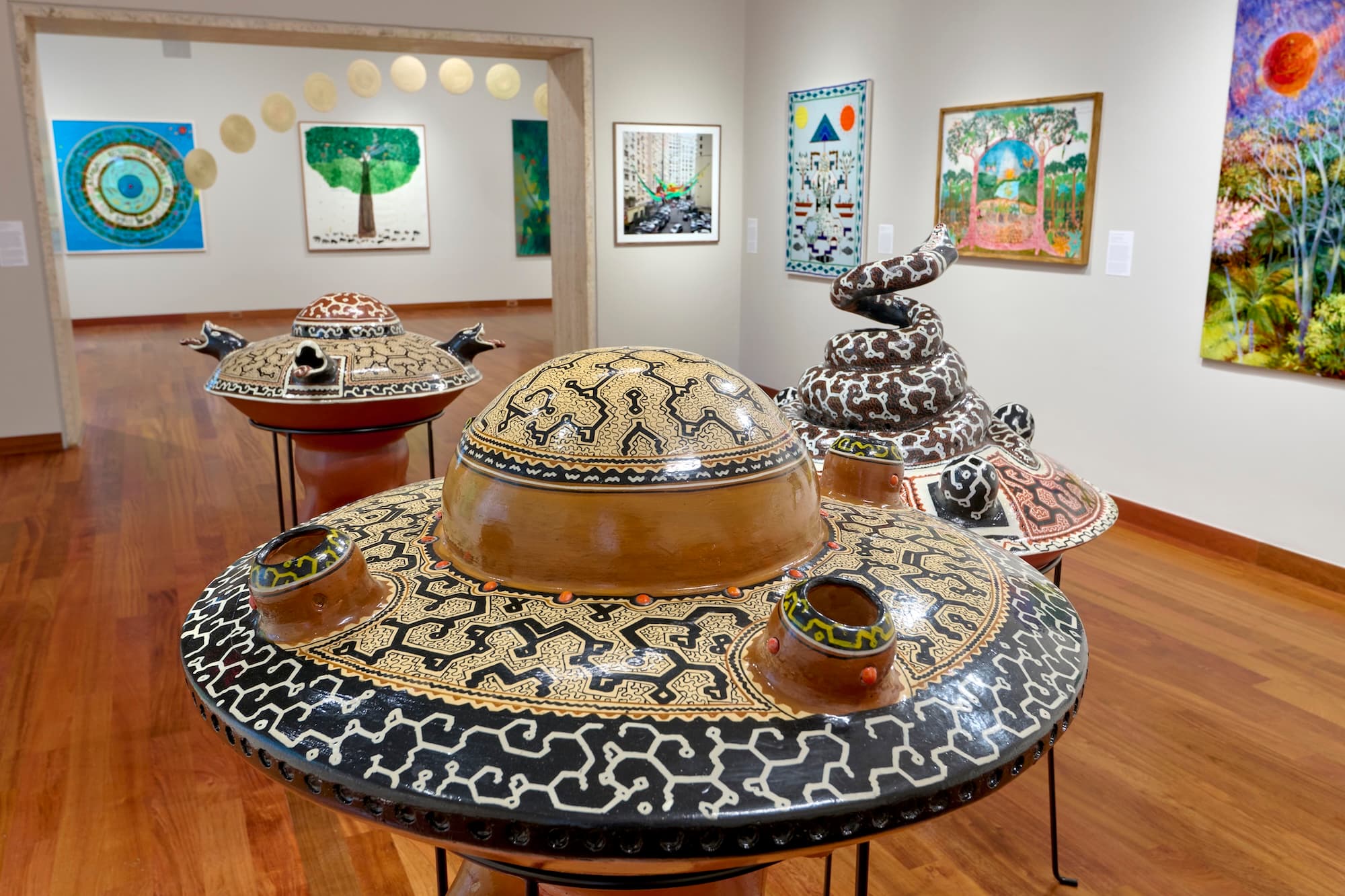
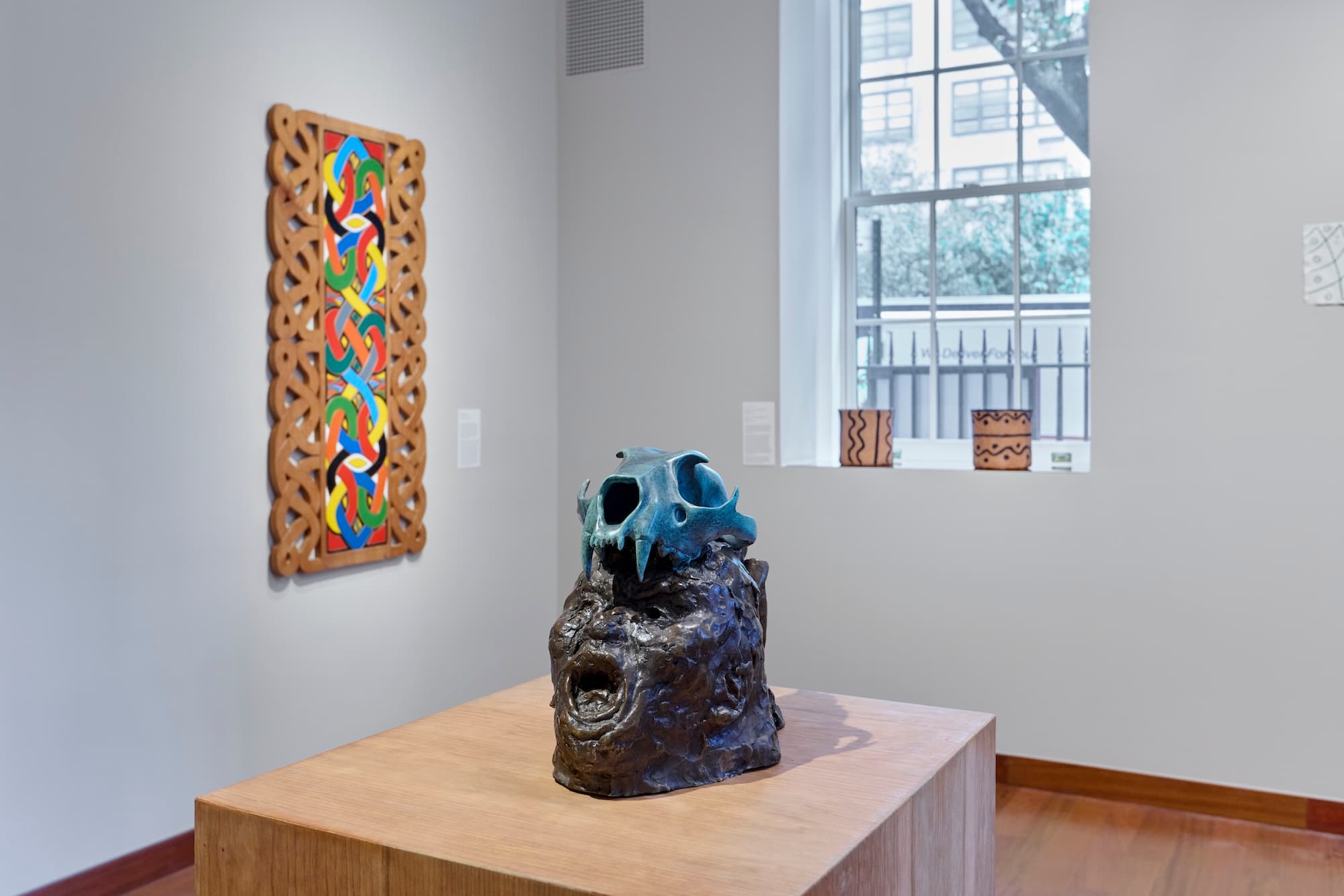
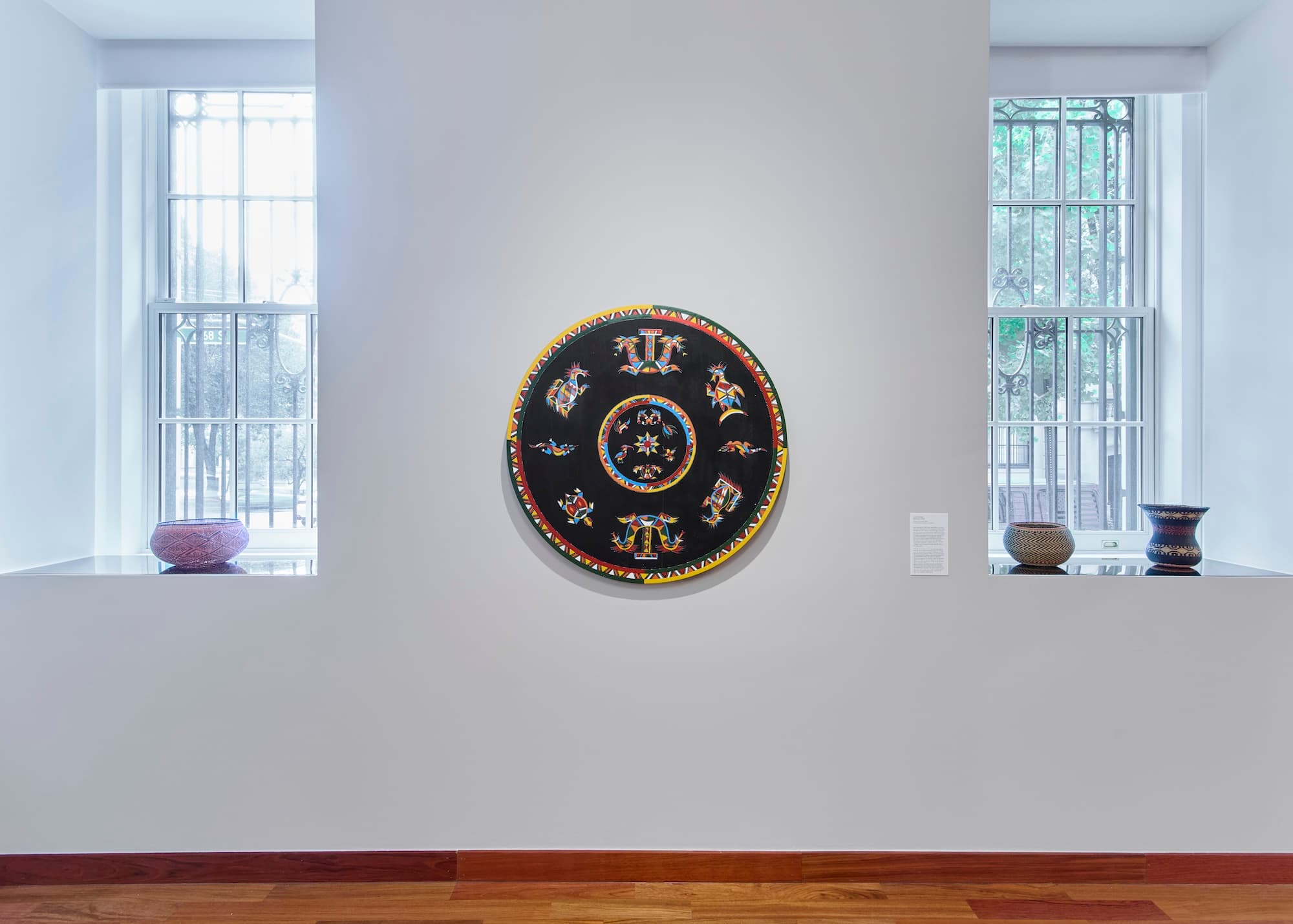
Americas SocietyDanasion Akobe, Angélica Alomoto, Pablo Amaringo, Johan Amiemba, Lola Ankarapi, Chonon Bensho, Darrell A. Carpenay, Elías Caurey Caurey, Colectivo Tawna, Comunidad Weenhayek, Estela Dagua, PV Dias, Sara Flores, Dawa García, Sheroanawe Hakihiiwe, Shaundell Horton, Sri Irodikromo, Carlos Jacanamijoy, Wilfrido Lusitande Piaguaje, Thiago Martins de Melo, Hélio Melo, Mary Morales Barrientos, NouN, Claudia Opimí Vaca, Bernadette Indira Persaud, Javier Puunawe, Abel Rodríguez (Mogaje Guihu), Aycoobo (Wilson Rodríguez), Nancy Santi, Nelly Sheimi, T2i, Agustina Valera and Oliver Agustín, Gê Viana, Santiago Yahuarcani Americas Society presents Amazonia Açu, an exhibition that sheds light on the multiplicities of the Amazon, a region which comprises many different communities, each distinguished by its own belief system, culture, and language. The show includes paintings, textiles, ceramics, drawings, videos, photographs, and sculptures from artists and collectives of all nine countries of the Pan-Amazon region: Bolivia, Brazil, Colombia, Ecuador, French Guiana, Guyana, Peru, Suriname, and Venezuela. Amazonia Açu features over 50 contemporary artworks, from 1990 to the present. The exhibition provides a kaleidoscopic overview of the aesthetic, cultural, and material diversity found in the Amazon as a means to upend flattening generalizations typically associated with the territory and to frame the discourse surrounding the region within a contemporary context. "The 'Amazonia Açu'—the latter a Tupi-Guaraní word for 'large' or 'expanded'—is not only the largest carbon sink on Earth and a sanctuary of biodiversity, but also home to hundreds of languages and other forms of cultural expression," said Aimé Iglesias Lukin, Americas Society's director and chief curator of Art. "The exhibition aims to highlight the diversity of the region, encouraging future research and other exhibition projects to expand study of the territory." The show is co-curated by a committee of representatives from each country within the Amazon region: Curatorial Advisor Keyna Eleison and Mateus Nunes of Brazil, Elvira Espejo Ayca of Bolivia, María Wills of Colombia, Diana Iturralde of Ecuador, T2i and NouN of French Guiana, Grace Aneiza Ali of Guyana, Christian Bendayán of Peru, Miguel Keerveld of Suriname, and Luis Romero of Venezuela. "Very much like Amazonia, the exhibition is not self-contained. It is a space of openness, interconnection, and meeting. Each work selected, each narrative constructed, carries within itself a story that adds to other stories, creating a collective quilt," said Eleison. "The curators, all from different Amazonian territories, are more than art mediators; they are guardians of their cultures, histories, and worldviews. They invite us to look beyond stereotypes of the Amazon, listen to its deeper tones, connect ourselves with its subtler layers." The exhibition shows artworks like Untitled (Pei Kené 1, 2019), a piece in which sprout leaves repeated in flawless precision hint a forest landscape. Peruvian artist Sara Flores used the kené design tradition of the Shipibo-Konibo people that women in her family taught her to create her unique palette with natural dyes on a wild-cotton canvas. Amazonia Açu also displays works that combine manual collage, photomontage, and painting on raffia, like Histórias do Anu III by Brazilian artist Gê Viana, in which she shows the Afro-diasporic and Indigenous everyday life of the Maranhão territory in Northeast Brazil. To accompany the show, Americas Society will present a series of public programs and publish a catalogue.