
Gangnam, Seoul
Fernando Laposse
The First Gold Is Green
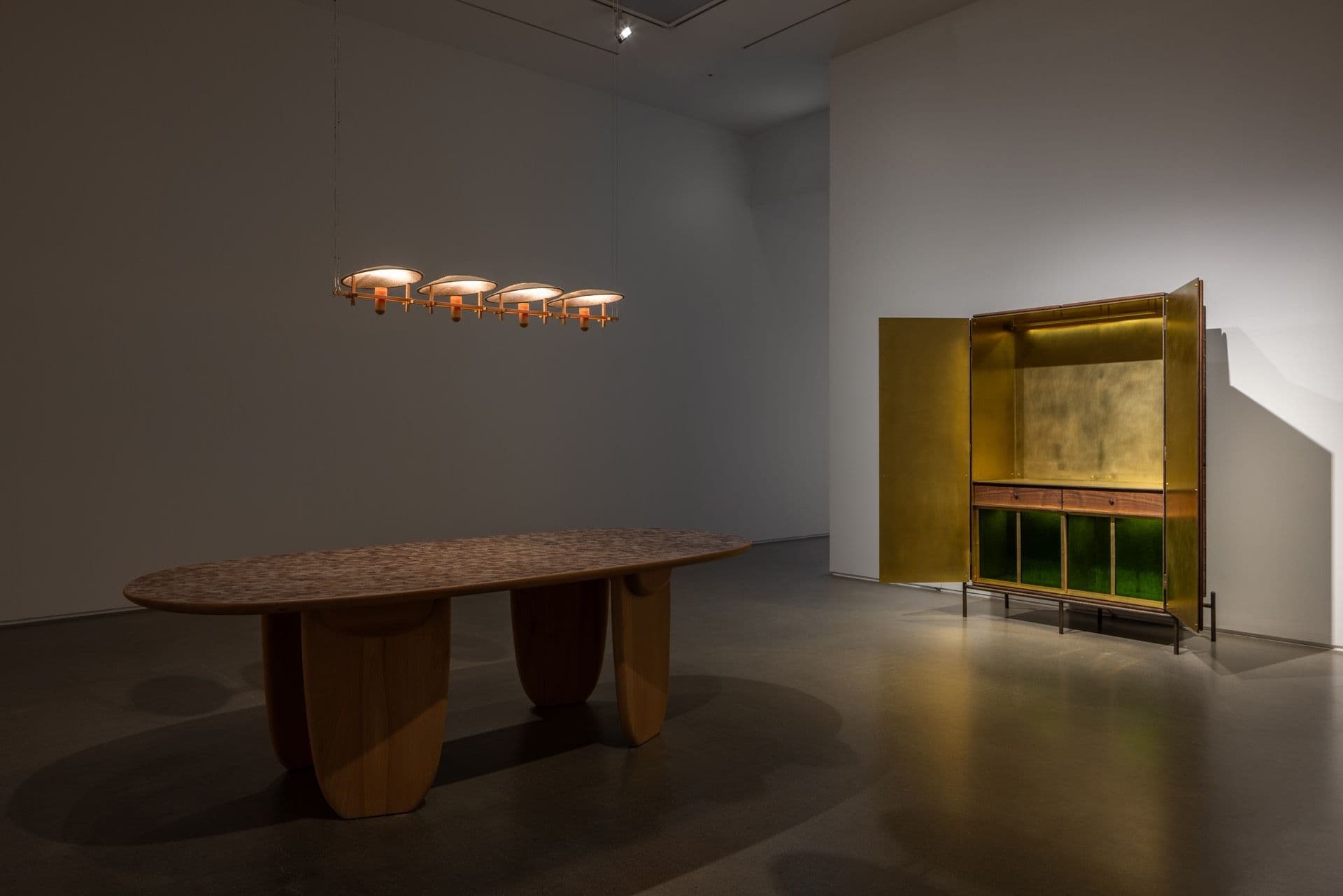
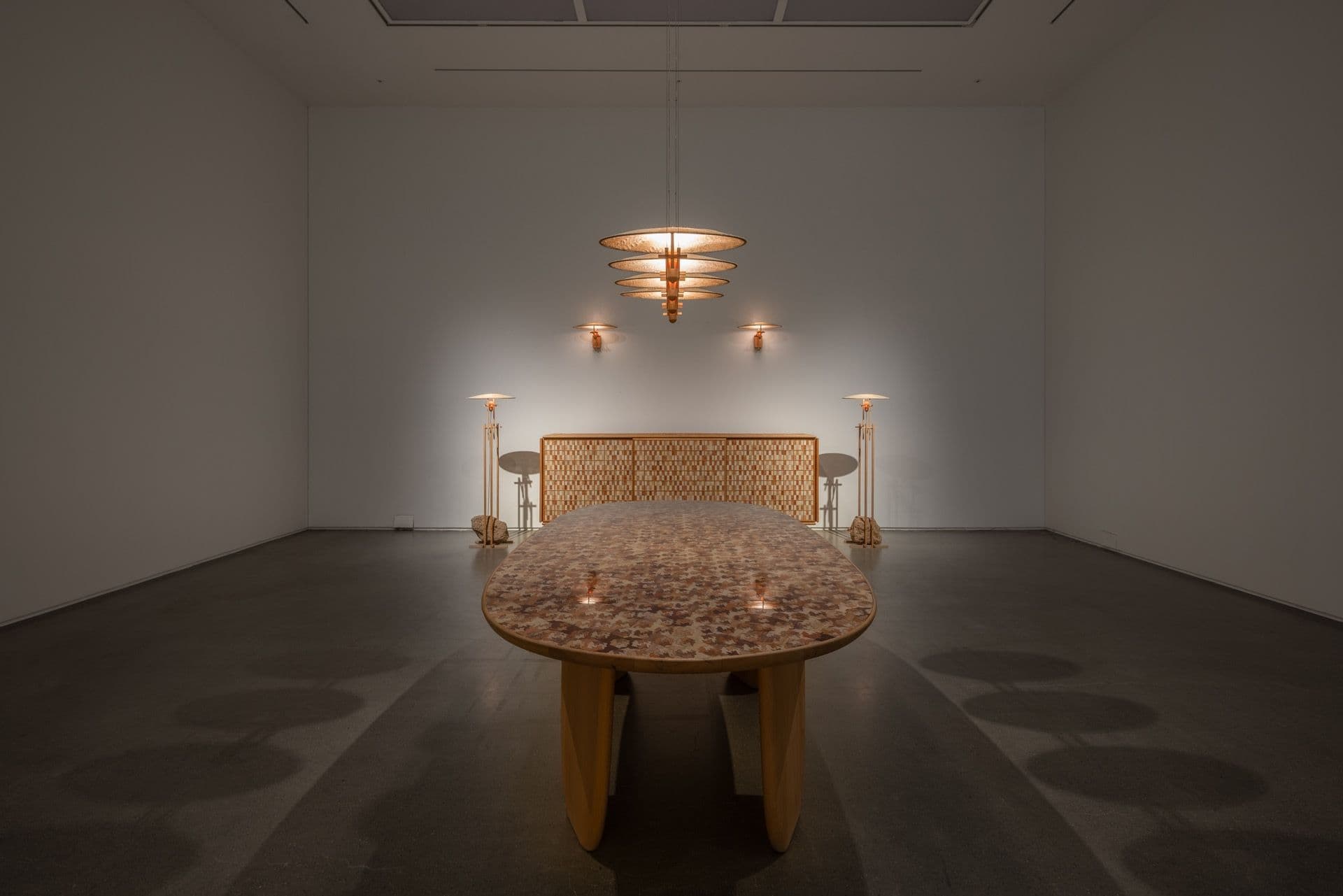
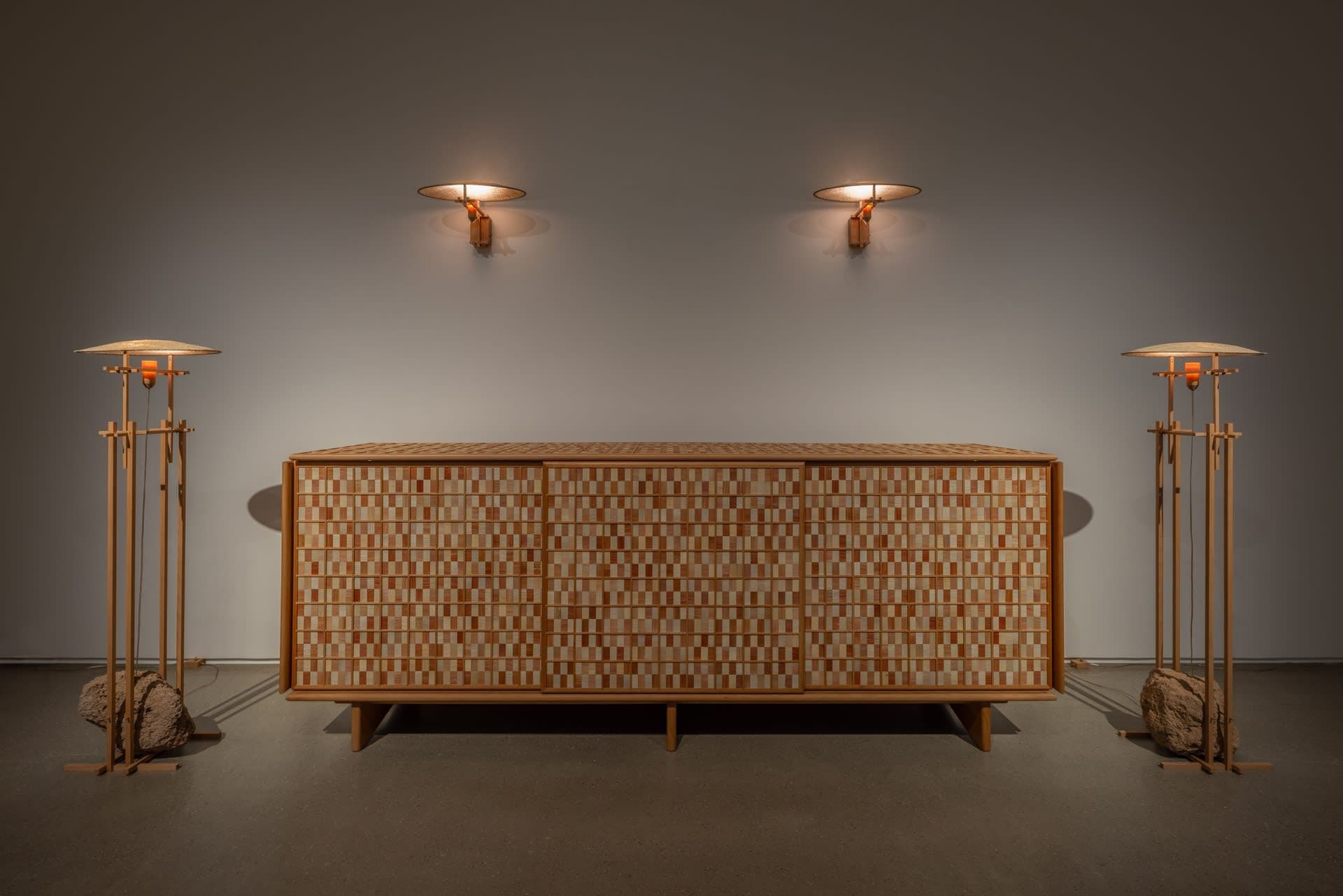
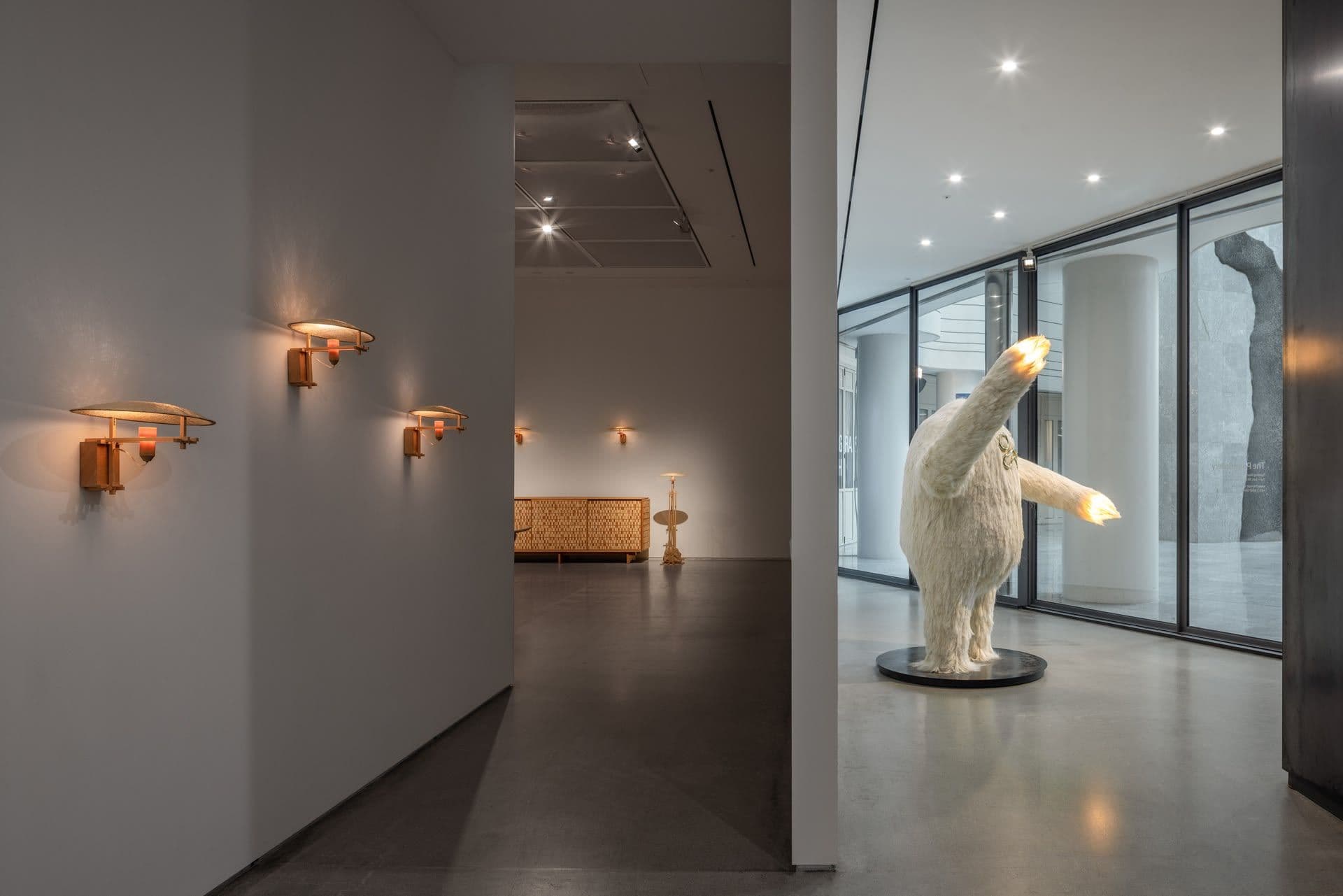
The Page GalleryFernando Laposse practices endemic design, a methodology rooted in the history, traditions, and ecological contexts of Mexico, offering sustainable and tangible alternatives to the environmental crises of contemporary society. By transforming agricultural byproducts such as husks and leaves into materials suitable for furniture-making, he expands the possibilities of environmentally conscious design. His works incorporate native Mexican crops--such as corn, avocado skins, agave fibers, and loofah--into furniture and objects that reflect local culture and identity. Fernando Laposse, an artist who weaves rich narratives into natural materials, reinterprets the opening line of Robert Frost's poem Nothing Gold Can Stay--"Nature's first green is gold"--as a metaphor for the commodification of natural resources. Just as Frost reflects on the fragility and preciousness of the first sprouts after a harsh winter, Laposse draws attention to the vulnerability of nature within systems of consumption and trade. Collaborating with the Indigenous community of Tonahuixtla in southwestern Mexico and with CIMMYT, the world's largest maize germplasm and seed bank, Laposse highlights the challenges faced by marginalized rural societies while advocating for the preservation of traditional farming practices. His projects address urgent issues such as environmental degradation, biodiversity loss, the collapse of rural communities, and the adverse impacts of global trade, demonstrating how design can function as a vital tool for social and ecological problem-solving. Rural regions of Mexico are facing severe ecological crises driven by global trade and short-term economic interests. This exhibition presents the culmination of Laposse's decade-long exploration of alternative materials and collaborative practices with local communities. On view are works such as Totomoxtle cabinets and tables crafted from corn husks, cabinets made from avocado seeds and skins, lighting series created with natural loofah, and monumental lamps woven from agave fibers--demonstrating design's potential as both ecological innovation and cultural preservation.