Dates
Nov 19 – Jan 11, 2026
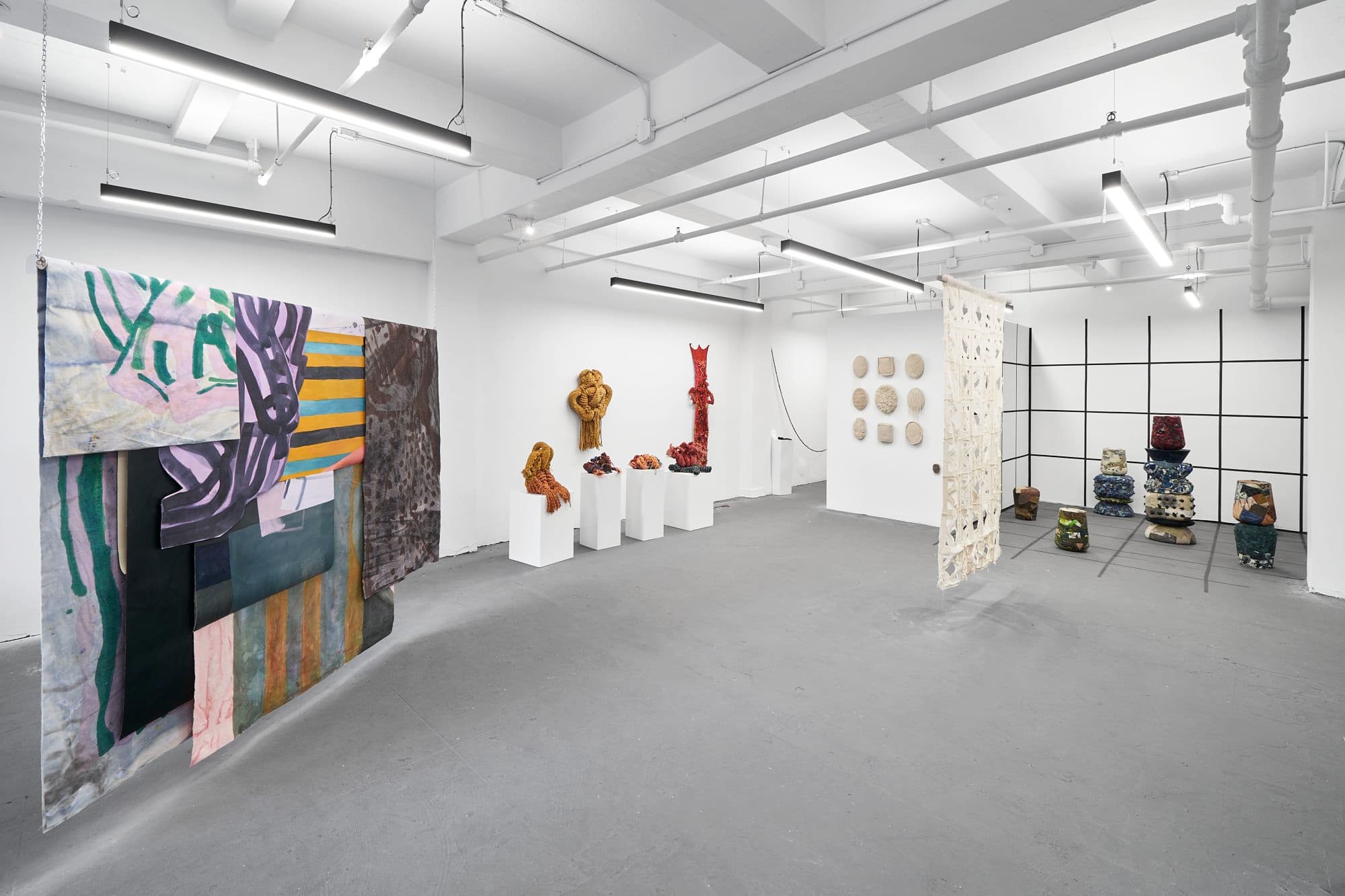
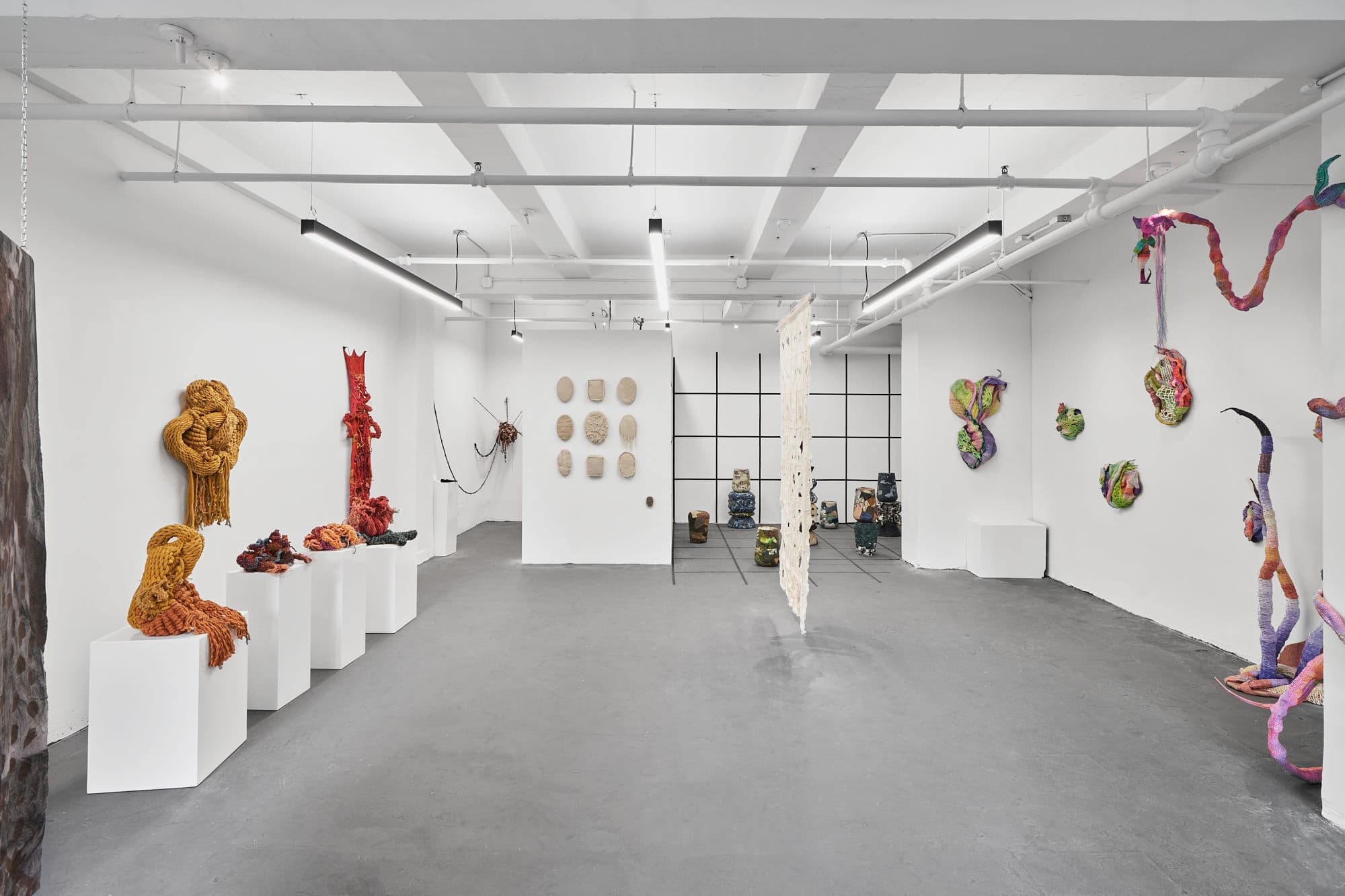
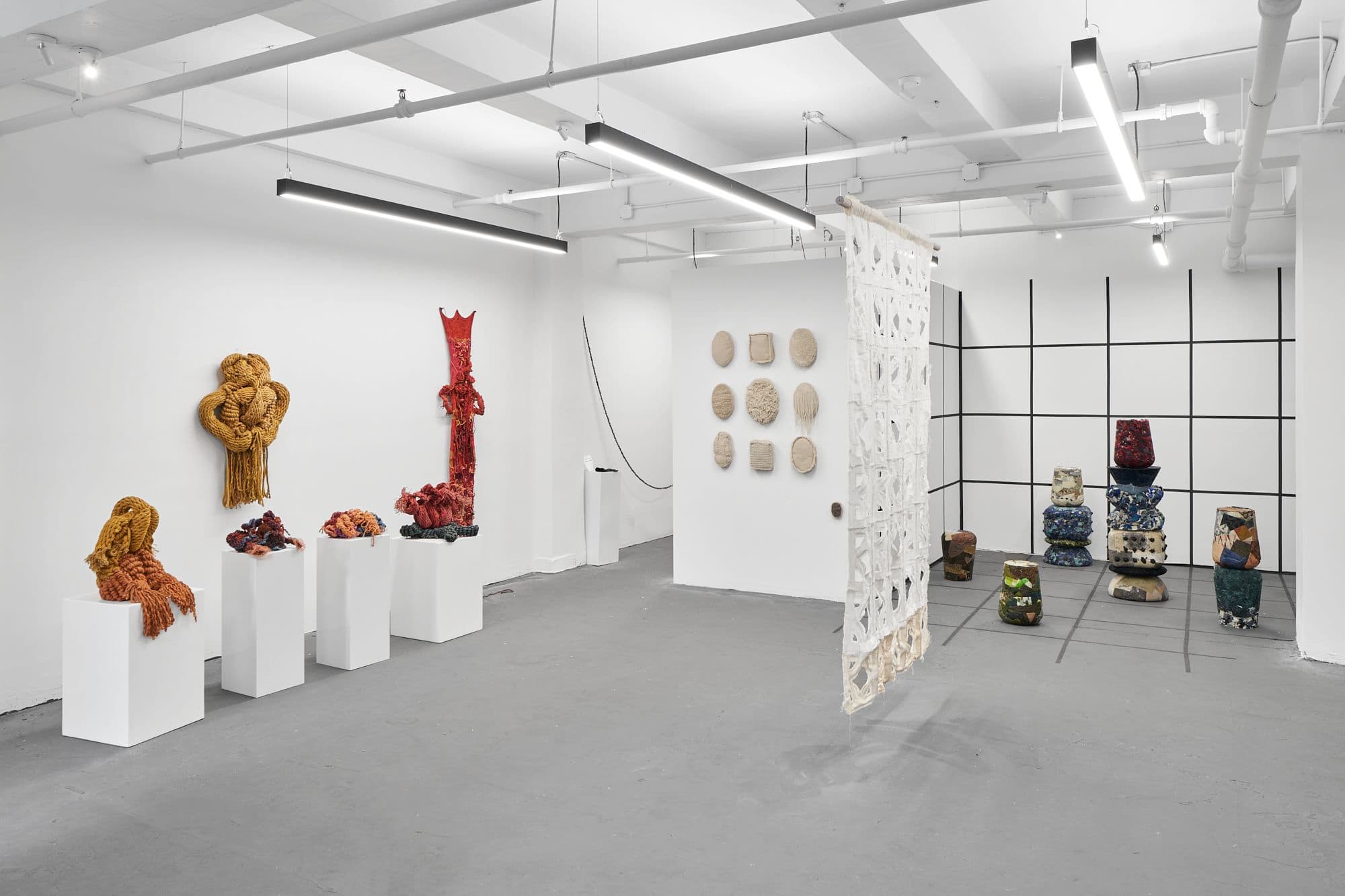
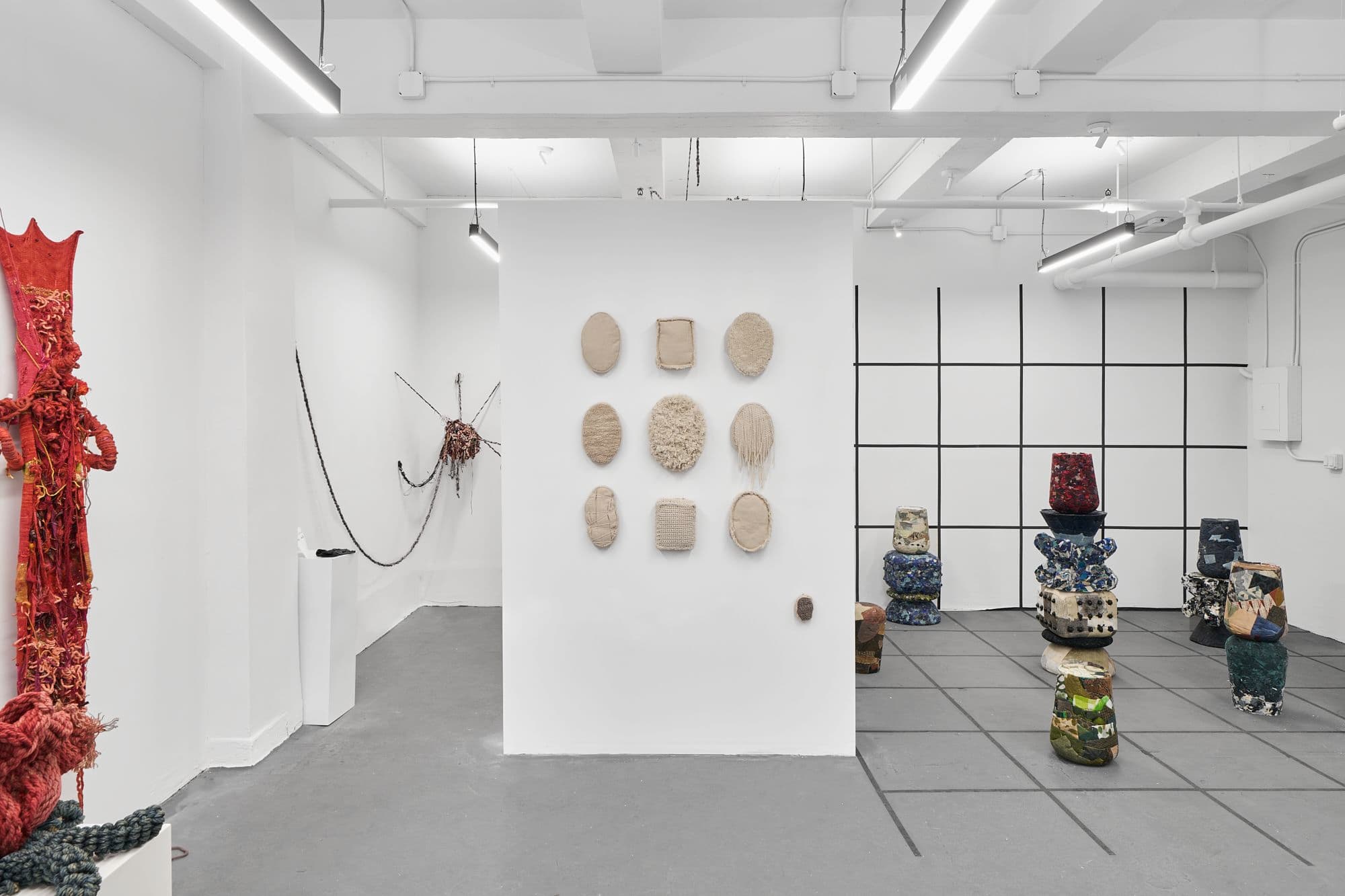
Goldfinch Bolton, Madi Diaz, Kathie Halfin, Ollie Hongji Li, Sara Liz Marty, Estudio Pm, M. E. Sparks Soft Power: Reimagining Form and Feeling brings together seven artists who use softness as a site of resistance, transformation, and renewal. Working across sculpture, fiber, and installation, the artists in this exhibition explore how pliable materials can carry memory, emotion, and meaning. Each artist reshapes their medium through knotting, weaving, draping, or assembling, creating new languages of touch, intimacy, and possibility. The exhibition asks: What if softness is not a sign of fragility but of strength? What if pliability itself is a radical act? Through their shared attention to texture, patience, and process, these artists show that softness can hold weight, tenderness can be powerful, and care can be a form of creation. Ollie Hongji Li draws inspiration from nature and religion, creating textile art using traditional Chinese techniques such as knitting, crochet, spinning, and natural dyeing. Ollie’s work reinterprets the traditional yin and yang dichotomy and offers a new perspective on gender roles, aiming to inspire conversations and challenge assumptions about gender, power, and patriarchy. Ollie’s upbringing in China has deeply influenced their artistic ideology. As a gay man, Ollie brings a unique perspective on gender identity and expression. In his latest work, he explores the concepts of masculinity and femininity through textiles, examining how softness, strength, and cultural symbolism intersect. Goldfinch Bolton constructs living, surreal sculptures from found and organic materials, inviting reflection on what we call animate or inanimate. Their work examines the boundaries between object and organism, encouraging viewers to consider their own physical and emotional connection to the world around them. M. E. Sparks uses painting, collage, and video to examine the relationships between surface and image, materiality and content, legibility and disorientation. In her paintings, Sparks pulls apart and recombines art historical imagery, searching for the moment a form dislocates from its origins to resist classification. In recent work, this method of abstraction occurs through the cutting, draping, and layering of painted canvases and recycled fabrics. The work plays with the experience of not being able to define what is seen and the vulnerability and transformative potential that arise when we cannot quite name what we experience. By reconsidering the conventions of painting, Sparks searches for uncertain and unsettled spaces of representation, as well as the reconciliation and transformation of historical narrative. Her piece Draped Composition consists of numerous layers of painted fabrics. Modular and unfixed, the painting resists a finished state while suggesting the possibility of future reorganization. Rather than present a linear narrative, this approach tempers expectations of clarity and interrupts an immediate reading of the image. Through this work, Sparks explores the material possibilities of paint and fabric to question painting’s own dichotomies such as front versus back, abstraction versus figuration, and image versus object, while introducing softness and openness to the painted form. Kathie Halfin is a New York based interdisciplinary artist working in fiber, sculpture, and installation. Rooted in traditions of weaving yet guided by experimentation, her woven sculptures honor this ancient practice as a language of care, resistance, and embodied knowledge. Her work is shaped by the experience of migration, a lasting connection to the land, and sensitivity to seasonal rhythms. Grounded in sensory experience, weaving becomes for her a way to engage with tactility and material memory, restoring a felt relationship between the body and the intelligence of the natural world. At the core of Halfin’s process is the transformation of industrial paper into organic, hand spun yarn, which is then dyed and woven into sculptural cloth. This slow, labor intensive act of unmaking and renewal echoes the quiet growth of plants. Woven patterns recall the repetition of plant cells, expressing their rhythm and growth. Shifts in tension, texture, and color evoke states of blooming, rooting, or reaching. Through these tactile gestures and intimate engagement with material, she reclaims the manufactured as sensitive and alive. Drawing on the behaviors of plants such as coiling, clinging, and climbing, Halfin sculpts these movements in three dimensional woven forms. By transforming paper into organic matter, she reclaims it from a utilitarian material into a vital and unruly life force. Her hand woven works expand a tactile vocabulary of weaving to highlight the intelligence of plants and their ability to adapt and reshape human environments. Estudio PM, the creative collaboration of Paula Stoddard Sotomayor and Michael Ortiz Jiménez, explores the intersection of spatial design, material research, and storytelling. With roots in Puerto Rico and a practice based in New York City, their work combines craft, experimentation, and architectural thinking to reimagine traditional narratives through hands-on exploration. Their ongoing body of work, Herencia Tótem, embodies their philosophy: We inherit matter, and through it, memory. Herencia Tótem is a living collection of sculptural furniture shaped by the residues of everyday life, with discarded textiles transformed into enduring forms. Each piece carries the pulse of Puerto Rico, its layered traditions, and its ability to reimagine scarcity into abundance. The work exists between softness and permanence, function and ritual. It draws from archetypal forms and objects of play and devotion that hold collective memory such as drums, masks, dominos, and stacked stones. These are reinterpreted as totems, contemporary relics built not from marble or bronze but from what has been left behind. Each composition is guided by intuition and chance, with colors dictated by what is found, patterns revealed through process, and textures shaped by hand. The result is not repetition but rhythm, a tactile record of transformation where no two totems are alike. Through Herencia Tótem, Estudio PM reframes textile waste as cultural continuity, translating fragments of fabric into monuments of resilience, identity, and care. Madi Diaz explores fiber, sculpture, and activation through a practice centered on the search for safety in an uncertain world. Her work navigates the tension between observer and participant, engaging deeply with the idea of refuge and the sources of insecure protection. At the heart of her process is an intense focus on materiality, manipulating and reimagining both new and existing materials to examine the concept of privacy of the body. Using materials such as roving, underwear, and lace, Diaz weaves together notions of vulnerability, intimacy, and resilience. Sara Liz Marty's work forms an ongoing dialogue between self and society, material and meaning. She explores how identity, ecology, and emotion intertwine, tracing gestures of care, belonging, and resistance. Each piece reflects a search for authenticity and human connection within a world that often feels increasingly fragmented. Through her process, Marty creates spaces where tenderness becomes both a language and a form of survival. Together, these artists explore transformation as both method and message. Through their varied practices, they reveal how the act of reshaping material mirrors the act of reshaping self, memory, and collective imagination. Their work is not only about softness as a material quality but softness as a way of being in the world: attentive, adaptive, and open to change. In this way, Soft Power: Reimagining Form and Feeling reveals how art can hold space for care, for listening, and for the quiet but radical work of becoming.