
Institutions, Venice
Group Exhibition
Danh Vo, Isamu Noguchi, Park Seo-Bo
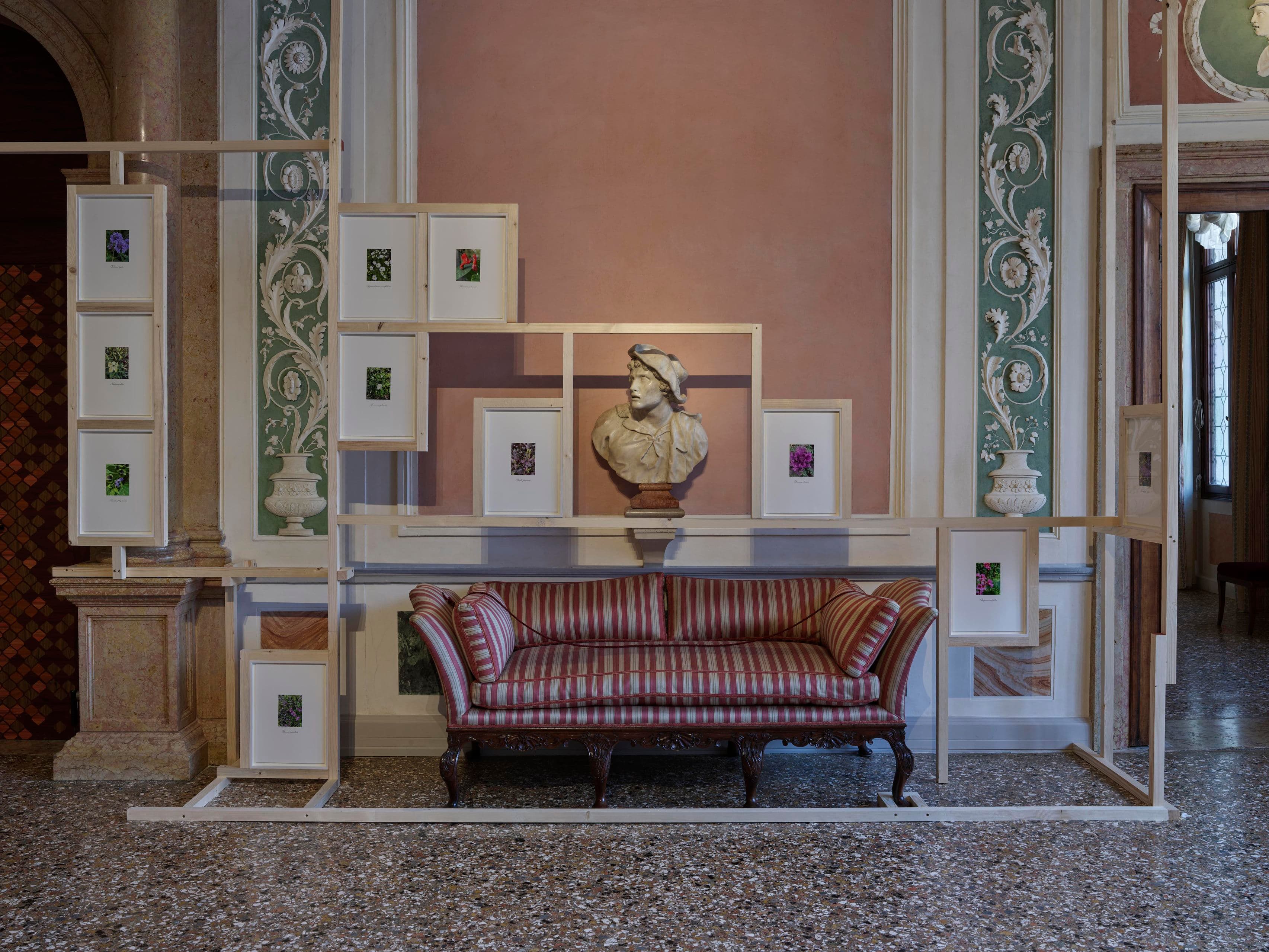
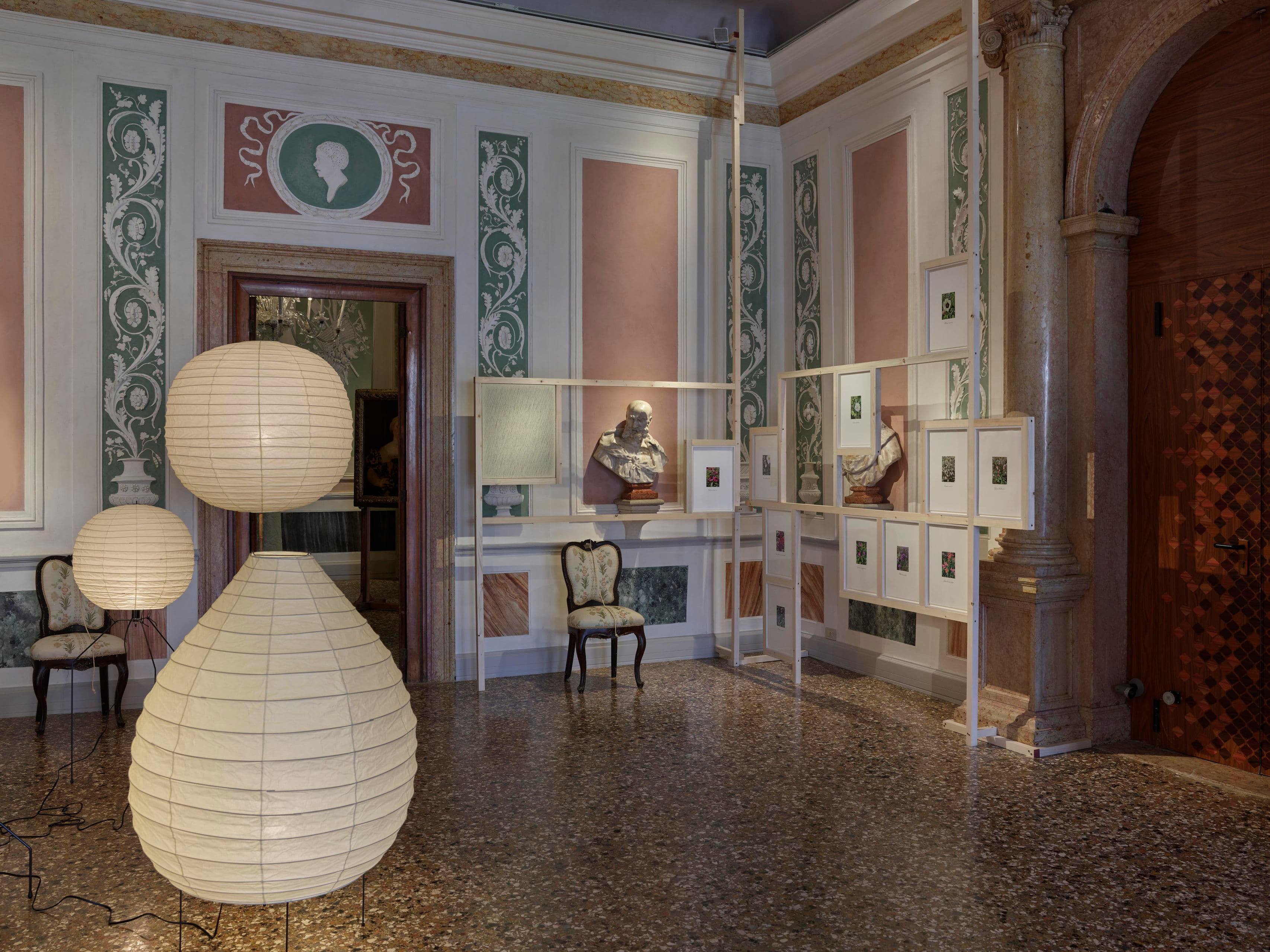
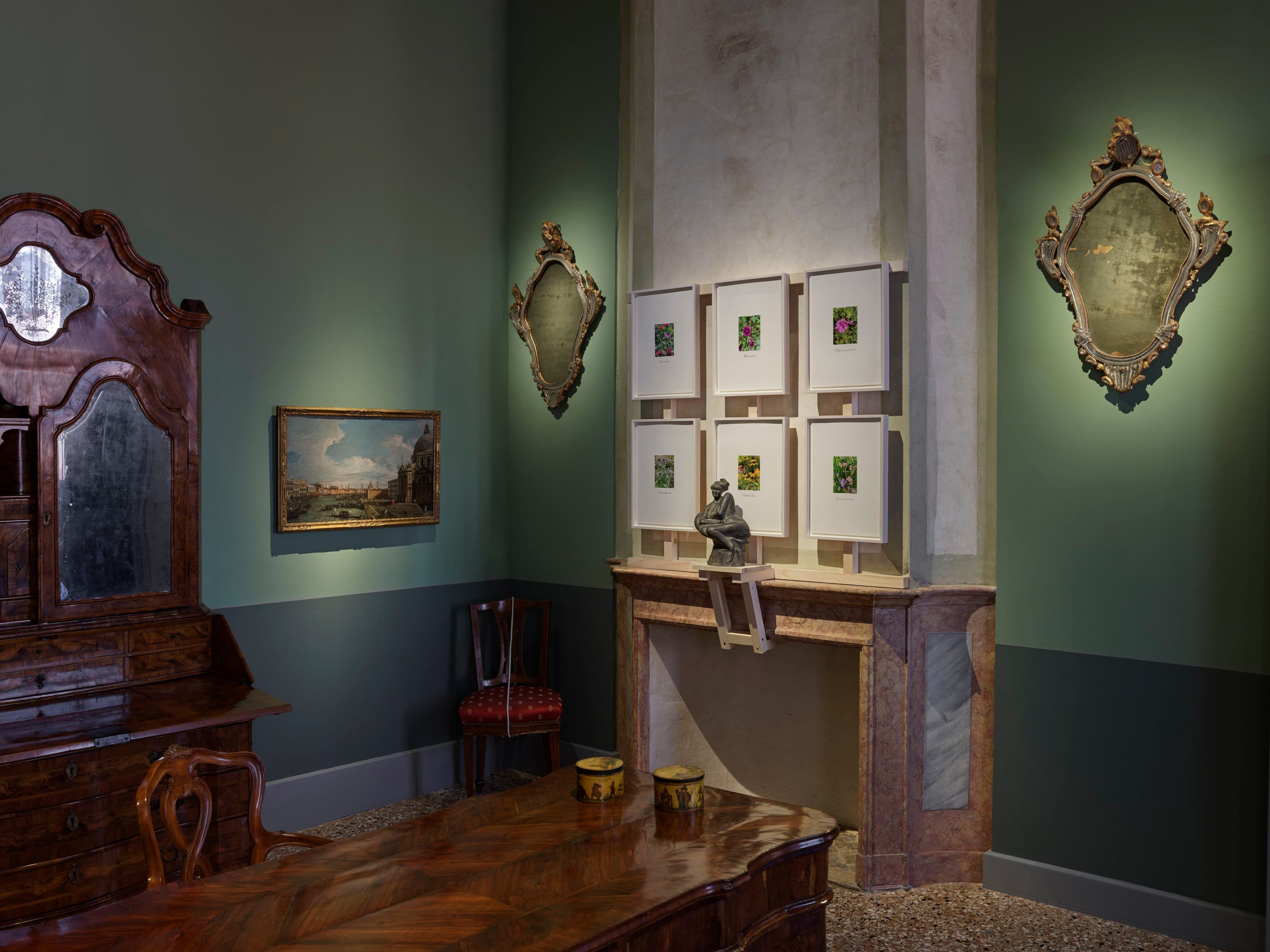
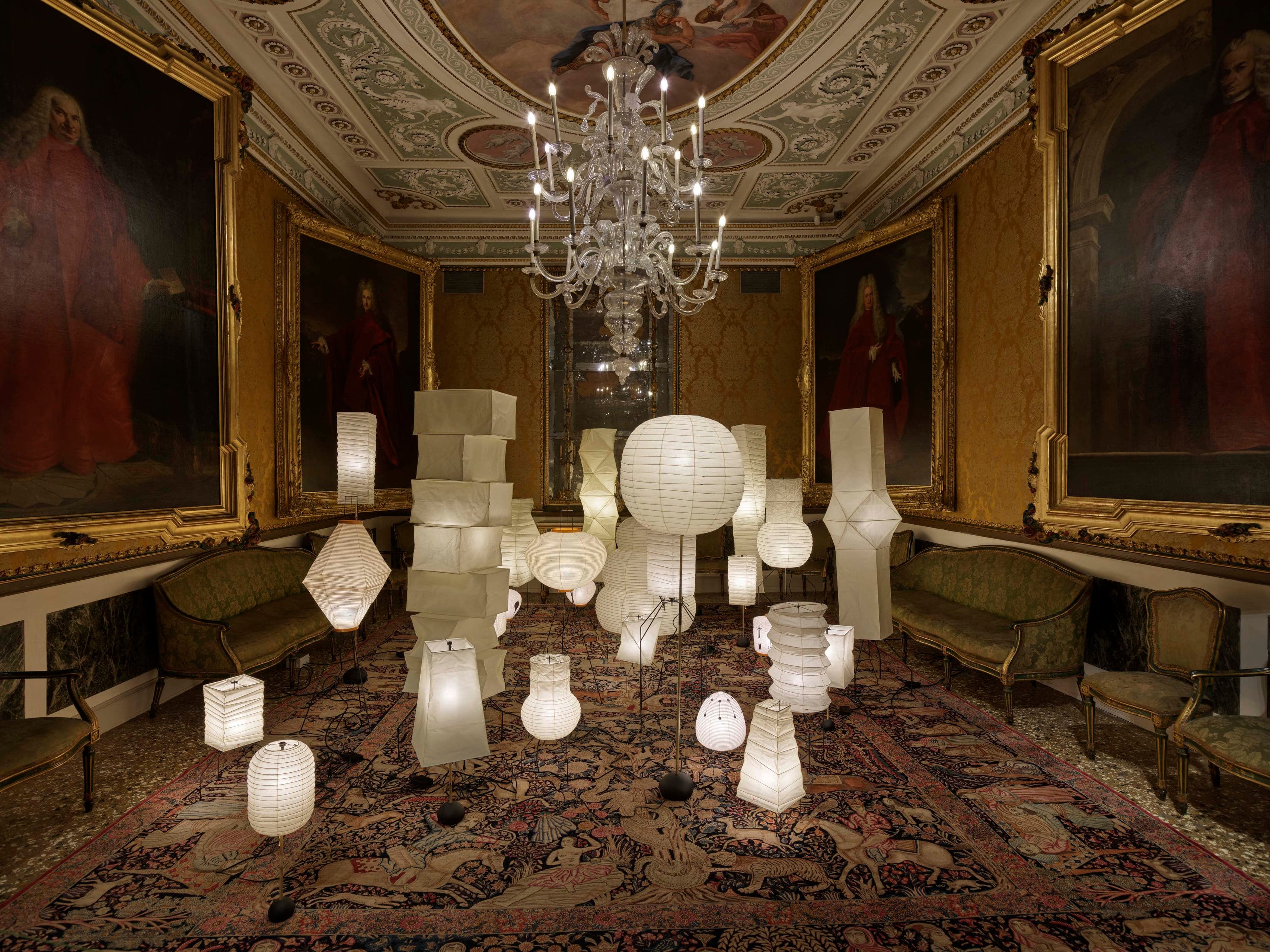
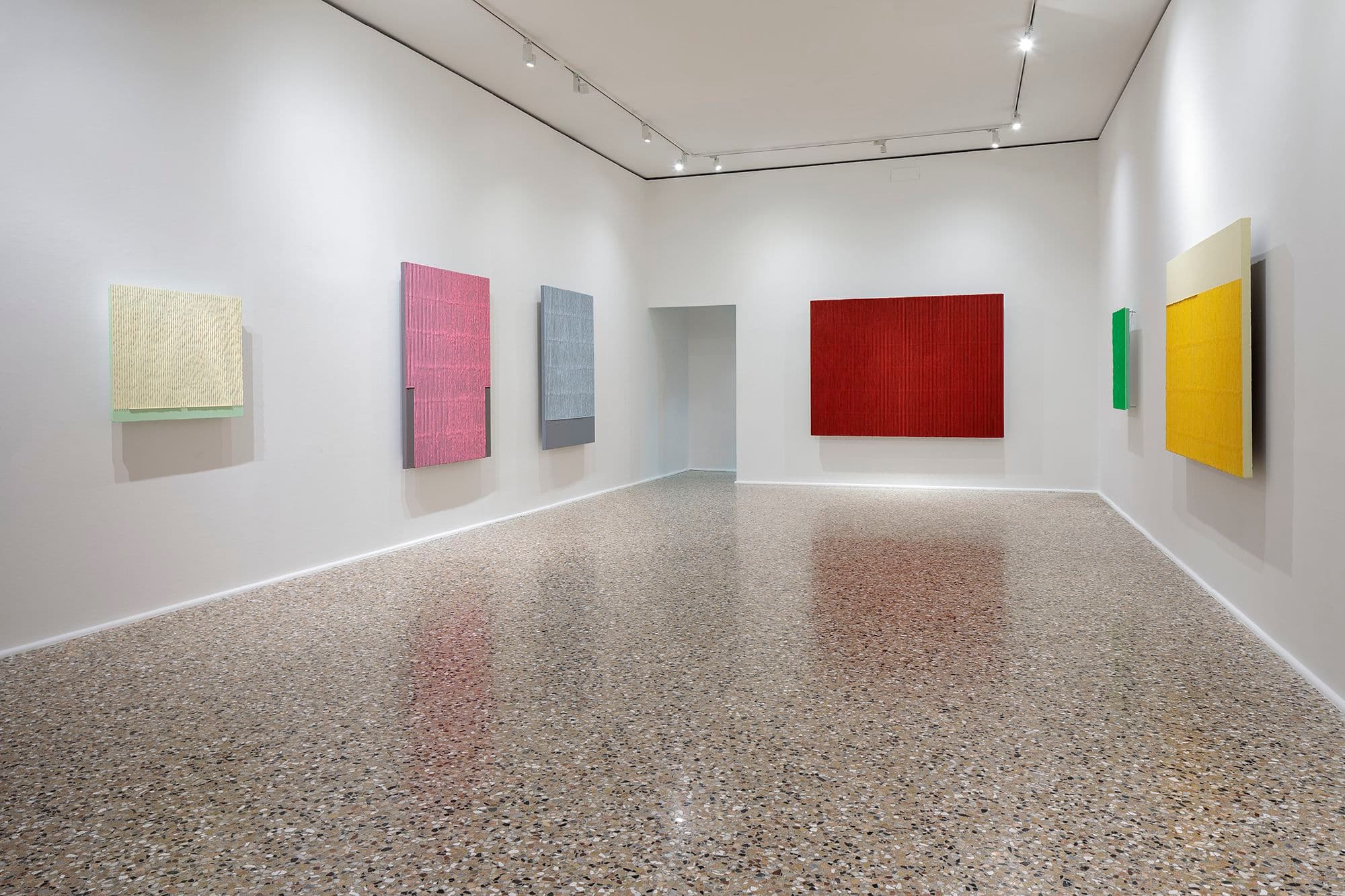
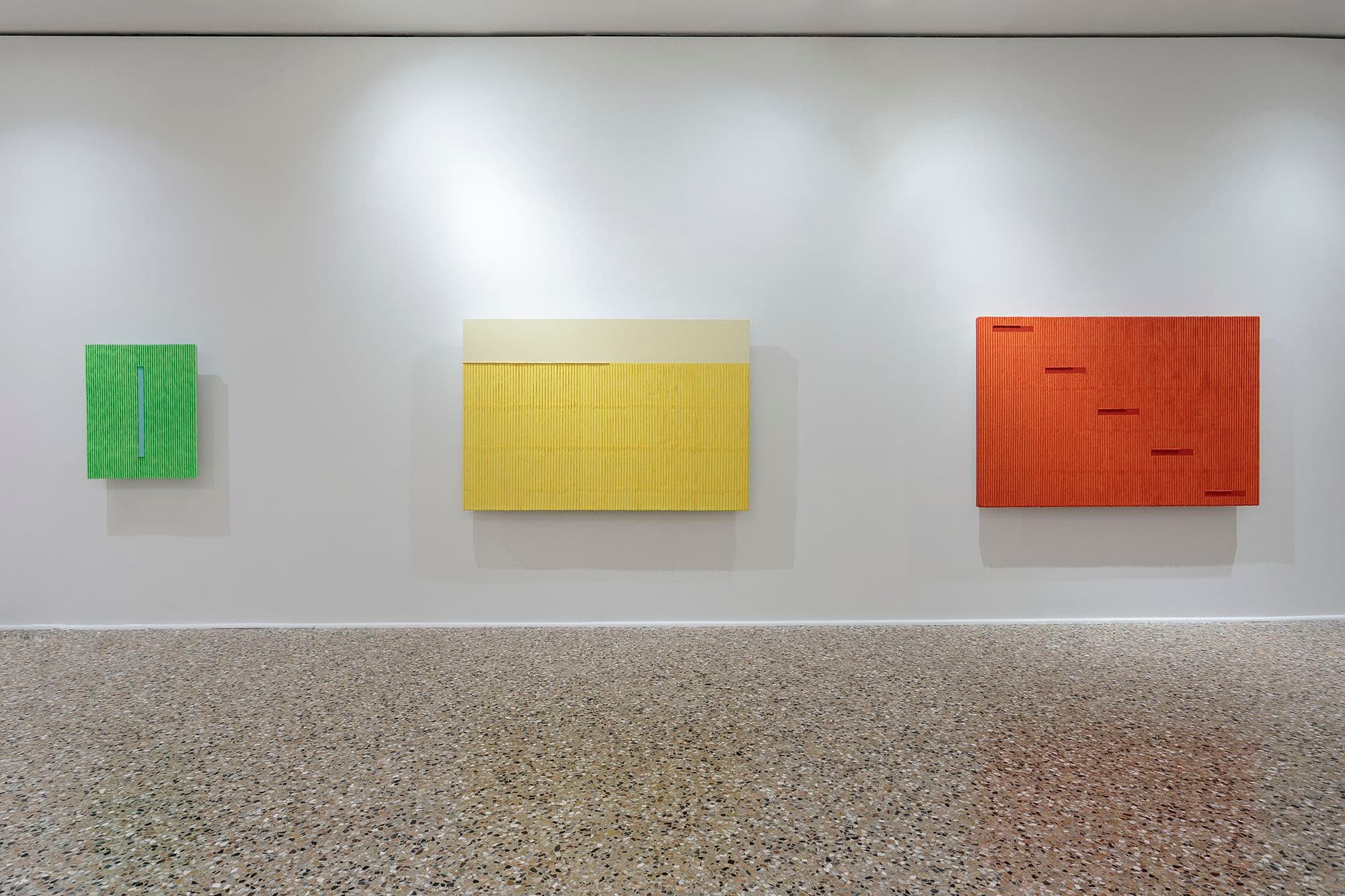
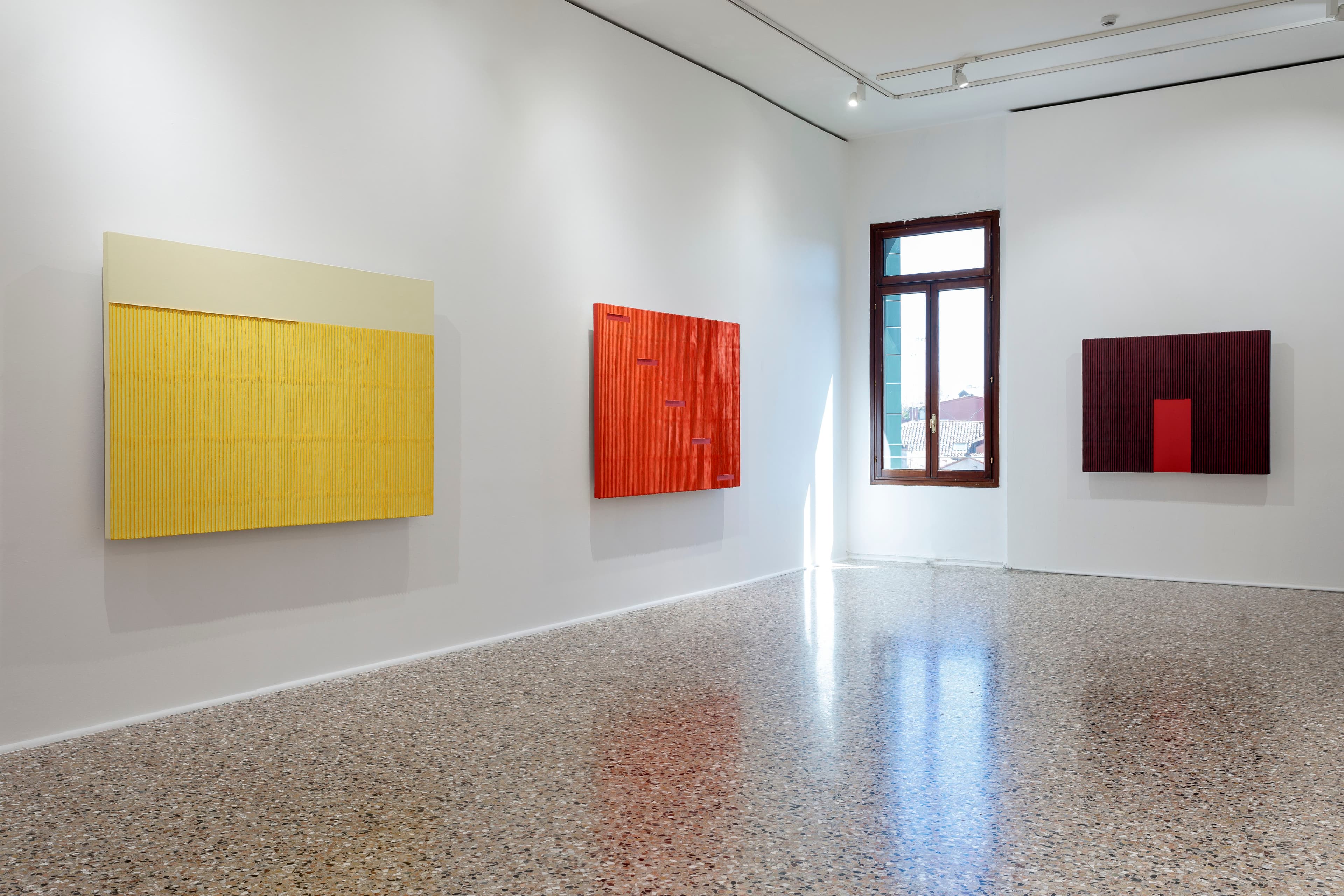
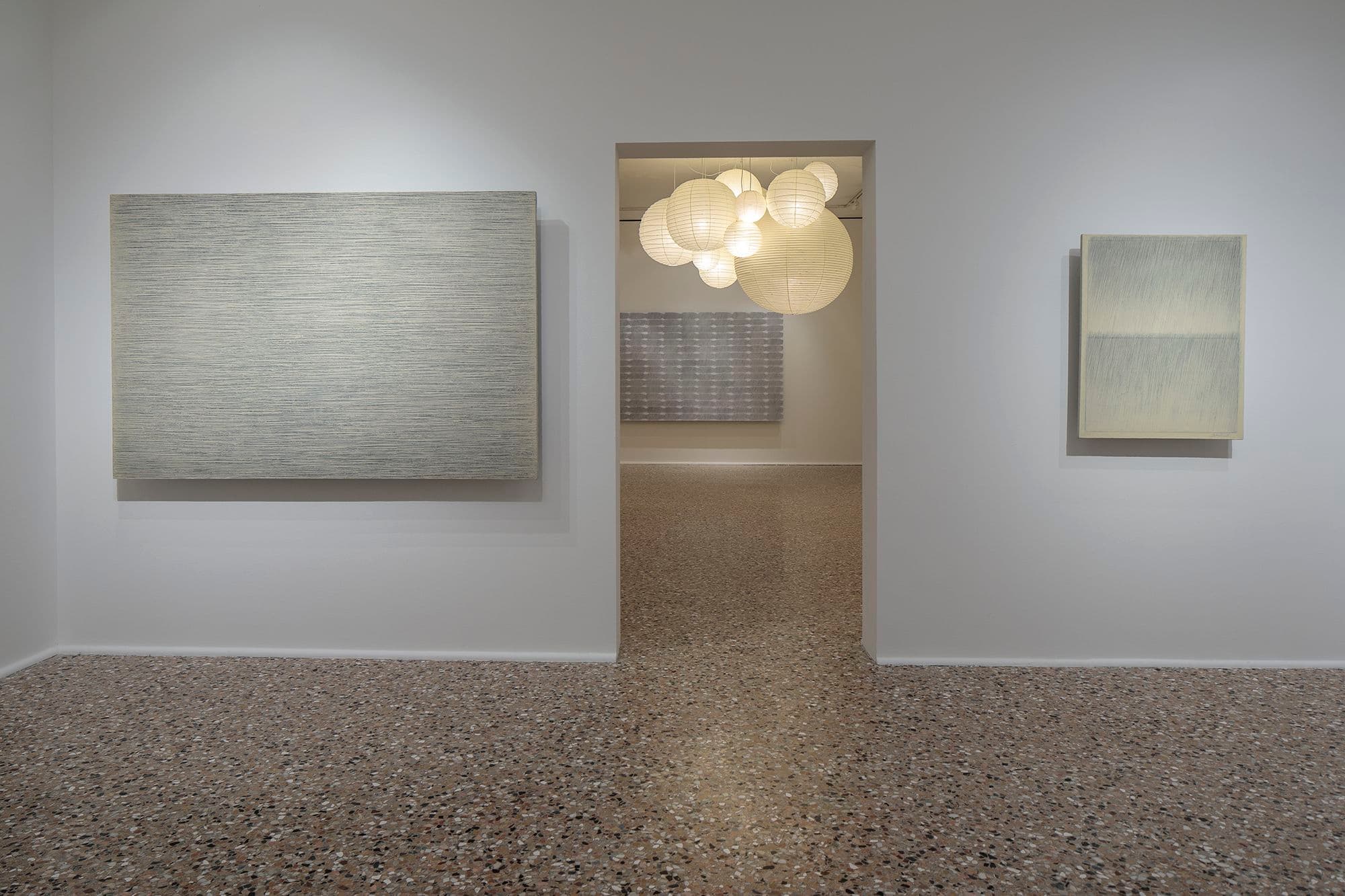
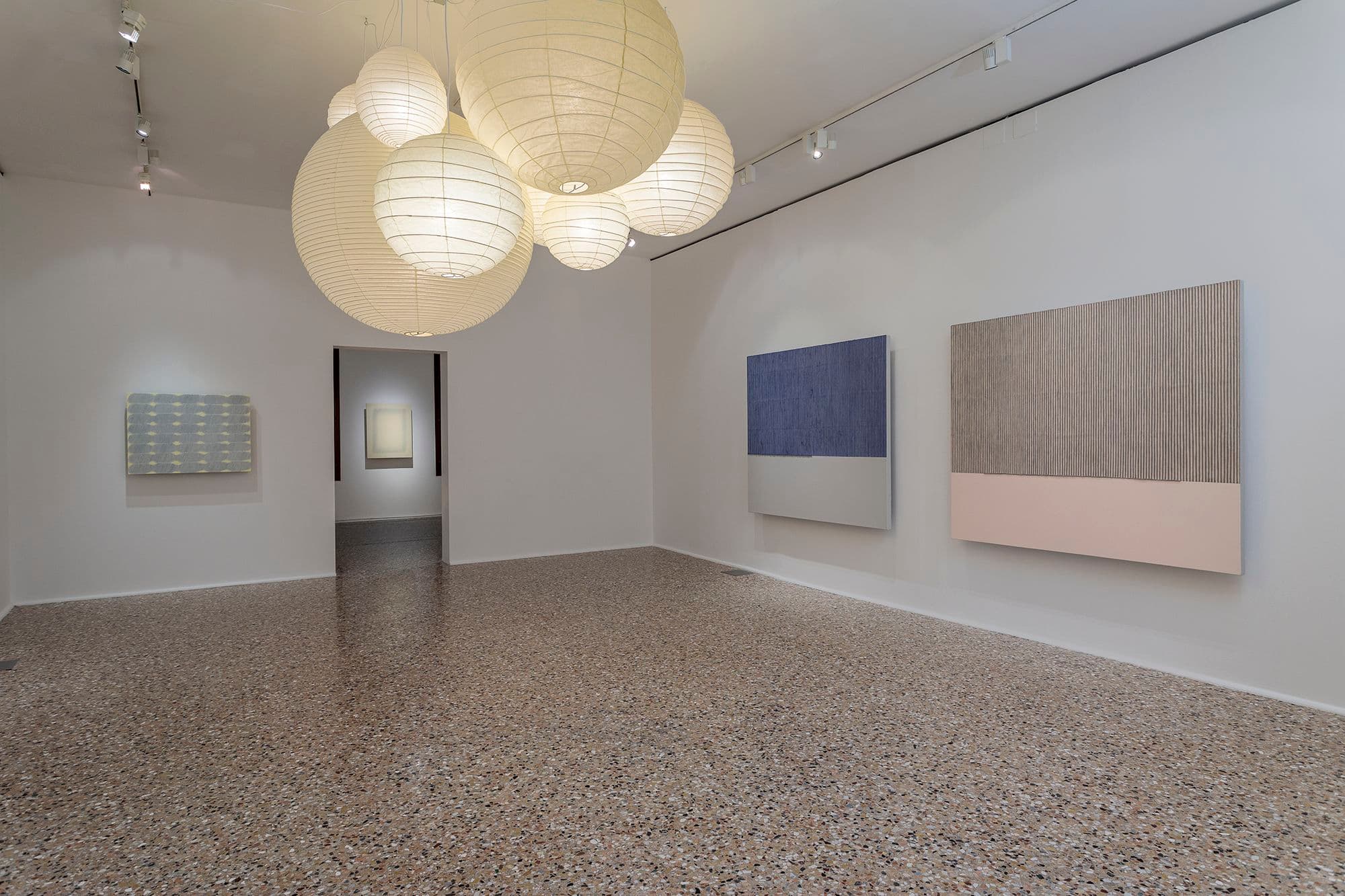
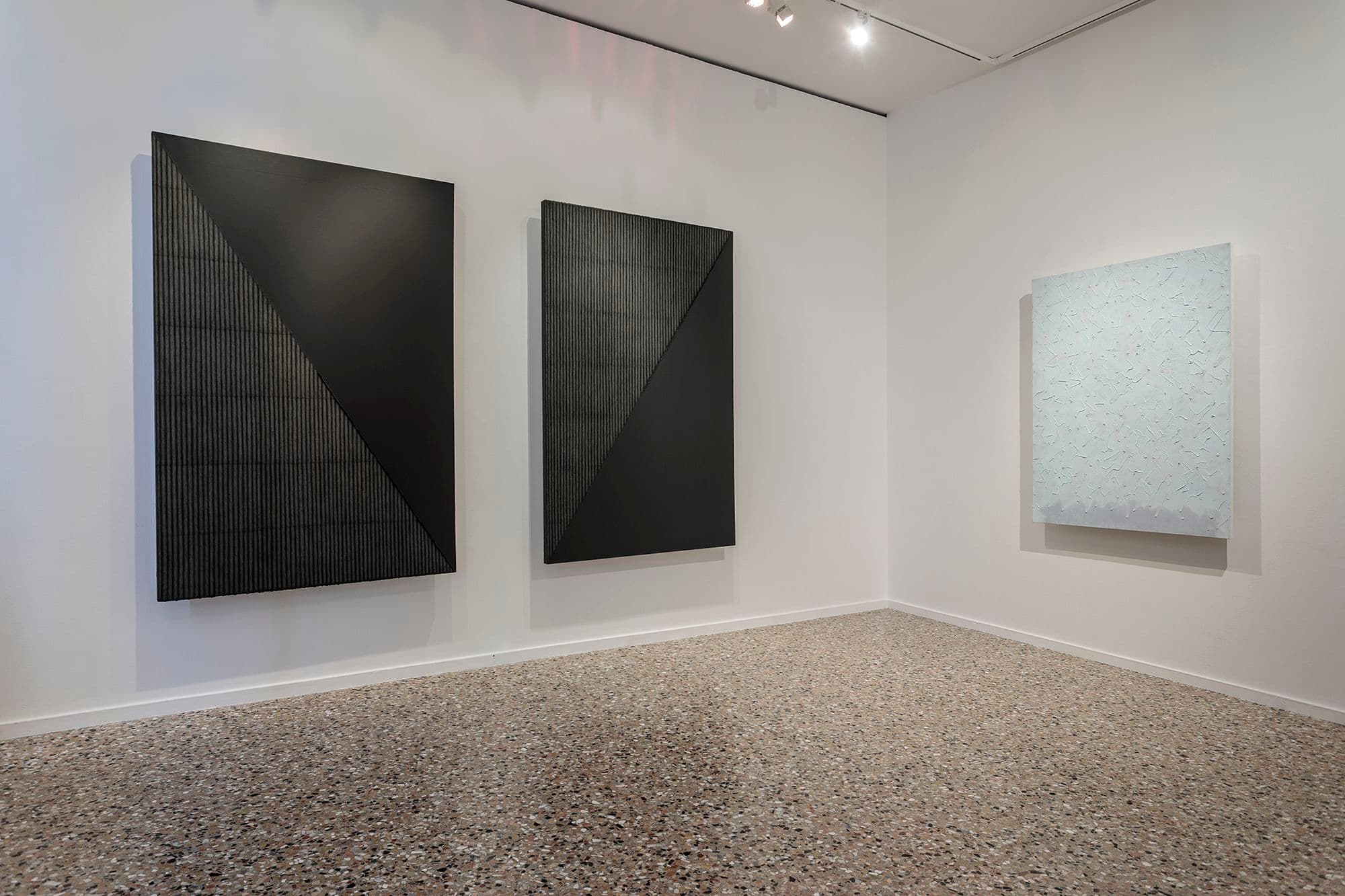
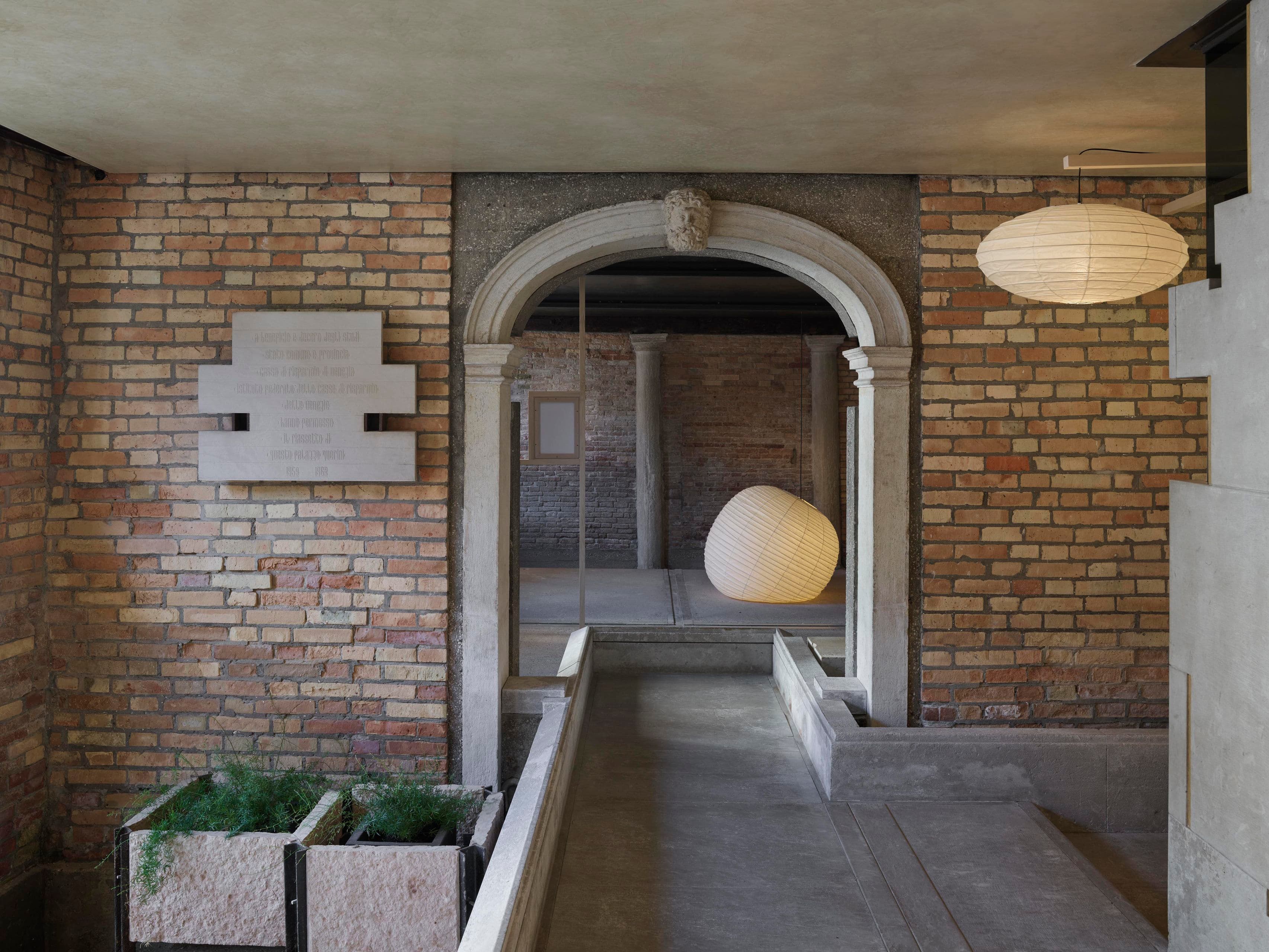
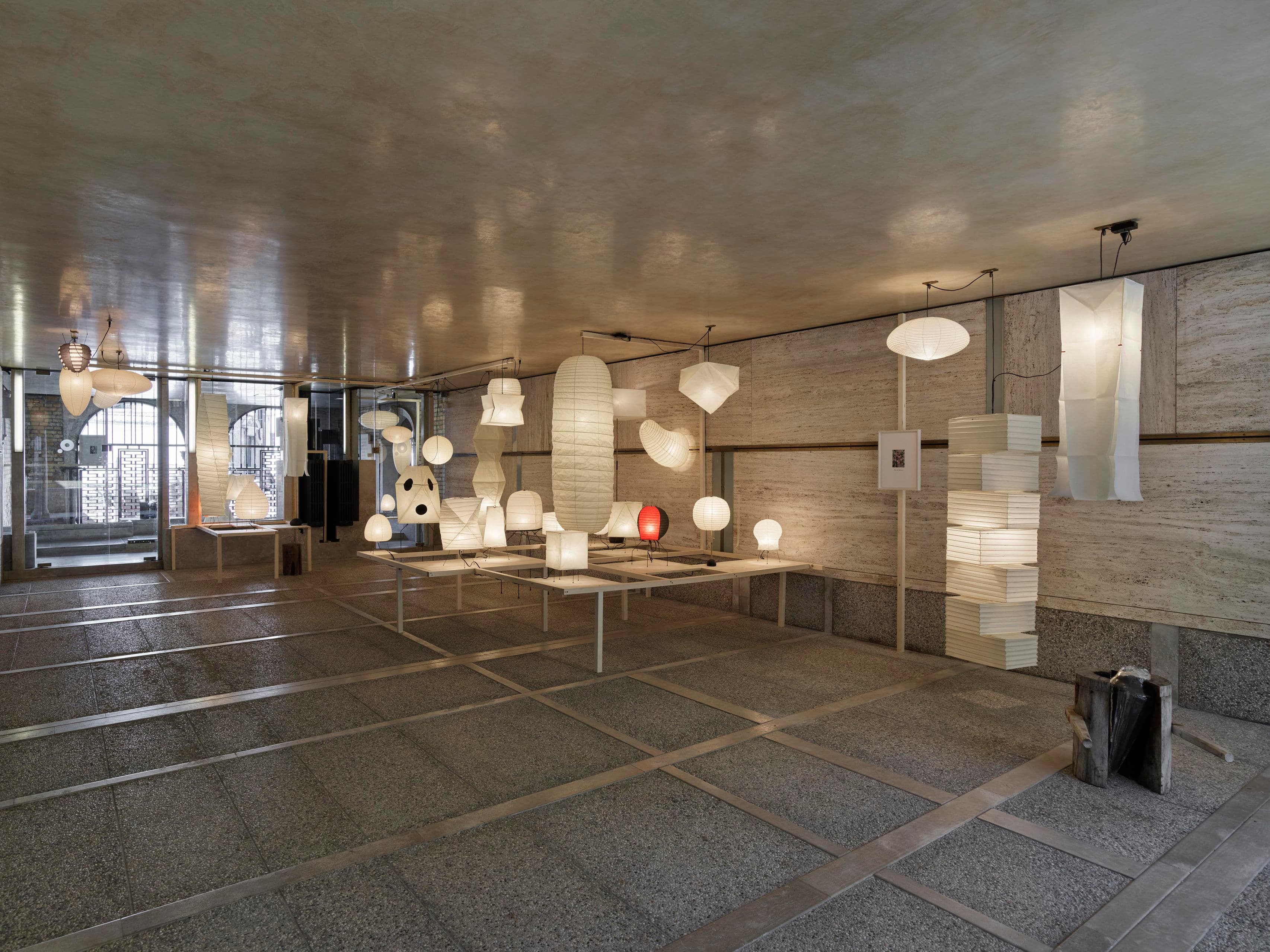
Fondazione Querini StampaliaTickets available at: bit.ly/3uwumQl "‘Meaning’ is not a quality objects have, it is something that we give them. Each of us looks at things differently depending on our baggage. This is how tension is created between objects but also people and environments." —Danh Vo Fondazione Querini Stampalia in collaboration with White Cube has invited the Danish-Vietnamese artist Danh Vo to co-curate a project alongside Chiara Bertola, curator of the contemporary art programme at Querini Stampalia, to coincide with this year’s Venice Biennale. Placing his own works alongside that of the Japanese American sculptor Isamu Noguchi and Korean painter Park Seo-Bo, the three artists engage collectively across the spaces of this unique building. The history of the Fondazione Querini Stampalia is also that of the Venetian noble Querini family, who lived in this palace for generations, accumulating a vast array of objects, books and works of art. This collection was made available for public enjoyment with the birth of the Foundation in 1869. The complex architectural layout of the mansion continuously opens windows onto history; alterations to the building signal new epochs, while traces of past histories are rewritten, overwritten, or erased in the process. A palimpsest of both the grand and minimal gestures of successive generations, the space is a labyrinthine experience, conversely audacious and humble. No artist is better equipped than Vo to cross this threshold. Vo is capable of making new stories from the fog of memory and the weight of history. His work with found objects and architectural spaces reveals a sensitivity to time as it connects with each of us. Vo redeploys his works in new arrangements across his exhibitions so that different contexts shape and alter the viewer’s perception of them. Vo’s art is conditional: together with history it inscribes itself on distinct spaces and cultures making an uneasy dance of beauty and power. Entering the Fondazione via a side door, Vo’s footsteps follow a subtle conceptual route. It is a way of navigating the nuanced and challenging questions that arise when a contemporary artist exhibits in a historical museum. What can and should be added? What comparisons and juxtapositions can be made? What balance and productive instabilities are expressed? How to bring the new into play with the old? The artist has installed light and temporary walls, agile structures that indicate a route and at the same time are responsive to the evolution of the building. In conversation with the rich array of past art on display at the Fondazione including the Intesa Sanpaolo Collection, Vo introduces work from his own oeuvre and that of Isamu Noguchi and Park Seo-Bo. Marking this ephemeral route inside the Fondazione are the photographic portraits of flowers in Vo’s garden at Güldenhof – his studio and farm north of Berlin – and gardens in Pantelleria, Denmark, Friuli, Italy and Seville, Spain. Taken with Vo’s smartphone, the images are printed in colour with the Latin names written in pencil by the artist's father, Phung Vo. The works have a gentle subjectivity while also seeming like pages plucked from an encyclopedia. Once a refugee from Vietnam, now a Danish citizen, Phung participates in the West’s rituals of systemisation, but also makes the words his own. In a new series of sculptures made in Murano, Venice, Vo has taken decommissioned wooden moulds and used each to create one final glass cast. The Pearwood constructs – charred, deformed, with broken fixings – were due to be discarded, but Vo became fascinated by their integrity and form, and the idea that such a vital part of the glassmaking process is rarely exposed so brought them into the display. In presenting these warped and weathered moulds together with their imperfect casts, Vo considers the relationship between function and beauty through this age-old art form. Vo has introduced a wide selection of Noguchi’s paper Akari lamps into the Querini; while they illuminate the objects around them and spaces they inhabit, they also serve as a gateway to perception. An itinerant cultural synthesizer, Noguchi was engaged in creating social sculpture that could be universally applied and was underpinned by the belief that nature was of fundamental importance to the human condition. His iconic Akari (Japanese for light), which he first conceived of in 1951 en route to Hiroshima, were based on Japanese chochin lanterns and influenced by American design aesthetics. The paper structure, made from the mulberry tree, are created in a multitude of different forms and are a prime example of Noguchi’s ability to bridge the traditional and the modern. Park is widely acknowledged as the father of Korean abstraction or Dansaekhwa. Minimal and monochrome, this influential post-war movement aligns with Western Modernism in renouncing the pictorial. Rather than attempting a rupture and repudiation of the past, however, Dansaekhwa sought a connection with the historical through cultural practices such as calligraphy and the use of Hanji paper, and through spiritual traditions including Daoism, Confucianism and Buddhism. Park’s meditative practice achieves minimalism not through reduction, but through layering and accretion via sustained, repetitive actions. Park’s refined material vocabulary and calligraphic idioms share a sentiment with both Noguchi’s paper Akari lamps and the penmanship of Phung Vo. As well as being a museum-home, the Fondazione Querini Stampalia is one of the city’s reference libraries. It’s not fortuitous that Vo brings his work here as a sort of living archive which changes whenever and wherever he exhibits it. Vo, Noguchi and Park are guests and intruders who alter our perceptions of objects that might otherwise be fixed. Each work returns the gaze of those open to seeing. Perhaps the reverse is also true: each gaze brings to the work a scintilla of light and life. Danh Vo was born in 1975 in Bà Rja, Vietnam and currently lives and works in Berlin and Mexico City. He represented Denmark at the Venice Biennale in 2015 and participated in the International Exhibition of the Biennale in 2013. Solo exhibitions include MUDAM, Luxembourg (2021); White Cube Bermondsey (2020); The National Museum of Art, Osaka, Japan (2020); South London Gallery, London (2019); M+ Museum, Hong Kong, Statens Museum for Kunst, Copenhagen, CAPC musée d'art contemporain de Bordeaux, France and Guggenheim Museum, New York (2018); White Cube, Hong Kong, National Gallery Singapore, Aspen Art Museum, Colorado and Museo Nacional Centro de Arte Reina Sofia, Madrid (2016); Museum Ludwig, Cologne (2015); Musée d’art moderne de la Ville de Paris (2013); Guggenheim Museum, New York (2013); Art Institute of Chicago (2012); Kunsthaus Bregenz, Austria (2012); Kunsthalle Basel, Switzerland (2009) and Stedelijk Museum, Amsterdam (2008). In 2015, Danh Vō co-curated ‘Slip of the Tongue’ with Caroline Bourgeois at the Punta della Dogana, Francois Pinault Collection, Venice (2015). He was the winner of the Hugo Boss Prize (2012) and awarded the ARKEN Art Prize, Denmark (2015). Park Seo-Bo graduated from the painting department of Hong-Ik University in Seoul in 1954. He became Dean of the University in 1973 and received an Honorary Doctorate from there in 2000. He has been widely lauded throughout his career for championing Korean art and received the Art Society Asia Game Changer Awards in 2018 and Silver Crown Cultural Medal in Korea in 2011. His work has been exhibited internationally, including; Château La Coste, France (2021); Langen Foundation, Neuss (2020); Solomon R. Guggenheim Museum, New York (2019); Museum of Fine Art, Boston (2018); the Venice Biennale (1988 and 2015); Samsung Museum of Art, Seoul (2014); Portland Museum of Art, Oregon (2010); Singapore Art Museum (2008); Kunsthalle Wien, Vienna (2007); Tate Liverpool, UK (1992); Brooklyn Museum, New York (1981), and Expo ’67, Montreal (1967). His work is included in the collections of the Hirshhorn Museum and Sculpture Garden, Washington; Guggenheim Abu Dhabi, UAE; the K20, Kunstsammlung Nordrhein Westfalen, Düsseldorf; M+, Hong Kong; The National Museum of Contemporary Art, Seoul; Solomon R. Guggenheim Museum, New York; Tate, London, amongst others. Isamu Noguchi (1904–88) was born in Los Angeles to a Japanese father and an American mother. His work has been internationally exhibited throughout his lifetime and posthumously at the Whitney Museum of American Art, New York (2004); the Hirshhorn Museum and Sculpture Garden, Washington, D.C. (2004); Museo Rufino Tamayo, Mexico City (1999); National Museum of Modern Art, Tokyo (1992); Yurakucho Art Forum (1985); Storm King Art Center, New York (1984); Walker Art Center, Minneapolis (1978); and the Museum of Modern Art, New York (1977). Noguchi’s work with public space, the most important and consistent part of his practice, reflected his strong belief in the social impact of sculpture. His first major commission was History Mexico (1936), a large relief for a public market in Mexico City, followed by many others, including News (1938–39) a sculpture for the Associated Press Building in Rockefeller Center, New York City; gardens for Reader’s Digest in Tokyo (1951; later destroyed) and UNESCO headquarters in Paris (1956–58); sunken gardens in stone for the Beinecke Rare Book and Manuscript Library at Yale University (1960–64) and Chase Manhattan Bank in New York City (1961–64); and many other public spaces in cities from Los Angeles and Detroit to Jerusalem, Osaka, Munich and Bologna. In 1985 he founded the Isamu Noguchi Garden Museum (now The Noguchi Museum) across the street from his studio in Long Island City, NY. It was the first, and is still the only, museum in the United States created by an artist to show their own work. The following year, Noguchi represented the United States at the Venice Biennale, the first time the U.S. Pavilion had been devoted to a single artist. Chiara Bertola was born in Turin in 1961. She lives and works in Venice. She is Curator of Contemporary Art Program at the Querini Stampalia Foundation in Venice since 2000. She was artistic director at the Hangar Bicocca in Milan from 2009 to 2012. Creator and curator of the FURLA Art Prize (10th edition January 2015). Curator of the Venice Pavilion at the 52nd Venice Biennale, 2007. Co-curator of the 15th edition of the Rome Quadriennale, 2008. She has been President of the City of Venice’s Bevilacqua La Masa Foundation. From 1996 to 1998. Founding member of Love Difference (2000), Artistic Movement for an 'Intermediterranean Politic' (together with Michelangelo Pistoletto and others). She has curated many exhibitions both in Italy and abroad. Among other: Roman Opalka (2019), Paolo Icaro (2018), Giovanni Anselmo (2017), Elisabetta Di Maggio (2017), Jimmie Durham (2015), Haris Epaminonda (2014), Qiu Zhijie (2013), Gianikian-Ricci Lucchi (2012), Christian Boltansky (2011), Hans Peter Feldmann (2012), Ilya&Emilia Kabakov (1989, 2003, 2012), Surasi Kusolwong (2011), Michelangelo Pistoletto (2013, 2000), Marisa Merz (2011), Mona Hatoum (2009, 2014, 2015), Georges Adeagbo (2008, 2009), Remo Salvadori (2006), Kiki Smith (2005), Boris Mikhailov (2001), Giulio Paolini (2001), Lothar Baumgarten (2001), Joseph Kosuth (2000). In 2010 at the Hangar Bicocca in Milan she curated the international experimental project: Terre Vulnerabili – A Growing Exhibition. In 2008 she published the book, Curating Art, which deals with art curating theory (Mondadori, Milan). The book "Walking along curating art" and the book "Conserving the future" on the Querini Stampalia artistic project are in the process of being published. The Fondazione Querini Stampalia is a unique cultural entity in Venice. A splendid palace in the heart of the city, it contains important historical collections and works by great contemporary architects. Ancient and modern, past and present are placed in constant juxtaposition to one another: in the eighteenth-century museum home, in the vast library and in the spaces redesigned by Carlo Scarpa, Mario Botta, Valeriano Pastor and Michele De Lucchi. Numerous echoes of its history are reinterpreted in a contemporary light. This is the Querini Stampalia’s mission: conserving the future! Conserving the Future is the Fondazione’s decades-long contemporary art programme, of which the Danh Vo, Isamu Noguchi and Park Seo-Bo exhibition is the latest example. Ideated and curated by Chiara Bertola, for over twenty years the project has asked contemporary artists to relate to and dialogue with the spaces of the Fondazione, drawing inspiration from them to create new expressions through vital experimentation. Their gaze helps us not only understand the times we are living in but also to see our past in a different light.