
Tribeca, New York
Group Exhibition
Substance in a Cushion
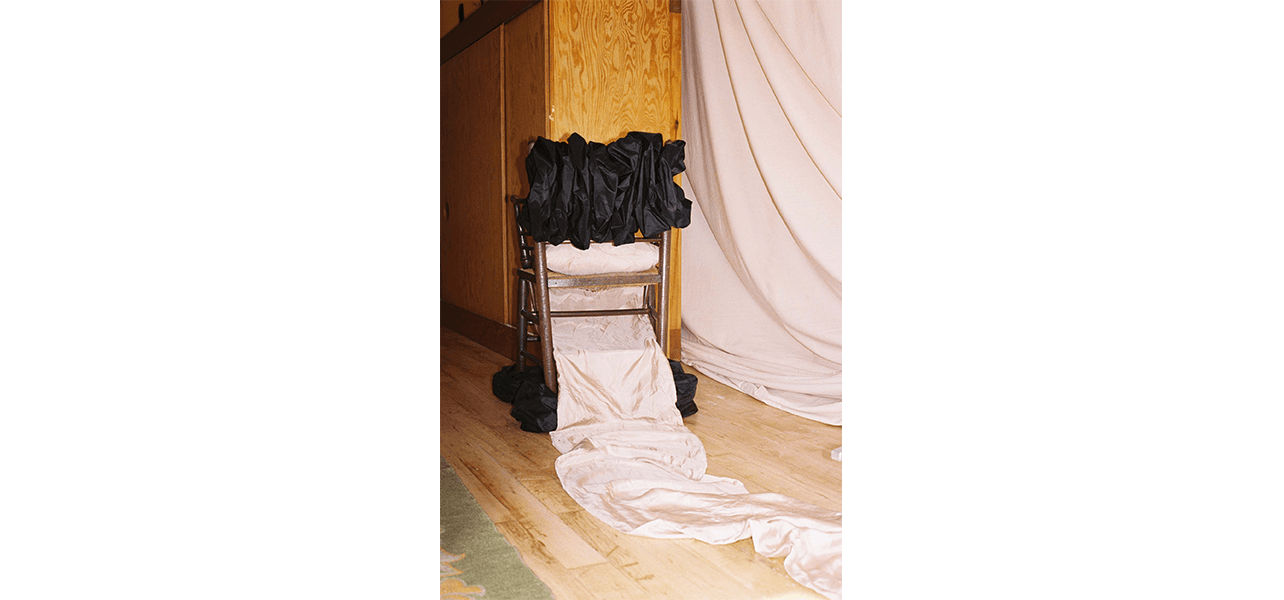
Jacqueline Sullivan GalleryJacqueline Sullivan Gallery, a new decorative arts and design gallery located in Tribeca, presents an exhibition of its inaugural collection, curated by gallery Founder Jacqueline Sullivan. Centered around cohesive, concept-driven collections of furniture and objects from contemporary and historical designers, the gallery aims to serve and motivate a new generation of design and decorative arts patrons. Jacqueline Sullivan Gallery commissions limited editions from contemporary designers, with the aim to support and steward their talents, encouraging the exploration of form, material and ideas in a way that stimulates and expands their practice. Special historical design objects round out each collection and will aid in contextualizing contemporary pieces within the larger design canon. By considering both historical and contemporary design within the same collections, the gallery will inspire an enriching dialogue between past and present. “My hope for the gallery is to create a trusted and respected destination for collectors of considered decorative arts and design, and to bridge any gaps between designers and collectors in the hopes to inspire a new way of living with objects that can be used, cherished and understood,” says Jacqueline Sullivan. The inaugural collection, Substance in a Cushion, references a poem in Gertrude Stein’s beloved book Tender Buttons. Like her writing, the collection inspires curiosity about everyday, seemingly mundane objects in a new and even strange way. The notion of “substance” is twofold: the idea of physical matter, the way in which an object takes up space, as well as the concept of “mattering,” the way in which these objects mean something. The collection hopes to encourage contemporary designers to explore this notion of substance, as well as an object’s relationship to space – whether in new form, material or approach. Contemporary commissions for Substance in a Cushion include: Glass vessels by Valentina Cameranesi (Milan) - Unexpectedly made of borosilicate glass, the vessels explore the intrinsic practical potential of the material while honoring the fragile and precious style and nature of historical Venetian glass vessels, which were often collected and cherished. The collection is comprised of delicate, romantic vessels for incense, oils and other olfactory materials that inspire a rich narrative for more decadent uses than the material itself would suggest. This collection of vessels demonstrates an exploration into the materiality as well as the vast artistic capacity of borosilicate glass. Chair dressings by Kristin Dickson-Okuda (Los Angeles) - Dickson-Okuda created innovative and imaginative decorations for antique chairs, intended to meditate on the idea of connection - both between those that use the objects as well as the materials themselves - and how objects are personalized in the home. While traditional chair coverings are designed to preserve and protect, these are purely decorative, allowing each chair to maintain its presence. Pâte de Verre (cast glass) sconces by Natalie Weinberger (New York) - Most known for her sculptural yet delicate ceramics, these unique sconces represent Weinberger’s first foray into glass. Cast in the same kiln used for her ceramic practice, the shapes emerged as abstract yet vegetal, vaguely evoking flowers in bloom. Tulipieres by Jordan McDonald (Philadelphia) - Intrigued by the tradition behind the tulipiere, Sullivan commissioned McDonald to create a contemporary series in his own vocabulary, informed by his research into the history of architectural ceramic production. In a break with tradition, these tulipieres take their forms from the stoves, bricks and tiles of American ceramics factories, and their saturated colors from historic rich, lead-based glazes. Waxed paper lamps by Christian Hammer Juhl and Jade Chan (Copenhagen/Singapore) - The series - entitled ‘Vessels for Light’ - comprises stitched, stacked and waxed paper lamps. Together, they create a landscape of delicate columns that play on the contrast between brutal, heavy forms and the fragility of soft paper and diffused light. Hammer Juhl and Chan envision this collection as their contribution to the long history of paper used as vessels for light. Textiles by Grace Atkinson/Decima (Paris) - Inspired by a specific line in Tender Buttons - “The change of color is likely and a difference a very little difference is prepared.” - Atkinson’s collection of ten textiles was intended to manifest her emotional response to the eclectic, warm eccentricity of the poem. The pieces are made using a traditional technique developed over 500 years ago, handwoven and hand brushed in the Carpathian mountains with 100% virgin wool from the region. The first historical collection of furniture is broad in its timeline, ranging from the 17th to the 21st century, yet unified in each item’s integrity to crafts and materials. For example, Sullivan draws a link between Gaetano Pesce’s commitment to a 7,000 year old resin furniture construction method - Queen of Nobody Chair (2002) is on view - and the rejection of industry by the Arts & Crafts movement, symbolized in the collection by Phillip Webb’s Sussex Chair for Morris & Co. Outside of the conceptual links, all of the forms are bold and textured - whether flat planes of timber or leather embossing - offering conversation and food for the eye. Select historical works for Substance in a Cushion include: ● AEO Chair and 3 Seater AEO Chair by Paolo Dagnello/Archizoom for Cassina, 1973 ● Douglas Fir Plywood Wardrobe by Juliaan Lampens, c. 1967 - 1974 ● 6 Dining Chairs, Yorkshire England, Late 17th Century ● Flatweave carpet attributed to CF Voysey, c. 1895 ● Queen of Nobody Chair by Gaetano Pesce, 2022 ● Long oak refectory table from the era of George III, c. 1760 - 1820 ● Ebonized cabinet with leather and paper panels attributed to Richard Norman Shaw ● Ebonized and gilded screen attributed to DG Rosetti for Morris & Co., c. 1870 - 1890 ● 6 Sussex Chairs by Morris & Co., c. 1870 - 1890 ● Dining Table by Giovanni Offredi for Saporiti, 1980s ● Belt Table Lamp by Gaetano Pesce, 1995 The setting for the gallery, designed by Nick Poe, is at once context for, and an expression of, the gallery’s program and identity. Poe’s design is largely inspired by the neighborhood’s historic loft architecture - also the backdrop of his childhood - and is intended as a light touch yet highly considered intervention that highlights the collection, and creates a warm, honest social environment. Original tin ceilings remain, while other material choices include a bowery-built stainless steel for the kitchenette, salvaged 1920s tile and fixtures in the bathroom, exposed conduit lighting and plastered-over brick throughout, all lending a classic loft sensibility to the space. Large display shelves with a translucent scrim bisect the space, separating a library and office from the formal presentation space. Each collection is accompanied by a publication, intended to invite an exploration of the objects, offering patrons an interpretation of how to live with them. It is not a catalog of the stock, but rather an inquiry around the pieces and themes that they present. Creative collaborators for the publication for ‘Substance in a Cushion’ include Ruby Woodhouse, Adrianna Glaviano, Vere Van Gool, Kiri Uno-Brito Muemann, Elliot Camarra, Abel Sloane, Monica Nelson, Beatrice Bonino, Alma Libera, Marcelo Gomes, Lauren Ardis and Haydée Touitou and more. Following the initial collection, the gallery will also introduce additional types of presentation, including solo exhibitions, capsules, and unique commissions, in addition to new concept-driven collections.