
Marais, Paris
Bouchra Khalili
The Magic Lantern
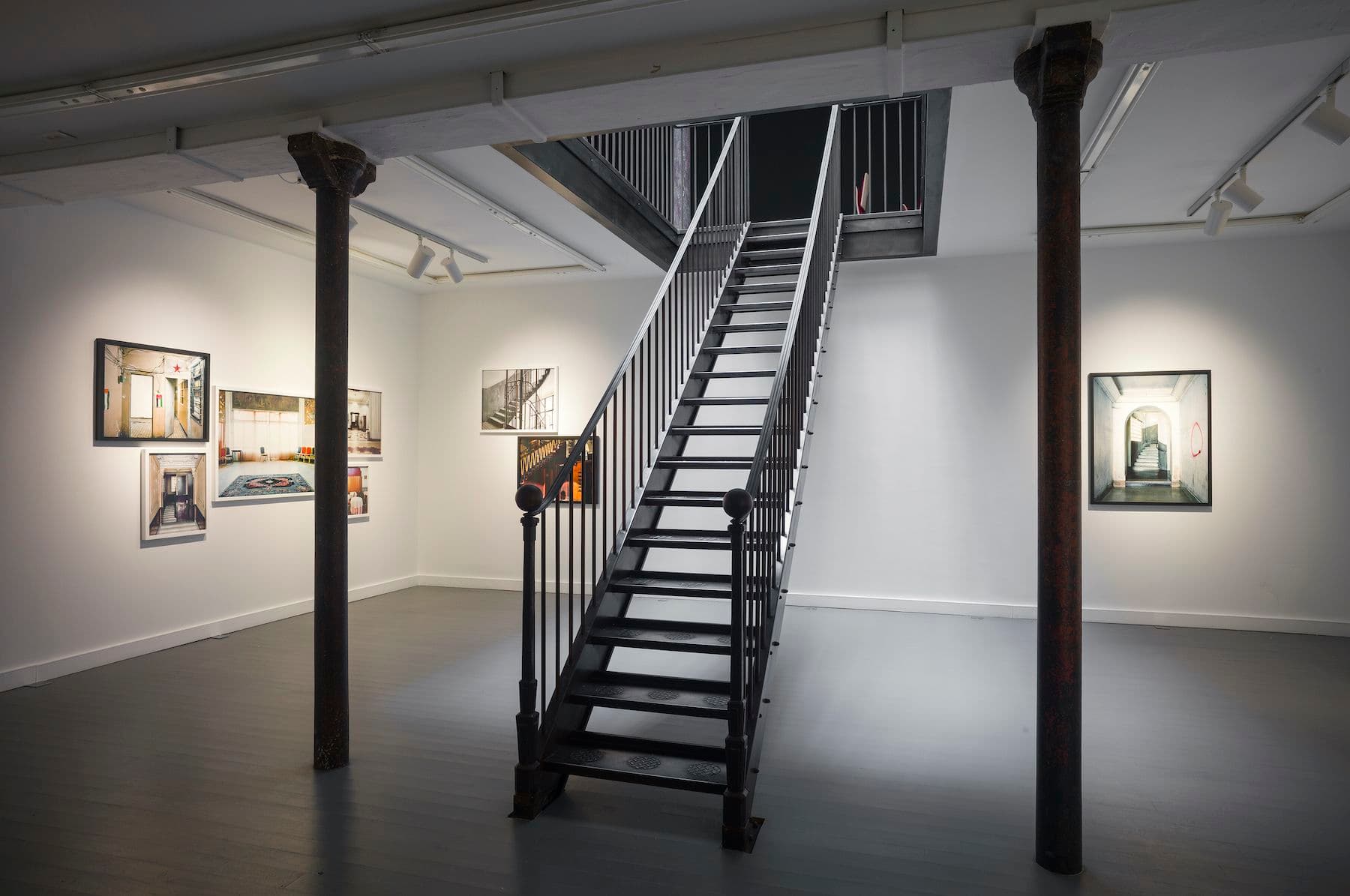
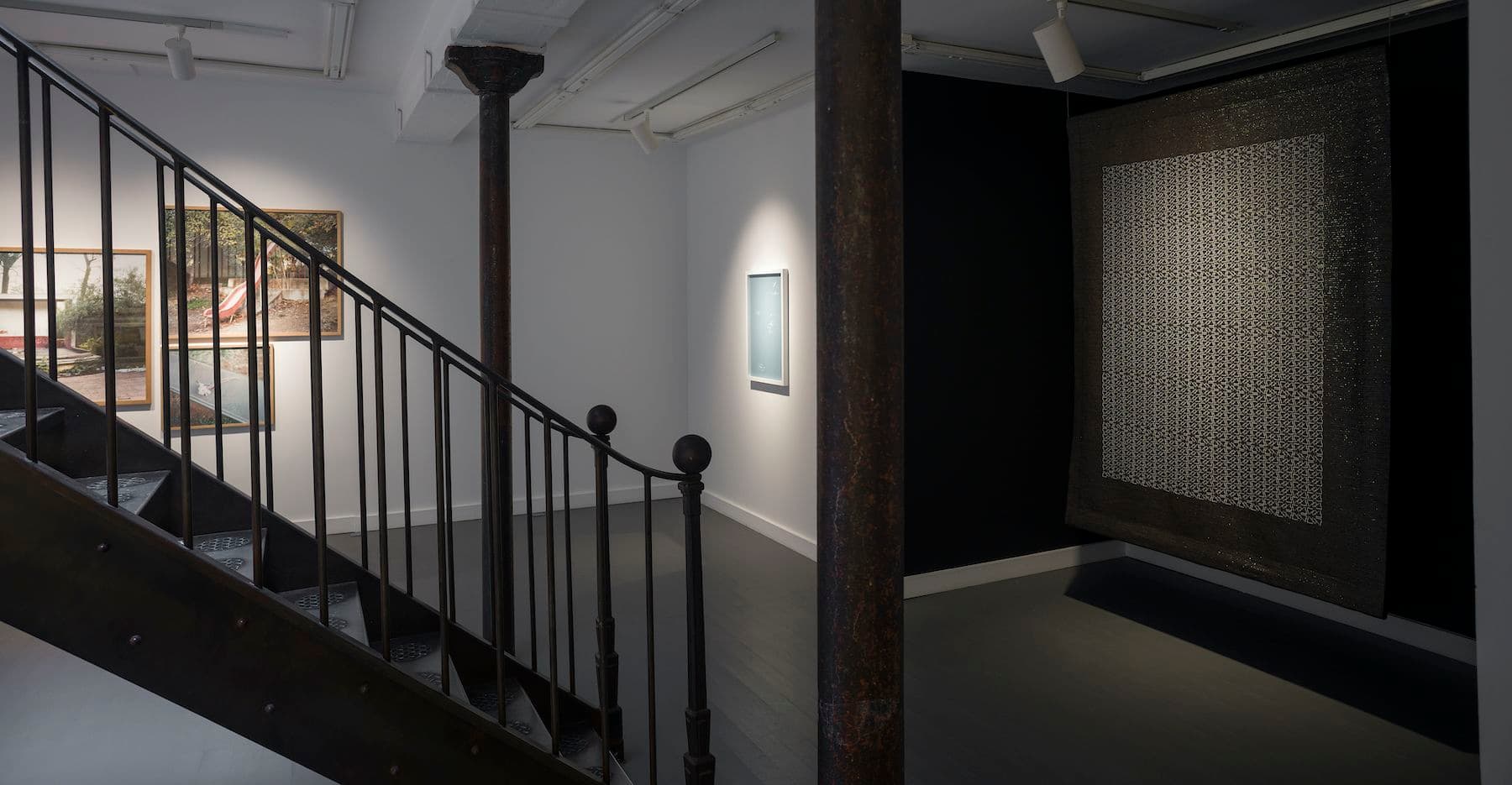
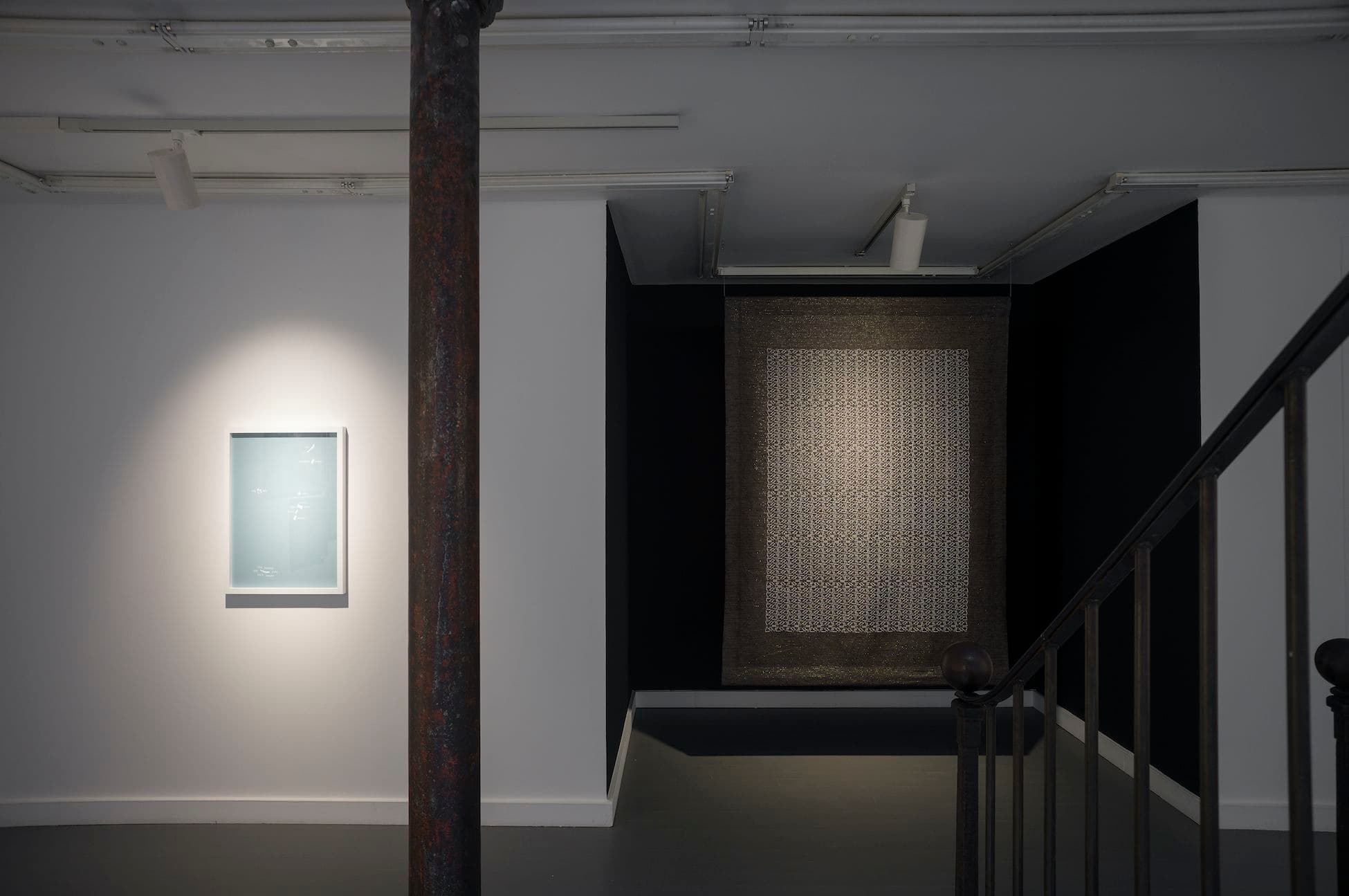
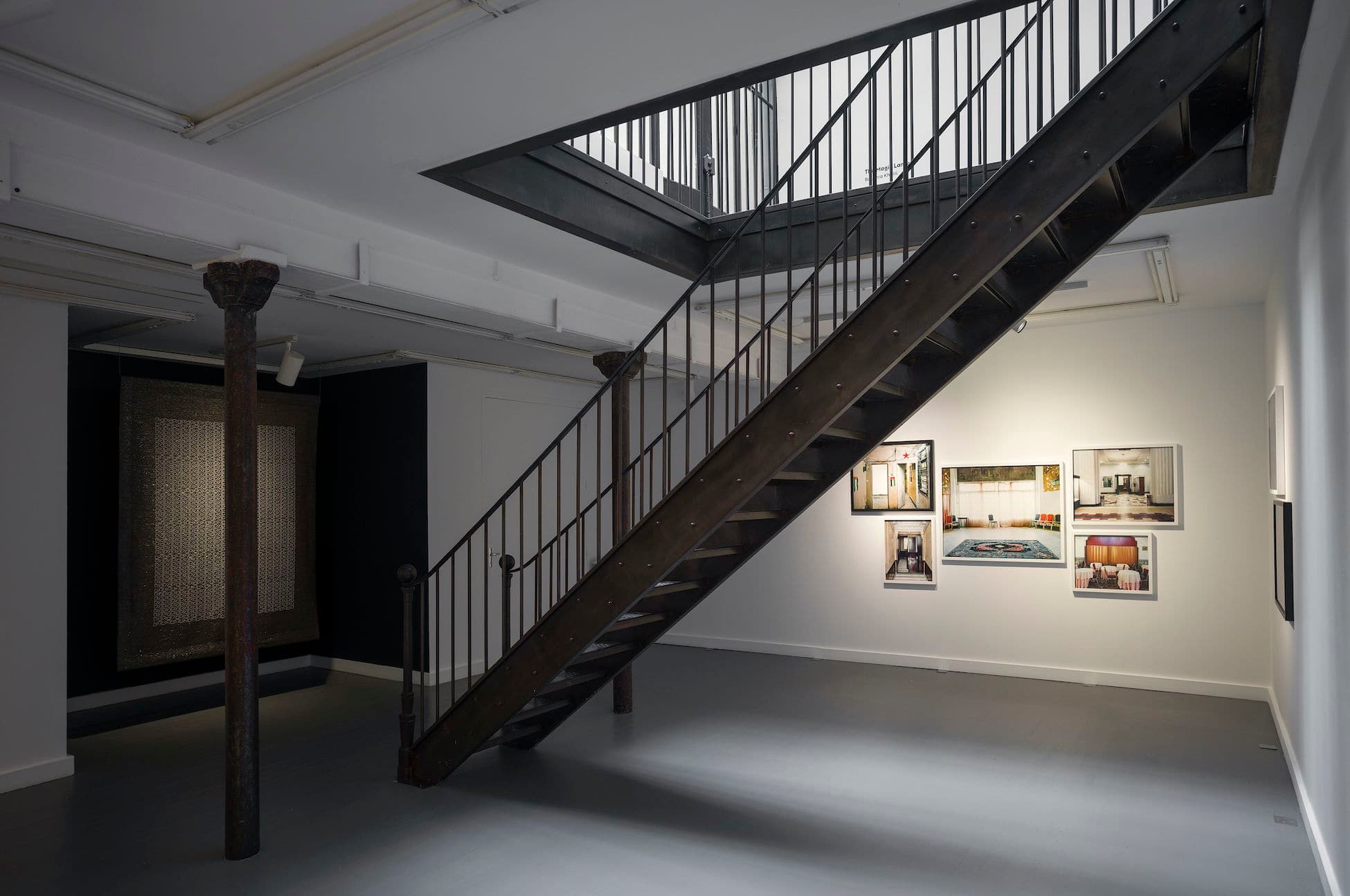
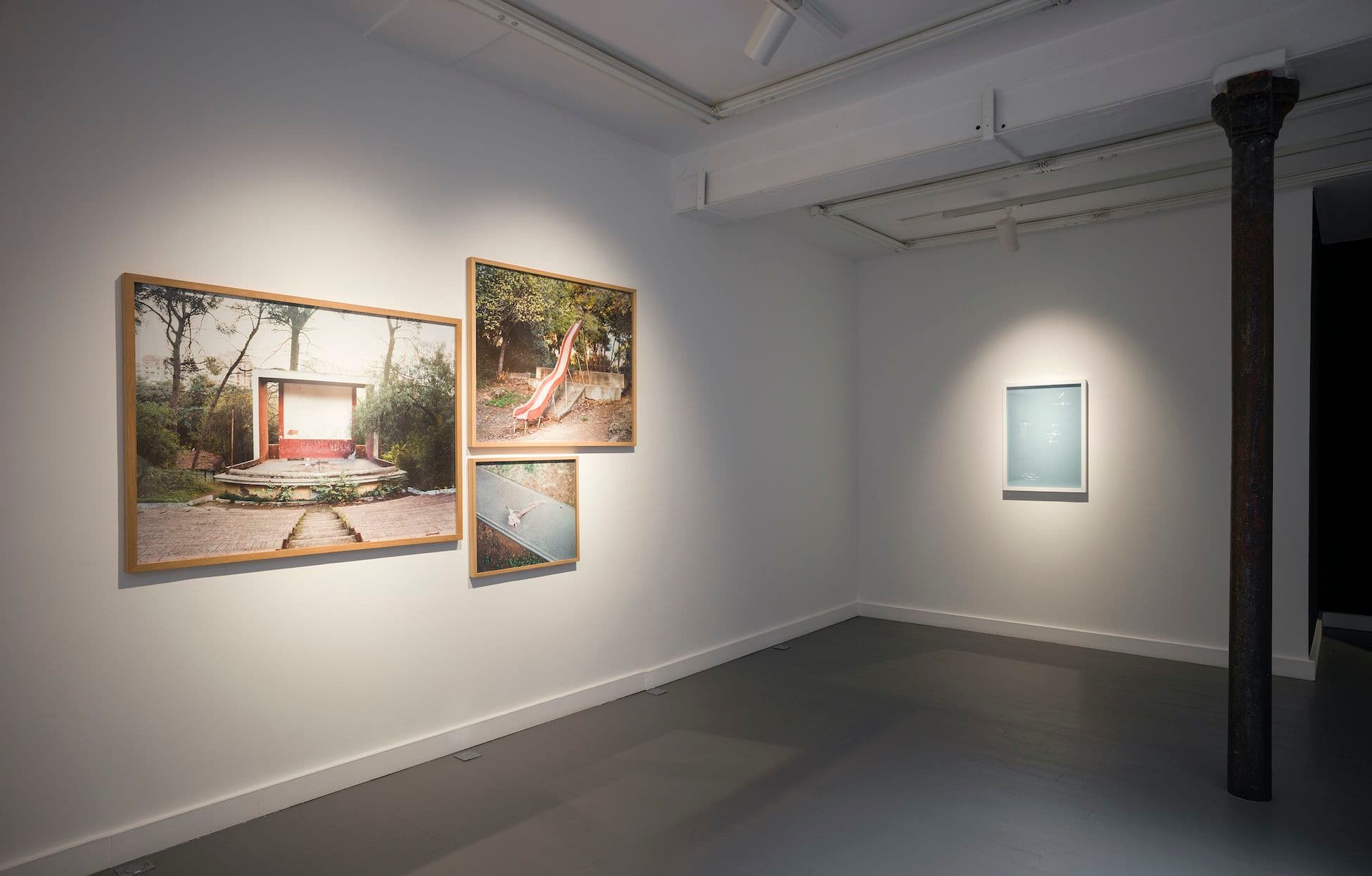
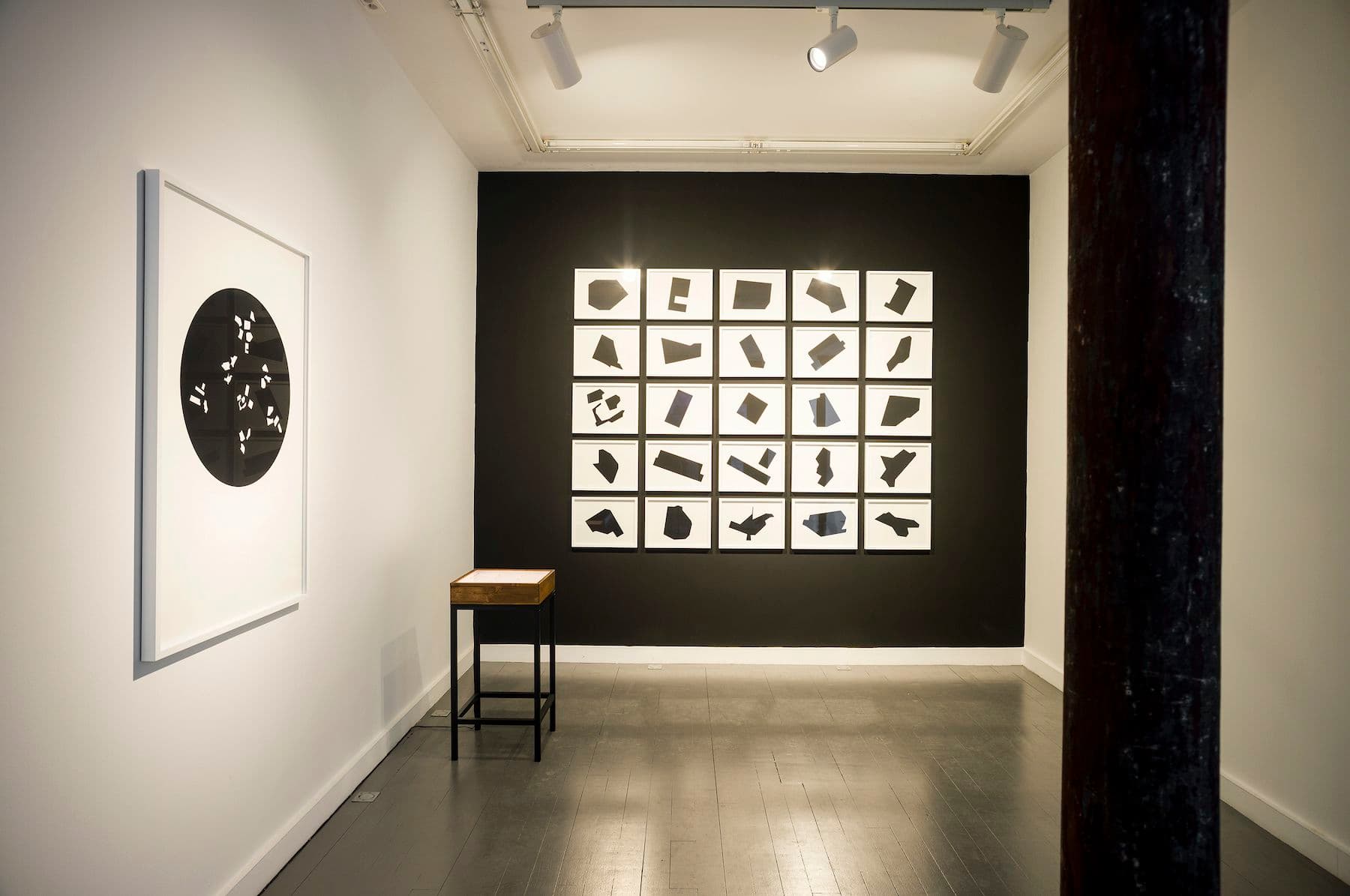
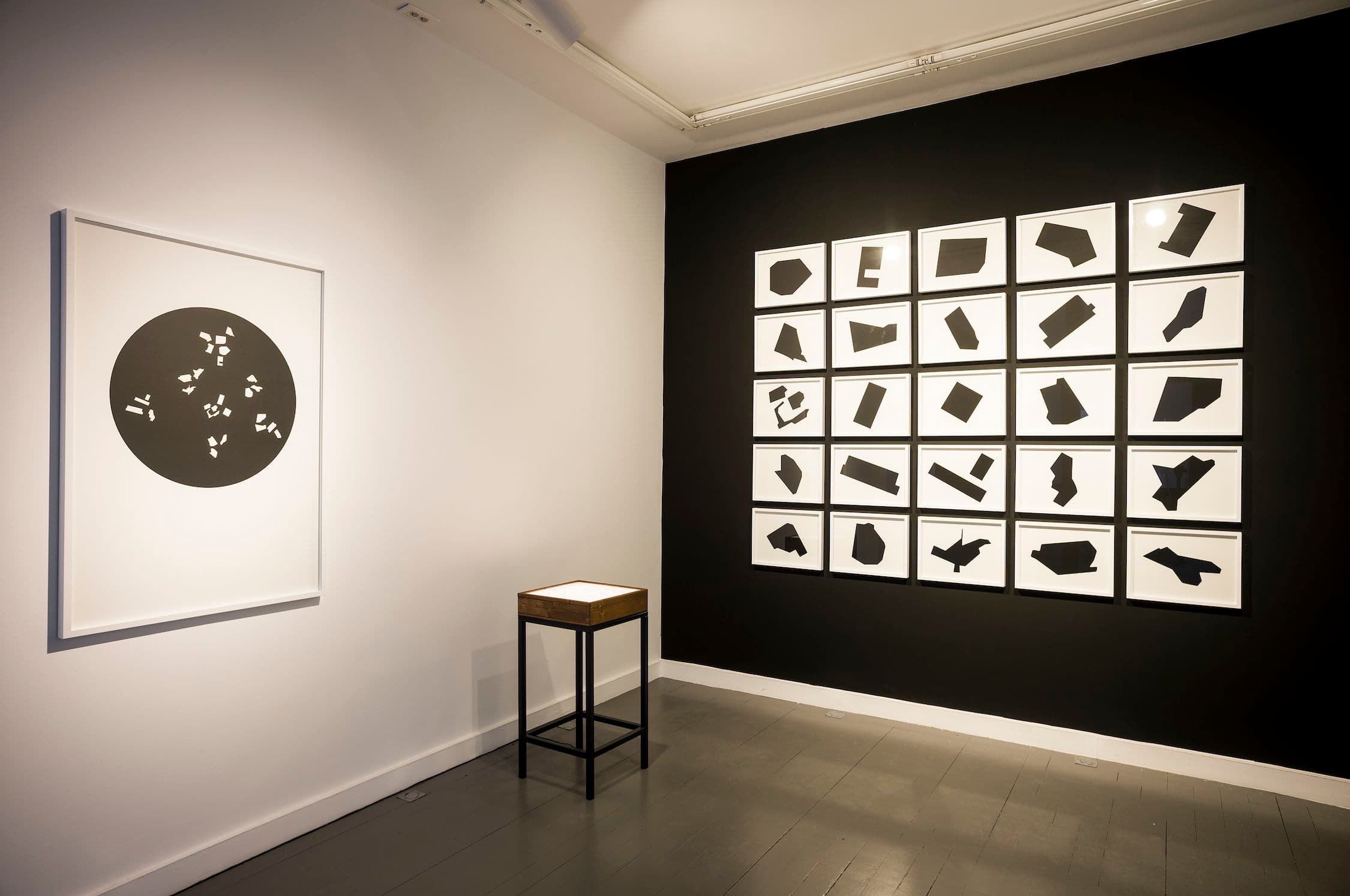
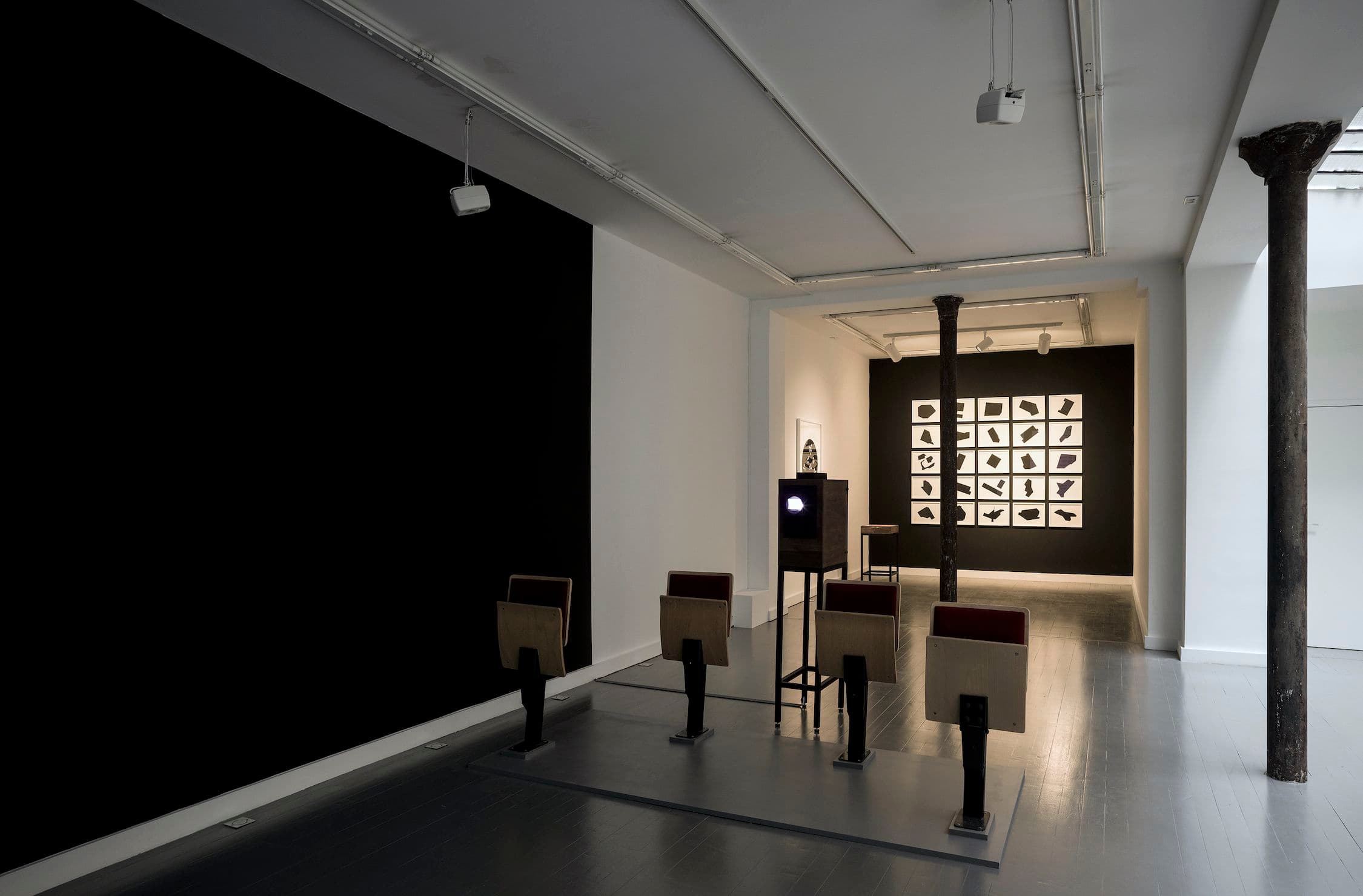
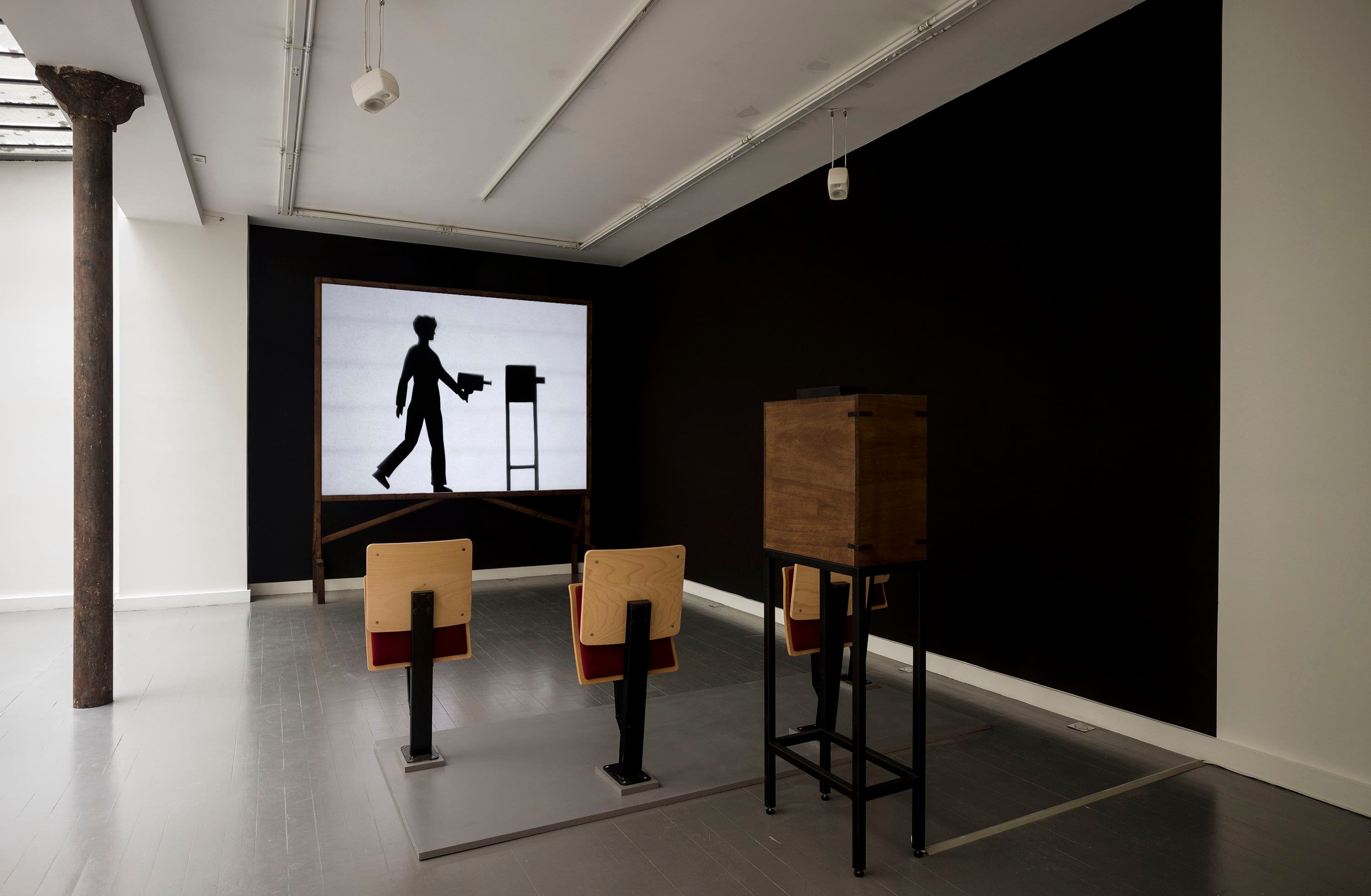
Mor CharpentierFor her first solo show at mor charpentier, Bouchra Khalili presents The Magic Lantern Project (2019-2022), a mixed media installation that continues the artist’s investigation on the genealogy of movements of decolonization and international solidarity in the Global South and its diasporas. By combining moving image, film, printmaking, and installation, Bouchra Khalili’s practice suggests forms of belonging freed from the restrictive conception of civic membership of the nation-state model. Her work is informed by the history of the Moroccan avantgarde and the oral transmission of suppressed histories. Thus, Khalili charts the revolutionary impulse by building complex narratives, often weaving together personal stories, micro- history, and historical material, highlighting a continuum of resistance. The Magic Lantern (2020-2022) reactivates the art of the phantasmagoria, a technology from the late 18th century that combined projected imagery with vivid storytelling in order to call ghosts. Notably, activists used it to keep the spirit of French revolutionaries, such as Marat, alive in the public imagination. Later on, phantasmagoria became part of the cultural tools that sustained the colonialist expansion and its ideology, but subsequently, new forms of reappropiation of the technique emerged amongst image- makers committed to decolonization. The components of Khalili’s installation invite a meditation on the transmission of emancipatory ideas. The film takes as a starting point The Nero of Amman, a lost video work by Swiss media pioneer and activist Carole Roussopoulos (1945-2009), produced in the aftermath of 1970 massacres of Palestinian refugees, committed by the Jordanian army of King Hussein. Filmed by Roussopoulous on a Portapak —the first battery-operated individual analog video camera— the film was lost in the following years due to wear and tear: its numerous projections made the film unreproducible. The installation includes an object replicating the Magic Lantern device serving for the projection of the film. It also features The Public Writer (2019), a series of 26 silkscreen prints and a lightbox, offering a map of Roussopoulos’ commitment to international movements of liberation across continents. Locations that Roussopolous visited between 1970 and 1975 in the course of meeting and filming representatives of liberation groups are rendered as geometric shapes, as though from a bird’s eye view. Khalili shows each location as discrete archipelago-like forms and as a constellation that together brings diverse temporalities and geographies. On the lower ground of the gallery is The Weaver (2022), a textile work made of woven magnetic tape used for video and sound recordings. In Morocco, where the centuries-old practice of weaving is employed to record histories passed down through generations, the diamond pattern denotes a feminine form of representation used to record stories by and about women. Simultaneously, the diamond shape is generated by the shape of a Portapak camera which, together with the title of the work, nods to Roussopoulos’ understanding of the role of the filmmaker as a transmitter of minorioties' buried narratives. Finally, the presentation is completed by a series of photographs and a silkscreen print from the Foreign Office project (2015). These works focus on the period 1962-1972, during which Algiers became the “mecca of revolutionaries”, hosting representations of many liberation movements, such as the international section of the Black Panther Party. The photographs document the ghostly places that once hosted these movements’ headquarters, revealing the hollow dissipation of utopia, although still haunting the present-time. Carole Roussopoulos and her commitment to international solidarity through video making and the use of the Portapak were already depicted in this earlier project as she offered training in videomaking in Algiers to members of the BPP, among other organizations based in the city at the time. Linking both projects highlights Khalili's commitment to deep and long-term research and reveals the ample geographical, historical, and aesthetical scope of her practice.