

Institutions, Venice
Roman Opałka & Mariateresa Sartori
Dire il tempo / Telling the Time
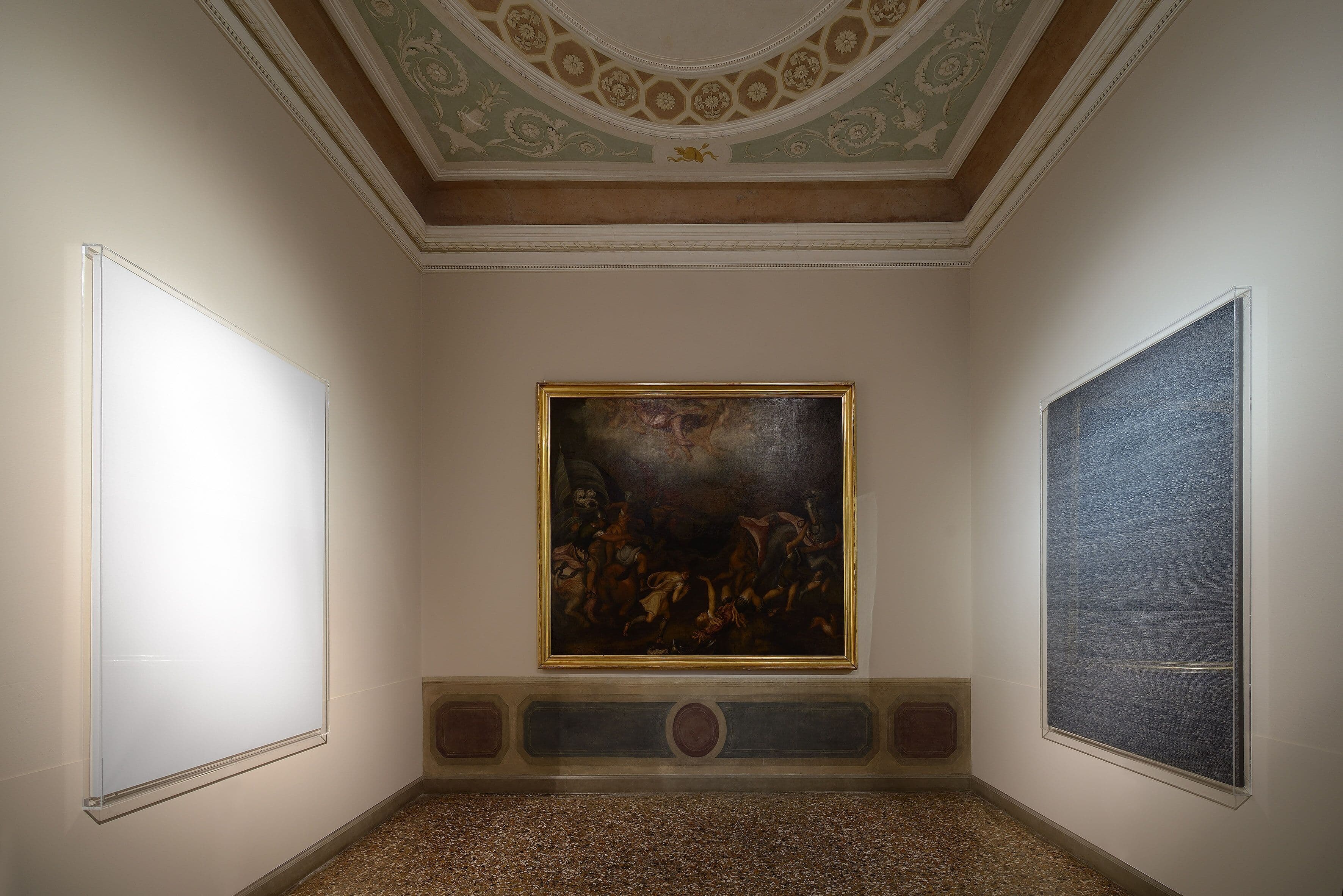
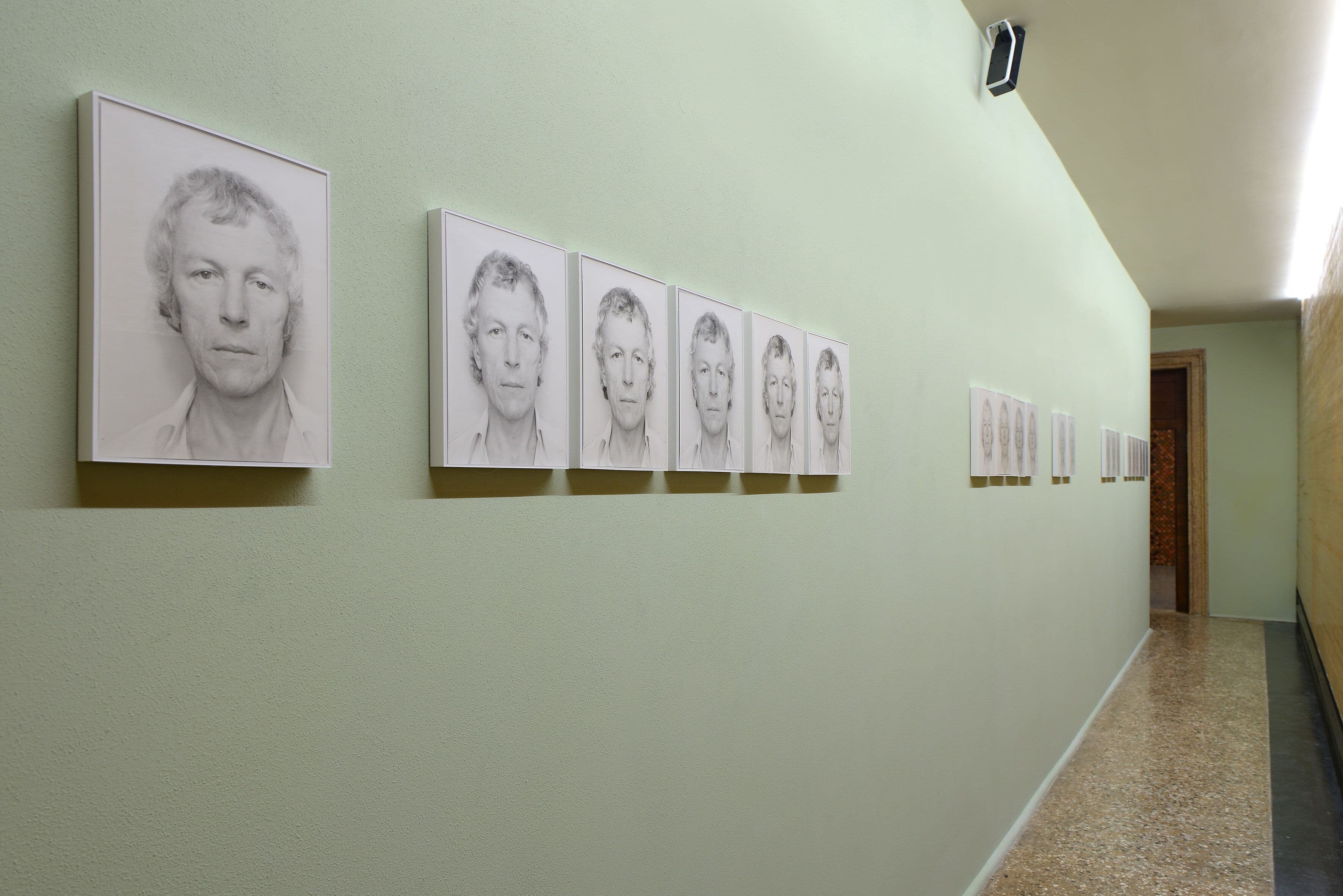
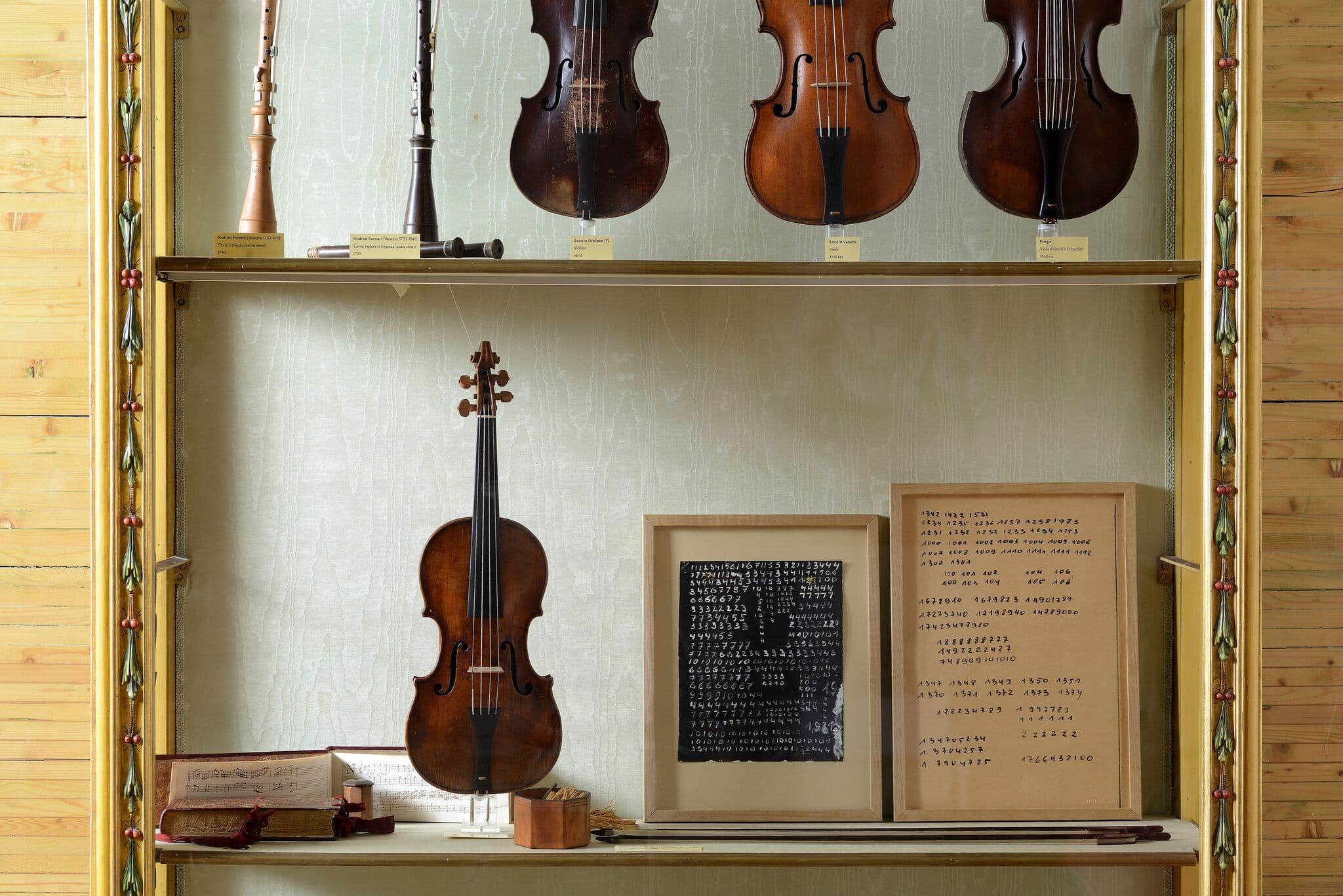
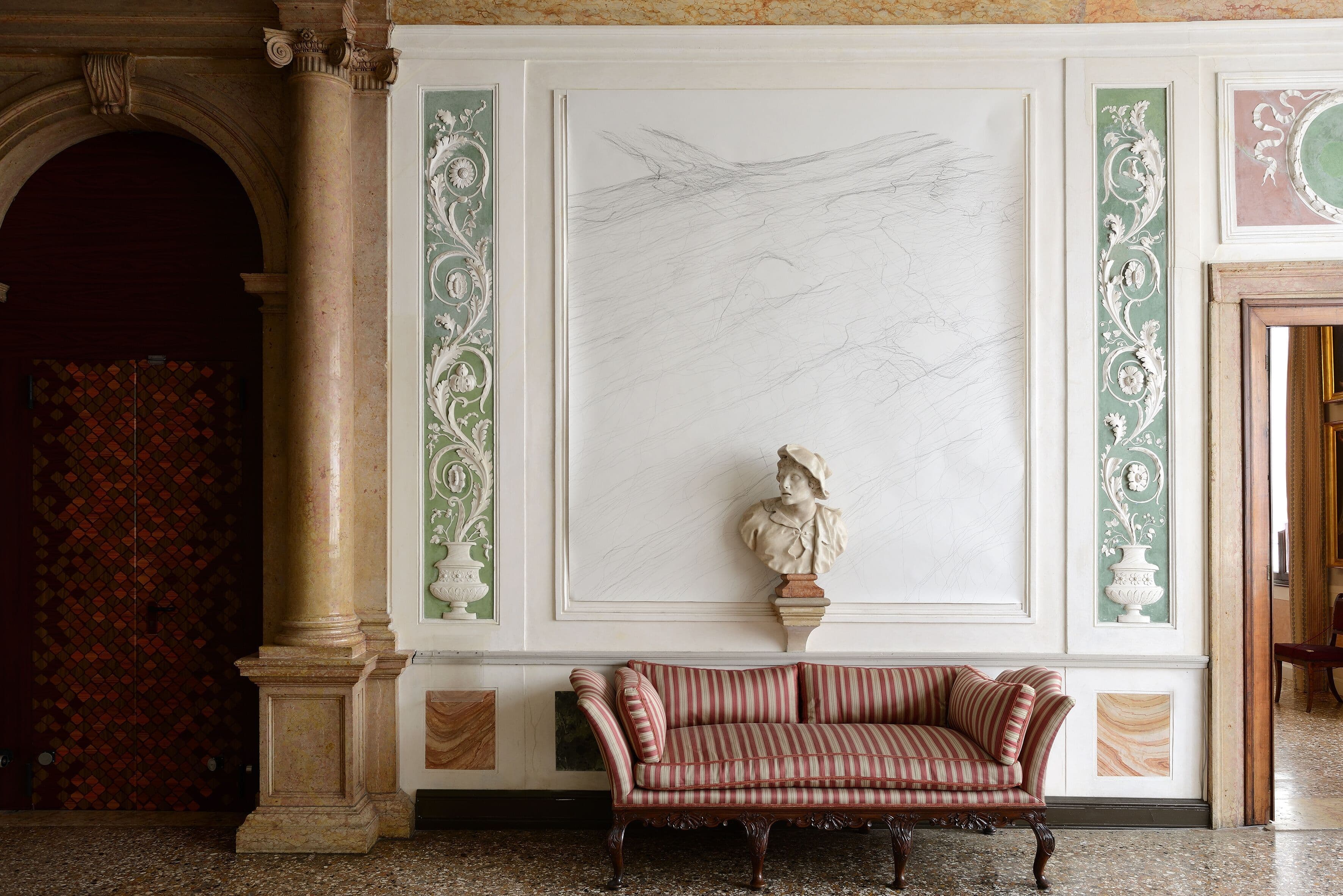
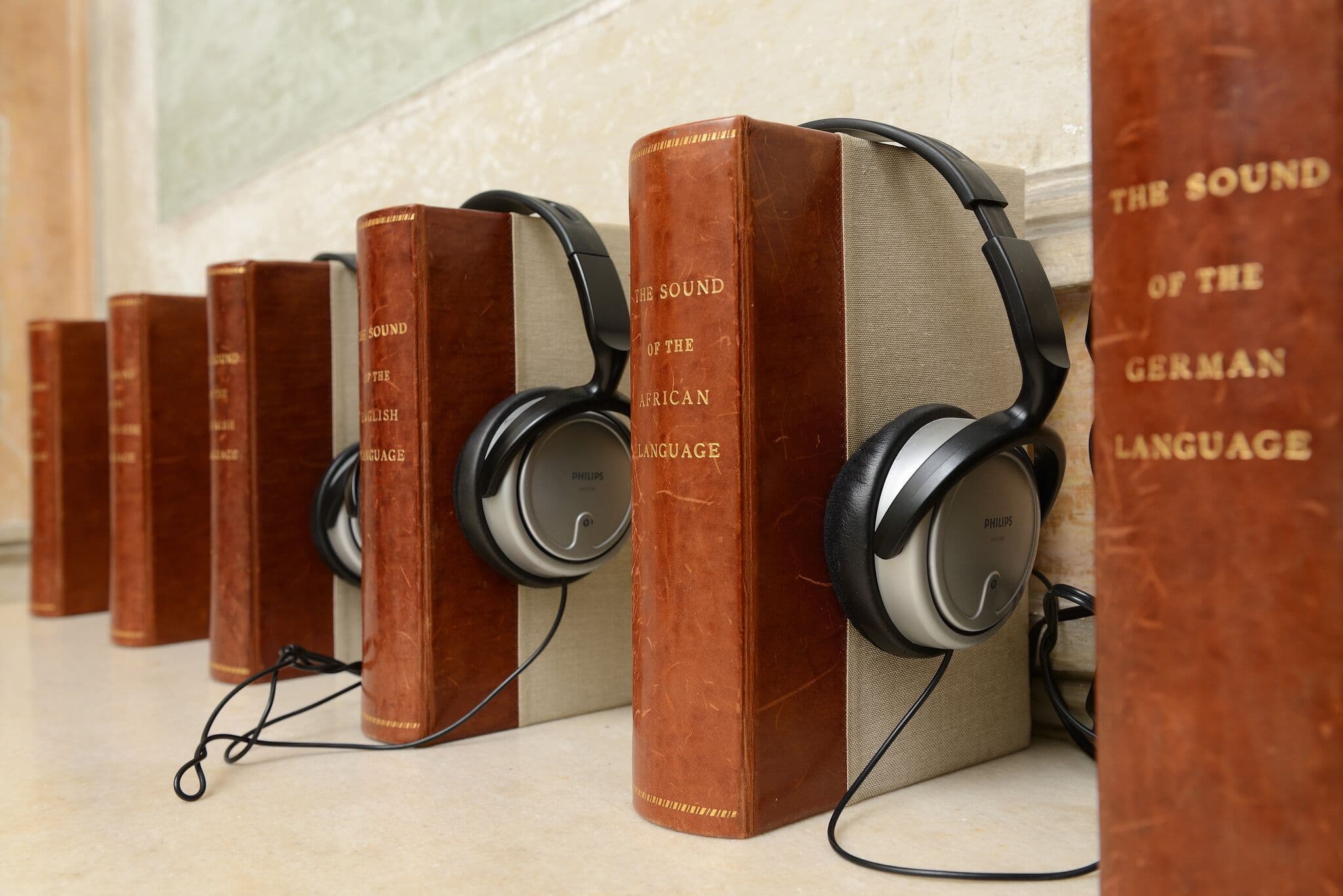
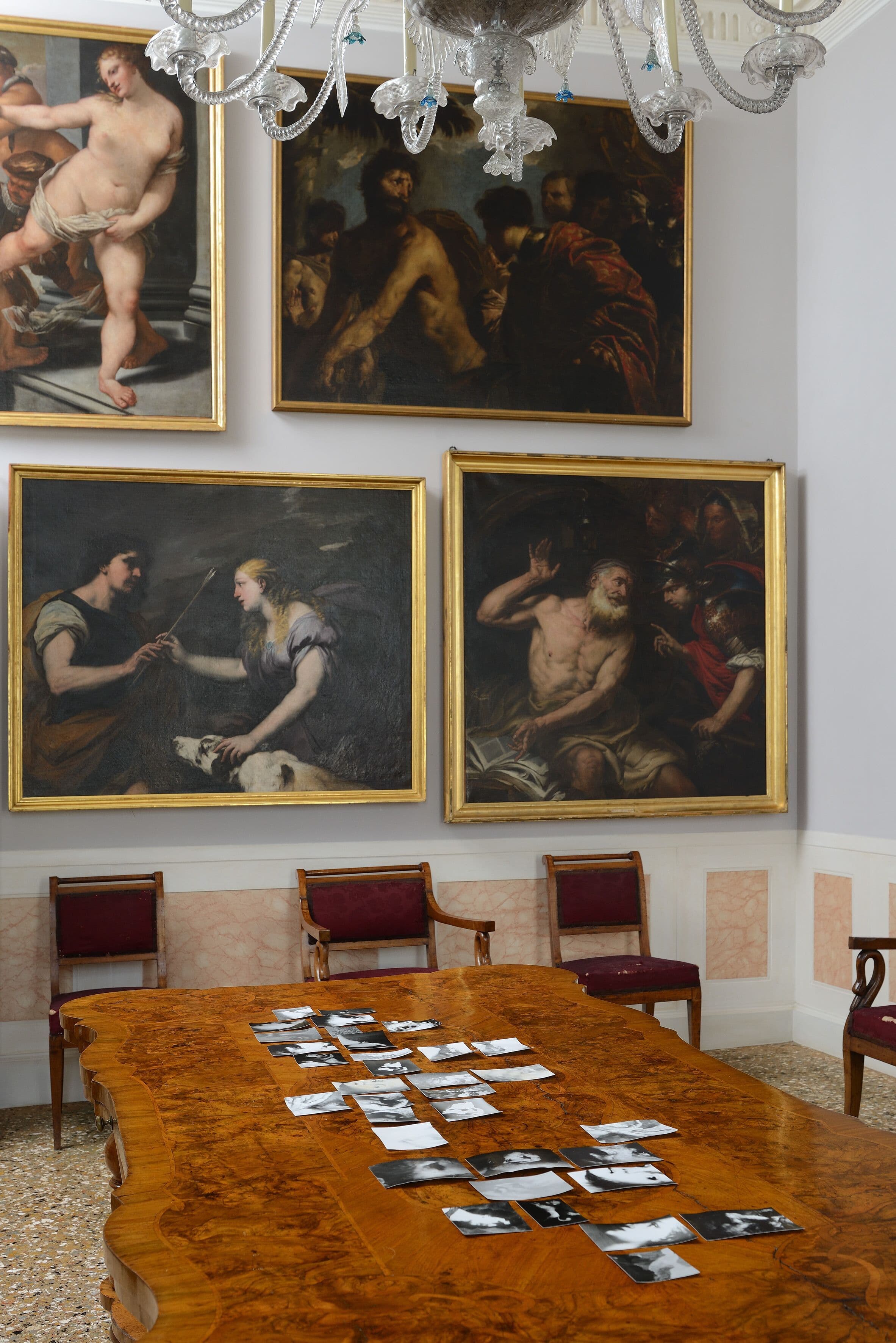
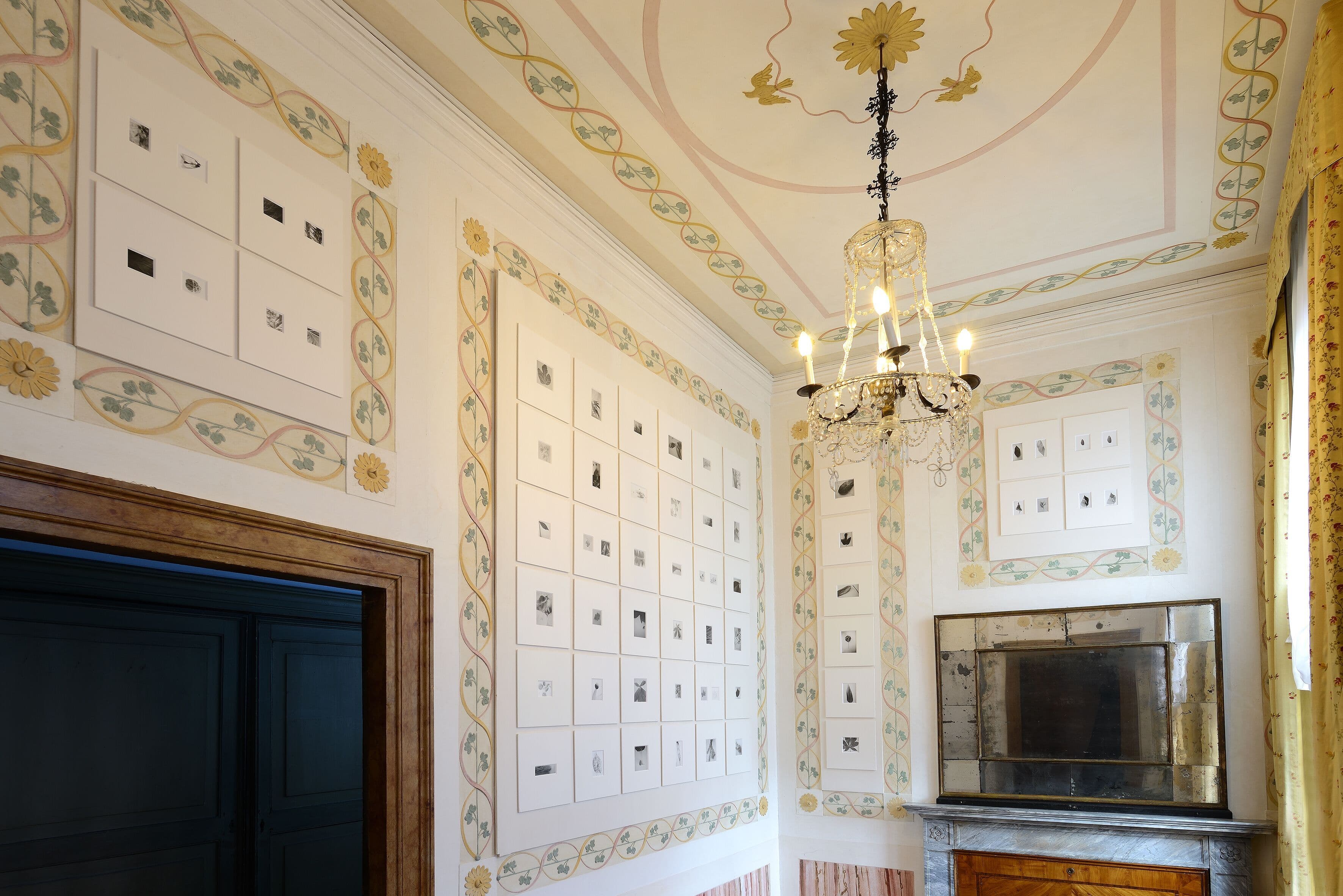
Fondazione Querini StampaliaRoman Opałka: Dire il tempo / Telling the Time, a project curated by Chiara Bertola, is conceived and produced by Building and Fondazione Querini Stampalia. An exhibition in two parts: in Venice at the Fondazione Querini Stampalia museum and in Milan at Building. Both exhibitions are centred on the Opałka 1965 / 1-∞ programme, which the artist worked on for much of his life in an attempt to depict the passing of time and to circumscribe the infinite in visible and measurable forms. In Venice a nucleus of works by Mariateresa Sartori (Venice, 1961) – with whom the artist had formed an intense relationship in the city – will be presented. Interested in neuroscience, music and language, her works initiate a dialogue with Opałka’s, through their common research on the themes of time, duration and contingency, and the shared search for something visible capable of expressing the invisible. Dire il tempo / Telling the Time springs from the desire to examine Roman Opałka’s work through a selection of works which are fundamental stages of his research, many of which have never been presented or exhibited in Italy before, coming from important private and public collections, including the Muzeum Sztuki in Łódź and above all the Fonds de Dotation Roman Opałka, with which a close relationship was formed during the ideation of the project. From 4 May until 20 July 2019, Roman Opałka, a Retrospective, the first chapter of this project, opens to the public in the Milanese spaces of Building, which is setting aside all of its four exhibition floors to the exhibition. From 7 May until 24 November 2019, the second chapter, Roman Opałka. Mariateresa Sartori will run in the rooms of the Museum Home at the Fondazione Querini Stampalia in Venice, where the works of Roman Opałka and Mariateresa Sartori are placed in relation both to each other and to those of the institution’s historic collection. Both the Milanese and the Venetian chapters revolve around Opałka 1965 / 1-∞, a project the artist dedicated much of his life to in the attempt to depict something immeasurable: the passing of time. Of particular importance for the critical awareness of the artist, the Venetian chapter reunites and presents for the first time two fundamental works for the entire Opałka 1965 / 1-∞ programme: the first Détail, on loan from the Muzeum Sztuki, Łódź in Poland and exhibited for the first time in Italy, and the last, which remains unfinished, has never presented to the public and is on loan from a private collection. The Alpha and the Omega finally reunited. As the curator Chiara Bertola writes: “Seeing them together for the first time and being able to grasp the whole picture of what the artist had decided to trace one day is a strong and moving emotion. The project that is so explicitly shown also bears the tragedy of its very assumption: “He is no longer with us; there is the completed work”. Alongside these two important Détails is a series of photographic self-portraits and a sound recording of the artist’s voice, as well as two ‘exercises’, two ‘artist tests’ that Opałka made shortly before beginning his Opałka 1965 / 1-∞ programme, which have also never been shown to the public before. Roman Opałka was born 27 August 1931 in Hocquincourt, France, to a family of Polish origin. The Opałkas returned to Poland in 1935, to then be deported to Germany in 1940, where they remained in a work camp until the end of the war. Once freed, they returned to France to then return finally to Warsaw, where Opałka attended the graphic design school Wałbrzych Nowa Ruda (1946-1948) and the art and design school in Łódź (1949). Between 1950 and 1956 he studied at the Warsaw Academy of Fine Arts and in 1957 he moved to Paris. In 1966 he held his first solo show at the Galeria Dom Artysty Plastyka in Warsaw. The following year he began the Opałka 1965 / 1 – ∞ project, which he would dedicate the rest of his life to from 1970. Opałka would thus become inextricably linked to conceptual art. Between the 1960s and 1970s he won numerous prizes: the Grand Prize at the First British International Print Biennial, Bradford (1968), two awards at the seventh International Biennial Exhibition of Prints and the Art Museum Ohara, Tokyo (1970), and first prize from the Polish Ministry of Culture and Arts (1971). In 1972 he went to the USA for the first time. In 1979 he moved to Bazérac, in France, and won a prize at the fourteenth Biennale of San Paolo. In 1985 he became a French citizen. Between 1985 and 1990 he taught at the Summer Academy of Salzburg. In the following years Opałka would exhibit on numerous occasions and receive various prizes, such as the National Painting Prize, Paris (1991), and the Special Prize from the Polish Ministry of Foreign Affairs in Warsaw (1996). In 1992 he had an exhibition at the Musée d’Art Moderne de la Ville de Paris and in 1995 he represented Poland at the Venice Biennale. In 2002-2003 a large travelling anthology of his work would visit various European cities. In 2009 he was awarded the title of Chevalier des Arts et des Lettres in Paris, and the Gloria Artis Gold Medal in Warsaw. Opałka died in Chieti on 6 August 2011. Mariateresa Sartori was born in Venice in 1961 where she lives and works. He research revolves around three thematic fulcrums: empirical scientific method; behavioural dynamics, often in relation to neuroscience; music and sound in relation to language. The educational aspect is important to her artistic practice: she has taught drawing for over a decade, applying the Betty Edwards Drawing with the Right Side of the Brain method, which is based on the same neuroscientific presuppositions which inspire her own artistic research. The artist often works in association with experts in the fields she explores: geologists, theoretical physicists, musicologists, musicians, singers, actors, botanists, ornithologists. Concrete data is empirically revealed and then analysed from perspectives which vary from work to work and which have different outcomes, from video to drawing, from pinhole photography to sound work. Constants and not exceptions, the universal and not contingencies drive her research, which is aimed at a clearly unattainable objectivity. She has exhibited in numerous museums and galleries in Italy and abroad in personal and group shows: Cairn Centre d’art, Digne les-Bains, France; MMOMA, Moscow Museum of Modern Art; Palazzo Fortuny, Venice; Museum of the Russian Academy of Fine Arts, Saint Petersburg; Fondazione Bevilacqua La Masa, Venice; ICA, The Showroom, London; NGBK Berlin; Hangar Bicocca, Milan; Macro, Rome; Neue Galerie, Graz; Palazzo delle esposizioni, Rome; Mucsarnok Hall of Art, Budapest; Careof, Milan; Folkwang Museum, Essen; Fondazione Querini Stampalia, Venice; Auditorium Parco della musica, Rome; Museo di Palazzo Poggi, Bologna; Serra dei giardini della Biennale, Venice; XLV Venice Biennale; Museo Mambo, Bologna; Kunsthaus Centre d’art Pasquart, Biel, Switzerland; the Hermitage Museum, Saint Petersburg; Les Ateliers d’artistes, Marseille.