
Marais, Paris
Group Exhibition
Pharmakon
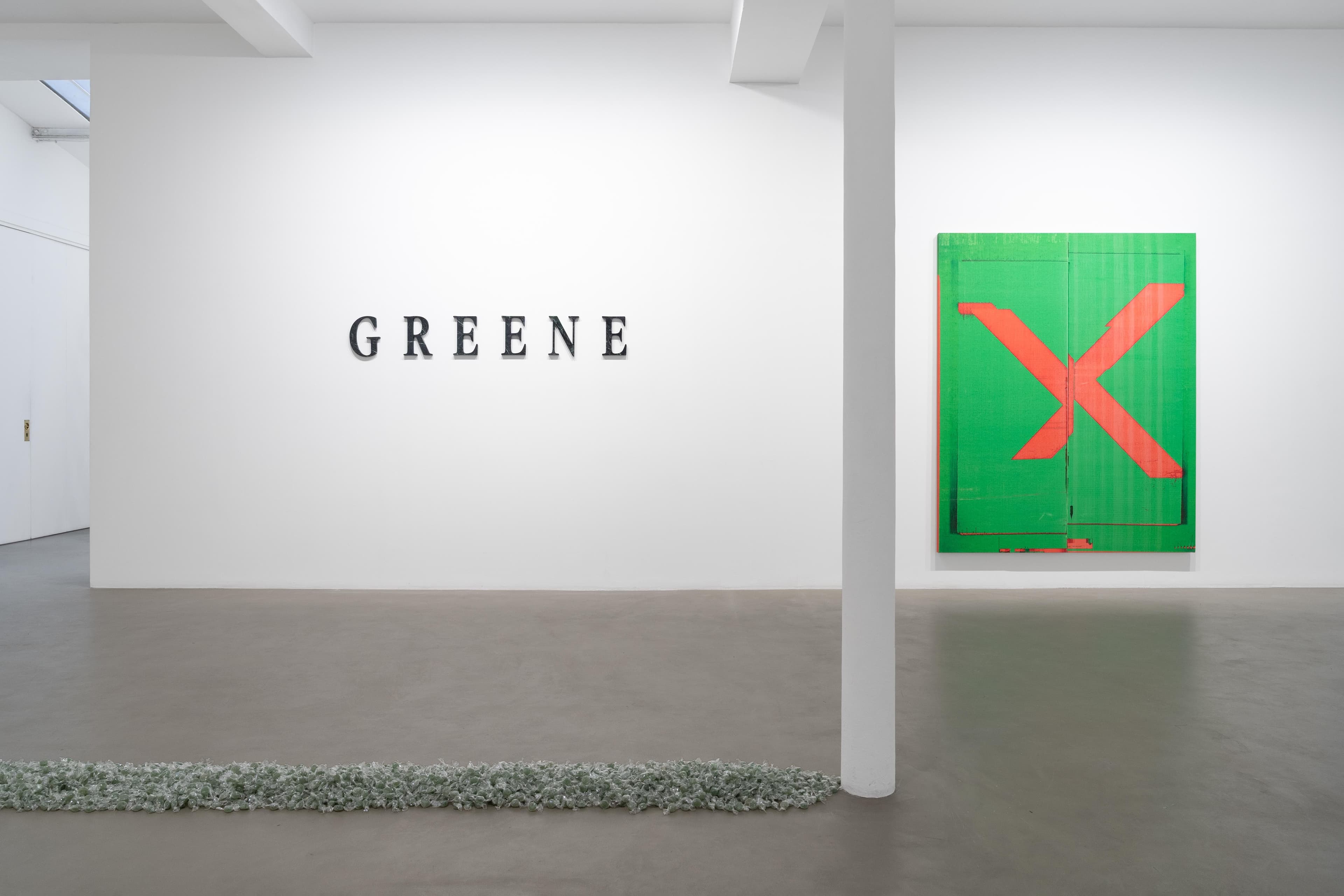
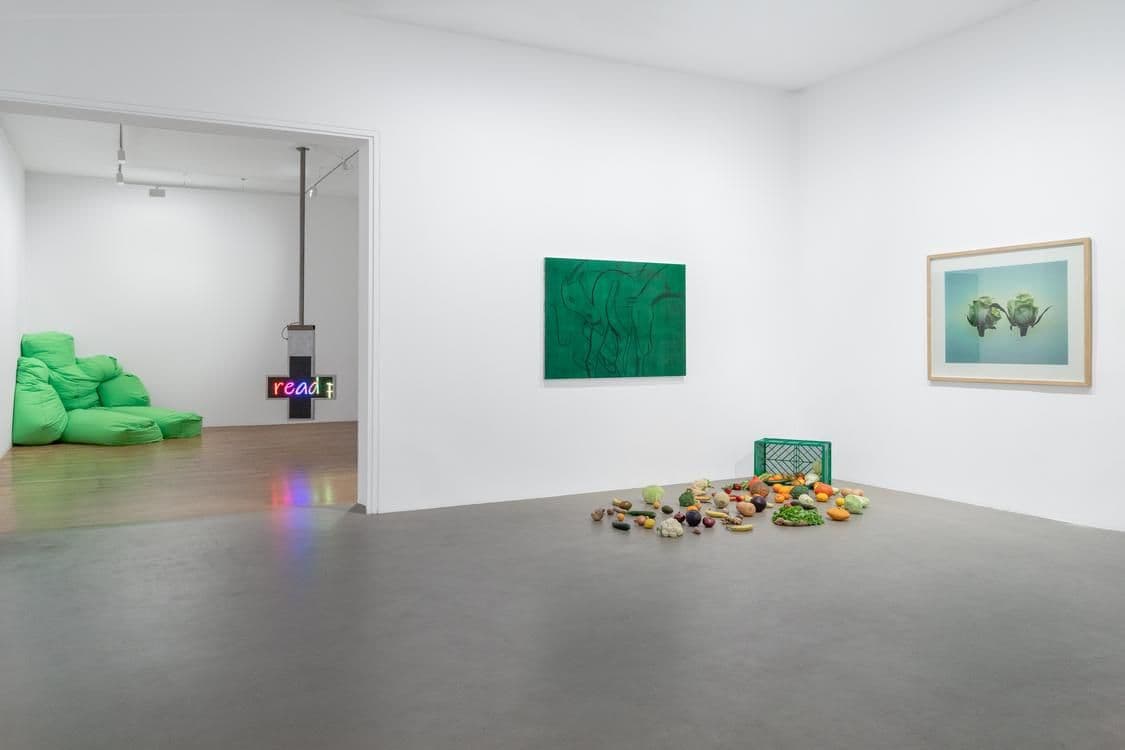
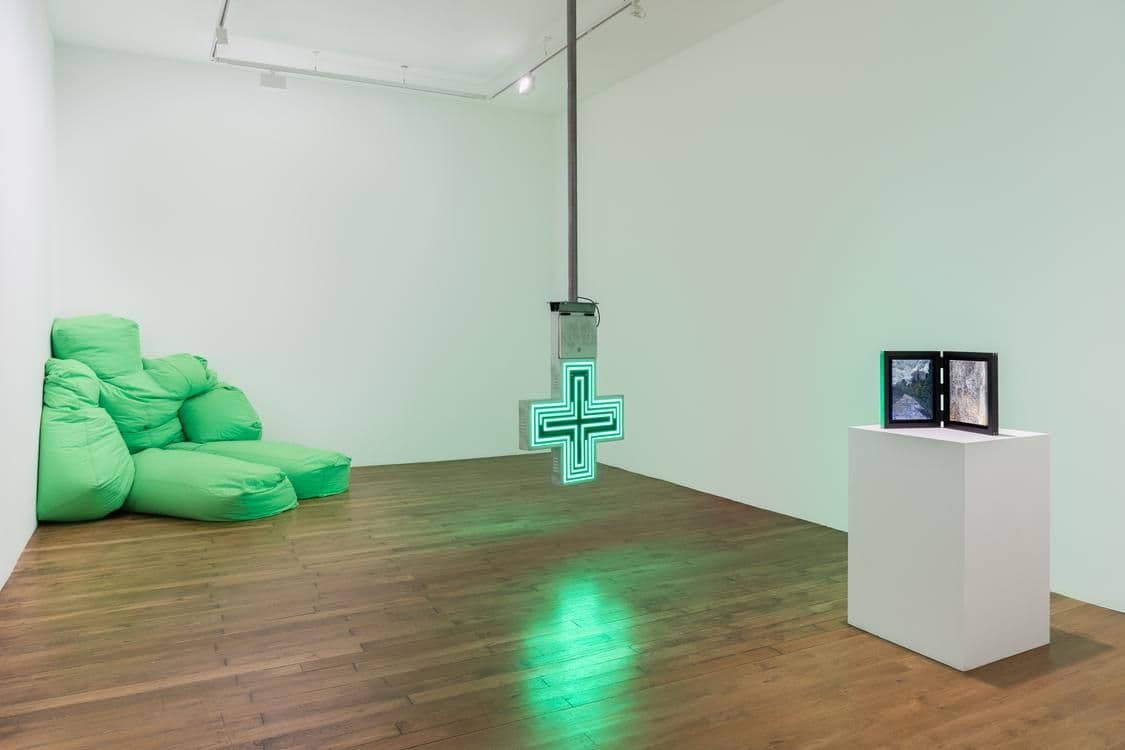
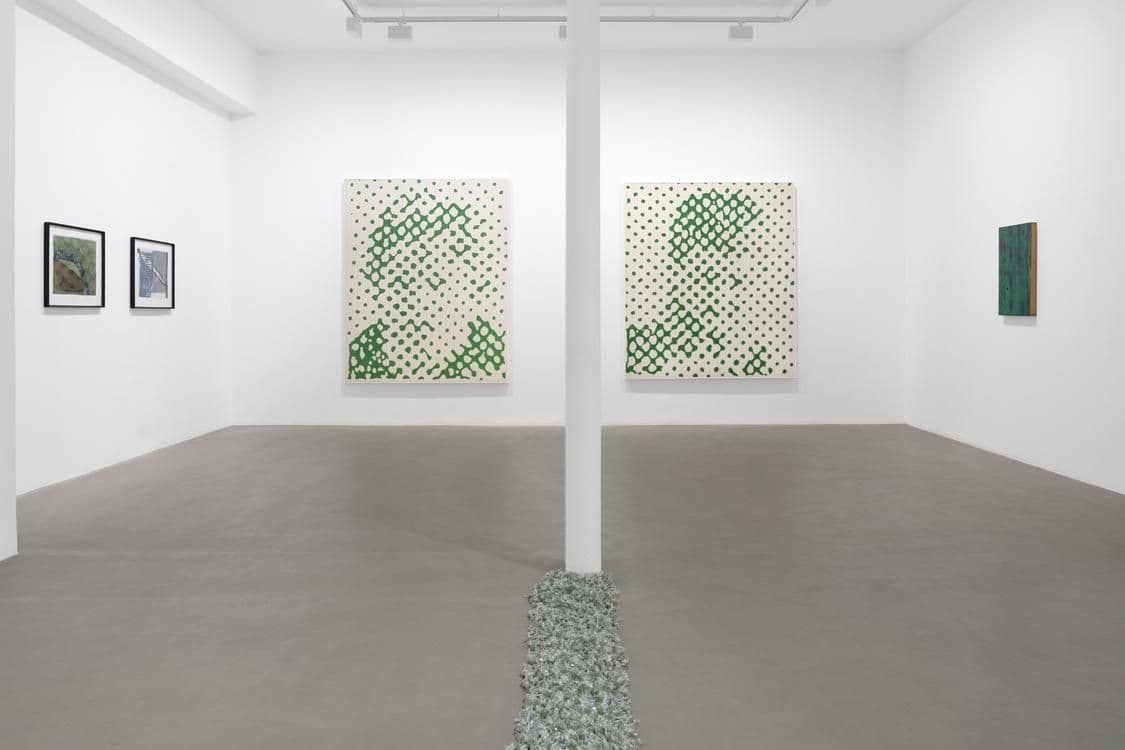
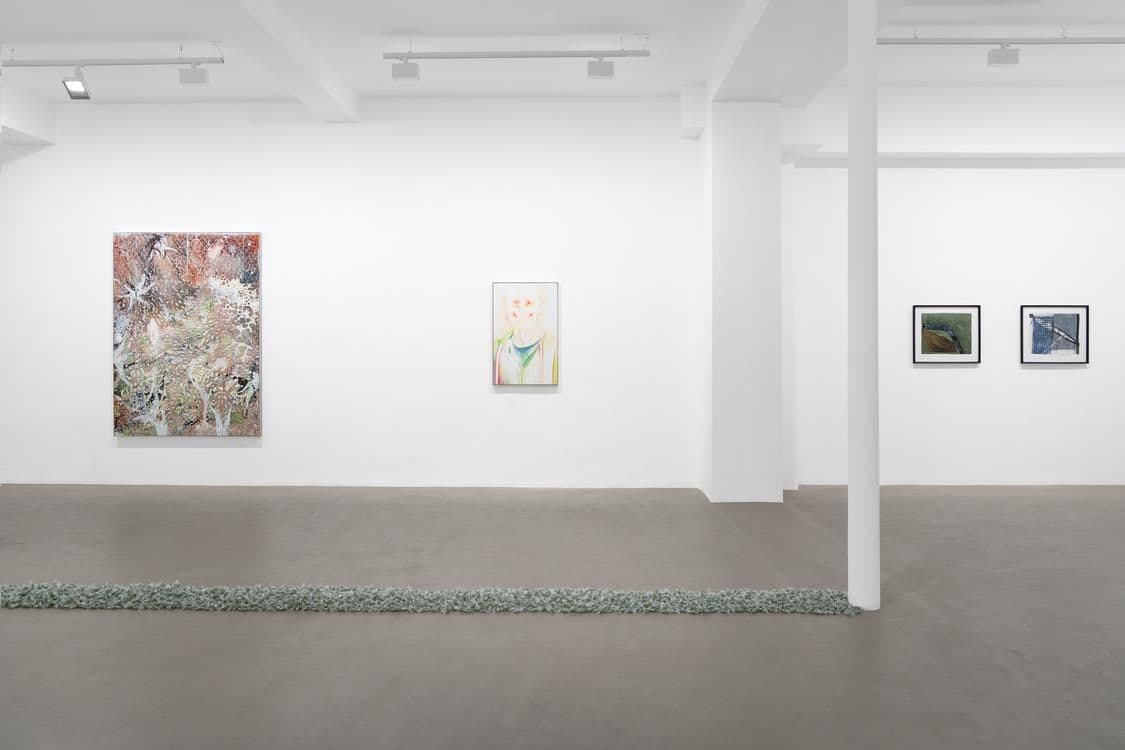
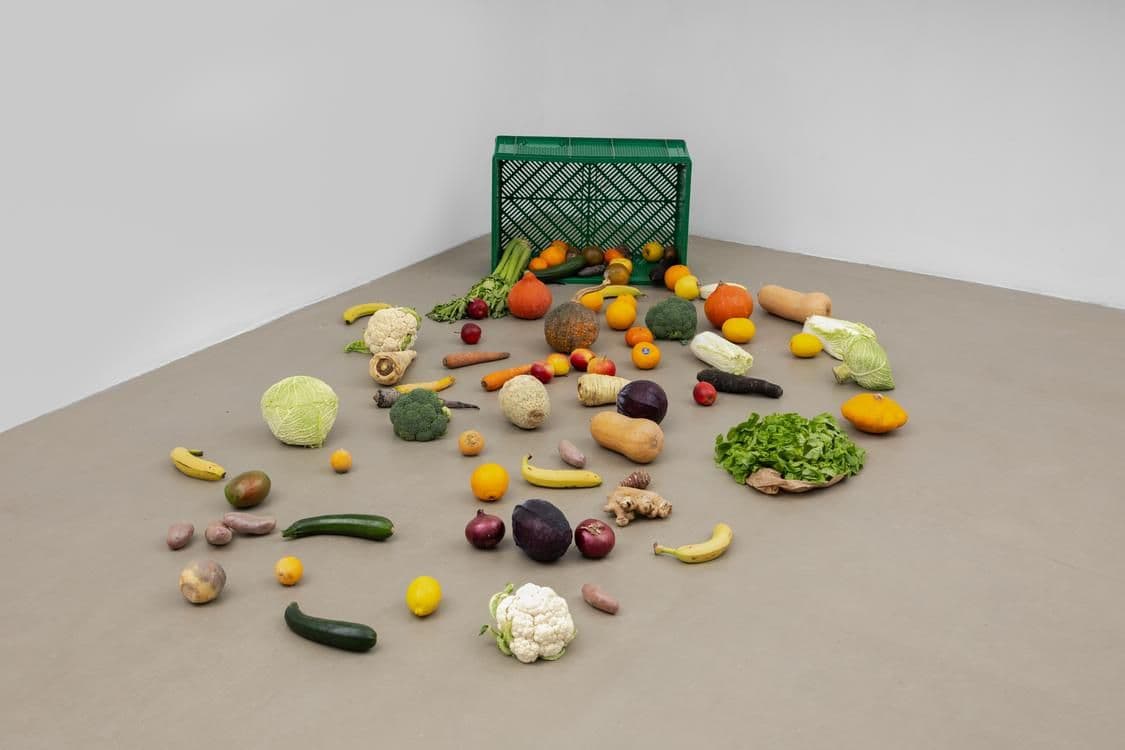
Chantal CrouselMathis Altmann, Nina Beier, Marcel Broodthaers, Chiki, Cosima von Bonin, Roberto Cuoghi, David Douard, Ana Viktoria Dzinic, Mimosa Echard, Felix Gonzalez-Torres, Andrew J. Greene, Wade Guyton, Pierre Huyghe, Brook Hsu, Dana Lok, Mike Kelley, Jean-Luc Moulène, Amy Sillman, Haegue Yang, Heimo Zobernigw The exhibition reunites works that interrogate the emotional and symbolic charge of the color green, revealing its fundamentally ambivalent nature, marked by contradiction and metamorphosis. Historically associated with harmony, balance, and the quotidian, green was recommended by Goethe in the late 18th century for domestic interiors, believed to soothe the eye and temper the mind. However, the pigments used in wallpapers of this hue proved to be highly toxic, creating a decorative environment with literally deadly effects. Like the Greek pharmakon—both remedy and poison—green defies simple interpretation. It represents growth and toxicity, caretaker and contaminant, promise and threat. Its meaning is never fixed in advance but formed through relationships, according to dose, context, and proximity. Green does not resolve the tensions it carries; it keeps them active. On a historical level, green is distinguished by peculiar material instability. Easy to produce but difficult to stabilize, it long required hazardous chemical processes, making its very stabilization an act of risk. This characteristic contributes significantly to its symbolic imagination. Green is the color of fluctuation, drift, and transformation. It is associated with chance, gambling, destiny, fortune, and luck, reigning in spaces where negotiations of money, future, and risk occur. Bearing both vitality and corruption, freshness and decomposition, it embodies a transient state—one of uncertainty, transition, and becoming. These ambivalences permeate cultural representations. In Gustave Courbet's Le Chêne de Flagey (1864), green affirms a dense, almost sacred telluric presence of nature. Conversely, the troubled greens of Andrei Tarkovski's Stalker (1979) suggest a contaminated, unstable zone, where danger is both physical and spiritual. Green can signal protection and favor, as in the enigmatic figure of the Green Knight from Arthurian legends, or manifest sickness and decay, as in Edvard Munch's L'Enfant malade (1885–86). In consumer culture, it oscillates between the argument for naturalness and the index of suspicious artificiality. The color of money and envy, it is also that of growth and regeneration, without ever settling firmly on one side or the other. For Pharmakon, the exhibition gathers a transgenerational ensemble of artists—both living and deceased—whose works examine green as a field of forces rather than a mere chromatic attribute. Here, green emerges as an unstable matter, an operator of trouble and displacement, challenging the oppositions between nature and artifice, care and danger, seduction and threat. Instead of offering a definitive interpretation, the exhibition allows its zones of indeterminacy to surface, where meaning remains suspended and color acts less as a symbol than as an experience.