

Lower East Side, New York
Group Exhibition
Treatise On Color: Vols. I-IV
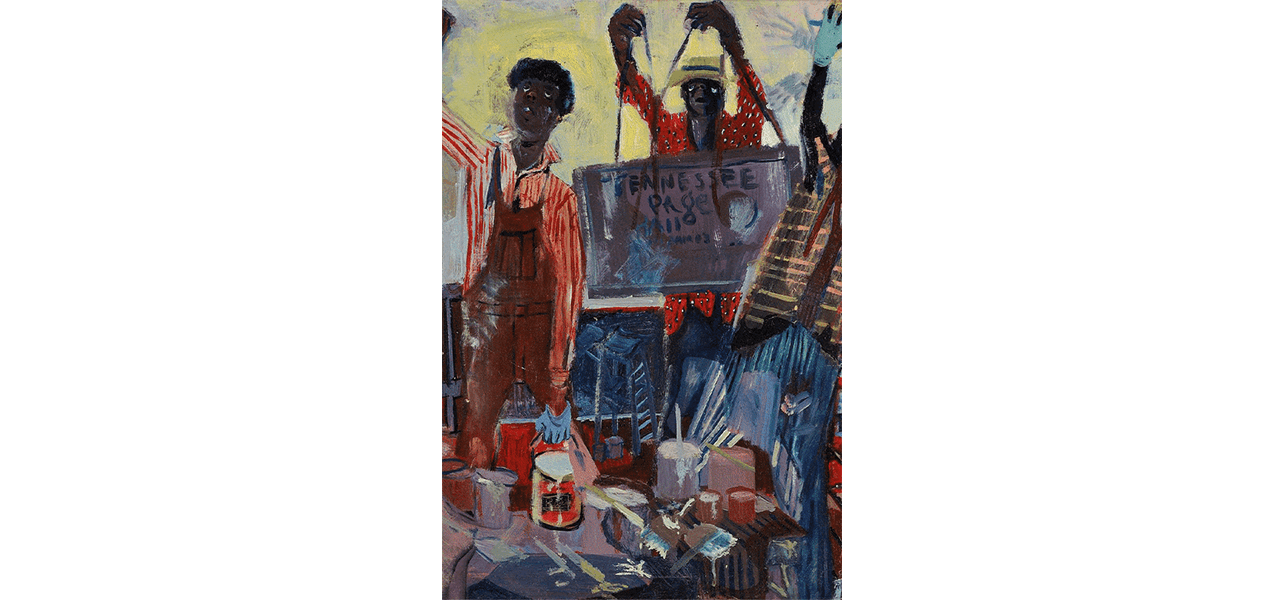
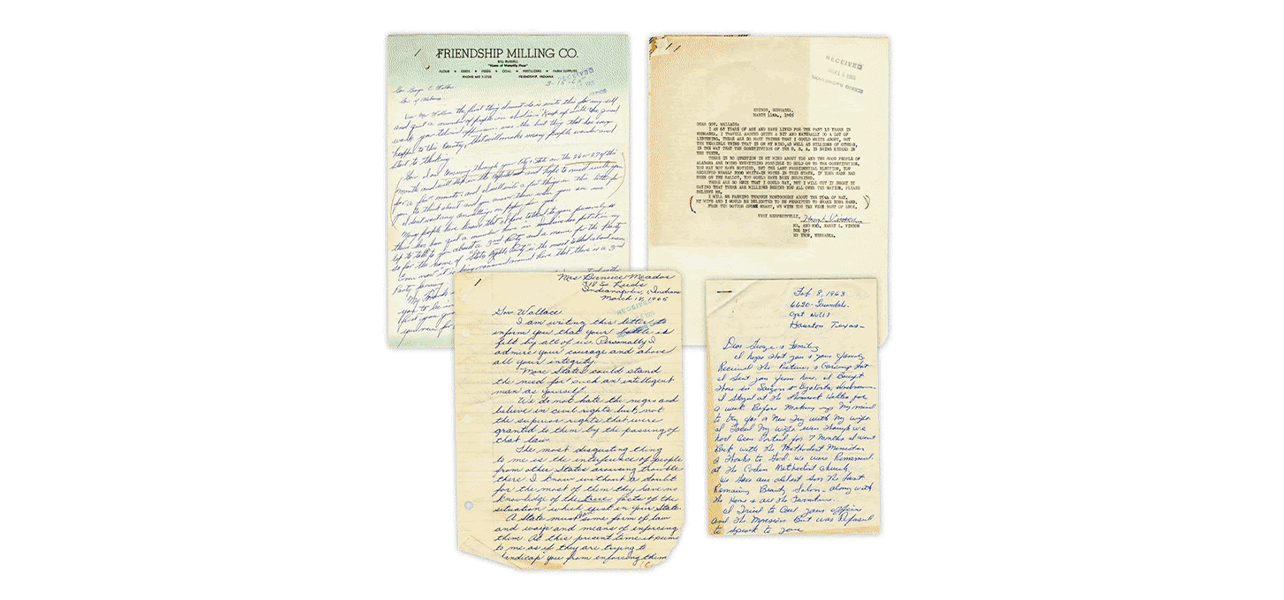
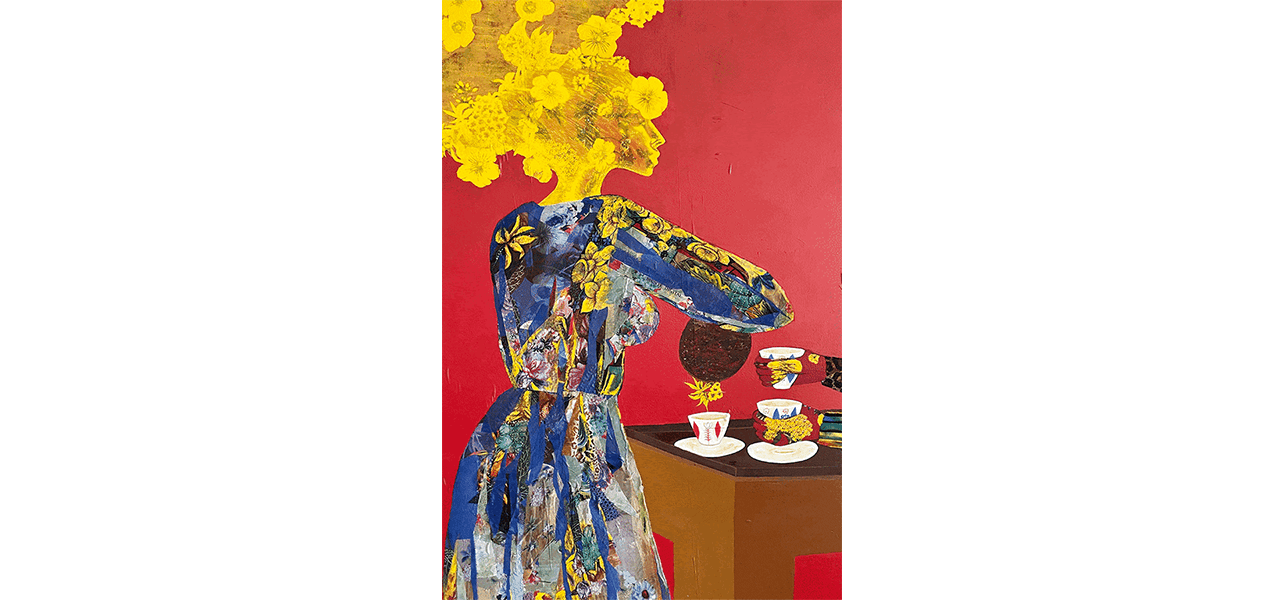
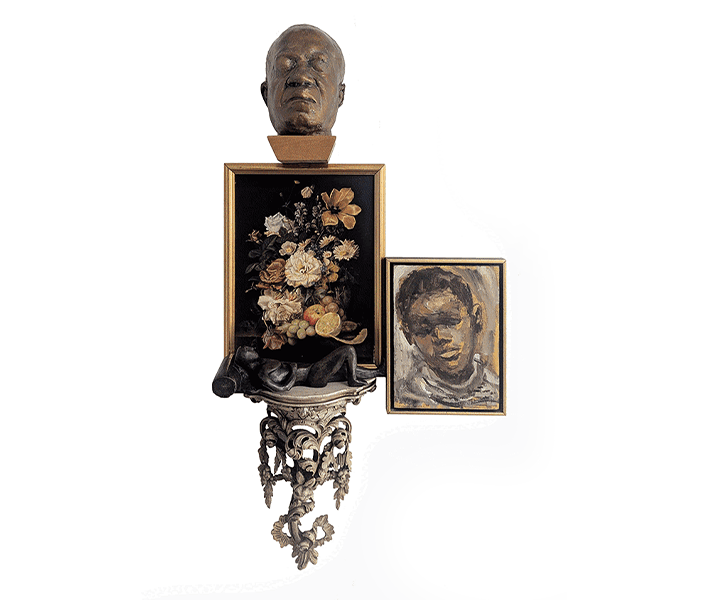
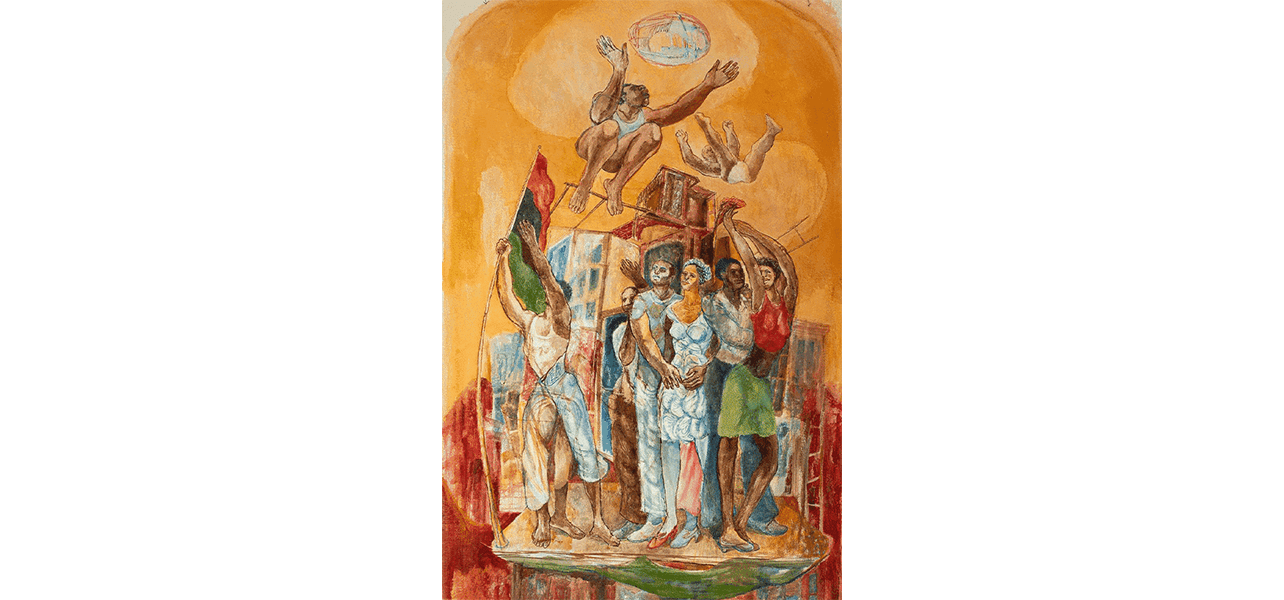
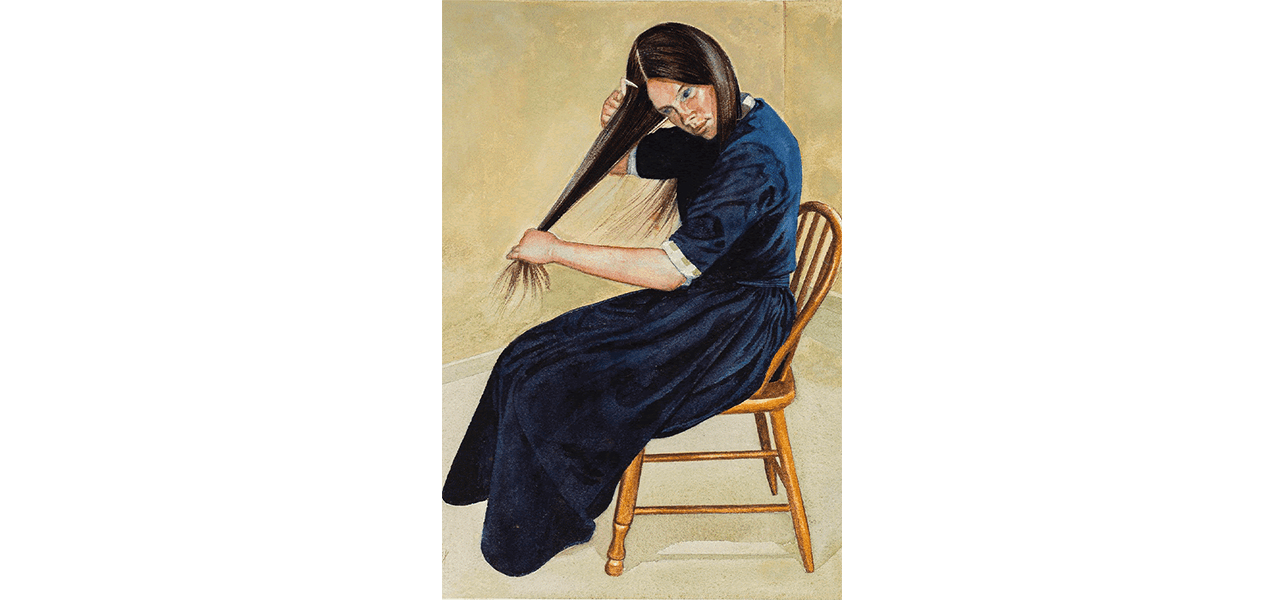
Fridman GalleryAdam McEwen, Albert Wells, Allan Rohan Crite, Basha Chakrabarti, Bernie Casey, Carrie Mae Weems, Columbus Knox, Dindga McCannon, Don Ornitz, Frank Frazier, Hana Yilma Godine, Hamilton Sutton Smith, Herbert Collins, Howardena Pindell, Humbert Howard, Isaac Julien, Isaac Scott Hathaway, Jessica Taylor Bellamy, Julie Mehretu, James Van der Zee, James Rosenquist, Kenneth Victor Young, Kenny Maro, Laura Wheeler Waring, Leon Hicks, Leroy Allen, Lorna Simpson, Mae Alice Engron, Marvin Prentiss Brown, Roland Ayers, Raelis Vasquez, Reena Spaulings, Ruth G. Richardson, Seydou Keita, Sherrie Levine, Stanley Bates, Sybil Gibson, Tuskegee Institute Artists, Unnamed and Unknown Artist, Vincent Decosta Smith, William Edouard Scott, William Walker, Willie Maxen Fridman Gallery is honored to present A Treatise on Color: Vols I-IV, a group exhibition organized by curator and conceptual artist J.E. Azmi (FKA James E. Bartlett). The first in a series of multi-century, multimedia collaborations between Azmi and Fridman Gallery, A Treatise On Color investigates the undeniable power that color has over humanity. Color impacts our daily lives, and human history writ large, in profound and mysterious ways. From subtle momentary cognitive shifts caused by the color of our environment, to entrenched societal structures formed around skin tone, color has shown a unique and mysterious ability to shape human interaction with the world. The exhibition features contemporary and 20th century artworks, historical records, as well as innovative assemblages which Azmi coins "curatorial contrafacts". A "contrafact" typically signifies a musical composition built using the chord progression of a pre-existing song, but with a new melody and arrangement. To Azmi, a curatorial contrafact is an artistic composition combining existing cultural objects (art, material culture, music, etc.) within a new frame (physical and/or conceptual). Taking various forms, including framed works, sculptures, and installations, curatorial contrafacts bring seemingly disparate objects into close proximity in order to create a new dialogue or story. Utilizing three centuries of seemingly disparate material culture, Azmi creates both physical and conceptual frames that pose complex queries about our relationship with color. Beginning from the premise that art and culture are inseparable, Azmi places 19th and 20th century documents, photographs, and artwork, in conversation with contemporary works of art, conjuring new worlds that bring previously overlooked artists and histories to the fore. Viewing conceptions of color from unconventional angles, A Treatise on Color explores both traditional color theory, as well as the intersections of race, value (cultural and monetary), and frequency (light and sonic) within American history. From the emotions invoked by the color of a painting, to the color of the artist who created it, to the cultural frameworks of color, the exhibition offers visual and conceptual prompts for exploring the universal and ubiquitous feature of life, that is color.