

Chinatown, New York
Group Exhibition
The Clowns
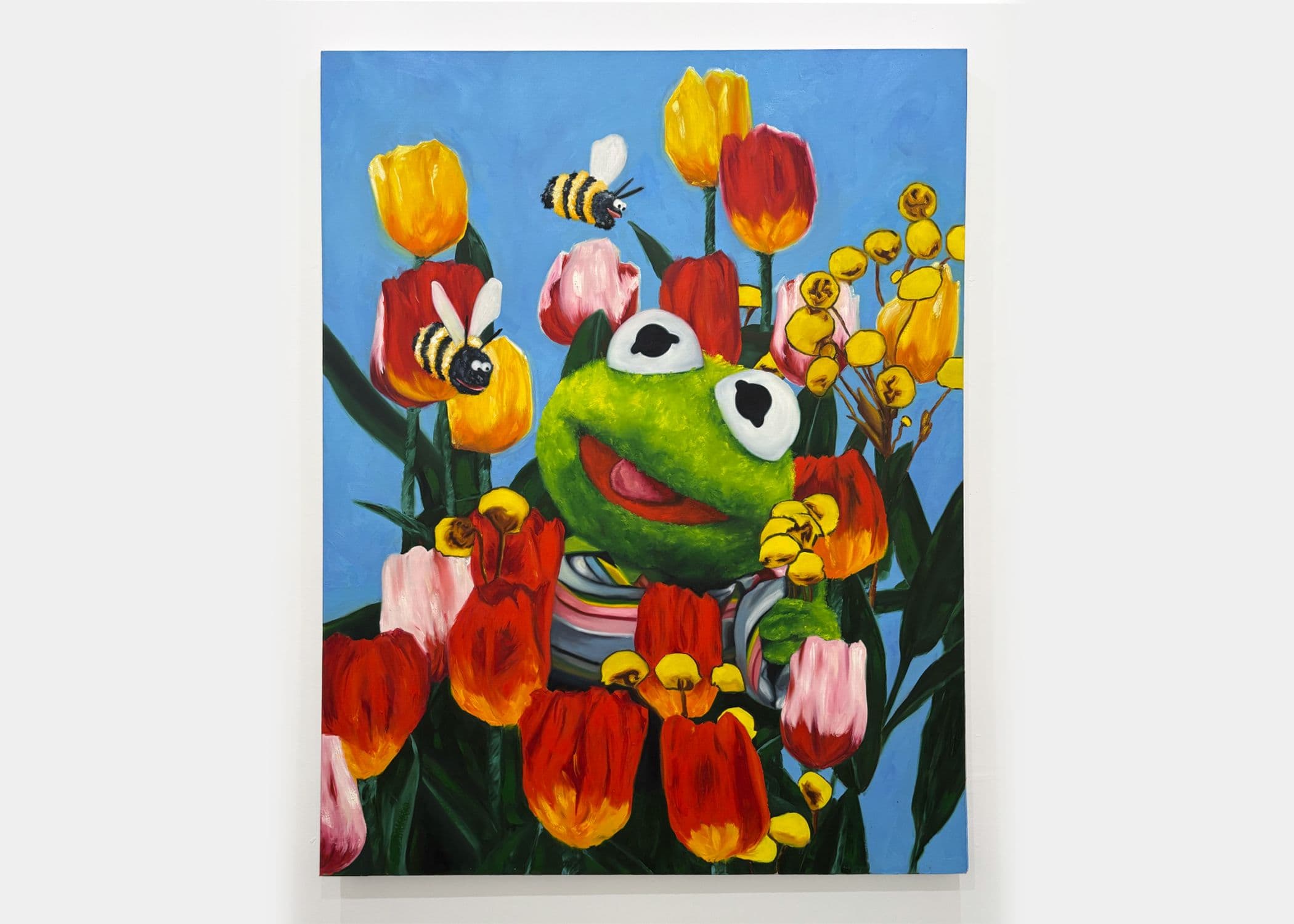
Hyacinth GalleryIn 1970, Federico Fellini released I Clowns, a droll portrait of documentary footage seamlessly intermixed with the famed director’s fictional, melancholic portraits of mid-20th century Italian culture—In this case, emphasizing the outrageous, ambivalent, and declining lifestyle of the traditional Pagliacci (though Fellini chose the English word for Clowns as the title for the originally made-for-TV special.) The artists in this exhibition were selected for sharing the similarly duplicitous spirit envisioned in Fellini’s I Clowns, a carnivalesque depiction that quietly challenges the relationship between humor and seriousness. Popular representations often caricature the artworld figure as pretentious or haughty, unable to appreciate the value of bawdy and scatological humor. Historical criticism tends to memorialize dry wit and subtlety over the presumed vulgarity of so-called indecent comedy. Conversely, more ambitious critical approaches might revel in the triumph of destroying the distinctions between perceived high and low art forms, and, without devaluing these pursuits, these perspectives exemplify precisely the type of overly intellectual mindset this exhibition intends to lampoon. Artmaking before our time has no shortage of satirists, cynics, and shock-humorists. Art historians readily recognize the revolutionary impact and nuanced irreverence of Dadaism, and the broader absurdity of found-object sculpture. Contemporary figures like Mike Kelley, Martin Kippenberger, Cindy Sherman, and Paul McCarthy often embraced a hilarious practice with a tragic persona or vice versa, simultaneously maintaining a serious presence in their respective milieu. Any survey intending to examine the importance of silly artmaking in the context of Italian clowns must acknowledge the inimitable greatness of Maurizio Cattelan. Much like their predecessors, the artists in The Clowns were encouraged to embrace a more slapstick, albeit conceptually rigorous, application of humor with an attention to technique that might rival the devotion to craft of Fellini’s own somber comedians. Regarding the representation of the clown itself, sadness and tomfoolery have long been a part of this dualistic vision of the clown which appears so commonly in decorative arts that only the dogs-playing-poker paintings might challenge its unmatched omnipresence in American households—typically in the form of the familiar yet sorrowful French ceramic figure, Pierrot. Artist Ugo Rondinone acknowledges this connection between his alter ego and critical ideas about 21st century artmaking emphasizing that the clown’s project is internal, and the interpretations of the clown’s face run a gamut of potential meaning much as art signifiers are often accepted as deferred or subjective in most popular academic circles. Critic Simon Critchley makes a similar point about seeing ourselves through the mimicry, provocations, and self-deprecation of the comic, emphasizing the emancipating value of realizing the world does not envision us in the way we perceive ourselves. While such serious analysis of comedy might enrich the dialogue about the relationship between art and humor, perhaps such articulations are missing the point of the joke entirely. Within The Clowns, viewers will find artists represented as jesters, buffoons, or pranksters perfectly happy to play the fool or perhaps deceptively reverse the roles undetected. For anyone offended or unversed in this brand of irony, it might be worthwhile to consider that art, the artist, and the interpreter attend to these antics simply to have fun regardless of where the mockery is directed. Art that relies on humor derives its strength from an inarticulate capacity to address topics that might otherwise seem protected or inaccessible, because if a joke is funny, it doesn’t need to be explained, or as participating artist, Monica Rocha, suggests of her practice: Sometimes the most serious topics can only be adequately approached with a pie in the face.