
West, London
Andrew Kreps
Condo 2018
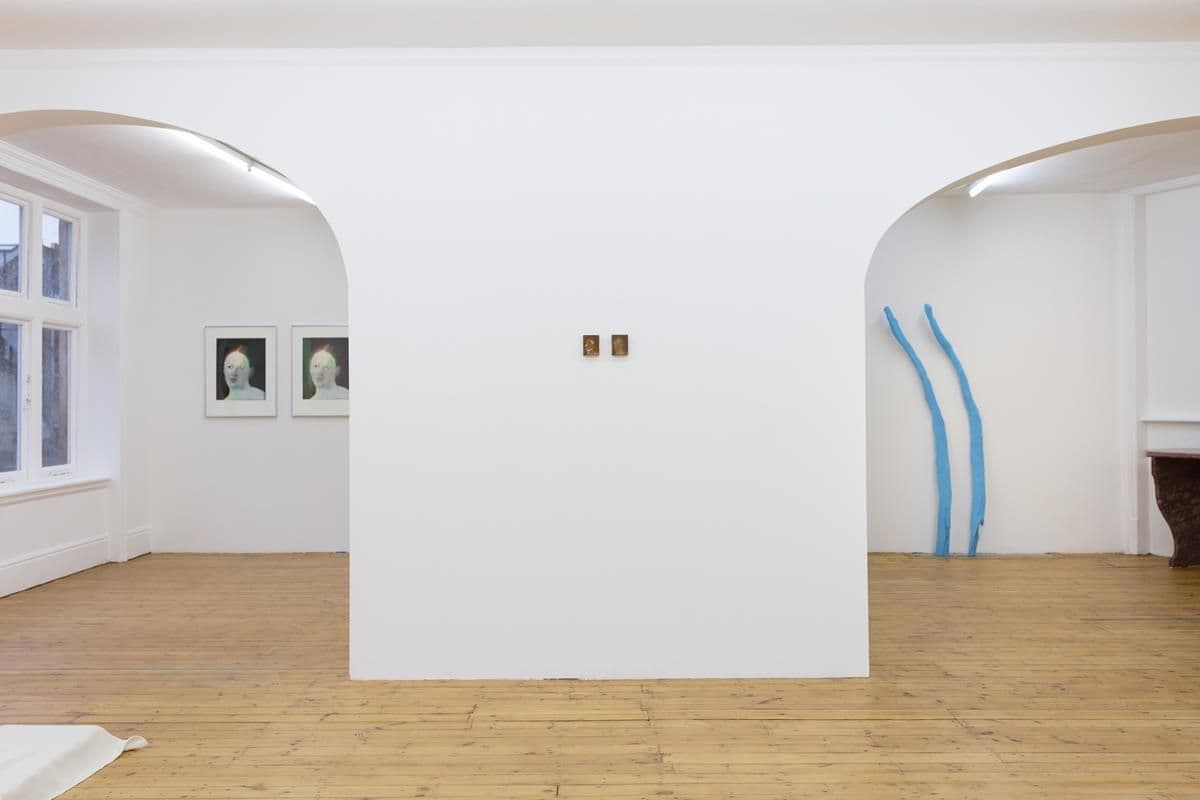
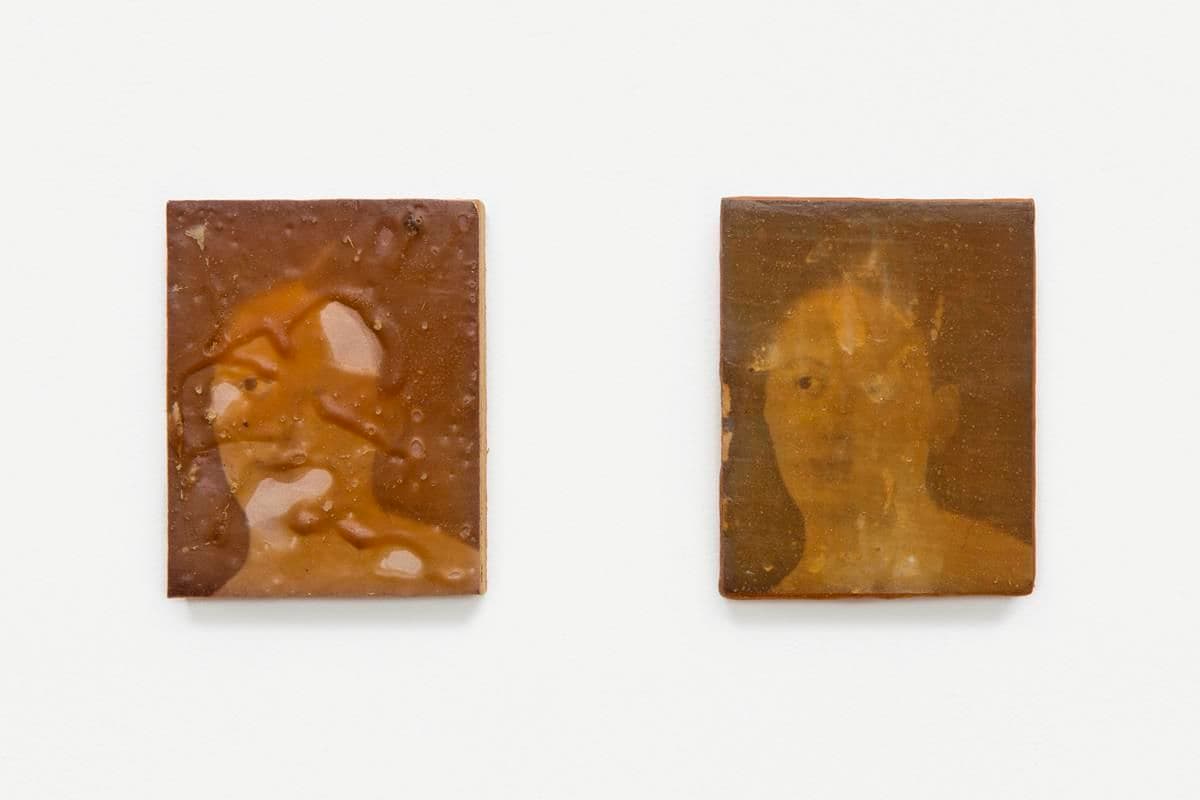
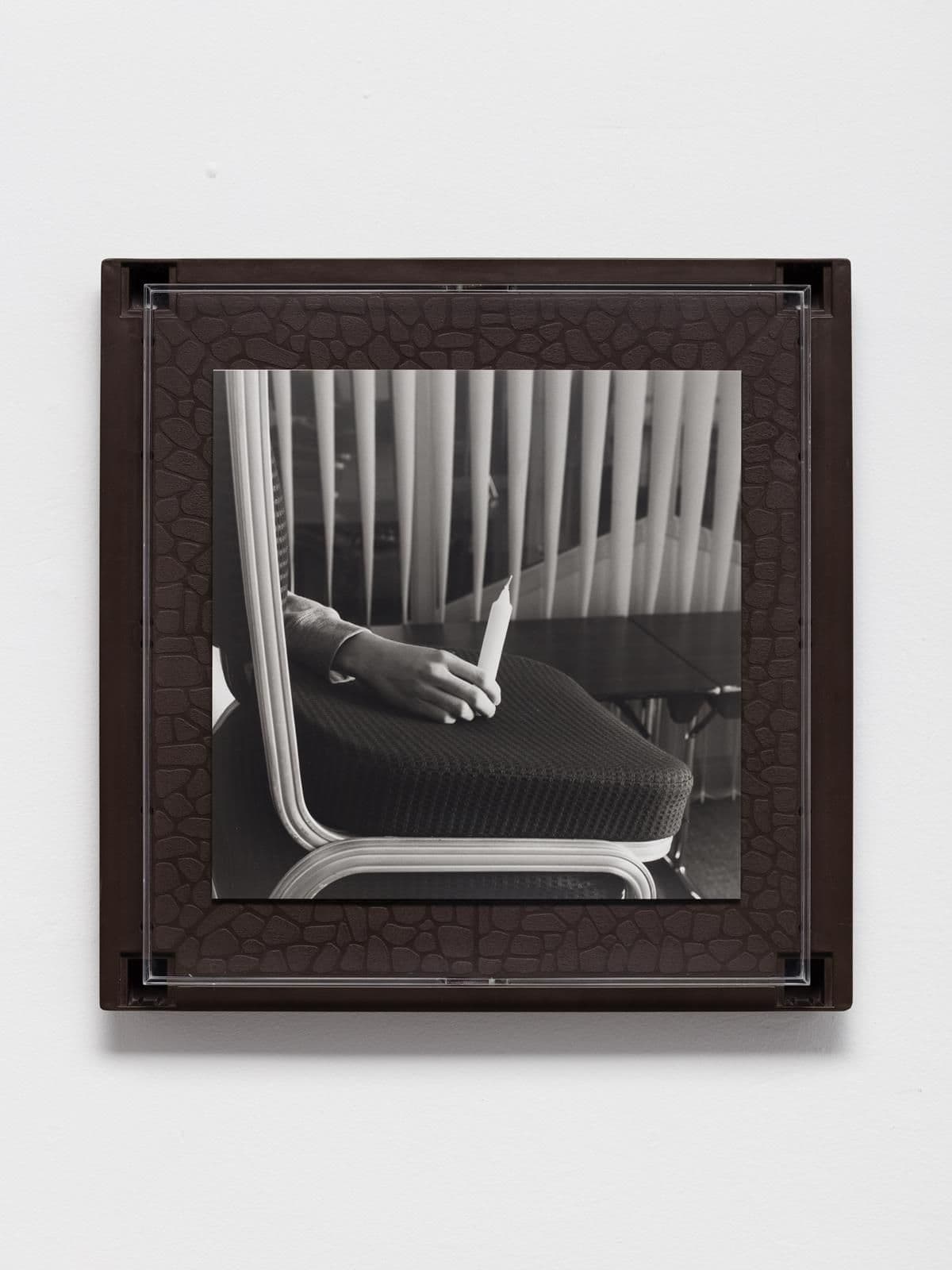
RodeoRodeo hosting Andrew Kreps (New York) Andrew Kreps Gallery and Rodeo are pleased to announce their participation in Condo. For the exhibition, Rodeo will present works by Ian Law (UK, b 1984) alongside Andrew Kreps Gallery’s presentation of historical works by Robert Overby, (American, 1935 – 1993). Throughout their work, both artists share an interest in the memories embedded within material and place, as well as the act of repetition. Included in the exhibition are works from Robert Overby’s series of Canvas Maps, dating from 1972. A counterpart to his latex works, the maps are constructed from pieces of raw cotton canvas carefully sewn together to trace the architectural elements of his latex casts. These monochromatic pieces constitute a meditative counterbalance to the more dramatic latex casts: the slowness of the sewing, in fact, implies a completely different perception of time, compared to the immediacy of the latex works. Overby’s Princess Restoration c. 1850 anon, as well as a selection of works from his R.R.O.S.E. series demonstrate the artist’s investigation of authorship and originality. For Princess Restoration c. 1850 anon, Overby restored a found, old masters copy, experimenting with different techniques of cleaning, filling, and inpainting. This work, as well as the series It belongs to expands Ovreby’s exploration of painting as a “skin” that records the passage of time. Overby’s R.R.O.S.E. prints, and WAXY LADIES, belong to a body of work executed between 1973-1975 based on his own work Durer Head on Fake Wood Panel (1973), which in itself is an altered copy of an isolated detail from Albrecht Dürer’s 1506 painting, Madonna with the Siskin. In both, Overby demonstrates a concentration on the material nature of images, emphasizing the process of progressive deterioration that is inherent in the device of repetition. Two series by Ian Law reflect on the work of Simone Weil, employing strategies similar to those present in Overby’s work. Sill, reflects on Weil’s writings and ideas about labour repression, and is comprised of materials that preexist from older works by the artist. A once standing sculpture has broken, become exhausted, overworked, feeling the never-ending pressure and inability for reflection. Unable to stand any longer the metal rests upon a piece of bedding foam. Whilst covered, we don’t really know how it looked before but we can still see its imprint, reflecting the memory of its previous existence. Law has been producing works with the same title since 2008, each time adopting different materials and forms. On Simone Weil Avenue…is a series comprised of replicas of Barbie Dream House floors with mounted photographs. In this body of work an actor models a series of poses alongside several supermarket products in a conference room of a chain hotel. The shoot took place on Simone Weil Avenue in Ashford, Kent, a road that serves only a retail park and this chain hotel. Their location in relation to Weil’s writings are antithetical to her philosophy, which focused on ways in which the working class can be emancipated by proposing a different model of living and working. Juxtaposing these with the current moment in time, the replica Barbie Dream House floors project what a dream house could be, the need for roots as well as notions of dreaming and escapism. Their form expanding on a body of work produced in 2012, the images here become ruminations of Weil’s work and life. Also Included in the exhibition is Law’s work Untitled, comprised of a Victoria Plum Tree removed from 79 Binstead Lodge Road. Thinking about ones’ own roots, Law delves into the sense of uprooting something that was once embedded in the ground, and removing it at a moment when its garden can no longer be accessed. Despite the tree being dead upon removal, the need for care and treatment remains, and the wood is still responsive to both external as well as internal affects. Condo is a collaborative exhibition by 46 galleries across 17 London spaces.