Joseph Kosuth
The-exchange-value-of-language-has-fallen-to-zero
Casa dei Tre Oci · venice.institutionsDates
Mar 28 – Nov 23, 2026
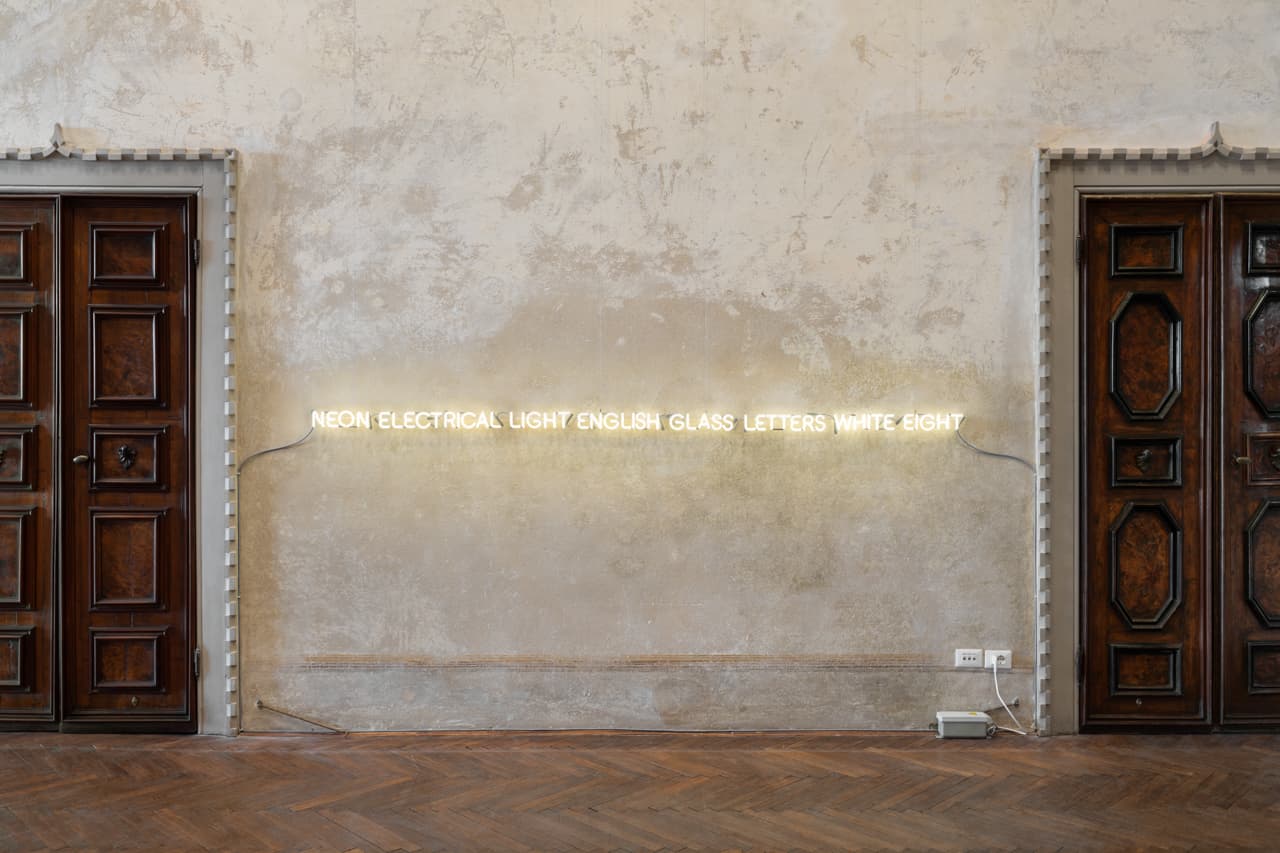
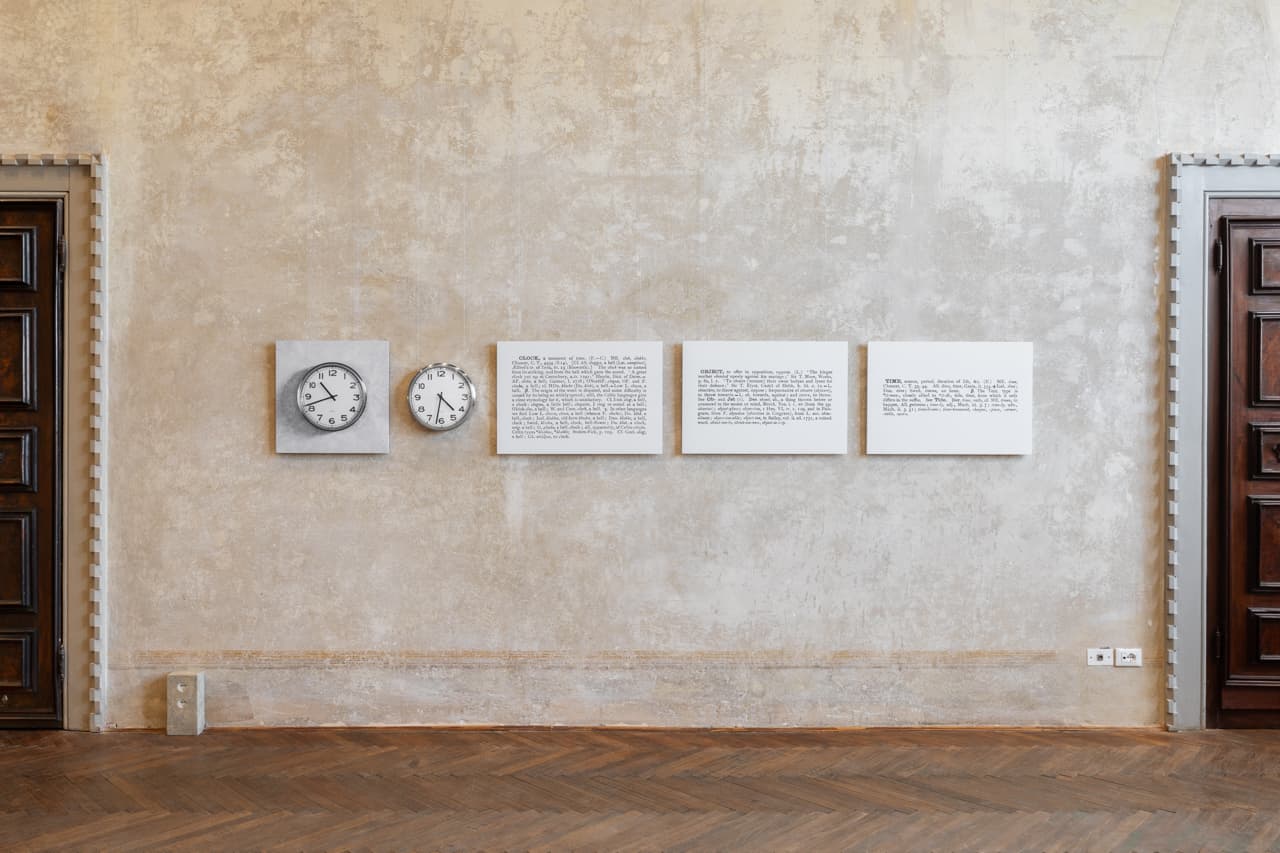
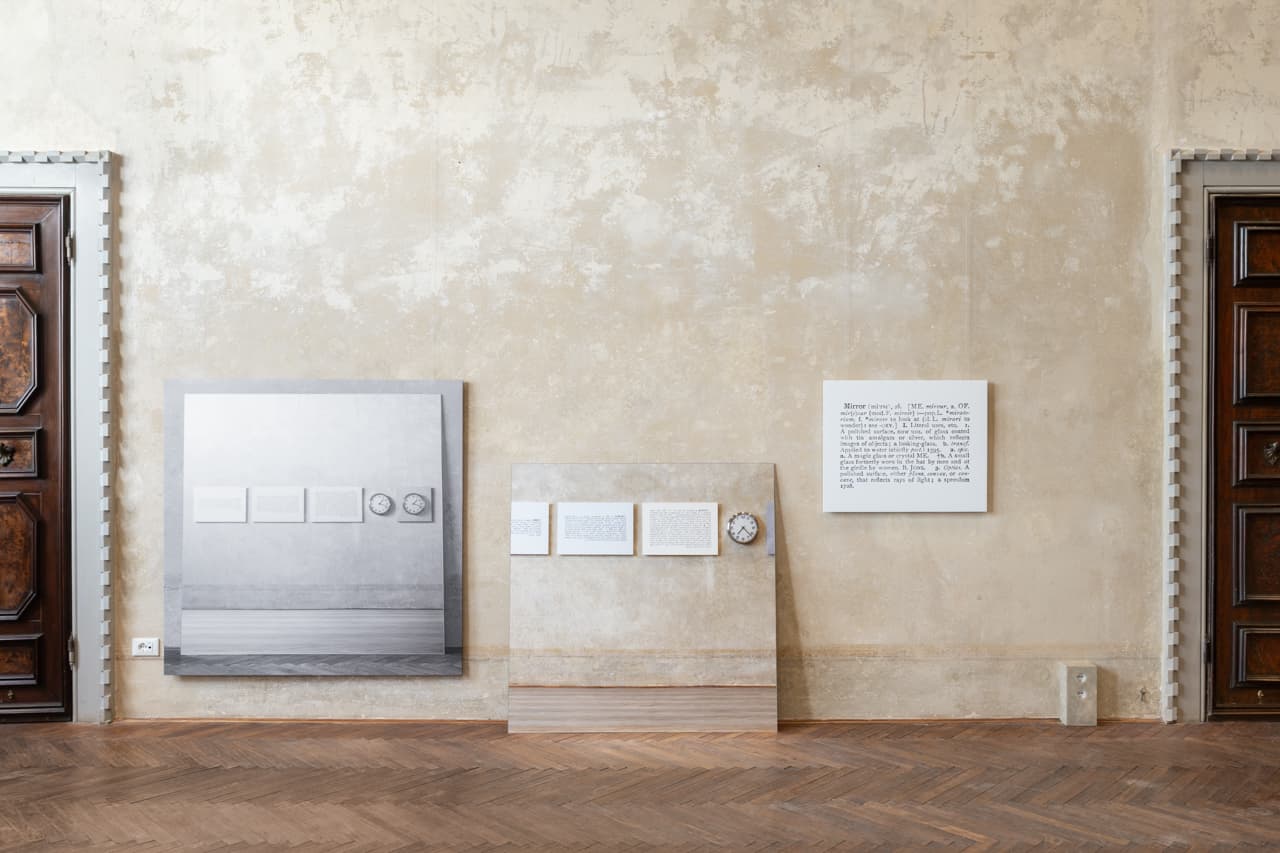
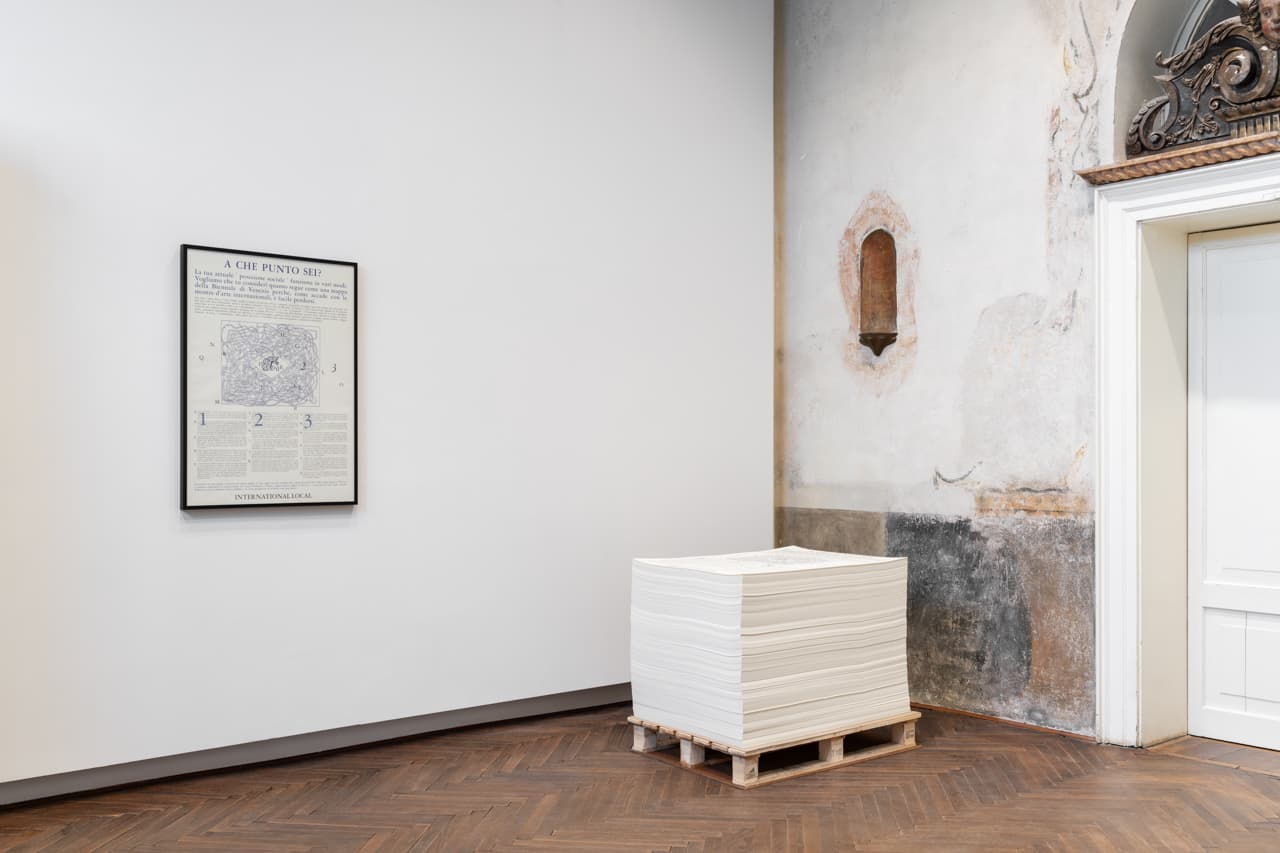
Opens Saturday, March 28 Tickets available at tinyurl.com/2sk2ffx8 As a tribute to a pioneer of Conceptual art with a long-standing connection to Venice, the exhibition presents a selection of seminal works from the oeuvre of Joseph Kosuth, together with a newly commissioned neon installation. Through the provocative title The-exchange-value-of-language-has- fallen-to-zero, Kosuth reflects on the loss of linguistic weight in today’s media-saturated cultural climate. By reactivating and repurposing his own works, he challenges the assumption that words possess fixed meanings. Instead, meaning emerges as a contingent construction, an event produced through the relationship between text and the space in which it is encountered, echoing the philosophical investigations of Ludwig Wittgenstein. The exhibition opens with the site-specific installation A Chain of Resemblance, which wraps around the entrance hall of Casa dei Tre Oci. The work requires both seeing and reading to unfold the appropriated text by Michel Foucault, who describes the world as a network of interconnections of natural species which continually reflect and influence one another. The first floor presents groundbreaking works from the 1960s and 1970s, including One and Three Mirrors and Clock – One and Five from the Proto-Investigations (1965). In these works, meaning emerges through the relationship between image, object and text, while the viewer becomes an active participant in the process of interpretation. These early works lead to the celebrated Investigations, in which Kosuth further explored the construction of meaning and the definition of art itself. Works such as The Fifth Investigation (1969) present an exercise in conceptual reflection, while The Seventh Investigation (A.A.I.A.I.) Proposition One (1970) installed on the Canal Grande, extends these ideas into the public space. Kosuth’s radical position, articulated in Art After Philosophy, is represented through works such as One and Eight – A Description (1965) and Titled (Art as Idea as Idea) [Question] (1967), tautological works that contain within themselves the very definition of Conceptual art. The exhibition includes projects addressing authorship, spectatorship and institutional critique, namely Where Are You Standing? (1976) and Text/Context (1978–79), which document Kosuth’s anonymous textual interventions on billboards in public space. Since the 1960s, Kosuth has consistently investigated language as a primary medium of art. Spanning installations, exhibitions, public commissions and theoretical writings, his practice has played a fundamental role in shaping Conceptual art and remains a key reference within contemporary artistic discourse. Joseph Kosuth is one of the central figures of international Conceptual Art. His research, pursued with consistency for over fifty years, interweaves language and strategies of appropriation. Renowned worldwide, he has realised installations and public projects across Europe, the Americas and Asia, participated seven times in Documenta and eight times in the Venice Biennale, including the Hungarian Pavilion in 1993. His permanent works can be found at the Louvre in Paris, the Magritte Museum in Brussels and many other public institutions around the world. Throughout his career he has received numerous international accolades, among them the Chevalier de l'Ordre des Arts et des Lettres in France, an Honorary Mention at the Venice Biennale and, most recently, the Medal of Honor of the National Arts Club in New York. He has taught at some of the most prestigious academies and universities in the world, from Goldsmiths to Yale, from Oxford to the Sorbonne. Born in Toledo, Ohio, he lives and works between New York and Rome. Curated by Mario Codognato and Adriana Rispoli