
Nolita, New York
Opal Mae Ong
Always Were
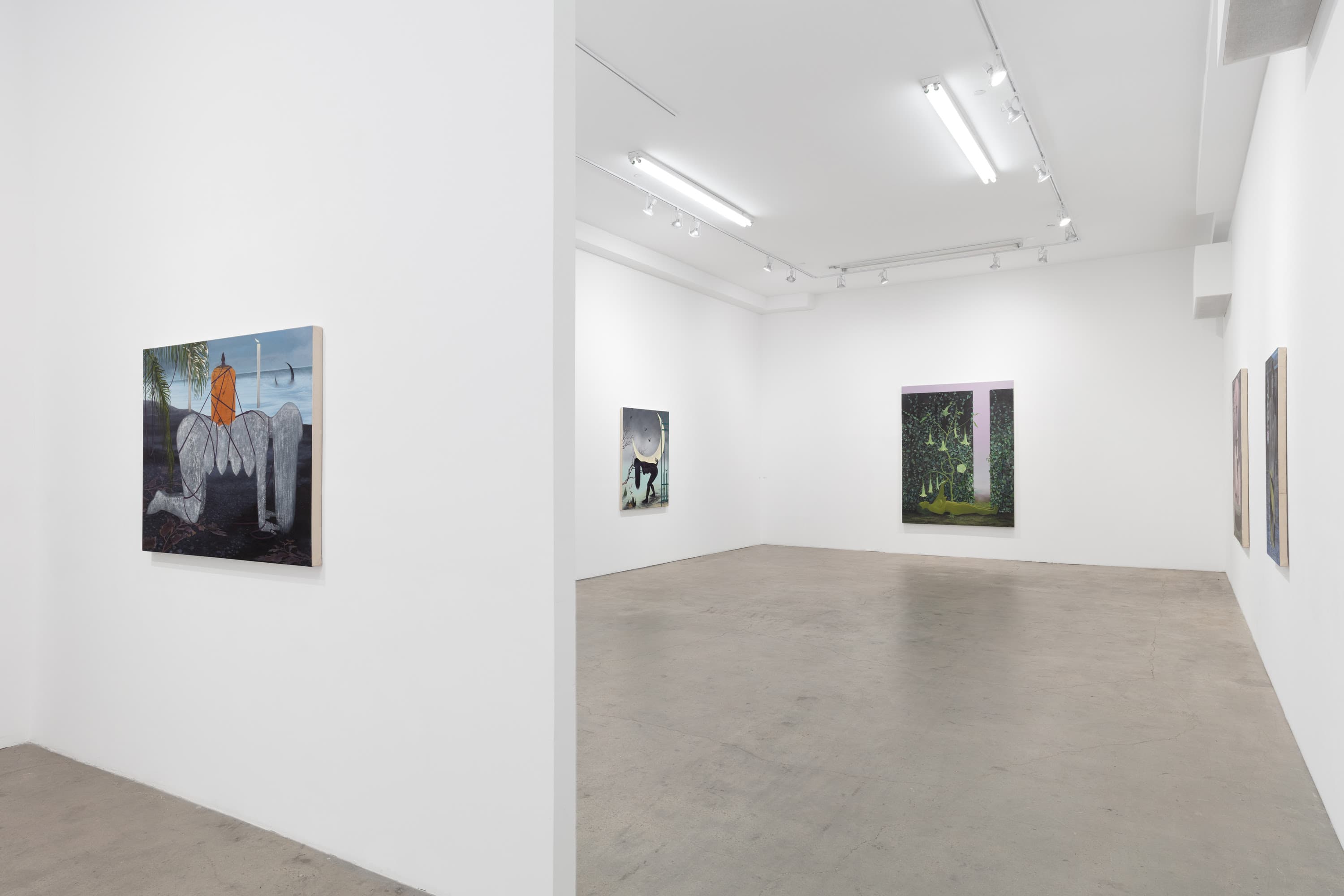
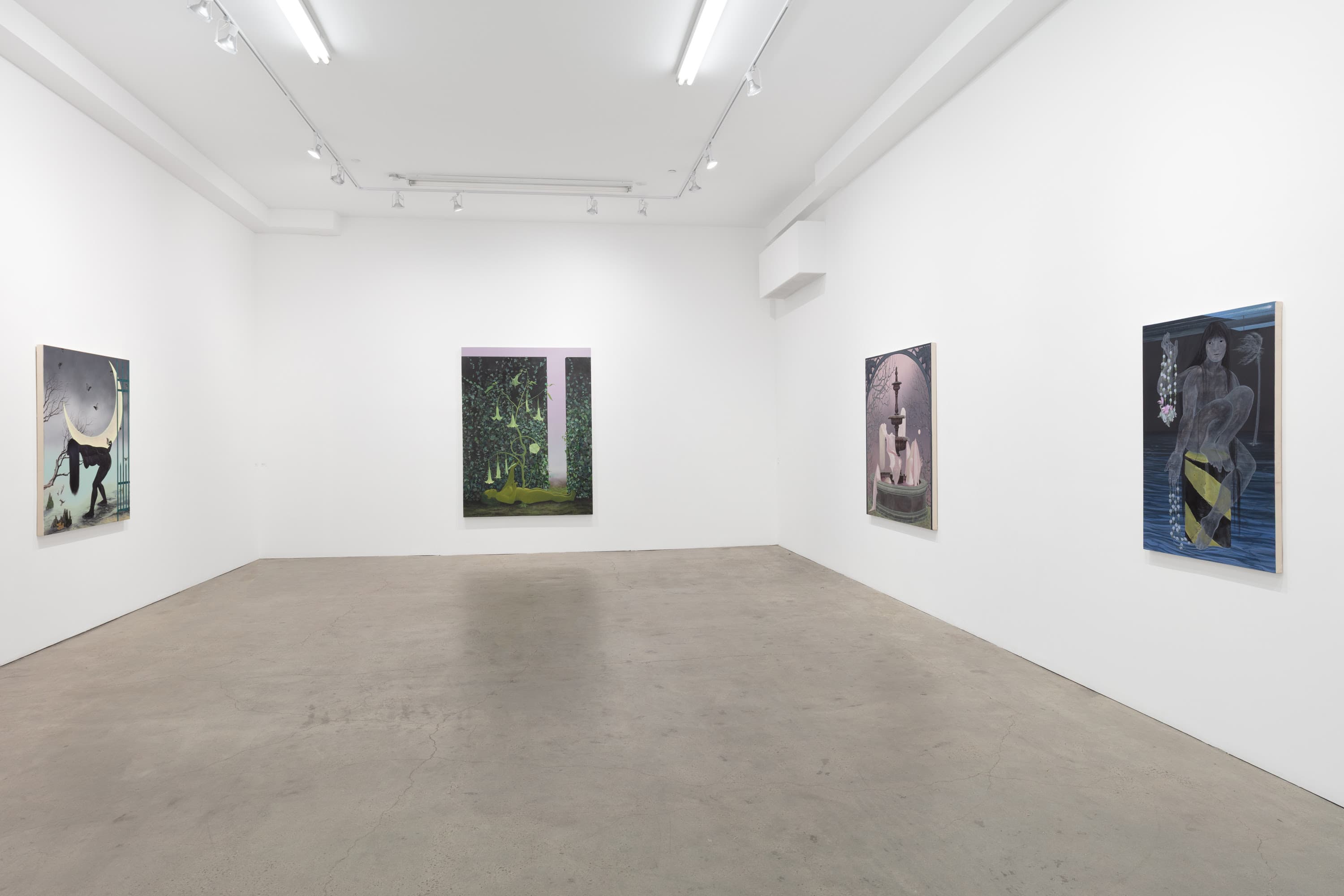
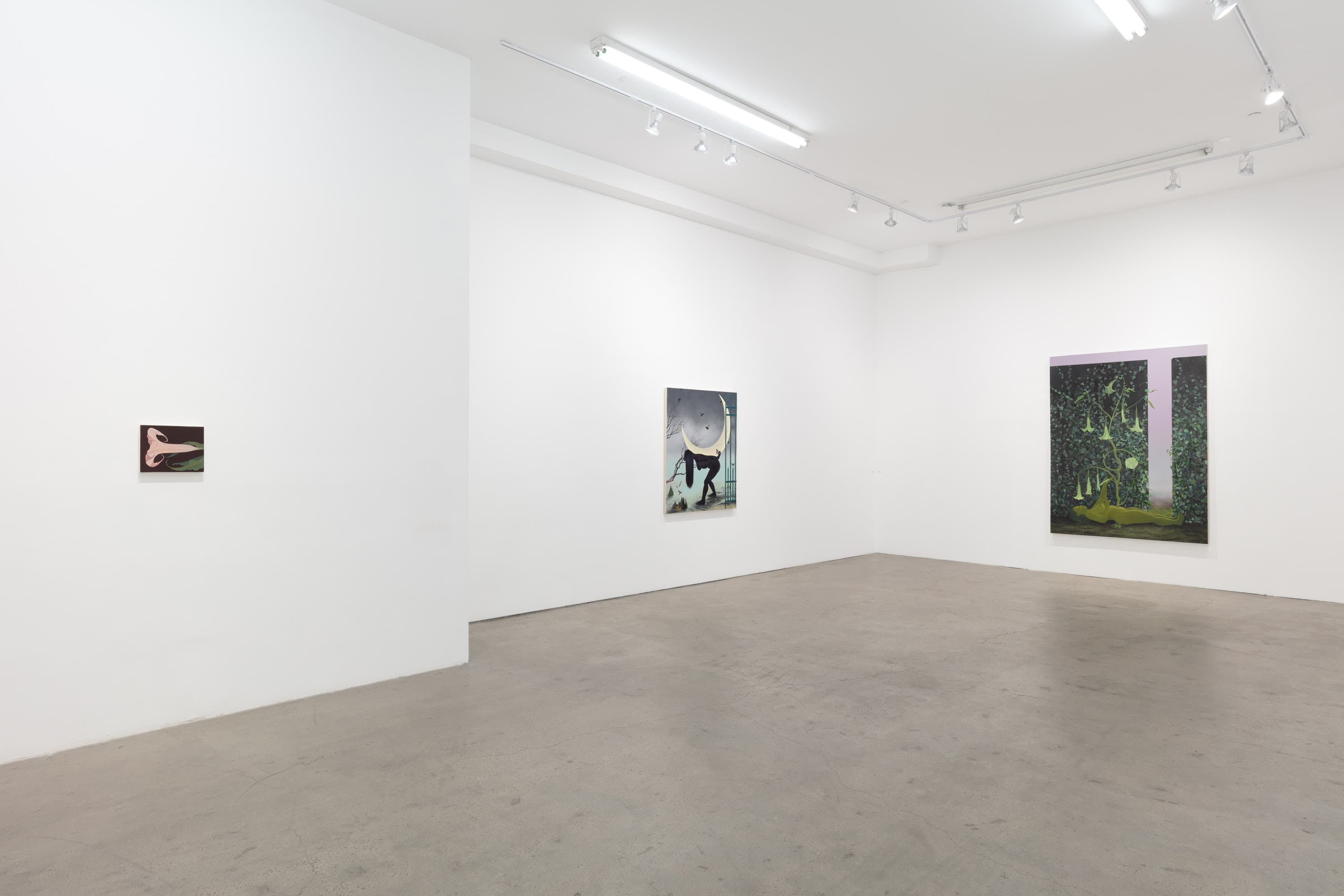
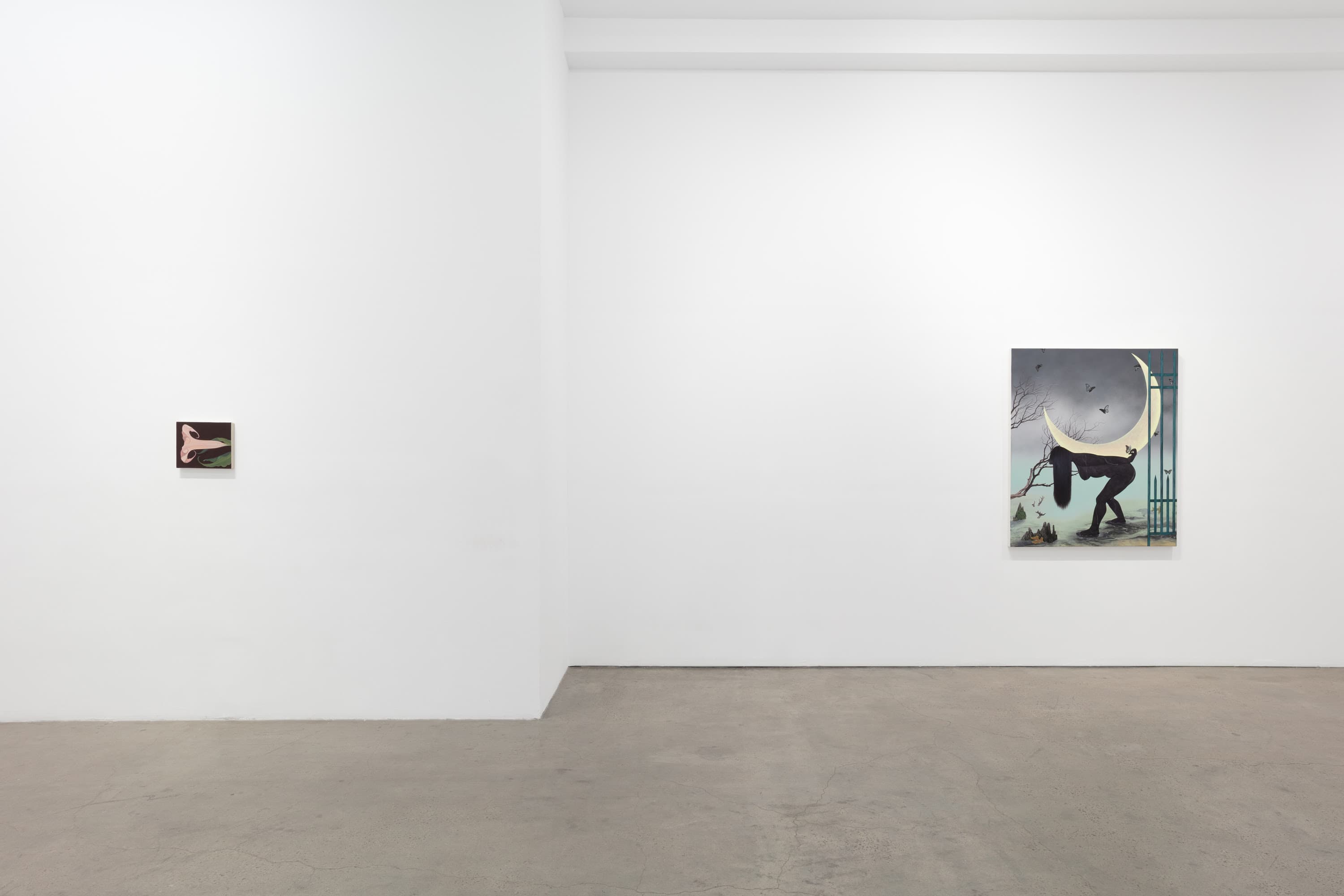
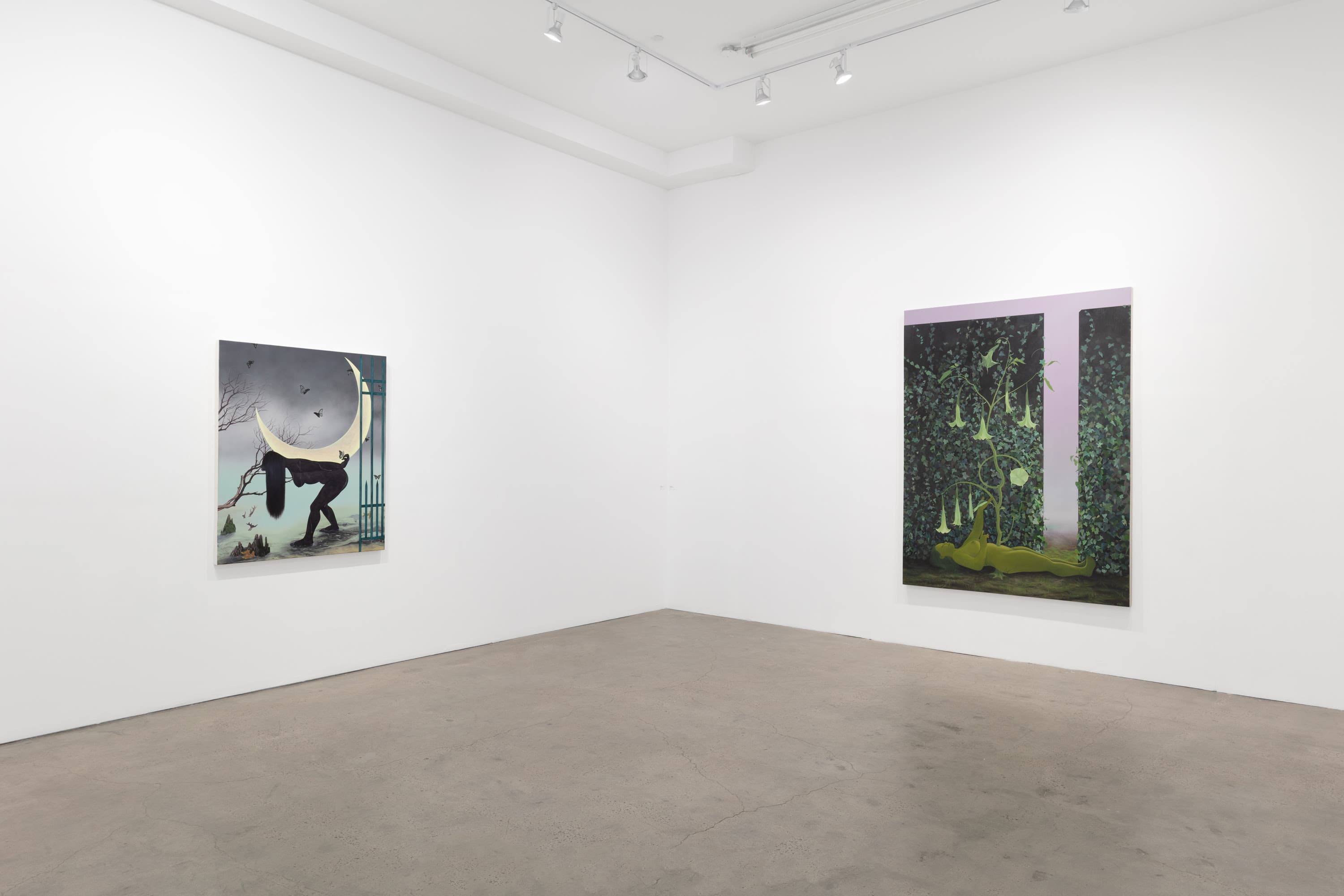
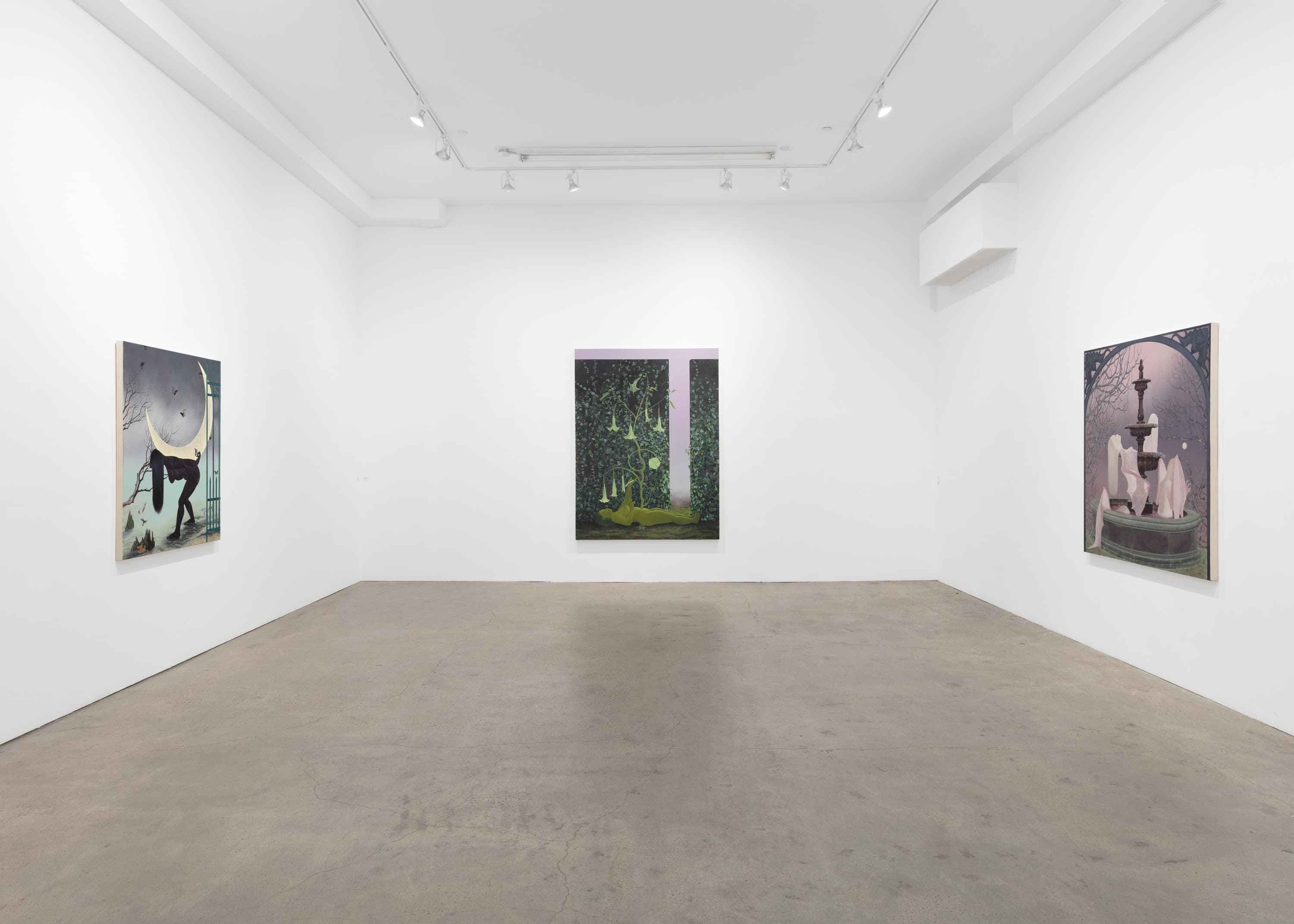
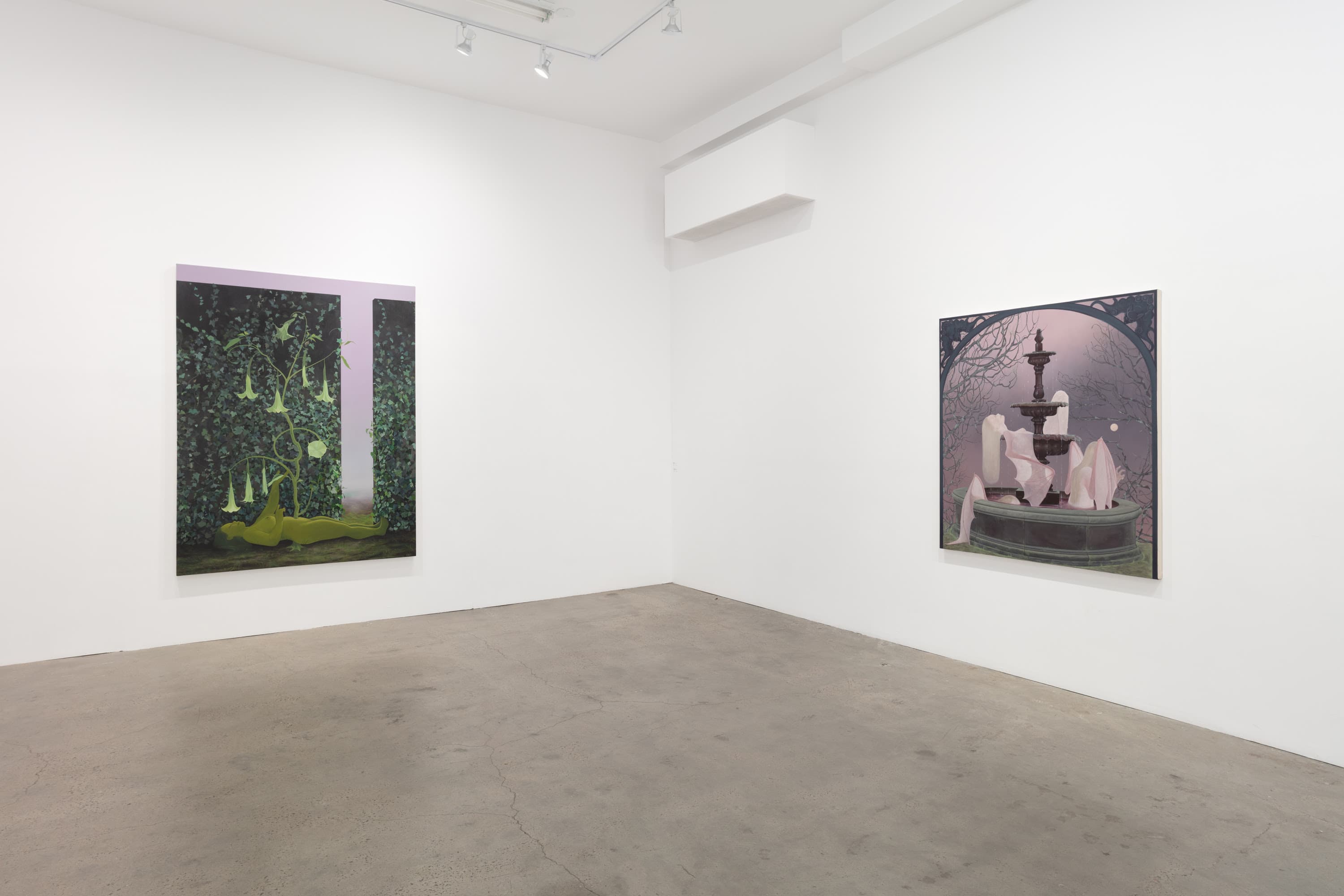
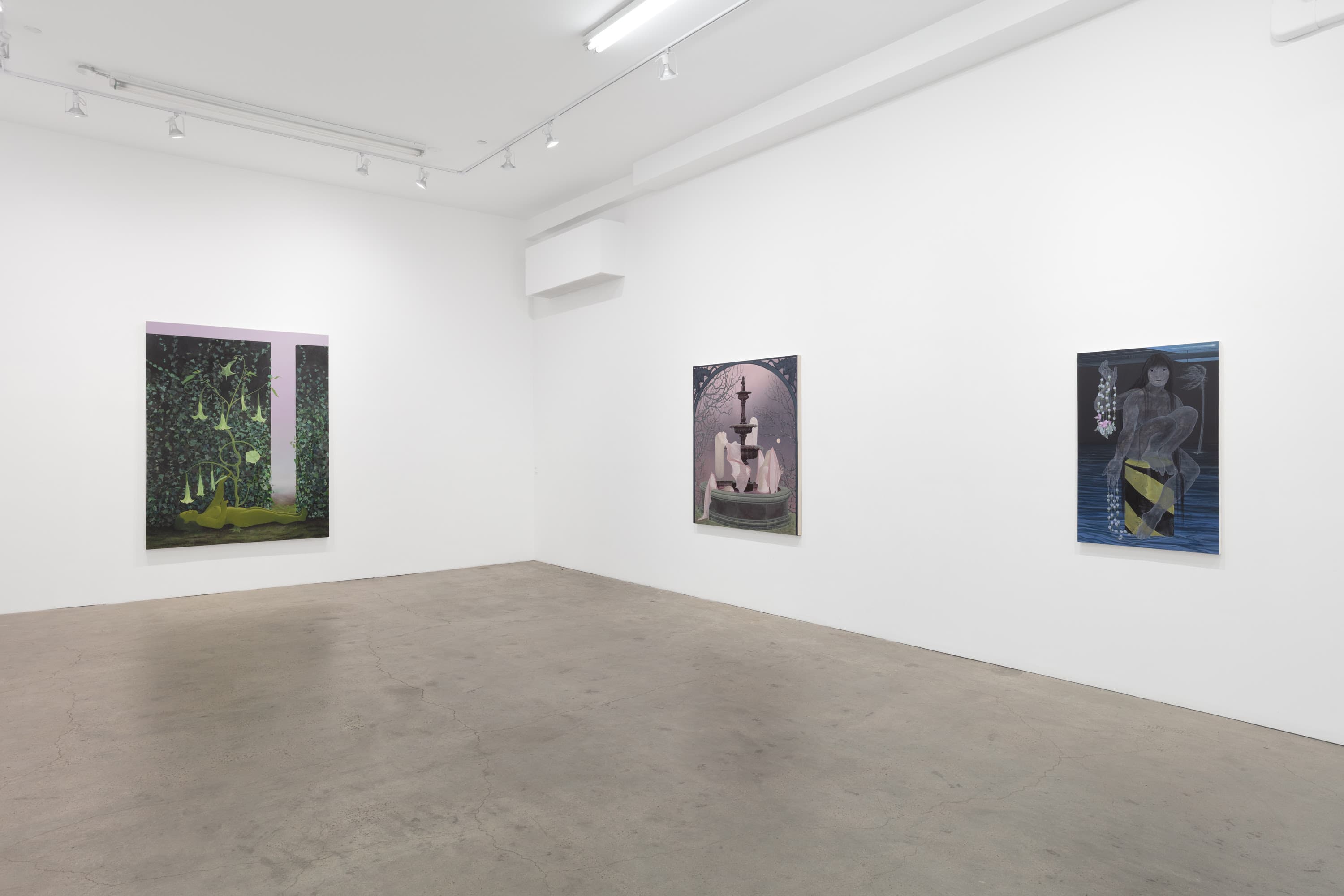
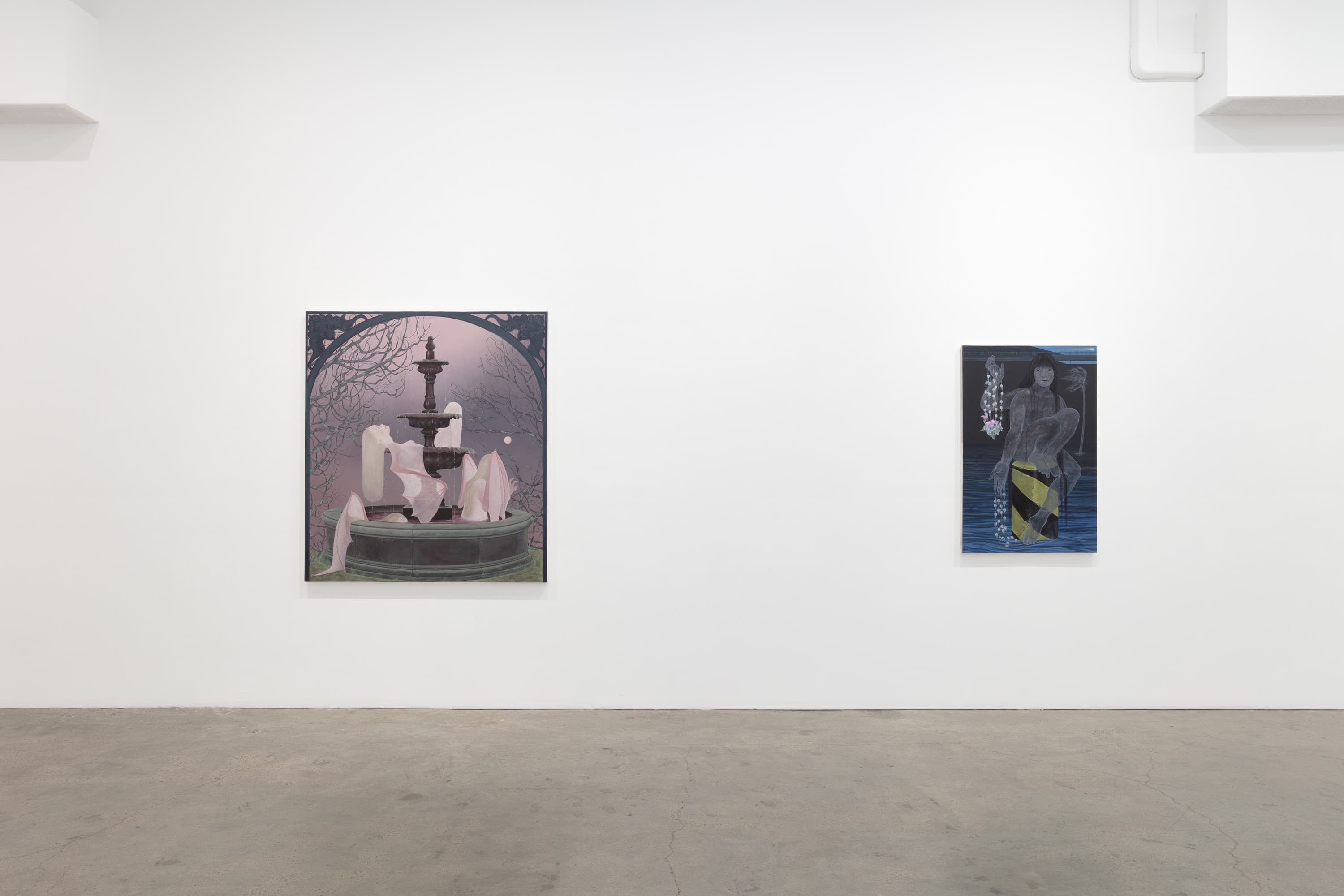
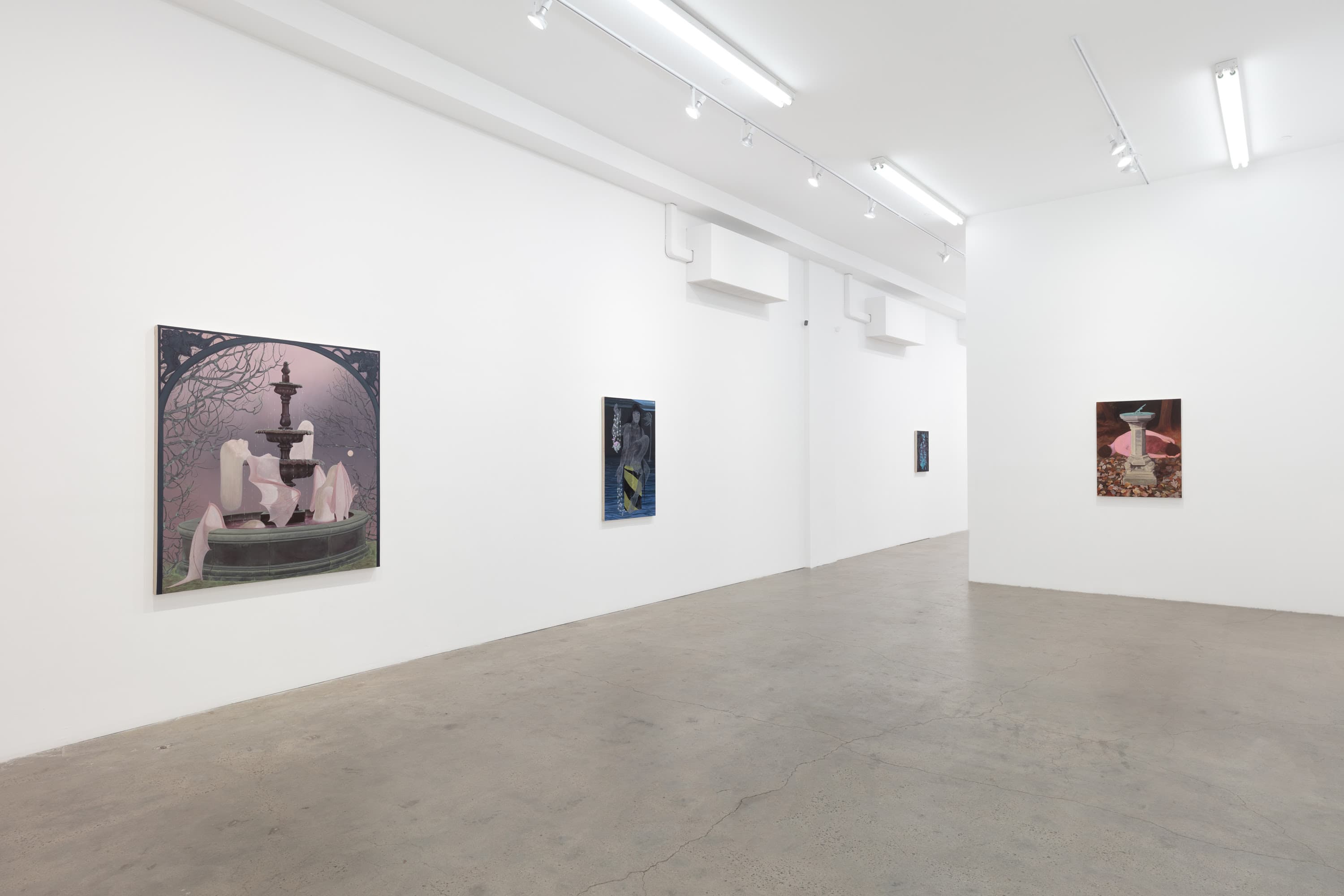
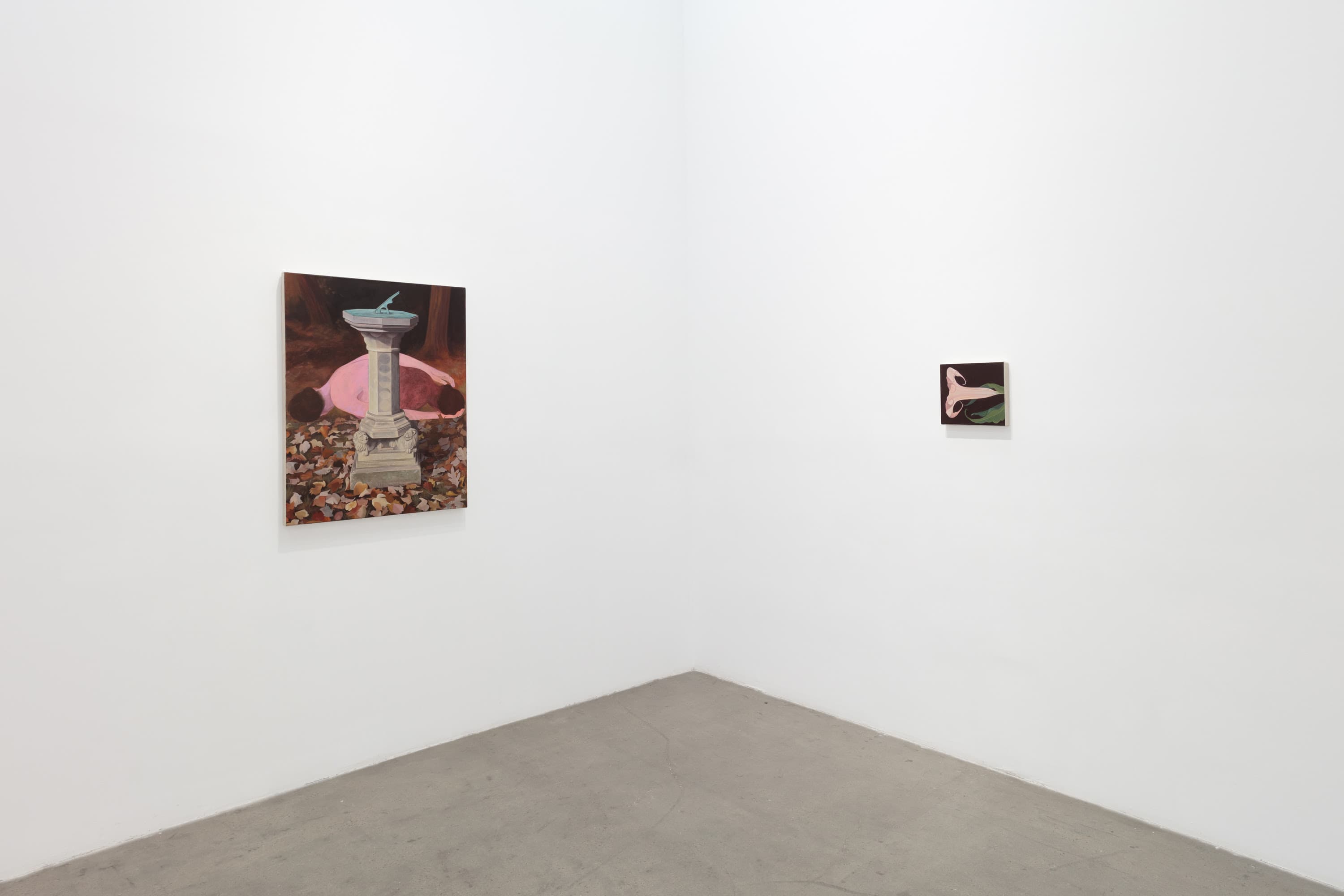
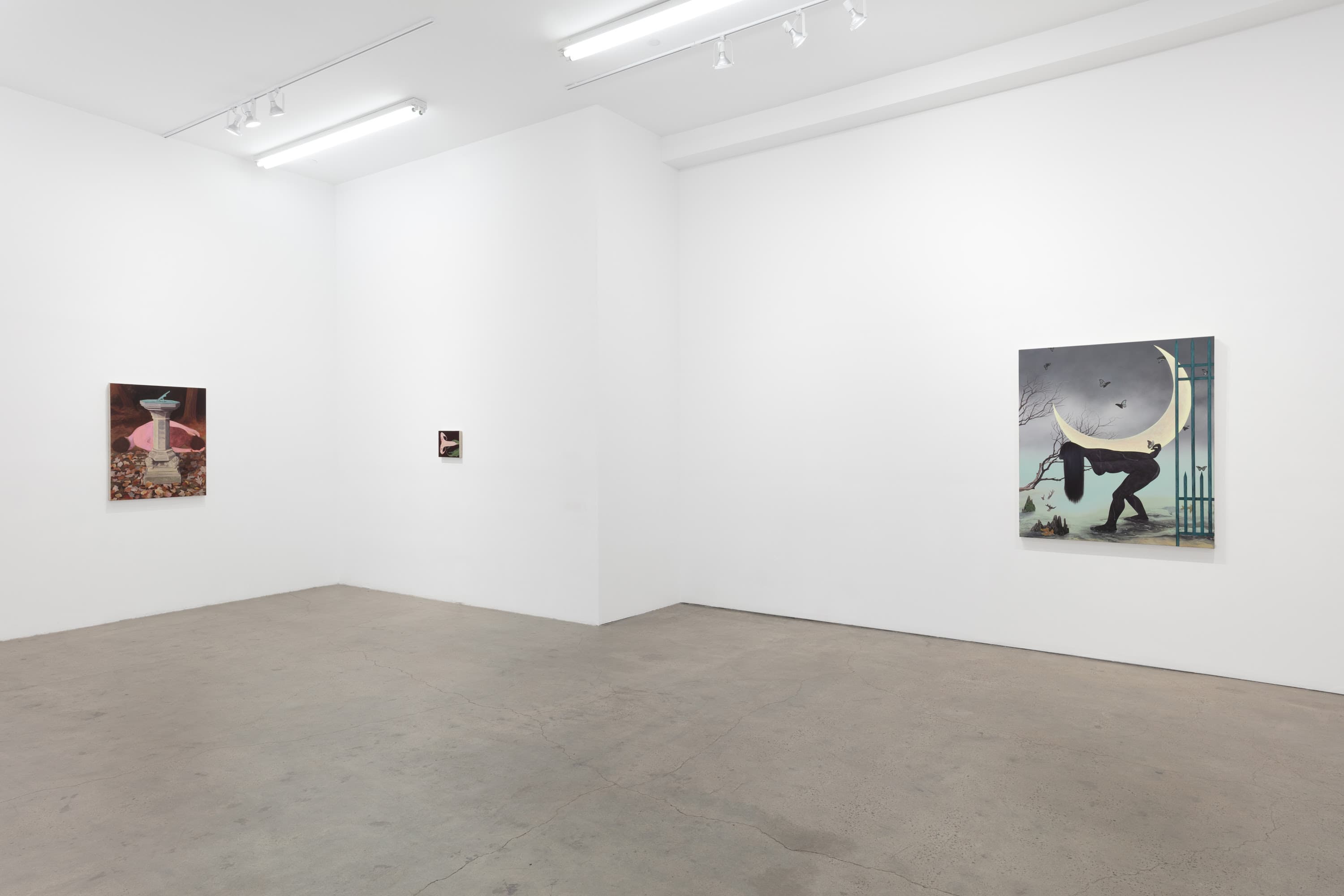
PlatoPlato is honored to present Always Were, a solo exhibition of new paintings by Brooklyn-based artist Opal Mae Ong. Opal Mae Ong is a Filipino-American artist whose work emerges from a felt response to nature and a deep reverence for the otherworldly. Combining the remnants of ancestral knowledge with speculative visions, Ong’s paintings form a kind of personal myth-making. Always Were takes its title from an intentional fragment. Always suggests persistence and continuity, while were gestures toward the past. The temporal and grammatical ambiguity points to the liminal nature of both the figures and the time and place they inhabit, inviting viewers to complete the meaning. Always Were presents landscapes where “feminine others” crawl toward horizons, commune with flora, carry moons and shapeshift. Drawing from Philippine folklore, including the pre-colonial babaylan—spiritual leader and healer—they depict beings who exist beyond stable gender or form. Born in Los Angeles to a white mother of Irish and German descent and a father from Cagayan de Oro—of Indigenous Filipino, Chinese, and Spanish lineage—Ong grew up in a household rich in Filipino culture. Though never visiting the Philippines, the artist maintains a strong connection to ancestral land through family, food, reading, and imagination. The Philippines has long existed in the artist’s life as both presence and absence. Familial ties remain strong, particularly with the artist’s grandmother, Amalia, whom she has not seen in person since early childhood—the matriarch of an expansive family network and a former Overseas Filipino Worker who spent decades laboring abroad in Taiwan before establishing her own bead and crystal shop. Her life mirrors a broader history of diaspora shaped by colonialism and migration. The condition of distant longing—caring across oceans—echoes through the emotional landscape of the work. The sudden death of the artist’s father nearly a decade ago deepened this sense of suspended belonging. These paintings do not illustrate grief directly; rather, they explore the conditions it creates—restlessness, transformation, and ongoing connection. Related folkloric references surface poetically, including the manananggal—a winged, shapeshifting mythical figure—and the Caviteño tree burial tradition, exploring ritual and myth as a space of inquiry. Recurring throughout the exhibition is the brugmansia, or angel’s trumpet—a plant with a rich history of medicinal, ritual, and ornamental use across cultures. Though not native to the Philippines, it thrives there as if it were, reflecting adaptability and cross-cultural belonging. Ong’s process moves fluidly between tracing paper, iPad, collage, and paint, allowing images to constellate gradually. The artist’s art historical influences range widely—from European painters Pieter Bruegel the Elder and Caspar David Friedrich to Japanese woodblock master Tsukioka Yoshitoshi, and contemporary artists such as Wangechi Mutu, Firelei Báez, Ana Mendieta, and Mona Hatoum. Materially, the works are built through layered drawing and pigment. The artist uses liquid pigments “with a history,” mixed with acrylic binder. She sources them from Guerra Pigment & Paints, a local supplier known for saving and utilizing rare and discontinued pigments—often from companies going out of business—to create high-quality concentrates for artists. The salvaged nature of the pigment appeals to Ong. The paintings also incorporate gouache, known for its historical association with draftsmanship. The matte, hyper-saturated surfaces evoke both transparency and opacity, flattening and depth. Color shifts across bodies and environments, reflecting the artist’s experience of mixed-race identity as relational rather than fixed. Figures blur into plants and land, dissolving boundaries between self and world. Always Were marks a threshold: a group of paintings the artist feels only now prepared to make. It is both an arrival and a beginning—an opening into a world shaped by longing, grief, love, spirituality, ancestral memory, and the ongoing work of becoming.