
Galleries, Basel
Róza El-Hassan
Collective Dream
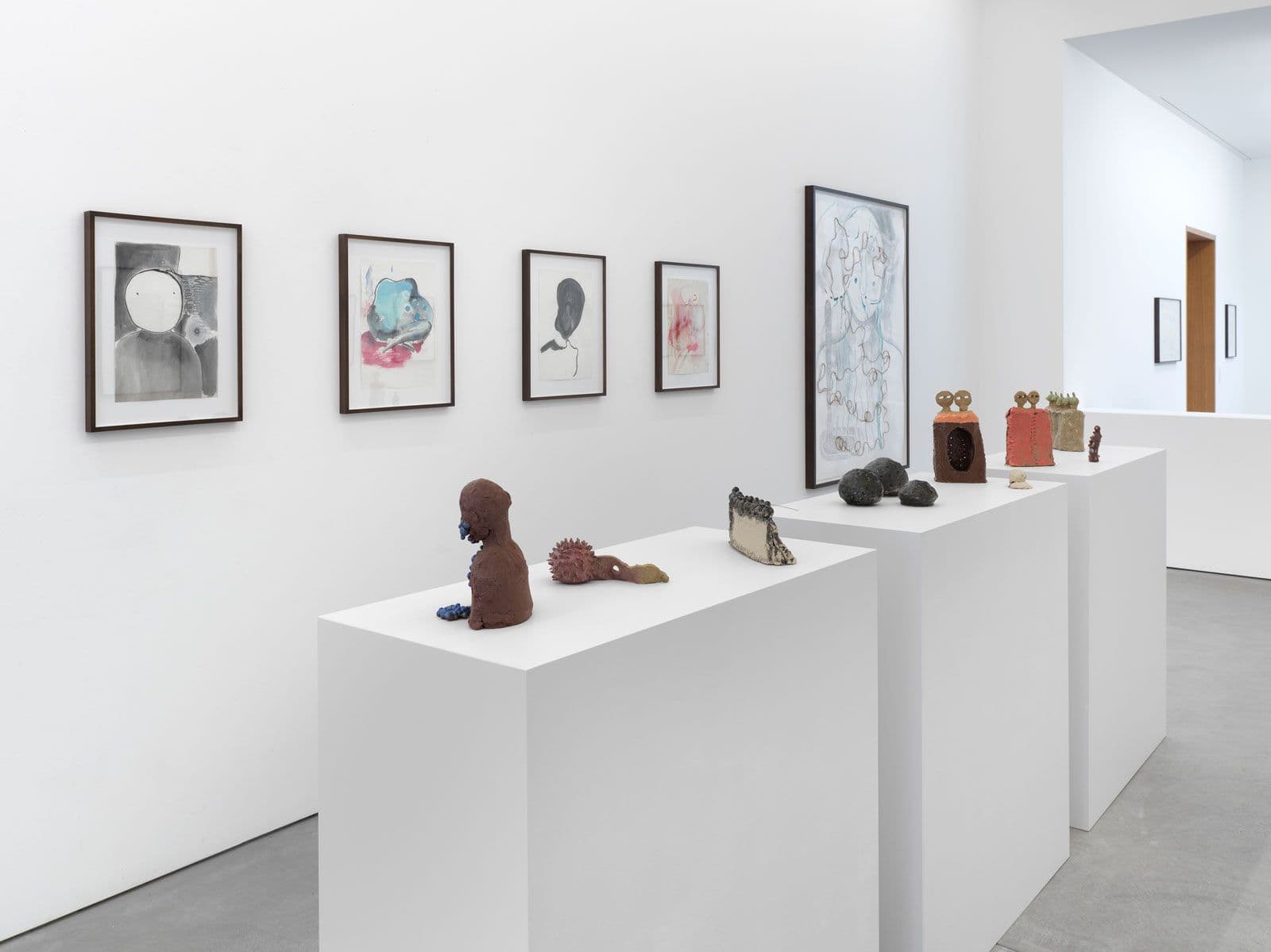
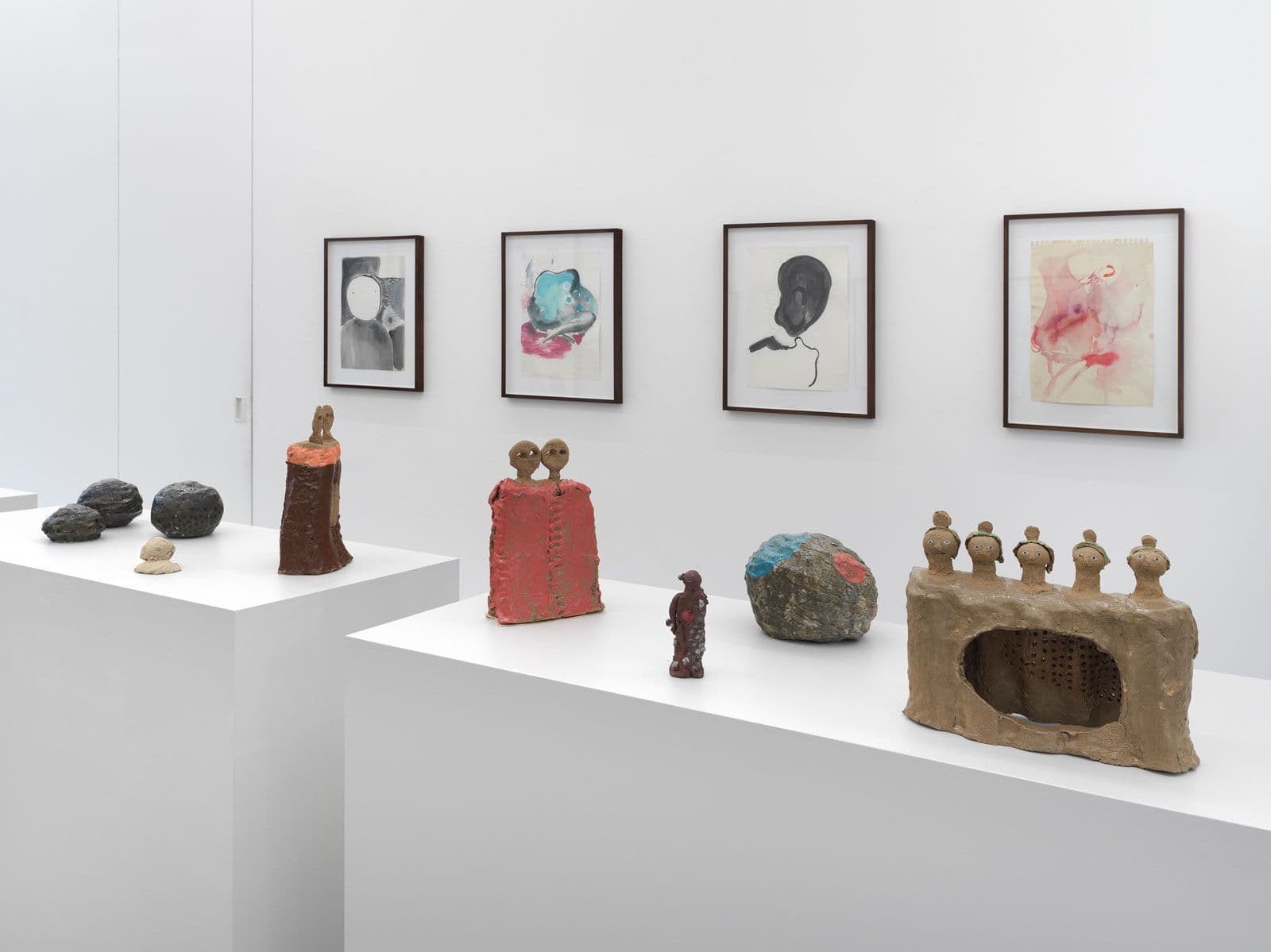
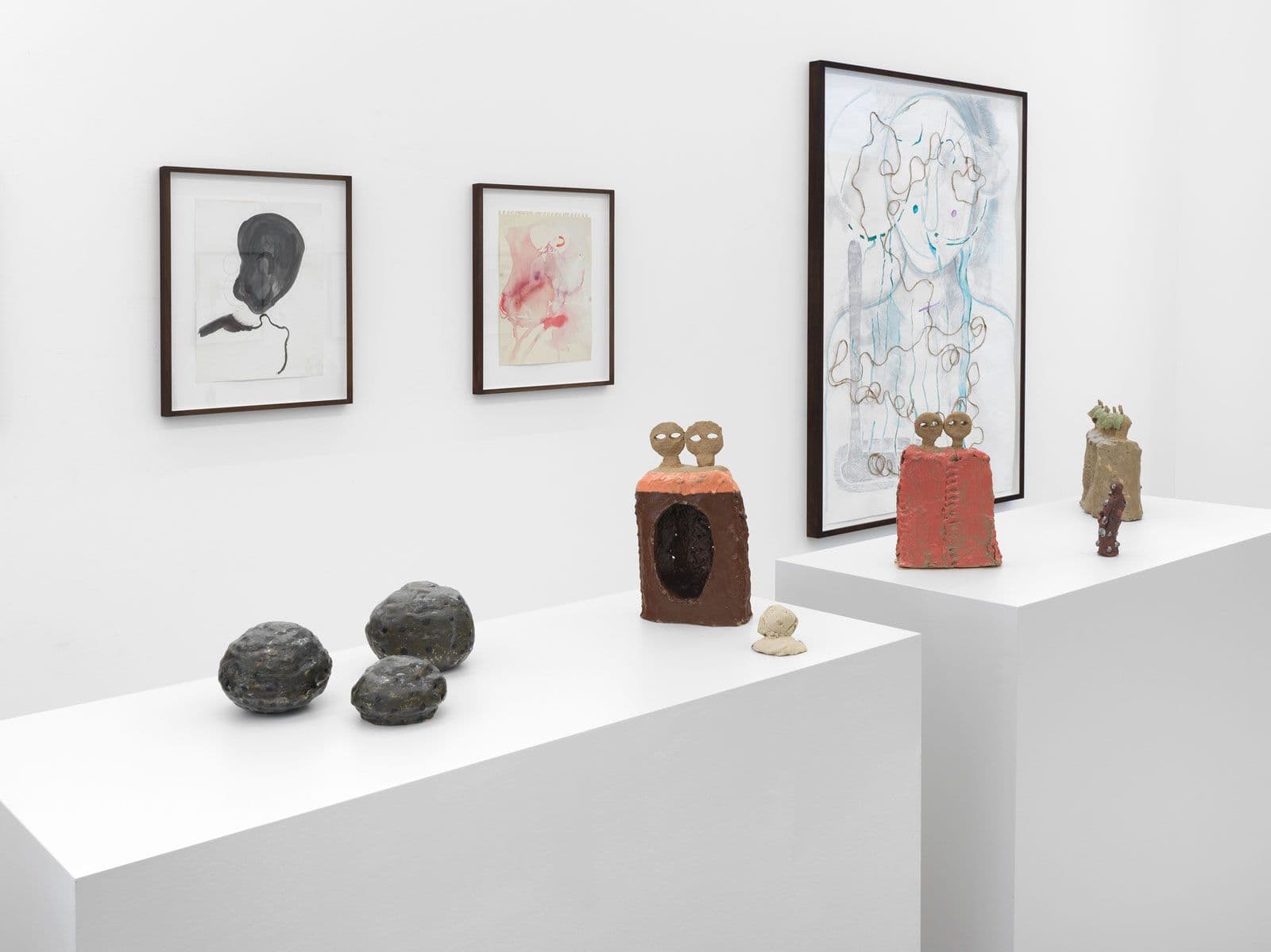
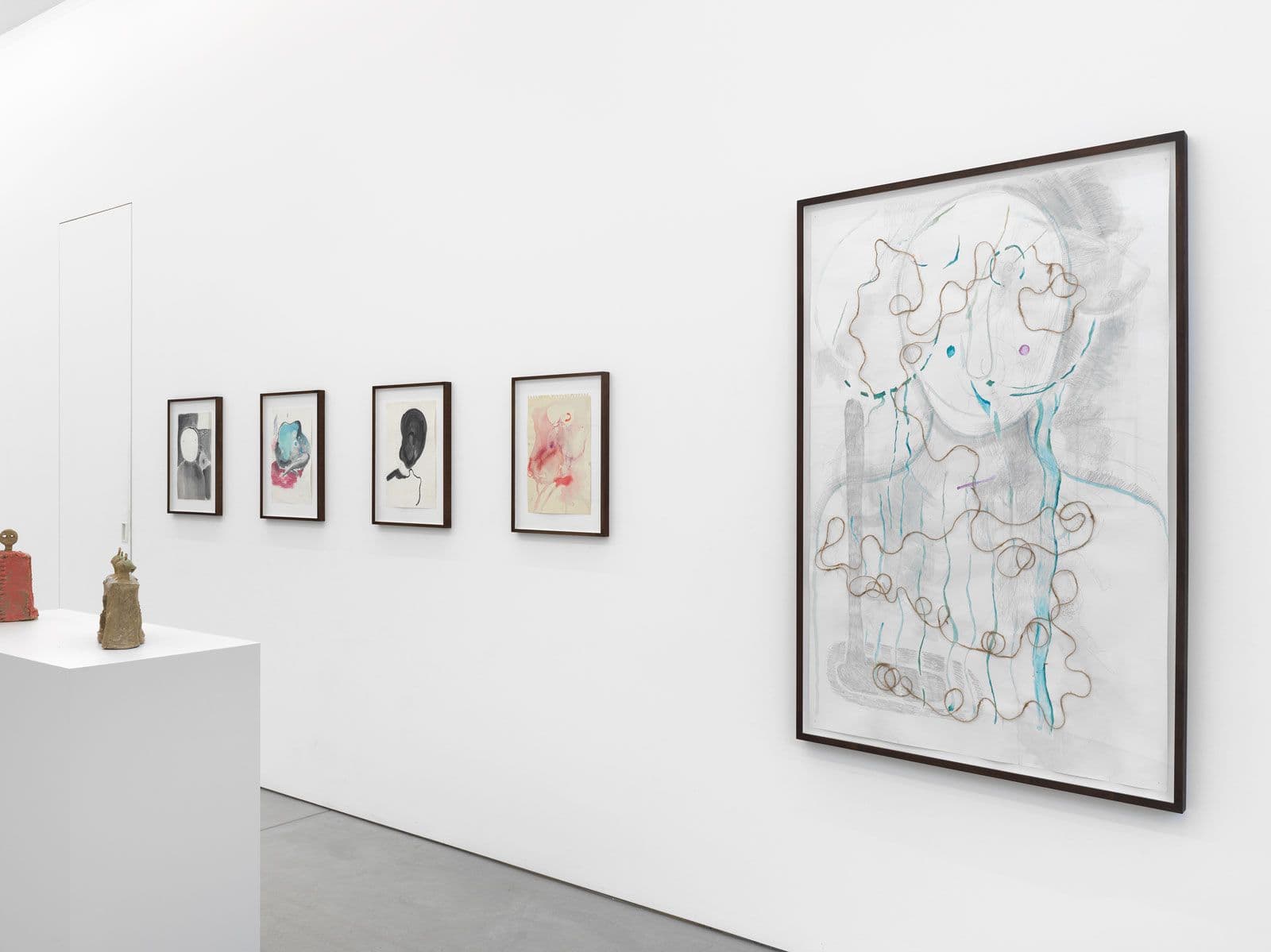
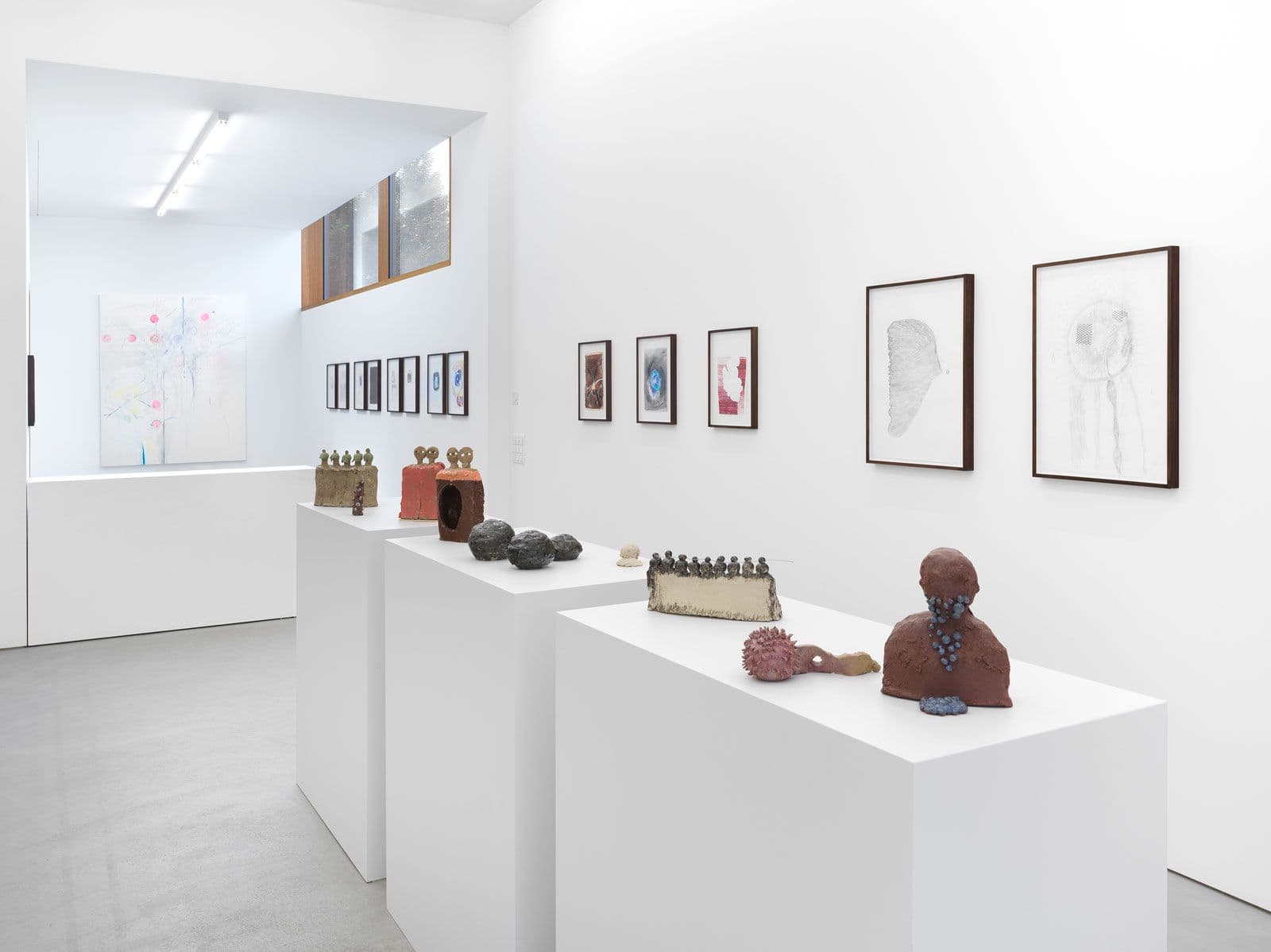
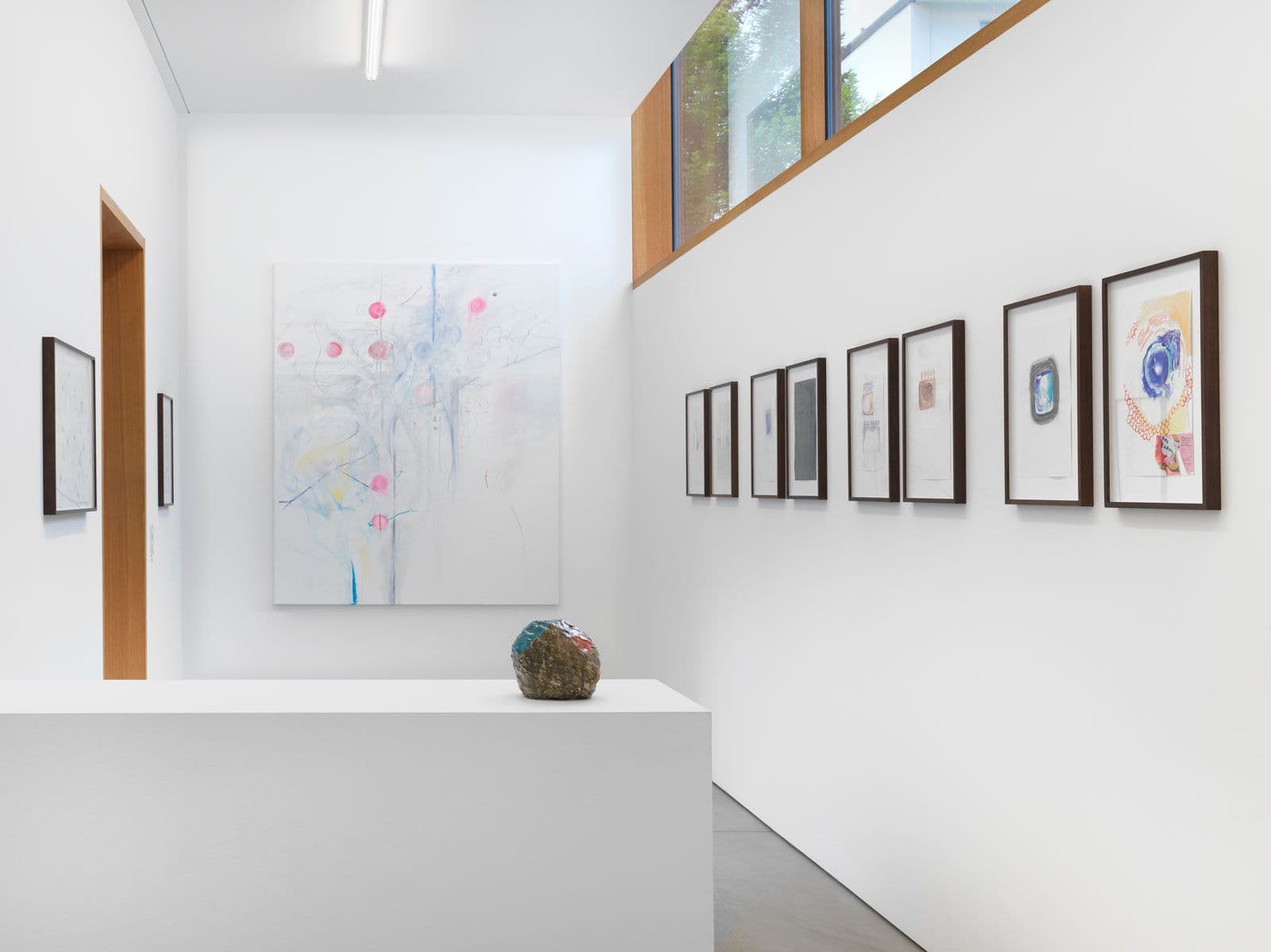
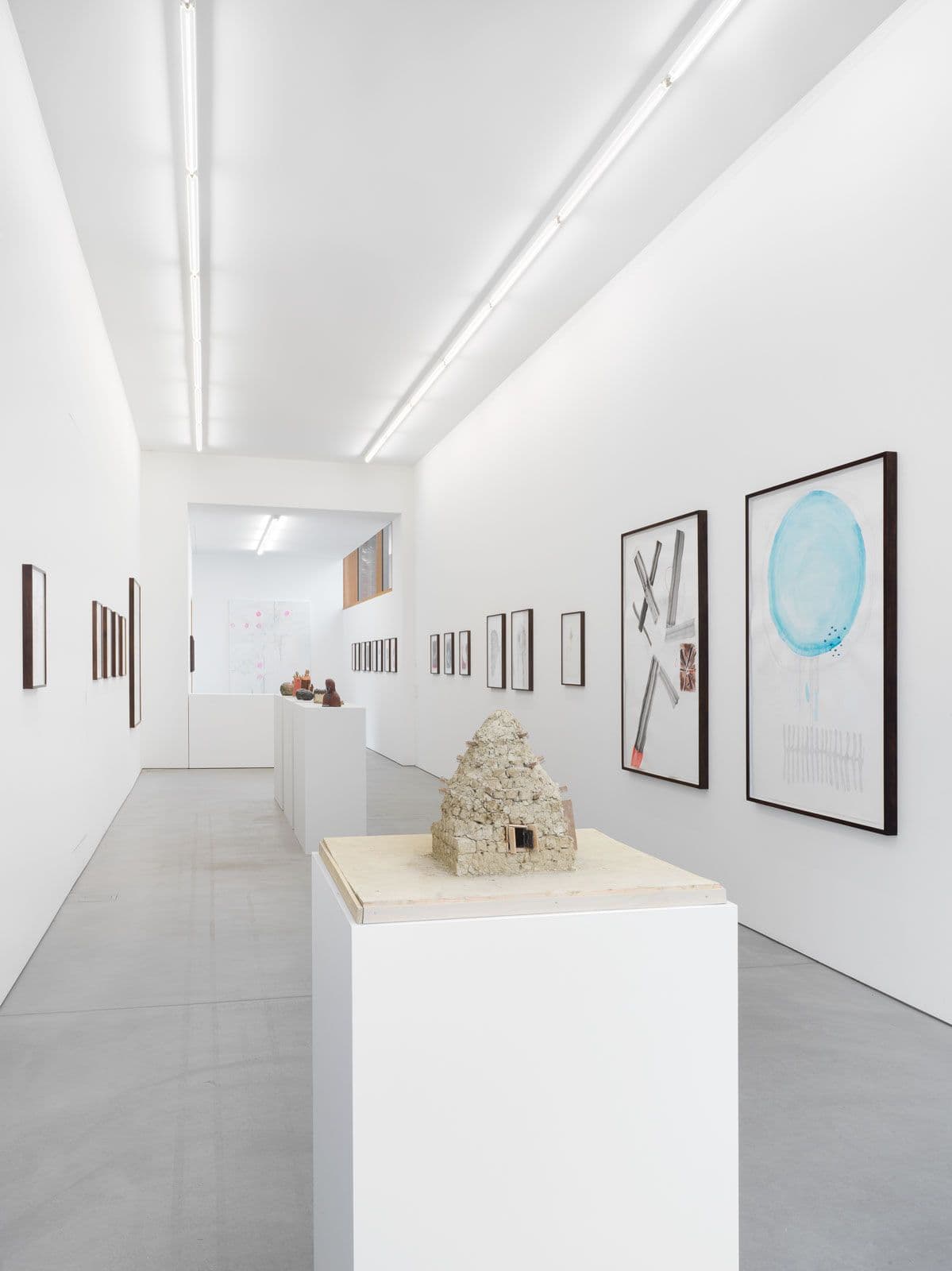
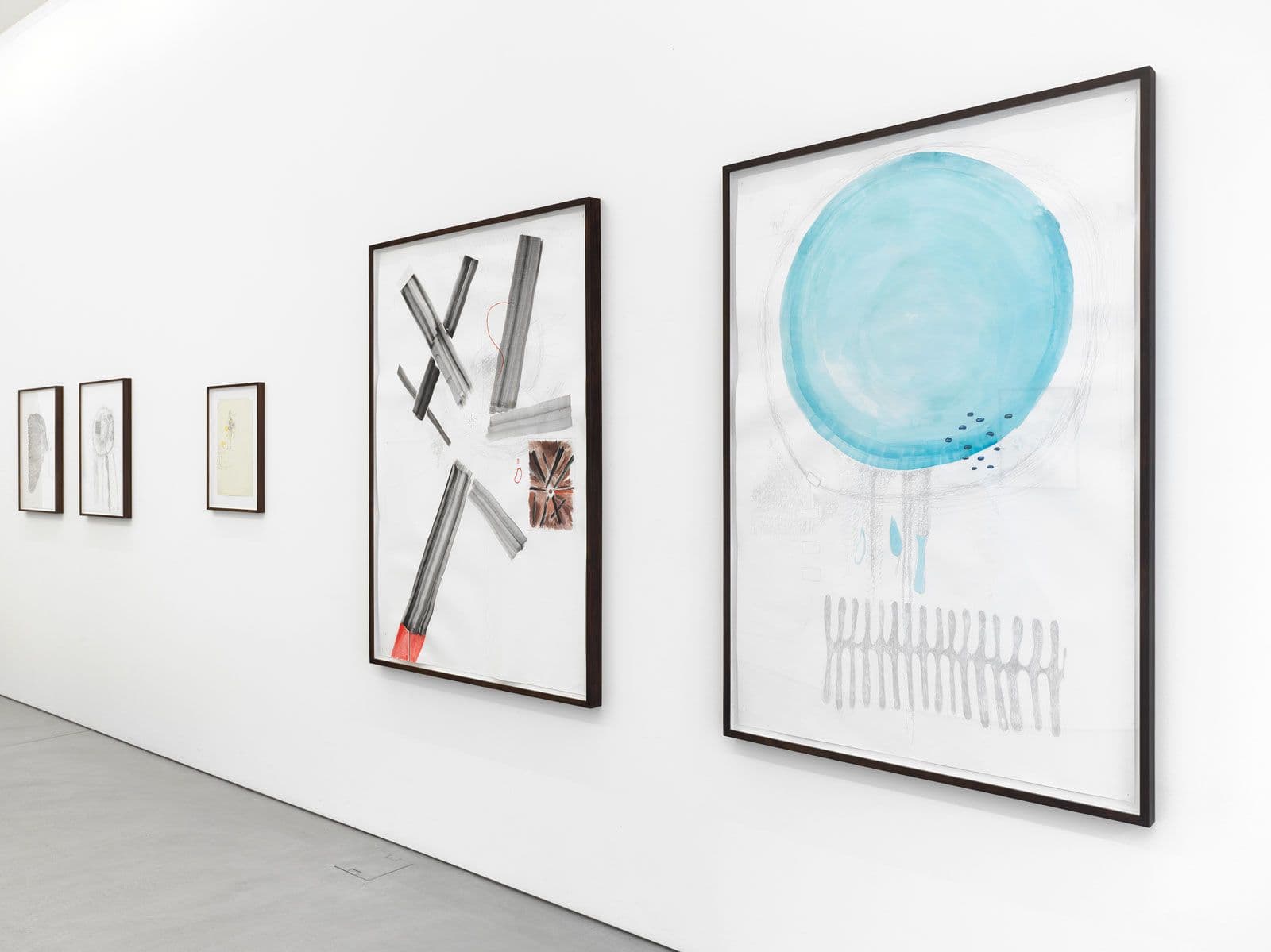
Tony WuethrichIn a fourth solo exhibition, Tony Wuethrich Galerie is showing new sculptural works made of clay and glazed ceramics by Róza El-Hassan from the past year, as well as selected drawings from 2000 to 2025. The core topic that has fed Róza El-Hassan's artistic work for more than three decades now is an almost inexhaustible source: it is the collective and subjective coping with trauma as a result of internal and external conflicts. As an artist with Syrian-Hungarian roots who grew up and studied in Germany and regularly traveled to her home country of Syria and the Middle East, the ongoing conflicts and catastrophes in the region have had and continue to have a lasting impact. In addition, at the beginning and around the peak of her artistic career, there were incisive collective and personal caesuras such as the advent of the Internet, motherhood (and separation from her partner), the Balkan wars, September 11, 2001 and its aftermath, the Arab Spring, the Syrian civil war, the feeling of (self-imposed isolation... the complexity of this dual experience of personal and collective pain is the central theme that Róza El-Hassan explores through drawing, sculpture, performative-activism and philosophy – always with a socially critical approach. Drawing is a daily exercise that structures thoughts and emotions, whereby in recent years the aspect of deepening contemplation has come to the fore. The drawings – recurring motifs are tangles, networks, electromagnetic fields – are the basis for further works as well as independent art works. The ceramics were created in an exchange between the artist and Tony Wuethrich and translate the fluidity of the drawings into an adequate multidimensional form, due to the softness of the material. The first ceramic object is a bust made of dark clay, from which thick blue drops spill out and accumulate underneath to form a small heap. "Teardrops" (2024) is based on a sketch entitled "Mourning", which was created in 2001/2 in response to the September 11 attacks. The sculptures of the group "Collective Dream" (all 2024-2025), which gave the exhibition its title, are also based on a drawing of the same name from 2002. Two, five or nine figures (or heads) each grow out of a cuboid body, which also forms the common base. The two double figures, each with recessed eyes, could be sharing one garment; in a group of five, the form is hollow and has an oval window at the front, revealing a perforation on the back (which is also reminiscent of traditional Arab architecture, in which air circulation plays an important role); the nine-headed group is connected at the top by a wire or thread, which is however only threaded through some of the "heads" (or "beads" grafted onto them like a bun), while it leaves out others. El-Hassan's title does not refer to the collective dream of a specific population group or nation, but to the universal ability to dream collectively. For the artist, dreaming and thinking, the conscious and the subconscious, usually go hand in hand – a constant duality that is also expressed in the multi-headed figures: the individual, subjective self is inextricably linked to the complex global problem, the personal is always also political. The approximately 30 cm high beehive-shaped structure made of dried clay and bone glue ("Shelter", from the "Breeze" series, 2024) belongs to a completely different group of works. In the wake of the Syrian revolution, the artist studied traditional Syrian clay buildings (Al Kub) and how these architectures could serve as refugee shelters. The version shown in the exhibition differs from previous models in its raw, furrowed surface. Here, the protective building simultaneously embodies the processing of the death of the artist's own father, who was born in such a house. —Eva Scharrer, May 2025