

Downtown, Los Angeles
Audrey Gair & Christopher Suarez
Audrey Gair & Christopher Suarez
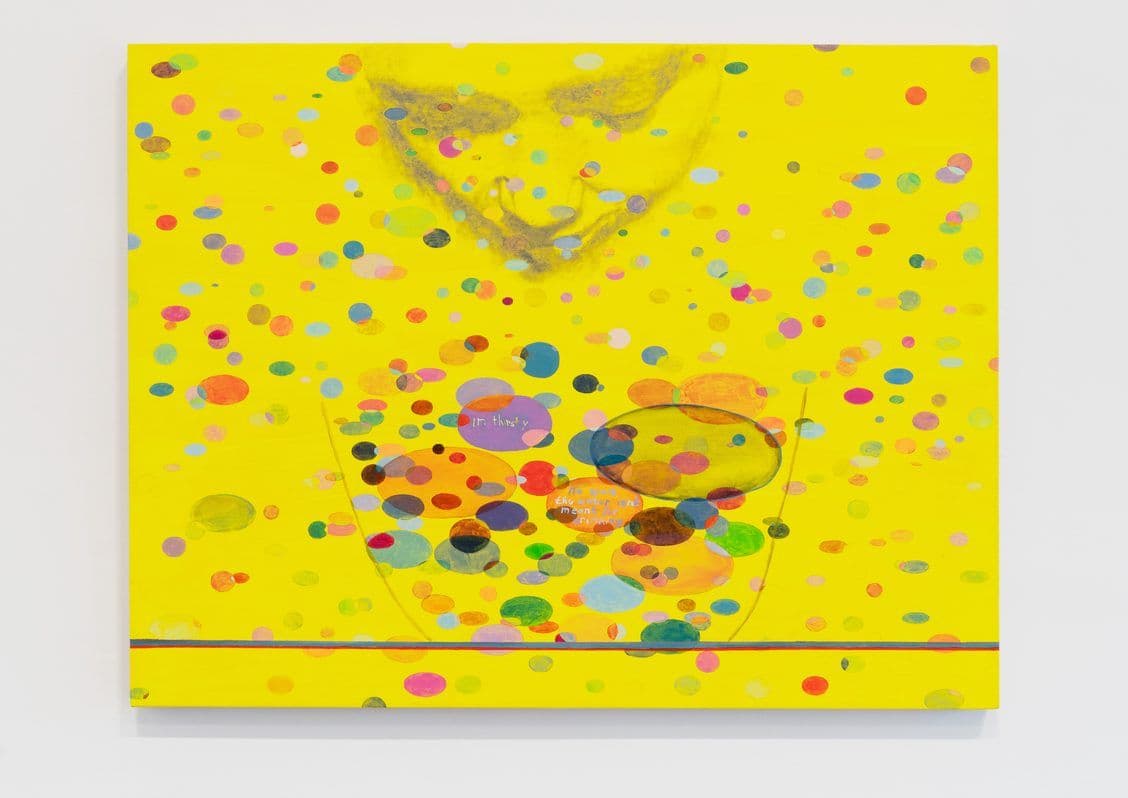
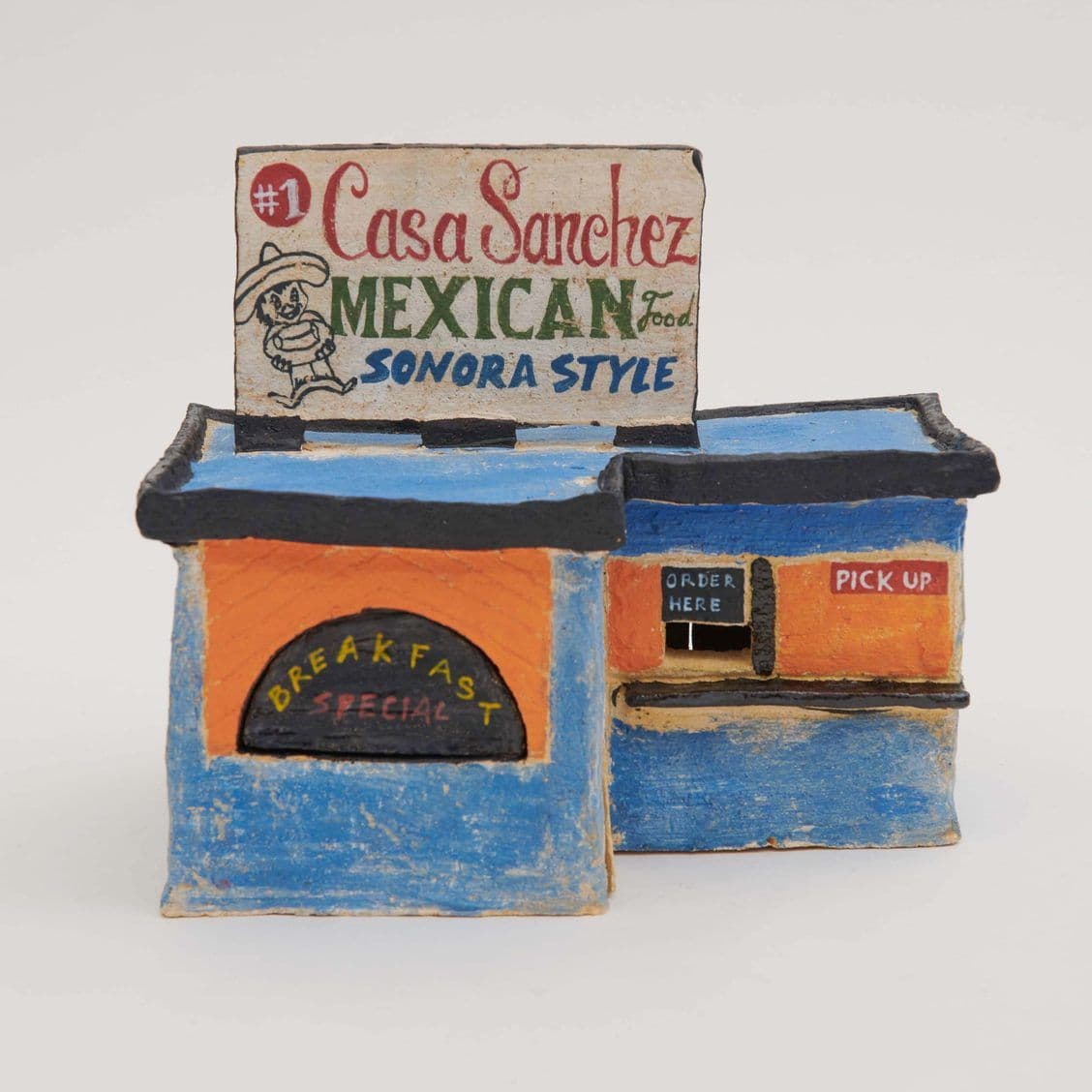
Stanley'sStanley’s is thrilled to present a two-person exhibition with the New York-based painter Audrey Gair and the Long Beach-based ceramicist Christopher Suarez. Through painting and sculpture, both artists use their respective mediums to present personal and interior views into the environment and architecture of their respective cities. For both of these artists, this introspective yet visual language serves as a reference point for memory, culture, and personal experience. Through her paintings, Audrey Gair has developed a distinct styling that she considers “neo-pointillism,” wherein small colored dots are enlarged to compose street scenes, playgrounds, and city-skylines. These landscapes are taken from the urban metropolis of New York City, where Gair works as a teacher and nanny, and represent the small pockets of calm within the public infrastructure where she often finds herself lost in thought. The application of her neo-pointillist style to these urban scenes evokes the dreamlike, malleable, and deeply personal character of memory and emotional connection to the built environment. Upon closer look, these paintings transform into witty and concise modernesque abstractions, both referencing and repurposing mid-century aesthetics. The work of Christopher Suarez likewise explores the relationship between personal histories and urban environments, but through the three-dimensional medium of clay. His ceramic tableaus recreate the neighborhood buildings, laundromats, convenience stores, taquerias that defined his experience in Long Beach, California. Suarez relies on personal memory to rebuild seemingly insignificant places and spaces that were, in fact, important cultural and personal locations within his community. These sites are particularly important because of their vulnerability to erasure by the relentless encroachment of gentrification. The effects of new development become visible in the changing landscape of class, race, and local architecture as small shops such as these and their patrons are pushed out. These ceramic buildings thus serve not only to represent, but also to preserve parts of Suarez’s neighborhood that he sees as disappearing. It is possible, or perhaps even probable, that we may look back ten years from now and see that these places no longer exist outside of these miniatures. Through a specific process of layering clay, glaze, and underglaze, Suarez achieves a hard-to-place texture in these buildings, signage, and facades that connotes the weathering of time. The unique applications Suarez uses create works that are timeless and important markers of his residence and community in Long Beach.