
Little Italy, New York
Group Exhibition
False Icons
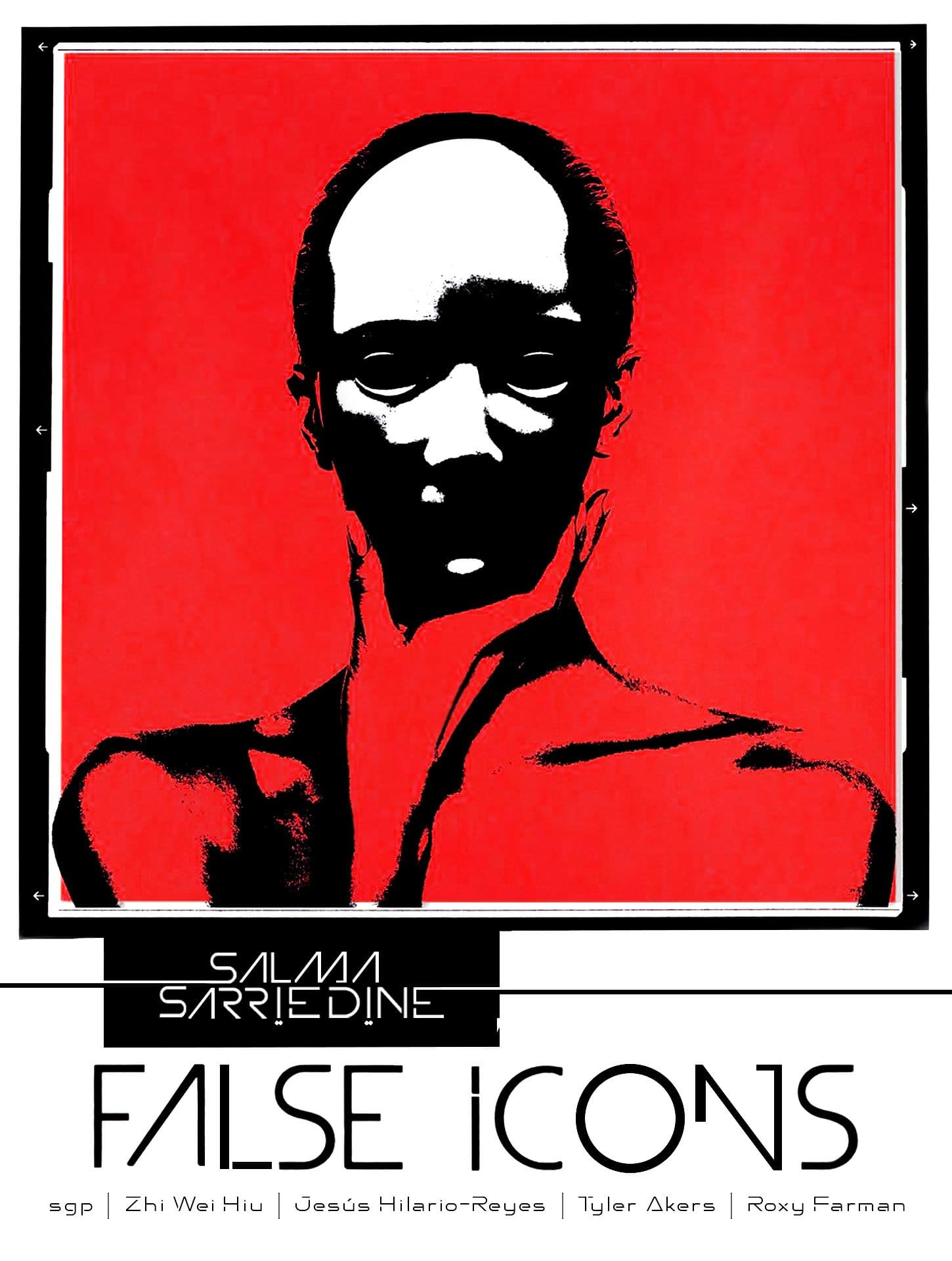
Salma SarriedineTyler Akers Roxy Farman Jesus Hilario-Reyes Zhi Wei Hiu Sgp False Icons brings together work by artists whose practices defiantly transcend disciplinary boundaries and theoretical frameworks. If interdisciplinary is, “yes” and antidisciplinary, “is and isn’t;” not to make a stake on unclaimed space, but to trace new pathways that we can collectively use to navigate to a different future- because it has to be different. Wall murals, spectral sculptures, and architectural glitches transform and sit within, on, and of the gallery space like un-bordered constellations, offering ways of seeing galaxies yet invisible in the negative space between stars. Here in this dark matter, phantasms and falsehoods beckon with promise instead of deceit, even revealing a new way out. Here, icons transubstantiate their own iconography. Tyler Akers’s nine foot long sculptural, ceiling mural is inlaid with oil and acrylic stretched canvas. Inspired by Byzantine and Gnostic illuminated manuscripts and the artist’s own Appalachian folk art heritage, Akers’s work honors and pays tribute to the generations of artists and queer elders lost to the AIDS epidemic during a time that reckons with their erasure. Roxy Farman is a New York based artist, writer, and musician. In False Icons, Farman presents one part of an originally five-part installation called Sacrificial Scam. The iteration on view consists of a three-paneled wall piece made of plexi, silicone, clay, acrylic, and ink transfers. Each element, color, shape and form within Sacrificial Scam references specific incidents and contradictions. The failed, the fraudulent, and the transcendent is expelled and expressed in a graphic representation or sigil. Zhi Wei Hiu’s artworks sit between wall work, steel sculpture, installation, and photopraph. Bookless spines, rolled up negatives featuring the artist’s body, firing pins from M-16/AR-15 rifles and lotus seedpods are meticulously assembled to look like violently chic surveilling devices. Skeletons of a rifle or a book, or neither. Brooklyn-based Jesús Hilario Reyes merges carnival practices with elements from queer rave culture and sonic performance to comment on, mark, and remedy environmentally destructive land use. Central to Reyes’s practice is exploring the impossibility of depicting the black body: a body that is both hyper visible and invisible. Club lights, and what look like parts of a dancefloor in the space of the gallery become phantoms of the queer underground cultures and parties to which Reyes is deeply connected. sgp’s practice strictly uses found and repurposed materials to expose the absurdity and corruption of dominant “care” industries like education, big pharma, and the western medical complex. Their work After Guinea Pig Zero, part I is a spatial interruption—a false wall of sheetrock embedded with video leans on the gallery wall, like a negative of an image embossed on the positive. Together with inkjet prints elsewhere in the gallery space and Nursing Capitial in the bathroom, sgp's installation is almost four-dimensional. —Isis Awad