
Chelsea, New York
Group Exhibition
Amuse: The Art of Enjoyment
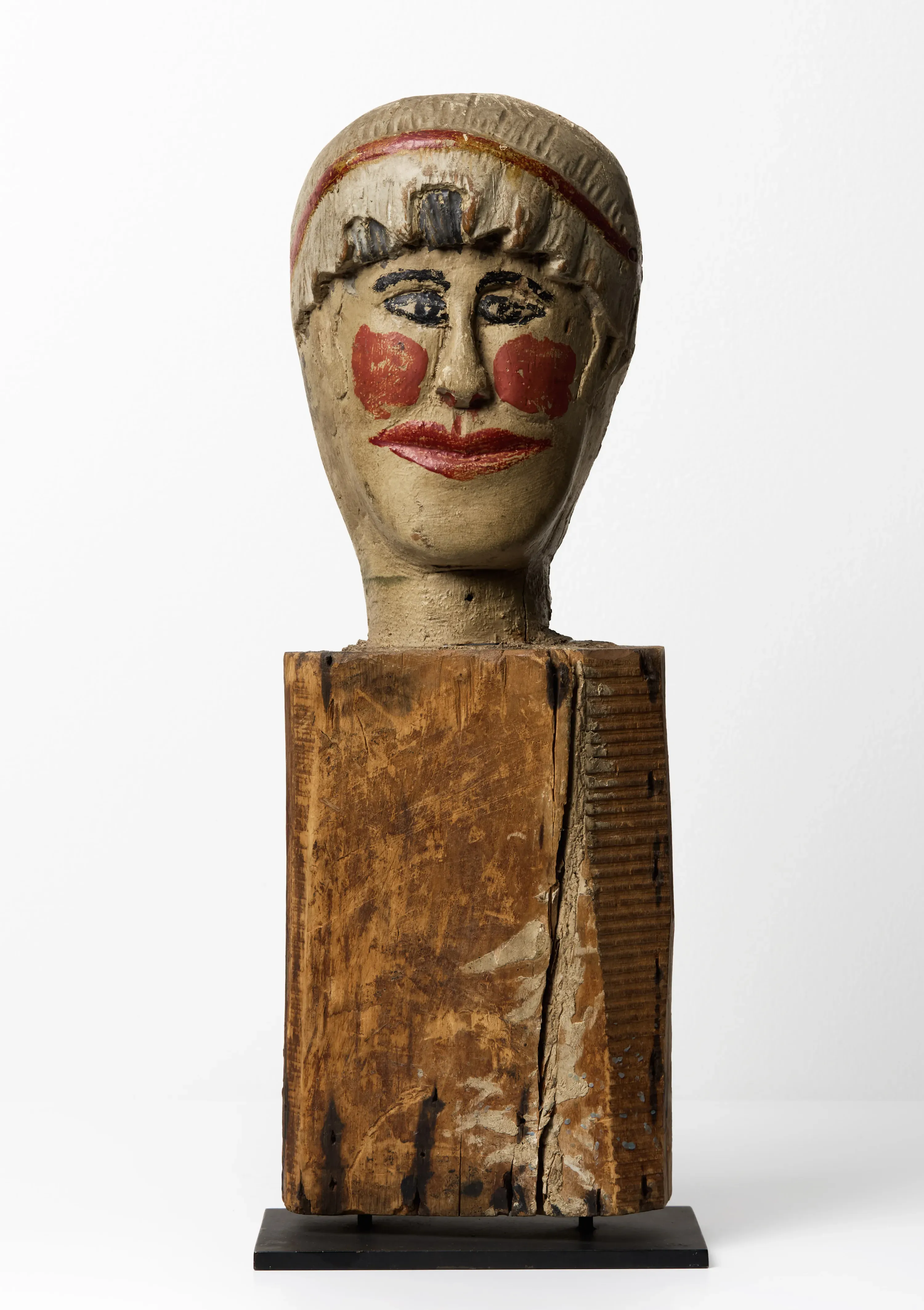
Ricco/MarescaAmuse begins with a promise: a flicker of anticipation, a brief release from ordinary time. To be amused is to enter a pocket of space where the stakes are lower and the colors seem brighter. It is in this territory, shaped by pleasure, fantasy, and their enduring role in American visual culture, that the exhibition unfolds. The works presented here were never meant for quiet rooms. They were made for boardwalks and midways, small-town carnivals, basements, and kitchen tables where families turned an evening into a game. Their surfaces once lived beneath seaside light and bare bulbs, in the salt air of Coney Island and the dust of traveling fairs. Seen in a gallery, what remains is their distilled essence: fields of color, pathways, circles, silhouettes, and a whisper of nostalgia. Coney Island remains one source of that imagination. Following Ricco/Maresca's 2006 exhibition Dreamland, Amuse returns to a world where entertainment was built as fantasy, spectacle, and escape. Game boards, toss targets, circus maquettes, photo-props, banners, and carved figures reveal amusement as something vivid and physical: a form of play, theater, and transformation. Game boards, toss targets, unique circus poster maquettes, photo-props, and banners are the objects that once made amusement visible and believable. Some reduce play to its essential forms— grids, circles, pathways—until chance itself begins to look like geometry. Others make amusement theatrical and vividly human. A bathing-beauty banner, a carnival photo cutout, a carved knock-down figure, and a homemade ventriloquist head invite laughter, desire, or unease. The charged strangeness of this world is concentrated in J. Sigler’s sideshow banner, Nature’s Mistakes. Framed like a proscenium and painted in searing color, it records a time when physical difference was advertised as entertainment and sold as shock. Today, entertainment often arrives weightless, delivered through screens and designed to vanish as quickly as it appears. Against this, the works in Amuse assert the value of contact. Their surfaces still register the work of the hand: brushmarks, stenciled forms, worn edges, the density of paint on wood. They remind us that amusement was once something grasped, thrown, turned, struck, or moved across a surface. The pleasures they propose are not virtual or disembodied; their fantasy does not float free of the world, but is built through physical experience.