
Hannam, Seoul
Group Exhibition
Three Rooms
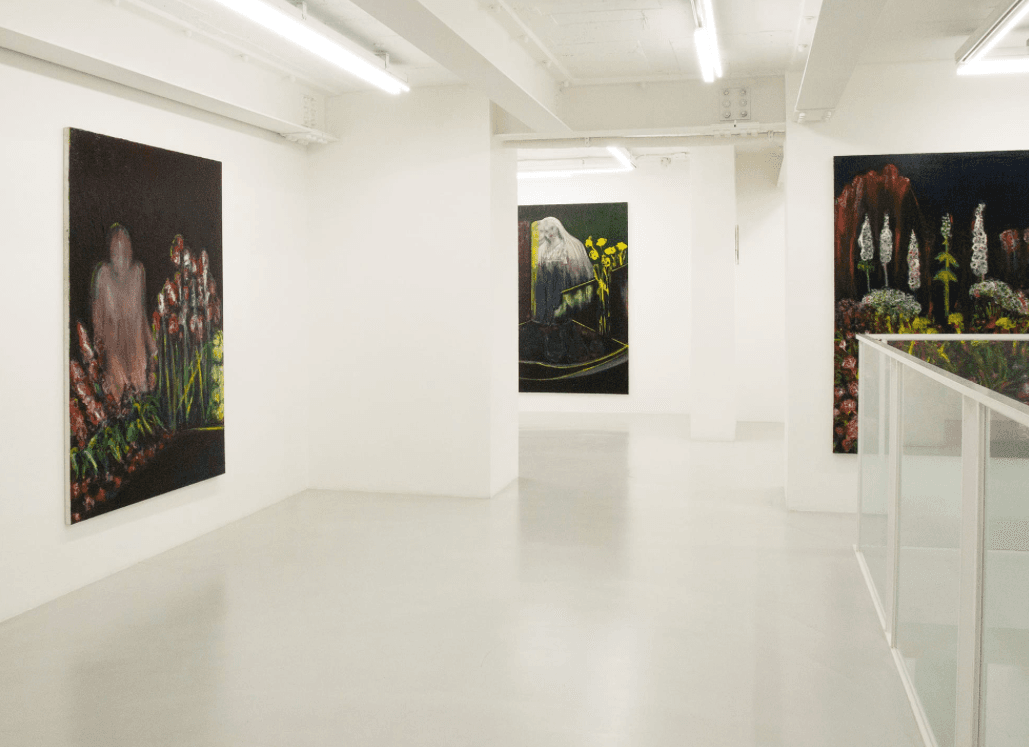
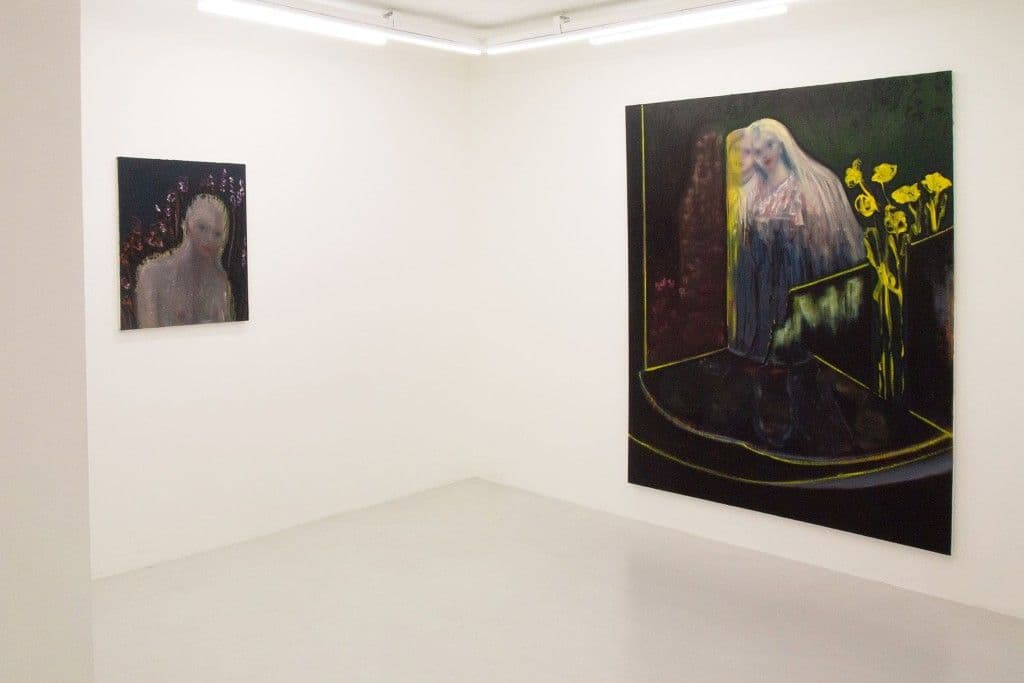
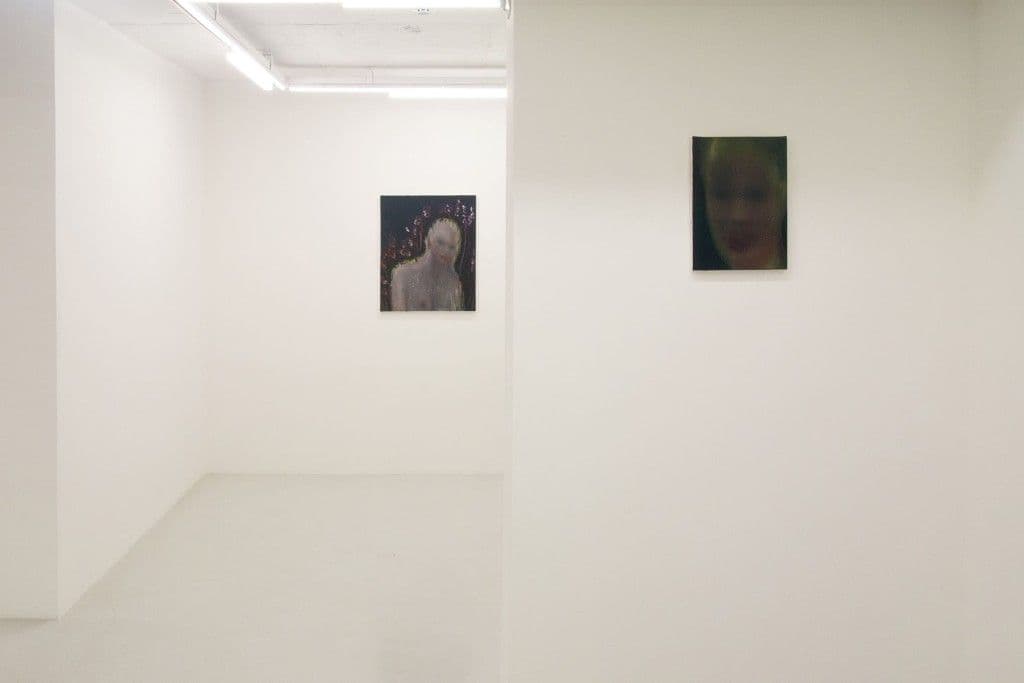
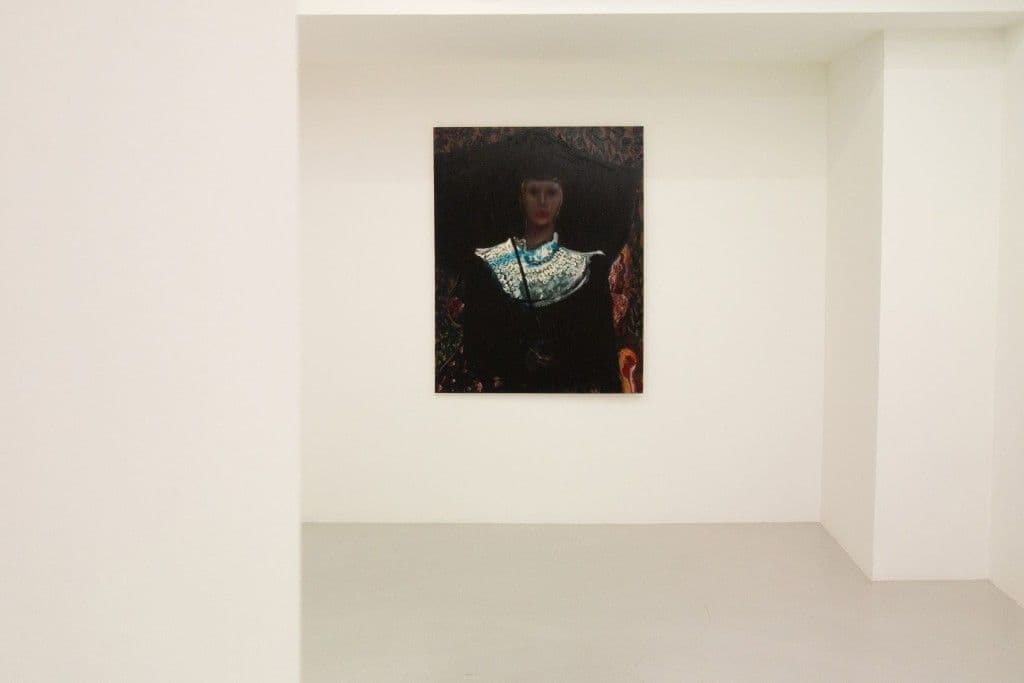
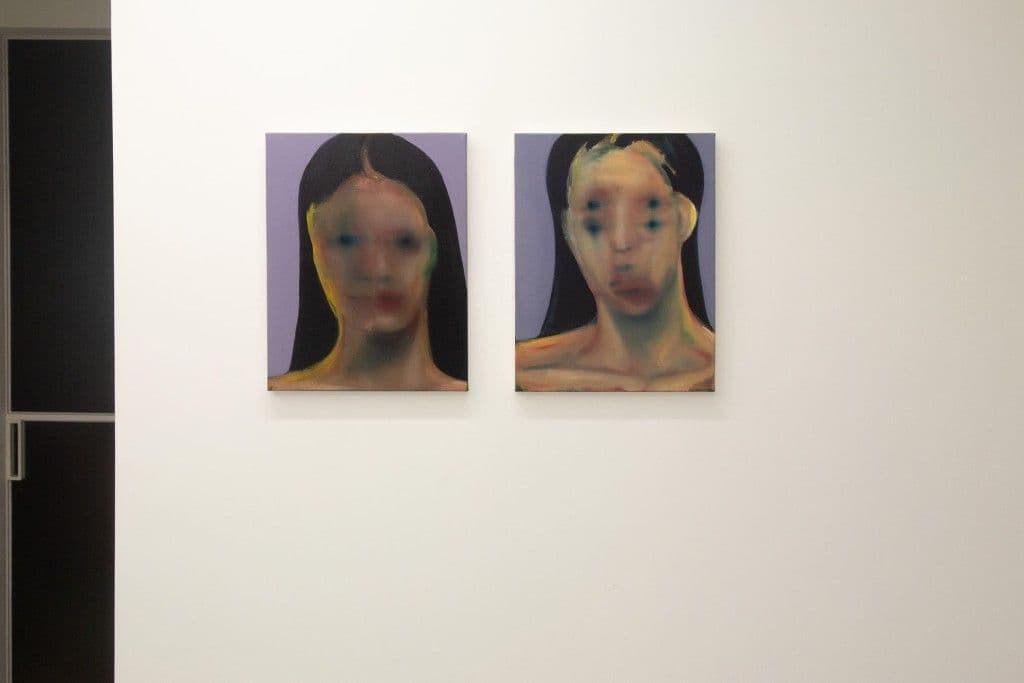
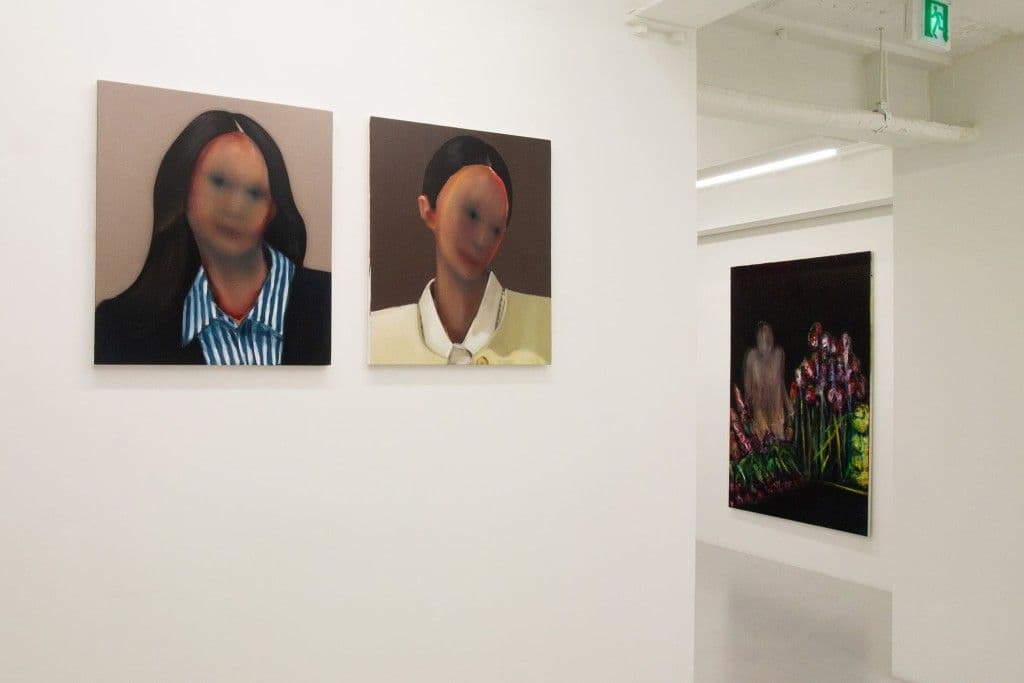
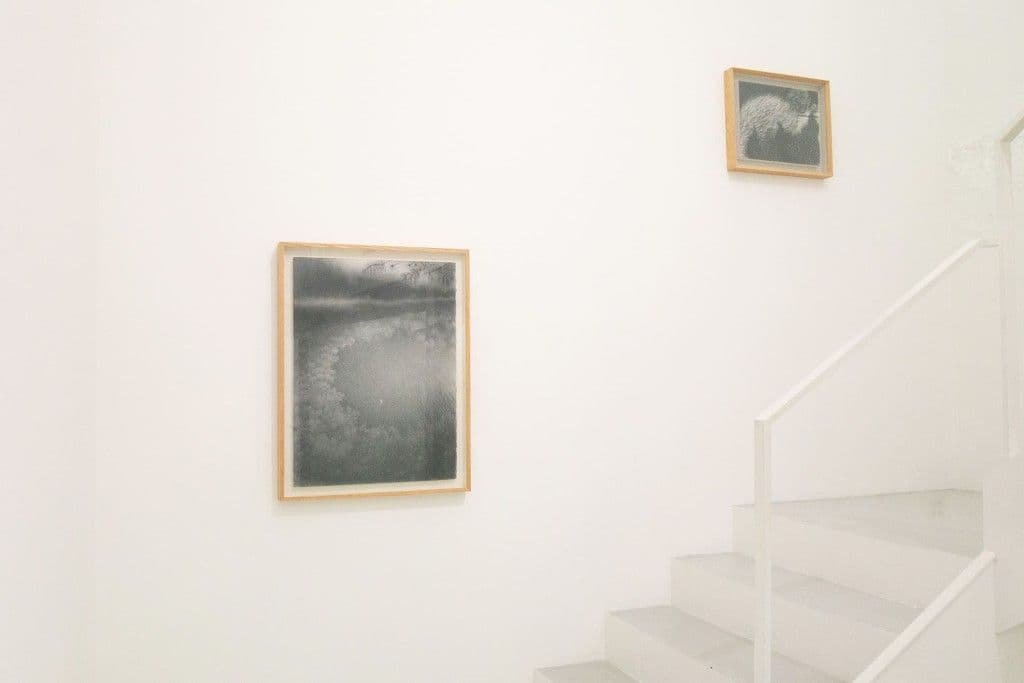
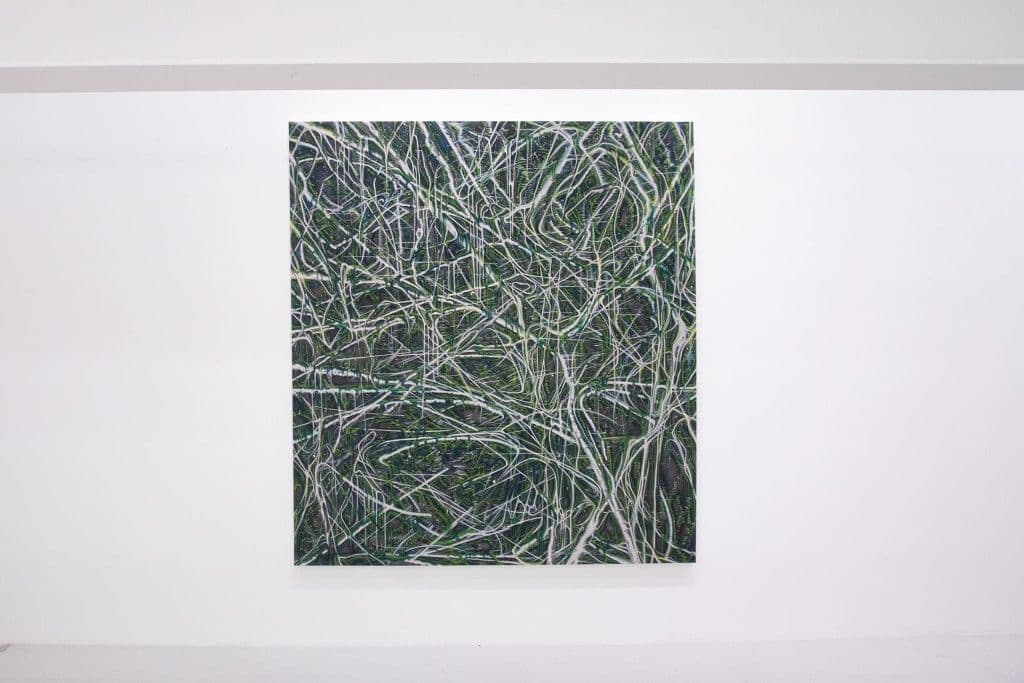
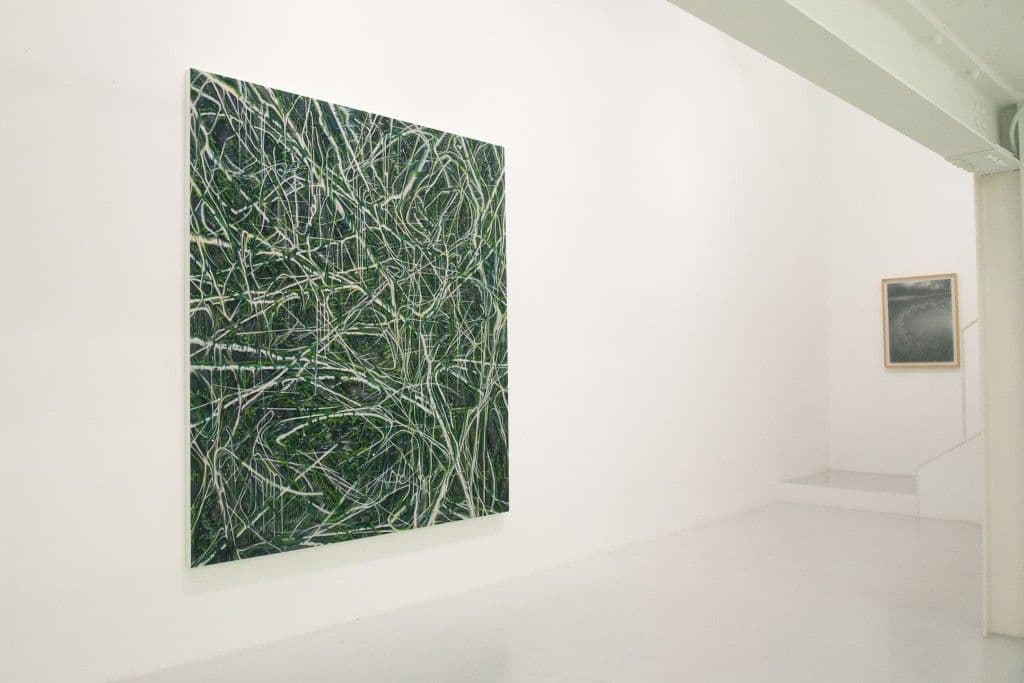
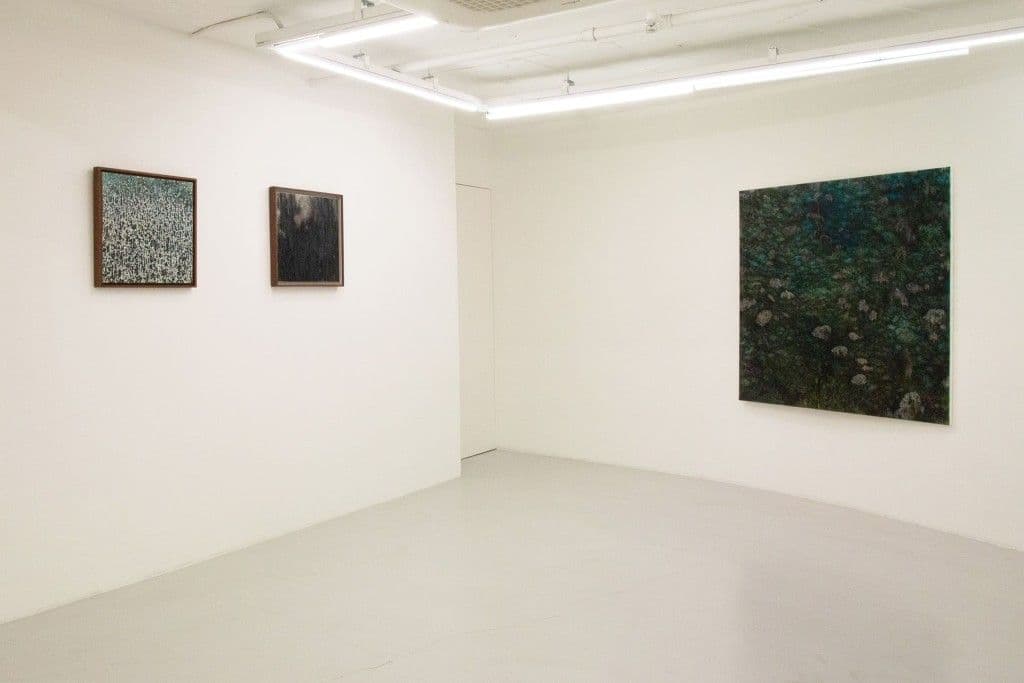
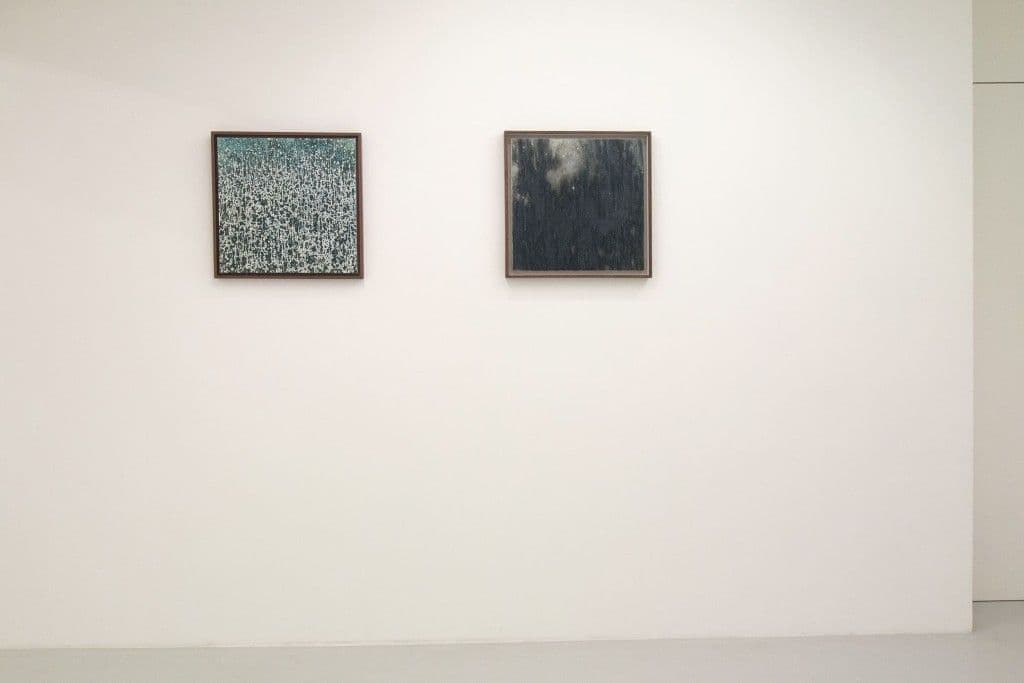
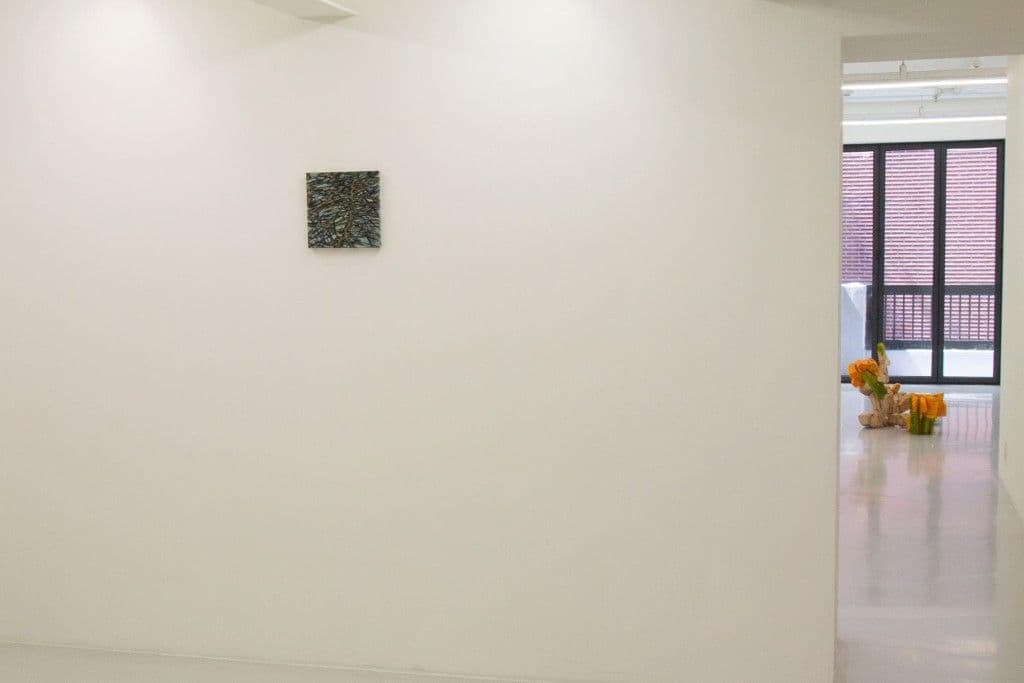
Gallery SPJin Han Jaeheon Lee Donghoon Rhee Let's go back to the beginning. Strictly speaking, it is not a return to the original form, but try to recall the moment when an individual's event occurred and face that moment again. It starts from one room. This is the minimum space and time where a person's thoughts and gestures are improved, and a secret world hidden from the outside. Although this place is sometimes opened to the public through housewarming events, visitors still cannot see the place in its entirety. From the time they were scheduled to visit, the owner of the room had arranged the room to accommodate them. Perhaps, unless you are one with owner's body, the room will remain an area of contemplation and an invisible sight that will be kept secret from the public. A space that cannot be objectively designated as ‘such a place,’ a microscopic world that cannot be assumed to exist because it cannot be seen, and the unknown of individuals who are dismissed as everyday life and have not been highlighted by history, are primordial realities that would have been neglected. On the other hand, a room may not exist solely as an architectural form. If it is a space whose existence is hidden from the gaze of others, it may also be an area where the properties of the room are established. And there, no externally pressured choices are required to be accepted by anyone. The thoughts, encounters, and expressions that take place here are existential rather than social. The secret room, where intimate communication based on intuition and emotion is allowed instead of linguistic establishment and public opinion, embraces the individual as a place rather than as a single unit. Gallery SP presents Three Rooms, composed by Donghoon Rhee, Jaeheon Lee, and Jin Han. The exhibition revived traces of the exhibition space that was used as a residence before being remodeled into White Cube, and was created as an intimate space to face uncertain existence. The exhibition hall, a public space that has lost its function as a room, is again called a ‘room’ and is presented as a temporary residence where artists can closely encounter the mysteries they encountered in their daily lives. Although the resulting visual aspects and materials are clearly separated, the three artists have in common a tendency to capture or transform the lightness of existence into a deep space within the limited area of the medium. Donghoon Rhee, who captures the spontaneous movements of living creatures as sculptural moments instead of unfolding them through a timeline; Jaeheon Lee, who depicts an unfathomable vacuum by overlapping and erasing the faces of several others within a single character; and memories and historical materials that reveal vague traces of existence. Jin Han, who returns to painterly movement by relying on, guesses and represents the essence of an unclear existence with his fingertips from a moment she accidentally witnesses, and imprints it within herself as a clear space and time. However, other than the clear impressions and emotions left in the minds of artists, moments that disappear without a trace cannot fully materialize. Even if recorded through photography or if similar situations are encountered repeatedly, the event/existence disappears from sight right before its identity is revealed to them. In a situation where clear evidence and observations are lacking, artists touch the materials according to the images formed on the retina and the memories engraved on the body. Between the vague appearances in reminiscence and the material in reality, the artists express microscopic shapes that were not commonly expressed in language as clear reality through contemplation and non-scientific research. That reality is not the original form of existence, but an image and form constructed in time and space of moments of contact and separation between the artist and beings. In this way, artists secretly think about the existence of everyday life that exists but is considered non-existent and shows the aspect of settling in space as a semi-abstract form. Here, in Three Rooms, close beings encountered in the lives of Donghoon Rhee, Jaeheon Lee, and Jin Han, but distant moments that cannot be given up even if they are known, are hidden. Here, ‘three’ is not directly translated as a special symbol or specific quantity. From the moment the exhibition hall, which consists of five rooms, is divided into three rooms, ‘3’ is not a physical state but merely a coincidence and arbitrary relationship. If you want to face the identity of beings, you must enter the room. Even at the moment of entering, the viewer may encounter rooms that are not fully open within the room. Depending on the situations facing existence in the three rooms, 3 can mean 5, 10, or more. The clear boundaries of space and time will be known only to each person who has stepped into the space, not numbers. In the crossroads of choice made by chance, the way to encounter the unclear reality of existence is through a series of approaches, self-direction towards it, and through existence through the entire body rather than a conceptual definition of existence. Therefore, the ‘three rooms’ are not spaces divided into three, but rather rooms where chance encounters can be discovered in coincidental passing and names can be called out. —Kichan Yang