
Belleville, Paris
Masanori Tomita
Lamella
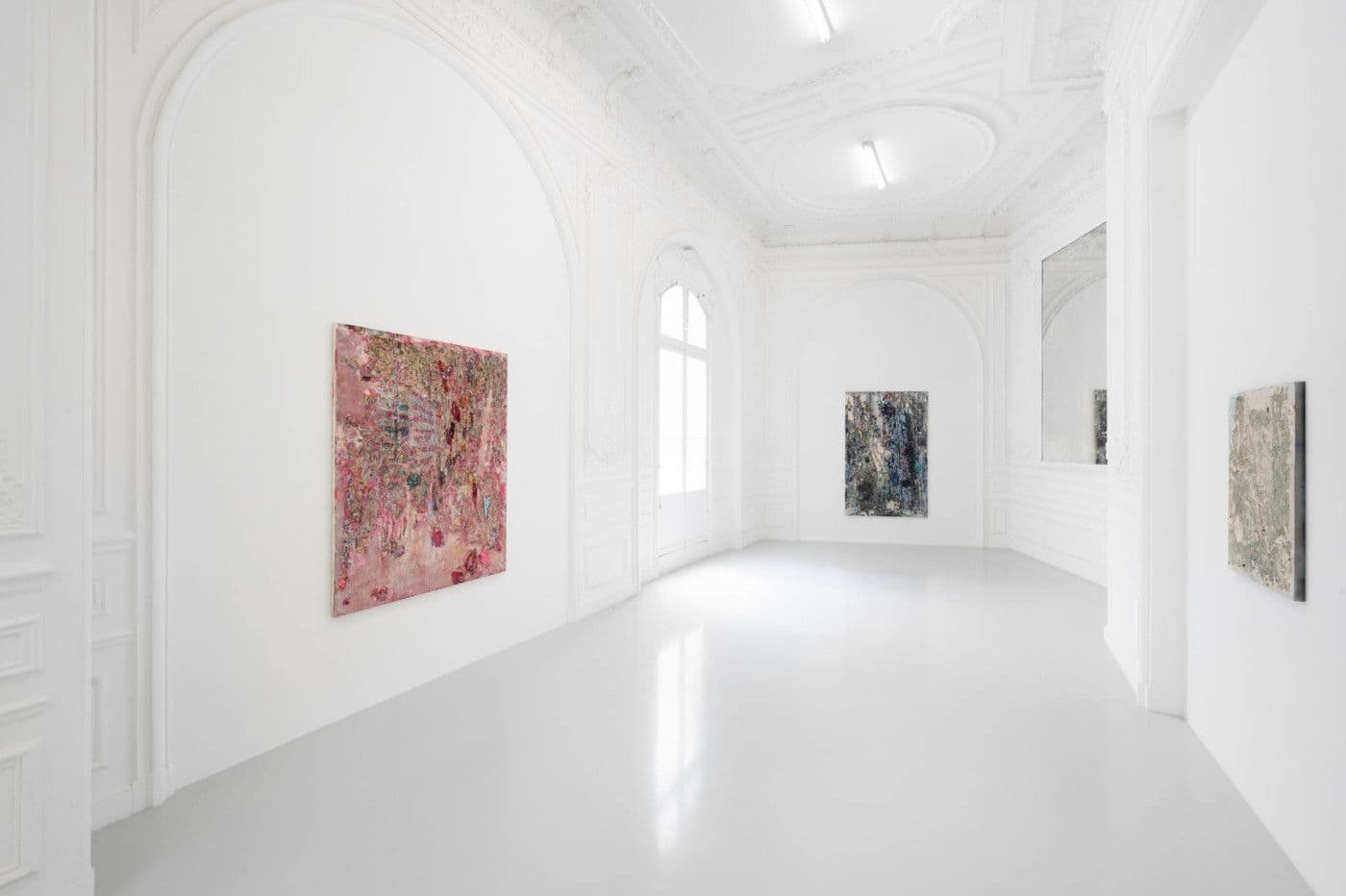
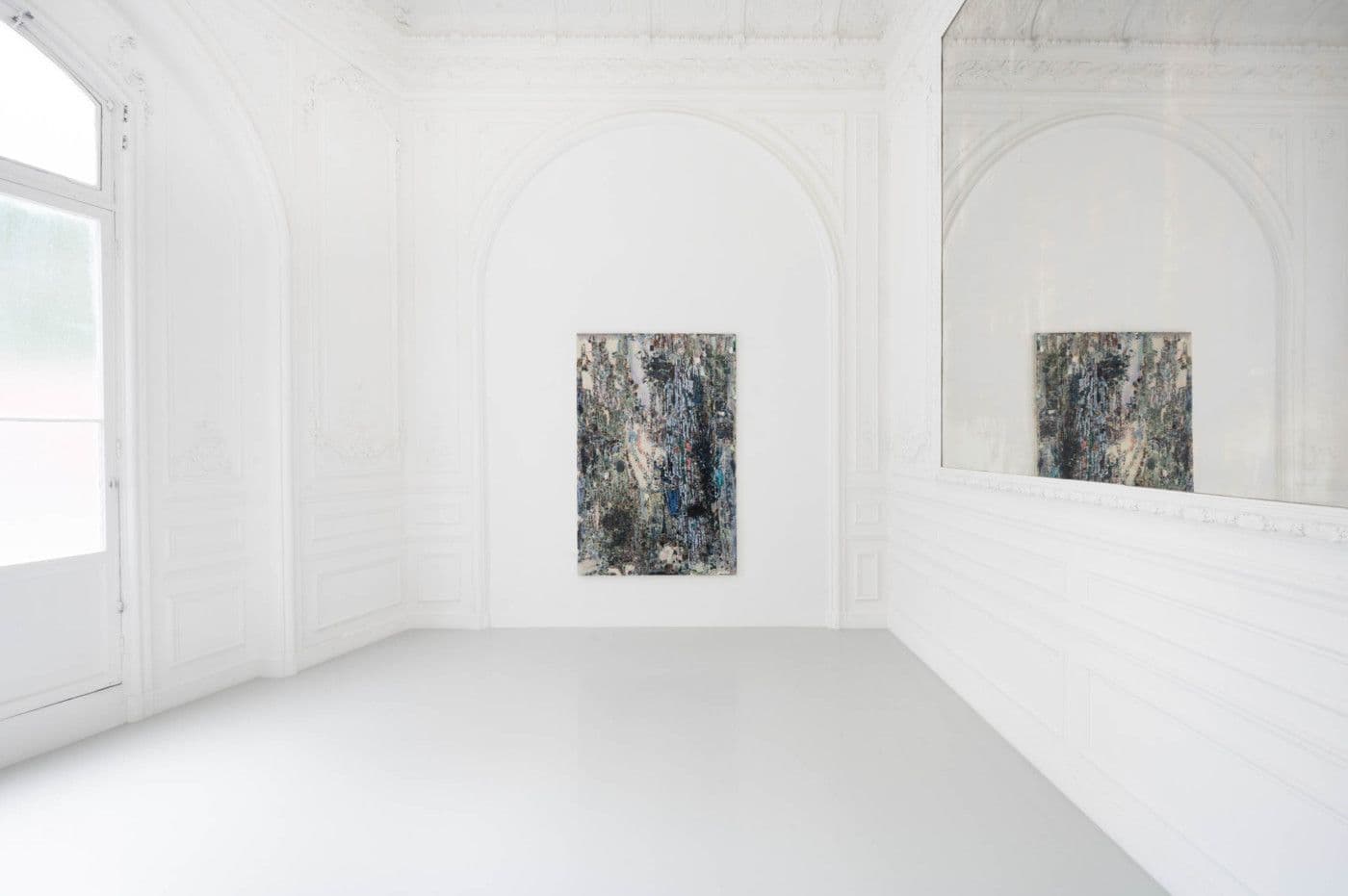
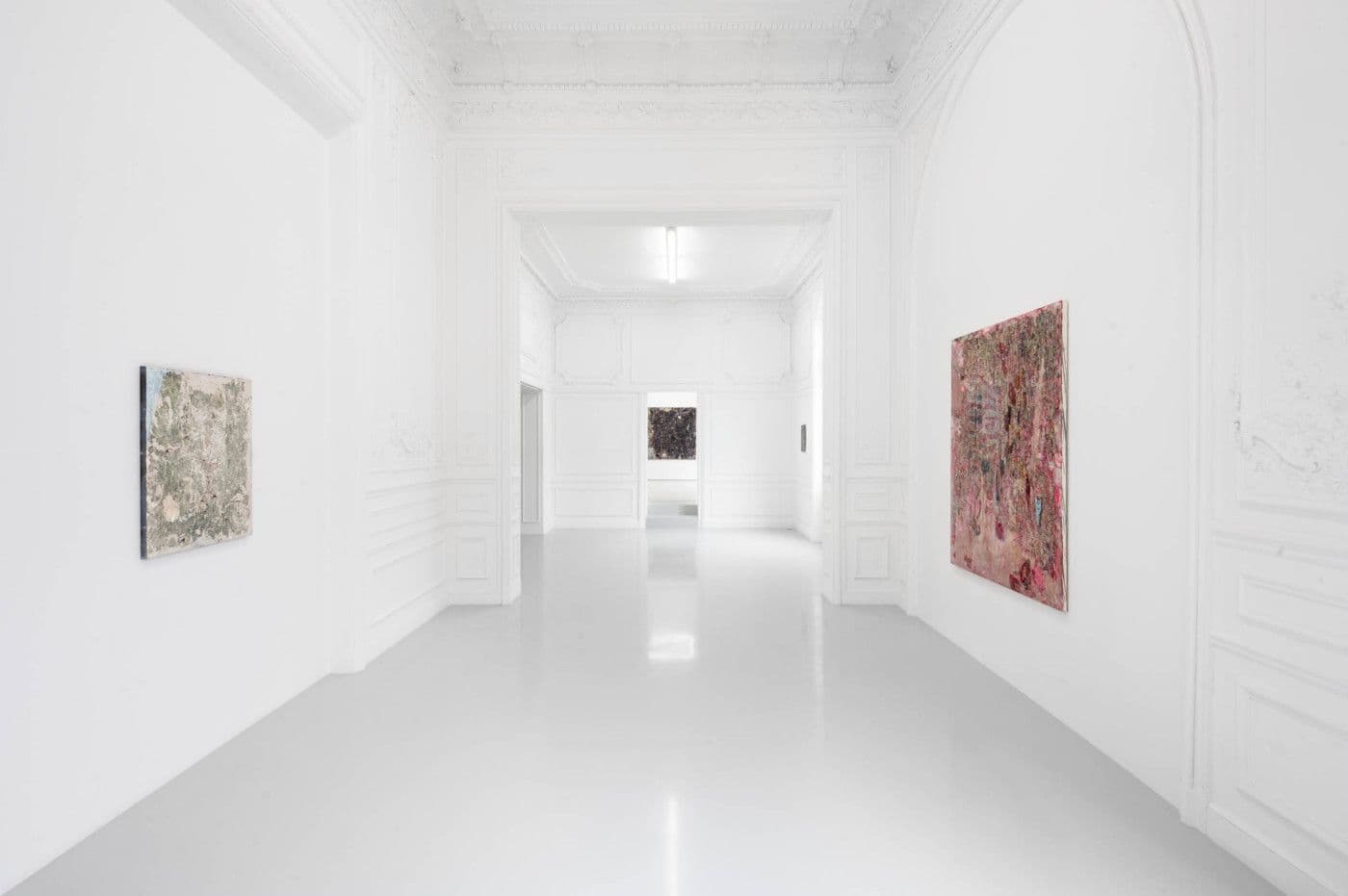
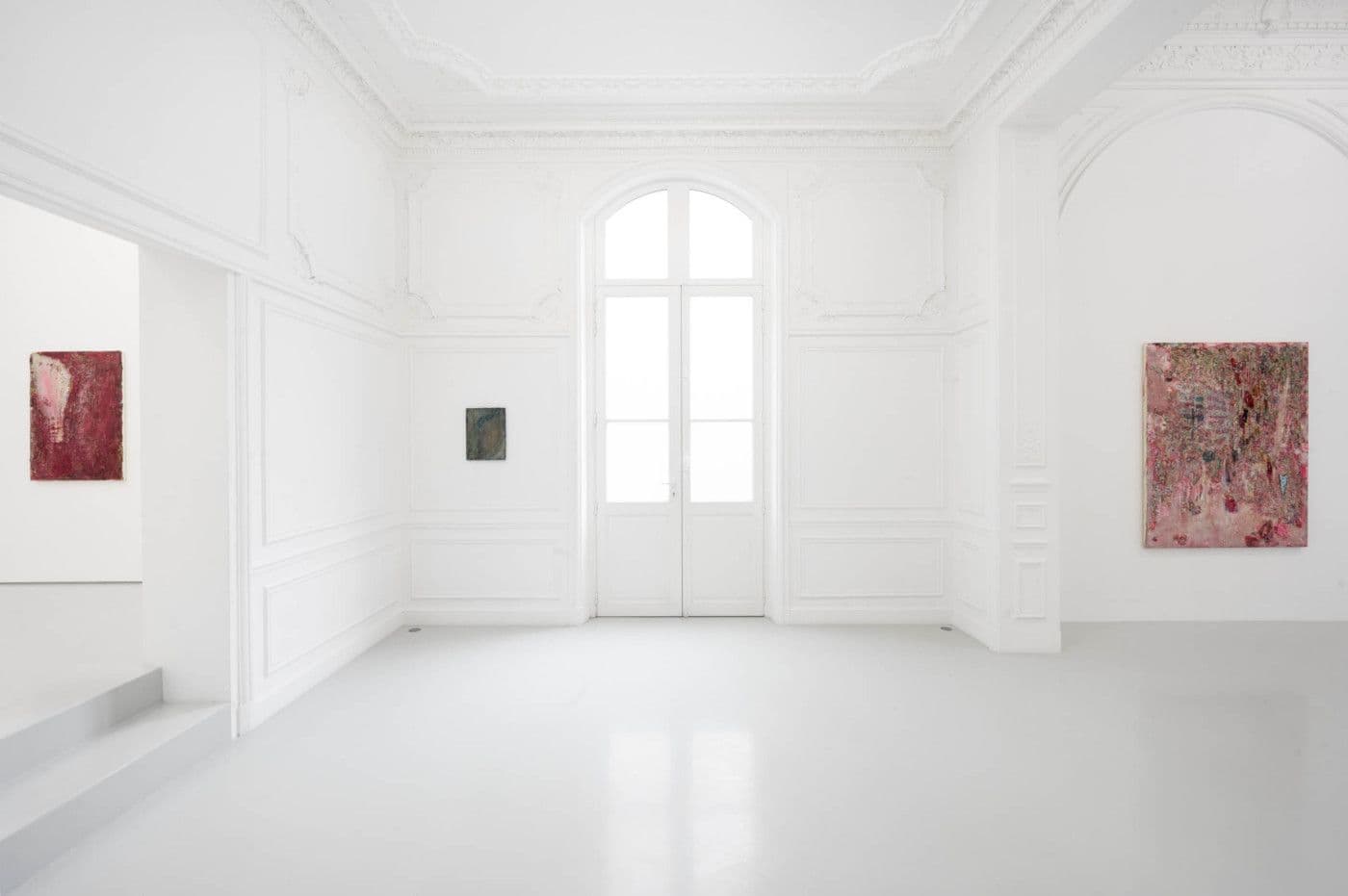
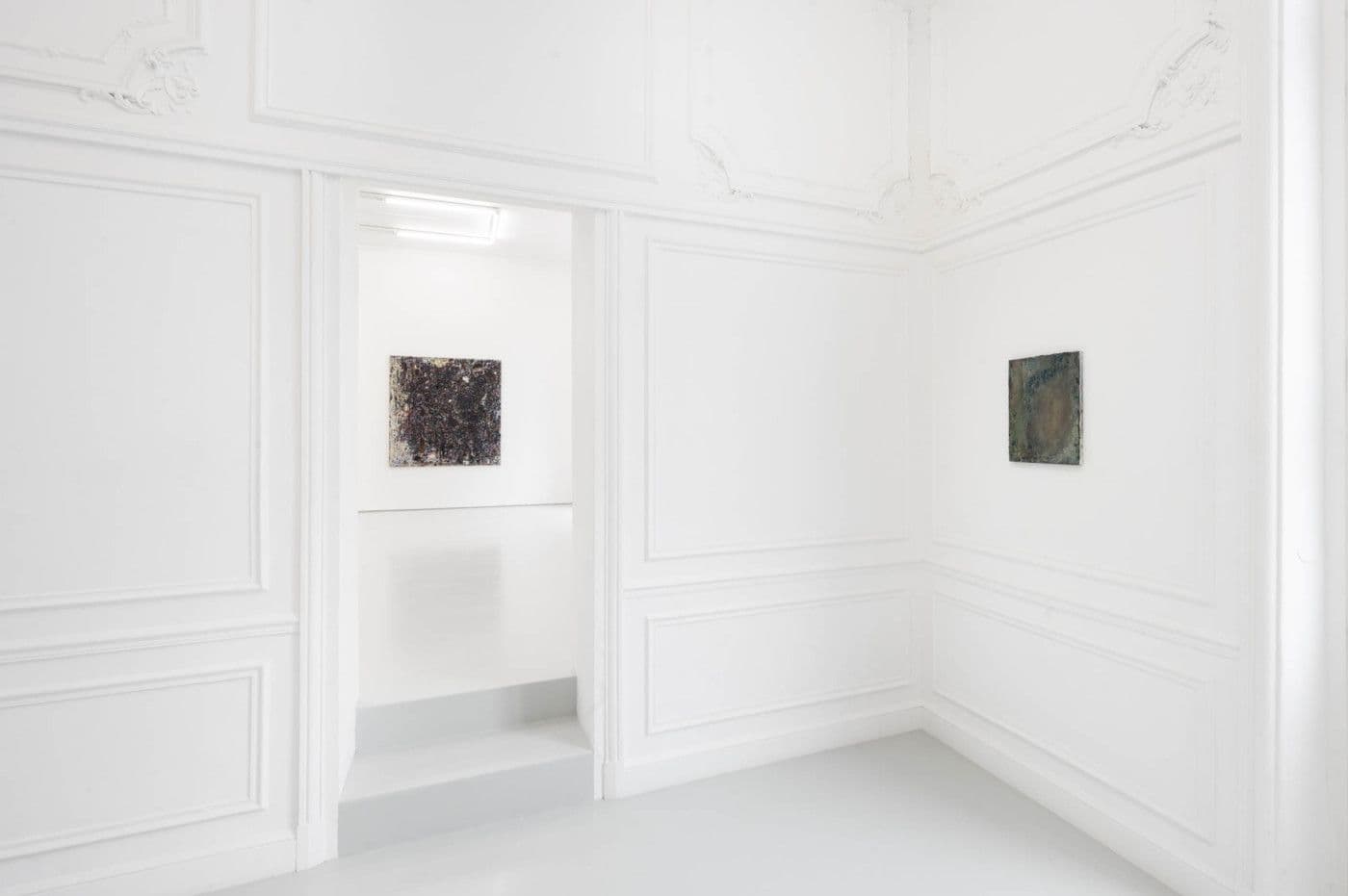
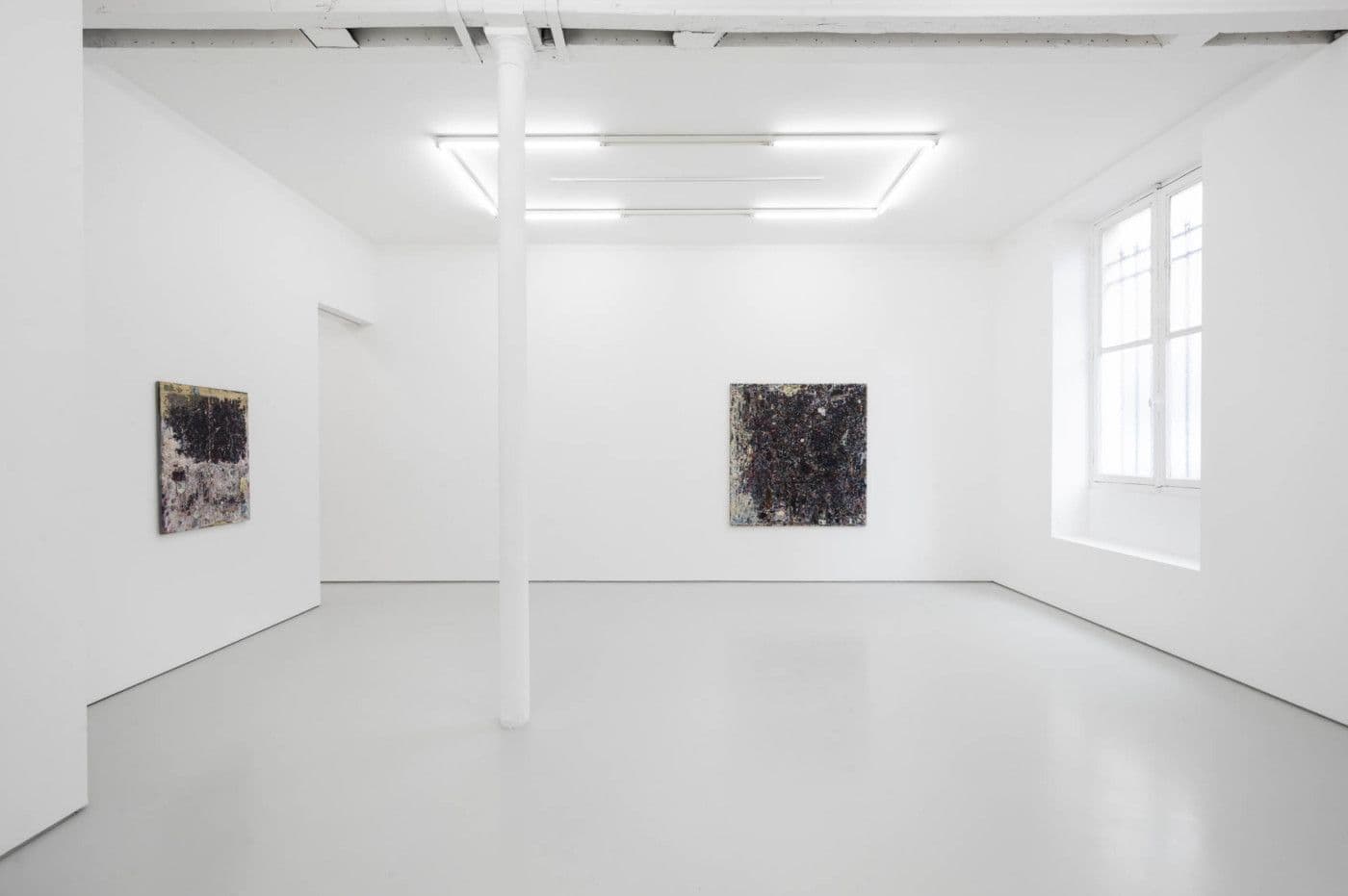
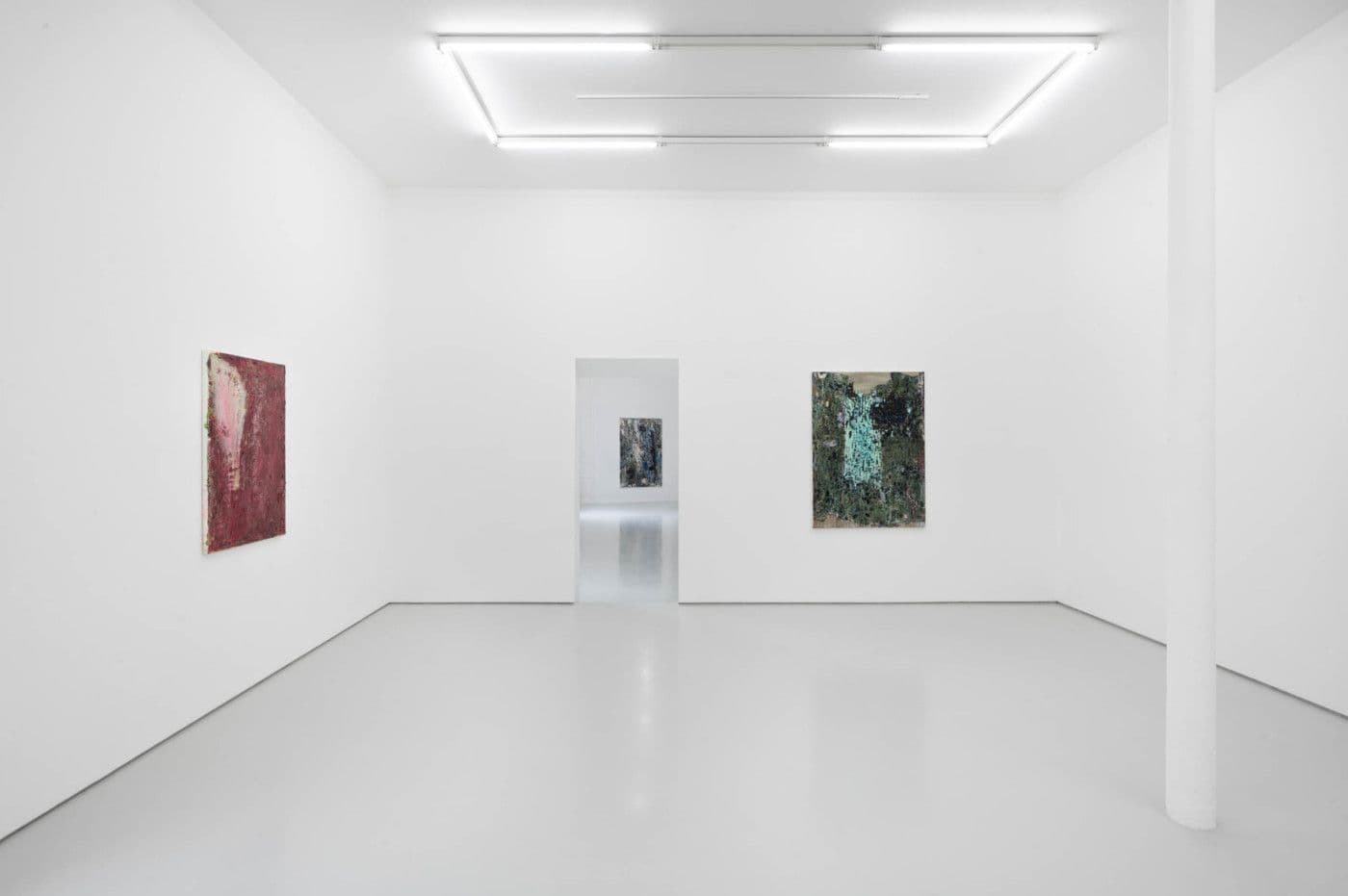
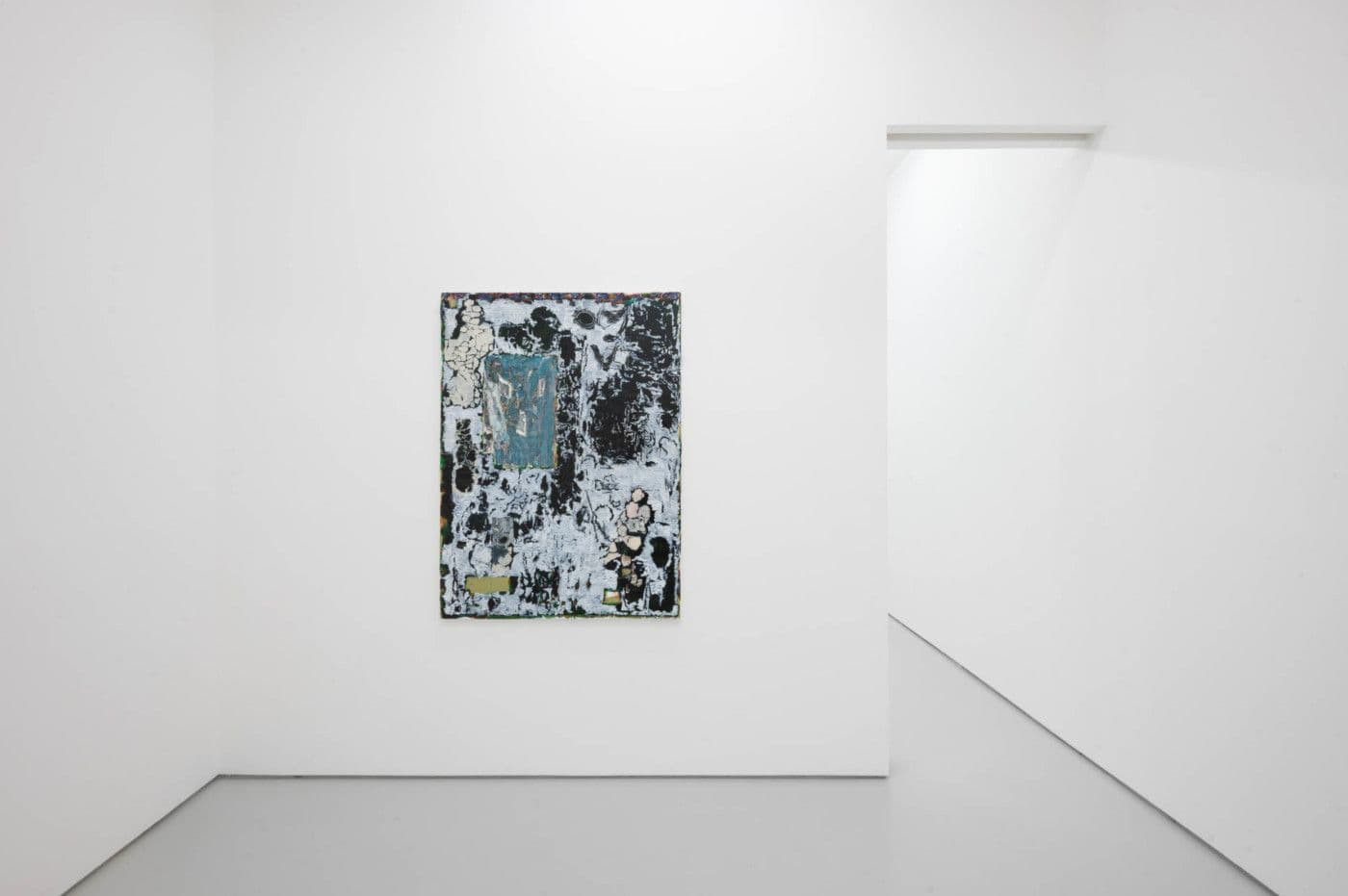
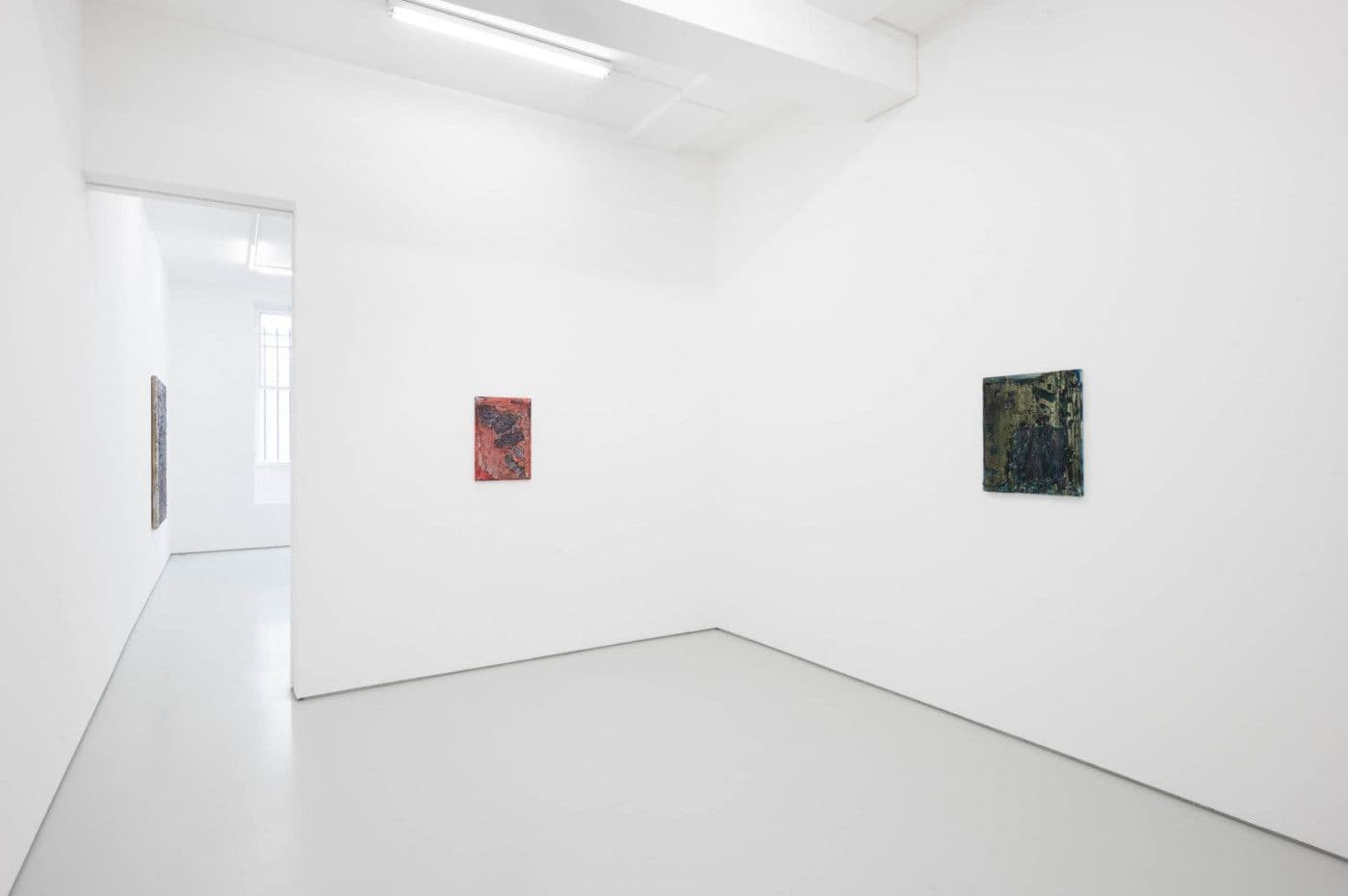
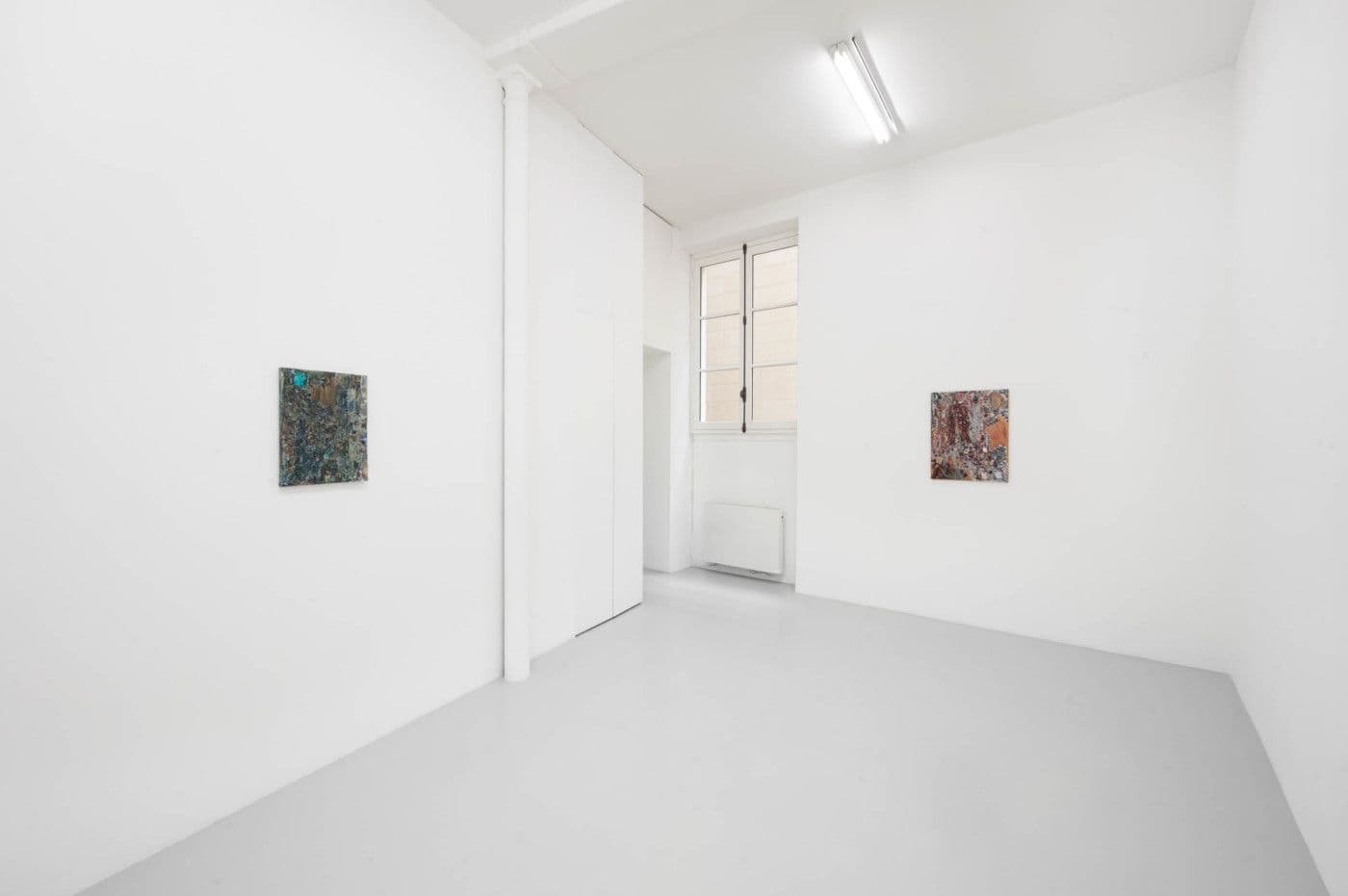
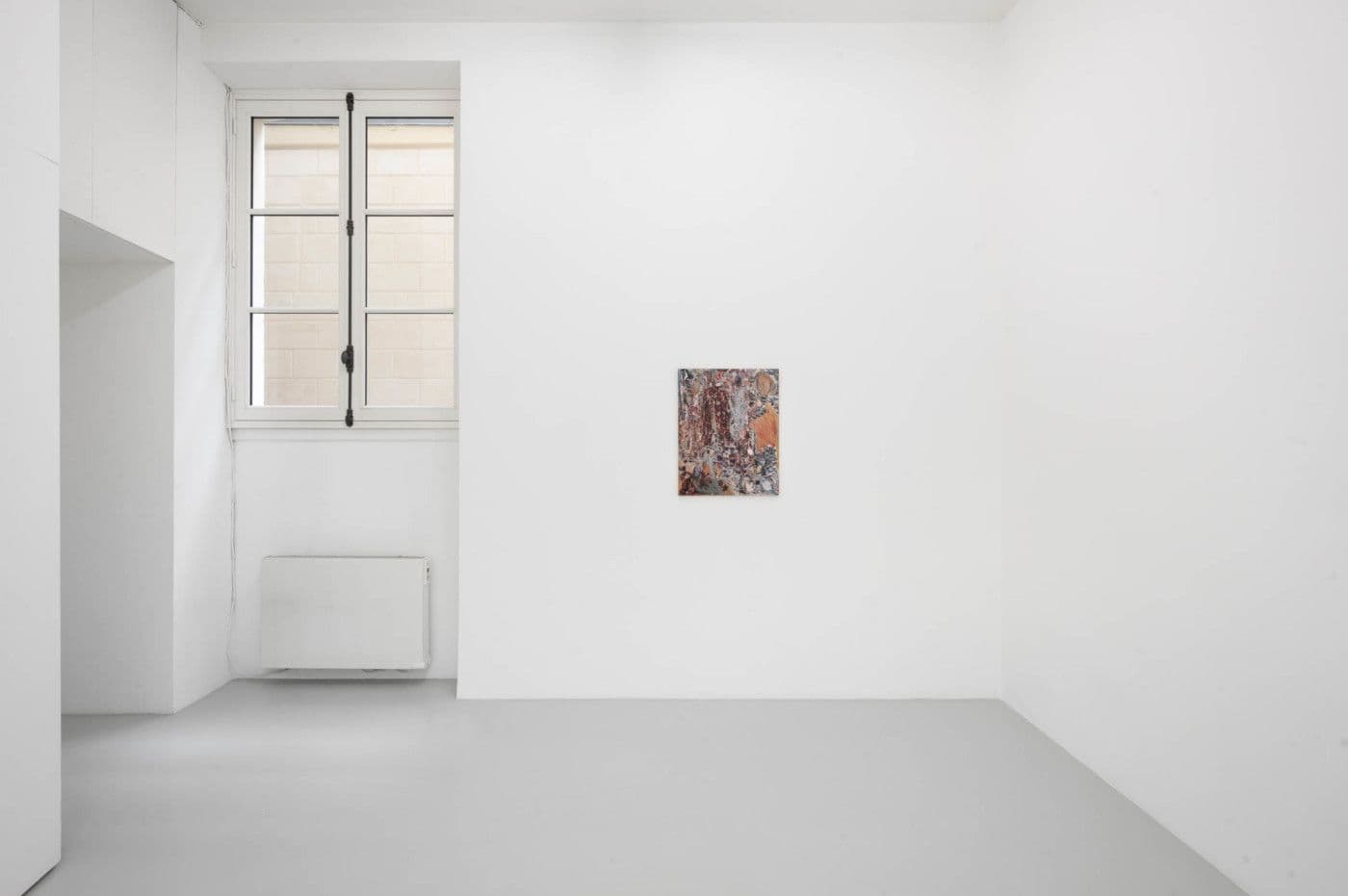
High Art[Scroll down for French version / Veuillez trouver ci-dessous la version française] It slipped and was caught It appeared because it came off Connected, then interrupted Hidden or exchanged Sometimes not bitten while drinking Sometimes drinking without biting Becomes the prey for the eyes Serves as a supplement for the stomach There is a place where whispers are heard comfortably The absence of commotion in front leaves something behind Something rich passes through the throat and suddenly disappears Something light transforms into a part of heaviness Overlap and become softer Sometimes, when swaying, it becomes rigid There is too much difference, and balance is maintained Ideas when adjustments cannot be made When something is caught, something is released It is an act of moving a little It cannot remain still. "Lamella, I slipped through the cracks and came here." The phrase "ラメラ" (Lamella) in the original Japanese expression doesn't have a clear subject and can be interpreted as a word that represents the act of slipping through the cracks and coming here, rather than something or someone doing it. However, when translating, the addition of the pronoun "I" in English ("I slipped through the cracks and came here, Lamella") doesn't feel completely out of place. "Moving back and forth, distorting and changing form, a scenery that moves by repeating and vibrating extensively—I swam through all of that, all of it, all of it...” Conveniently or inconveniently surrounded by interruptions and connections, Bouncing back and responding, while soaking in it, The choices seem to increase as you notice, Only to disappear at times, And go somewhere else. —Masanori Tomita Masanori Tomita's immersive paintings encapsulate the essence of everyday experiences with remarkable precision and empathetic attention. His artworks can be seen as fragmented expressions, atomized and delicately crafted to capture the nuances of quotidian life. Through his artistic process, Tomita amalgamates layers upon layers of visual elements, creating a living cosmos of accumulated imagery, perpetual regurgitation, and intentional construction. If there is a discernable path from perception to expression, then there is no doubt Tomita is an artist fated to explore it thoroughly, obsessively mapping a detailed topography of the terrain between that which we optically sense and that which we emotionally feel. His creative practice encompasses various mediums, including producing notes, sketches, manga, and painting. These diverse outlets allow him to transmute what he describes as "scraps of things from the clutter" into captivating and dramatic scenic routes that narrate lived experiences. Masanori Tomita was born on 1989 in Kumamoto, Japan, he lives and works in Saitama, Japan. Recent solo exhibitions include: Kayokoyuki, Tokyo; Turner Gallery, Tokyo. Recent group exhibitions include: High Art Arles; Parliament, Paris; Shop Taka Ishii Gallery, Hong Kong; Satoshi Ohno Studio, Yamanashi; Shibuya Hikarie, Tokyo; Space Wunderkammer, Tokyo. ***** Connecté, déconnecté Caché ou remplacé Ne pas boire en mâchant Ne pas mâcher en buvant Nourrir les yeux Nourrir son estomac Il y a un endroit où les chuchotements ont un son agréable Il y a quelque chose qui reste derrière, un bruissement qui n'est pas devant vous. Quelque chose d'épais passe dans la gorge et disparaît soudainement. Quelque chose de léger flotte et devient une partie de la lourdeur. Superpositions, adoucissement Quelque chose d’instable peut devenir dur. Trop de différences en équilibre Des idées pour quand on ne peut pas ajuster Quand on attrape quelque chose, on laisse quelque chose s'échapper Le simple fait de le déplacer légèrement Il faut le déplacer Lamella. ''je suis venu ici en passant par une brèche, Lamella'' A l’origine, “ラメラ “ (Lamella) est une expression japonaise sans sujet. Il ne s'agit pas tant de dire que quelque chose s’est glissé dans les interstices et est arrivé ici mais plutôt que l’acte même de se glisser dans les interstices et de venir est un nom en soi ("Je suis venu ici en passant par une brèche, Lamella"). Le "je" qui apparaît dans la traduction ne semble pas tout à fait déplacé. ''J'ai glissé à travers les fissures et je suis venu ici, Lamella''. 'J'ai profité de l'occasion pour venir ici, Lamella' Aller et venir, déformer et déplacer les formes, se déplacer dans un paysage qui a navigué à travers de vastes répétitions, vibrer et se déplacer, ça, aussi, ça, aussi, ça, Entouré d'interruptions et de connexions, qu'elles soient opportunes ou non. Rebondir sur elles, y répondre, s'en imprégner. Le choix s'accroît avant même que l'on s'en rende compte Et puis il disparaît. Et puis il va ailleurs —Masanori Tomita Les peintures immersives de Masanori Tomita capturent l'essence des expériences quotidiennes avec une précision remarquable et une attention chargée d'empathie. Ses œuvres peuvent être considérées comme des expressions fragmentées et atomisées, délicatement élaborées pour capturer les nuances de la vie quotidienne. À travers son processus artistique, Tomita amalgame couche après couche des éléments visuels, créant un cosmos vivant d'images accumulées, de régurgitations perpétuelles et de constructions intentionnelles. S'il existe un chemin discernable entre la perception et l'expression, il ne fait aucun doute que Tomita est un artiste destiné à l'explorer en profondeur, traçant de manière obsessionnelle une topographie détaillée du terrain entre ce que nous percevons optiquement et ce que nous ressentons émotionnellement. Sa pratique créative englobe différents supports, notamment la production de notes, de croquis, de mangas et de peintures. Cet ensemble de moyens lui permettent de transformer ce qu'il décrit comme des "bouts de choses" en de capturants et spectaculaires itinéraires témoins d'expériences vécues. Masanori Tomita est né en 1989 à Kumamoto, au Japon. Il vit et travaille à Saitama, au Japon. Ses expositions personnelles récentes incluent: Kayokoyuki, Tokyo; Turner Gallery, Tokyo. Ses expositions collectives incluent: High Art Arles; Parliament, Paris; Shop Taka Ishii Gallery, Hong Kong; Satoshi Ohno Studio, Yamanashi; Shibuya Hikarie, Tokyo; Space Wunderkammer, Tokyo.