
Lower East Side, New York
Group Exhibition
Whatever Happened to Gary Cooper?
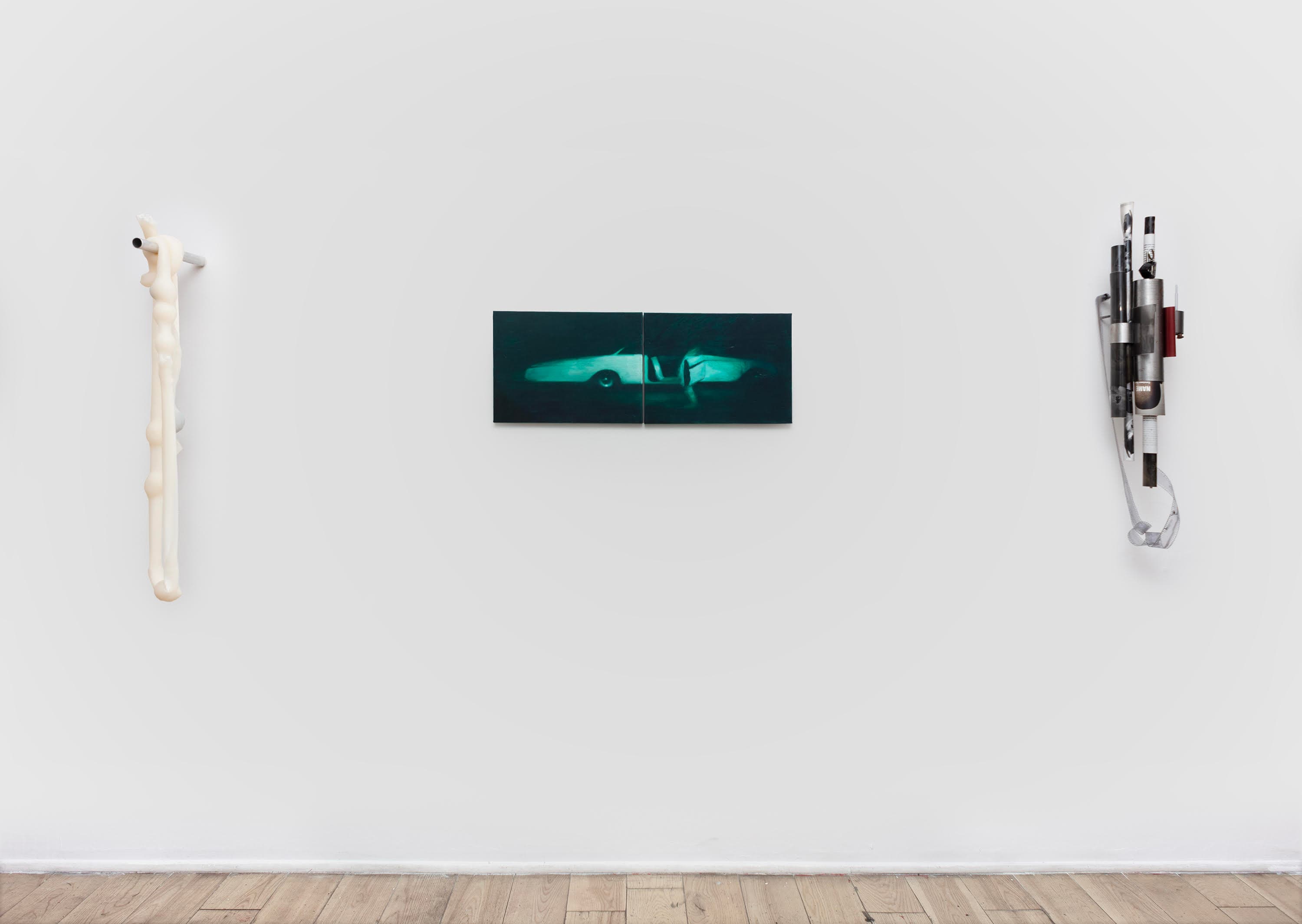
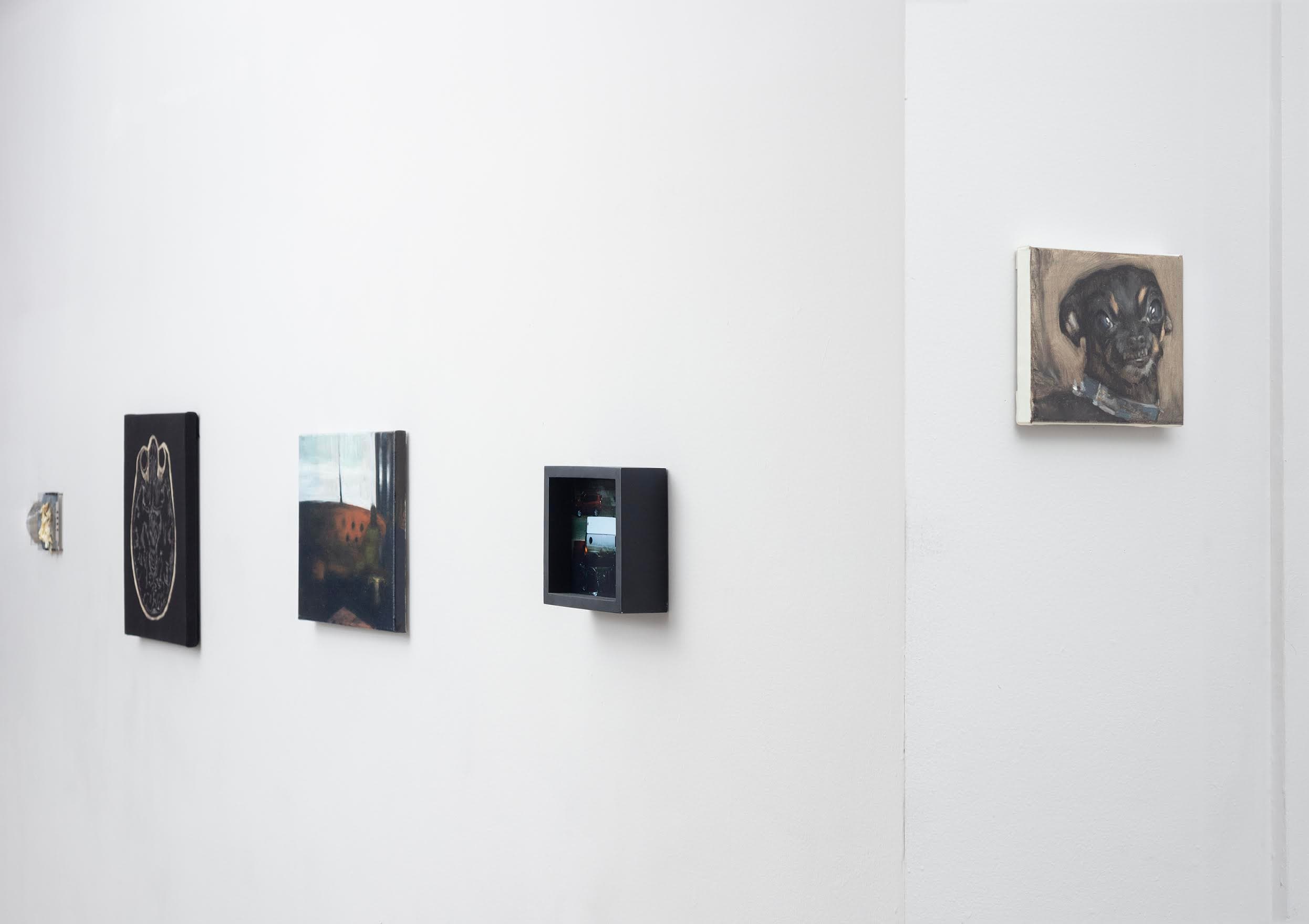
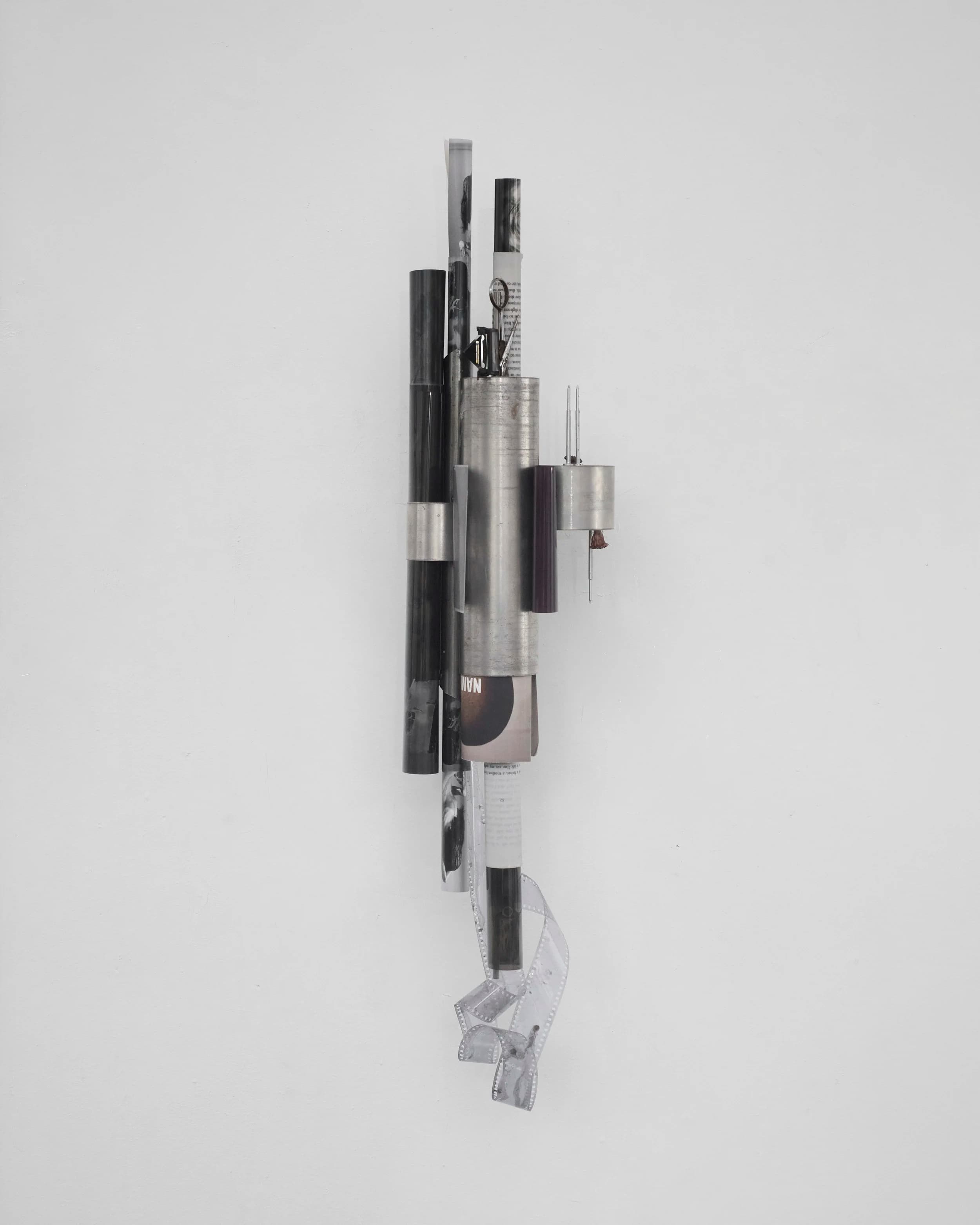
CC JasperRuben Burgess Jr., Mikey Coleman, Cliff Danger, Elliott Decesare, Sasha Fishman, Mark Harrington, Zhi Wei Hiu, Jimmy Johnson, Andrew Nunes, Wade Oates, Mario de la Ossa, Jonathan Podwil, Rob Polidoro, Robert Roest, Jo Shane, Mitch Swenson, Maite Iribarren Vázquez, Izel Villarba, Roxanne Wolanczyk, Mark Wong, Elise Wunderlich “Let me tell ya something. Nowadays, everybody's gotta go to shrinks, and counselors, and go on ‘Sally Jessy Raphael’ and talk about their problems. Whatever happened to Gary Cooper? The strong, silent type. That was an American. He wasn't in touch with his feelings. He just did what he had to do. See, what they didn't know was once they got Gary Cooper in touch with his feelings that they wouldn't be able to shut him up! And then it's dysfunction this, and dysfunction that, and dysfunction vaffancul!” - Tony Soprano played by James Gandolfini. Humans crave classification. Despite the rapid advancements in Humans crave classification. Despite the rapid advancements in technology and day to day life, we are left in a perilous state of technology and day to day life, we are left in a perilous state of over-identity. Signifiers become shortcuts, allowing the harder work of selfhood to disappear into the doldrums of big brain memetics. Taxonomy is the human obsession with naming things. Astrology. Sexuality. Gender. Religion. Pop Culture. These are some of the ways we find group connectivity in the 21st century. How do the musings of a fictitious mob boss overlap with these How do the musings of a fictitious mob boss overlap with these contemporaneous ideas? The answers may be found inside a psychotherapist’s office in Northern New Jersey, or in a gallery not too far away, in downtown Manhattan. I think of the comment made to my cousins and me in our Italian I think of the comment made to my cousins and me in our Italian American family setting “Children should be seen and not heard.” This inherited silencing, passed down like an heirloom, demands a tight-lipped smile as you keep on walking. Examining the way we’re asked from a remarkably young age to fit into a tidy little box, until we’re lowered into a pine one. Wading in the muck of expectations is the darkness of identity; a graveyard shift at the “bada bing!” of your mind, dancing on a pole for Acqua Di Gio riddled men in Tacchini track suits who are dealing in nefarious business behind closed doors. The psyche of the Sopranos is the entry point for the main subject. Maybe the question isn’t whatever happened to Gary Cooper? Rather, whatever happened to certainty? The problem isn’t that we’ve lost ourselves. Perhaps we’ve become The problem isn’t that we’ve lost ourselves. Perhaps we’ve become too eager to name ourselves. too eager to name ourselves. In an attempt to reckon with the “dying” masculine archetype, Tony In an attempt to reckon with the “dying” masculine archetype, Tony Soprano reveals he is the least Gary Cooper person imaginable. Like a terrible YouTube slugline that reads “15 signs You’re a “SIGMA” male (SUPER RARE) & is it better than “ALPHA”?, we sit here on the outskirts of society hoping for an answer to one of the universe’s oldest musings. Tony isn't mourning Gary Cooper. He's mourning the possibility that identity was ever uncomplicated. When discussing "Gary Cooper" and his whereabouts, the cultural fantasy of the "ruggedly tall, dark, and handsome man who never loses his cool topped with chivalry to boot" is similar to a unicorn; this comes across as mythology. Cooper played the machismo cowboy, soldier, and all around Hemingway wet dream for American males to simp over via 35mm film, now more akin to the Andrew Tates and Claviculars of the vertical video streaming era. If Gary Cooper was always fiction, then exhibitions are one of the few places where those fictions can be held up to the light. The works gathered here don't offer replacements for inherited identities, they expose their seams. Rather than proposing another taxonomy to inhabit, they invite us to linger in uncertainty, treating ambiguity not as a failure of meaning, but as meaning itself. Sasha Fishman's living systems, Maite Iribarren Vazquez's shifting sculptural environments, and Mark Wong's unstable material language resist easy classification altogether, where bodies, ecology, and perception begin to collapse into one another. Robert Roest's paintings alongside Jonathan Podwil, Robert Polidoro, Jimmy Johnson, and Mikey Coleman feel less like portraits than performances oscillating between persona and personhood. In quieter ways, Elise Wunderlich, Roxanne Wolanczyk, Jo Shane, Mario de la Ossa, and Izel Villarba turn toward memory, ritual, and emotional inheritance, suggesting that who we are is rarely something discovered so much as something accumulated. Their works linger in the residue left behind by family, culture, and personal history, reminding us that identity is never singular or complete. Gary Cooper hasn't disappeared, he has simply changed clothes. Today he arrives through algorithms instead of cinema, influencers instead of movie stars, aesthetics instead of archetypes. We inherit another myth, give it a new name, rehearse it until it feels inevitable, and once again mistake it for certainty.