
Marais, Paris
Jean-Michel Sanejouand
Espaces Réels, Espaces Imaginaires
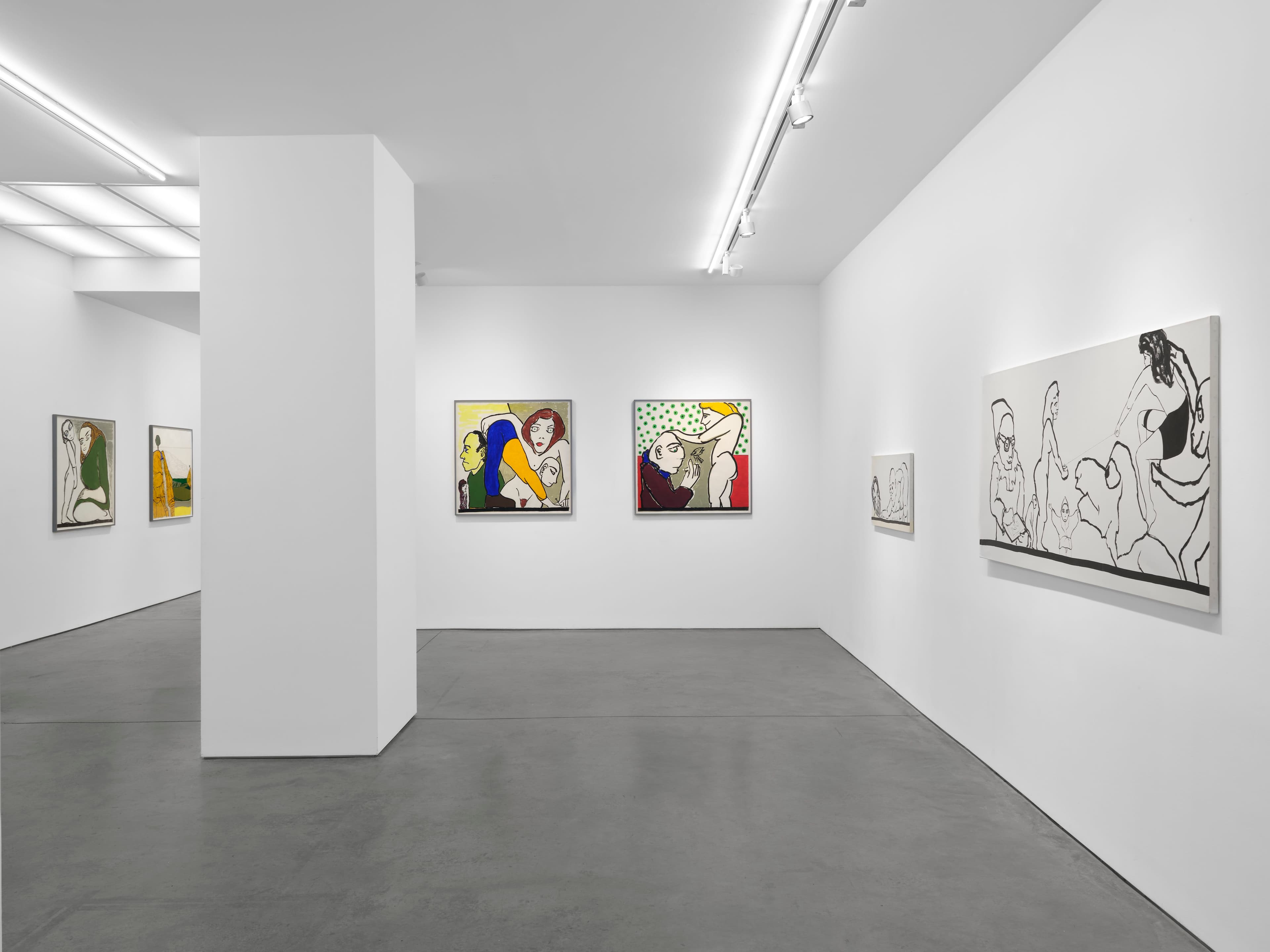
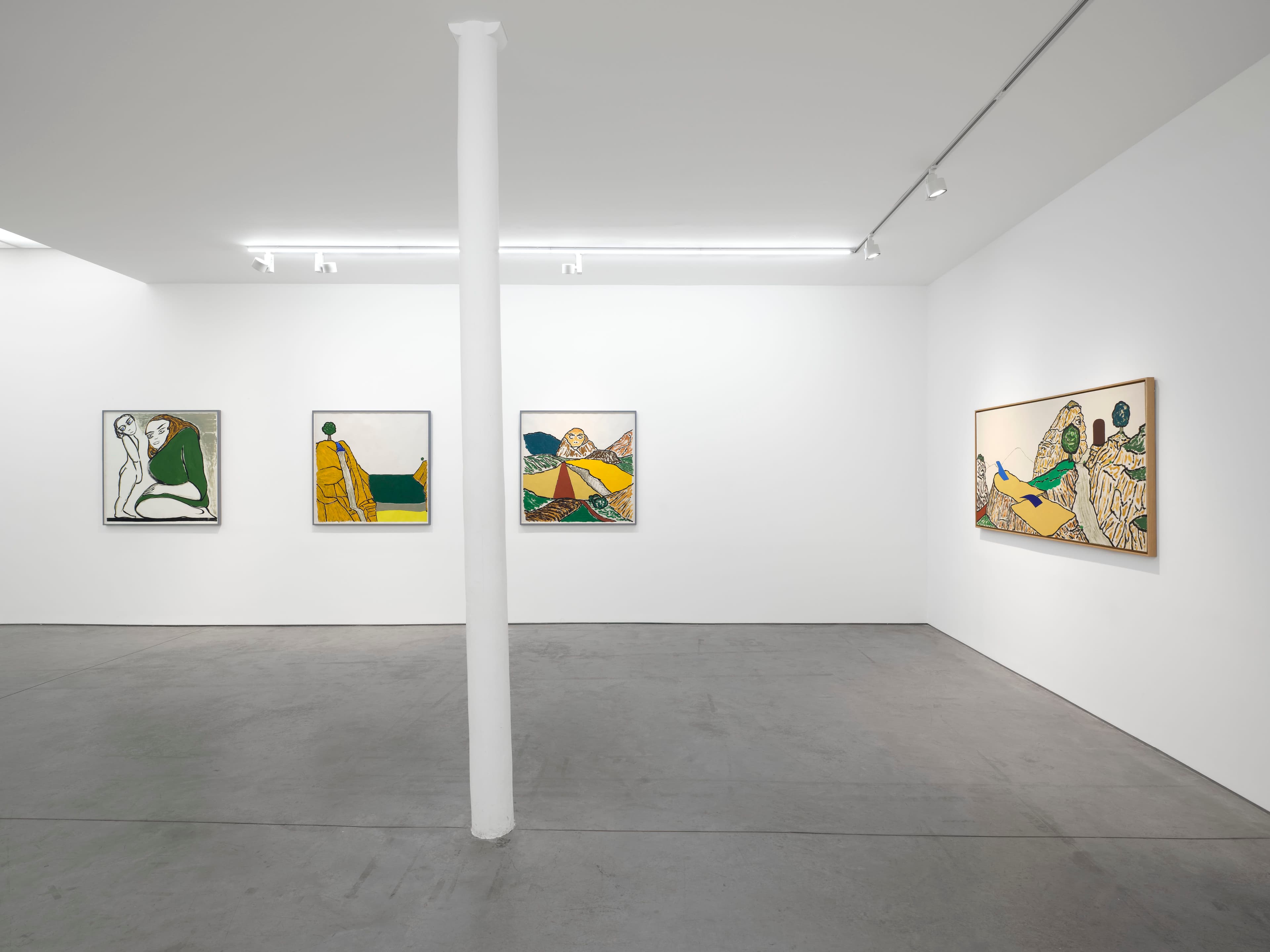
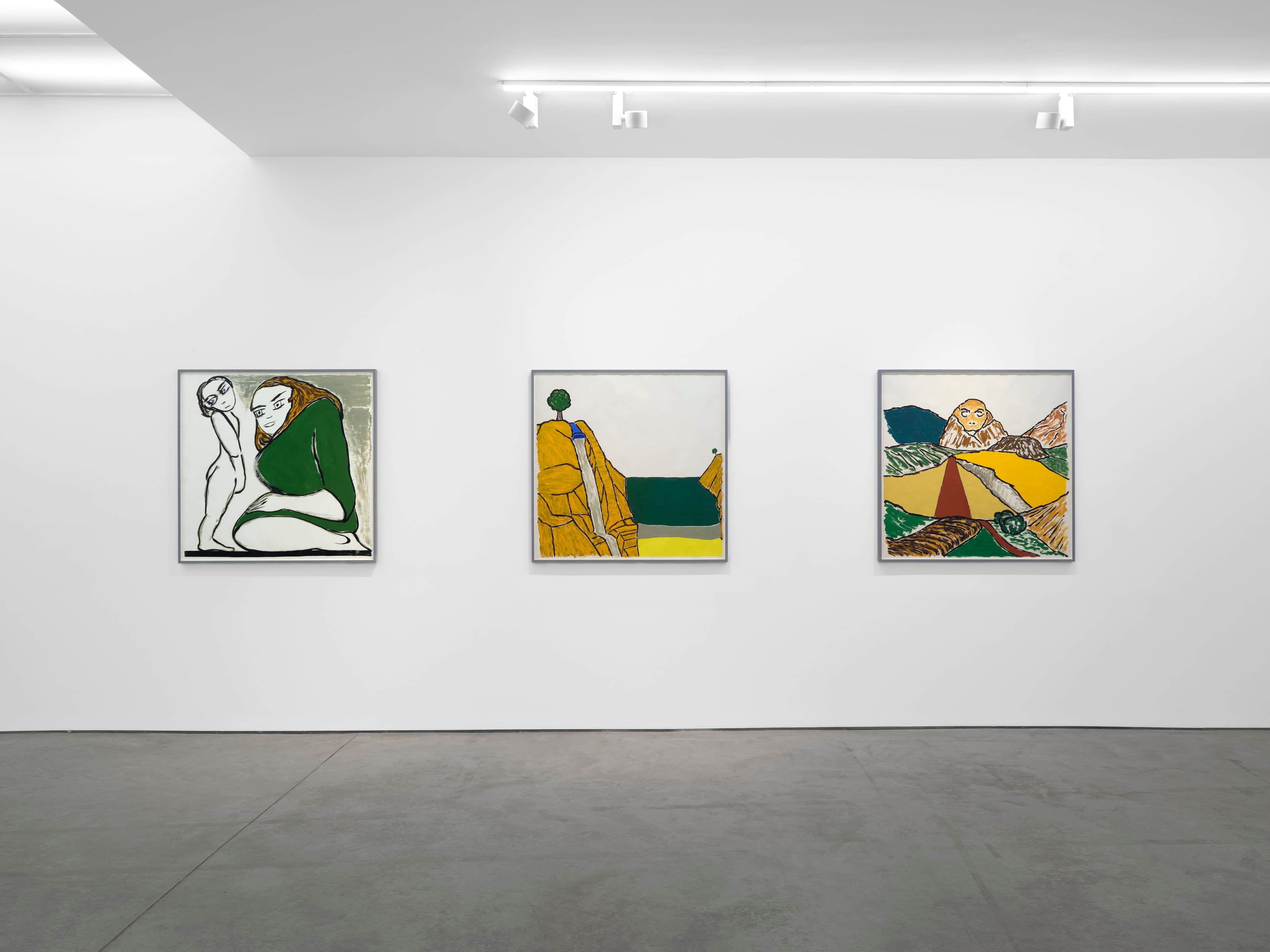
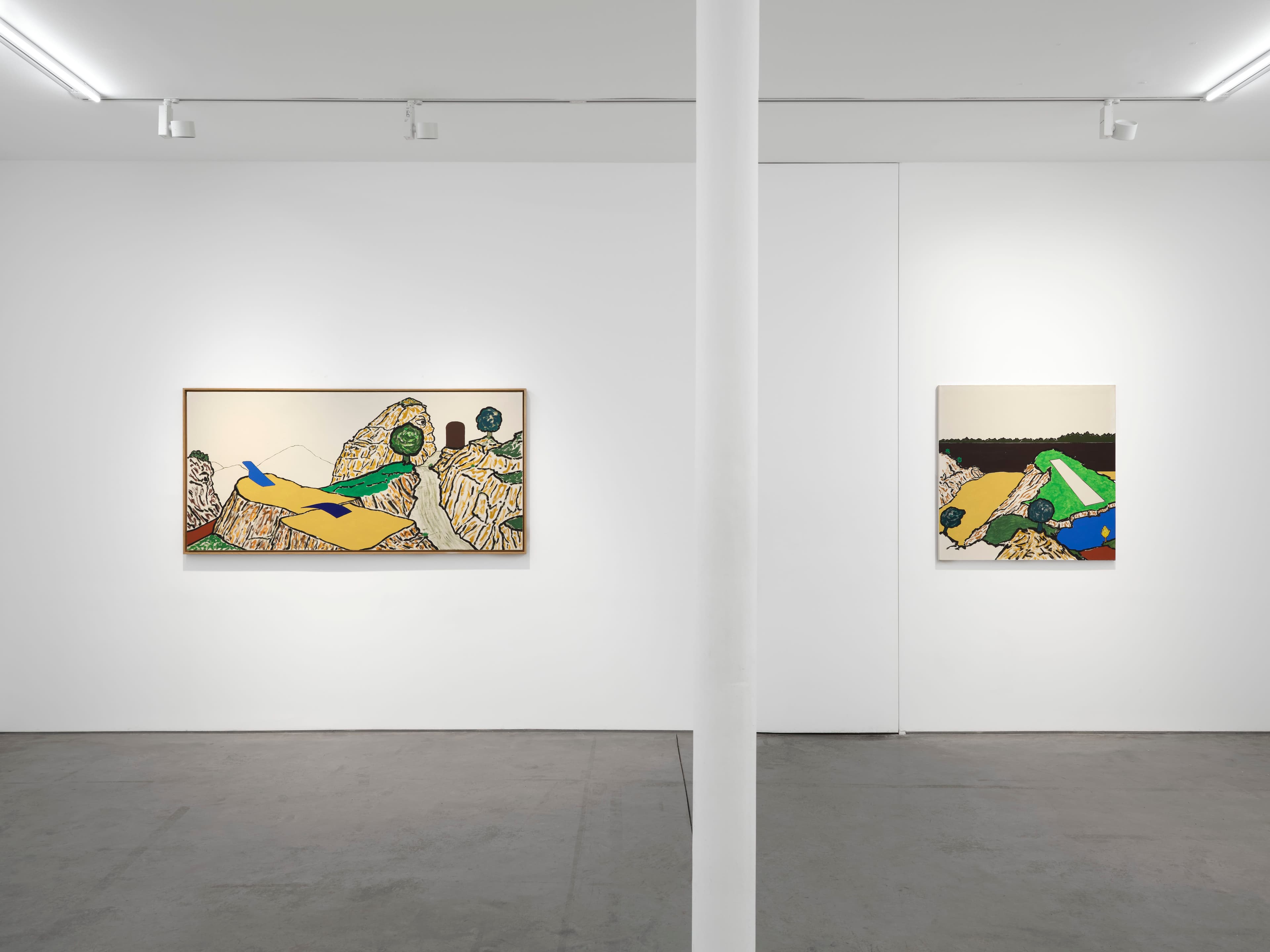
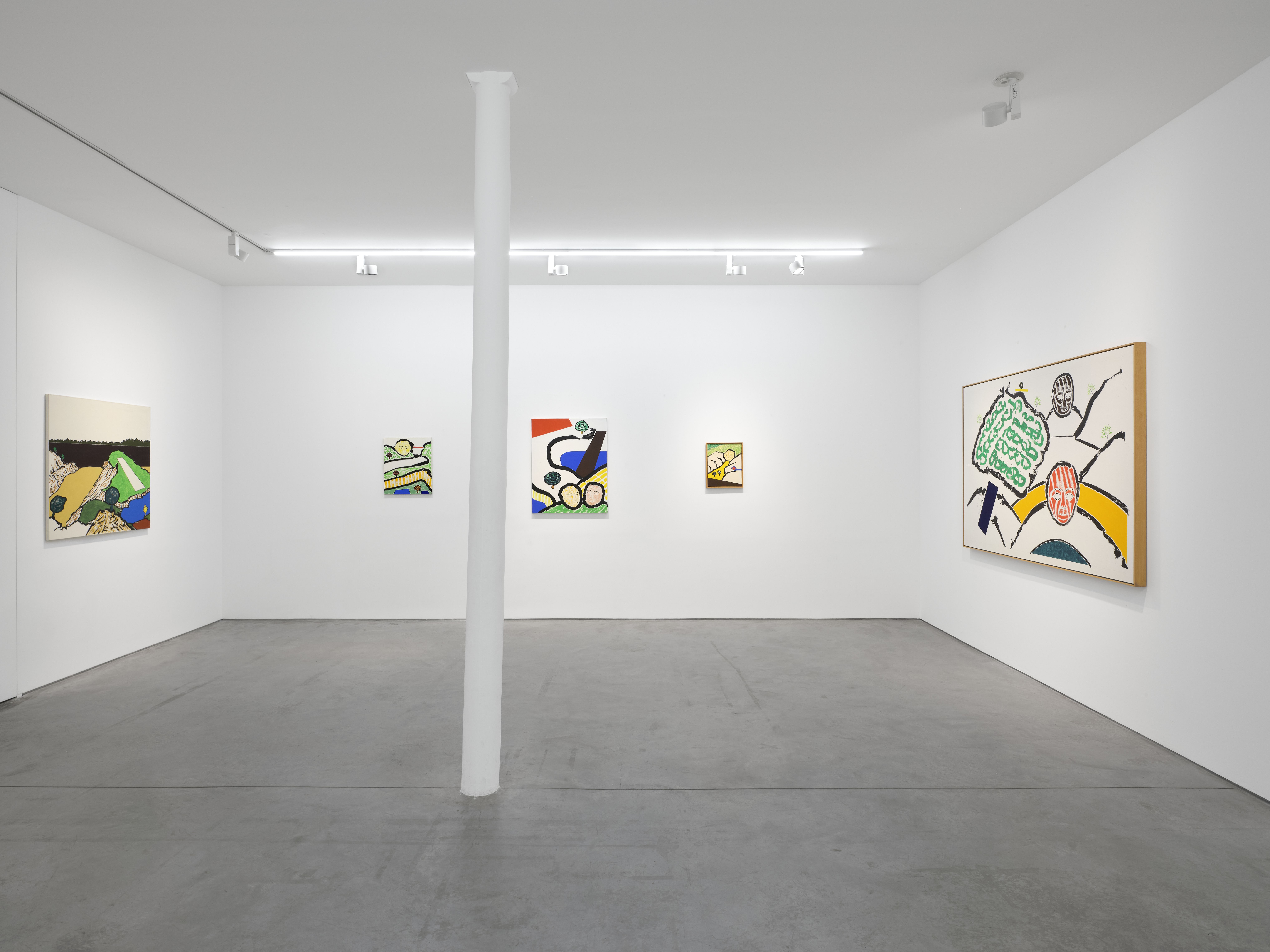
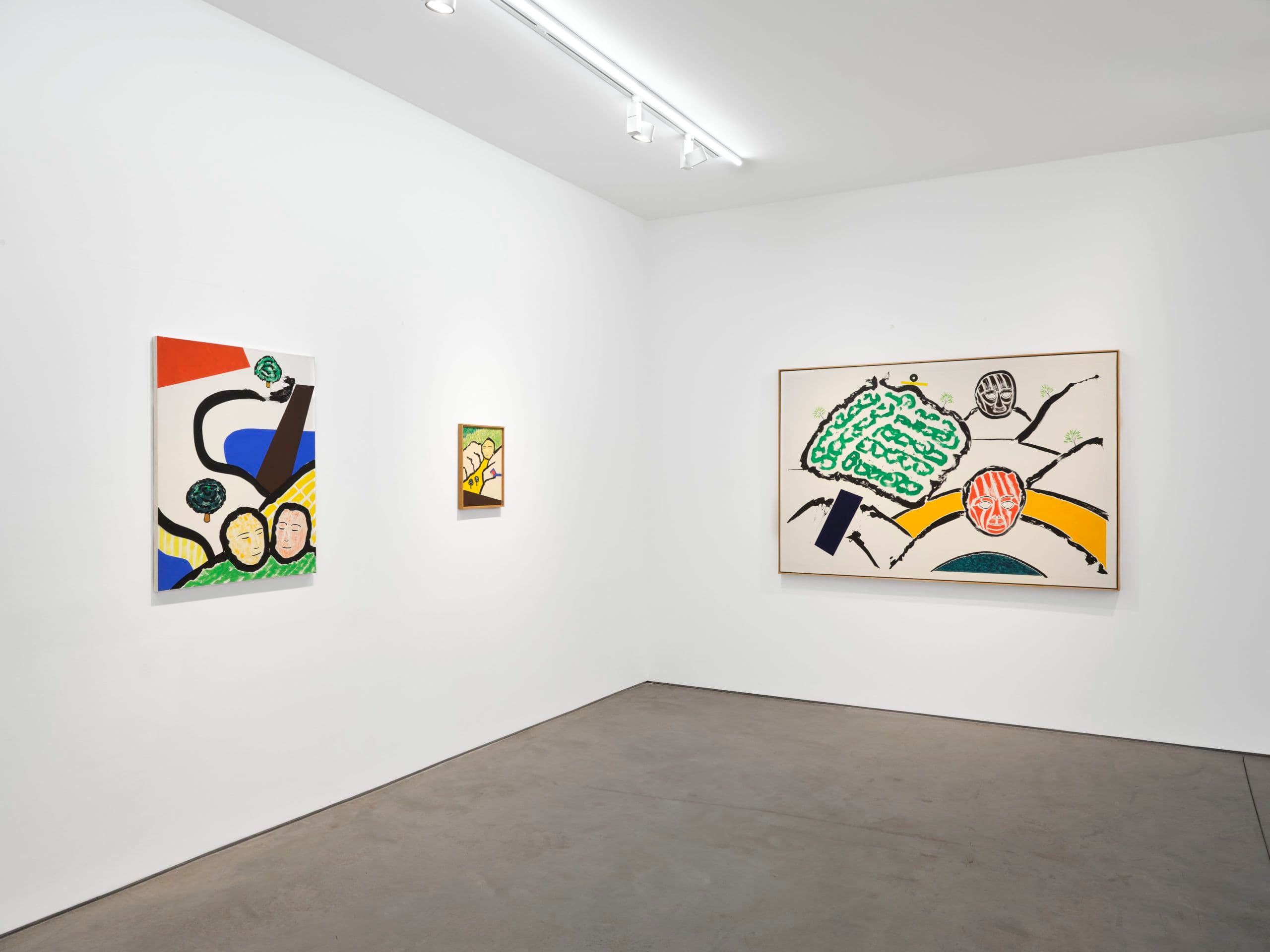
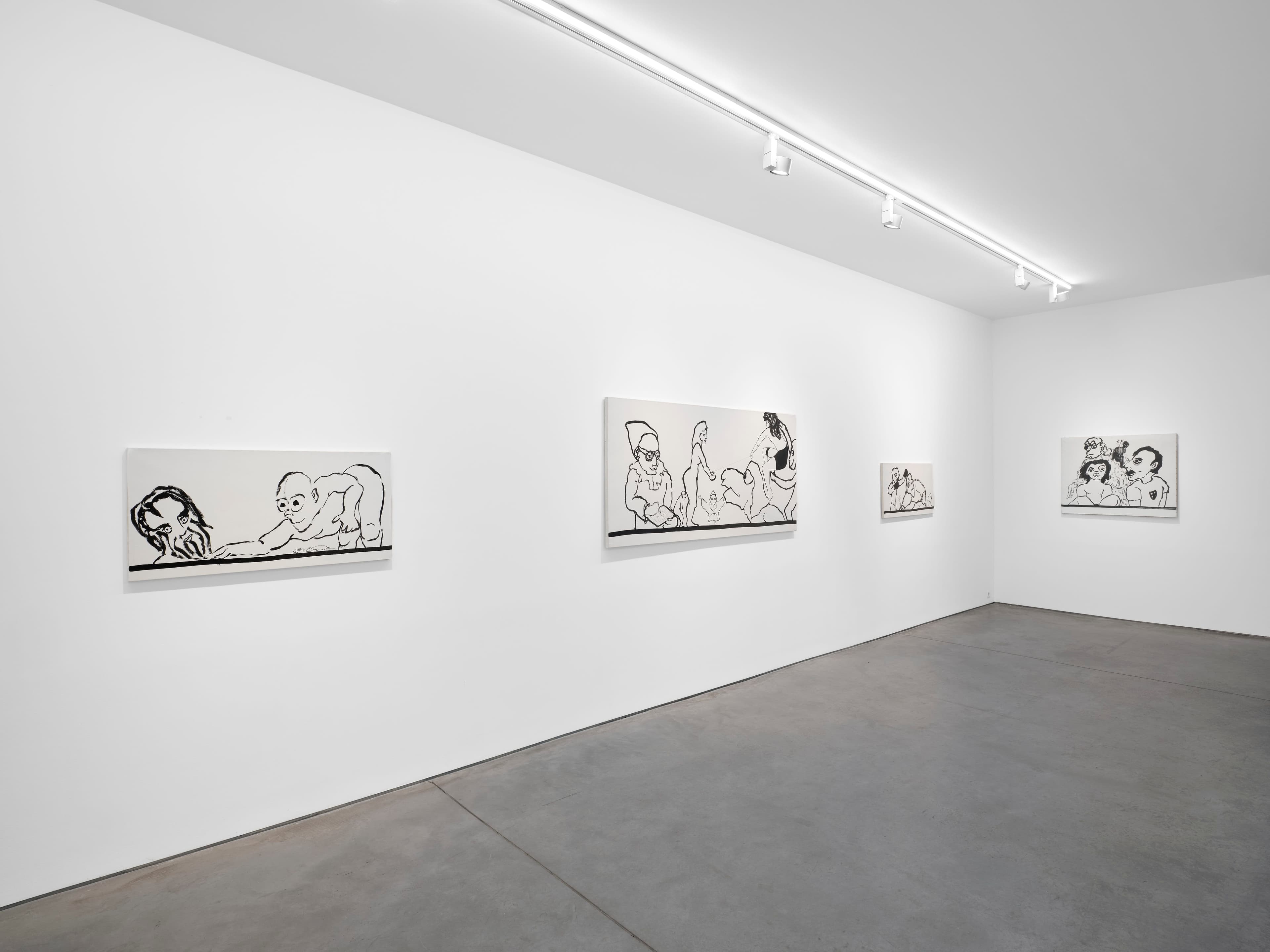
Art : Concept[Scroll down for French version / Veuillez trouver ci-dessous la version française] Ten years after the artist’s first exhibition at the gallery, Jean-Michel Sanejouand. Real Spaces, Imaginary Spaces brings together two significant bodies of work: Calligraphies d’humeur [1968–1978] and Espaces-Peintures [1978–1986]. Several of the works on view were previously included in the artist’s retrospective exhibitions at the Palais des Beaux-Arts in Lyon in 1986 and at the Centre Pompidou in Paris in 1995. These two milestones provided crucial institutional recognition to a career guided by its own internal logic in which each series paves the way for the next, allowing it to emerge in a new form. While emphasising the foundational role of the 1968–1986 period, the Art : Concept exhibition also highlights the transitions, ruptures and continuities that have shaped Jean-Michel Sanejouand’s thinking and practice. Throughout his career, he has continually reinvented his relationship with space — real or imaginary — questioning its definition and organisation through different media. His ‘techniques of space’, in which painting plays a central role, serve as revelatory tools for spaces whose boundaries are sometimes difficult to discern, engaging both our awareness and our entire physical presence. The Calligraphies d’humeur appeared in the late 1960s alongside his Organisations d’espace and in opposition to the conceptual art canons that dominated the period. Their first exhibition in 1974 at Galerie Germain sparked incomprehension in the art world, where figuration was viewed with suspicion or even rejected. At the same time, Bad Painting emerged in the United States as a reaction to this conservative attitude. Breaking with this trend, Jean-Michel Sanejouand felt the need to take up the brush again. He let caricatural, often erotic figures appear in India ink, which he himself described as “grotesque and aggressive.” The Calligraphies d’humeur reveal an imaginary space that offered the artist some breathing room from the geometric rigor he was developing in the public sphere. On paper or canvas, the characters always stand above a continuous line. This minimal horizon, which cancels out any perspective, creates a stage, a threshold between reality and fiction that seems to give new expressiveness to the Théâtre de Guignol. This quick gesture, which allows no reworking, turns the piece into a diary. Each Calligraphie condenses a specific mood whose title records the moment. These works form a distanced commentary on society, a theater of the unconscious, both personal and collective, where satire fuels a critical tension. In the late 1970s, the final Calligraphies d’humeur foreshadow the Espace-Peinture, of which they seem to be the formal and poetic origin. Mostly in black and white until then, these works soon became saturated with bright colors, and their horizon thickened until it became a mountain base. Starting in 1977, they revived the central question: what is a painting? The synthesis between real space and imaginary space takes place in the Espace- Peinture. When he agreed to “paint again,” Jean-Michel Sanejouand produced large-format works in which figure and mental landscape merge. The frame of the painting becomes fertile ground for the creation of a fantasized world where colors, reliefs, lines, and planes reconcile conceptual activity with manual practice. The first works in the series are described by the artist as Organisations d’espace that are completely impossible to realize. Hills, trees, or streams, reduced to simple lines or monochrome surfaces, stand beside geometric forms that neutralize any illusion of representation. The suspended shapes interact rhythmically with emptiness in a space that has become arbitrary. From 1982 onward, perspectives multiply, contradict one another, and the landscapes seem to implode. Far from a nostalgic return to painting, this marks a way of confronting the space of the canvas after long bypassing its rules with the Charge-Objects (1962–1968). The exhibition Jean-Michel Sanejouand. Real Spaces, Imaginary Spaces highlights the coherence of a body of work that is often perceived as changing, yet is driven by profound rigour — that of making space a tool of thought that should be approached with complete openness. From Calligraphies d’humeur to Espaces- Peintures, signs, forms, and voids interact to reveal the invisible structures of images. The artist’s freedom is evident in the precision of his gestures and the distance created by irony. His work cannot be categorised or reduced to a set of classifiable objects; like an enclosed place, it is defined as much by its limits as by its contents, and human experience is what delineates its contours. —Ida Simon-Raynaud ***** Dix ans après la première exposition de l’artiste à la galerie, Jean-Michel Sanejouand. Espaces réels, espaces imaginaires réunit deux ensembles majeurs de son œuvre, les Calligraphies d’humeur [1968-1978] et les Espaces-Peintures [1978-1986]. Une partie des œuvres montrées à cette occasion ont été présentées lors des expositions rétrospectives de l’artiste au Palais des Beaux-Arts à Lyon en 1986 et au Centre Pompidou à Paris en 1995. Ces deux événements ont offert une reconnaissance institutionnelle déterminante à un parcours réglée par une logique interne où chaque série ouvre la voie à la suivante et lui permet de renaître sous une forme nouvelle. Tout en mettant en avant le rôle fondateur de cette période [1968-1986], l’exposition chez Art : Concept met également en lumière les passages, ruptures et continuités qui marquent la pensée et la pratique de Jean-Michel Sanejouand. Ce dernier n’a eu de cesse de réinventer les termes de sa relation avec l’espace (réel ou imaginaire), interrogeant sa définition autant que son « organisation » aux moyens de différents médiums. Ses « techniques de l’espace », où la peinture occupe le premier plan, fonctionnent comme les révélateurs de lieux dont nous peinons parfois à percevoir les limites, engageant non seulement notre conscience, mais notre corps tout entier. Les Calligraphies d’humeur apparaissent à la fin des années 1960, en parallèle de ses Organisations d’espace et en opposition avec les canons de l’art conceptuel qui dominent l’époque. Leur première exposition en 1974 à la Galerie Germain suscite l’incompréhension du milieu de l’art où la figuration est perçue avec suspicion, voire rejetée. A la même période, la Bad Painting naît aux Etats-Unis en réaction à cette attitude conservatrice. En rupture avec cette tendance, Jean- Michel Sanejouand ressent la nécessité de reprendre le pinceau. Il laisse alors surgir à l’encre de Chine des figures caricaturales, souvent érotiques, qu’il définit lui-même comme « grotesques et agressives ». Les Calligraphies d’humeur rendent compte d’un espace imaginaire qui offre à l’artiste une respiration face à la rigueur géométrique qu’il mettait en place dans l’espace public. Sur le papier ou sur la toile, les personnages se trouvent toujours au-dessus d’une ligne continue. Cet horizon minimal qui annule toute perspective crée un plateau scénique, seuil entre réalité et fiction, semblant donner une nouvelle expressivité au Théâtre de Guignol. Ce geste rapide qui n’autorise aucun repentir transforme l’œuvre en journal intime : chaque Calligraphie condense une humeur située, dont le titre transcrit l’horodatage. Ces œuvres articulent un discours distancié sur la société : un théâtre de l’inconscient, personnel et collectif, où la satire est mise au service d’une tension critique. A la fin des années 1970, les dernières Calligraphies d’humeur annoncent les Espaces-Peintures dont elles semblent être la genèse formelle et poétique. Alors majoritairement en noir et blanc, ces œuvres sont désormais saturées de couleurs vives et leur horizon s’épaissit jusqu’à devenir socle de montagne. Dès 1977, elles relancent la question centrale : qu’est-ce qu’un tableau ? La synthèse entre espace réel et espace imaginaire s’opère dans les Espaces- Peintures. Lorsqu’il accepte de « peindre à nouveau », Jean-Michel Sanejouand produit de grands formats où figure et paysage mental se confondent. Le cadre du tableau devient un terrain propice à la création d’un monde fantasmé où couleurs, reliefs, lignes et plans actent la réconciliation de l’activité conceptuelle et celle de la main. Les premières œuvres de la série sont décrites par l’artiste comme des Organisations d’espace totalement irréalisables. Collines, arbres ou cours d’eau, réduits à de simples lignes ou pans monochromes, côtoient des formes géométriques qui neutralisent toute illusion de représentation. Les formes suspendues dialoguent en rythme avec le vide, dans un espace devenu arbitraire. A partir de 1982, les perspectives se multiplient, se contredisent, les paysages semblent imploser. Loin d’être un retour nostalgique à la peinture, il s’agit d’une manière d’affronter l’espace du tableau après en avoir longtemps contourné les règles avec les Charges-Objets [1962-1968]. L’exposition Jean-Michel Sanejouand. Espaces réels, espaces imaginaires souligne la cohérence d’une œuvre souvent considérée comme dépourvue d’unité formelle, et animée par une grande exigence : faire de l’espace un outil de pensée à appréhender avec une totale disponibilité. Des Calligraphies d’humeur aux Espaces- Peintures, les signes, les formes et les vides s’articulent pour révéler la structure invisible des images. La liberté de l’artiste se mesure alors à la précision du geste et à la distance que produit l’ironie. Impossible dès lors de catégoriser ou de réduire le travail de Jean-Michel Sanejouand à un ensemble d’œuvres classables : comme un lieu clos, il se définit par ses limites autant que par son contenu et c’est l’expérience humaine qui en dessine les contours. —Ida Simon-Raynaud