

Galleries, Miami
Group Exhibition
Mujeres
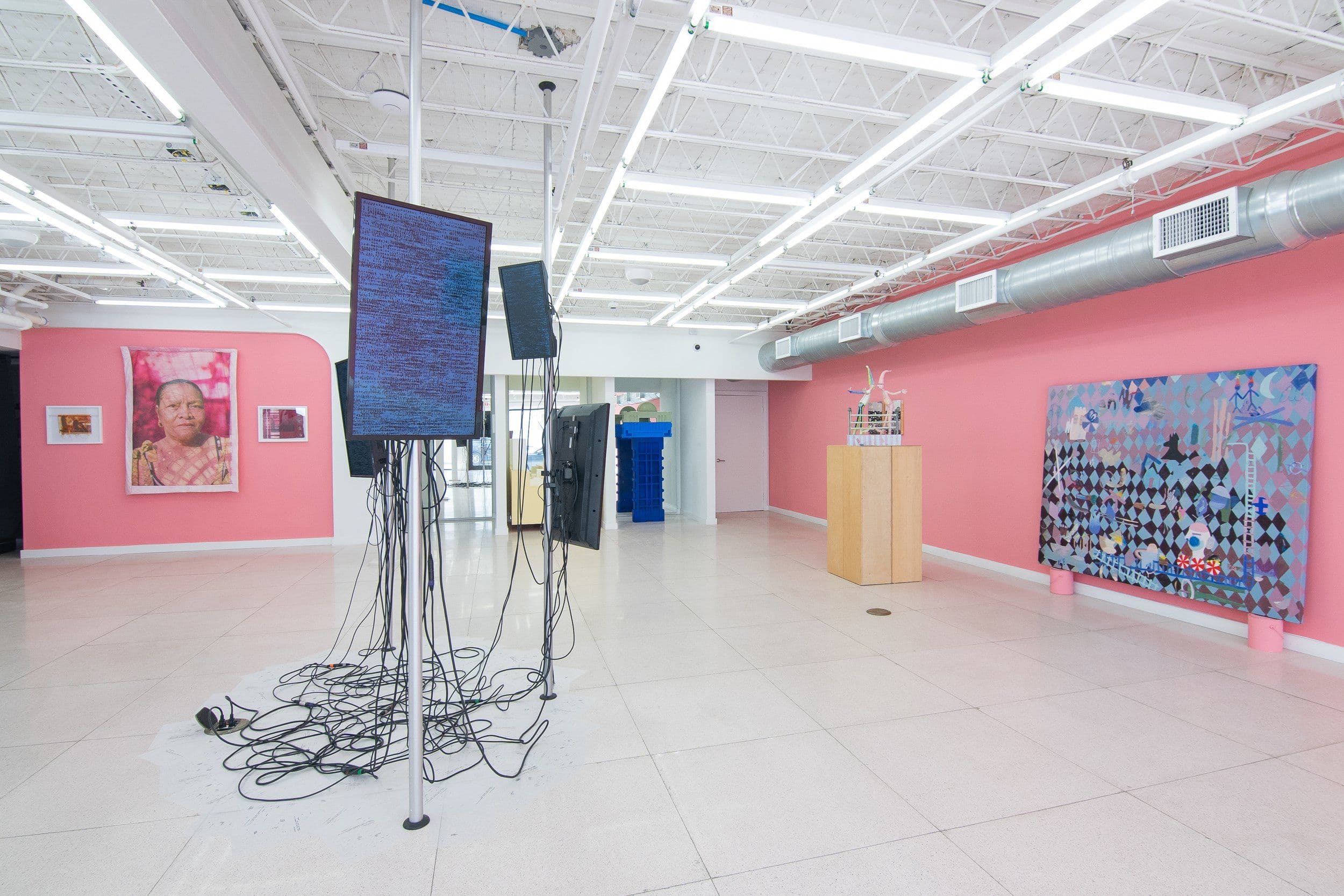
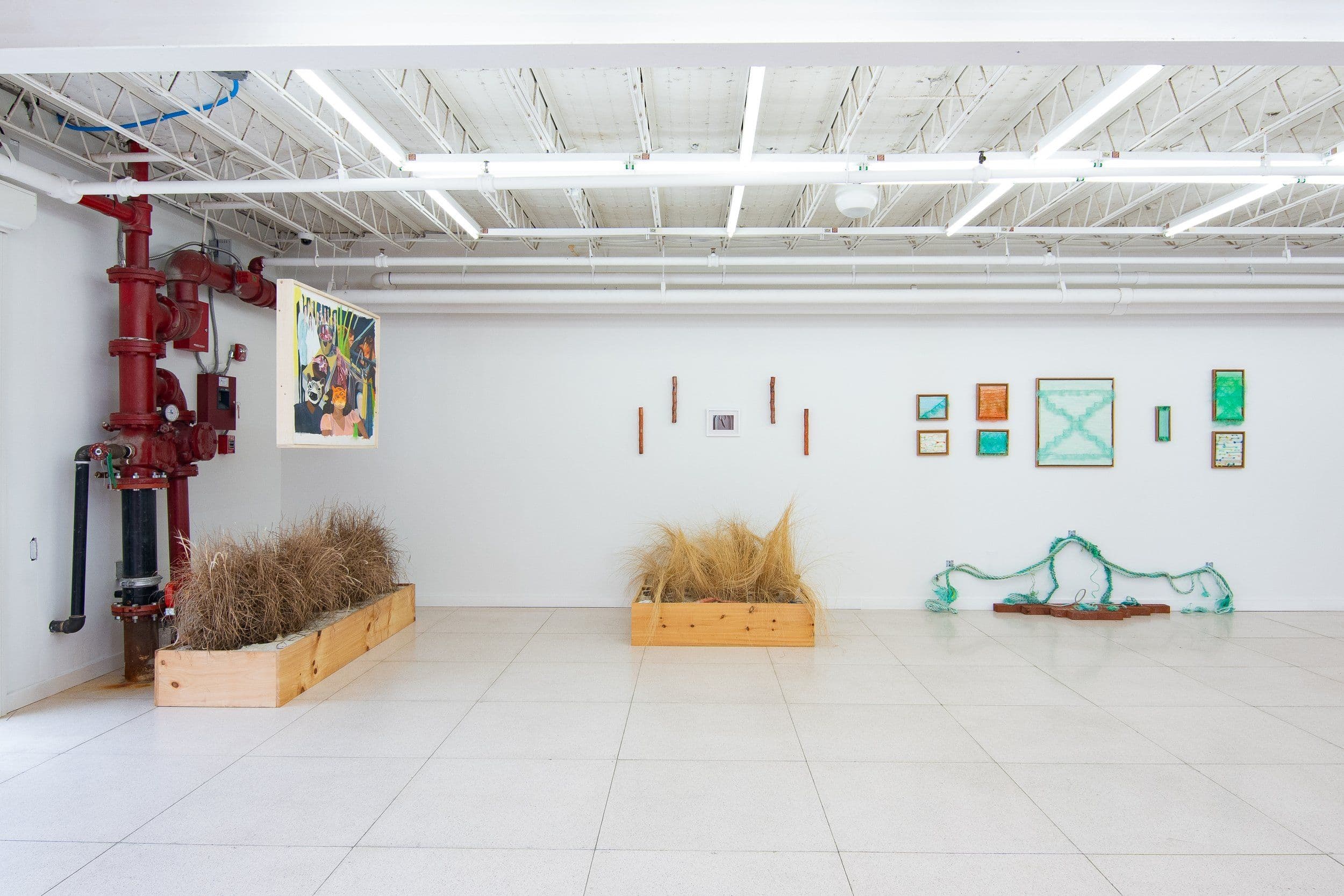
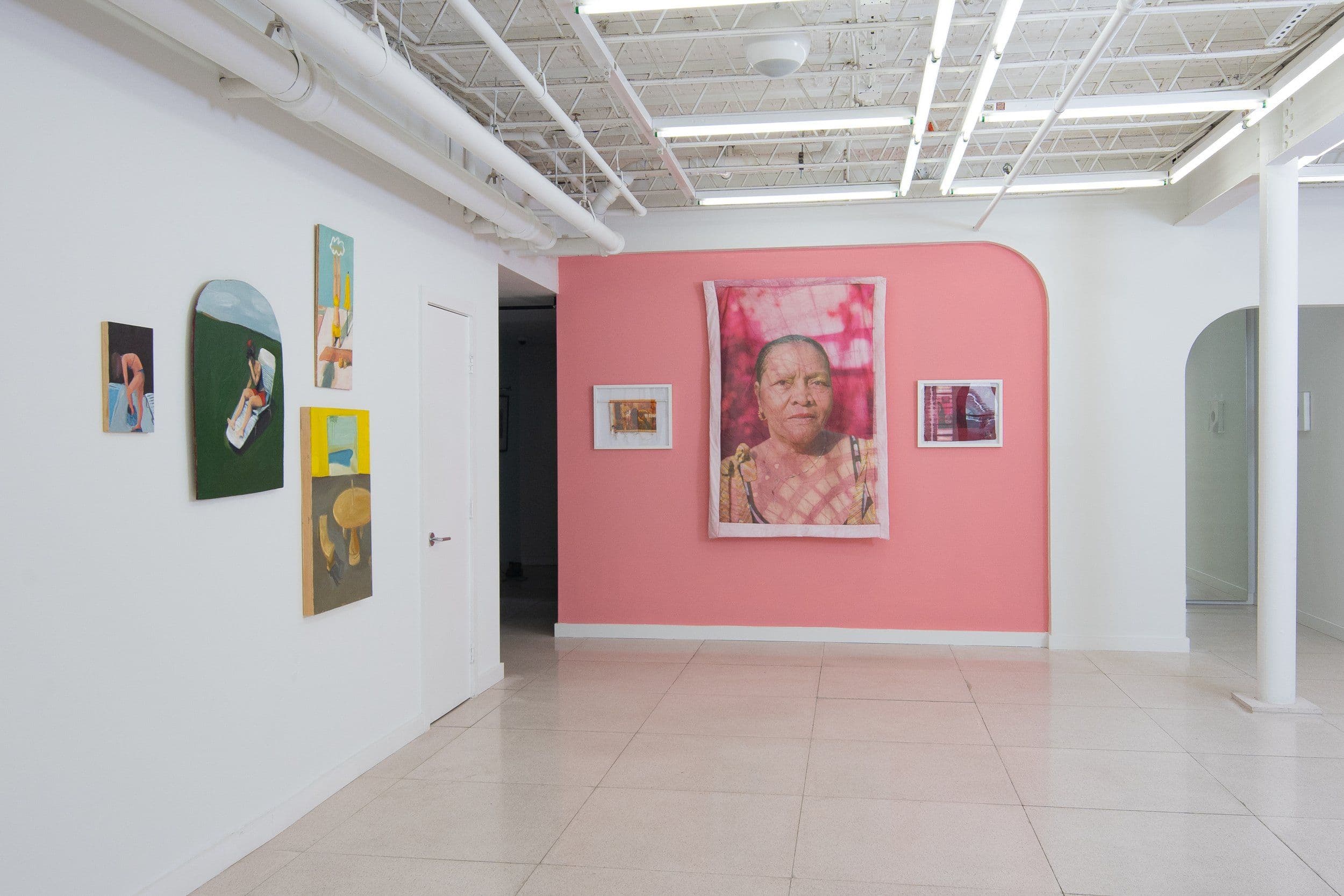
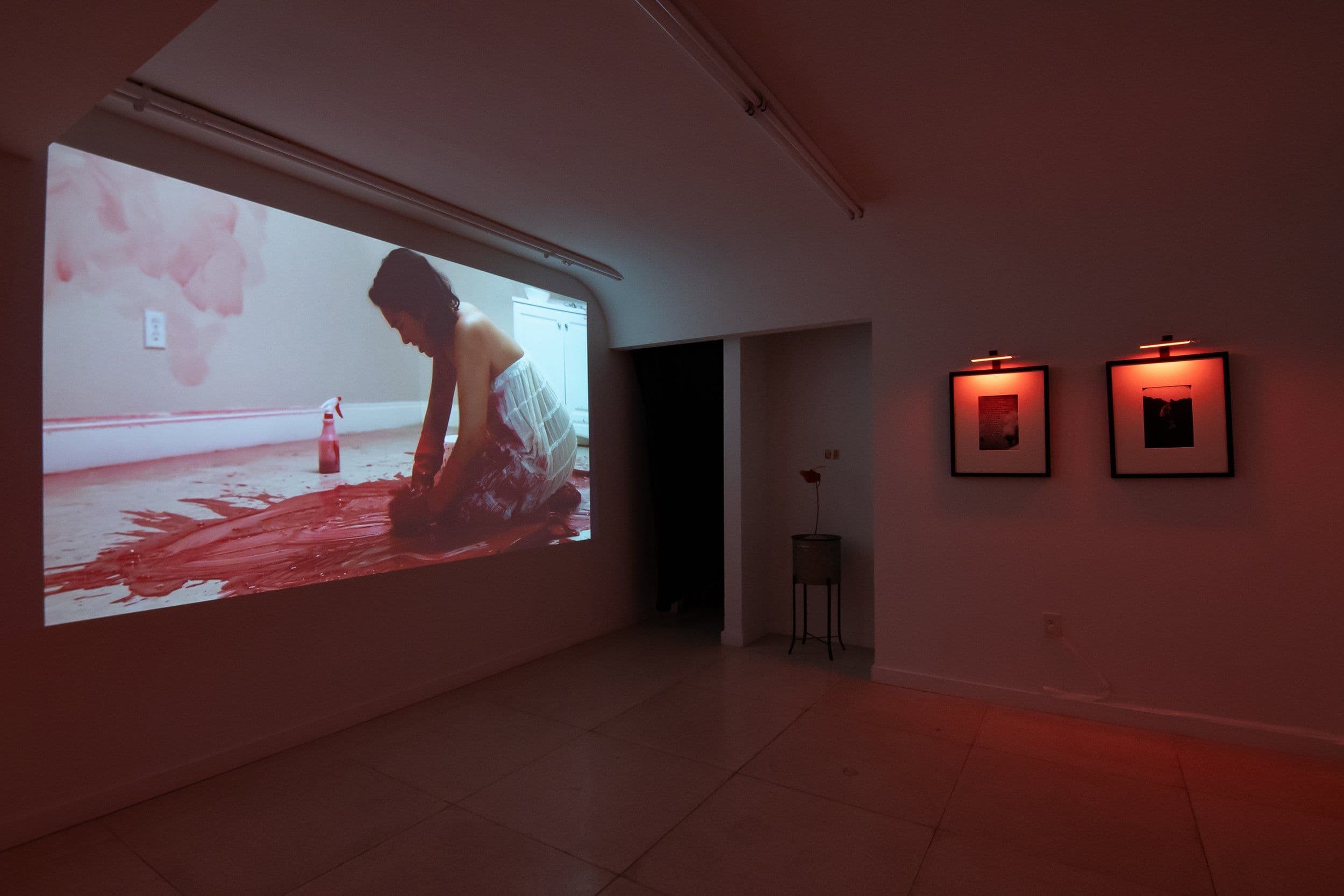
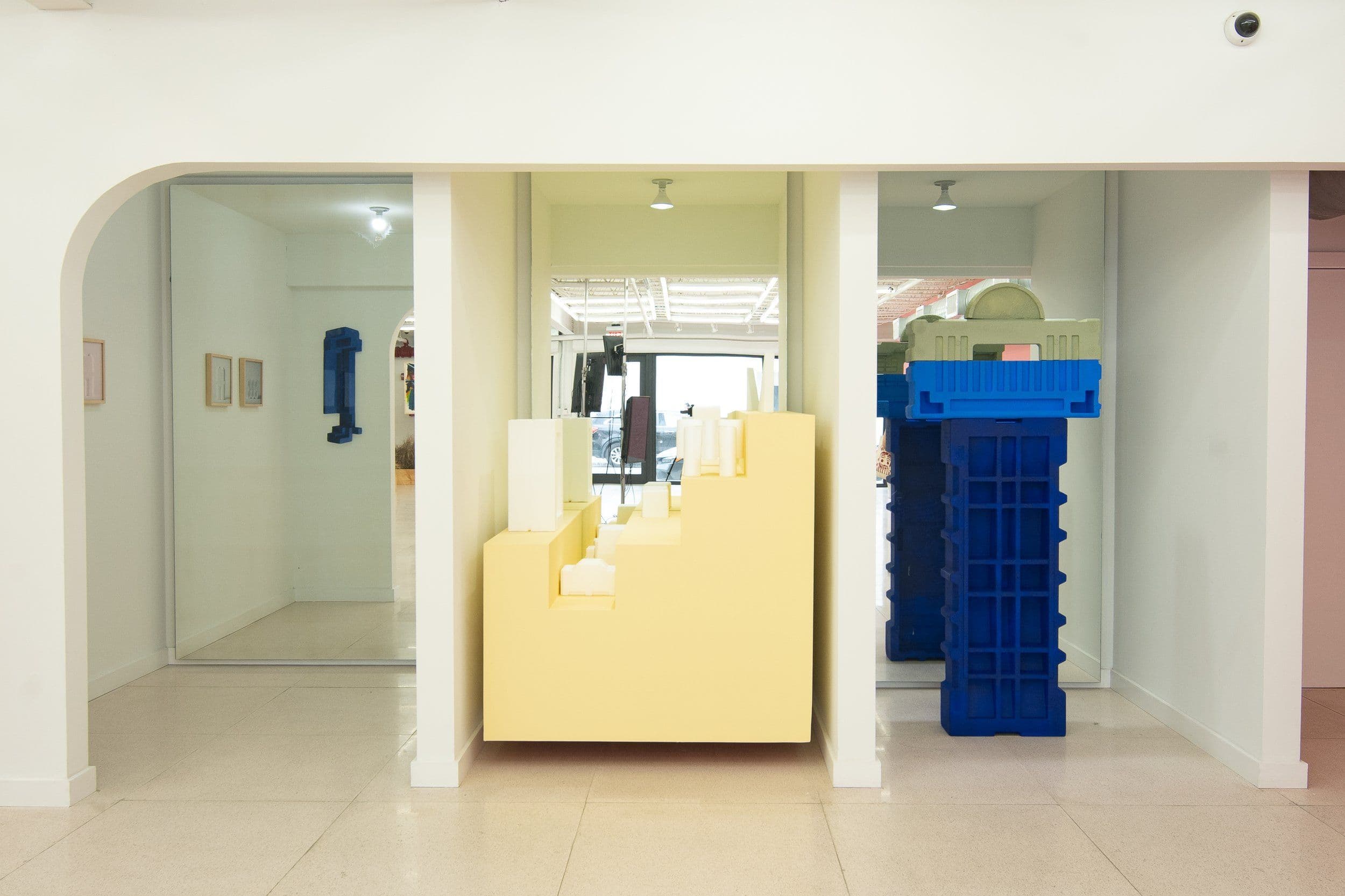
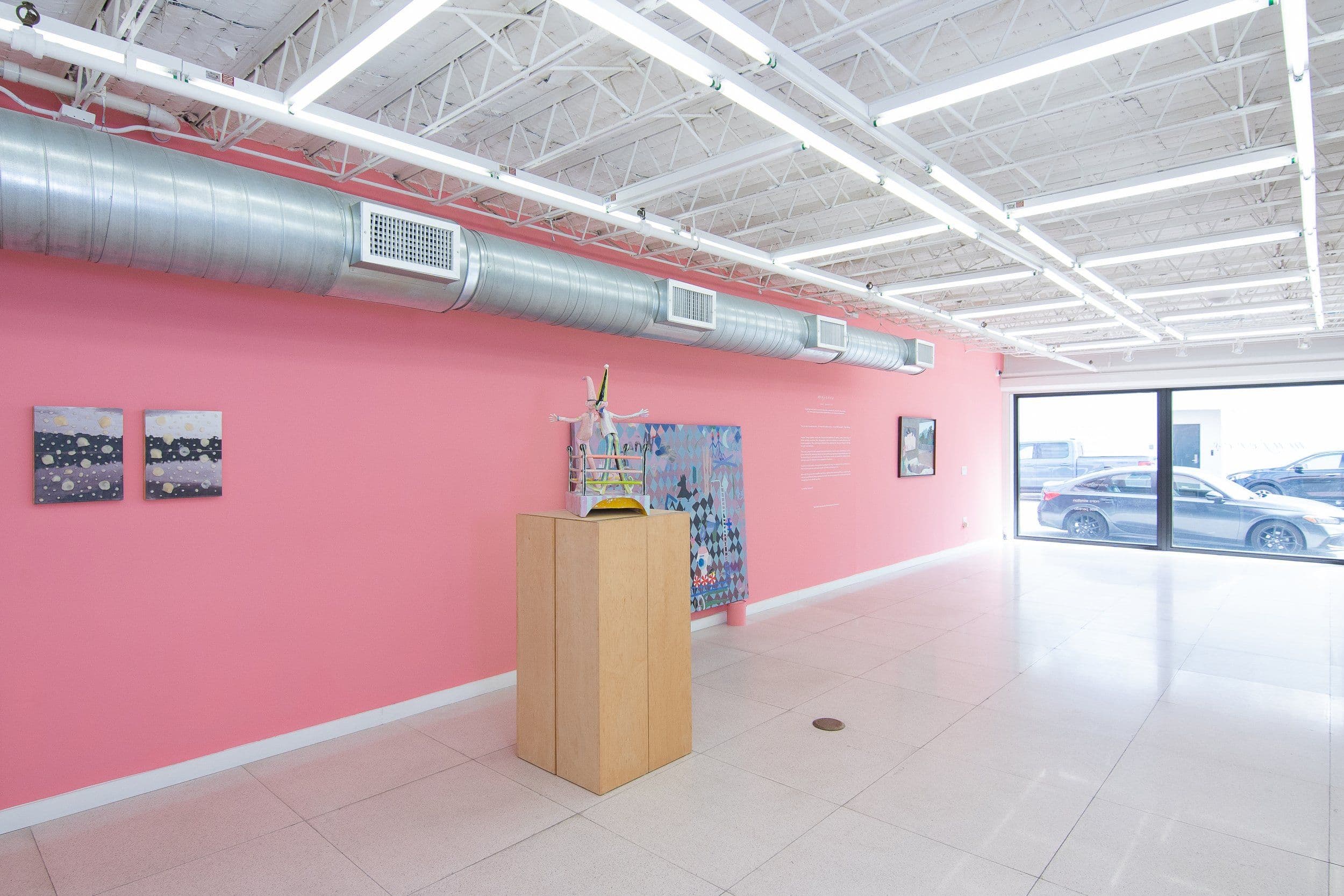
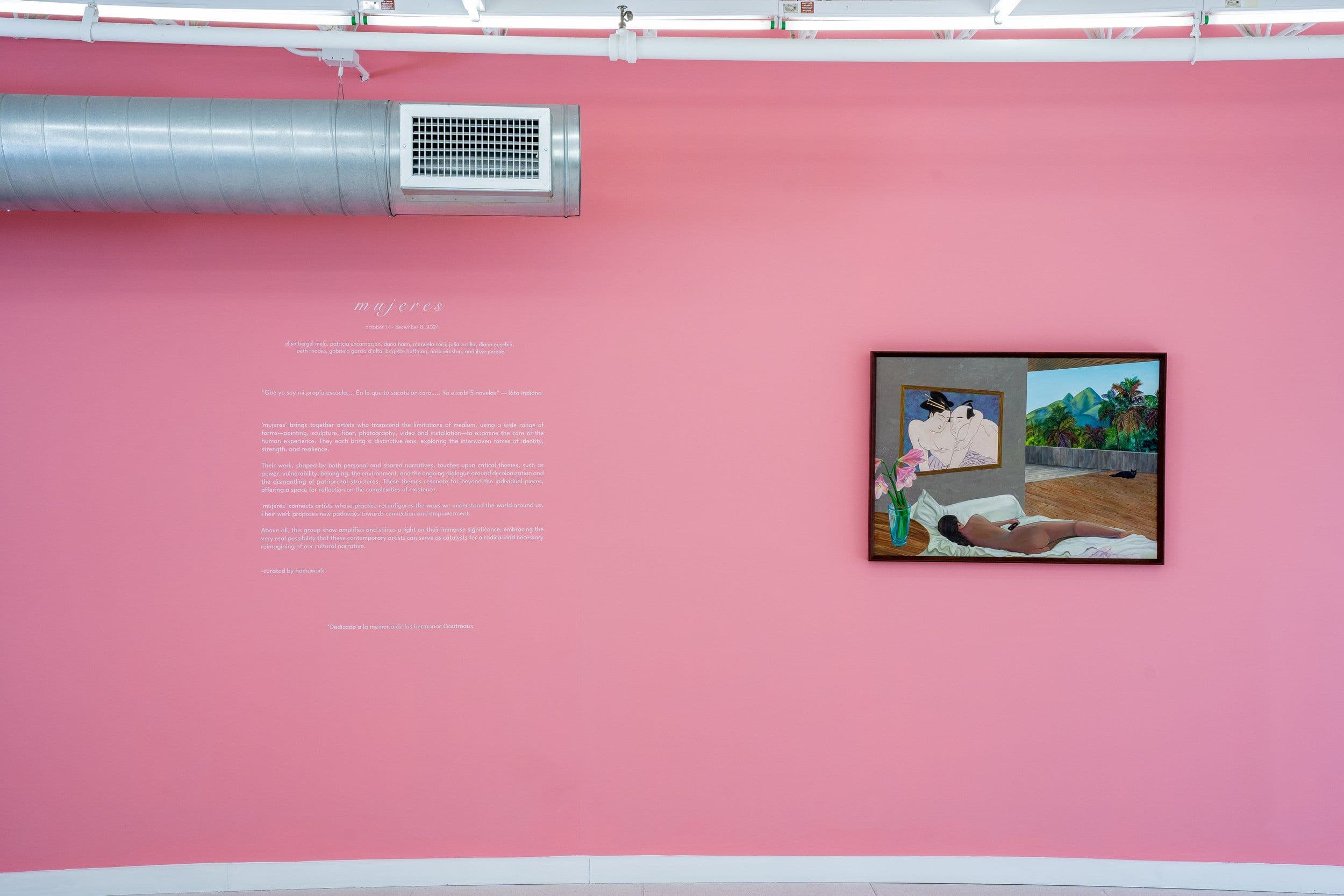
HomeworkBrigette Hoffman, Dana Haim, Gabriela Garcia D'Alta, Elisa Bergel Melo, Ilsse Peredo, Beth Rhodes, Patricia Encarnación, Manuela Corji, Diana Eusebio, Nara Winston, Julia Zurilla "Que yo soy mi propia escuela…. En lo que tú sacate un coro….. Yo escribí 5 novelas" —Rita Indiana Mujeres brings together artists who transcend the limitations of medium, using a wide range of forms—painting, sculpture, fiber, photography, video and installation—to examine the core of the human experience. They each bring a distinctive lens, exploring the interwoven forces of identity, strength, and resilience. Their work, shaped by both personal and shared narratives, touches upon critical themes, such as power, vulnerability, belonging, the environment, and the ongoing dialogue around decolonization and the dismantling of patriarchal structures. These themes resonate far beyond the individual pieces, offering a space for reflection on the complexities of existence. The exhibition is envisioned as an exploration of the infinite facets of the female experience that are allowed within the limitations of the space. The pink and white walls are meant to interlock together to reflect distinct aspects of this experience. The pink walls showcase works that delve into sensuality, eroticism, and intimacy through the lens of Manuela Corji's pieces. They also explore childlike wonder and the concept of 'home' as a symbol of emotional safety and belonging in Brigette Hoffman's work. Elisa Bergel Melo addresses the nostalgic feelings tied to the immigrant experience, while Diana Eusebio examines themes of family and roots by honoring indigenous ancestors. Julia Zurilla's installation, Letter Adrift, divides the space while investigating the layered dynamics of communication. It emphasizes how words and meanings can shift and remain ambiguous, resembling a continuous flow where meanings subtly change. This work serves as a bridge between the works on the pink and white walls. The white walls house politically charged works that encourage dialogue on topics such as belonging, the environment, decolonization, and the dismantling of patriarchal structures. Patricia Encarnacion's work explores how communities reinterpret their heritage through the creation of zemís, deities or ancestral spirits in Taíno culture, represented by physical objects such as stone, wood, or even human skulls. Nara Winston's piece, Civilize the Savages, reflects on the neocolonial dynamics embedded in Caribbean politics, with raw meat symbolizing past violence and the elite's perception of the common people as "savages." Environmental concerns are addressed in the works of Dana Haim and Gabriela Garcia D'Alta. Haim repurposes salvaged fishing lines and ropes, transforming her anxiety about the future into a hopeful act of raising awareness about plastic pollution, while Garcia D'Alta critically examines the environmental impact of Styrofoam through her aesthetic explorations that address the massive waste culture that we indulged in as humans. Beth Rhodes' paintings explore the human form, focusing on body language and the tension between vulnerability and privacy as a reaction to the male gaze. Finally, also within the white walls of our media room, Ilsse Peredo's work confronts the pervasive issue of femicide, especially in Mexico, though it is a critical problem across Latin America, the Caribbean, and globally. Femicide is, shockingly, the leading cause of death for women aged 19 to 44 worldwide. Mujeres connects artists whose practice reconfigures the ways we understand the world around us. Their work proposes new pathways towards connection and empowerment. Above all, this group show seeks to amplify and shine a light on their immense significance, embracing the very real possibility that these contemporary artists can serve as catalysts for a radical and necessary reimagining of our cultural narrative. Curated by Homework Dedicado a la memoria de las hermanas Gautreaux