
Mitte, Berlin
Renaud Regnery
The Weird and the Eerie
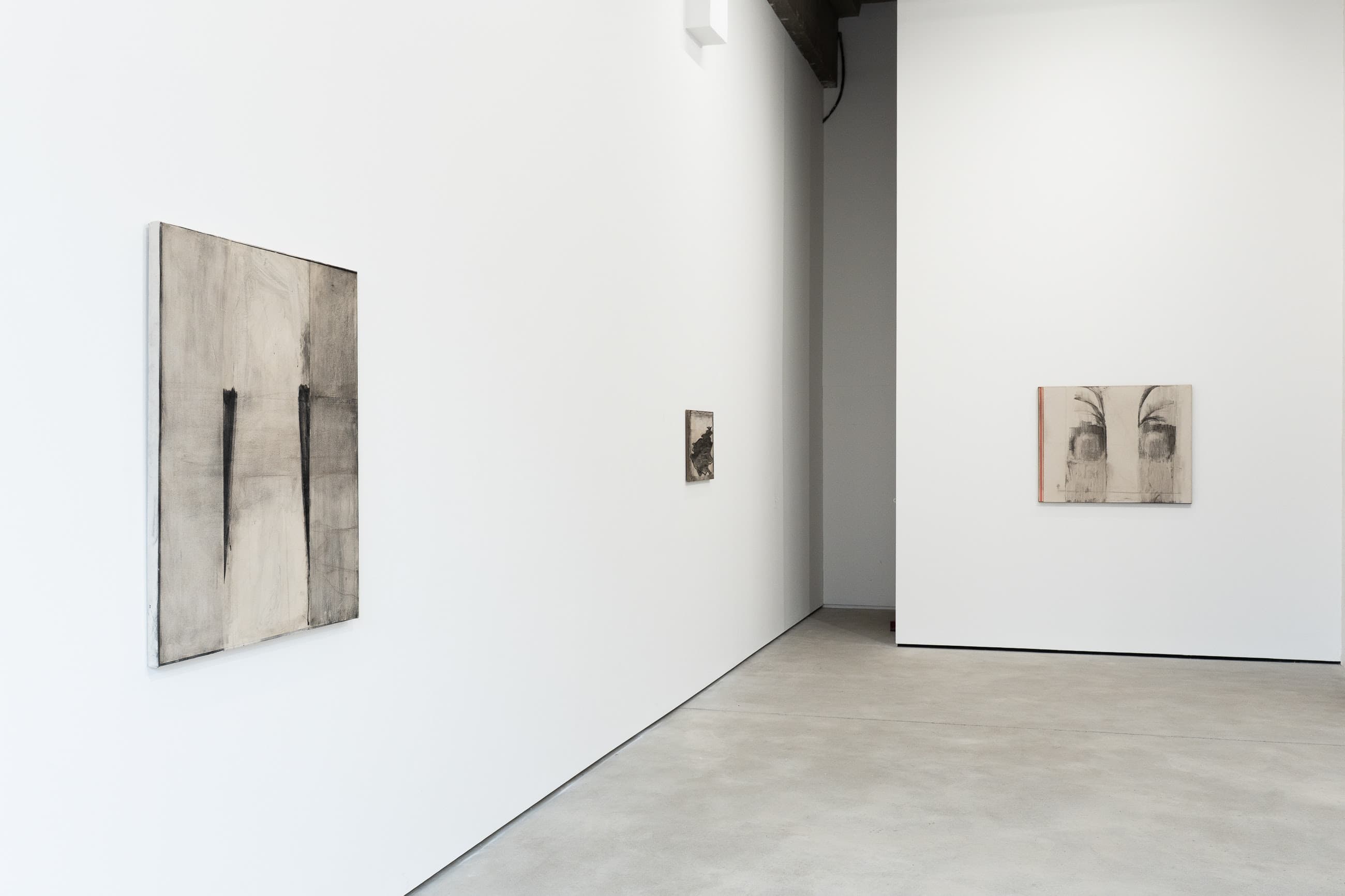
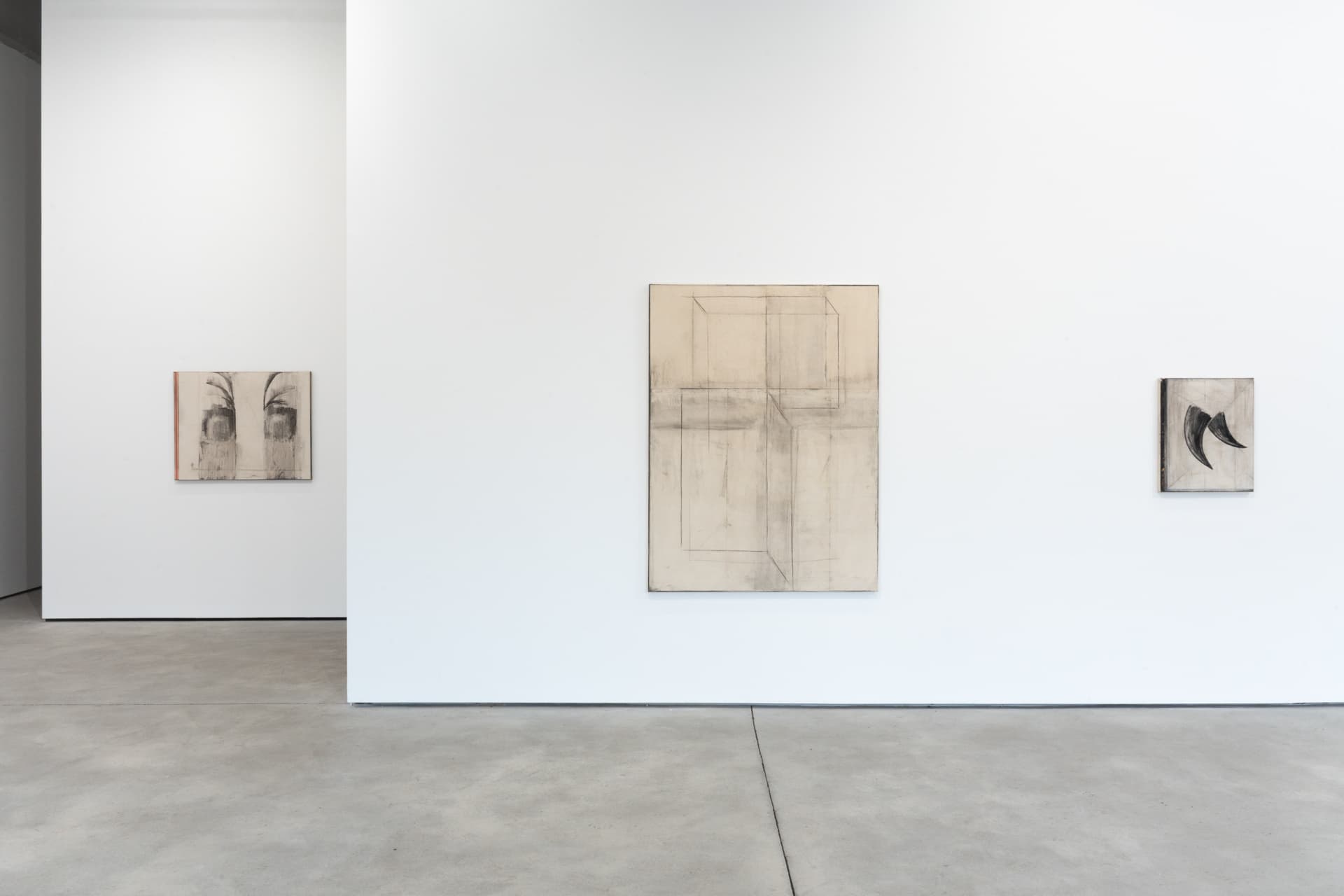
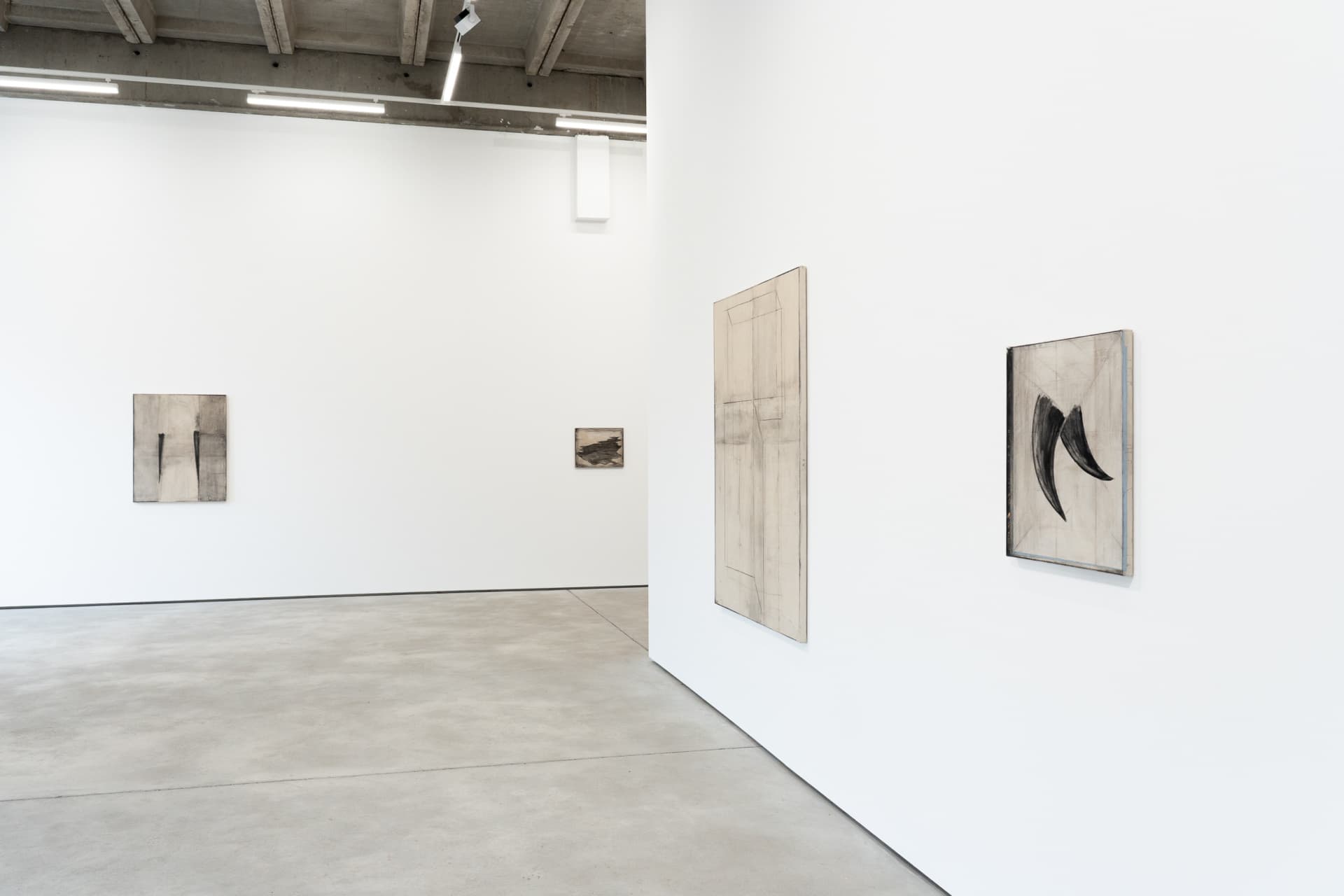
Klemm'sFor his latest exhibition at Klemm’s, The Weird and the Eerie, Renaud Regnery further advances his inquiry into the emotional and social conditions of modern and contemporary image production, presenting a new series of works that convey layered gestures in charcoal and photorealistic wallpaper. The exhibition unfolds Regnery’s ongoing interest in the unheimlich, inherited social conventions, their aesthetic manifestations, and the psychological questions they entail. Drawing its title from the eponymous book by Mark Fisher, The Weird and the Eerie is structured by a process of deconstruction–one that highlights how the symbolic elements of late capitalism’s visual language are entangled in human psychology, subjectivity, and sensitivity. Over the years, Regnery has grounded his compositions with similar elements, spanning classic, handcrafted tapestry to AI-based, photorealistic wall coverings. His paintings are built on the reaction to these first imprints–their specific patterns, aesthetics, or materiality. He layers, alters, and overpaints them, disrupting existing designs to create new visual structures. These responses have taken different material forms through his artistic practice, spanning classical oil painting to more immediate graphic and gestural techniques, mostly using charcoal. The deliberate choice to use materials sourced from ornamental contexts, in particular wallpaper and wrapping paper, as well as off-products from printing and industrial processes, is above all a conceptual choice, however. By designating wallpaper as a standardized and average aesthetic imposed on the masses, Regnery seeks to disrupt the decorative purposes of their ornamental function, stressing everyday environments and affective habits of vision and desire instead. In The Weird and the Eerie, they open to an indeterminate space that takes the body as a stance as they point to blurry zones where pressure and anxiety comes to the surface. The Weird and the Eerie, reinforces industrial, mass-produced wallpaper as the conceptual core of Regnery’s practice. Swinging between figuration and abstraction, some paintings incorporate several layers of washouts and transparencies. Others are reduced to dimmed, golden metallic planes traversed by minimal shapes. These shapes entail a fundamental ambiguity: equally abstract and on the brink of being revealed. They enclose Regnery’s gestural responses to the first, ready-made layers of wallpaper, emerging as fragments of wounds, hand creases, pustules. Openly viscous and imprecise, their anonymity underlines their urgency–they refer to an unnamed threat, ambiguously between tension and decadence.