
Little Italy, New York
Group Exhibition
Traces of Us: Recent Photography
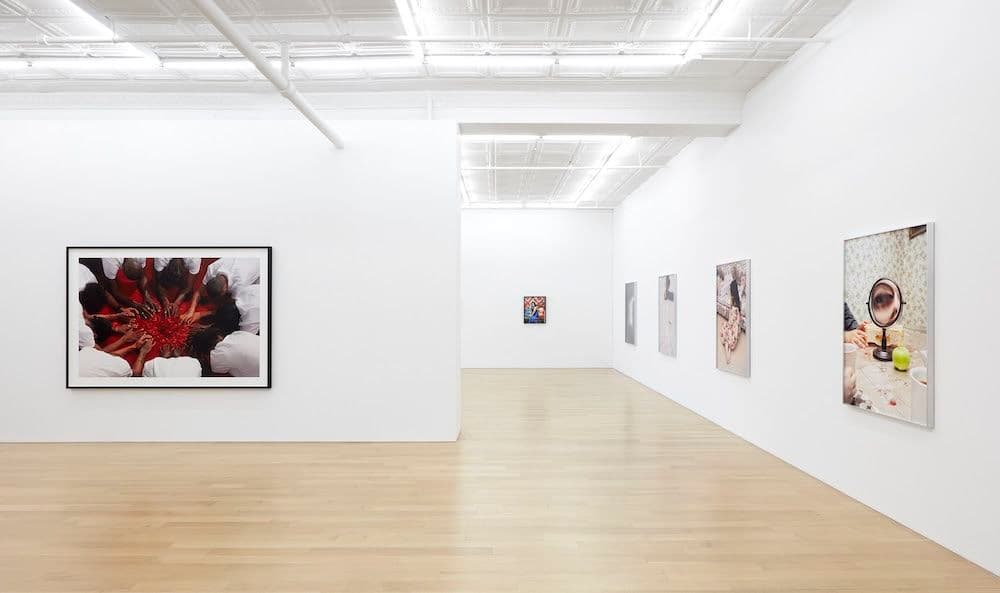
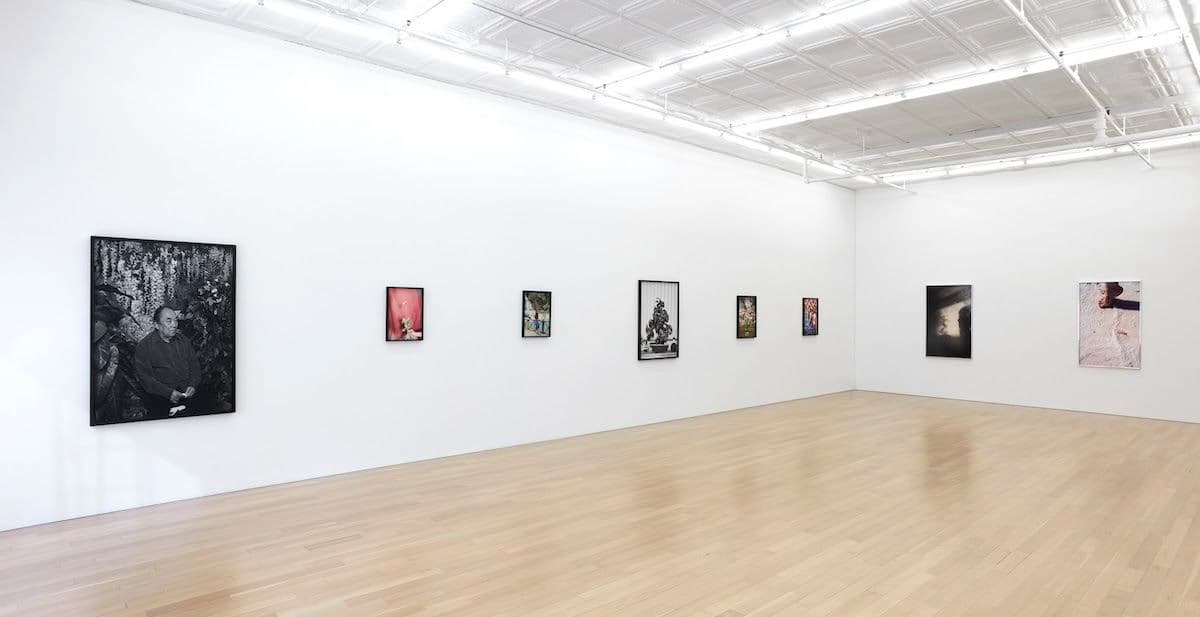
Peter BlumFarah Al Qasimi Widline Cadet John Edmonds Pao Houa Her Guadalupe Rosales Peter Blum Gallery is pleased to present Traces of Us: Recent Photography, a group exhibition of new and recent works by five artists. Traces of Us assembles five contemporary artists who employ photography to observe, document, and complicate personal histories and wider collective experiences. Though varied in their approaches, Al Qasimi, Cadet, Edmonds, Her, and Rosales each preserve and create cultural memory by challenging prevailing concepts and structures. Their works underscore the particular environments and inherited pasts that have informed them, while simultaneously bringing these aspects into the present. Evocative objects, uninhabited spaces, and constructed portraits allude to concepts of self and community, while questioning how fixed memories can be. Obscured or absent figures echo throughout many of the photographs as remnants of histories, while some portraits suggest a reclaiming and/or forming of a past and sense of self. Reframing perceptions of culture as fluid, unfolding, and informed by a particular perspective, each artists' work stretches across geographies and pasts that are real, imagined, and monolithic. Farah Al Qasimi subverts geography as a unifying force through reflective and sharply observant photographs. She relates prismatic worlds and settings by documenting products, textiles, city life, and private moments that transcend boundaries and borders. Somewhat disorienting at first glance, the faces, gestures, and places are often obscured, and shimmering textures and tones blur visual cultures. Al Qasimi's work underscores the pervading influence of a monolithic culture and conveys an uncanny geography, both specific and placeless, while creating work that attempts to dismantle structures of power, gender, and aesthetics in an interconnected world. Widline Cadet contends with the scarcity of her family's material memory, crafting her own archive of images that delve into selfhood and erasure within the Haitian diaspora. Through poetic and sometimes surreal works, Cadet's practice ruminates on distance and inheritance, stretching across geographies that have shaped her being including her youth in Haiti and subsequent immigration to the United States. Allowing her to create new speculative images and perhaps even memories, the works comment on the fluidity and echoes of remembrance that flow throughout the diasporic experience and the generations that have formed it. John Edmonds explores love, community, self-presentation, and spirituality in the African diaspora. He creates portraits and still-lifes that blur the lines between the tableaux vivant and the poetry of the everyday. Centering Black men, the artist's ongoing project, White T, explores what it means to commemorate a life, to hold loved ones in memory, and to be devoted to spirits both past and present. In two new large-scale photographs, Bow and Roses, Edmonds utilizes the primary color red as a meditation on communal grieving and remembrance, and chiaroscuro as both physical and emotional contrast. The garment symbolizes unity and togetherness, a metaphor to reverberate across time and cultures. Pao Houa Her explores the complexity of yearning for a sense of lost homeland or an inaccessible past. Born in Laos and raised in Minnesota in a community of Hmong refugees, she reimagines an ideal of Laos, and in doing so, investigates and subverts fantasy and desire itself. In the series, The Imaginative Landscape (2018-20), images of fake flowers and faux backdrops are interspersed with portraits of Hmong people both in Laos and the United States, while poppies figure prominently as a symbol of a more prosperous time. The geography between the two locales is purposefully blurred and these fictionalized images reference the psychological weight of diaspora. Guadalupe Rosales has a commitment to depicting her home of East Los Angeles and preserving the cultural memory of Southern California's Latinx communities. In her nocturnal photographs devoid of people, the essence of Rosales's memories of growing up are related through sites that have personal meaning as signifiers of love and loss, and feelings of being both free and chased. The abstract and surreal quality of night pervades the images with feelings of dreams, menace, escape, and journey replacing literal past occurrences in the locations. Also celebrating her community through the engraved metal frames, the works merge personal and collective memory with present revelations.