
Marais, Paris
Carol Rama
Carolrama Coralarma Claromara Arolcarma Coralroma Ormalacra Carmarola
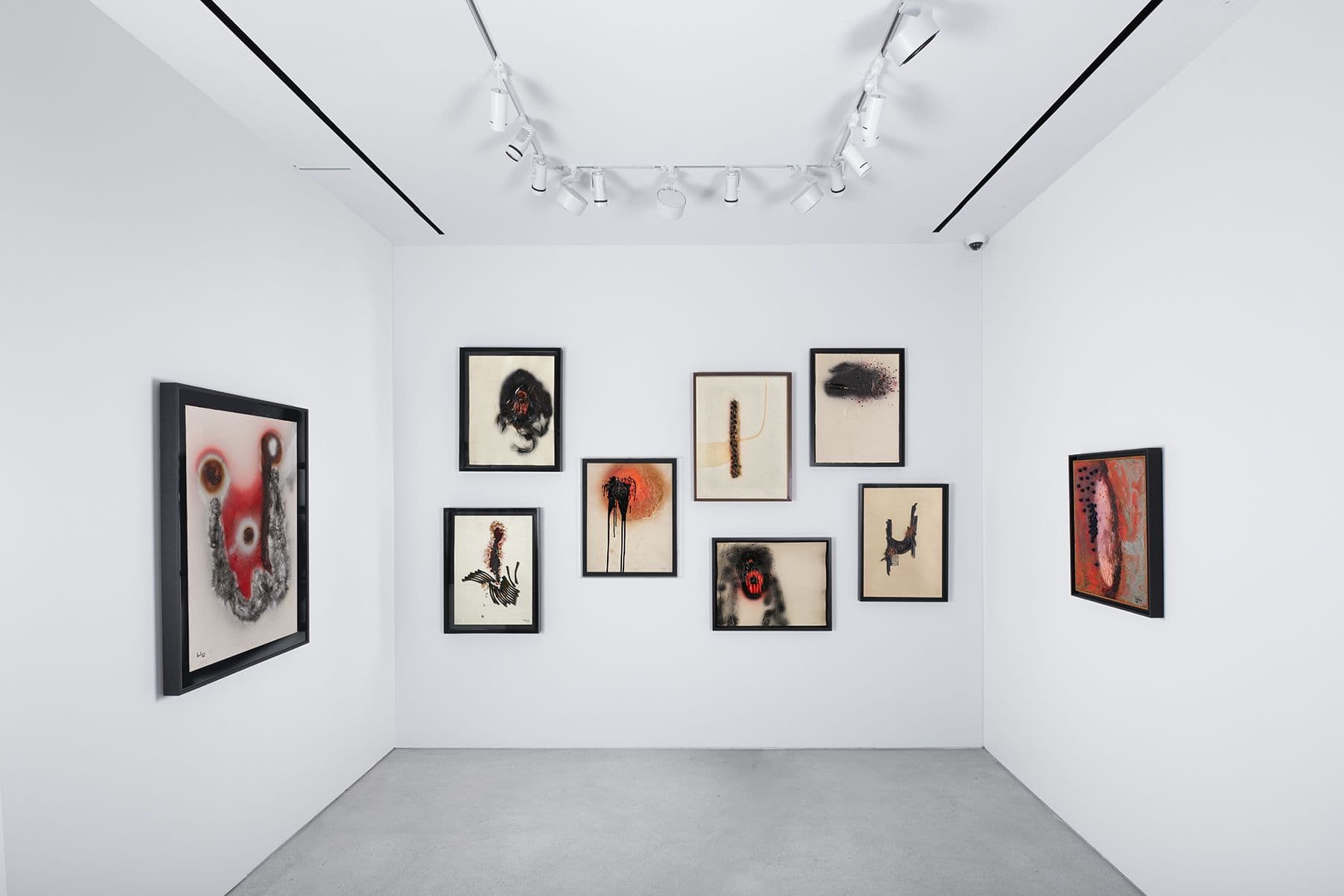
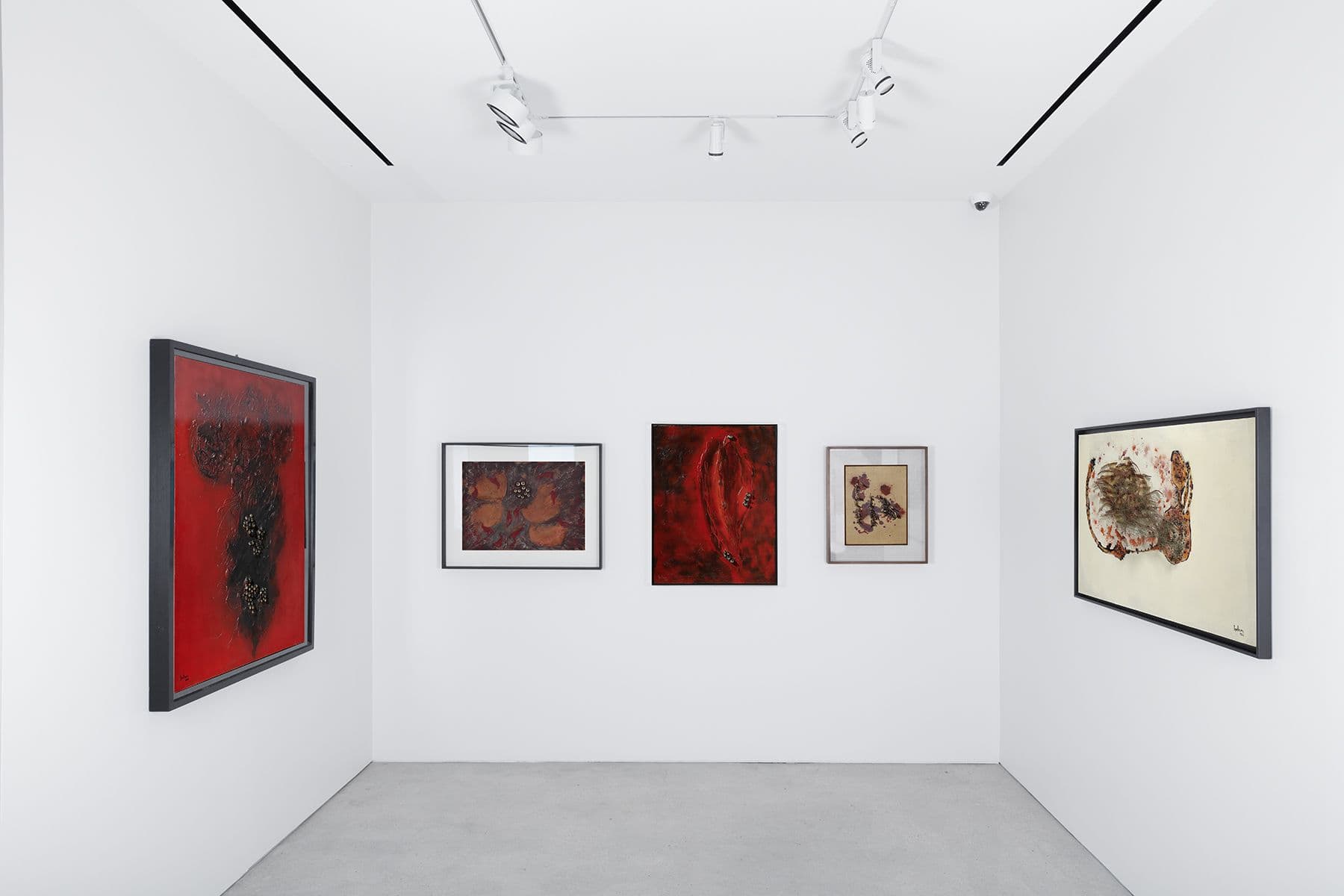
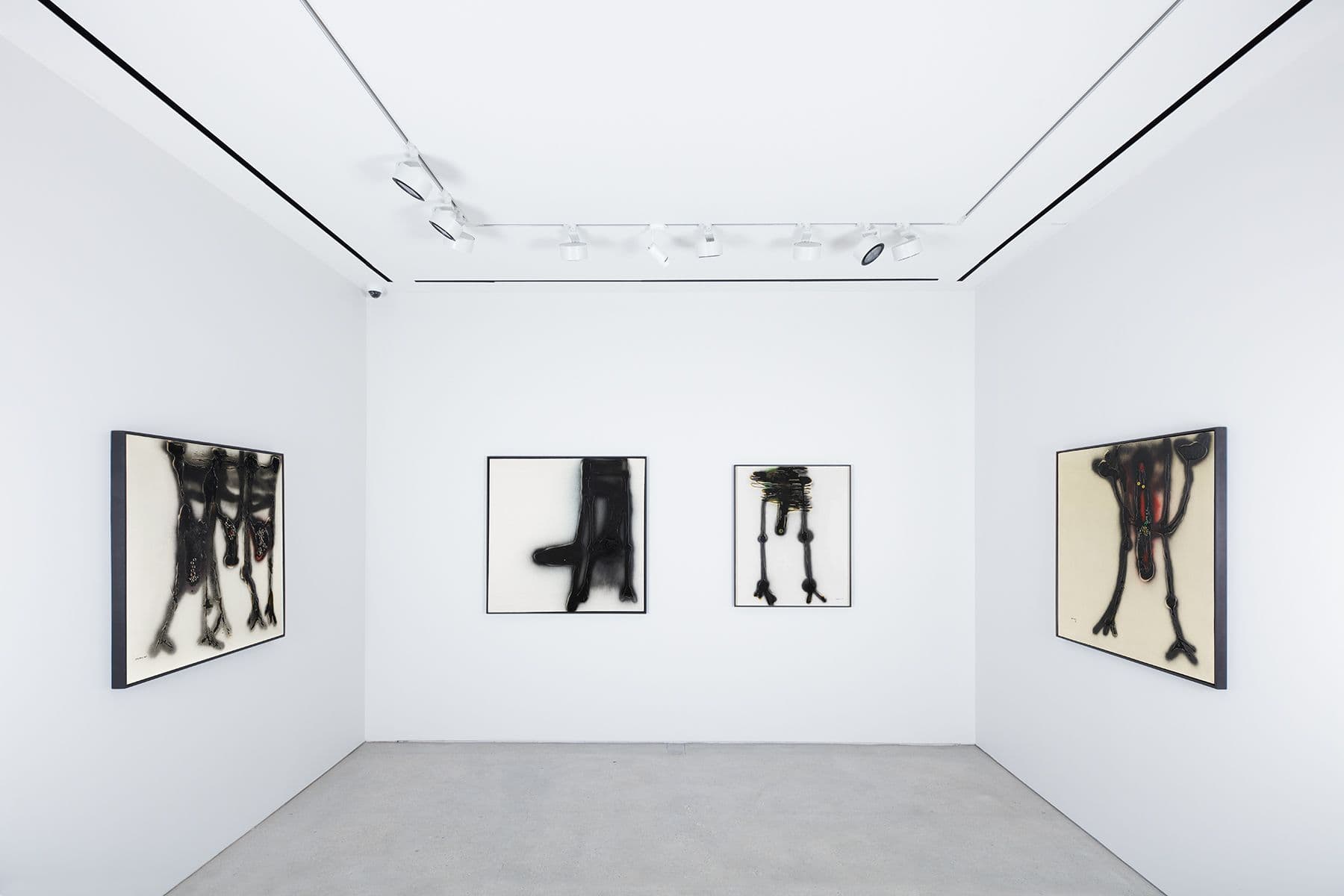
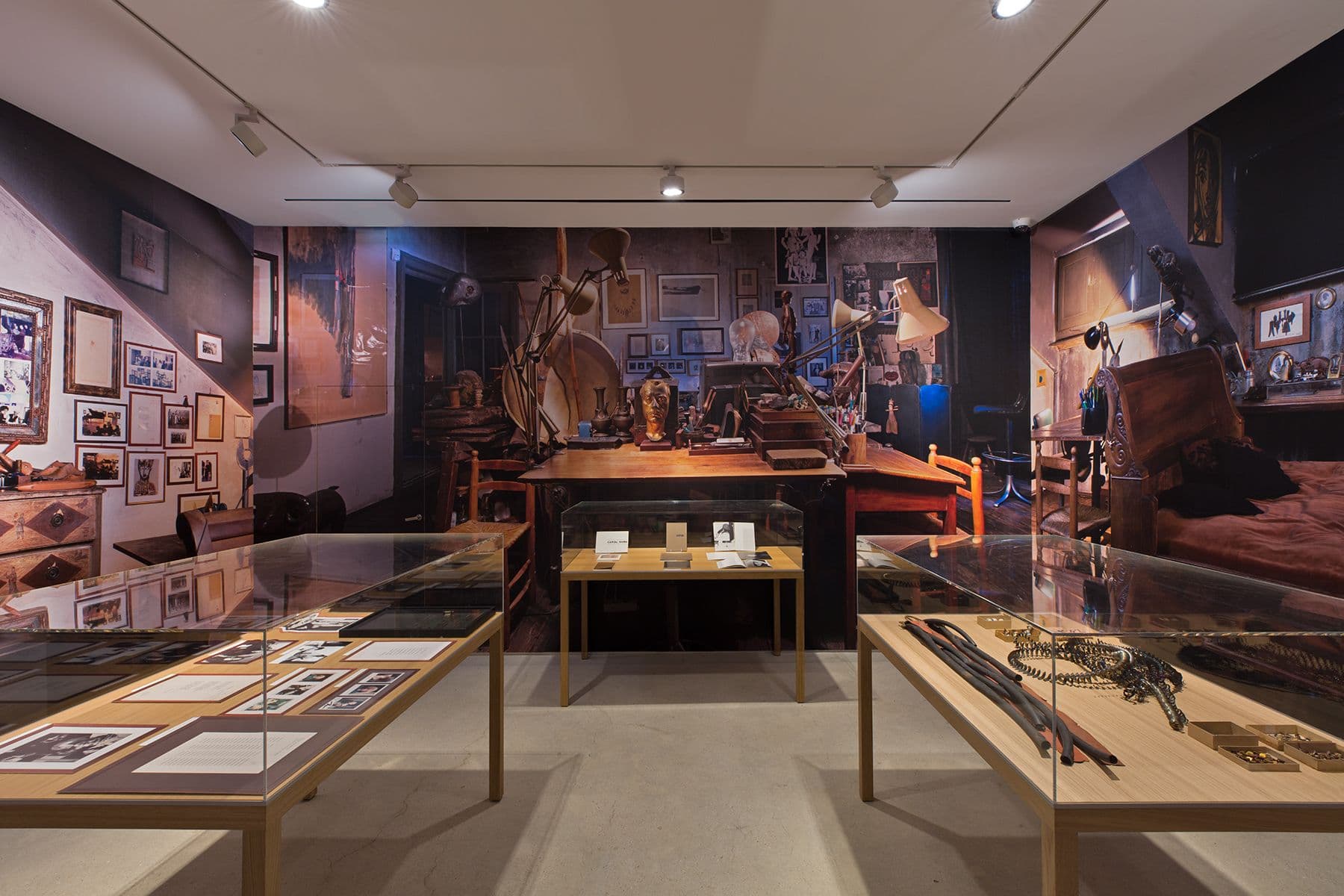
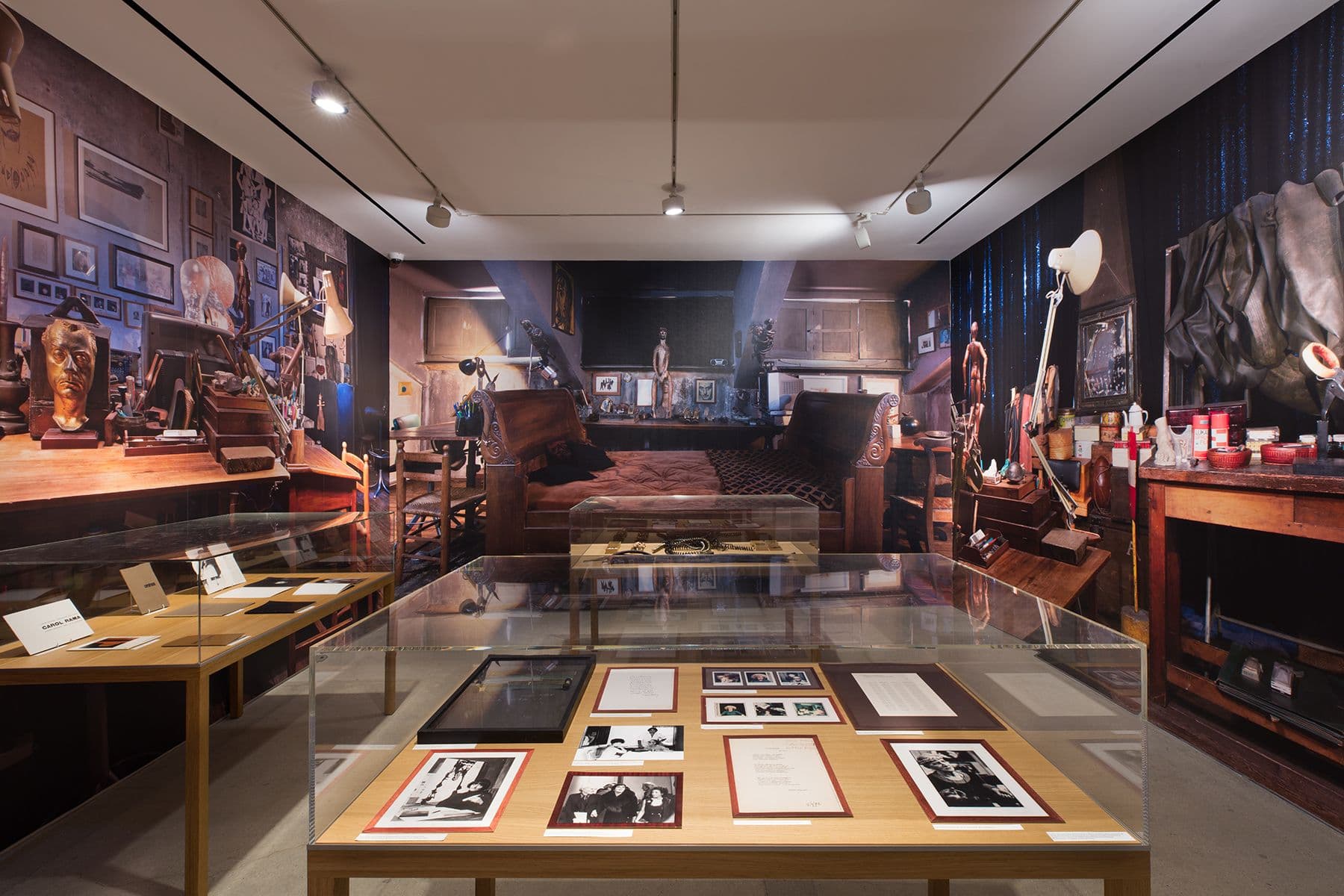
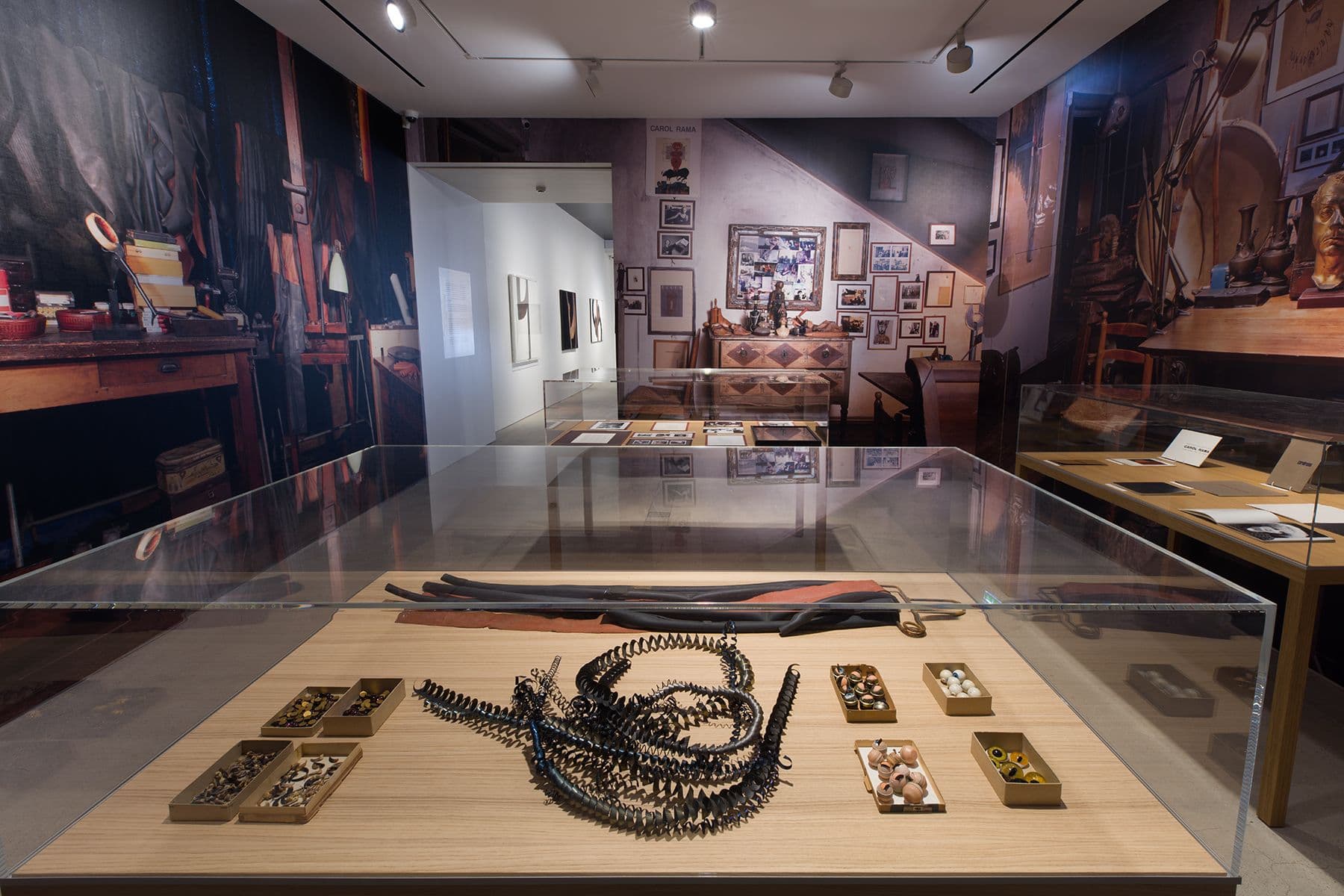
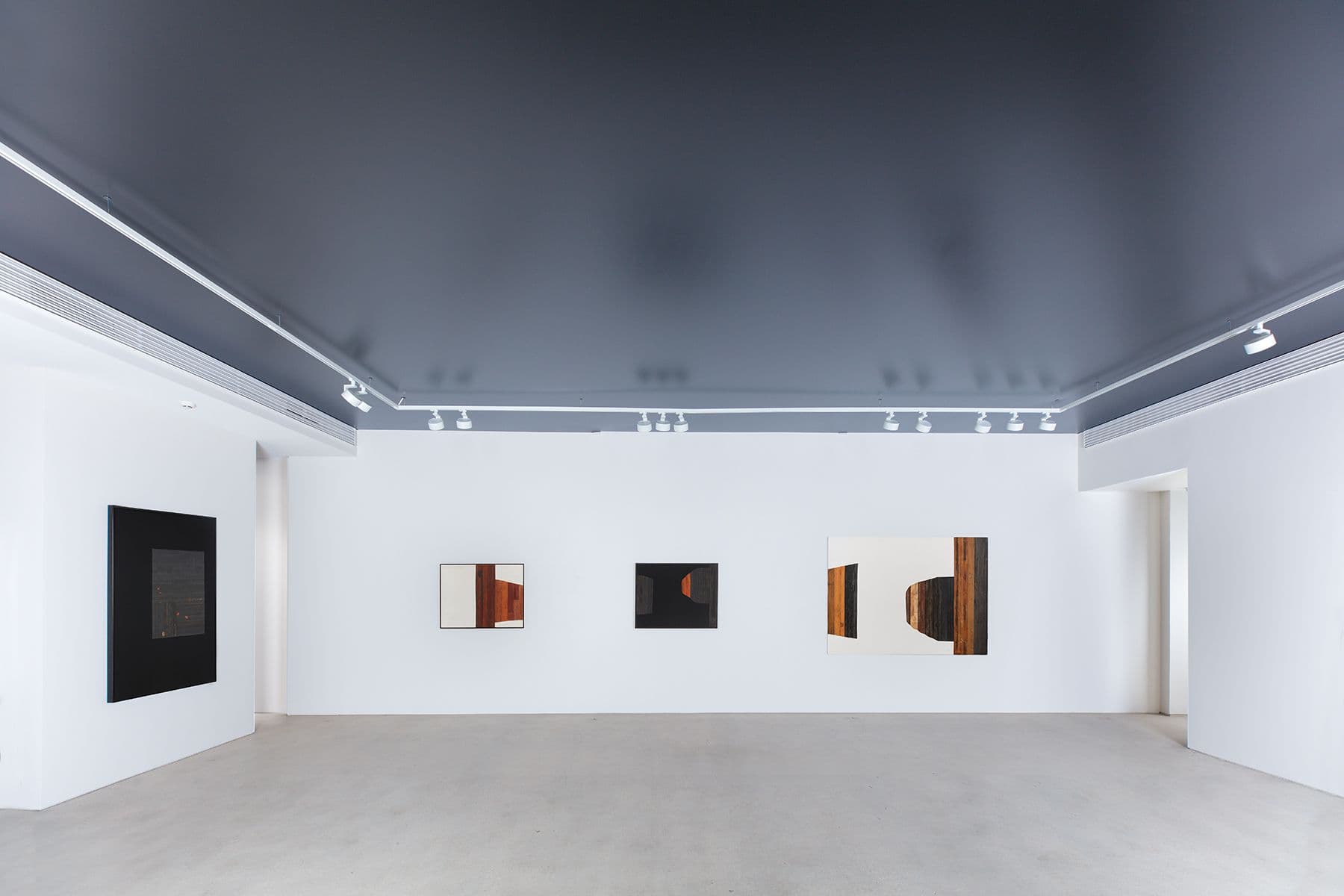
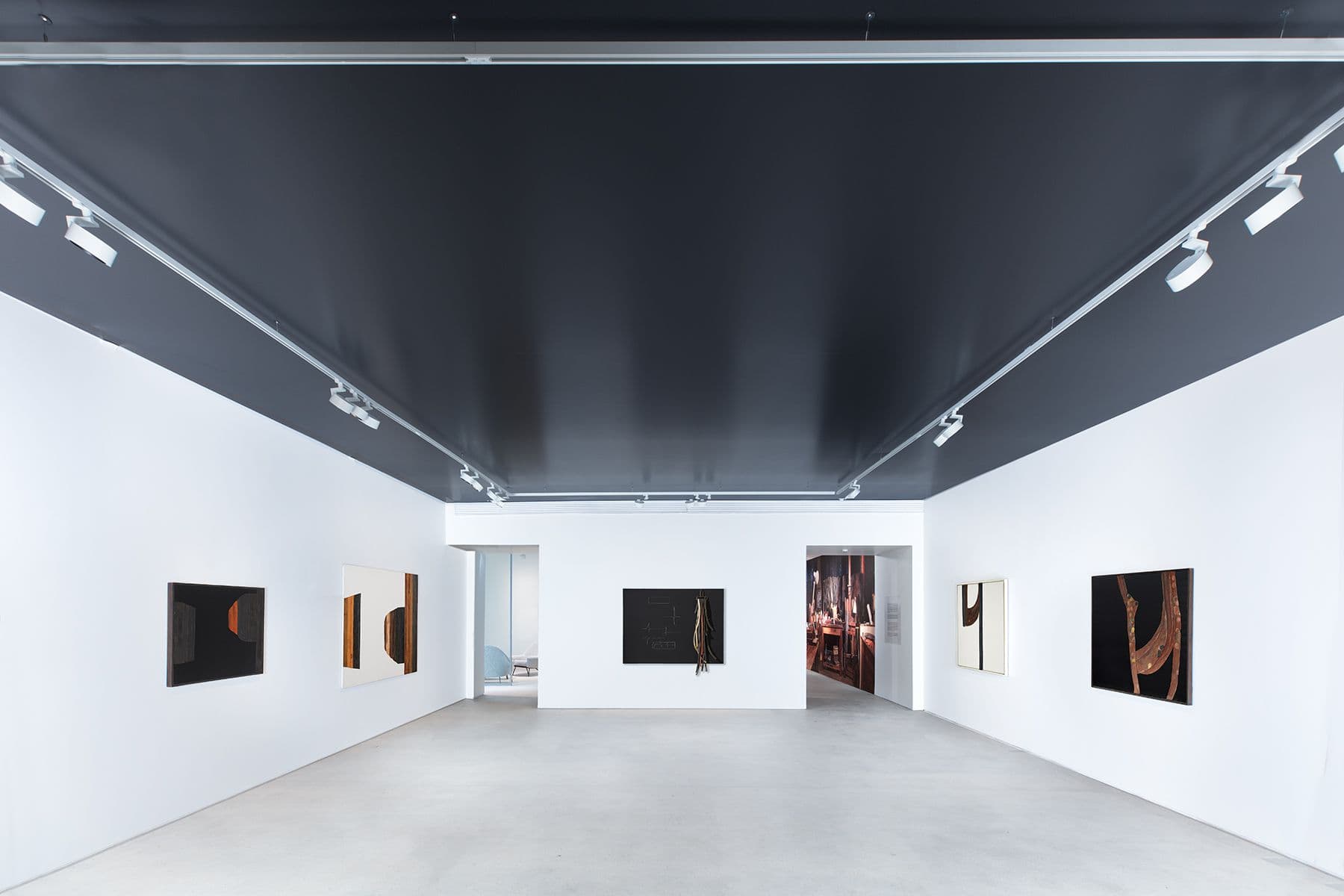
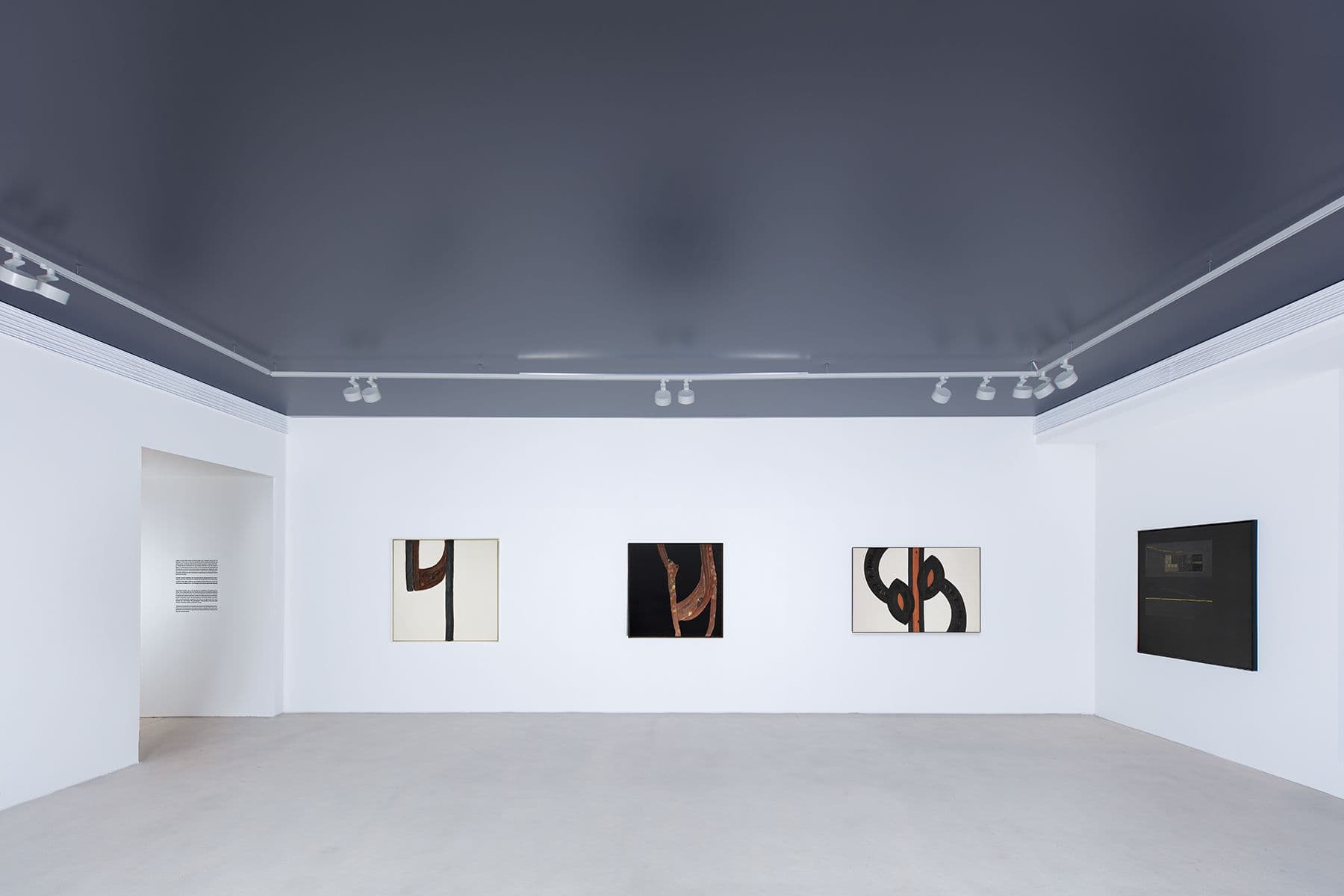
LGDR[Scroll down for French version / Veuillez trouver ci-dessous la version française] LGDR Paris is pleased to present Carolrama Coralarma Claromara Arolcarma Coralroma Ormalacra Carmarola, the first exhibition dedicated to Carol Rama’s research of the 1960s and ‘70s. The title of the exhibition is a 1974 composition by Man Ray, printed in the catalogue of a show organized by gallerist Luciano Anselmino and framed by Rama for her home and studio in Turin. This presentation follows the 2015 solo show La passion selon Carol Rama curated by Anne Dressen at the Musée d’Art Moderne de la Ville de Paris. Narrowing the focus of that last momentous survey, LGDR’s exhibition unwraps two important decades of the artist’s research. Carolrama Coralarma Claromara Arolcarma Coralroma Ormalacra Carmarola includes historic work never previously exhibited as well as material on loan from the artist’s extraordinary home and studio in Turin, including samples of elements used in the works on view and personal records illuminating her artistic and social milieu. The exhibition is divided into four sections. It opens with a group of bricolages made in the 1960s. For these works, Rama covered canvases, boards, and sheets of paper with paint. She then embedded objects in them ranging from syringes, wire, and metal shavings to doll eyes and animal claws. The bricolages emerged from her interest in Surrealism, and also reveal the importance that Turin played in her approach to materials, as many of the items that she appropriated came from nearby factories. In 1969, black spray paint became more prominent in Rama’s practice. She made a number of works that can be seen as abstracted, stretched out, and possibly destroyed bodies. Rama was conscious of the memories of the atomic bombings of Hiroshima and Nagasaki, and the ongoing events of the Cold War. The sprayed works might be read as her responses to the news footage from the Vietnam War and other conflict zones. During the following decade, again drawing in materials readily available from northern Italian factories like Pirelli, Rama turned to rubber and inner tubes in various series. At first, she flattened sheets of rubber in compositions that sometimes continue her interest in abstracted body parts. The works increased in scale as she stretched out the rubber in huge curves against black or white grounds. In 1972, dealing more explicitly with traditions of geometric abstraction, she began a series called Fase del nero for which she set squares of rubber in different hues in monochrome fields. Some years later, Rama incorporated metal hangers into her art, draping inner tubes from them so that they hang limp in front of the planes. During that time she became close to Man Ray, who spent extended periods in Italy, and later socialized with foreign artists like Andy Warhol and Meret Oppenheim, who left a strong impression on Rama. Carolrama Coralarma Claromara Arolcarma Coralroma Ormalacra Carmarola concludes with a room evoking Rama’s studio. Newly commissioned photographs show the environment in which exhibited works were made, bringing to light Rama’s incredible collections of objects. Samples of materials that she used in the Bricolages and rubber works are presented alongside important documents revealing her connections to artists, writers, and filmmakers. Carolrama Coralarma Claromara Arolcarma Coralroma Ormalacra Carmarola is curated by Mark Godfrey, an independent art historian and curator based in London. LGDR extends special thanks to Valentina Castellani for tirelessly supporting the gallery’s commitment to Carol Rama. The exhibition will be accompanied by a publication featuring a commissioned text by Portuguese contemporary artist Leonor Antunes as well as a conversation between Godfrey; Jo Applin, Professor in the History of Art at The Courtauld Institute of Art, London; and Maria Cristina Mundici, Scientific Director of Archivio Carol Rama, Turin. This exhibition at LGDR Paris anticipates Rama’s presence at the 59th Venice Biennale, The Milk of Dreams, curated by Cecilia Alemani and opening in April 2022. Carol Rama lived and worked between the walls of her Turin apartment in Via Napione 15 from the 1940s to 2015. Originally a tidy middle class flat, this space gradually took on the appearance of a total art installation. More information on how to visit her studio may be found at www.archiviocarolrama.org ***** LGDR Paris a le plaisir d'annoncer Carolrama Coralarma Claromara Arolcarma Coralroma Ormalacra Carmarola, la première exposition consacrée aux deux décennies prédominantes dans la carrière de l'artiste. Inaugurée le 17 mars prochain au 4 Passage Sainte-Avoye, cette présentation fait suite à l'exposition personnelle de 2015 La passion selon Carol Rama, curatée par Anne Dressen au Musée d'Art Moderne de la Ville de Paris. En choisissant de réduire le champ d’intérêt de cette dernière étude capitale menée en France sur Rama, l'exposition de LGDR met en lumière les années 1960 et 1970. Carol Rama, 1960-79 présente des œuvres historiques jamais exposées jusque-là, ainsi que du matériel prêté par l'extraordinaire maison et atelier de l'artiste à Turin - notamment des échantillons d'éléments utilisés dans les œuvres exposées et des documents personnels mettant en lumière son milieu artistique et social. L'exposition se divise en quatre sections. Elle s'ouvre sur un groupe de Bricolages réalisés dans les années 1960. Dans ces œuvres, Rama a recouvert de peinture des toiles, des planches et des feuilles de papier. Elle y a ensuite incrusté des objets allant de seringues, de fils de fer et de copeaux de métal, à des yeux de poupée et des griffes d'animaux. Les Bricolages émergent de son intérêt pour le Surréalisme et de ses relations étroites avec Man Ray et Meret Oppenheim - mais ils révèlent aussi l'importance de Turin dans son approche des matériaux, car nombre des objets qu'elle s'est appropriés proviennent des usines de la région. En 1969, la peinture aérosol noire prend plus de place dans la technique de Rama. Elle réalise un certain nombre d'œuvres qui peuvent être considérées comme des corps abstraits, étirés, voire détruits. Rama était consciente des souvenirs laissés par les bombardements atomiques d'Hiroshima et de Nagasaki, et des événements qui eurent lieu pendant la guerre froide. Les œuvres peintes à l’aérosol peuvent être considérées comme ses réactions aux images d'actualité de la guerre du Vietnam et d'autres zones de conflit. Au cours de la décennie suivante, puisant à nouveau dans des matériaux facilement disponibles dans des usines du nord de l'Italie comme Pirelli, Rama s’oriente vers le caoutchouc et les chambres à air, à travers diverses séries d’œuvres. Au début, elle aplatit des feuilles de caoutchouc dans des compositions donnant parfois libre cours à son intérêt pour les parties abstraites du corps. Ses œuvres prirent de l'ampleur lorsqu’elle étira le caoutchouc en énormes courbes sur fonds noirs ou blancs. En 1972, abordant de façon plus explicite les traditions de l'abstraction géométrique, elle se lança dans une série intitulée Fase del Nero dans laquelle elle place des carrés de caoutchouc de teintes différentes dans des espaces monochromes. Quelques années plus tard, Rama intégra dans son art des crochets métalliques, y drapant des chambres à air de sorte qu’elles pendent mollement devant les surfaces planes. Carolrama Coralarma Claromara Arolcarma Coralroma Ormalacra Carmarola s’achève sur une salle évoquant l'atelier de Rama. Des photographies donnent à voir l'environnement dans lequel les œuvres exposées ont été réalisées, mettant en lumière les incroyables collections d'objets de Rama. Des échantillons de matériaux utilisés dans les Bricolages et des œuvres en caoutchouc figurent à côté d’importants documents révélant ses liens avec des artistes, des écrivains et des cinéastes. Carol Rama, 1960-79 est curatée par Mark Godfrey, historien de l'art et conservateur indépendant basé à Londres. L'exposition s’accompagnera d'une publication comprenant un texte commandé à l'artiste contemporaine portugaise Leonor Antunes, ainsi qu'une conversation entre Godfrey, Jo Applin, professeur d'histoire de l'art au Courtauld Institute of Art de Londres, et Maria Cristina Mundici, directrice de l'Archivio Carol Rama de Turin. Cette exposition à LGDR Paris précède la présence de Rama à la 59e Biennale de Venise, The Milk of Dreams (Le Lait des Rêves), curatée par Cecilia Alemani, et qui ouvrira ses portes en avril 2022.