
Gangnam, Seoul
Woo Hannah
Poomsae
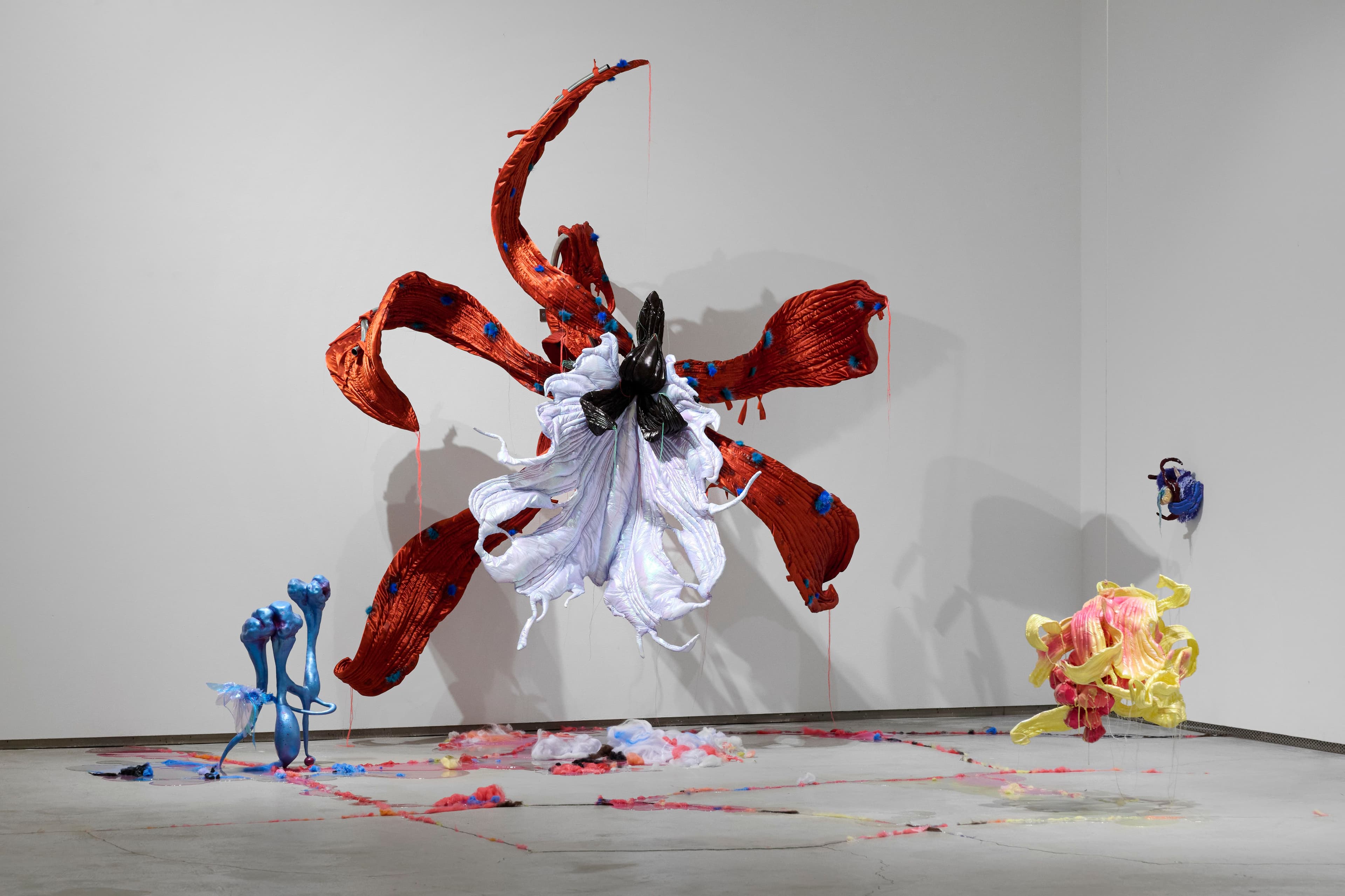
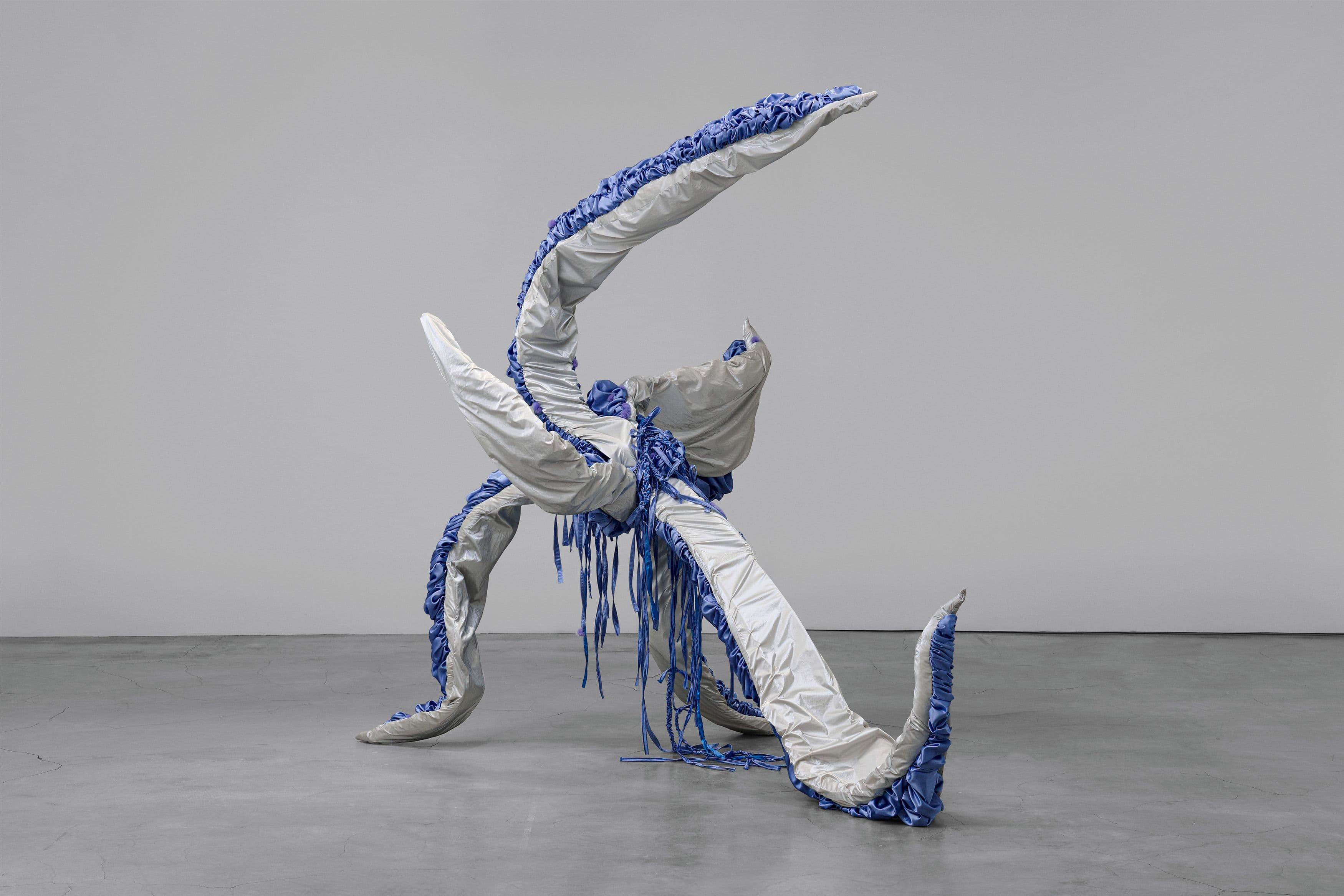
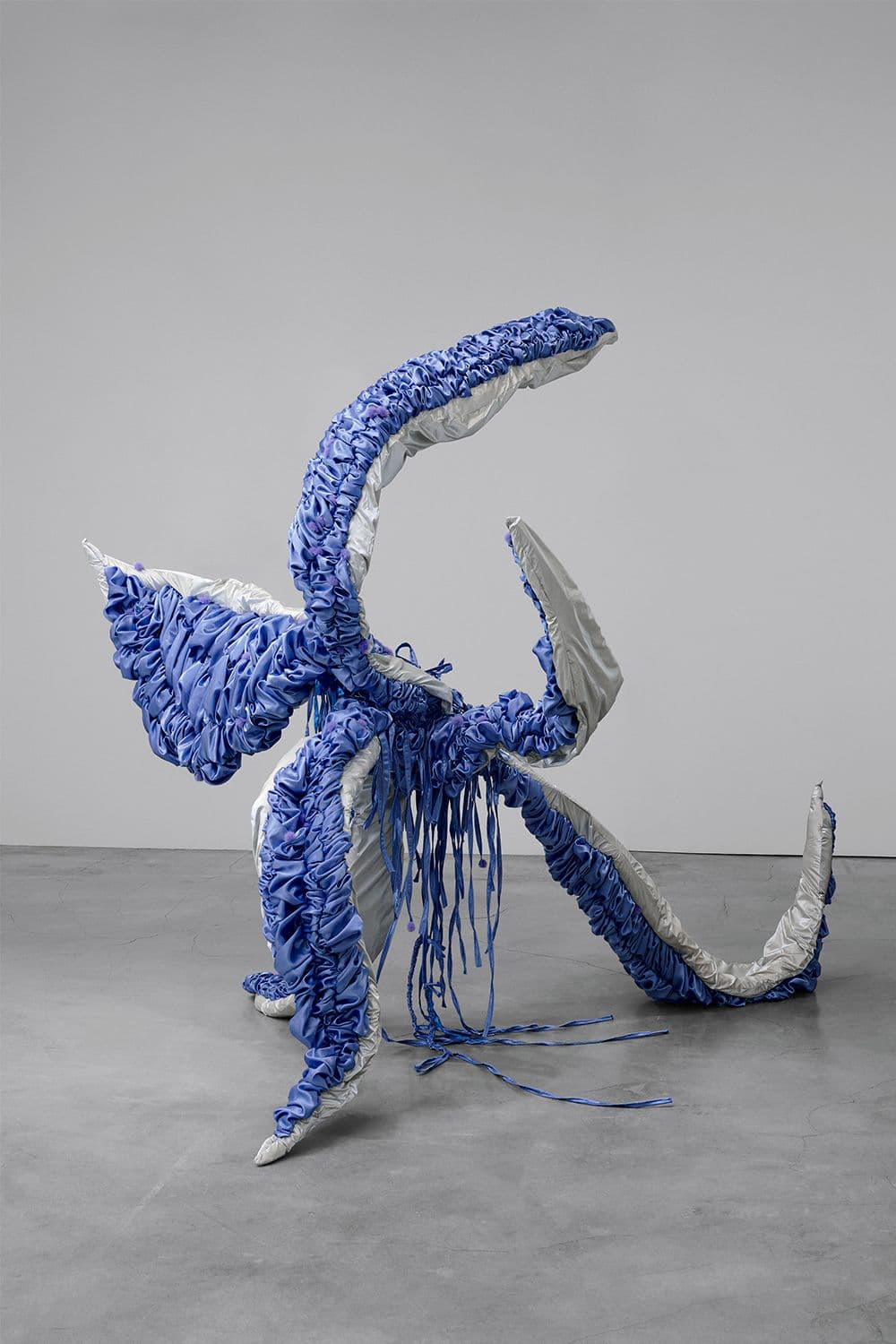
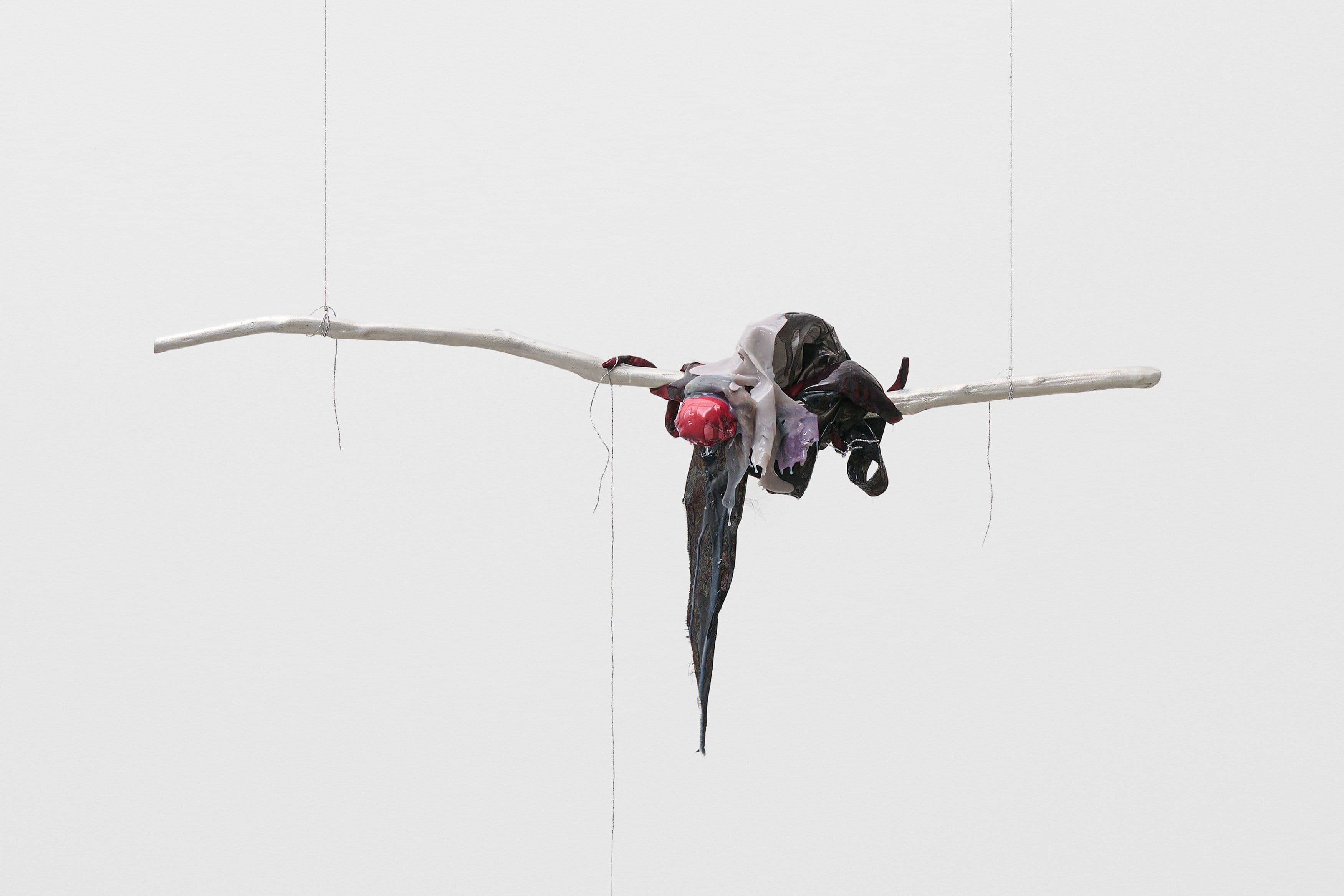
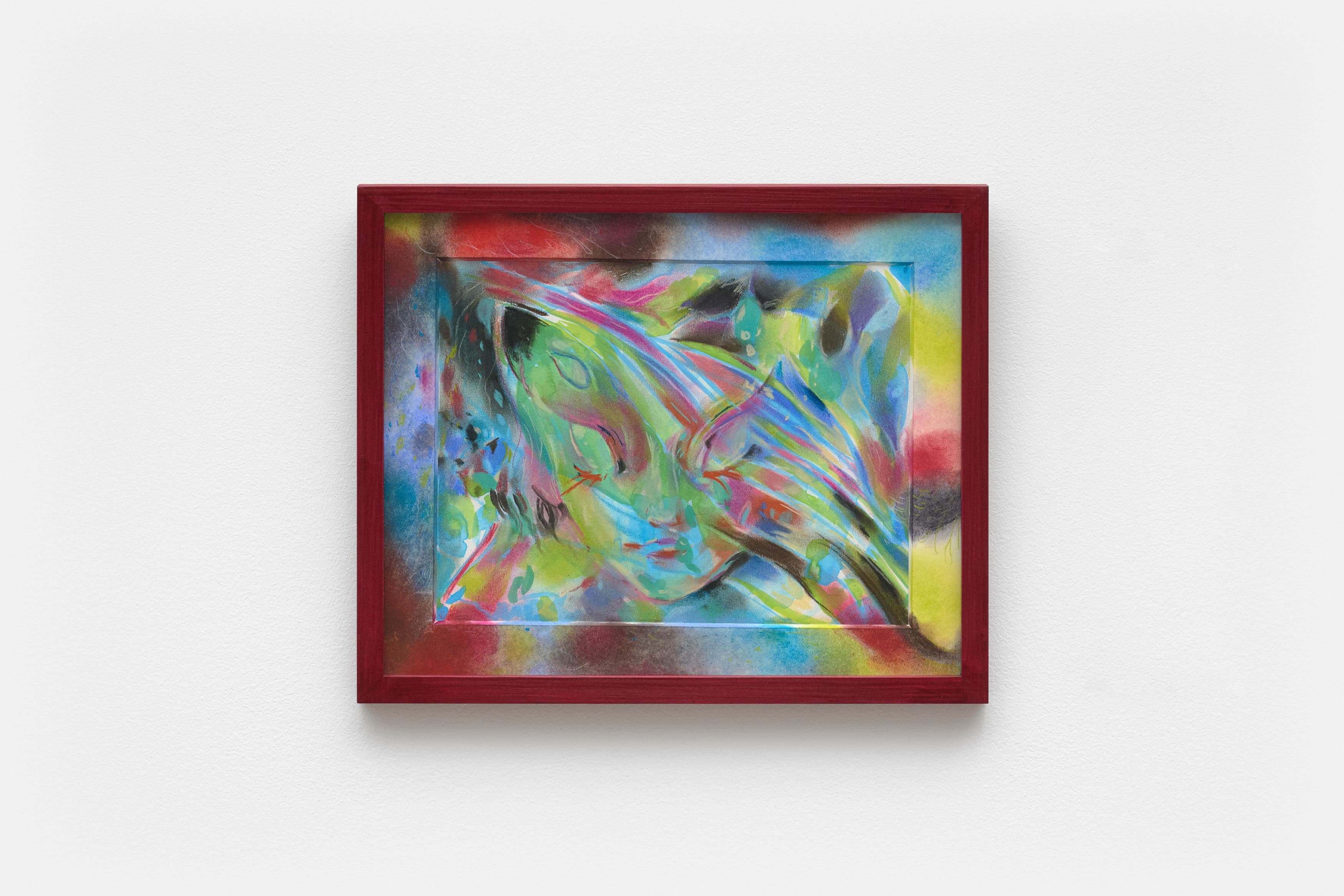
G GalleryPracticing "Poomsae" to Stand on One's Own At times, I find myself imagining the life of a person and wonder where they might be standing at this moment. We are all placed in different circumstances and environments, and accordingly, the shape of our lives and the timing of their transformations appear in various ways. For artists, too, there are inevitably moments of transition across their lifetime, and such changes leave traces in their work. This exhibition, Poomsae, brings together works created by Woo Hannah during one such transformative period. They embody intense, sorrowful, yet dignified and beautiful moments of life experienced during that time. The title of this exhibition, "Poomsae," underwent two changes before arriving at its final form. It was first titled The Self-Destructing Diva, and later, briefly, Demi-Pointe, a term referring to a ballet position. In the short text she shared alongside the title The Self-Destructing Diva, I sensed the artist's strong will to move forward despite imperfection, and the inner struggle to steady herself on the edge and seek a new balance. Interestingly, the two titles that followed both referenced "postures," leaving the impression that the artist, through an internal process of accepting change, was ultimately forming a stance to stand firmly on her own two feet. Thus, Poomsae becomes both an exercise in standing as a person and an artist, and an exhibition that sculpts the idea of independence. Letting It Out, Without Holding Back Upon entering the exhibition space, a scene unfolds in which various forms of life and emotion erupt in all directions. The landscape—composed of works from the Bleeding and Milk and Honey series, ongoing since 2023—resembles a storm of raw emotions that seem to resonate across different frequencies, moving toward a state of balance. A body highly reactive to external changes (Cholinergic Bloom, 2025), a figure that enlarges itself to charge forward yet remains vulnerable (Flamethrower, 2025), and a presence where energies of different temperatures are compressed into a single mass (Whispy, 2024)—all these works expand the emotional spectrum from primal outbursts, as seen in the Bleeding series, to more composed restraint. The Milk and Honey series materializes themes of desire and aging in unfiltered forms. A figure that was devoured yet tears its way back out (Half Digest, But Alive, 2024), a character that displays emotional turbulence without reserve, only to blame herself for her immaturity (Mourning Lady, 2024), and a body that slowly mutates in response to external stimuli while retaining a strange beauty (Acid Rain, 2025)—these all articulate a world uniquely shaped by emotional and bodily transformation. Stretching across the gallery floor, veins of silicone and felt appear like lifelines, forming what feels like a physical network connecting the emotions and lives that breathe within the space. These cracks are not gaps to be filled, but marks left by energies bursting through the surface. Colorful fluid spurts boldly like blossoms or stems, visualizing a fierce will to live. The space is filled with remnants of emotions and energies—disgust and love, joy and sorrow, guilt and forgetfulness, despair and sacrifice. By embracing these uncontrollable excretions, the artist brings forth her own world in a new form. Divas Refigured Through Evolution and Regression Alongside emotions, bodily transformations are also central to Woo's practice. After moving through emotional oscillations between self-love and self-loathing, we are met with Walking Diva (2025), a figure standing proudly with an adorned body stretched wide in confidence. These adornments constrain the body like a corset and hinder movement, yet the diva persists, step by step. Born from cycles of collapse and recovery, this diva, as the artist notes, "never stops walking, even as her body frays and falls apart." [1] The diva reveals the instinct of a body striving to endure uncontrollable emotions and unavoidable realities, trying to grasp fleeting sensations and possibilities. This bodily survival instinct is elevated into a sculptural language, as forms are quietly reorganized in the name of endurance. Surrounding Walking Diva are drawings of transformed bodies. Woo calls this the "Hall of Divas." [2] A being whose face has morphed entirely into an ear due to listening too much, one who tries to hide from shame but ends up even more exposed—these entities continuously reshape their forms on the ambiguous edge between evolution and regression. Rather than turning away from harsh realities, Woo chooses to expose her altered self without hesitation. Her determination—to fail boldly and reveal herself unembellished even when values are shaken—is faithfully reflected in her forms. Standing Up in Irresponsible Forms In a 2021 interview, while on the topic of sculptures, Woo Hannah spoke of "irresponsible forms" and the "independence of an upright sculpture." [3] The contrast between sculptures that cannot stand, seen as irresponsible forms, and those that stand upright, seen as independent, is symbolic. A sculpture standing up against gravity feels like a projection of the artist's effort to hold her own as an individual. Yet Woo simultaneously insists on preserving the irresponsible form. This idea is embodied in Lobster (2021). Made of soft, non-self-supporting materials like fabric and stuffing, the sculpture could not stand on its own at the time, and the artist used wire to suspend it in the air. In contrast, she mentioned that if she were to install Lobster in this exhibition, she would like to lay it slack on the floor. This decision reflects a shift in the artist's approach. By acknowledging the physical limits of the materials and embracing the support of other substances, she opened up the possibility for her works to stand independently. This change was also informed by her experience in learning ballet. Through it, she internalized a sense of balance, bone alignment, and muscular tension, learning to perceive and utilize gravity through her bodily awareness. Demi-Pointe (2025), born from this experience, materializes the imagination of a new body sprouting from dried stone like hardened feet. Starting from a pose that raises the body from the toes, this sculpture oscillates between balance and imbalance, carefully tuning material and form, connecting bodily practice and sculptural attitude. Here, fabric no longer dominates the core but instead plays a supporting role or flows along the periphery, adopting a more fluid function. The combination of heterogeneous materials collides and cooperates, visually manifesting the shifting tides of emotion within a single work. In this way, Woo Hannah continues to sculpt metaphors of uprightness and independence while embracing the stance of the "irresponsible form"—an assertion of will to rise even in states of collapse, a sculptural conviction to preserve her shape amid softness and fragility. Poomsae: Sculpting a Stance of Survival When asked about the music she listens to most, the artist shared about ten tracks. [4] These pieces commonly build emotional intensity through repeated short rhythms and melodies, alternating between release and tension to create moments of emotional catharsis. The structure of these rhythms naturally recalls the artist's sculptures—creatures that crawl across the gallery floor, walk, climb the walls, rise from the ground, or find their center and stand. Like divas, moving through despair and hope with a solemn grace, they repeat their own rhythms with poise and persistence. Poomsae sculpts this stance of survival, unfolding a firm resolve to stand on one's own. The artist continues practicing her own poomsae—learning how to stand again and again, even in fragile states. Through this, we come to face a new kind of resilience that does not come from solidity. She will continue to walk, following the rhythm of her own making—with grace. 1 - Excerpted from an unpublished manuscript written by the artist while preparing for the exhibition. 2 - Quoted from a conversation with the artist during a meeting held on July 11, 2025. 3 - Woo Hannah x Kim Haeju,「직진하다 회전하는 변화」Jikjinhada Hoejeonhaneun Byeonhwa, 2021. 4 - The artist frequently listens to a wide range of music, including Maurice Ravel's Boléro, Igor Stravinsky's Ebony Concerto, Shiro Sagisu's Neon Genesis Evangelion soundtrack, Miles Davis's Time After Time, and Madonna's performance of Vogue at the 1990 MTV Awards. Among these, Boléro and Ebony Concerto are being played as part of the exhibition. —Park Gahee (Curator)