
Chelsea, New York
Lee Seung Jio
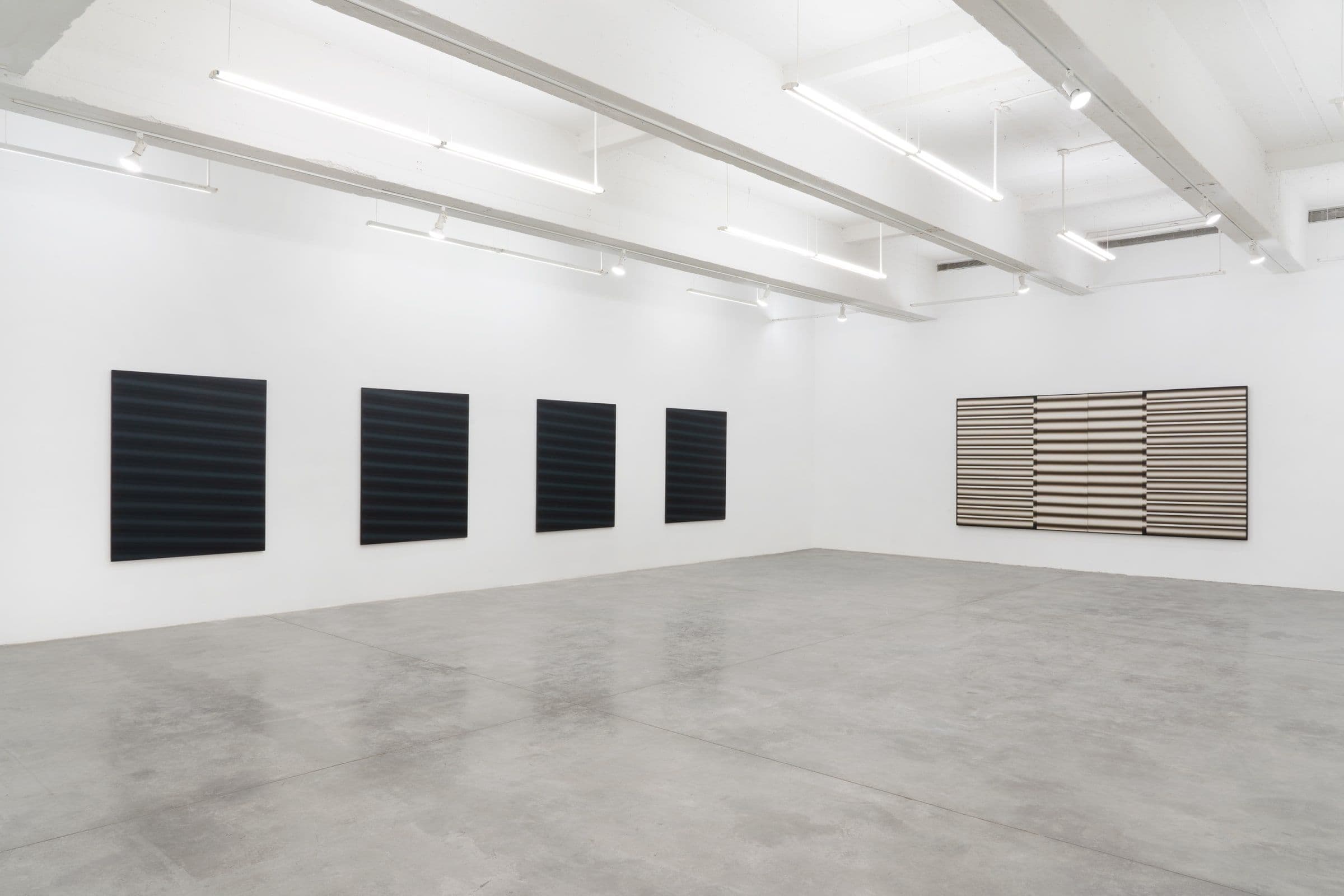
Nucleus in Resonance
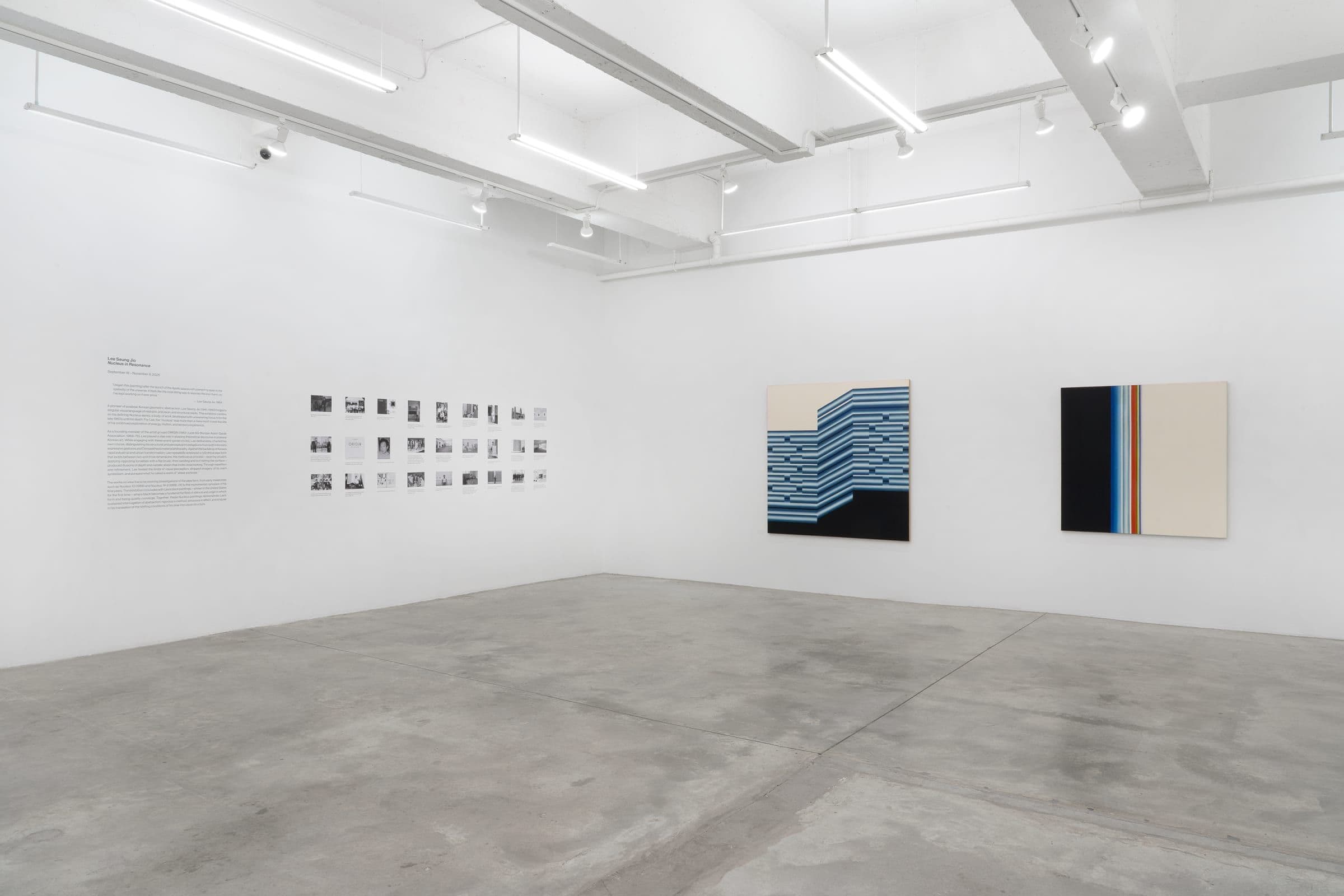
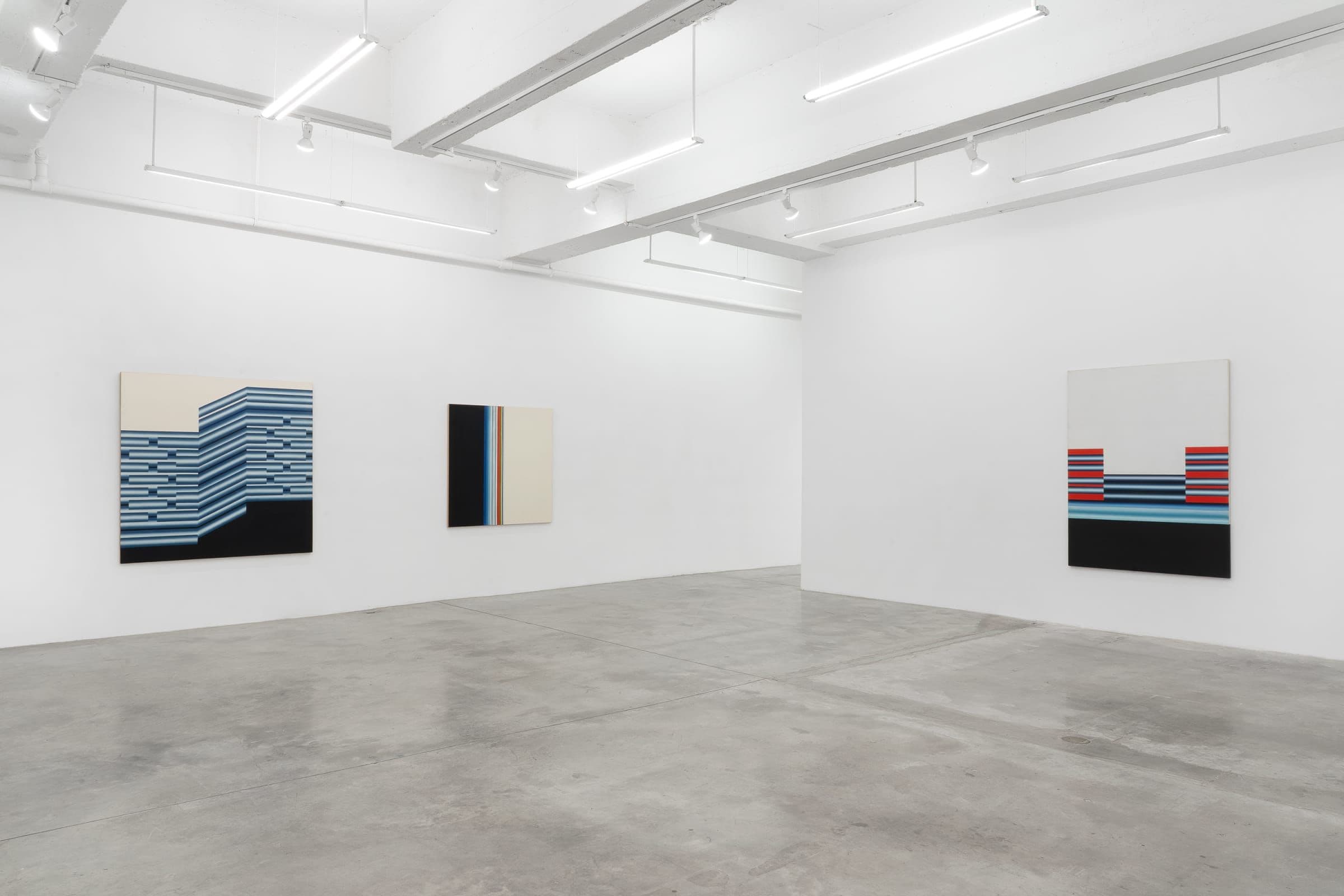
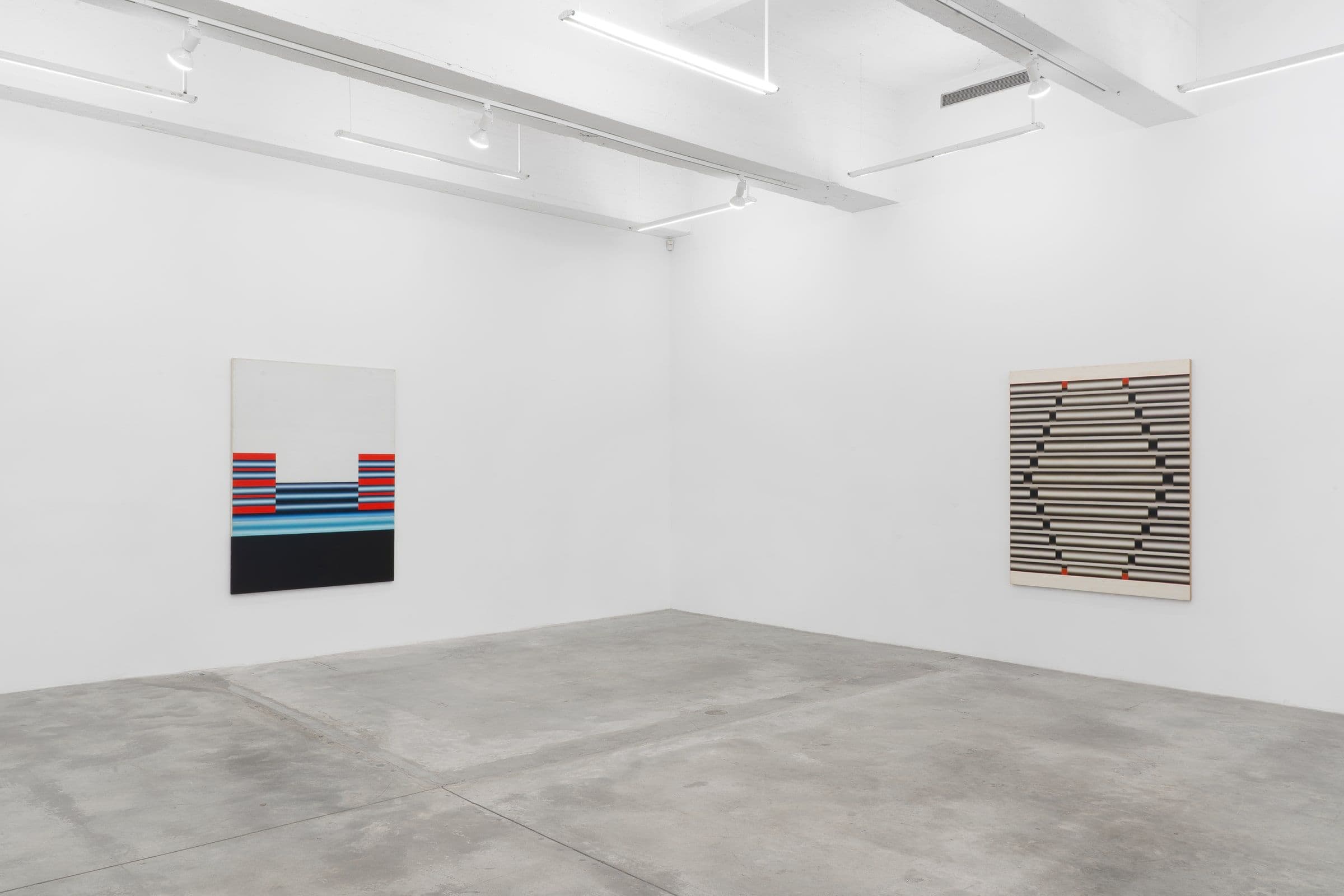
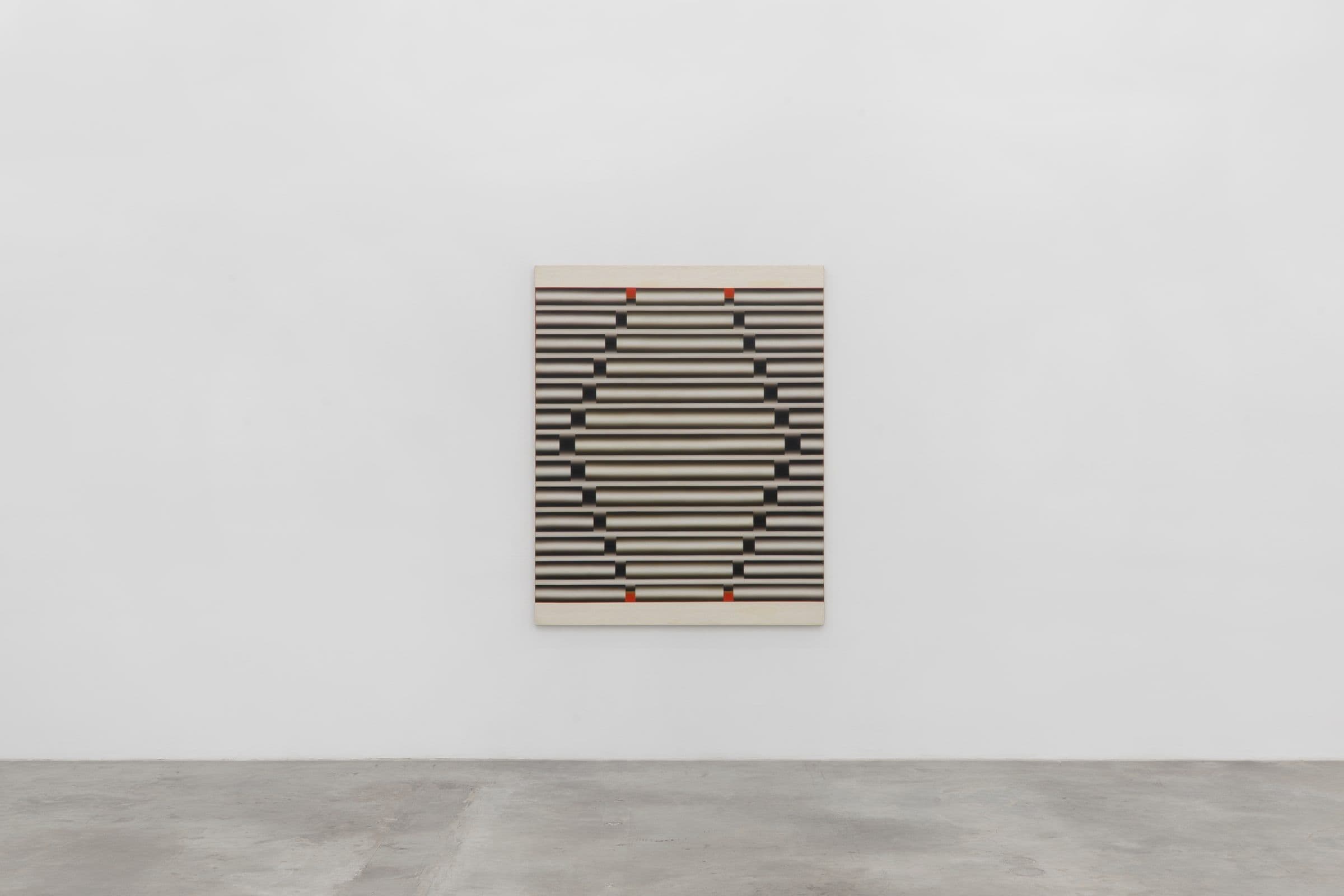
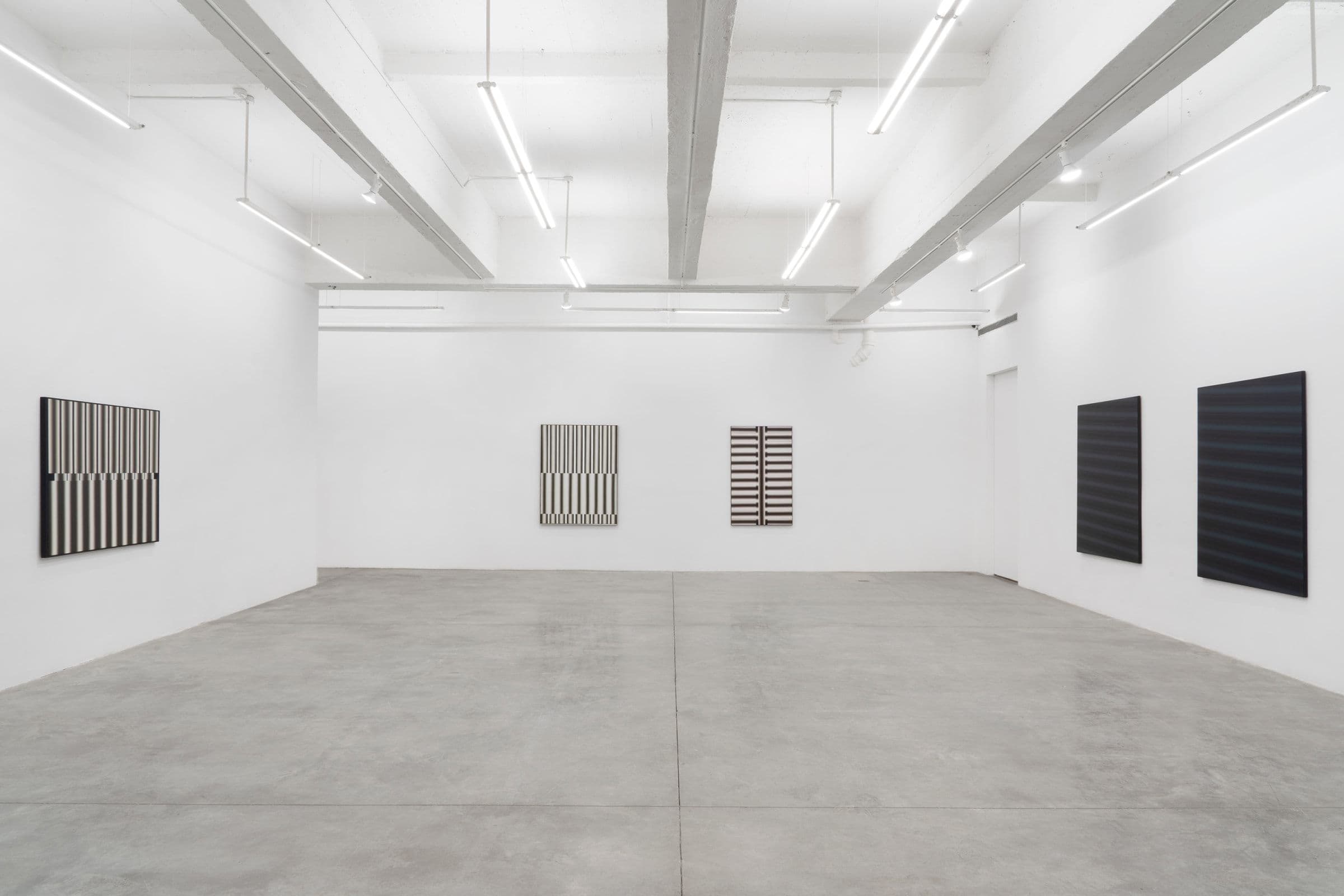
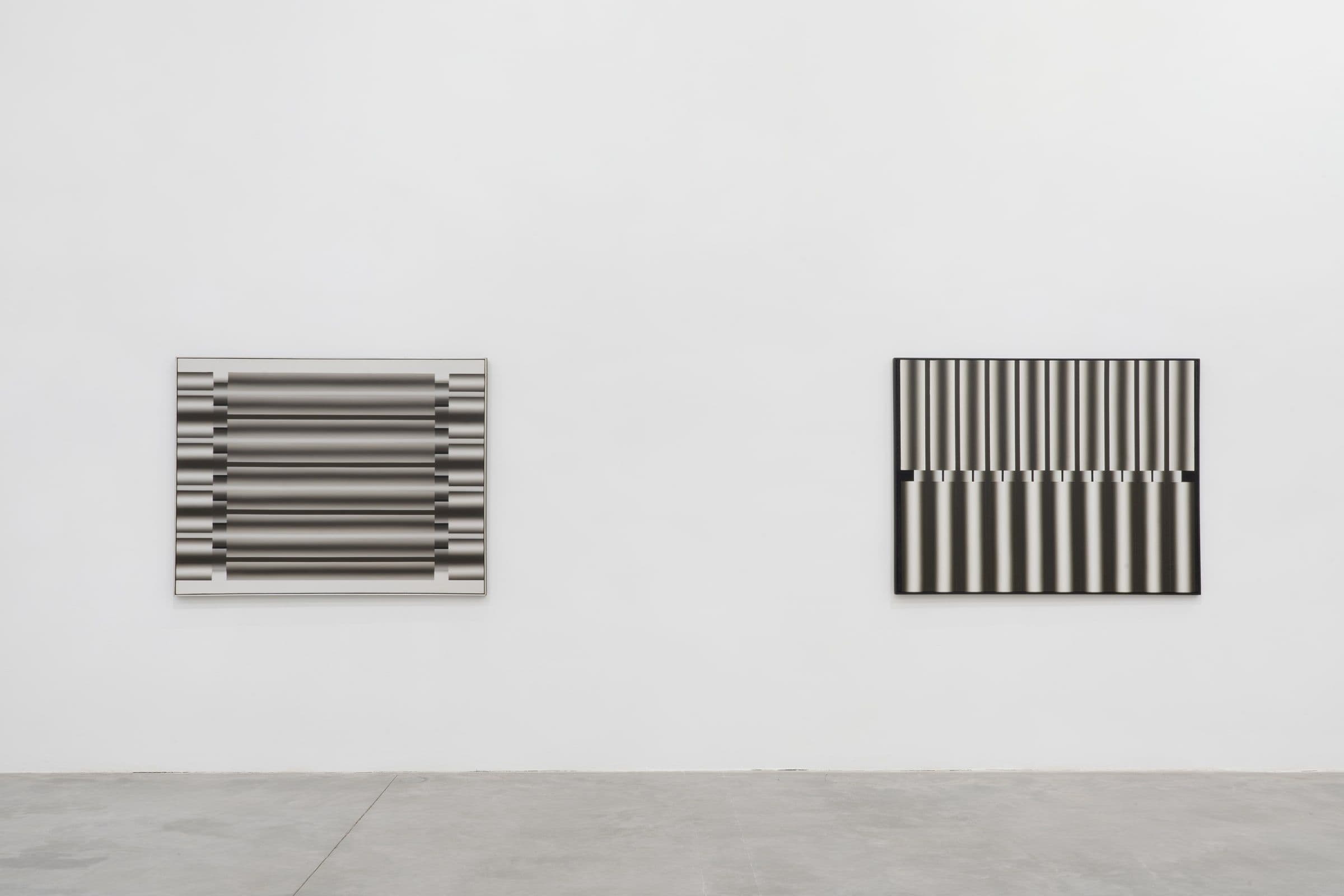
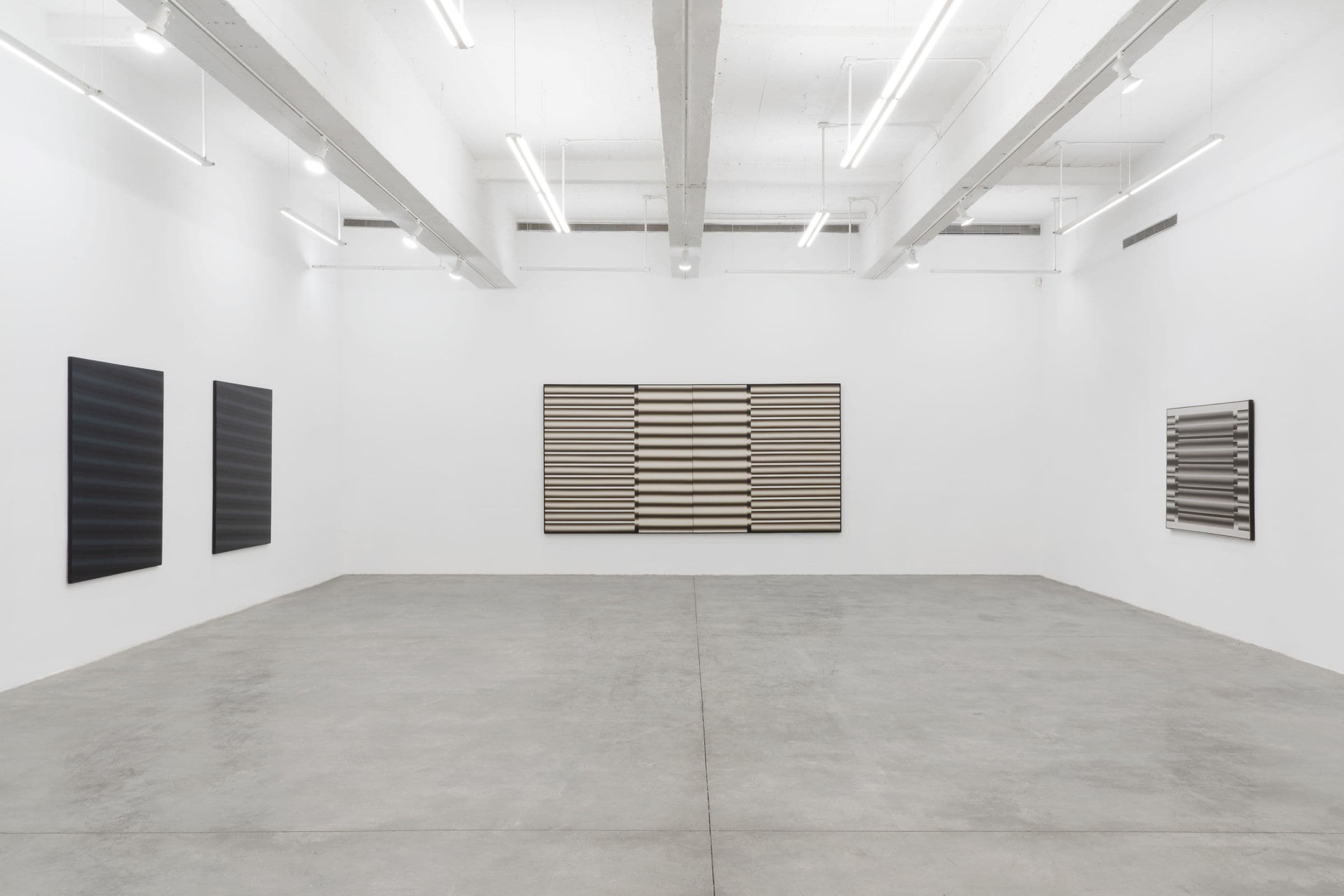
Tina Kim“I began this [painting] after the launch of the Apollo spacecraft opened my eyes to the spatiality of the universe. It felt like the most fitting way to express the era I live in, so I have continued working on it ever since.” —Lee Seung Jio A leading figure in postwar Korean geometric abstraction, Lee Seung Jio (1941–1990) devoted decades to exploring his iconic Nucleus series. As a founding member of Origin (1962–) and AG (1969–75), Lee helped establish the theoretical foundations of Korean modernism while developing his cylindrical “pipe” motif—a form at once abstract and figurative, two-dimensional plane and three-dimensional illusion. Marking the artist’s second solo exhibition with the gallery, this comprehensive show brings together Lee’s most defining works from 1968 to 1988, including the first US presentation of his rarely seen black paintings. Archival images of the artist further illuminate the evolution of his distinctive abstract language and underscore his pivotal role in shaping the trajectory of the Korean avant-garde. Lee Seung Jio (1941–1990) was born in Yongcheon, Korea and studied painting at Hongik University. In 1962, he co-founded the ORIGIN group with classmates such as Choi Myoung-Young and Suh Seung-Won, introducing a new vision of geometric abstraction. By the 1960s, he developed his signature Nucleus series of cylindrical forms, establishing a distinct mechanical aesthetic within Korea’s experimental art generation. After Lee’s passing in 1990, major retrospectives were held at Ho-Am Gallery (1991), Gallery Hyundai and Total Museum of Contemporary Art (1996), Busan Museum of Art (2000, 2010), Galerie Perrotin, Paris (2016), Tina Kim Gallery, New York (2020), and the National Museum of Modern and Contemporary Art, Korea (2020). His work was most recently featured in Only the Young: Experimental Art in Korea, 1960s–1970s, co-organized by MMCA and the Solomon R. Guggenheim Museum (2023–24). Lee’s works are held in the collections of The Museum of Modern Art (MoMA), New York; the National Museum of Modern and Contemporary Art, Korea; Seoul Museum of Art; Busan Museum of Art; and Leeum, Samsung Museum of Art.