

Tribeca, New York
Joline Kwakkenbos
Sapphic in the Field
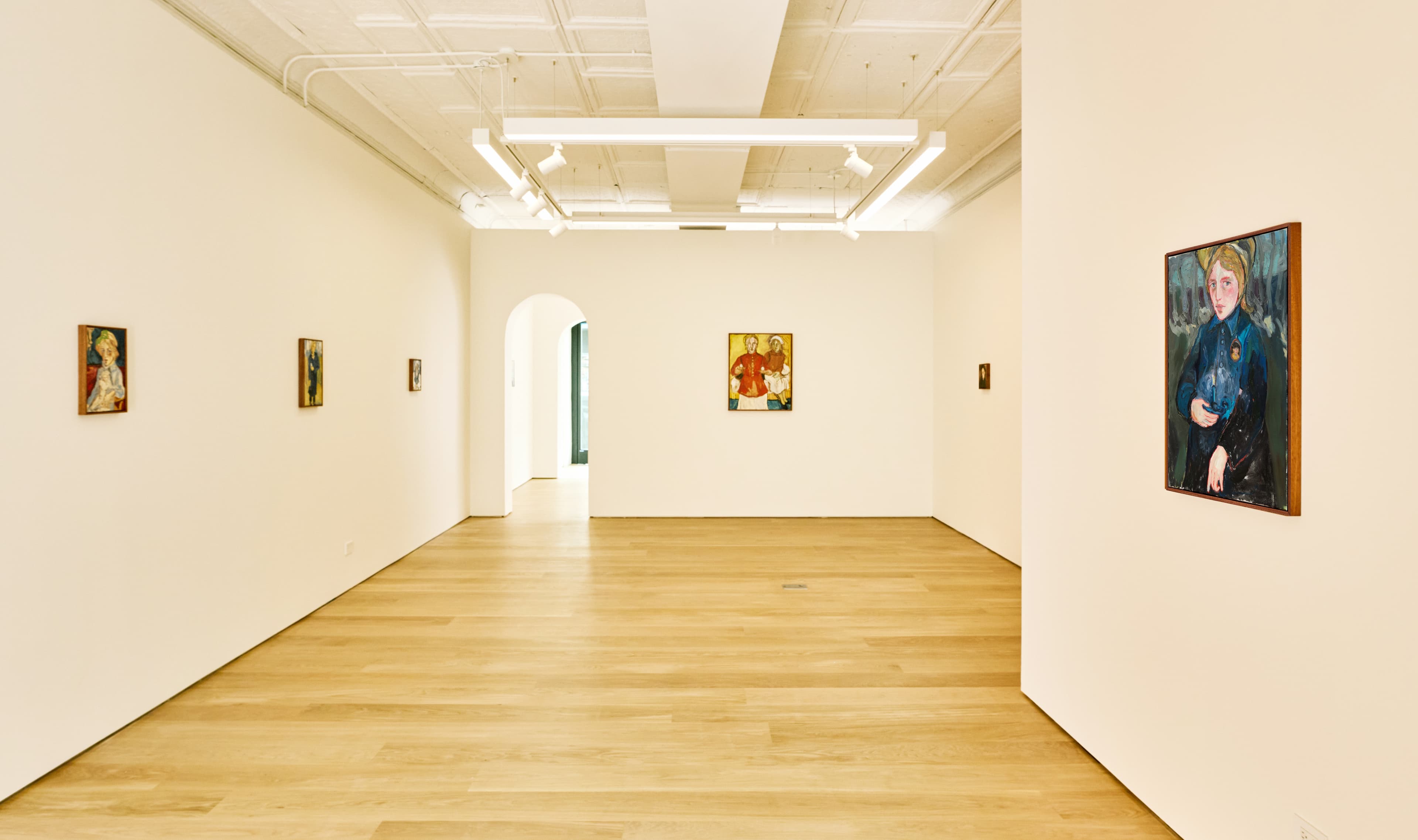
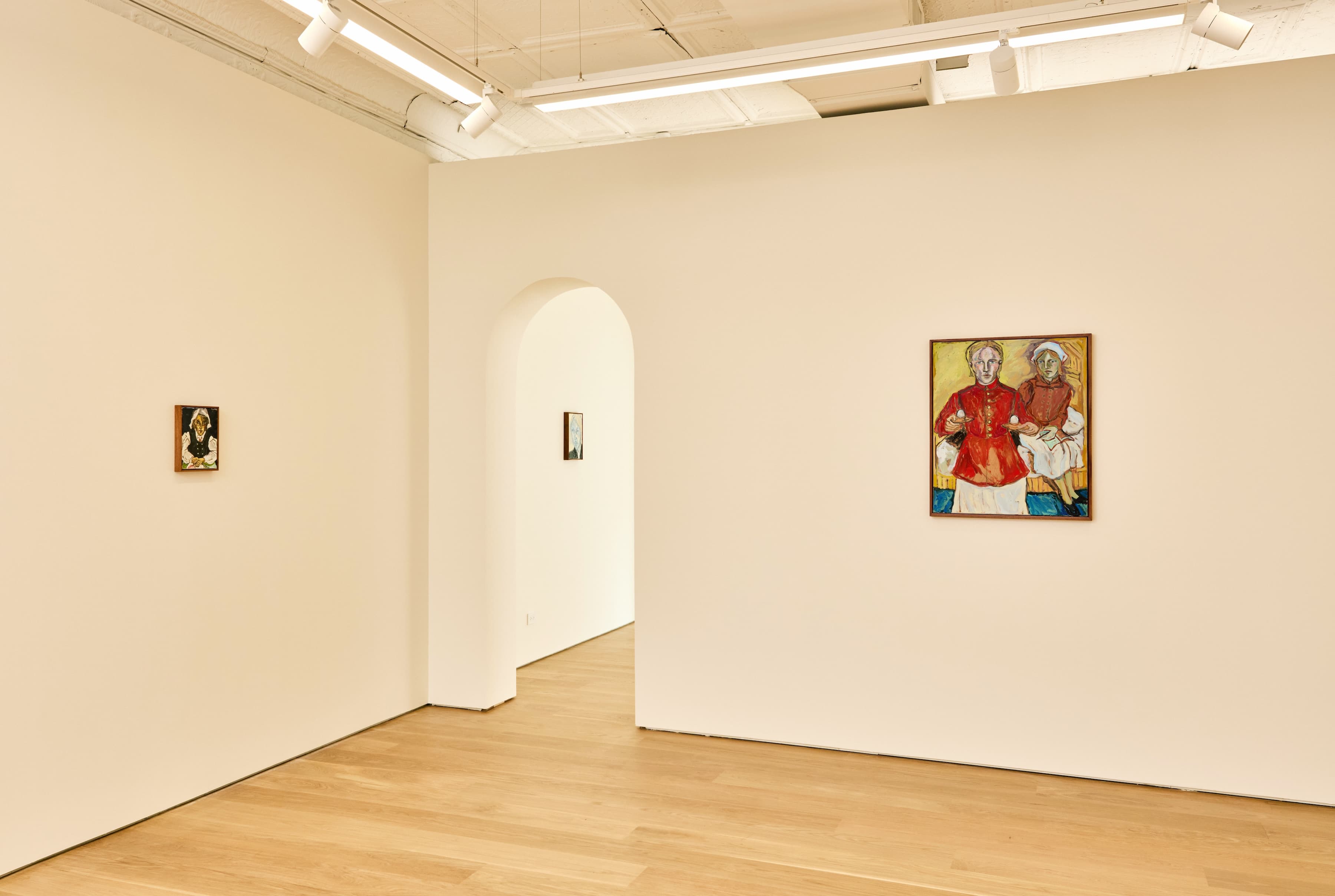
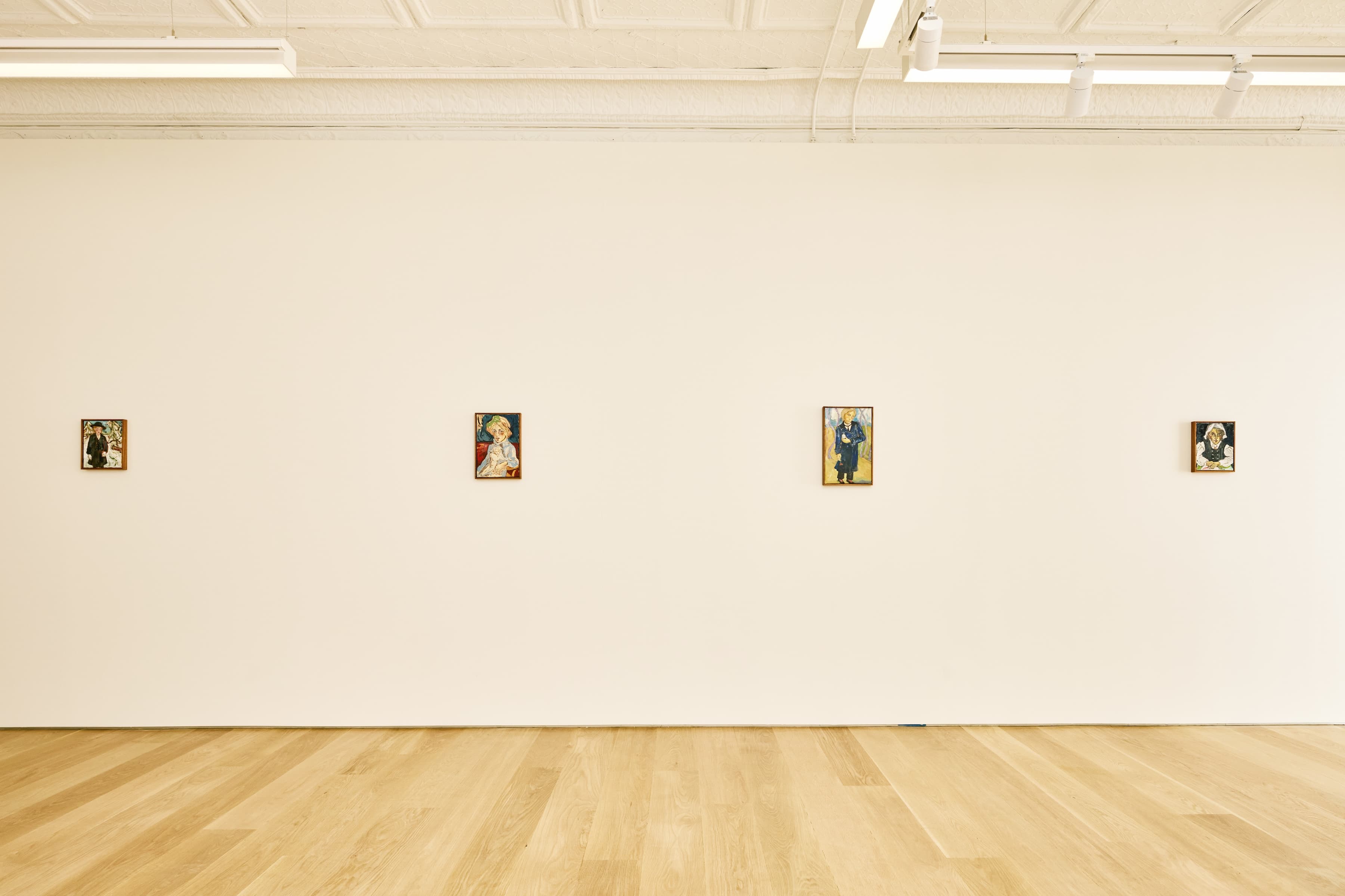
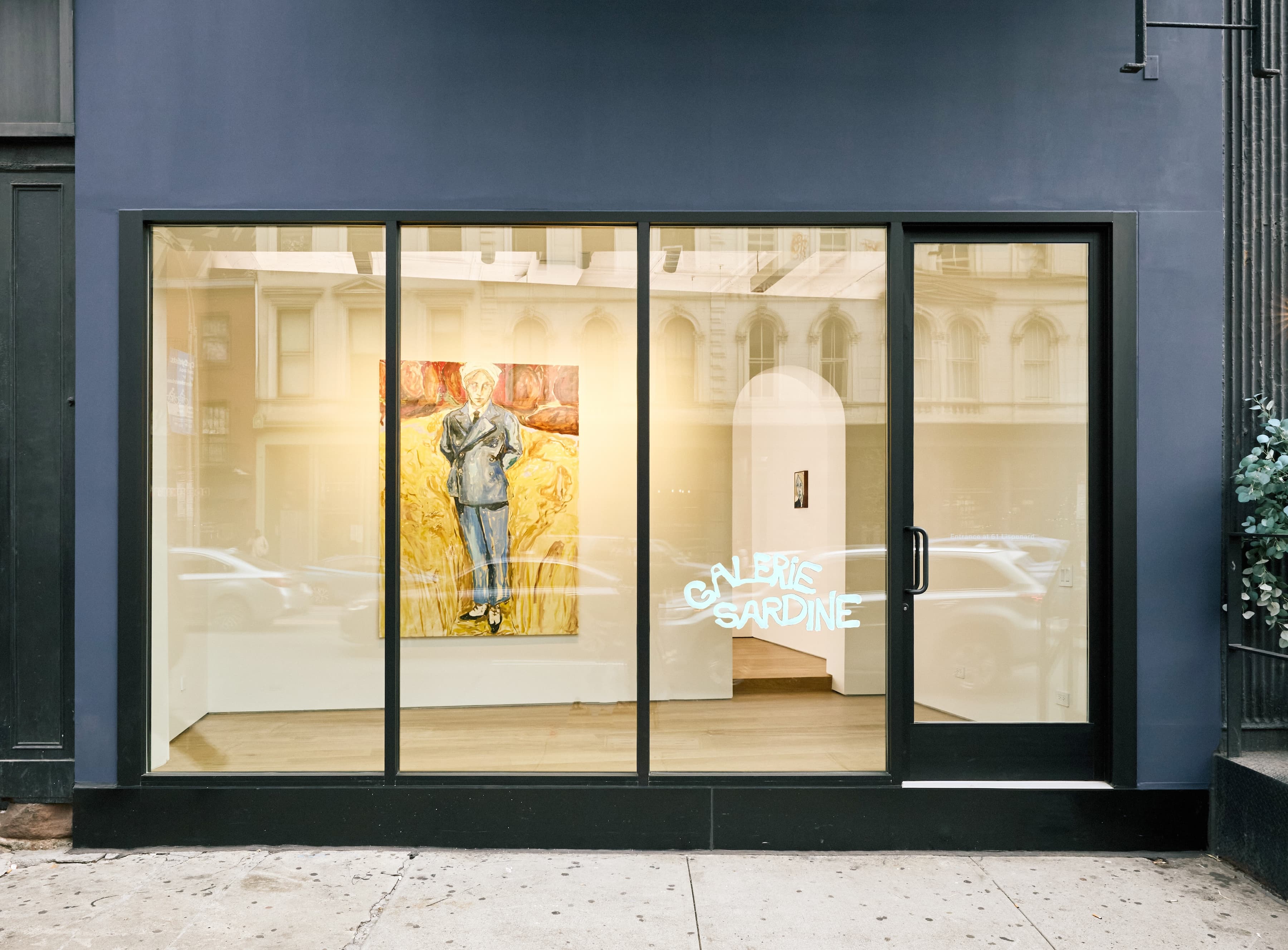
Galerie SardineBorn in the Netherlands. Lives and works in Margate, UK. For her solo presentation at Galerie Sardine, New York, Joline Kwakkenbos presents a suite of works that delve into the shifting contours of identity, memory, and self- representation. Each work opens onto an interior space where time, history, and gender remain deliberately unfixed. Drawing from the heritage of Dutch painting while subverting its classical forms, she engages playfully with art history and symbolism to examine conventions of the female nude and reconsider the power dynamics of the gaze. Kwakkenbos’s practice belongs to a long lineage of artists who have used their own image as a site of inquiry. From Rembrandt’s psychological self-scrutiny to the charged corporeality of Egon Schiele, self-portraiture has historically functioned as both confession and construction. Kwakkenbos extends this tradition while shifting its emphasis. Rather than presenting the self as a singular interior truth, her paintings treat identity as provisional— staged, rehearsed, and refracted through the apparatus of art history. Clothing plays a central role in this strategy. Garments drawn from disparate historical periods—Renaissance collars, nineteenth- century dresses, theatrical fabrics—appear throughout her compositions, functioning less as costume than as pictorial devices through which the artist inhabits multiple temporalities at once. These gestures align the spirit of her painting with the mechanics of the work of Claude Cahun and Cindy Sherman, who similarlydeployed self-representation to interrogate the construction of identity through performative masquerade and role-play. Yet where the lens holds the self at a remove, paint refuses that distance. In Kwakkenbos’s work, image and maker remain entangle —the self not captured but constructed through the act of making. Working with a vivid palette and a loose yet assured mark, Kwakkenbos allows the act of painting to remain visible across the surface. Figures emerge through fluid passages of pigment, oscillating between presence and dissolution—a painterly openness held in productive tension with the historical weight of the motifs she invokes. The works simultaneously acknowledge the authority of tradition and refuse its fixed hierarchies. In doing so, Kwakkenbos subtly reorients the legacy of the female nude and the portrait within Western painting. She does not simply reclaim the gaze by inserting herself into the frame; rather, she complicates the very premise of portraiture as a stable image of identity. Her self-portraits operate as mutable constructions—sites where gender, subjectivity, and historical reference remain in flux. What emerges is a kind of personal historiography: a painterly archive through which the artist tests possible selves against the sedimented forms of art history. Kwakkenbos ultimately proposes the self not as a fixed likeness but as a continuously unfolding image— shaped as much by memory, performance, and cultural inheritance as by the hand that paints it.