
Weho, Los Angeles
Xanti Schawinsky
Xanti Schawinsky
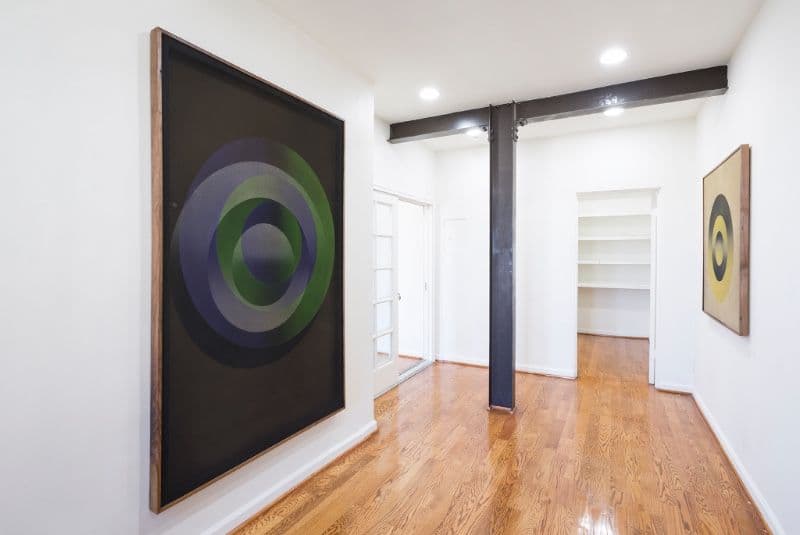
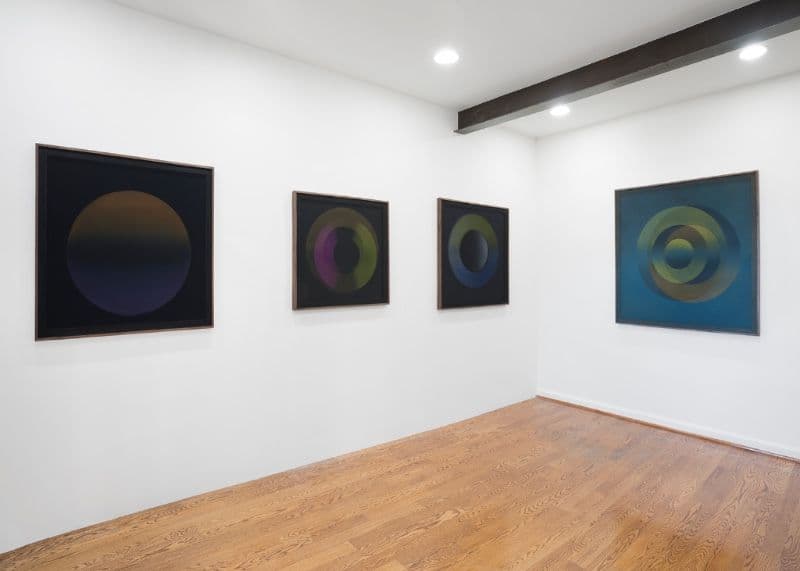
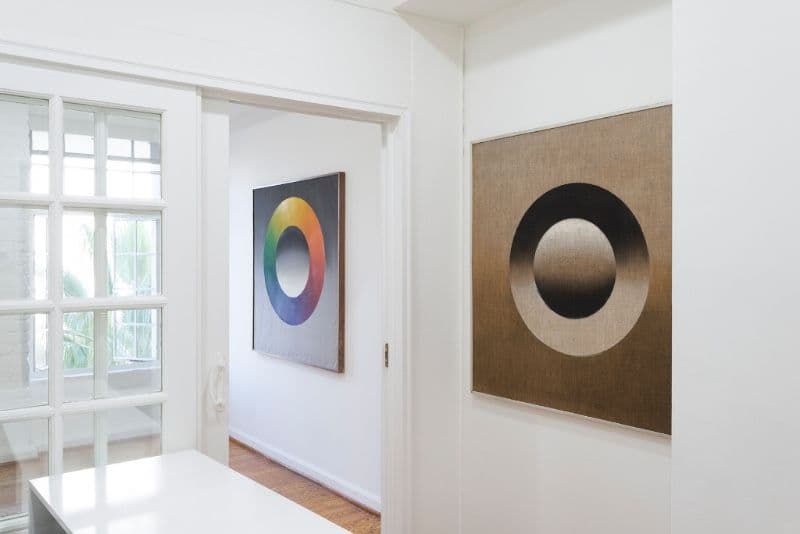
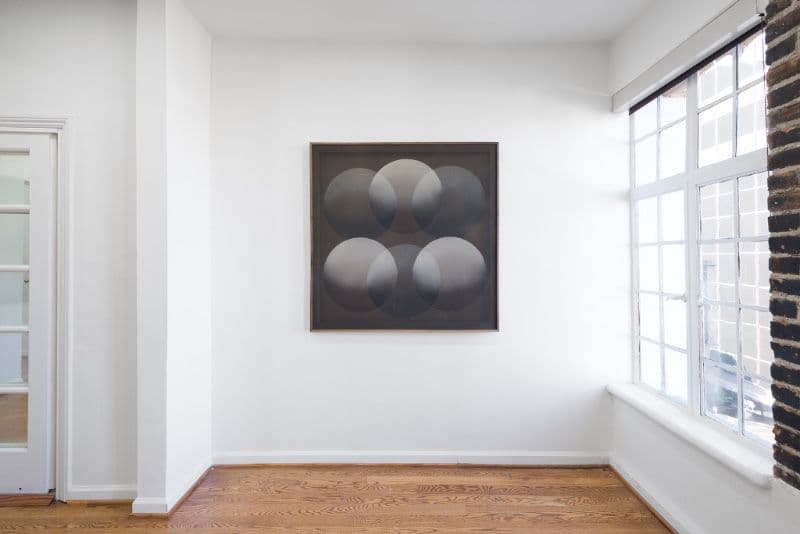
Karma InternationalKarma International is pleased to announce the gallery’s first solo exhibitions with Swiss artist Xanti Schawinsky (1904-79) at both their Zurich and Los Angeles locations. The exhibition in Zurich highlights Schawinsky’s “Eclipse” and “Sphere” paintings from the 1960s and 1970s in conjunction with Photograms from the 1940s. Karma International Los Angeles presents a selection of his “Sphere” paintings alongside work from his time at the esteemed Black Mountain College in North Carolina. A member of the first generation of Bauhaus artists and later a teacher at Black Mountain College, Schawinsky worked in a wide range of genres and media throughout his long career. His interdisciplinary practice included painting, drawing, experimental photography, stage design, music, theater, and commercial and graphic design. The Zurich exhibition intentionally mixes Schawinsky’s “Eclipses,” “Spheres,” and Photograms in order to eradicate a sense of hierarchy and illustrate how these works, collectively, represent the principles of performance, movement, light, and shadow that bind all of his mediums together. Schawinsky’s series of “Eclipses” and “Spheres” share an interest in themes and manipulation of color. For the “Eclipse” series the work becomes an object as Schawinsky folds the canvas and using an airbrushing technique creates creases and shadowy reliefs tinted by vibrant hues of orange and yellow. Schawinsky was introduced to photography during his time at the Bauhaus and further explored the medium through a series of Photograms he created while living in New York City. Schawinsky’s photographic process and the resulting series of Photomontages and Photograms should be regarded as a continuation of his work as a painter. At Karma International’s Los Angeles location, the exhibition shifts focus to Schawinsky’s series of “Sphere” paintings as well as his work at Black Mountain College. Integral to his practice in their theatrical and dynamic nature, the “Spheres” are created by arranging multiple gauze layers over canvas to produce overlapping geometric forms. The viewer is forced to move around the canvas due to their optical playfulness. The different degrees of opacity in the layers are responsible for the dynamic movement of space that is evident throughout his works. Alexander “Xanti” Schawinsky was born in Switzerland in 1904 to a Jewish family of Polish decent and enrolled at the Bauhaus in 1924 where he studied with Walter Gropius, Wassily Kandinsky, Paul Klee, Josef Albers, Oskar Schlemmer and Laszlo Moholy-Nagy. Schawinsky had a significant presence at the Bauhaus in Weimar and Dessau——particularly active in the theater department. Schawinsky’s works of the early Bauhaus years consist of paintings, sketches, and photographs illustrating his innovative theater plays. In 1936, Schawinsky and his wife moved to the United States, where Hans Albers arranged for him to teach at the later legendary Black Mountain College in North Carolina. In charge of theater arts at the college, Schawinsky expanded his ideas for experimental theater to a multi-media “total experience.” Schawinsky moved to New York City in 1938, during which time he focused on painting, drawing, experimental photography and commercial graphic design. He also taught at the City College from 1943-46 and in various departments at New York University from 1950-54. In 1968 Schawinsky was included in the Stuttgart Bauhaus retrospective exhibition, 50 Years of Bauhaus, which toured internationally. Xanti Schawinsky died in 1979 in Locarno. In 2015, Schawinsky had his first major institutional retrospective at the Migros Museum für Gegenwartskunst, which encompassed his prolific career in theater and performance and how they relate to his work on canvas. Schawinsky is scheduled to have a major solo exhibition at the Hermitage Museum in Moscow in 2017. His work is included in numerous public and private collections including the Harvard Art Museums; the J. Paul Getty Museum; the Migros Museum, and the Smithsonian American Art Museum, among others.