
Chinatown, New York
Group Exhibition
Generative Alterities
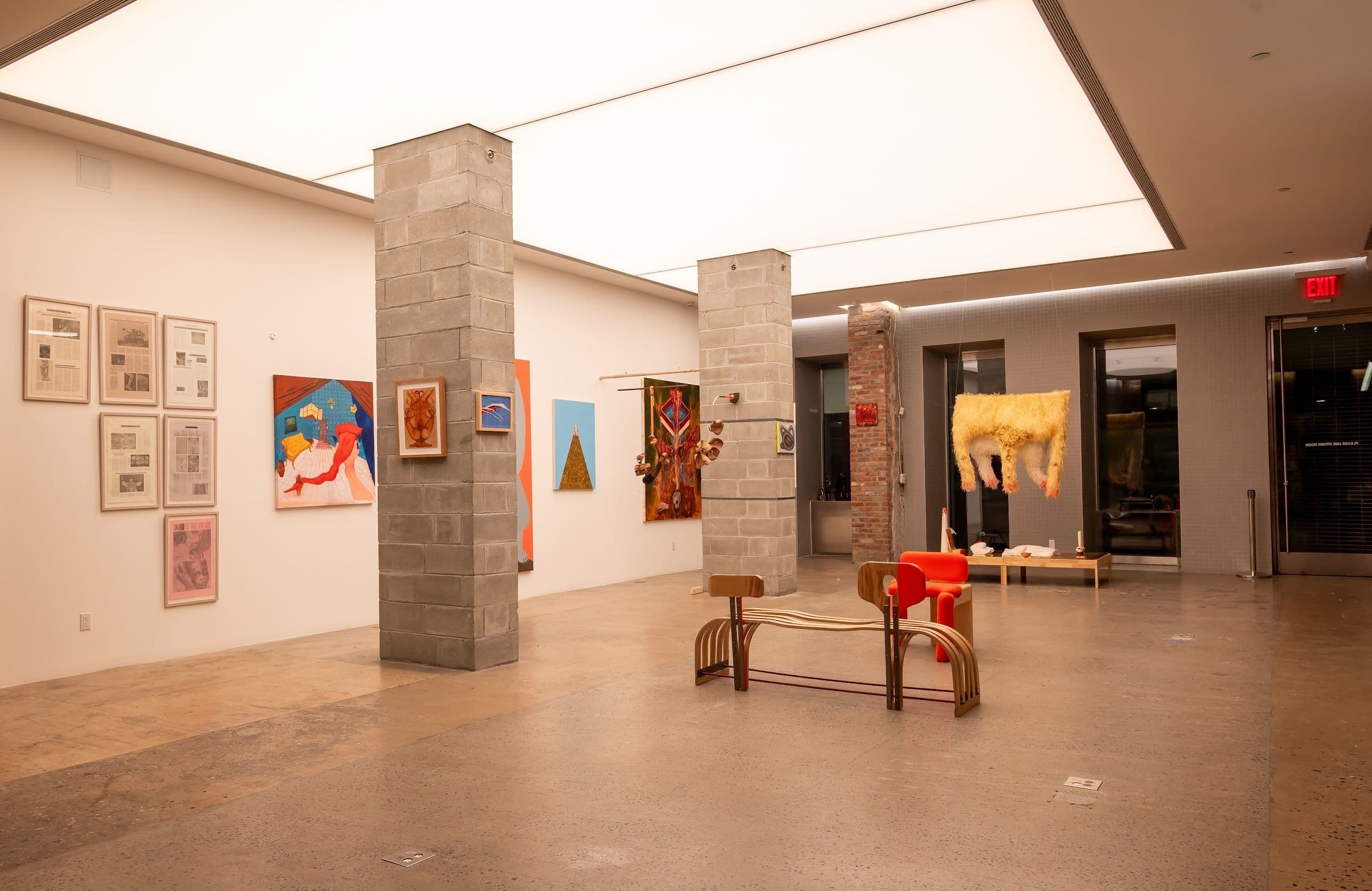
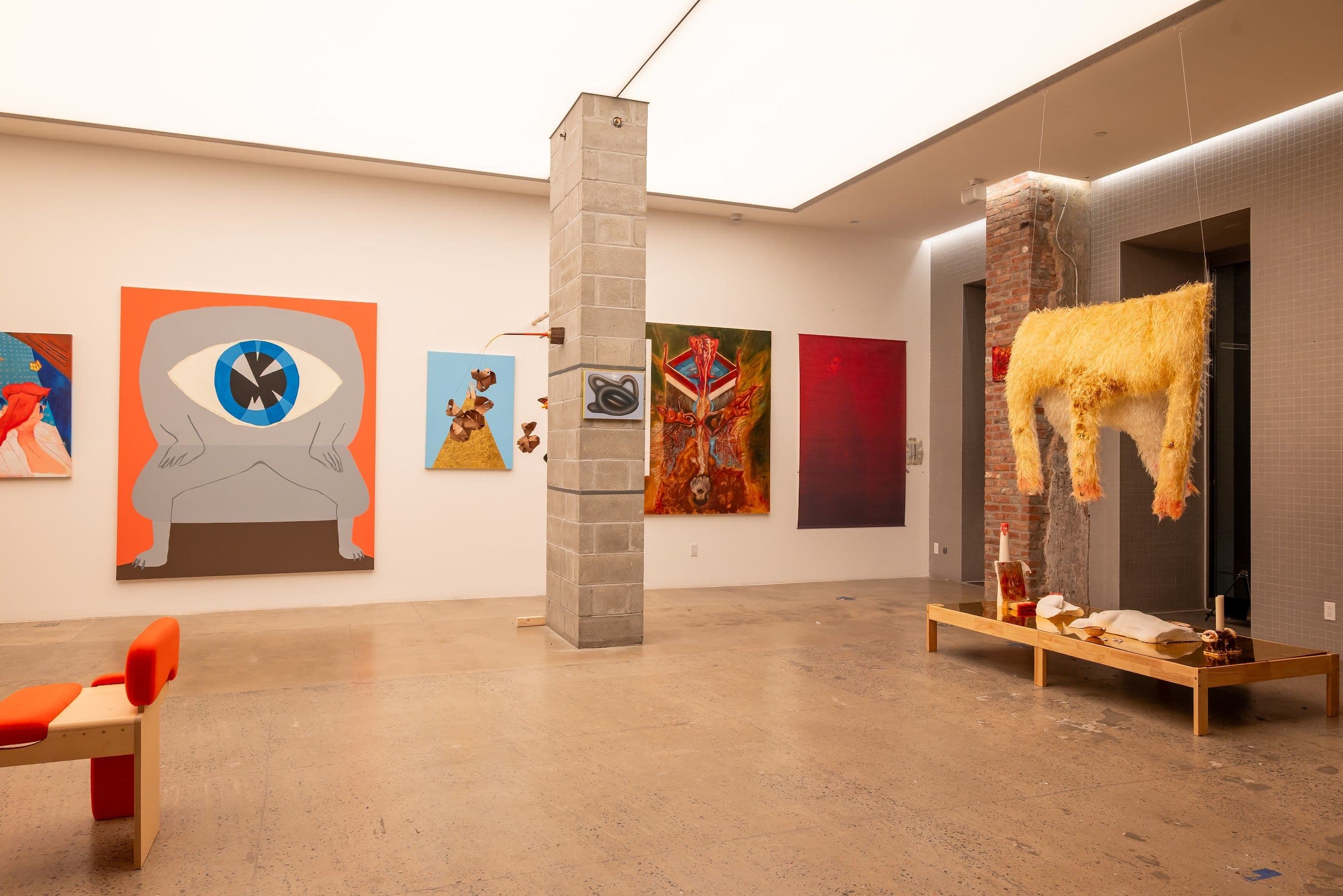
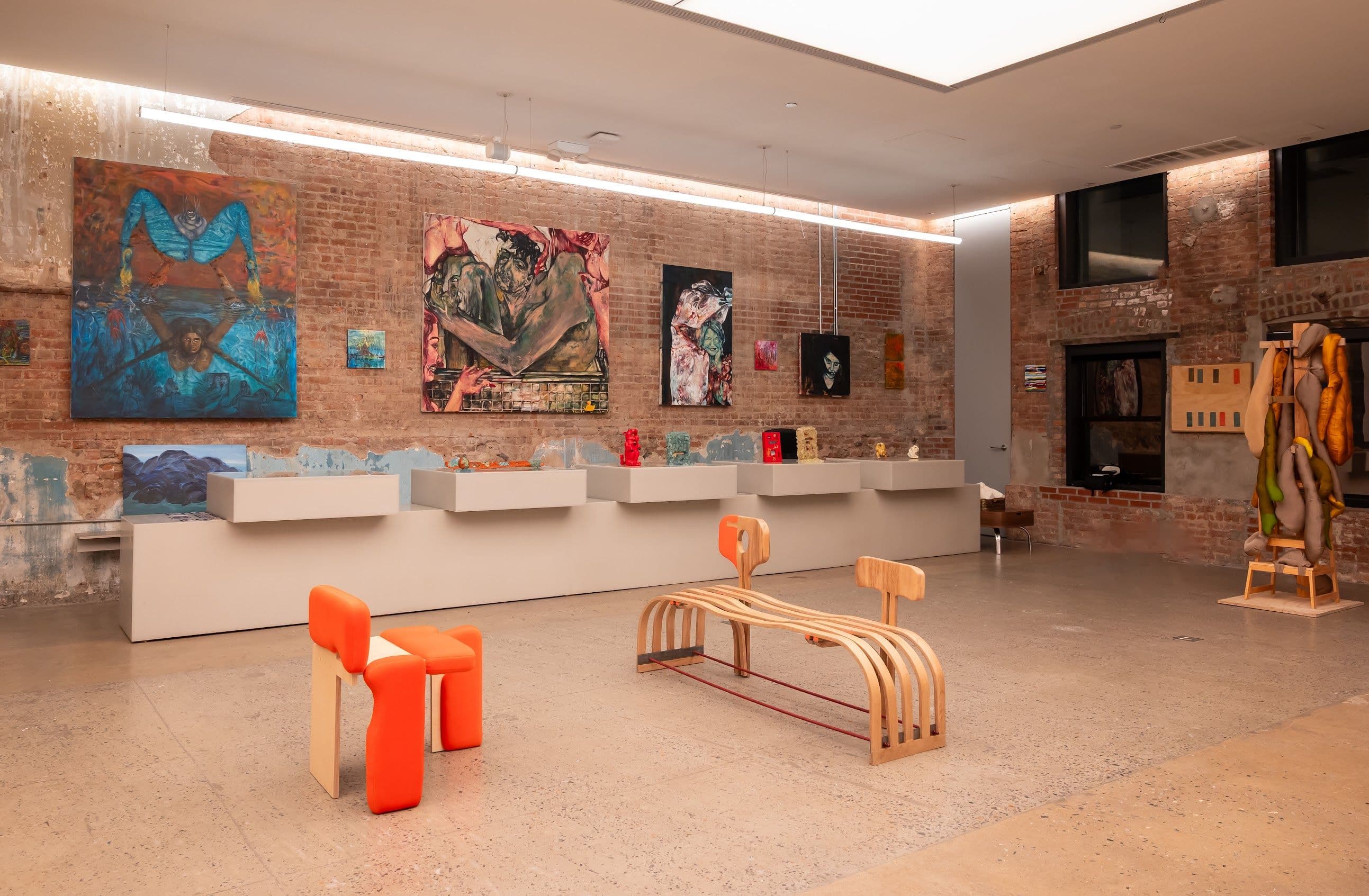
The Opening GalleryJoan Bankemper, Victoria Bartlett, Max Blagg, Alina Bliumis, Jeff Bliumis, Mark Borden (Egospeed), Anne Deleporte, Mia Enell, F-Twins, Lloyd Foster, Ellen Frances, Nan Goldin, James Hyde, Anna Sofie Jespersen, Zack Joslow, Artemis Kotioni, Radoslav Maglov, Jamie Martinez, Irina Movmyga, Aphrodite Desiree Navab, Marita Pappa, Eleni Paridi, Oliver Halsman Rosenberg, Anna Samara, Clintel Steed, Hans Weigand, Annu Yadav, Alina Yakirevitch, Brenda Zlamany The Opening Gallery is pleased to present the group exhibition Generative Alterities. The exhibition inaugurates The Opening Gallery’s program of projects in Lower East Manhattan. In an era of hardened borders and algorithmic feeds, this group exhibition asks: Can difference be our most powerful tool for regeneration? The future is generative. The future is alterity. Confronting the rise of "tech feudalism," the exhibition creates a charged space for dialogue between artists from the Global South & Global North. It's a generative collocation of perspectives on power, and the social narratives that shape our world. Experience performances, installations, and powerful critiques that challenge passive consumption. In the shadow of a resurgent market-oriented politics in the United States—a moment defined by hardened borders, cultural parochialism, and the aggressive consolidation of power—the question of technology's role in society has reached a critical juncture. Artificial Intelligence, often heralded as a neutral, progressive force, is rapidly being subsumed by a new "tech feudalism," where a handful of corporate sovereigns command our data, our attention, and increasingly, the very narratives that shape our reality. This is not merely a business model; it is a cultural and political project that thrives on polarization and the erosion of shared, complex truths. The group exhibition Generative Alterities confronts this reality by proposing a radical methodology: the strategic and critical juxtaposition of voices from the Global South and the Global North. In a climate that weaponizes difference, this exhibition insists that difference itself—when placed in a careful, curated dialogue—is the most potent source of intellectual, aesthetic, and political regeneration. It is a space of friction and fusion where the politics of identity, particularly the representation and embodiment of gender and femininity, are rigorously explored. It is not about a harmonious fusion, but about creating a charged field where distinct historical experiences and critical perspectives can interact, conflict, and ultimately generate new ways of seeing and thinking beyond the simplistic binaries that dominate our discourse. Curated by Sozita Goudouna, PhD this exhibition expands on the tradition of situating art within urgent geopolitical frames. The included artists, from diverse origins, employ strategies of liveness and theatricality to implicate the viewer, challenging the passive consumption encouraged by both algorithmic feeds and authoritarian posturing. Critiquing The Grand Narratives Annu Yadav (India) works in the spaces between polarities, where things do not fully resolve. She draws from Indian vernacular and feminine mythologies to explore sexual suppression, ritual, and the emotional weight of the gaze. She is drawn to what happens in between… the places where contradiction lives. Gender and human division, west and east, left, and right, tenderness beside violence. Meaning begins for me in these unsettled edges. Jamie Martinez (Colombia) materializes the brutal continuity from colonial plunder to capitalist supply chains. His pieces, built from post-consumer waste, are performative acts of communal making that stand as a powerful rebuttal to the anonymity of globalized production and consumption, often built on the exploited labor of women in the Global South. Lloyd Foster (Ghana) stages a powerful act of self-representation. He creates a social ritual that documents the African diaspora on its own terms, directly challenging the exoticized and often objectified depictions of Black and African women in the Western canon. Nan Goldin (US) the artist's seminal, intimate photographs have defined the representation of gender, sexuality, and subcultural life for decades. Her work is a raw, unflinching chronicle of friendship, love, addiction, and loss, centering the lives of those on the margins. In the context of this show, her oeuvre stands as a monumental testament to the power of self-representation and the female gaze, a direct challenge to patriarchal and heteronormative modes of seeing. Max Blagg (UK/US), the renowned poet, contributes his singular voice to the exhibition. Through live readings and textual installations, his work—wry, observational, and deeply human—explores the undercurrents of desire, the American landscape, and the fragility of the self. His presence adds a crucial literary and performative layer, anchoring the visual and conceptual explorations in the rhythm and potency of the spoken word. Aphrodite Desiree Navab (Iran/US) investigates the complex layers of cultural identity, mythology, and history, often re-imagining ancient Persian iconography through a contemporary feminist lens. Internal Critiques and Fragmented Subjects Anna Sofie Jespersen (Denmark) turns a critical, feminist eye on patriarchal archives. Her subversive "docent" performances within the exhibition space use theatricality to expose how institutional authority is performed, often silencing female narratives, and controlling the representation of the feminine body throughout history. Alina Yakirevitch (Russia) performs the trauma of state-mandated identity, with a specific focus on the female subject under imperial and Soviet control. Her live readings of redacted state texts, delivered from a bureaucratic desk, make palpable the violence of a patriarchal state scripting the identities and destinies of women, offering a powerful critique from within a Northern power structure. Mia Enell (Sweden/US) creates meticulously rendered, surreal paintings that explore the psyche of the modern female subject. Her work delves into states of psychological dislocation, vulnerability, and ethereal strength, offering a counter-narrative to the myth of the stable, rational (and often male) Western self that underpins both colonial and techno-utopian thinking. Victoria Bartlett (UK/US) works at the intersection of fashion, sculpture, and performance. Through her project she constructs unified corporeal forms from disparate materials, creating a "second skin." Her work, often activated by performers, explores the relationship between the individual and the collective, the organic and the synthetic, questioning how feminine identity is constructed, constrained, and performed within the hyper-stylized cultures of the North. Mark Borden aka Egospeed (US) offers a razor-sharp, media-literate critique from within the belly of the beast. Using the aesthetics of design and branding, his photographs dissect acceleration, masculinity, and power. James Hyde (US) investigates the materiality of painting through sculptural installations that challenge conventional boundaries between object and image. Hans Weigand (Austria) creates complex collage works that merge painterly traditions with contemporary visual culture, exploring themes of consumption and media saturation. Anne Deleporte (France/US) works with photographic appropriation and installation, examining how images circulate and accumulate meaning in contemporary visual culture. Brenda Zlamany (US) is renowned for her penetrating portraits that explore identity and representation across diverse cultural contexts. Alina Bliumis & Jeff Bliumis (Belarus/US) collaborate on projects that examine socio-political systems, bureaucracy, and national identity through conceptual approaches. Anna Samara (Greece) explores themes of memory and identity through mixed media works that combine personal archives with collective histories. Oliver Halsman Rosenberg (US) investigates digital culture and queer identity through photography and installation, examining how online spaces shape contemporary subjectivities. Joan Bankemper (US) creates horticultural interventions that explore community engagement and ecological systems through her distinctive "potted" installations. Clintel Steed (US) paints immersive, psychologically charged pieces that explore themes of memory, displacement, and the uncanny. Ellen Frances (US) employs a unique visual language of abstraction and gesture that explores themes of the body, transformation, and mystical symbolism. Irina Movmyga (Russia) creates intricate works that explore mythology and personal narrative through a contemporary lens, blending traditional techniques with modern concerns. F-Twins (Anna and Valeria Lyshchenko) (Ukrainian) are Ukrainian-born artists and founders of the art movement Primarealism. Working under the name F-Twins (female twins), they create art that bridges emotional depth, science, and philosophy to challenge our understanding of reality. "Primarealism is an art movement that visualizes the greater potential of physical reality than we can perceive due to the limitations of technology and sensory capabilities. …The movement reinterprets the fear of time and pain of existence. Primarealism simultaneously fosters empathy within the individual and compels reflection on your role in this world." Manifesto of Primarealism* Artemis Kotioni (Greece) explores cross-cultural identity and the structure of spaces through works that bridge personal narrative with broader aesthetic concerns. Matthias van Arkel (Sweden) has become known for his unique expression of merging painting and sculpture in his works made of silicone. His practice has emerged out of a conceptual approach. In his three-dimensional works meaning is achieved through density, sensuality, and energy. Marita Pappa (Greece) creates works that examine social structures and personal identity through a combination of installation and performance, questioning established norms and traditions. Eleni Paridi (Greece) explores the intersection of technology, nature, and human perception through immersive installations that challenge conventional boundaries between physical and digital realms. Radoslav Maglov (Bulgaria) challenges established conventions regarding the human body, scrutinising its relationship with ethical constructs and societal biases. To convey his thought- provoking message, Maglov employs a rich array of media, spanning the domains of video, installations, sculptures, and paintings. Generative Alterities By placing Lloyd Foster's affirming portraiture in dialogue with Nan Goldin's intimate chronicles and Mia Enell's characters, we see a spectrum of vulnerability, resilience, and self- determination. Jamie Martinez's materialist critique of extraction finds a strange echo in Mark Borden's photographs. Annu Yadav's sacred, feminine narratives challenge the desacralized, corporate-driven tech that Victoria Bartlett interrogates through the synthetic body, while Anna Sofie Jespersen and Alina Yakirevitch deconstruct the institutional and state mechanisms that have historically controlled these narratives. Generative Alterities argues that the path beyond our current impasse—beyond tech feudalism and resurgent nationalism—is not found in a retreat to isolation, but in the courageous fostering of critical, transnational dialogues. In a market-oriented world that seeks to build walls, this exhibition builds bridges of complex, challenging thought. It demonstrates that the most vital technology we possess is not an algorithm, but the collective, diverse, and irreducibly human capacity—across all genders and geographies—to generate alterity as a source of hope and a blueprint for a different future. In a world dominated by simplistic binaries, this exhibition builds bridges of complex thought to generate new thinking.