
Galleries, Miami
Tomm El-Saieh
Mongrel
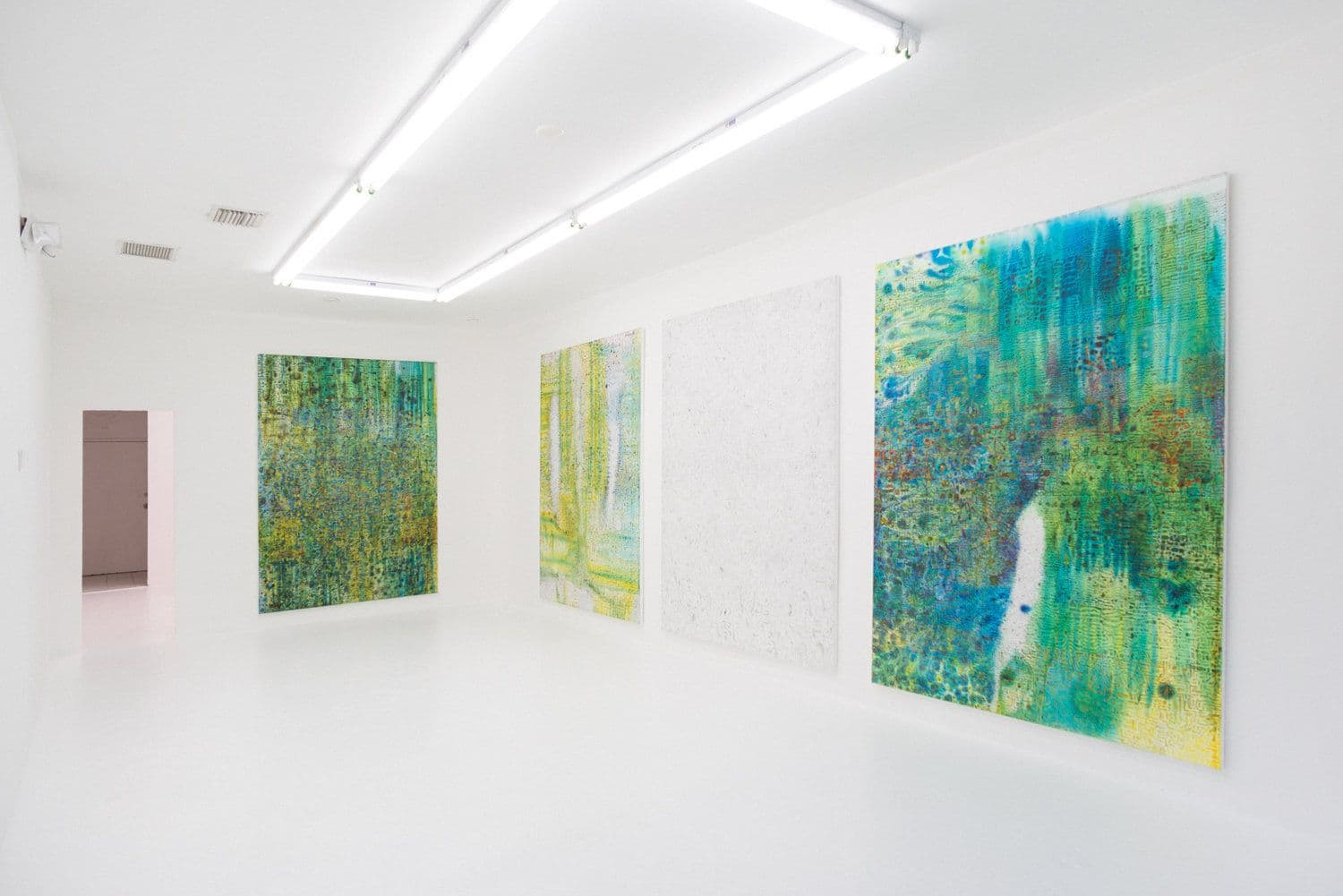
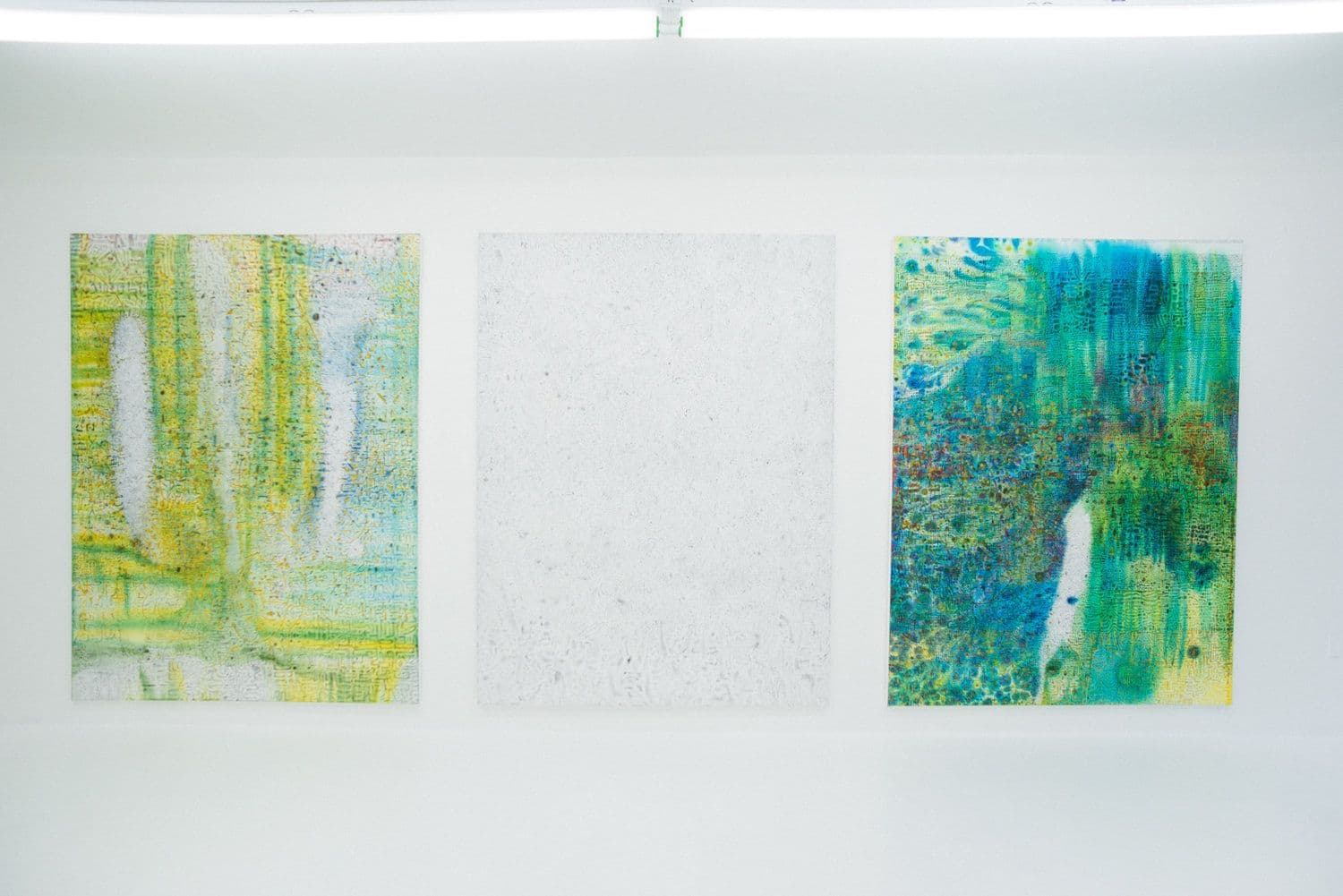
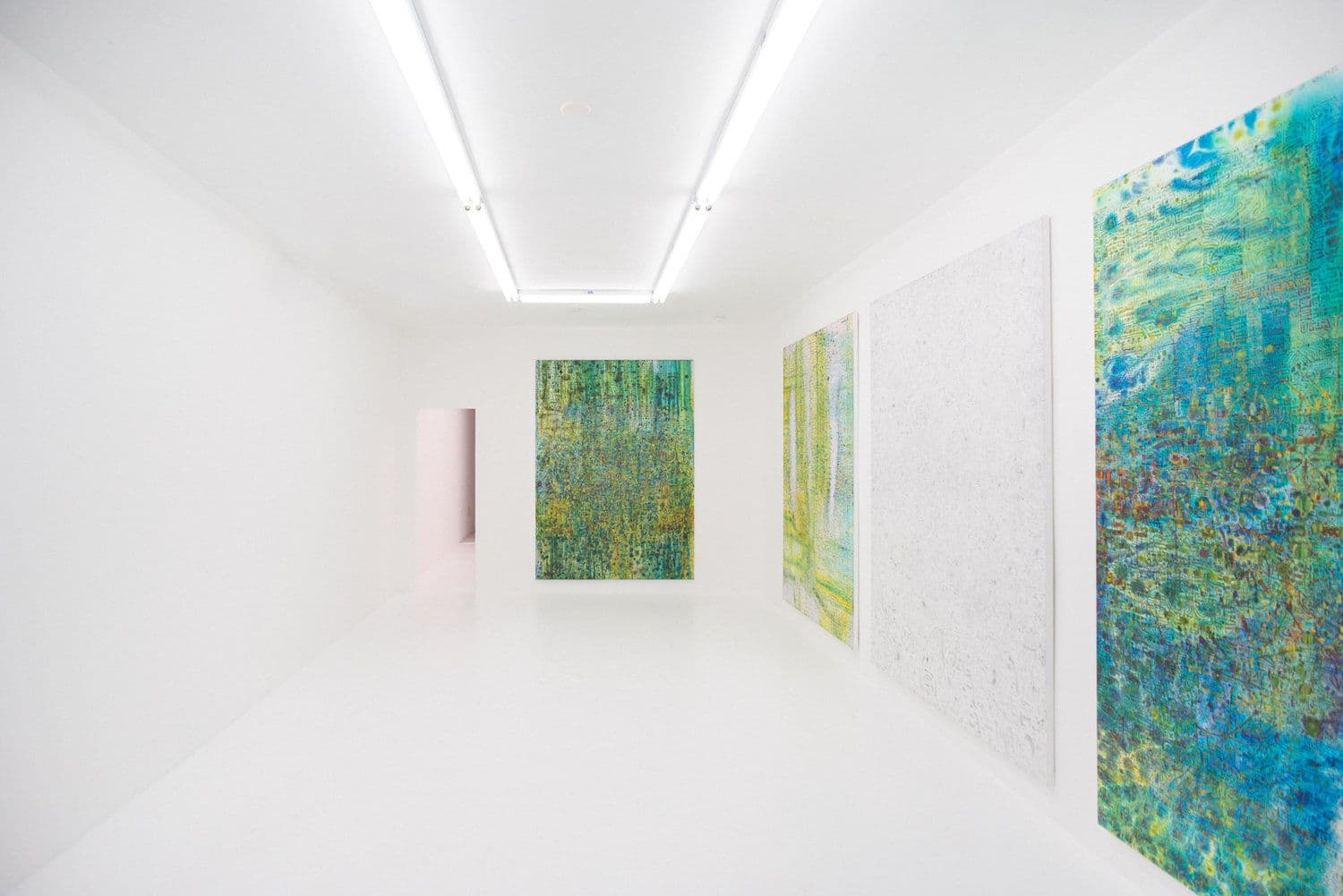
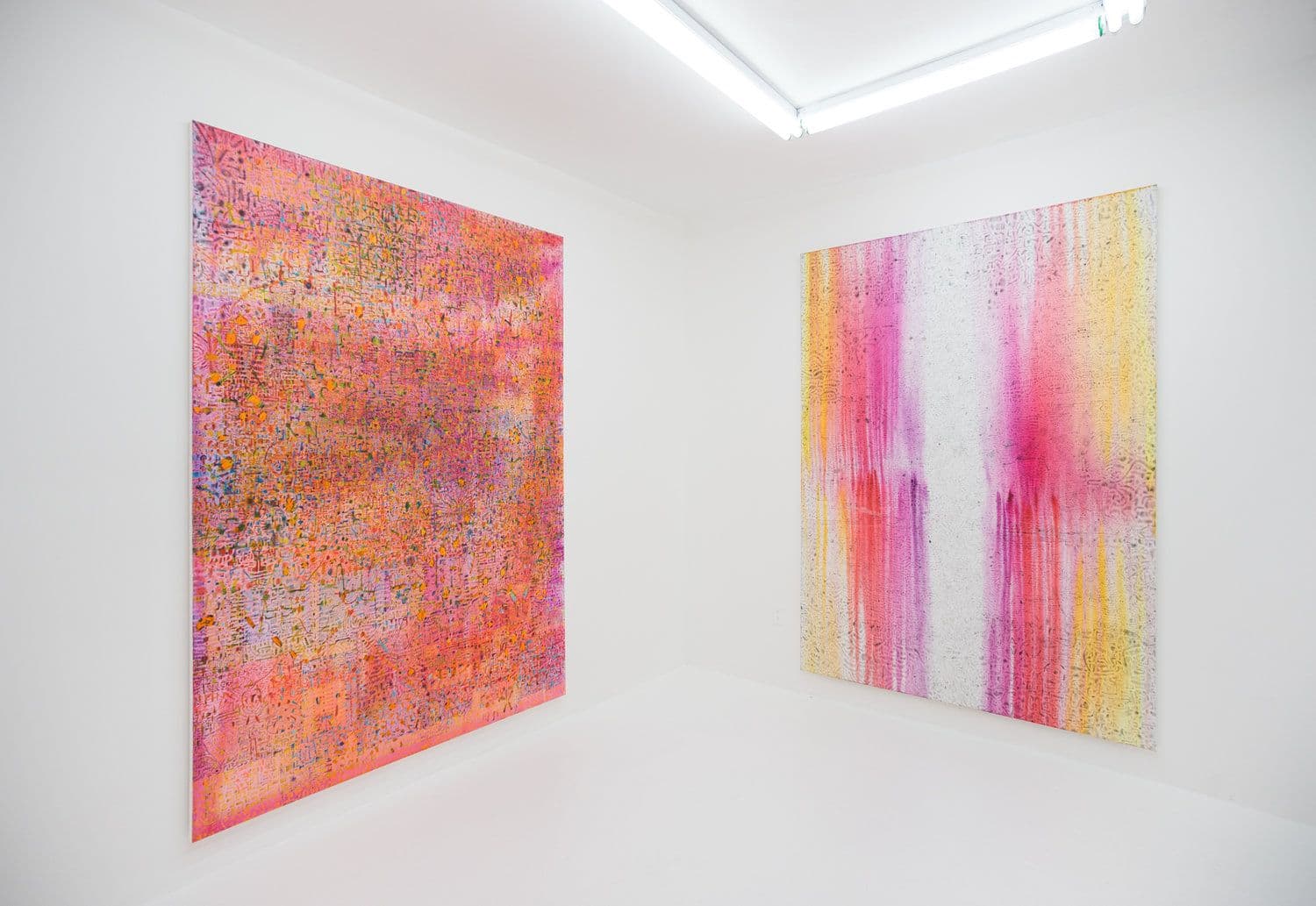
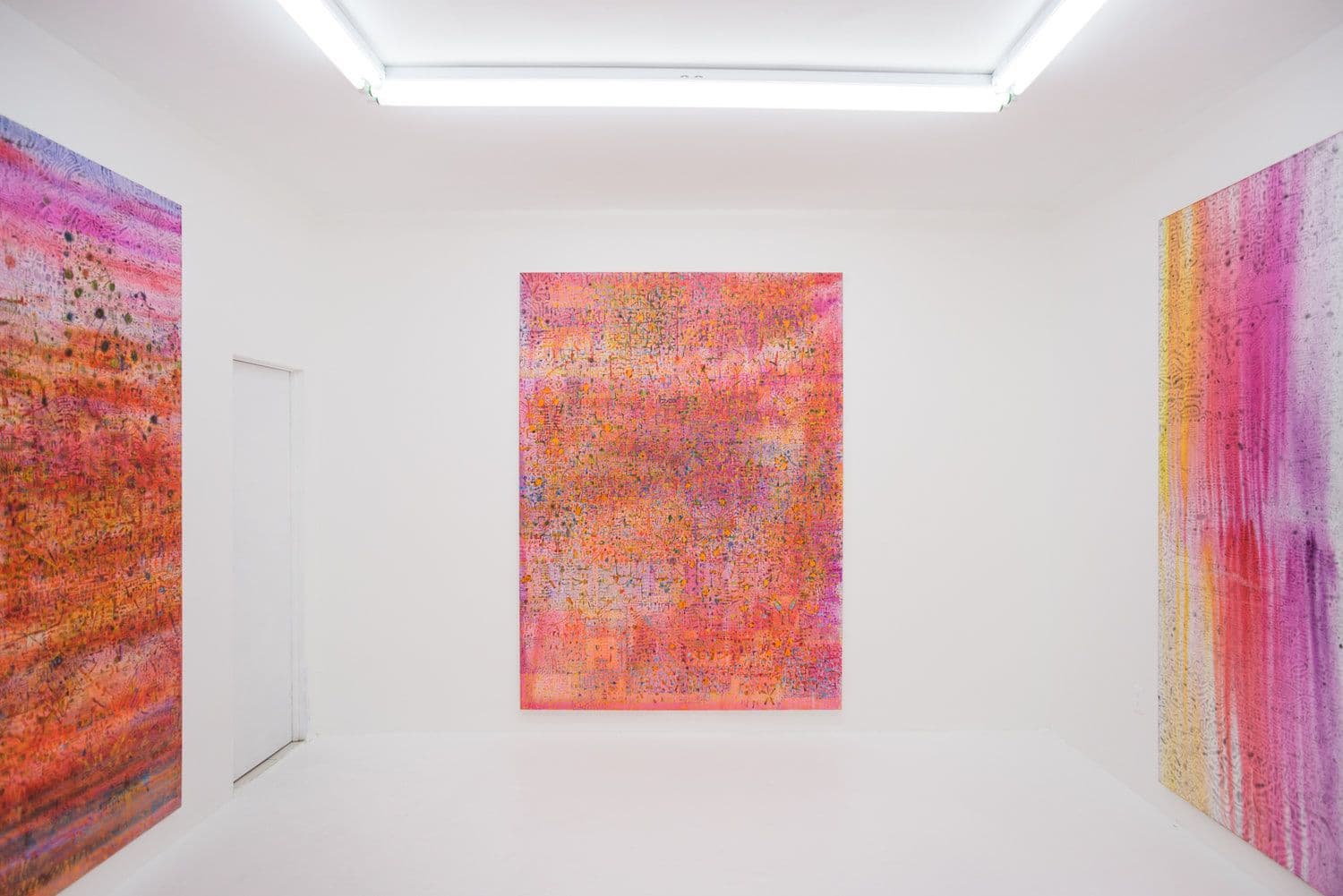
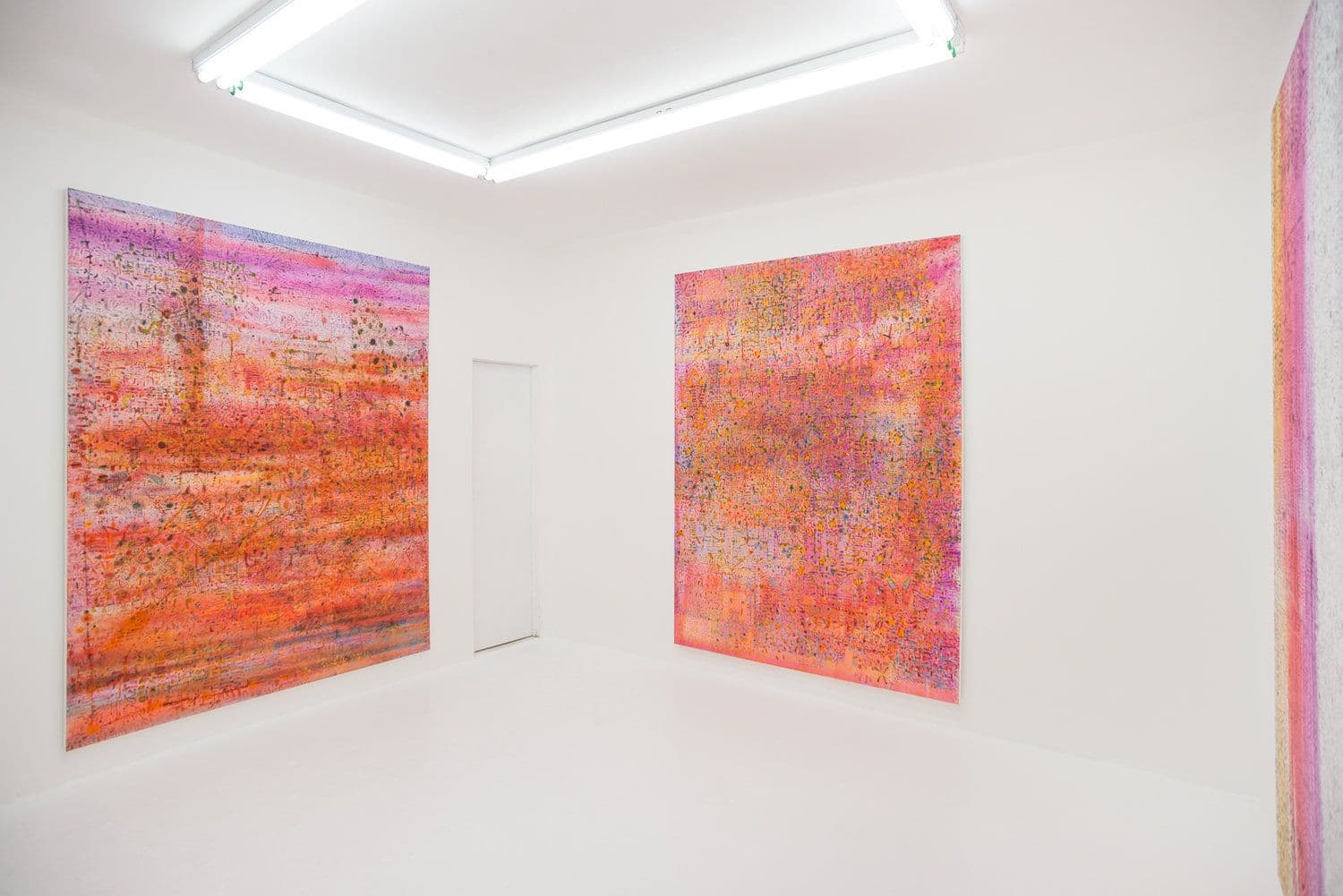
Central FineThis exhibition, titled Mongrel (of paintings) can suggest a humanization of painting and the addressing of a biography, the lack of it, or its affirmation/negation. The works by Tomm El-Saieh include and bypass the biographical. They signal high modernism’s faith in the pictorial gesture, its emphasis on the specificity and poetry of the mark, and pigment application. And yet, unlike high modernism’s objective aims; somehow, the biographical/narrative, which is bypassed and embraced, (purposefully here) remains. In the canon of high-modernism, having a narrative or a depiction embedded somewhere has traditionally contested the politically fueled ideals that defined the movement. When art historian Henry Adams claimed to read Jackson Pollock’s signature across ‘mural’ some had a heart attack. Are we looking at clouds shaped in the form of knives? Can we read humidity stains as the face of the Virgin Mary appearing in some remote town in northern Argentina? (She appears, often near rooftops, in the city of Salta). Reading the biographic in abstraction is problematic, for the artist and the viewer. In abstract painting, extra-pictorial drama during the 50’s claimed to be avoided at all costs, aiming for a type of sublime specificity that could include a mechanic or by chance ‘accident’. This accidental human gesture was (and still is) preferred by the art-world at large, particularly in abstract painting, as it introduces a type of interference on the sublime quest for the objective. But, there’s a new type of abstraction in painting: the abstraction that emerges from a sense of dissociation from time, space, and context while screens capture everything. This abstraction is aware of its looks, lineages and politics. This ‘abstraction’ in painting seems tied to experience, to reality, and its related to the abstraction of the self, which might sound like a ‘what’s going on here’? But, the biography, readable or not, is there on the surface of the painting that comes from many origins, myths, patterns, encounters, nations, tongues and tensions. and in this integration is where the human trace is present. The questions are huge: Are we in front of people? Their lives? Can we detect their origins and DNA? The emphasis on the biography and origins of both El-Saieh and his painting has been addressed since the first time he exhibited his works. The specific painterly aspect that merges the pictorial gesture, intentions, histories, and canons is evident on the surface. and the backgrounds, (pictorial and personal) are both crucial to understand his practice. These paintings signal the urgency of integration. Tomm El-Saieh was born in 1984 in Port-au-Prince. He held a solo exhibition at the Institute of Contemporary Art Miami during 2017-2018; and was part of the New Museum Triennial, 2018, ‘Songs for Sabotage’. He was included in the exhibition Gucci Vuitton at the Institute of Contemporary Art, Miami in 2015. ‘Tomm El-Saieh’s first monograph was published by the Institute of Contemporary Art, Miami in November 2018. During the time frame of this presentation, his work will be simultaneously on view at the Rubell Family Collection exhibition of new acquisitions. This is his second solo exhibition at Central Fine. - Diego Singh, November 2018