
Weho, Los Angeles
Tacita Dean
Eclipse Drawings
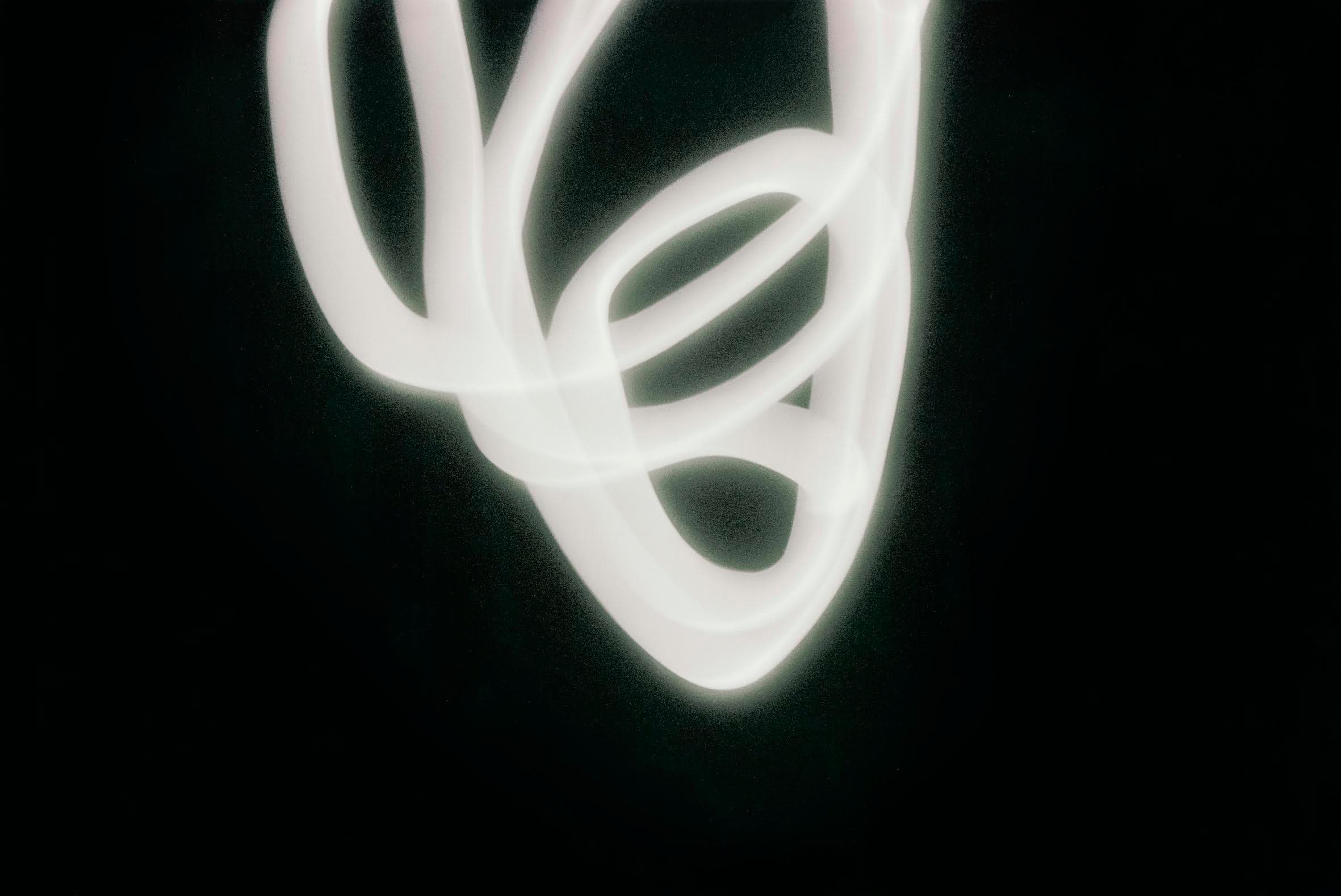
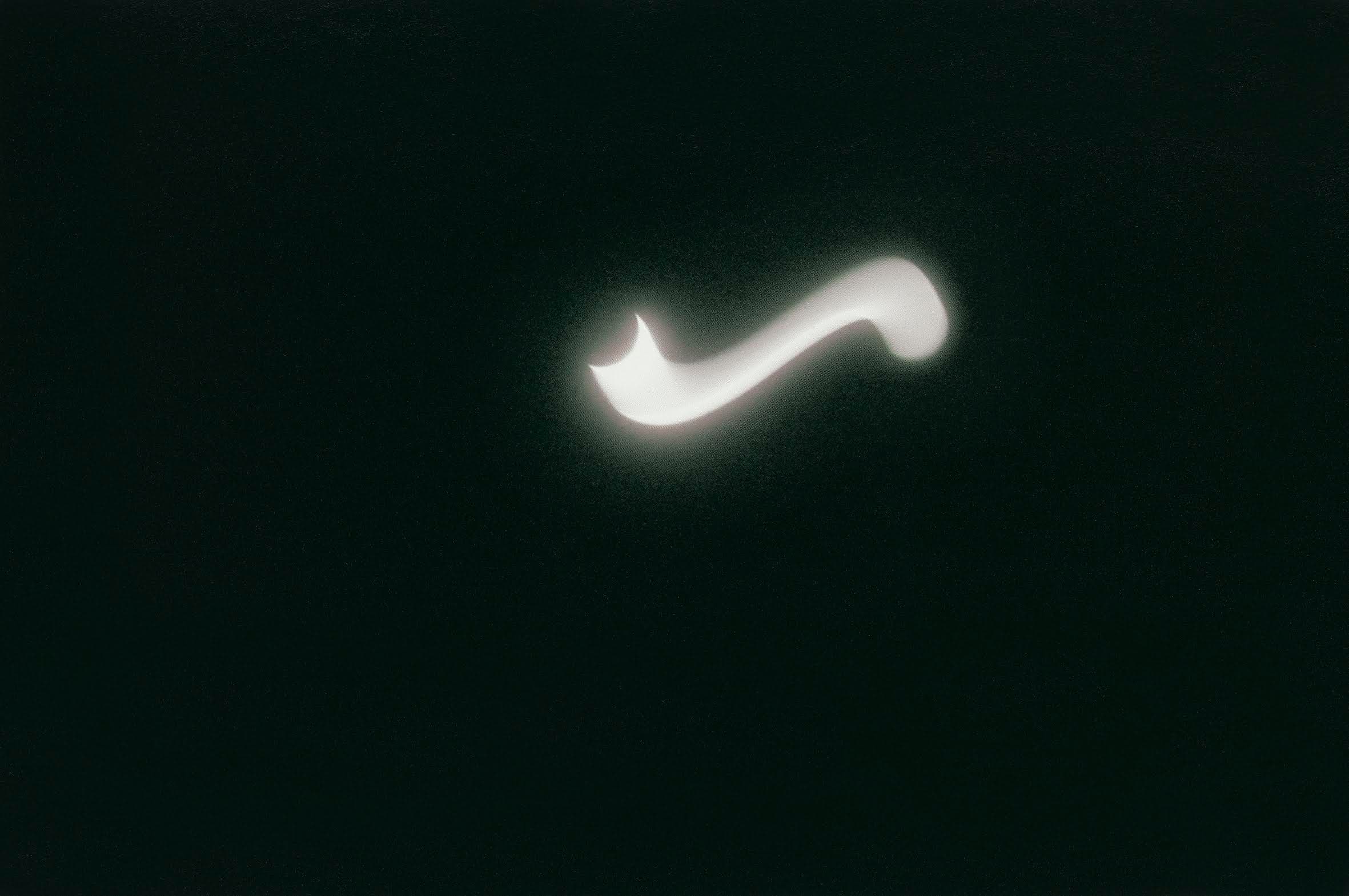
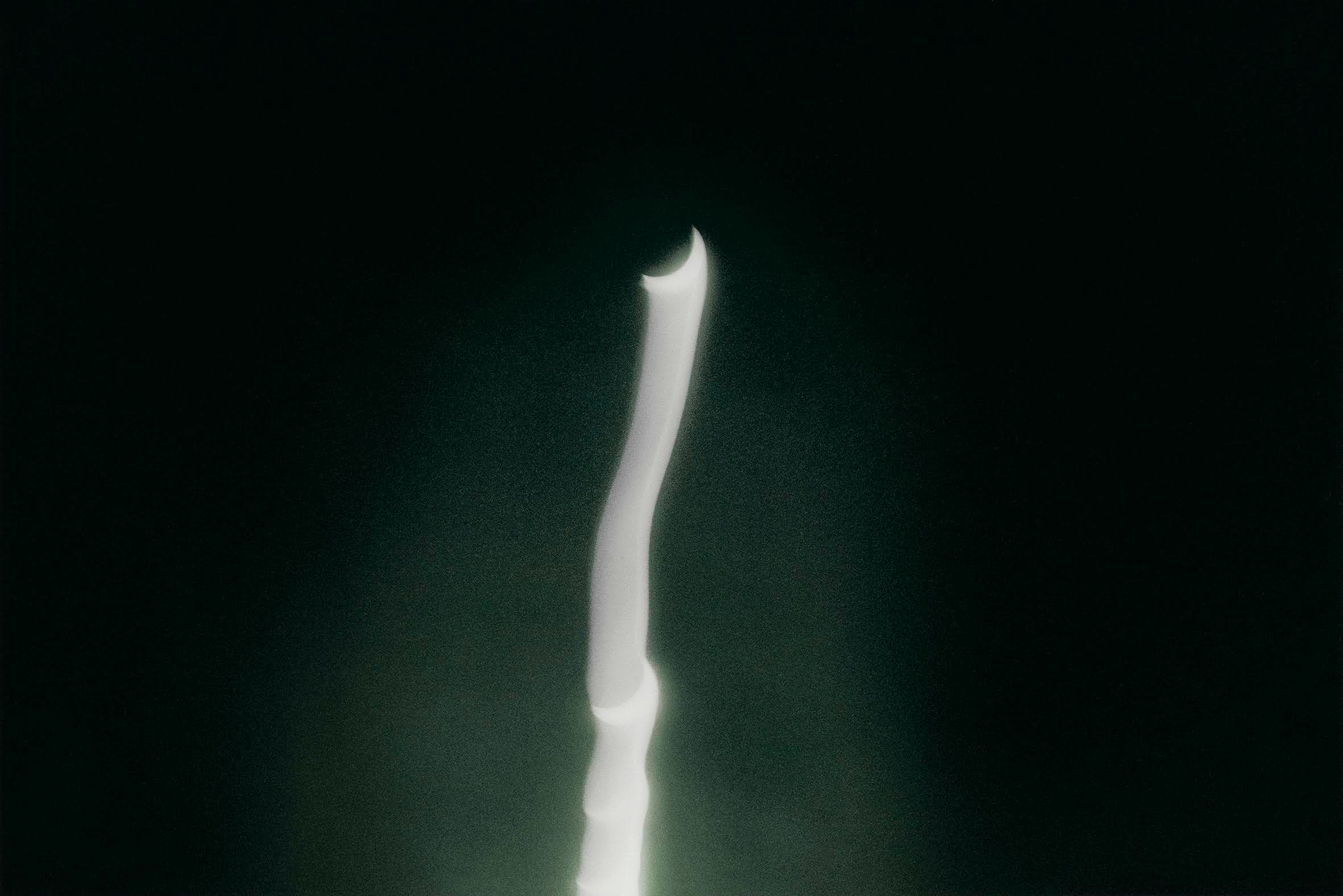
Gemini G.E.L.Gemini G.E.L., the publisher, artists' workshop and, gallery present concurrent exhibitions featuring two artists with deep collaborative histories at the gallery. Tacita Dean: Eclipse Drawings features twelve screenprints created from Dean's observations of the 2024 solar eclipse in Eagle Pass, Texas. These prints features drawings made with sunlight itself, loops and arcs of luminous energy seared onto the blackness of the sky. Analia Saban: Data Center 2026 brings together a new body of work in which the artist turns to one of the oldest printmaking processes to render the invisible infrastructure of our data-driven world tangible and material. The exhibitions open concurrently at Gemini G.E.L., each reflecting the long-standing collaborative relationships between the publisher and its artists that have defined the organization across its 60-year history. In April 2024, Tacita Dean traveled to Eagle Pass, Texas, to watch a total solar eclipse. When the moon passed between the sun and earth, she reached for her camera and not looking through the viewfinder, she twisted and turned it toward the sun, spinning and snapping with little aim or calculation. When the negatives were processed, something extraordinary emerged: not photographs in any conventional sense, but drawings made with sunlight itself, loops and arcs of luminous energy seared onto the blackness of the sky. Those accidental gestures have now been translated into a suite of twelve screenprints published by Gemini G.E.L. in Los Angeles. The Eclipse Drawings (2026) are screenprints of exceptional technical ambition — each print rendered in as many as eighteen colors — yet what they convey feels spontaneous: glowing lines and looping forms suspended against deep black grounds, caught in between celestial documentation and pure abstraction. The scale of the works varies dramatically, from intimate prints measuring just 12 × 18 inches to expansive sheets approaching 30 × 44 inches, each format calibrating a different relationship between the viewer and the light Dean has captured. Together, the twelve works form a visual sequence that reads almost like a map — an improvised charting of a moment of cosmic alignment. They represent a collision of time events: the few minutes of totality, when the moon covers the sun, with the seconds it takes for the shutter of her analog camera to open to expose the negative.