
Hollywood, Los Angeles
Group Exhibition
Of A Well-Sucked Apricot Pit
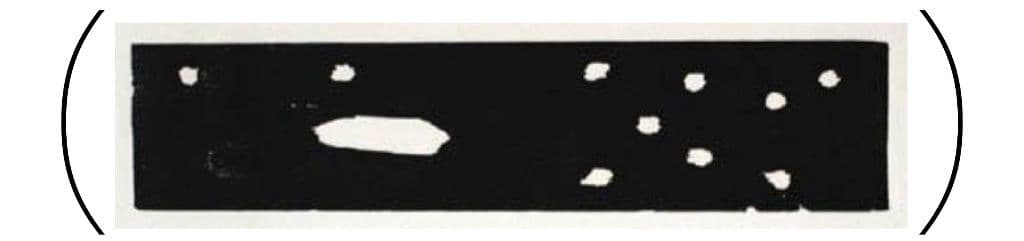
Tif SigfridsBianca Beck, Andy Gianikakis, Zachary Leener, Jonas Lipps, Alex Olson, Eric Palgon, Norbert Prangenberg, Noam Rappaport, Jennifer Rochlin, Daniel Rios-Rodriguez, Ernie Silva, Joan Snyder, Hayley Tompkin Tif Sigfrids is happy to present Of A Well-Sucked Apricot Pit, a summer exhibition organized around artists giving form to accounts of their own existence. We take our title from A Separate Desire, an unpublished piece by Amy Gerstler, wherein she asks: What’s the exact color of sap? Of a well-sucked apricot pit? Of fish flipping and glinting in a tin bucket? Have you been lulled by the glass bowl in a mortuary waiting room, containing white sea shells and taupe clay eggs And we follow the poet’s questions with a question of our own: How do we apprehend marks and symbols made by artists to satisfy their own emotional needs? When brush touches cotton or finger is pressed into clay for other purpose beside aesthetic pleasure. Because this exhibition, in our estimate, intends to promote gestures made simultaneously with instinctive sureness and with instinctive uncertainty. In this moment we are looking to artists whose searching is integrated within the act of making. Take for example a Norbert Prangenberg woodblock print, executed in 1991, a kind of divining rod for the exhibition, which appears to us a scrap of lumber gouged a handful of times, inked, and run through printing press. Prangenberg’s marks are open and we rest in them, understanding each to be a record of an artist’s action memorialized, and imbued with a melancholy that evades concrete explanation. Or consider Alex Olson’s paintings on paper — surfaces built up simultaneous to the painter’s more well known canvases. These gessoed surfaces, strewn around the floor of the artist’s studio long serve as sites for experimentation (brush cleaning, color testing, any number of other errant marks) until perhaps one reveals itself to be a discreet artwork. Bianca Beck described to us the process of making her tiny, talismanic sculptures as “cupping hands around my face and ripping panels off their structures and then finding ways the structures can support them in new ways.” And we appreciate them even more because we perceive the great value in artworks made by artists seeking refuge from public affairs. Entered though equally inward gaze, works by Jonas Lipps and Ernest Silva articulate circumstance that we relate to psychologically, even as we recognize their pictorial improbability. Silva’s lovers adrift in a restless sea is an image the artist painted devotionally in many iterations, and we feel so tenderly towards his commitment to its symbolic potency. Lipps’ images remain inscrutable, evolving from subconscious realms. And Like Gerstler’s apricot (the exact color of its pit, the summery melancholy of its well-sucked fuzz), two Eric Palgon paintings helped us to articulate our own thinking about the exhibition — above the creative heaven / below the arousing thunder. Maybe more than any other artists in the group, Palgon embraces with equal enthusiasm the oscillating sureness and uncertainty of putting marks on surface. Glasgow based Hayley Tompkins contributes a work in similar material (cotton, paint) that singularly articulates the position this exhibition aims to take. A series of marks, pigment on a shirt sleeve that we understand this way: a task for its own sake as time and place demand and not only with eye to the results. Andy Giannakakis’s paintings are like looking back in time via the lens of last years calendar. Built up over the course of days, months, years, the paintings are like never ending records of time spent marking down whatever happened that day. While two Joan Snyder works from 1968 and a pair of Noam Rappaport pieces completed in 2017 explore the potential in diagramming personal symbolism. And though we can never know what these works mean to the artists, our appreciation is only enhanced by their opacity. Both Jennifer Rochlin and Daniel Rios Rodriquez’s works utilize memory and intuition as a foundational support on which to make appeals through mark making. Assembled with elements from everyday life (nails, wood, rocks), Rodriguez’s intimately sized constructions are brimming with personal associations. Rochlin’s ceramic tile paintings are similarly conceived with intuition at the helm. Marks beget marks and images begin to surface. Zachary Leener, who helped to organize our exhibition, sees the culmination of this effort as a reflection of his recent experiences as an artist: he is constantly searching for new ways to find meaning through form. The sculpture presented here was selected from an ongoing set of new objects and images, and represents both an extension of and a departure from previous bodies of work. We think about the artists presented in “Of a well-sucked apricot pit” as seeking the space to have psychologically meaningful experiences in their studio. And we see this complexity of physical and philosophical inquiry manifest in Leener’s new semi-symmetrical forms.