
Marais, Paris
Group Exhibition
Enivrez-vous (Get Drunk)
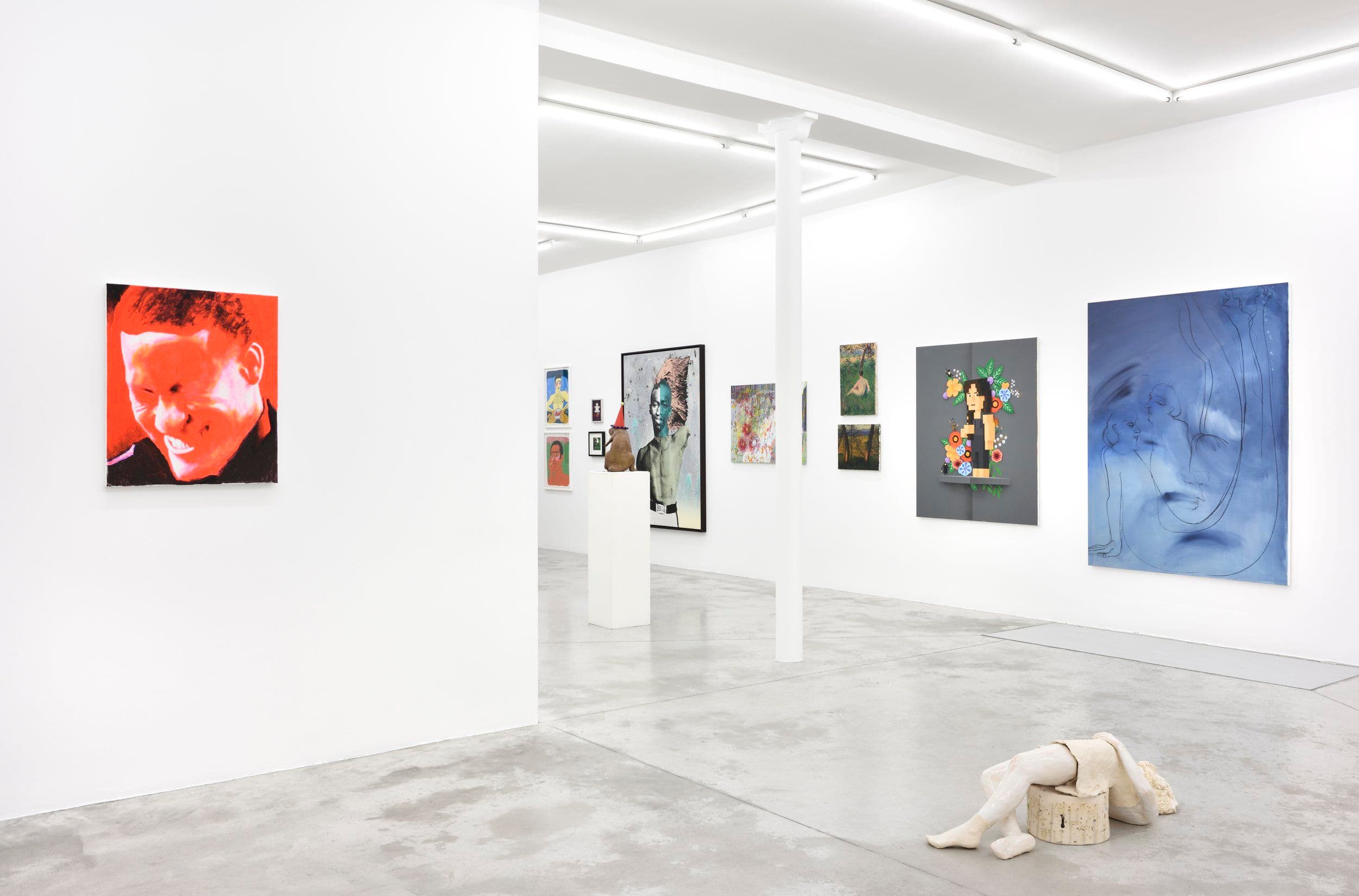
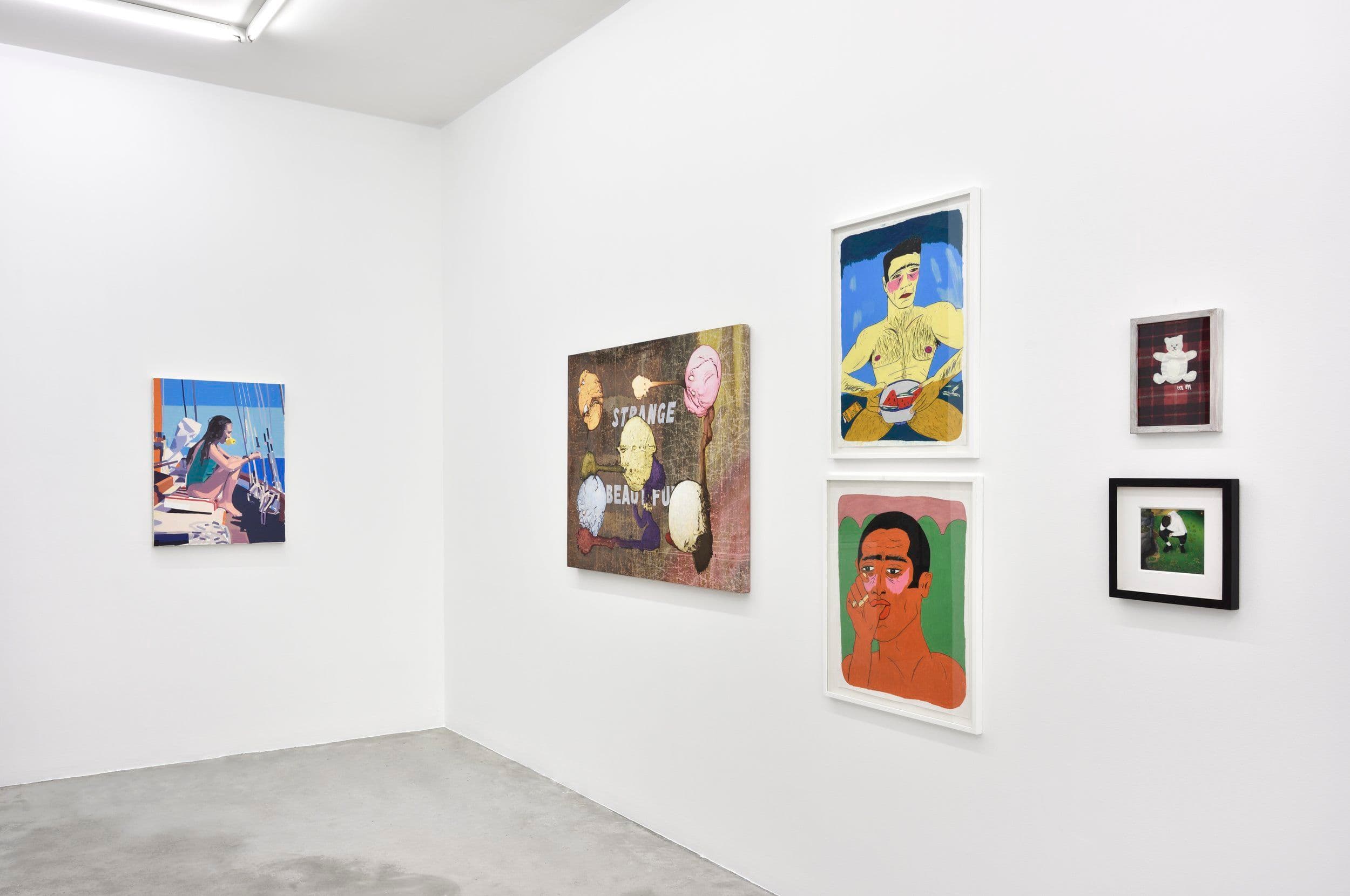
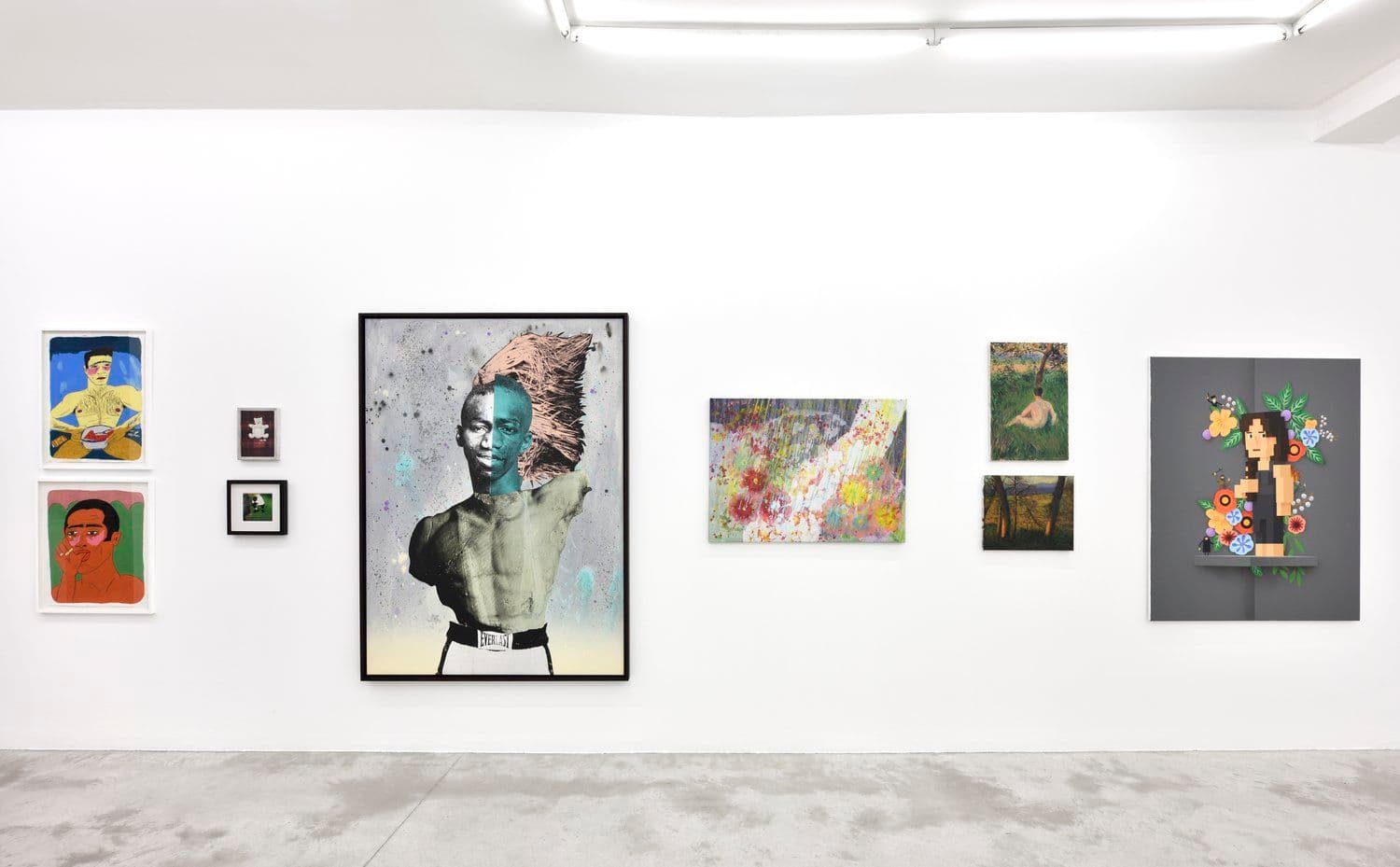
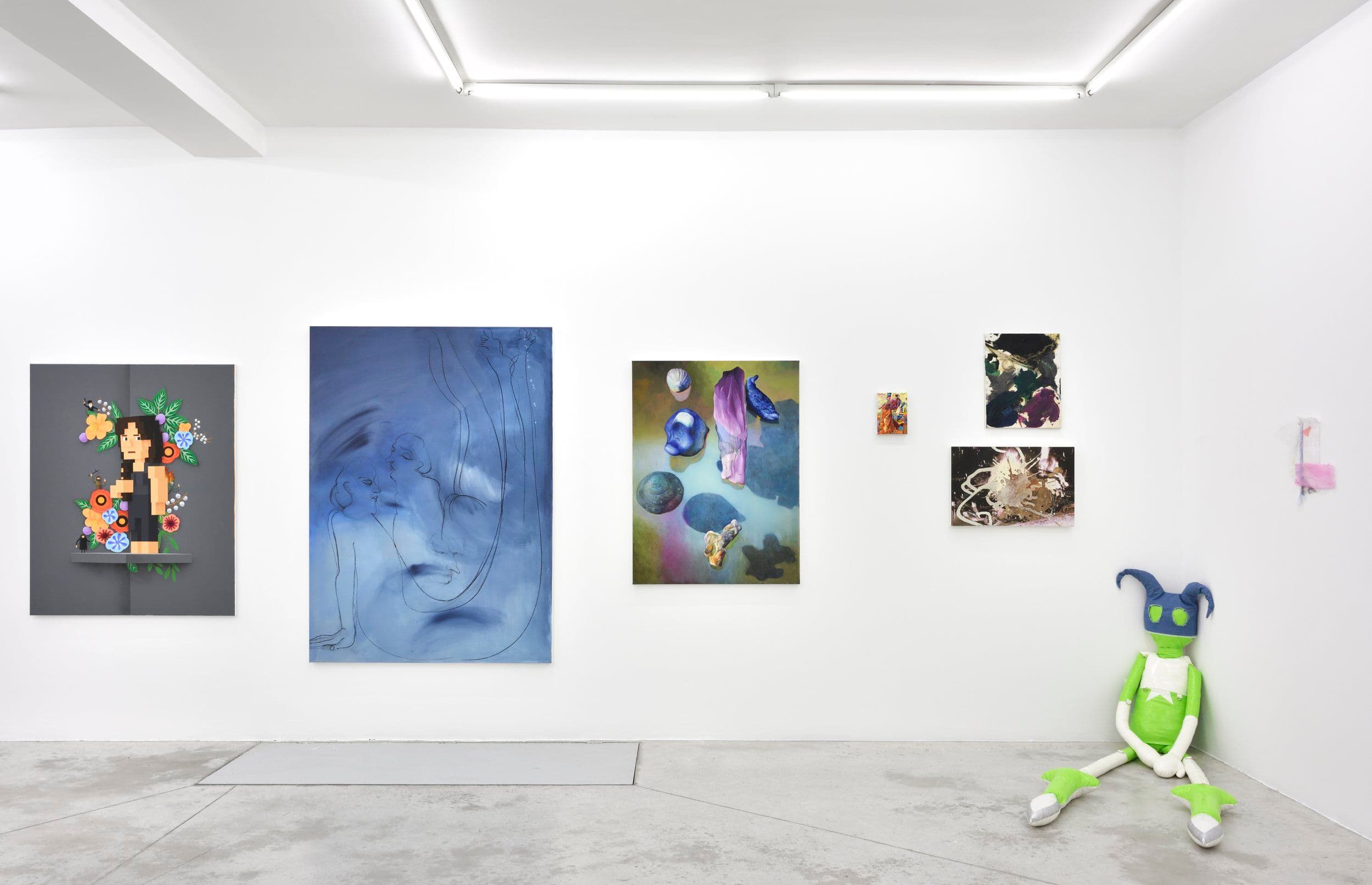
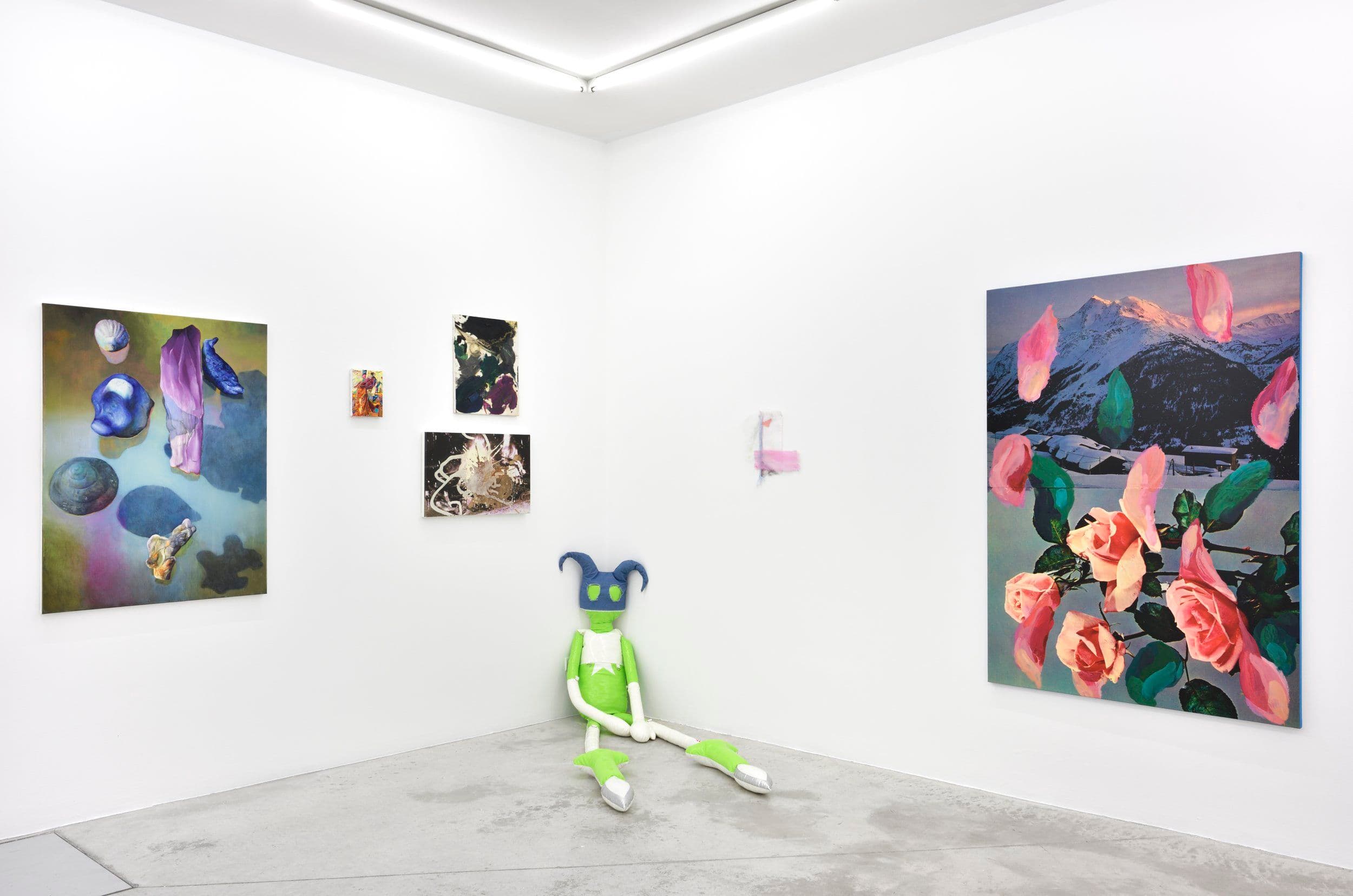
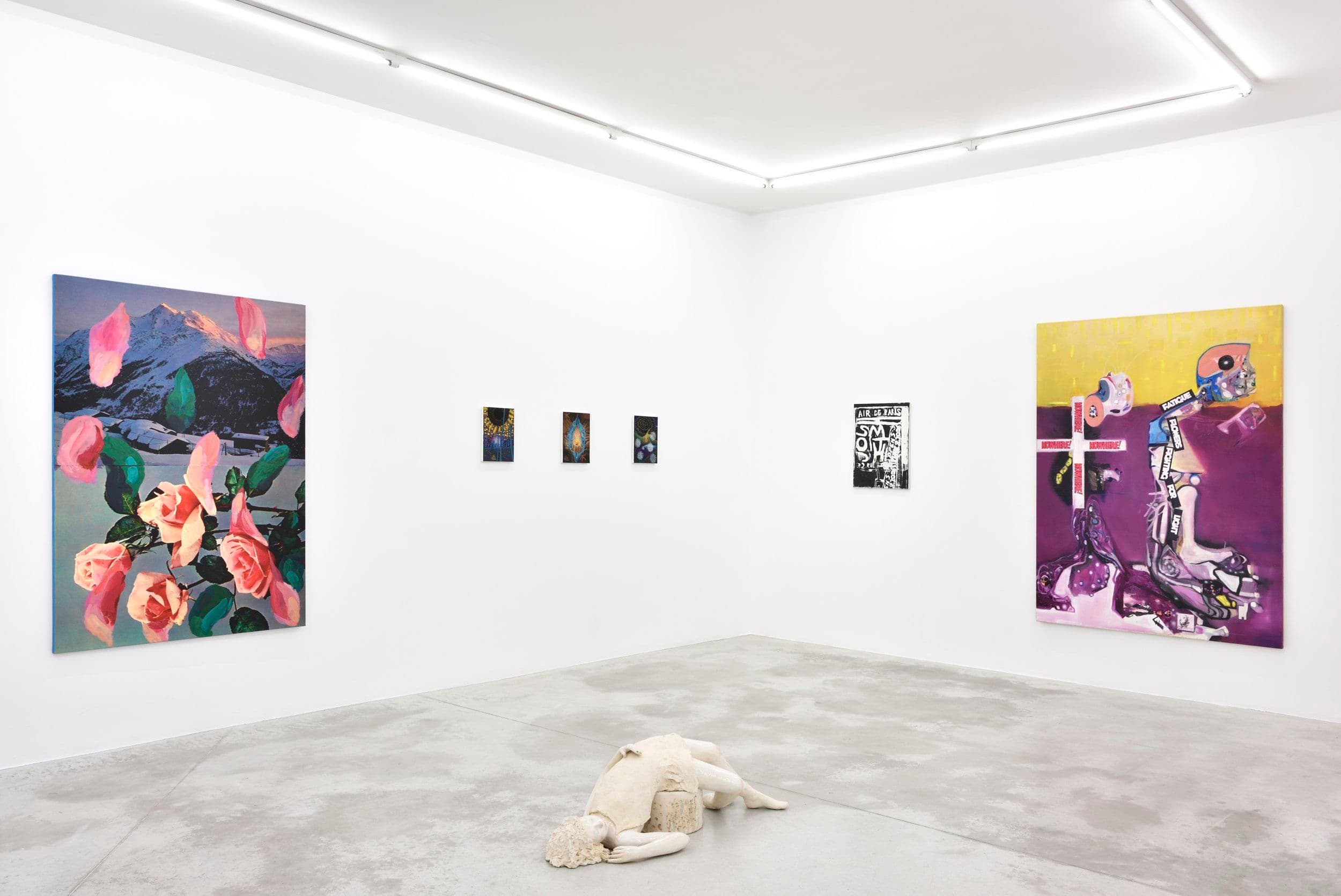
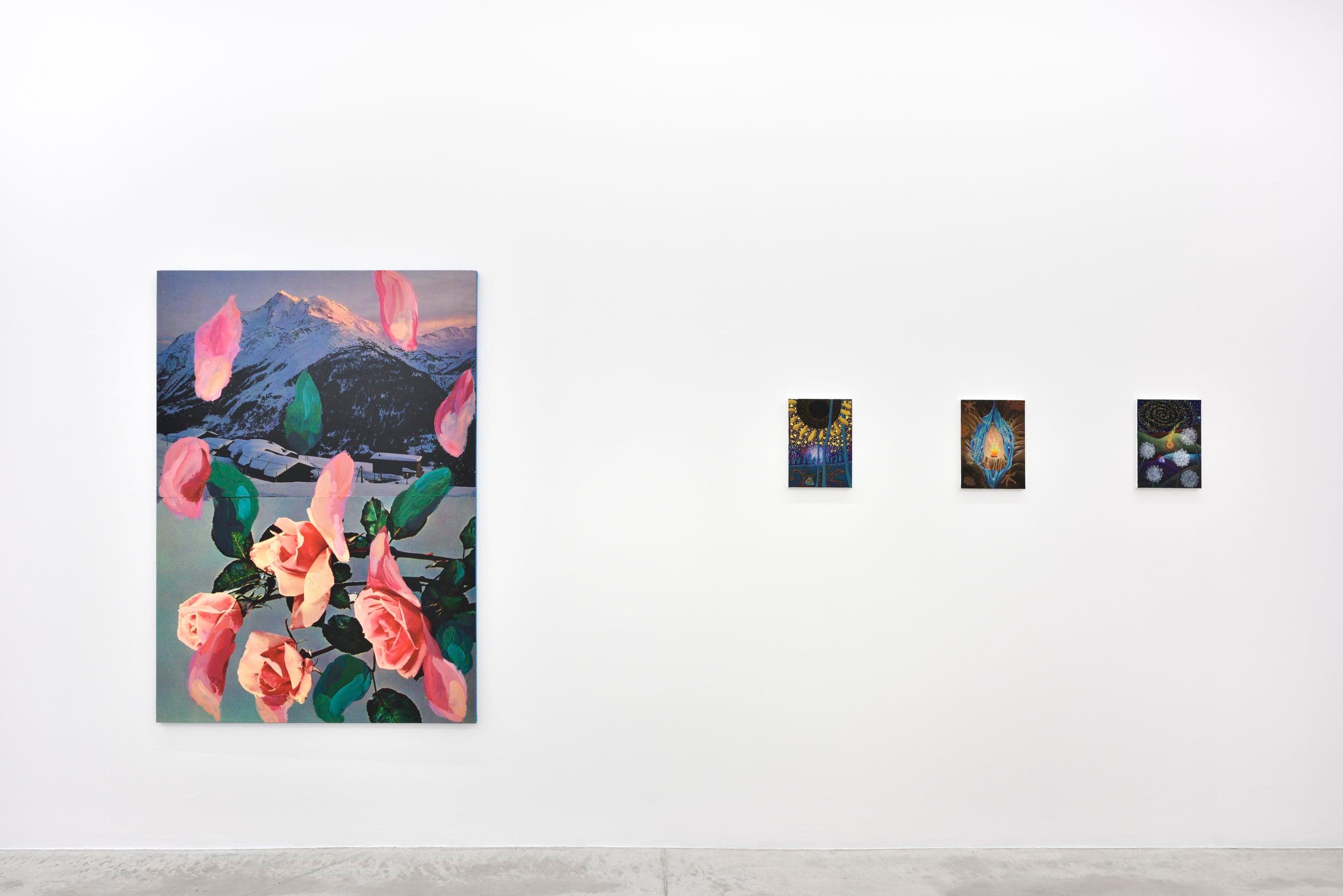
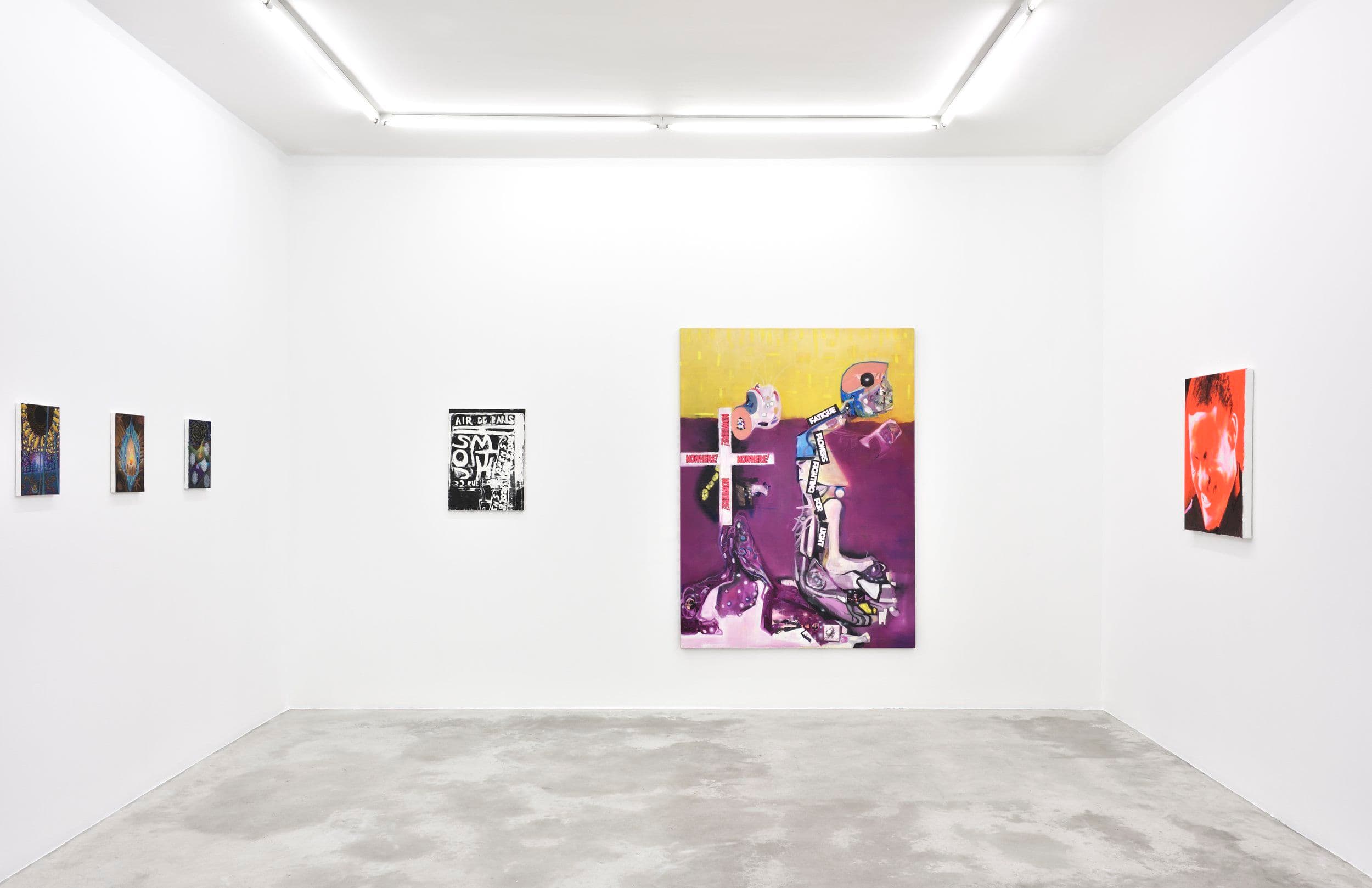
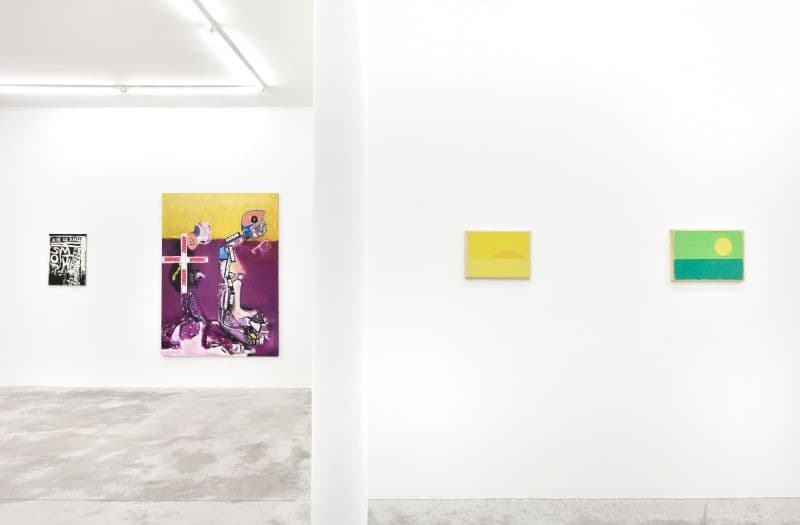
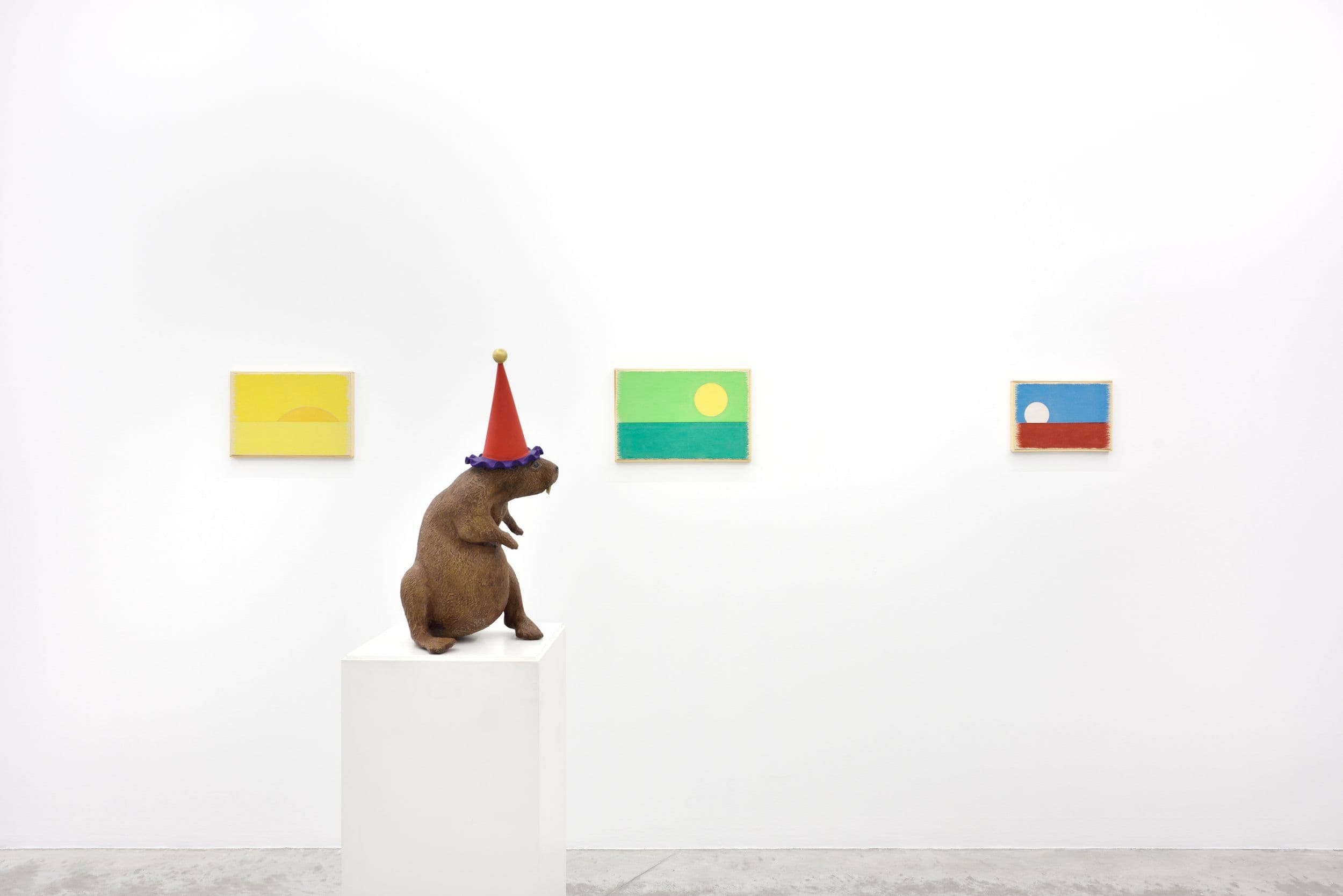
Praz-DelavalladeSoufiane Ababri, Pierre Ardouvin, Carlotta Bailly-Borg, Raphaël Barontini, Pauline Bazignan, Nadjib Ben Ali, Anne Brégeaut, Jean Claracq, Sepand Danesh, Miryam Haddad, Julia Haumont, David Horváth, Renaud Jerez, Thomas Liu Le Lann, Maude Maris, Martin Margiela, Golnaz Payani, Ugo Rondinone, Pierre Seinturier, Jim Shaw, Josh Smith, Marnie Weber, Kelley Walker, Guy Yanai [Scroll down for French version / Veuillez trouver ci-dessous la version française] Ever since antiquity, inebriation has been presented as a way of opening the doors to creativity, a means that is deeply connected to poetry, both by its origin, inspirational value and its subversive and exhilarating aspects. After all, is it not fêted for giving rise to sharing and festivity by worshipers of the Greek god Dionysus and his Roman counterpart Bacchus, the god of wine who is the living embodiment of this tribute to the values of drunkenness that paves the way to other excesses, madness, theatricality and tragedy. Poets lay claim to inebriation, asserting it as their way of accessing the inspirational divine voice and describing the latter’s light, euphoric and ephemeral condition. In Petits poèmes en prose, which was published in 1869 two years after his death, Baudelaire assembled men and wine to show the necessity of drunkenness as an escape towards an ideal. Here he is speaking of a poetic and spiritual inebriation that is an antidote to metaphysical disarray and the passage of time. “Get Drunk”, he proclaims. “One must always be drunk. That is the heart of the matter. So as not to feel the horrible burden of Time crushing your shoulders and bending you toward the earth, you must get drunk without rest. But on what? On wine, on poetry, or on virtue; you choose. But get drunk.” Baudelaire’s brilliance provides without a doubt relief from the burden of life at a given moment in time and, to quote Véronique Nahoum Grappe, “no matter what the future holds in store, drunkenness is an investment in the present moment”. Charles Baudelaire is trying to draw out the main idea, the implicit philosophy at the core of a work and its creator’s vision of the world, the harmonious rapport between sensibility, perspective and an essential choice that defines a mind. And this is precisely what characterises the get-together of artists in which this exhibition invites you to participate, an encounter between Baudelaire’s modernity and the creative pugnacity of 24 contemporary artists in whom the forces of the imagination meet and intwine with the poet’s ideal. What once excited him and now excites these artists is not describing the material nature of art, but rather setting off in search of its hidden source, by evoking the dreams and considerations to which works of art give rise. Each artist present takes firmly hold of their pictorial truth and the genesis of their art in order to analyse their chosen means of expression and approach to colour, the flat canvas surface, material questions and the mastery of space, light and composition. “We have within us the sparks of knowledge, like a flint: philosophers extract them through reason, but poets force them out through the sharp blows of the imagination [...]”. Damn yourself through your use of colour, eccentricity, madness and libertinism. Dare to drink to excess for “[...] what does an eternity of damnation matter to one who has found in a single instant an infinity of joy?”. ***** Depuis l’antiquité l’ivresse est présentée comme une porte ouverte vers la création profondément liée à la poésie par son origine, par sa qualité d’inspiratrice mais aussi pour son côté subversif et euphorisant. N’est-elle pas célébrée comme source de partage et de festivité grâce au culte réservé au Dieu Dionysos en Grèce et son pendant à Rome, Bacchus, Dieu du vin incarnant cet hommage à cette ivresse véritable exutoire vers d’autres rives de démesure, de folie, de théâtralité et de tragédie. Les poètes revendiquent l’ivresse comme cet accès à la voix divine et inspirante afin de poser des mots sur l’état léger, euphorique et éphémère de cette dernière. Dans Petits poèmes en prose publiés en 1869, deux ans après sa disparition, Baudelaire réunit davantage hommes et vin, pour montrer la nécessité de l’ivresse qui est ici à comprendre comme une évasion vers un idéal : il s’agit de l’ivresse de la poésie, une ivresse spiritualisée, l’ivresse contre le désarroi métaphysique et la fuite du temps. “Enivrez- vous” clame-t-il. “Il faut être toujours ivre, tout est là, c’est l’unique question. Pour ne pas sentir l’horrible fardeau qui brise vos épaules et vous penche vers la terre, il faut vous enivrer sans trêve, Mais de quoi ? De vin de poésie, (de culture) ou de vertu à votre guise, mais enivrez- vous”. Baudelaire et ses fulgurances sont à n’en point douter des soulagements du poids de la vie à un moment précis “qu’importe l’avenir, l’ivresse c’est l’investissement du présent”. Charles Baudelaire cherche à dégager “l’idée mère”, la philosophie centrale et implicite d’une œuvre, la vision du monde d’un créateur, accord profond entre une sensibilité, une perspective et un choix essentiel qui définit un esprit. C’est précisément ce qui caractérise cette réunion d’artistes à laquelle nous vous convions au sein de cette exposition, la rencontre entre la modernité du poète et la combativité créatrice de ces 24 plasticiens contemporains où les forces de l’imaginaire se rencontrent et s’entremêlent à l’idéal baudelairien. Ce qui le passionnait et passionne ces créateurs n’est pas de décrire la matérialité du tableau, mais de remonter à sa source cachée en évoquant les considérations et les rêveries que l’oeuvre plastique a fait surgir. Il s’agit pour chaque artiste présent de tenir fermement les deux bouts de sa vérité picturale, aux sources premières de l’oeuvre afin d’en analyser les moyens d’expression, leur travail aux prises avec les couleurs, la surface plane de la toile, les difficultés de la matière, la maîtrise de l’espace, la lumière de sa composition. Il y a en eux “des semences de sciences, comme en un silex des semences de feux ; les philosophes les extraient par la raison; les artistes les arrachent par l’imagination” Damnez-vous de couleurs, de singularités, de folie, de libertinage. Osez l’ivresse, “qu’importe l’éternité de la damnation à qui a trouvé dans une seconde l’infini de la jouissance.”