
West, London
Andreas Eriksson
19
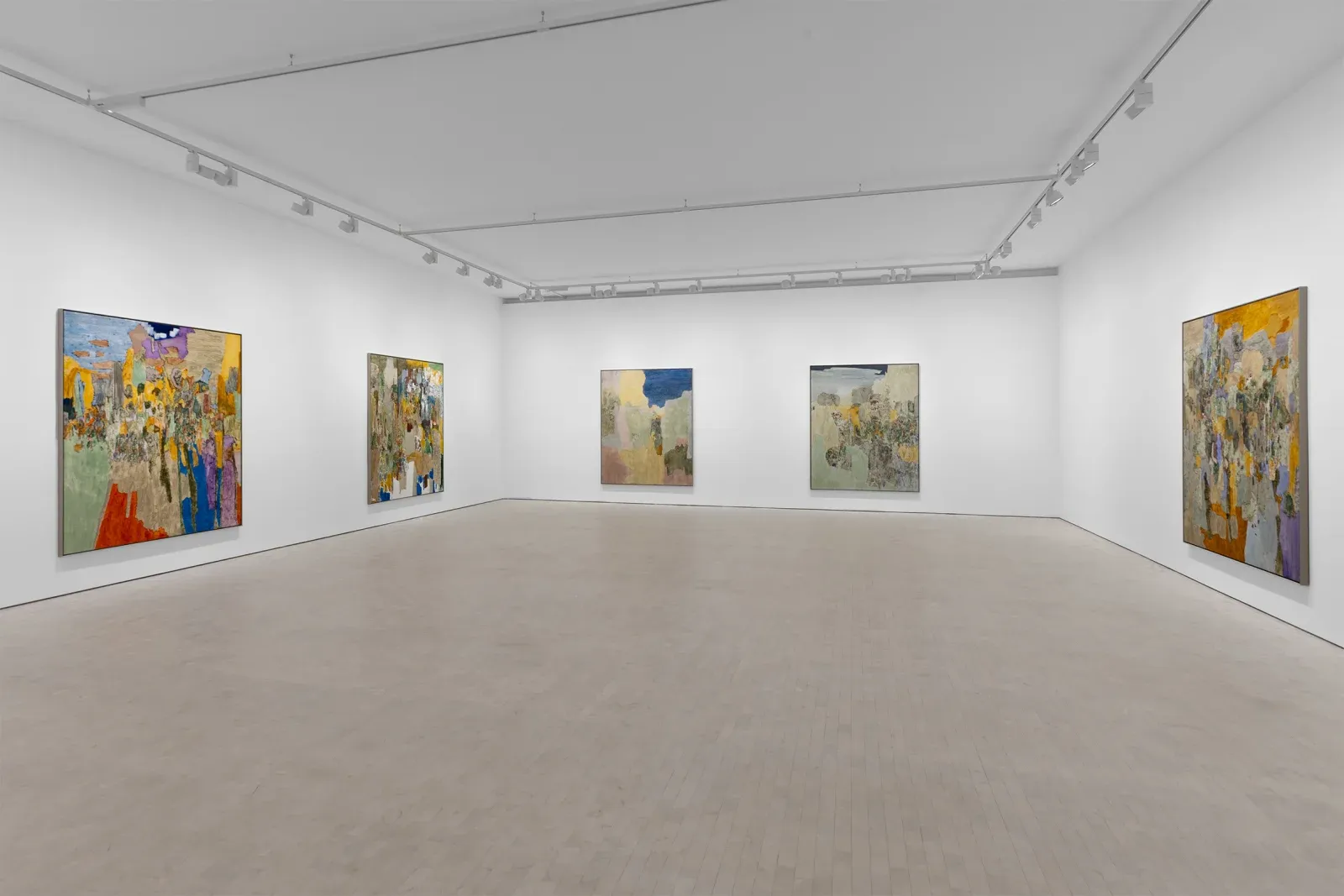
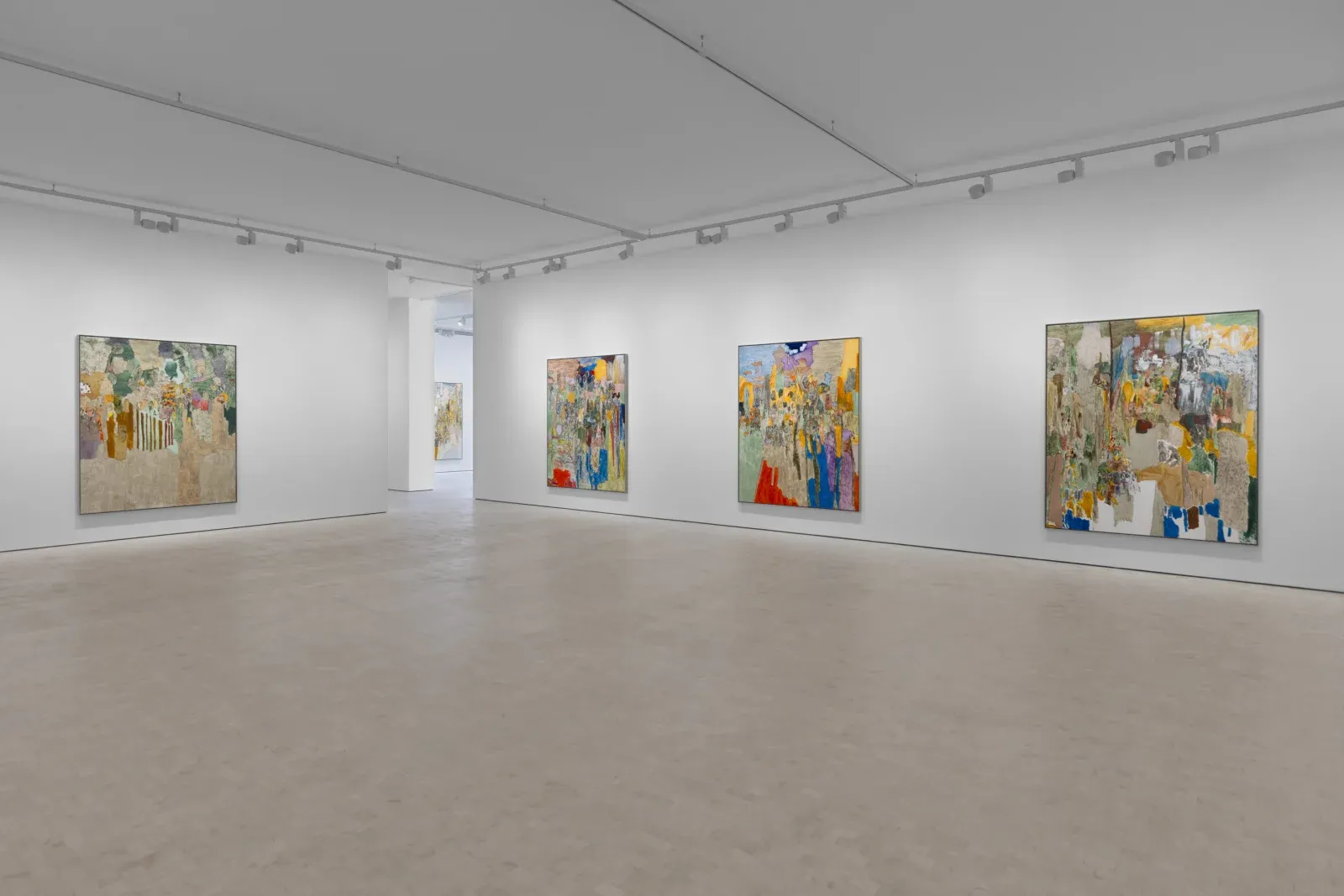
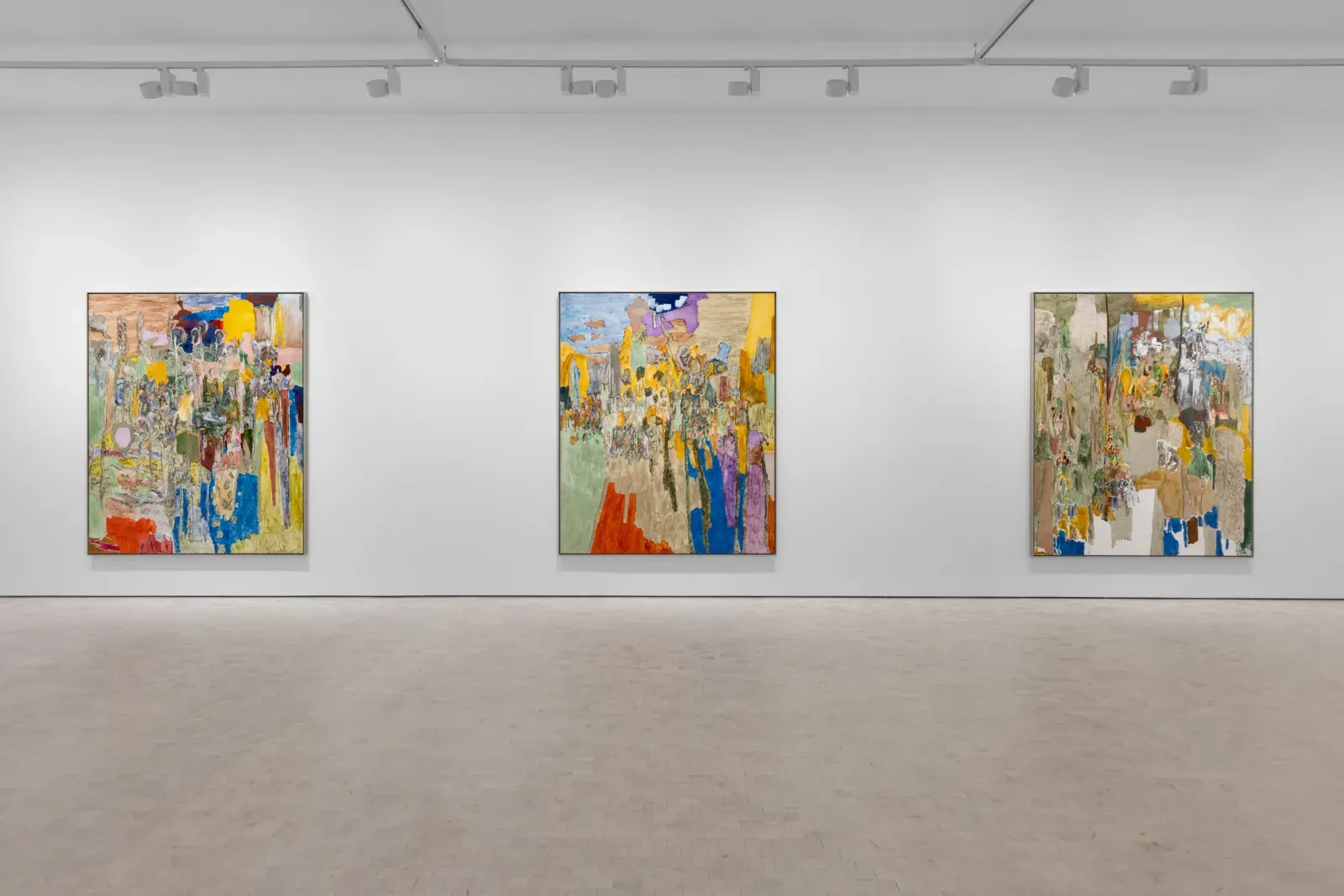
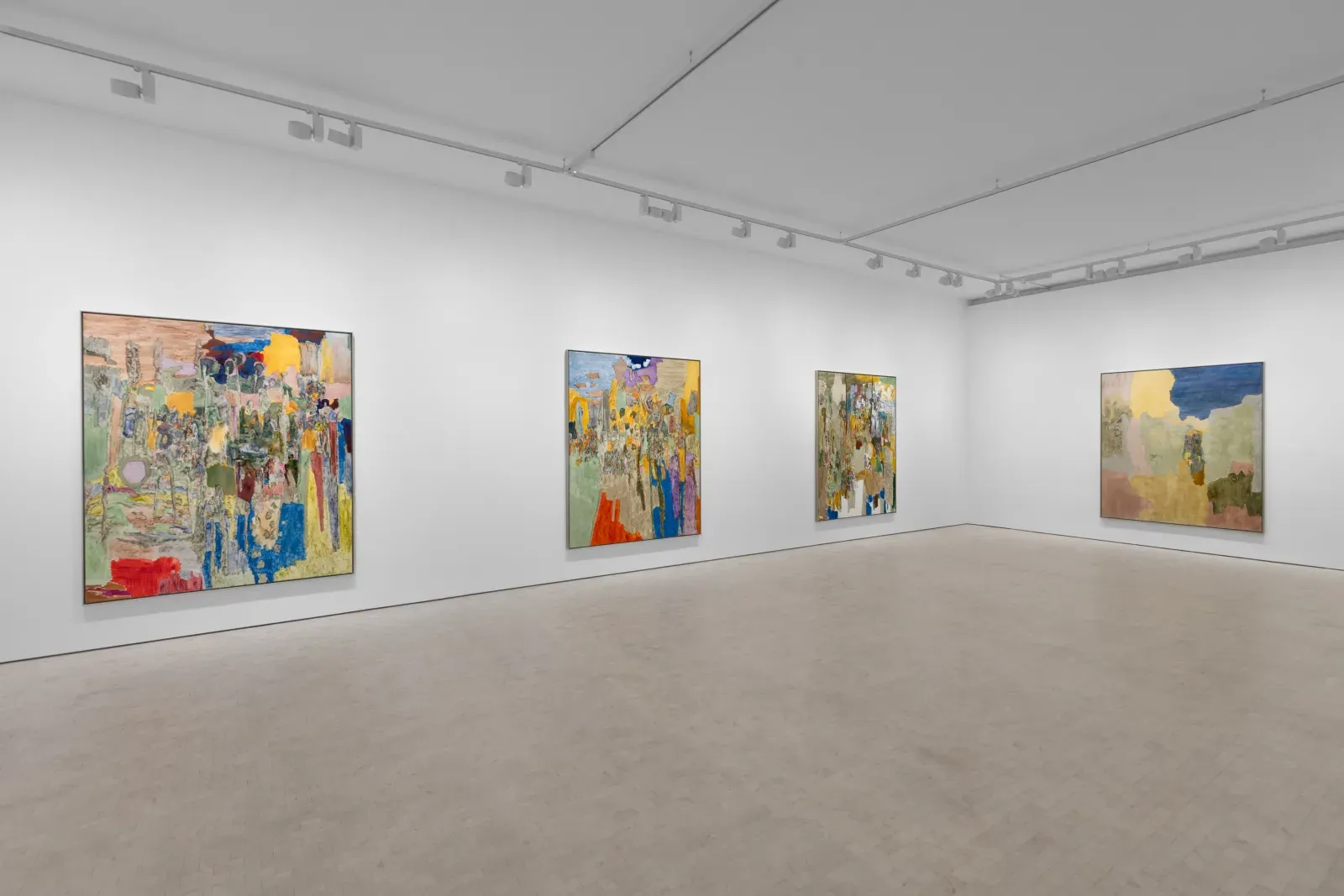
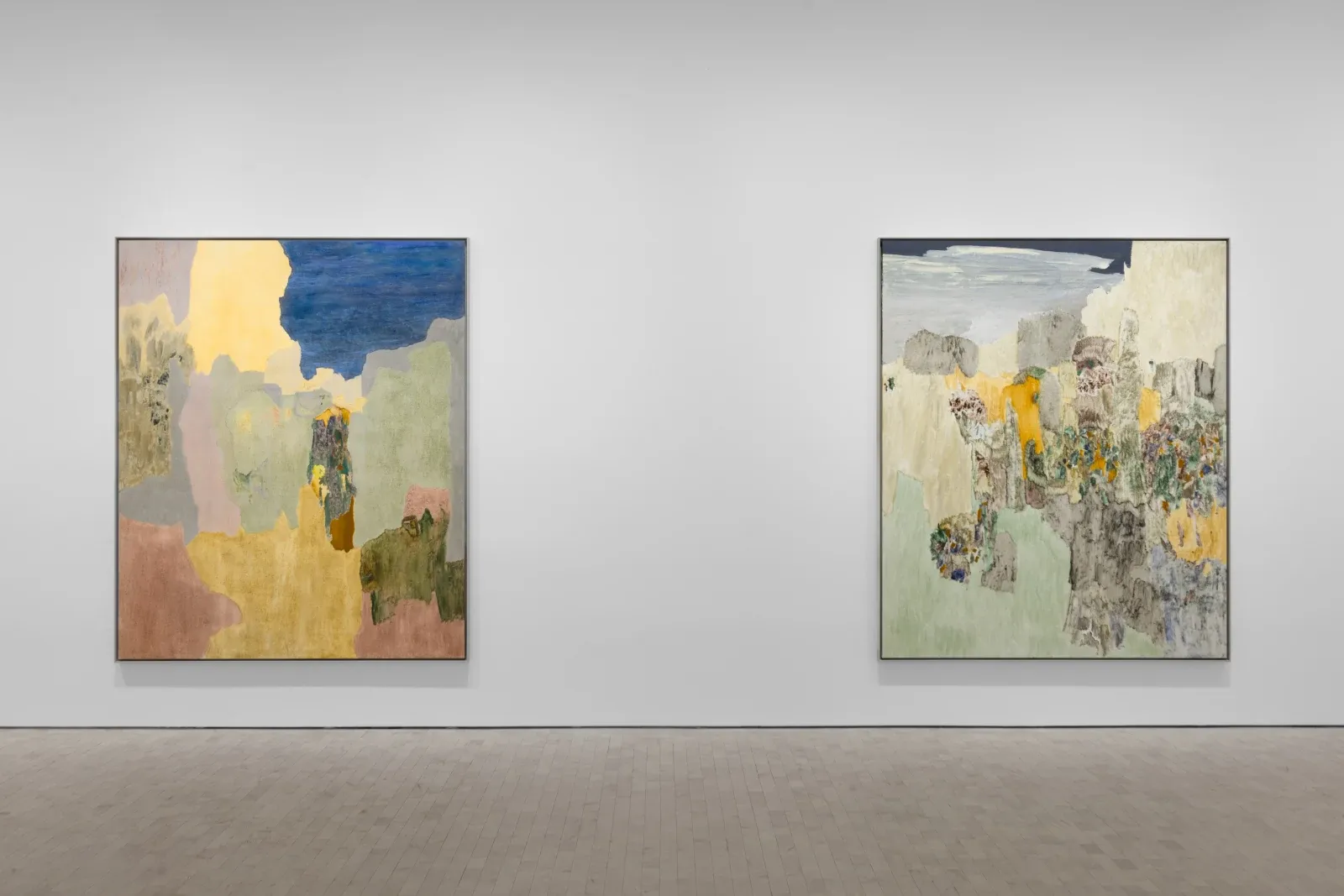
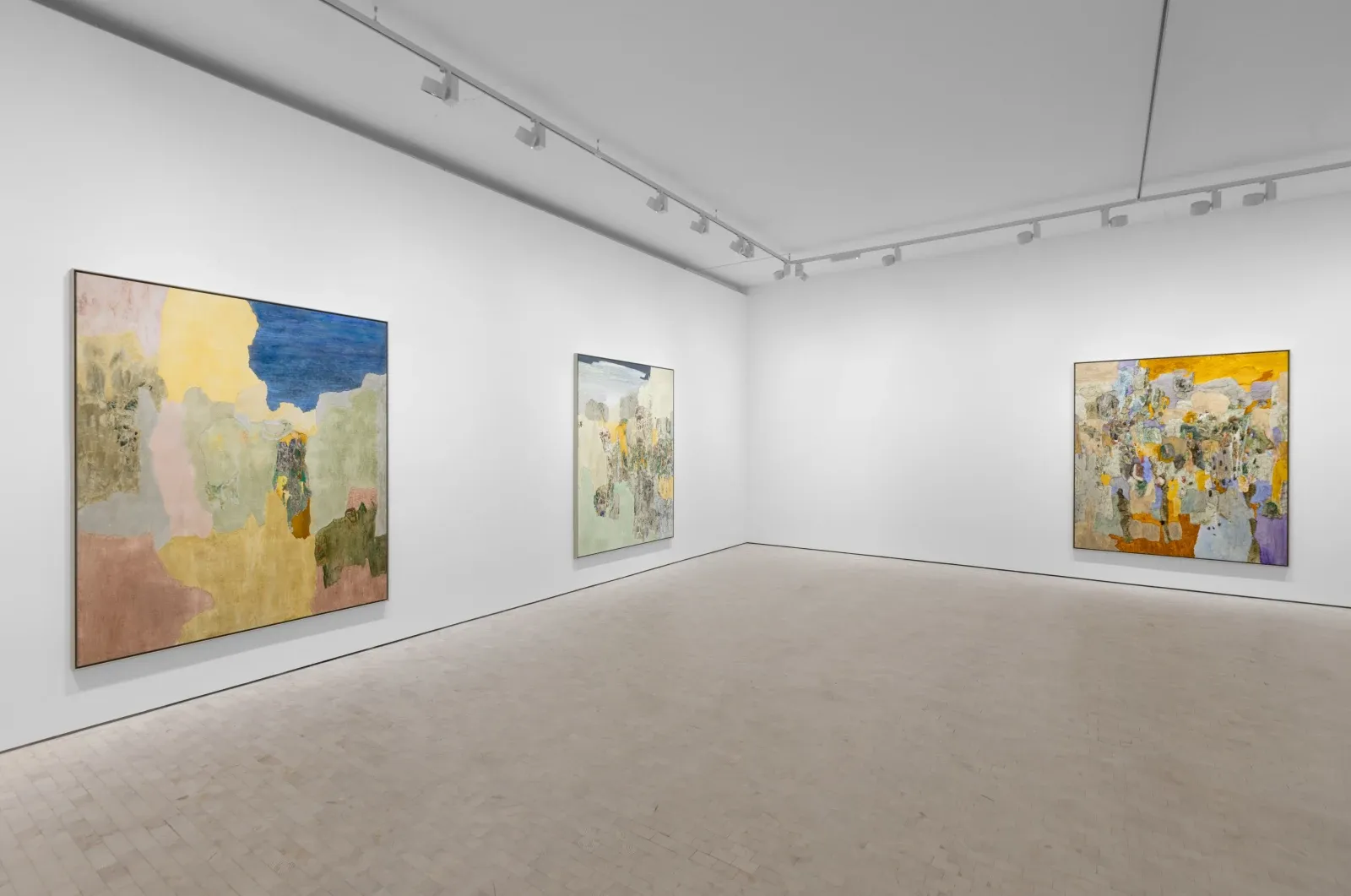
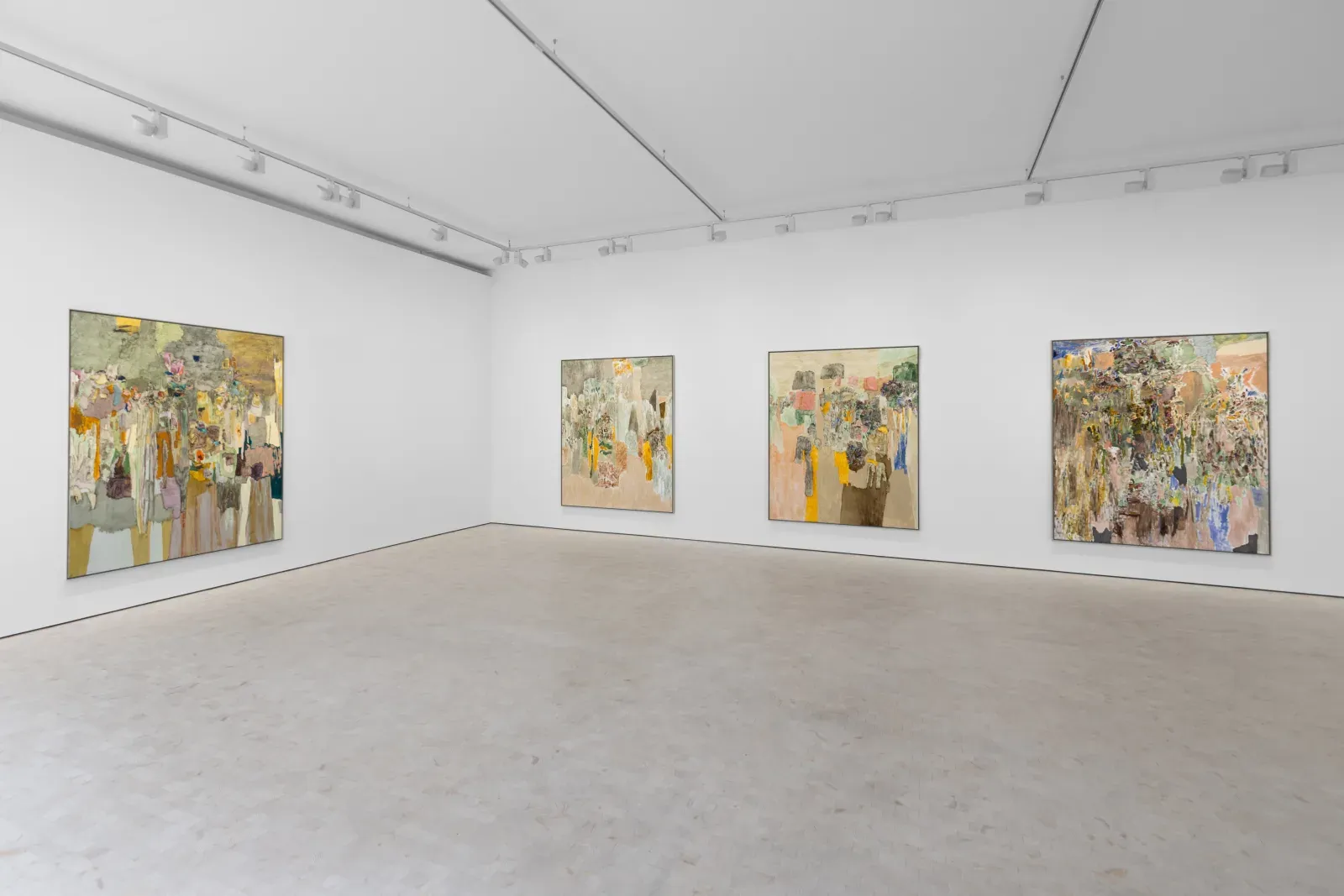
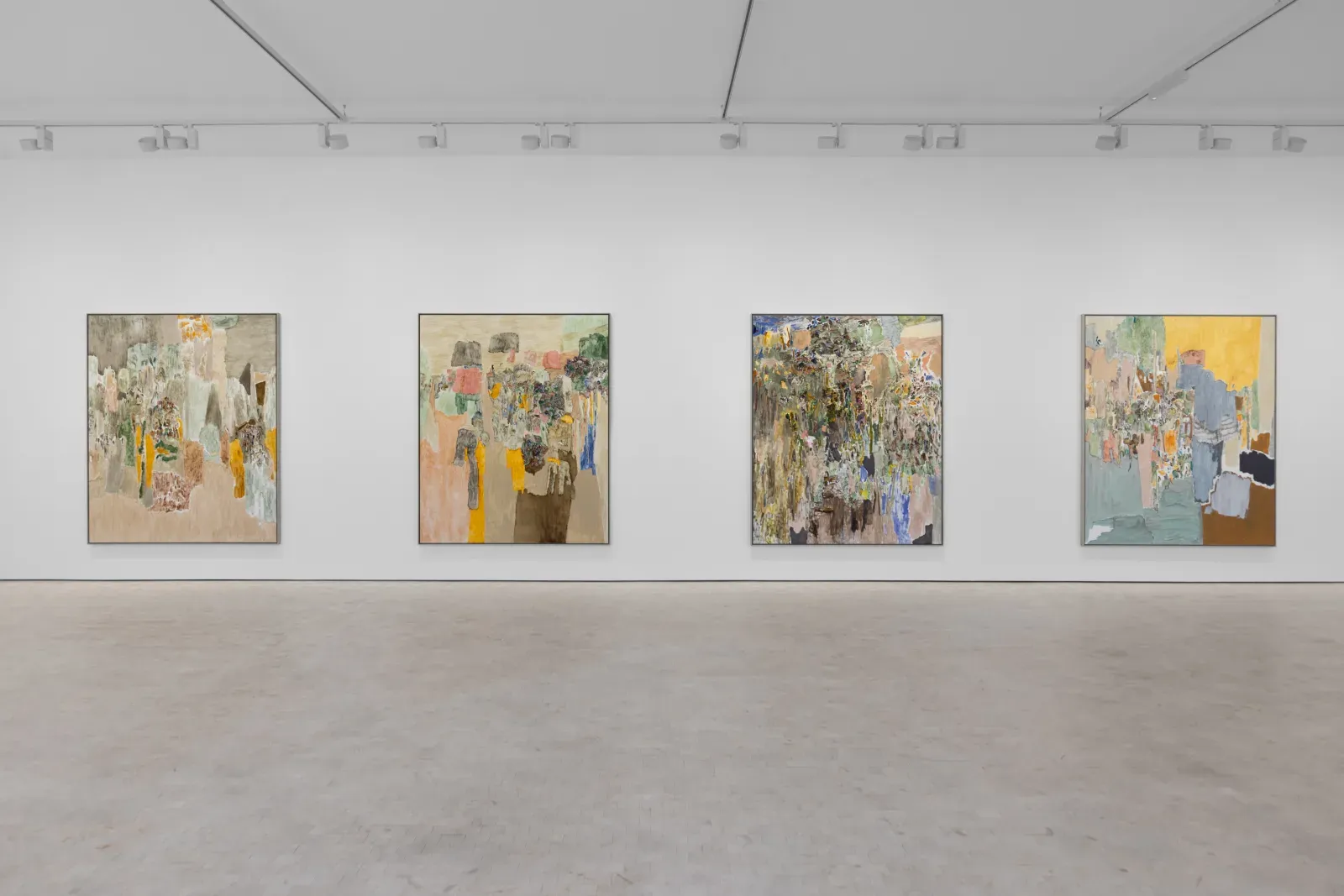
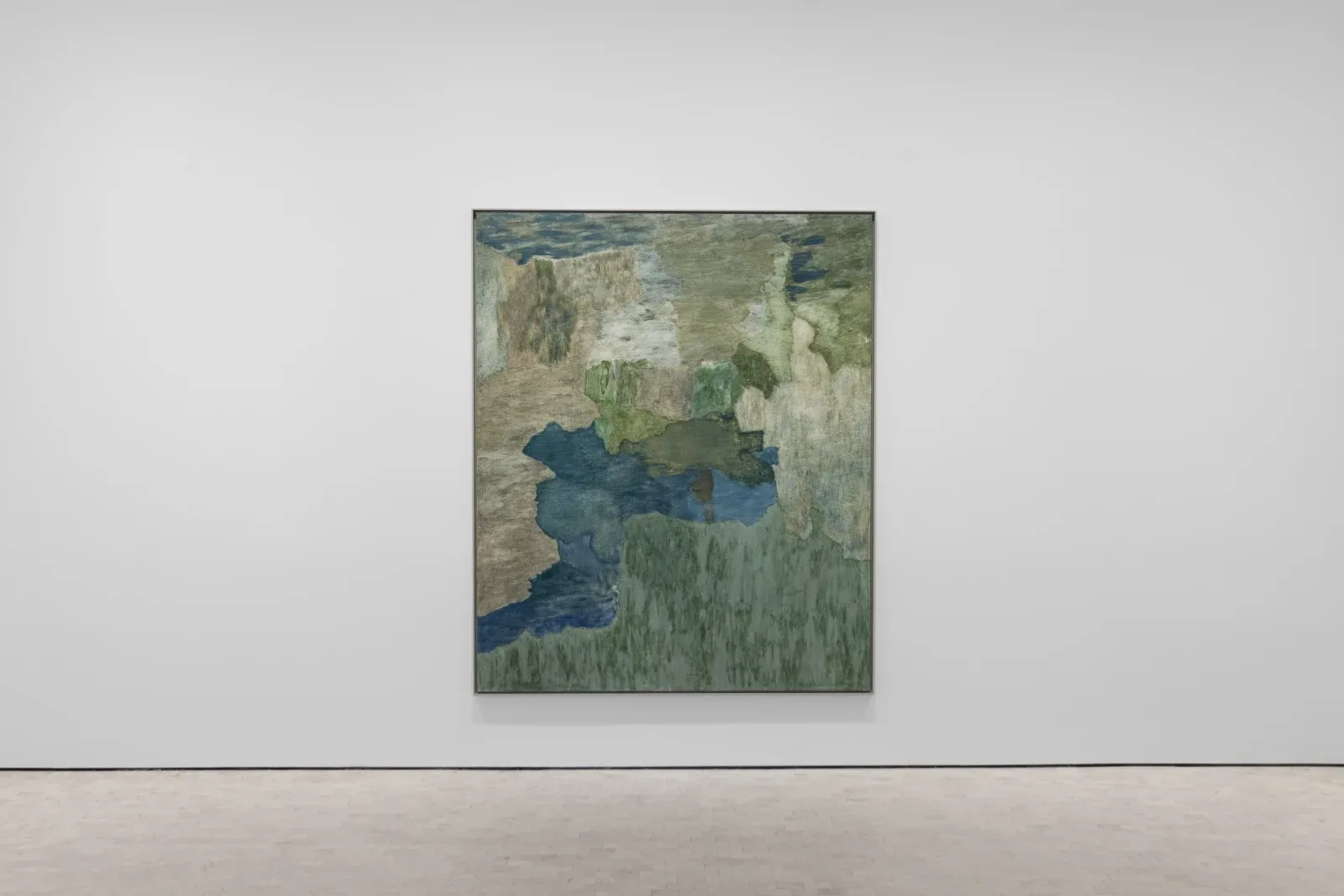
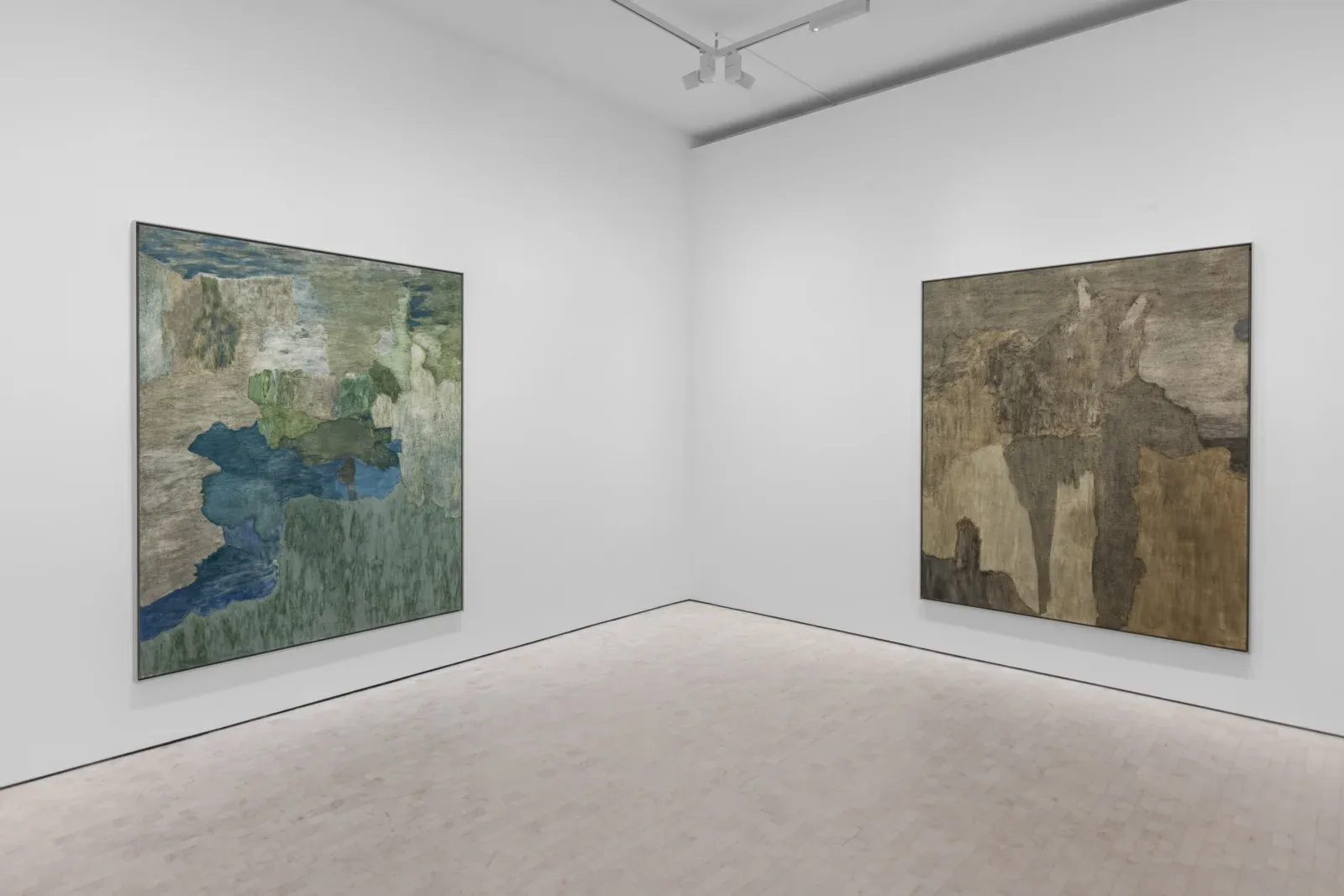
Stephen FriedmanStephen Friedman Gallery presents '19', a solo exhibition by Swedish artist Andreas Eriksson. Rooted in the rural landscape surrounding the artist's home and studio in Medelplana, Sweden, this new series of large-scale paintings continues Eriksson's sustained exploration of landscape painting as topography and visual contemplation. This body of work takes inspiration from the woods that the artist walks in each day with his dog. It is a dedication to the dense thickets and clearings, the knots of branches and felled trees that he passes daily. His delicate patchworks of feathered brushwork respond to the macro undulations and micro textures of his surroundings as they shift with the weather and the passing of time. Alongside the paintings, Eriksson has produced a collection of photographs of the same landscape. He notes that he approaches his photographic response as he does his painting, and both bodies of work hold a poetic quality and a quiet emotional intensity. The photographs are printed in a small edition of hand-bound books, published in Japan. Many of these paintings began outside. Under a corrugated roof, with fields and woods stretching out before him, Eriksson hung the canvases on a wall beyond his studio to begin work. His palette reflects these conditions, growing moodier and brighter with the shifting sunlight. His winter painting produced rich and earthy pieces in pine green, browns and midnight blue. As the sun began to rise a little earlier, day by day, pink, scarlet and warm ochre were woven in. In this series, the artist has moved away from sketching out his compositions, instead painting directly onto the canvas. The works are imbued with something of this immediacy and this raw, outdoor exposure. They develop Eriksson's characteristic visual language with their deep and varied palette and built-up portions of finely textured brushstrokes. Eriksson cites Gunther Forg's rhythmic mark-making, and David Novros's and Barbro Östlihn's treatments of space as an influence in his practice. He admires the way that Östlihn