
Tribeca, New York
Hugo Winder-Lind
Clouds of Limitless and Expanding Joy
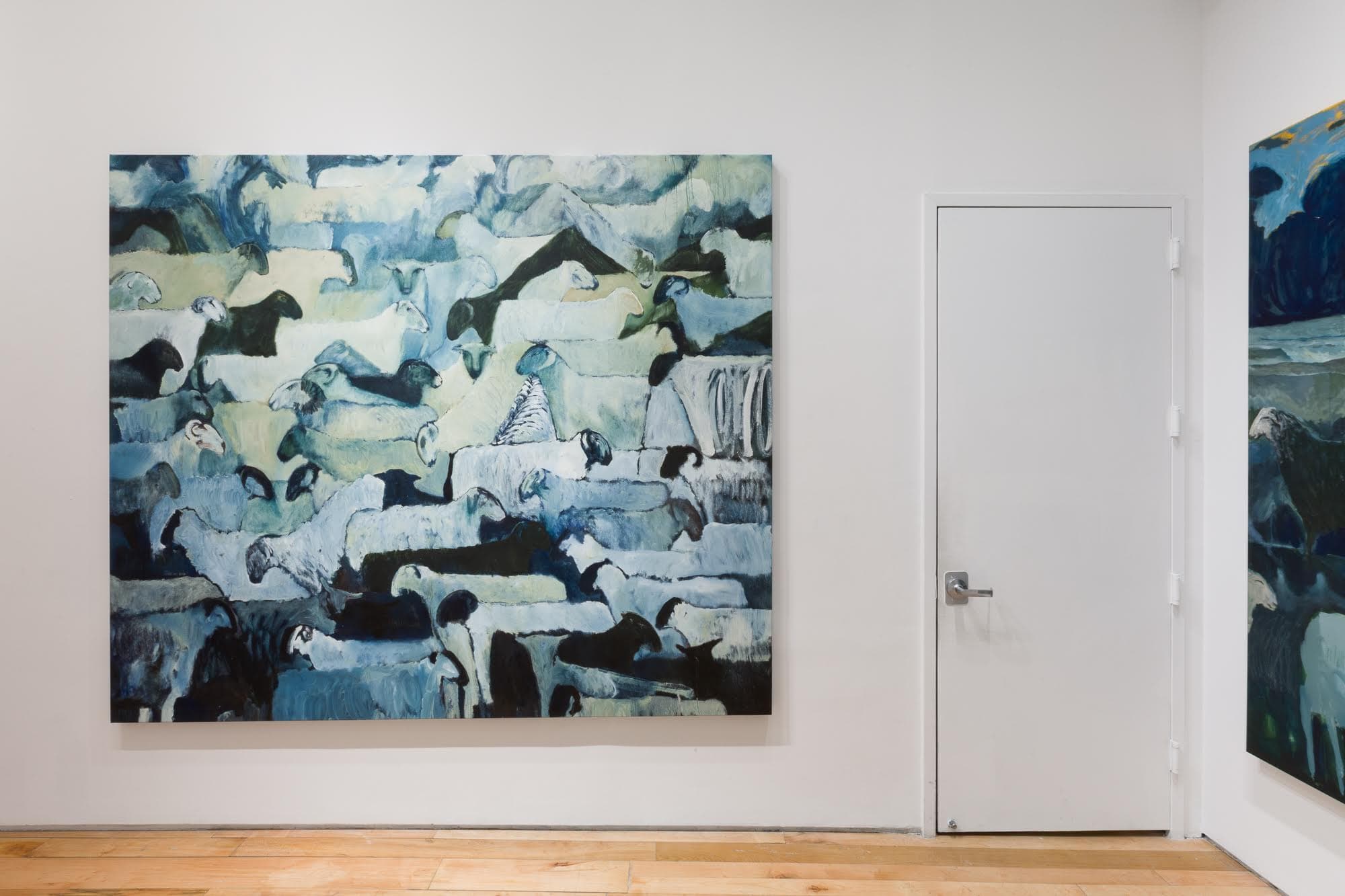
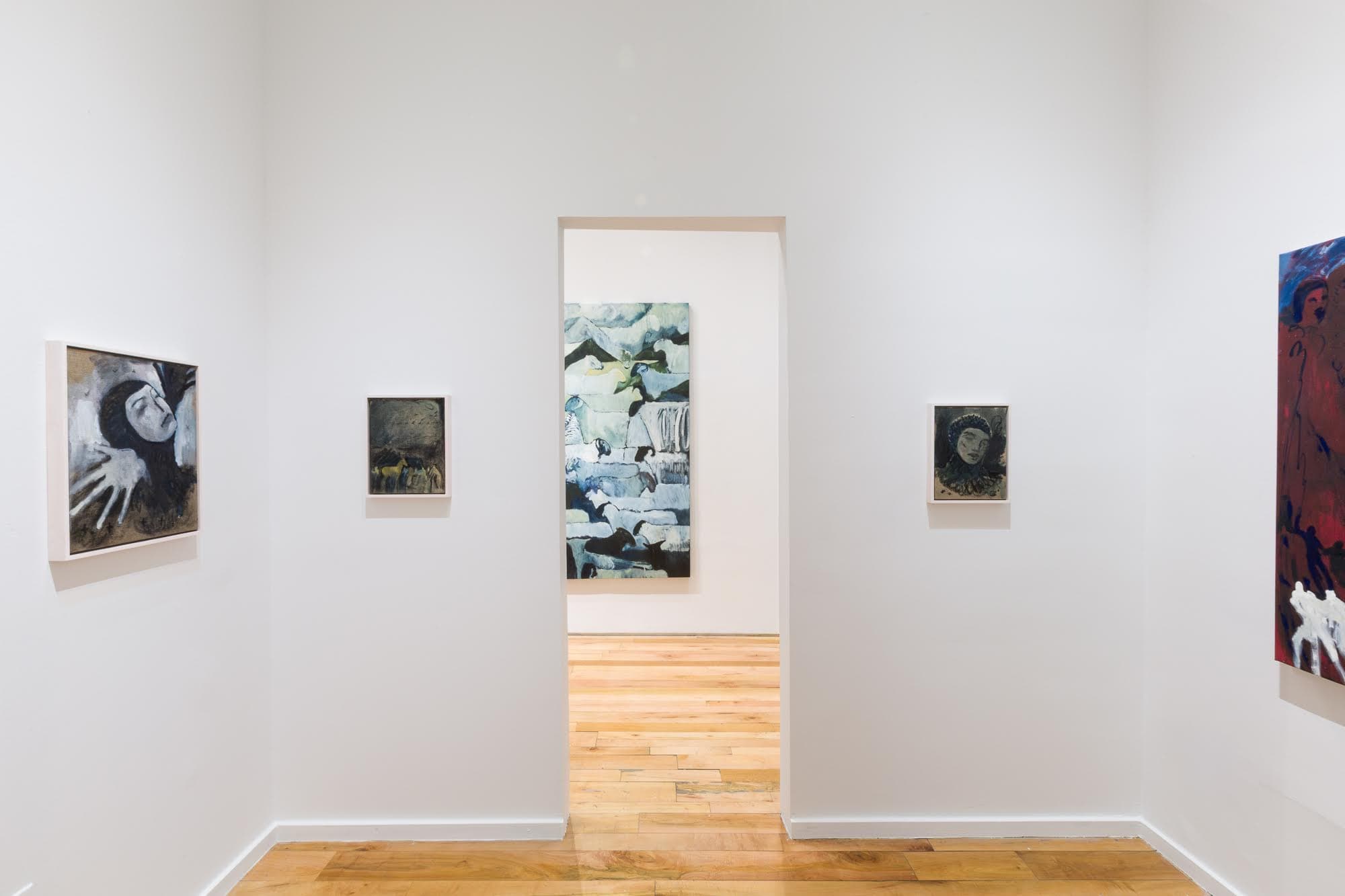
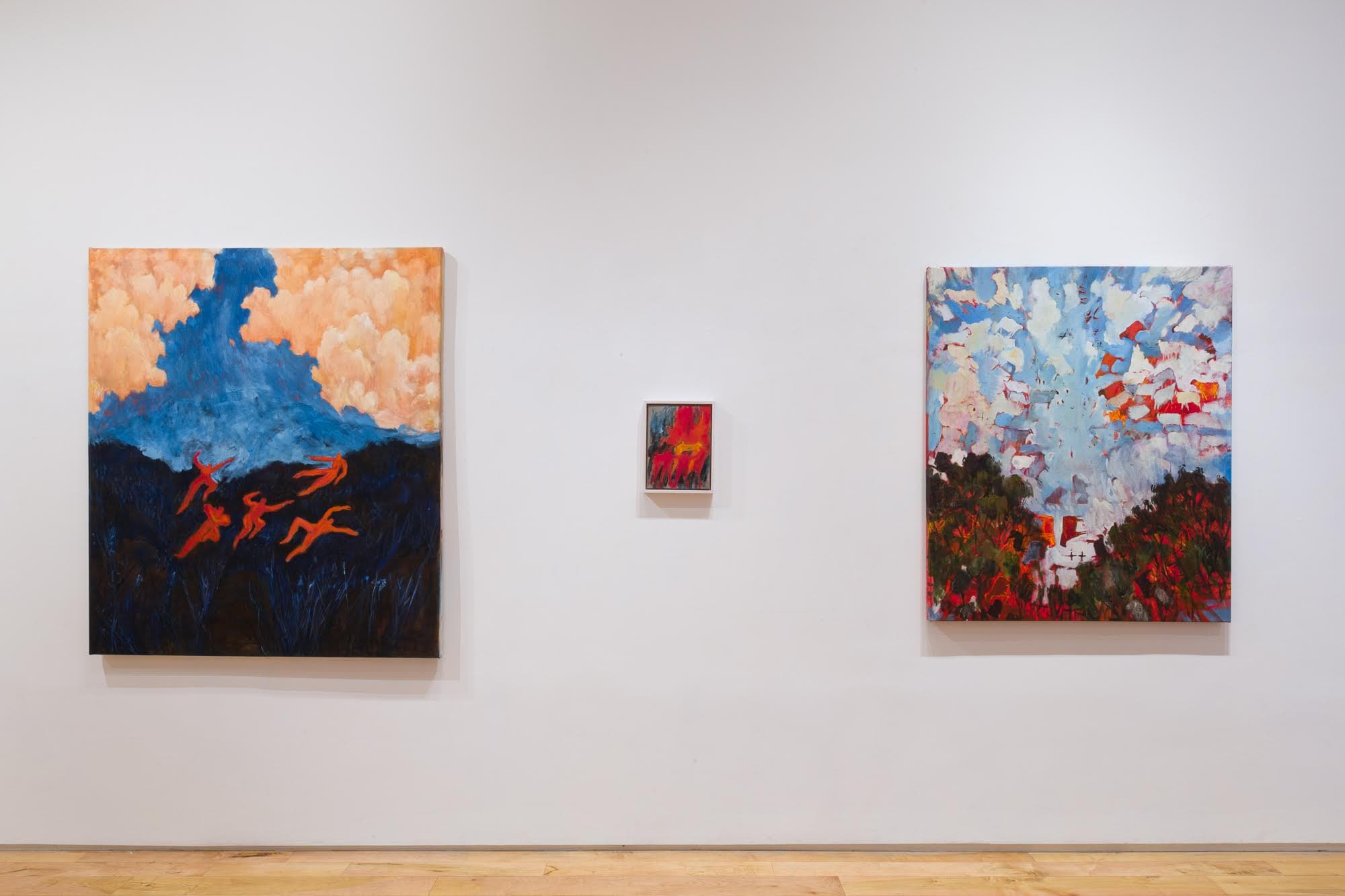
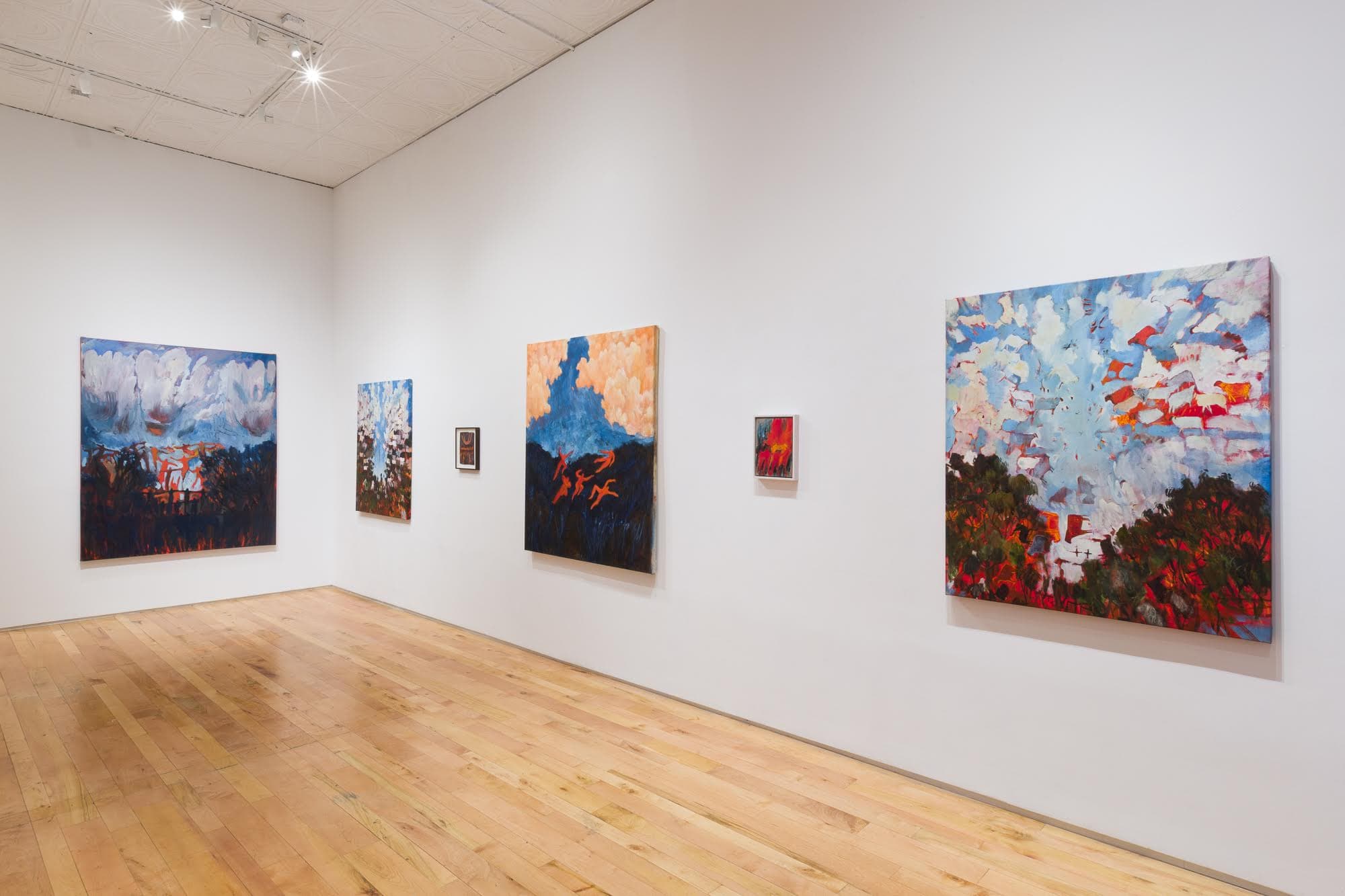
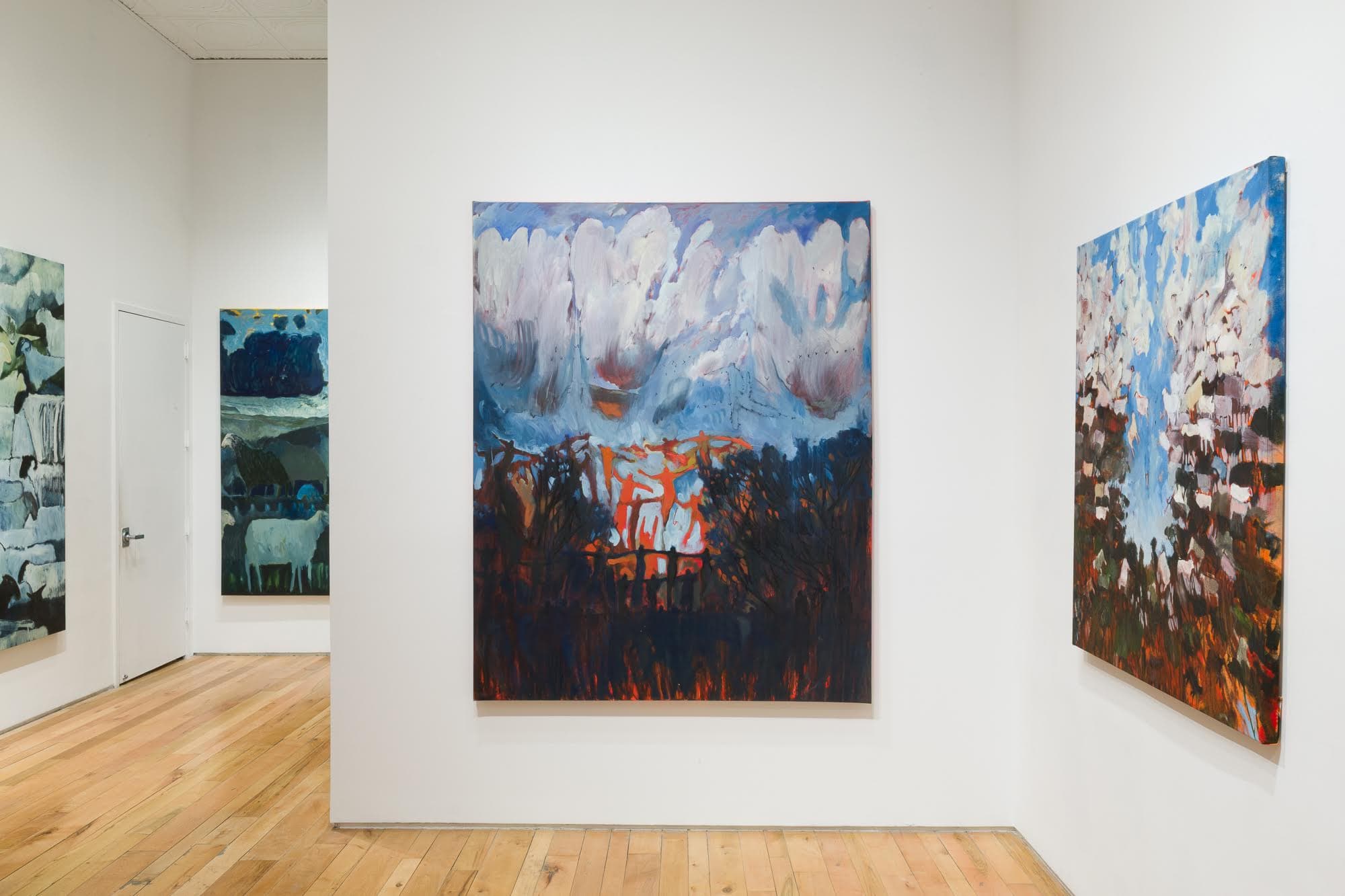
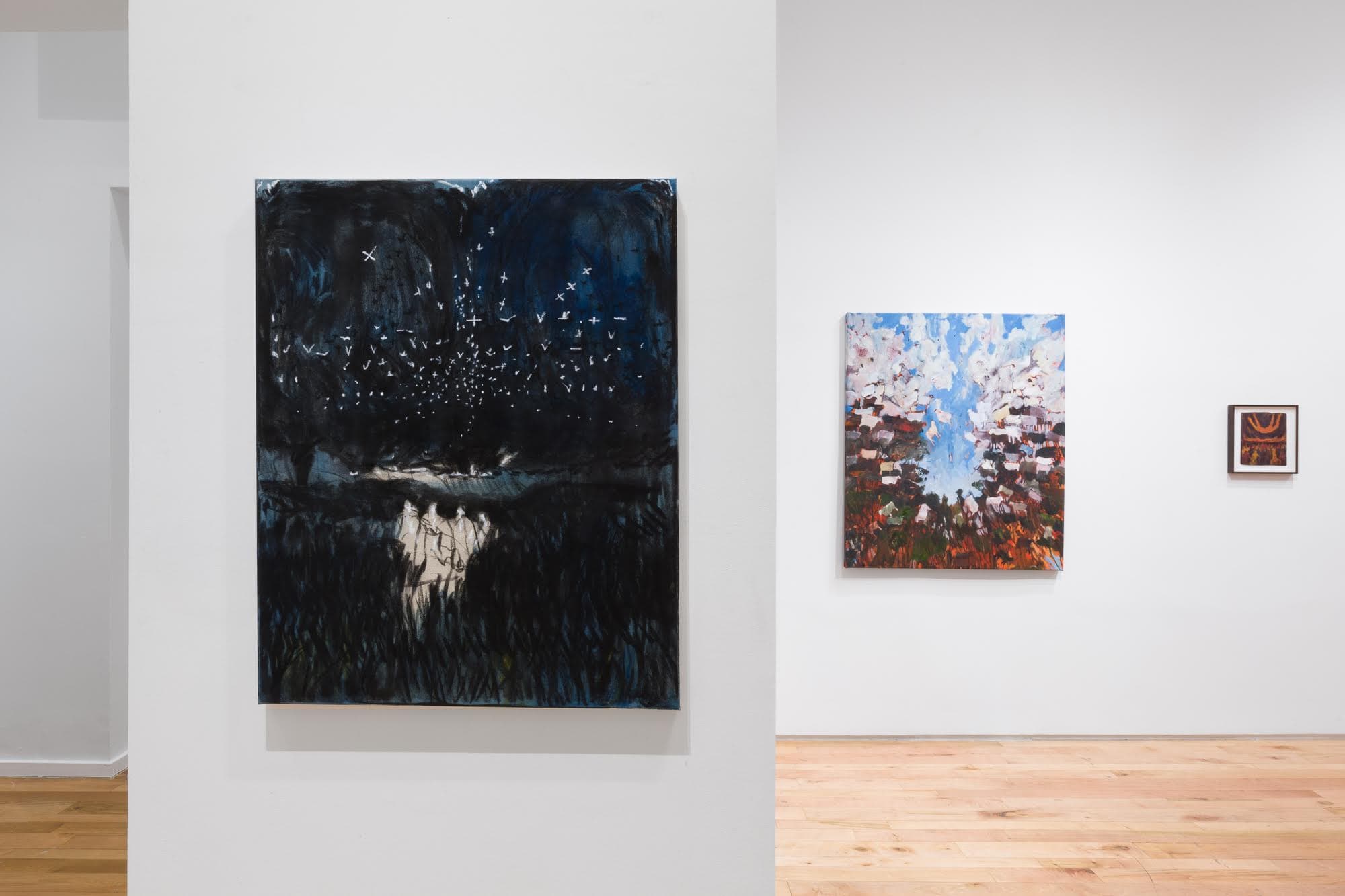
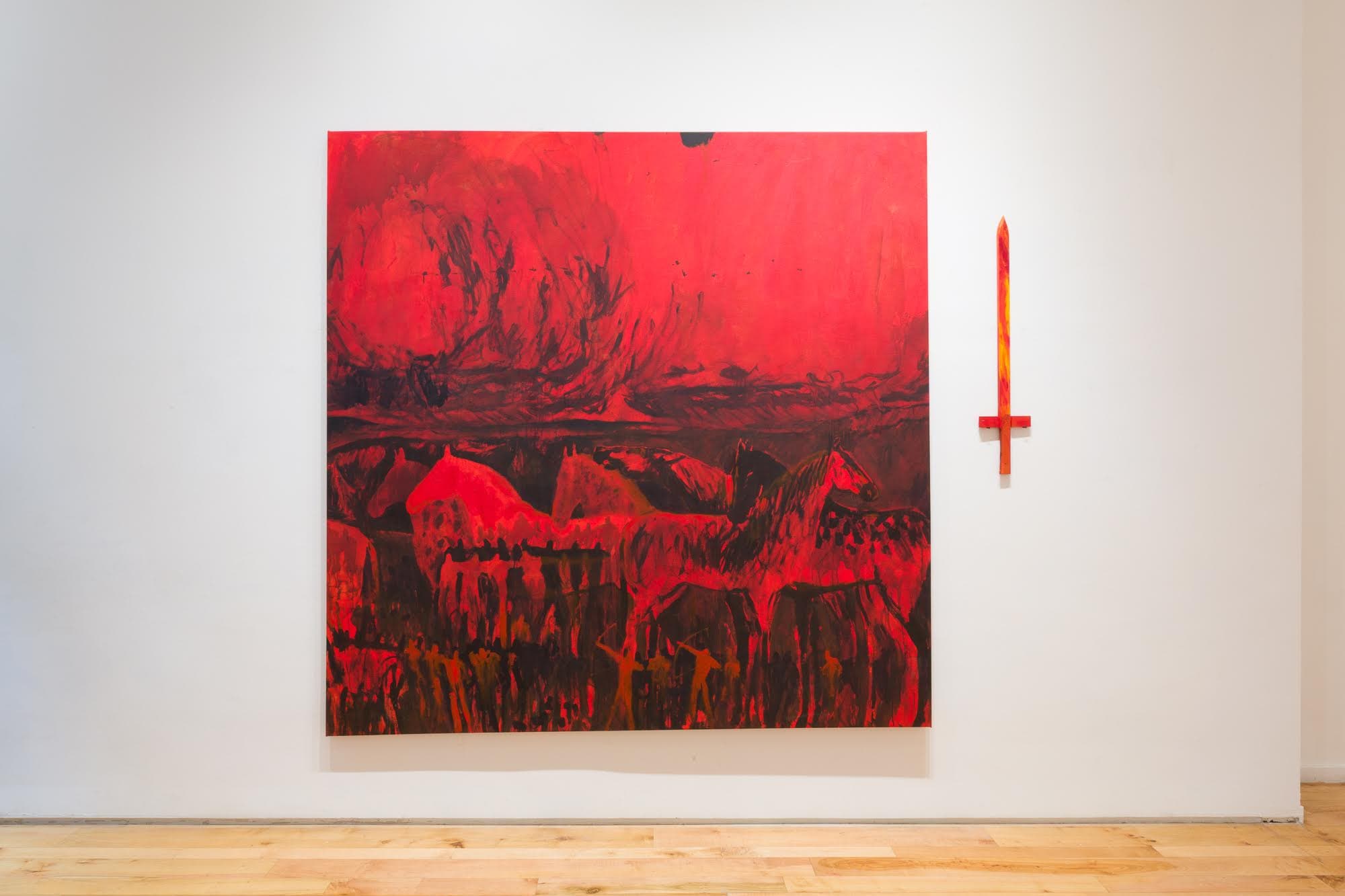
Isabel SullivanIsabel Sullivan Gallery presents Clouds Of Limitless And Expanding Joy, an exhibition of twelve new paintings by British artist Hugo Winder-Lind, debuting his first solo exhibition in the United States. The works reflect the artist's conviction that animals and the natural world deserve the same admiration and respect as humans. Winder-Lind's landscapes become sites of transformation and ritual, offering a renewed attention to the physical and elemental world. Drawing from both religious and scientific ontologies, the work echoes medieval doom painting's appetite for judgment, transformation, and collective reckoning. A centerpiece of the exhibition is the hauntingly powerful "Crowd of the Damned" measuring 7 x 8 feet, Winder-Lind's largest painting to date. Sheep are painted in cloud-like masses, floating across each other in soft, gentle, rows. While almost absurd in their weightless appearance, these animals carry a deep political and historical lineage. Bred during the agricultural revolution, they were used as tools of colonization and land control, unknowingly transforming wild land into pasture, and providing food and clothing. Sheep are culturally dismissed as "stupid," despite their enormous impact. The paintings express liberation, honor, and respect towards them. There's a deep connection to the British landscape in Hugo's work —moorland and vegetation, mist, the psychic charge of rural space—but it's filtered through a contemporary appetite for ambiguity. The blues and cold greens read like a place where fog clings to everything. Even when the paint is loose, there's an almost physical density to it, like you could press a thumb into the surface and come away smelling peat and wet grass. In several paintings, a red register enters like a front moving in. Figures emerge as luminous silhouettes rendered a molten red, the same red as the blood in our bodies or the core of the earth. They appear in states of urgency, release, ascent, or collapse. Surfaces stay active, keeping the image in motion. In these red paintings, the land turns ember-hot. The figures flare up like sparks thrown from a bonfire, running, falling, lifting their arms into a sky that feels too big for the human body. The works displayed in the exhibition mark a shift in scale, at some points gigantic and overwhelming, and at others intimate and detailed. They invite the viewer to step into grand scenes underpinned by primordial forces. Winder-Lind explores the belief that consciousness is universally inherent to all things: that sheep, birds, mountains, and clouds are all manifestations of the universe, reflected back at us through layers of emotional and symbolic significance. At its core, this body of work is an inquiry into what it means to exist as matter and perception — a physical body moving through an energetic universe. Born in Barnet, London, and raised in the English village South Mimms, Hugo was immersed in a family and community of storytellers and performers. His mother was a dancer, and his father worked in stained glass, teaching him techniques that would shape his practice. Churches, woodland walks, museums, and early experiences of craft became a foundation for his practice. Growing up in the Church of England meant he could never shake mysticism and magic from the work. The artist states, “All my work owes itself to the earth and the landscapes it was made in.” He is very connected to the landscape and the materials, and has a special reverence for all matter and material with which he works—whether it is charcoal or pigments, on canvas or board, clay or found objects. He views his paintings as a complex interaction with the essence of the universe, intended to communicate with the non-human world: animals, plants, or the soil and earth from which their materials are made. Hugo approaches painting as an urgent, bodily act that depicts physical and emotional sensations. He sees art-making, like mythology or spirituality, as a means of confronting uncertainty and finding meaning within the unknown. Clouds Of Limitless And Expanding Joy marks Winder-Lind’s debut solo exhibition in the United States. The show follows a solo exhibition in The Scottish Highlands in 2025. Winder-Lind lives and works in Brighton, UK, where he continues to expand his practice across painting, performance, and experimental media.