
East Village, New York
Louise Bonnet & Elizabeth King
De Anima
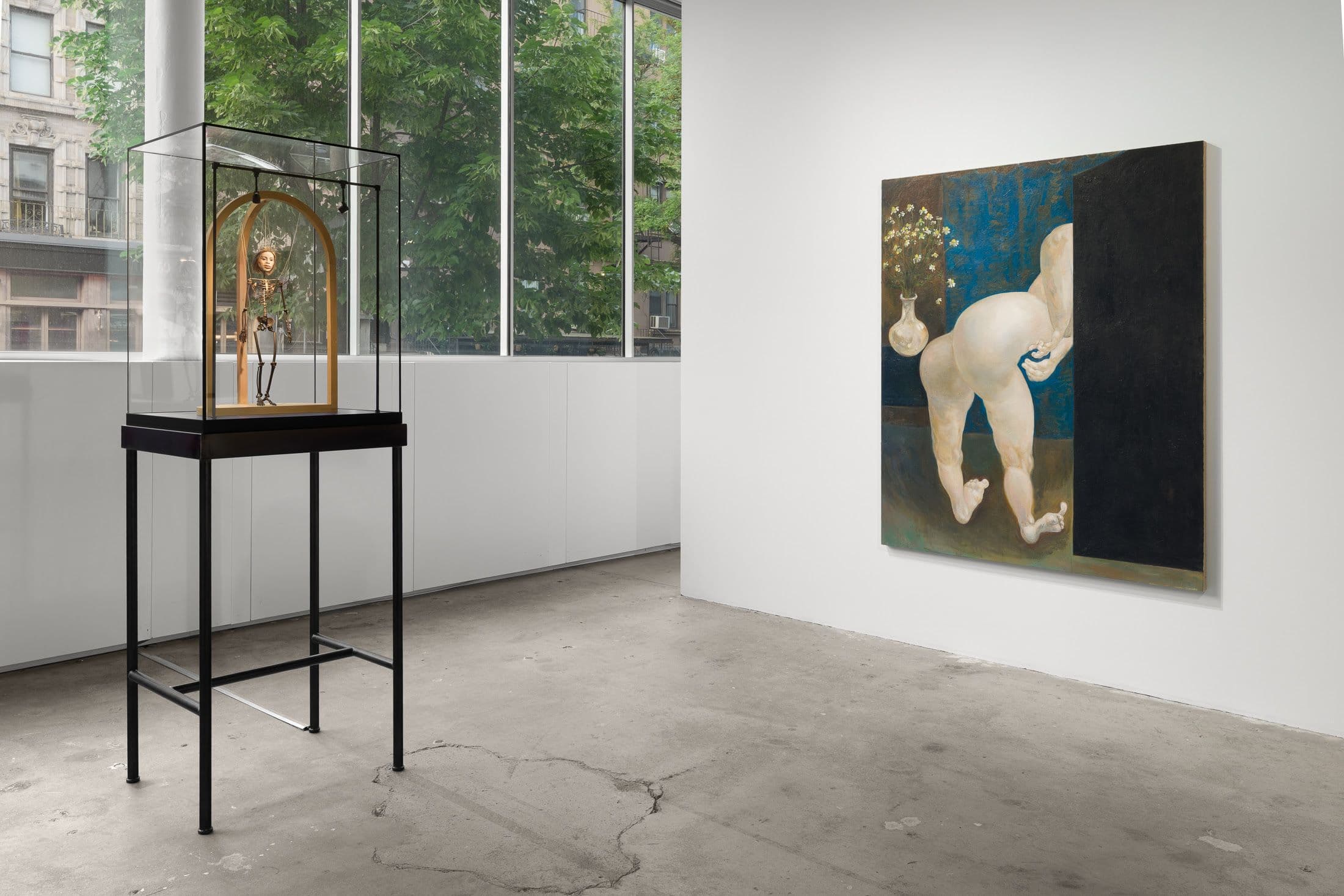
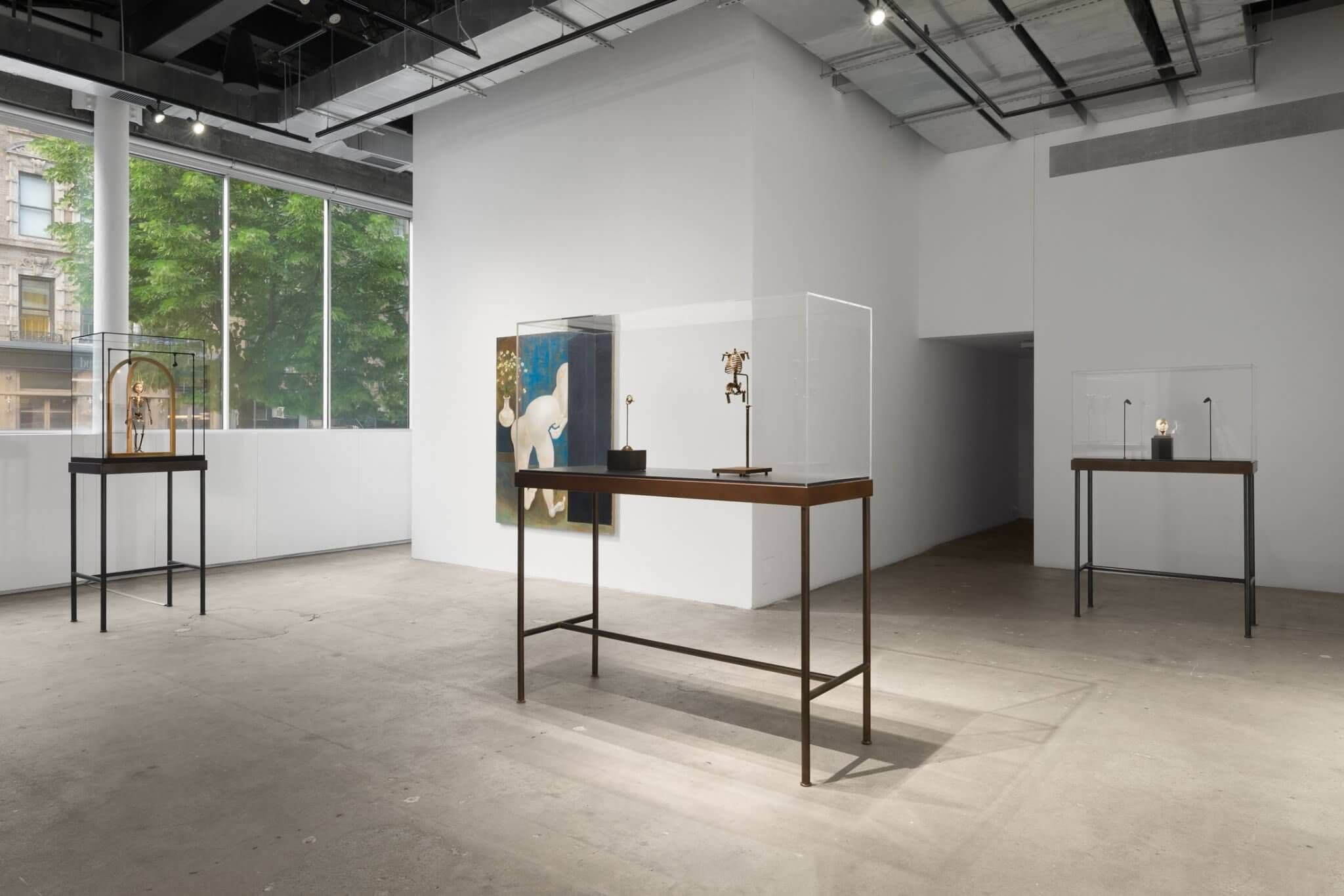
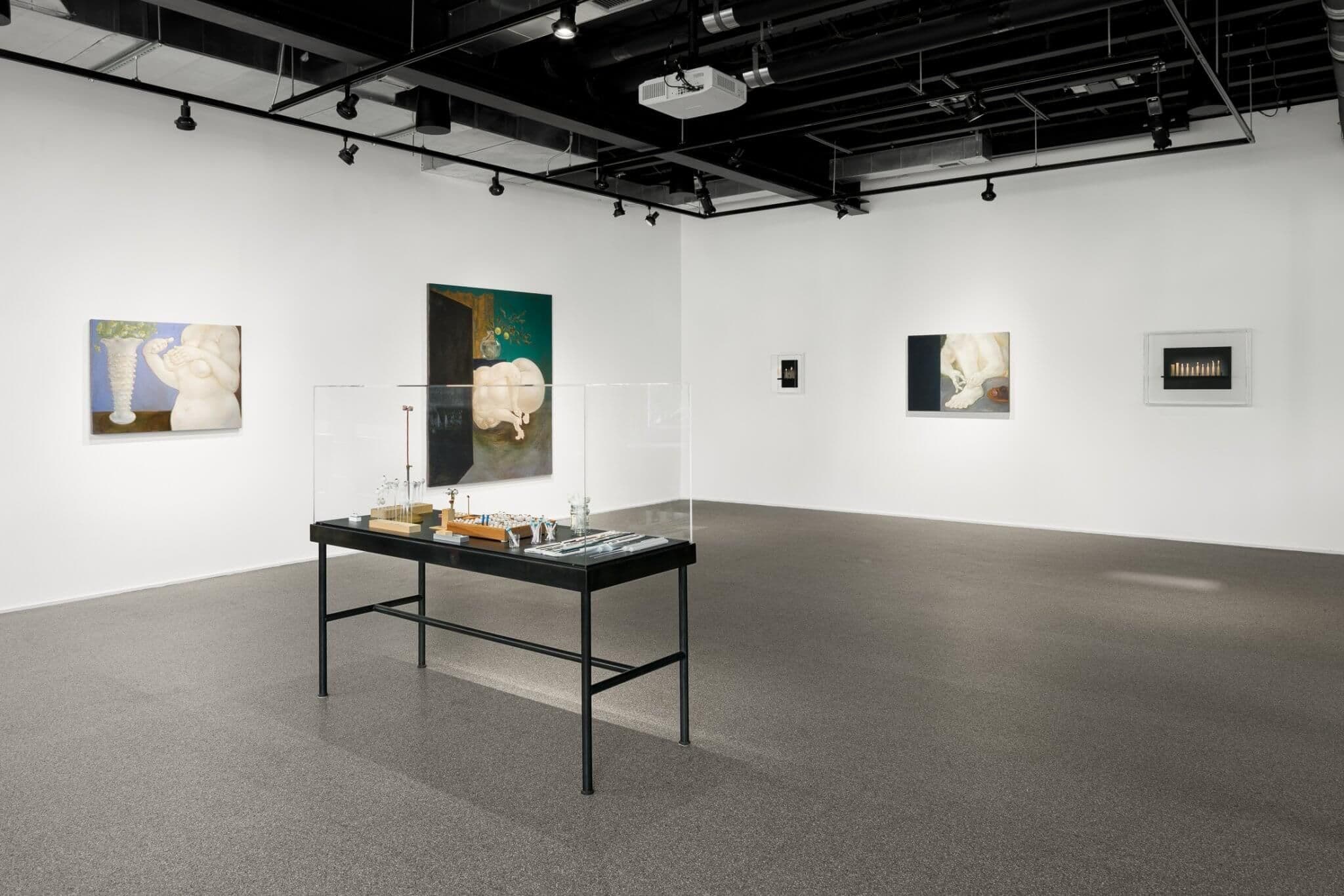
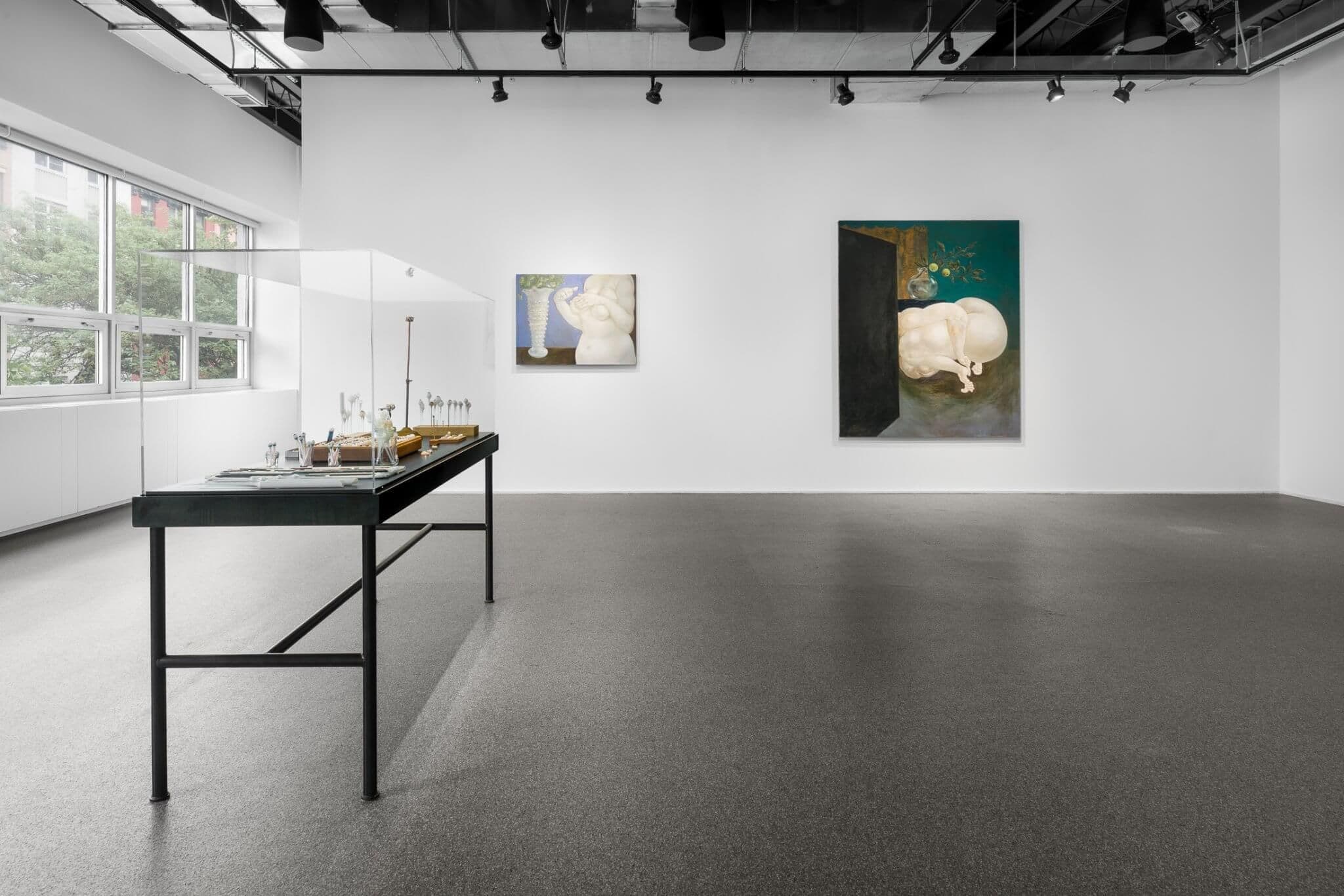
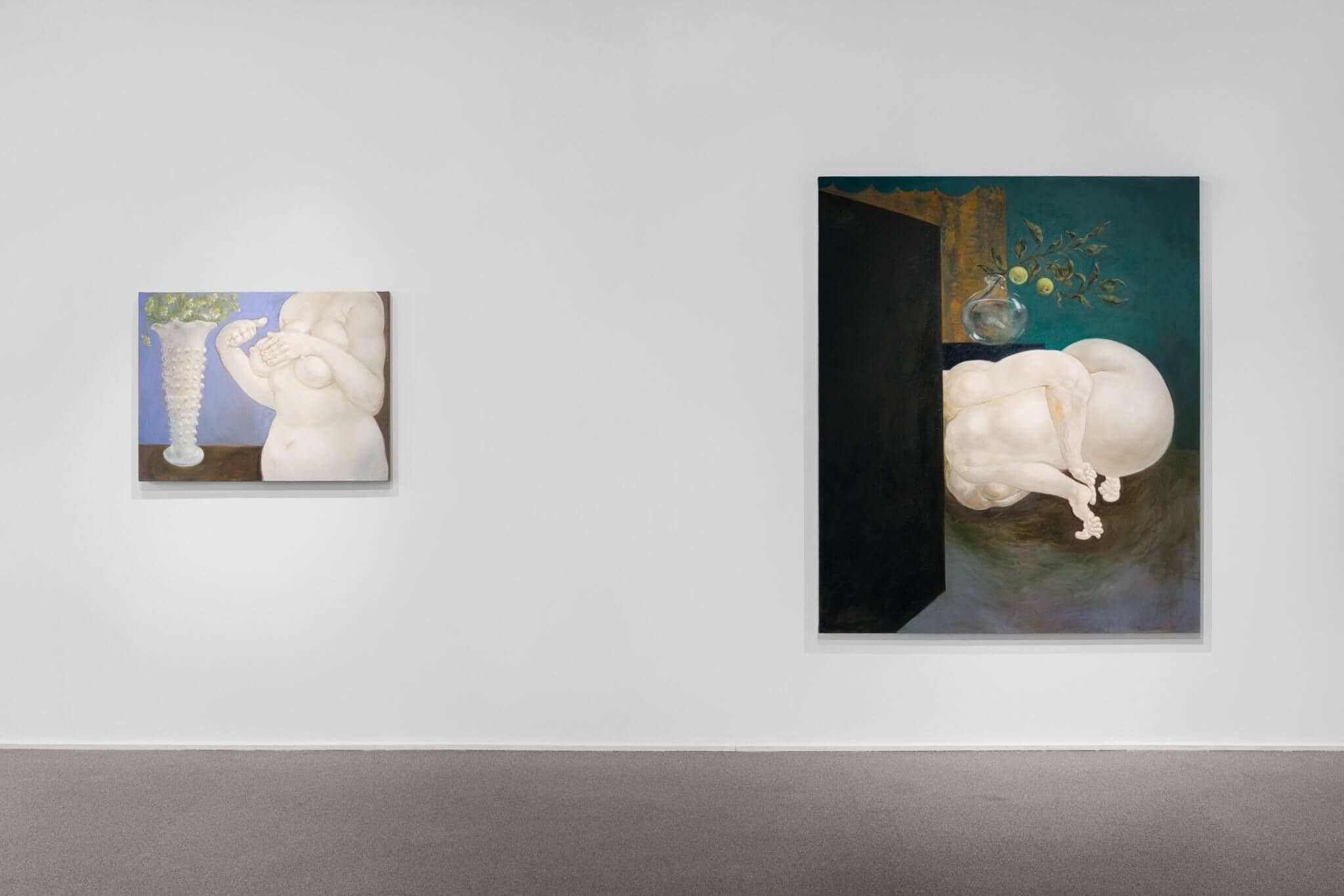
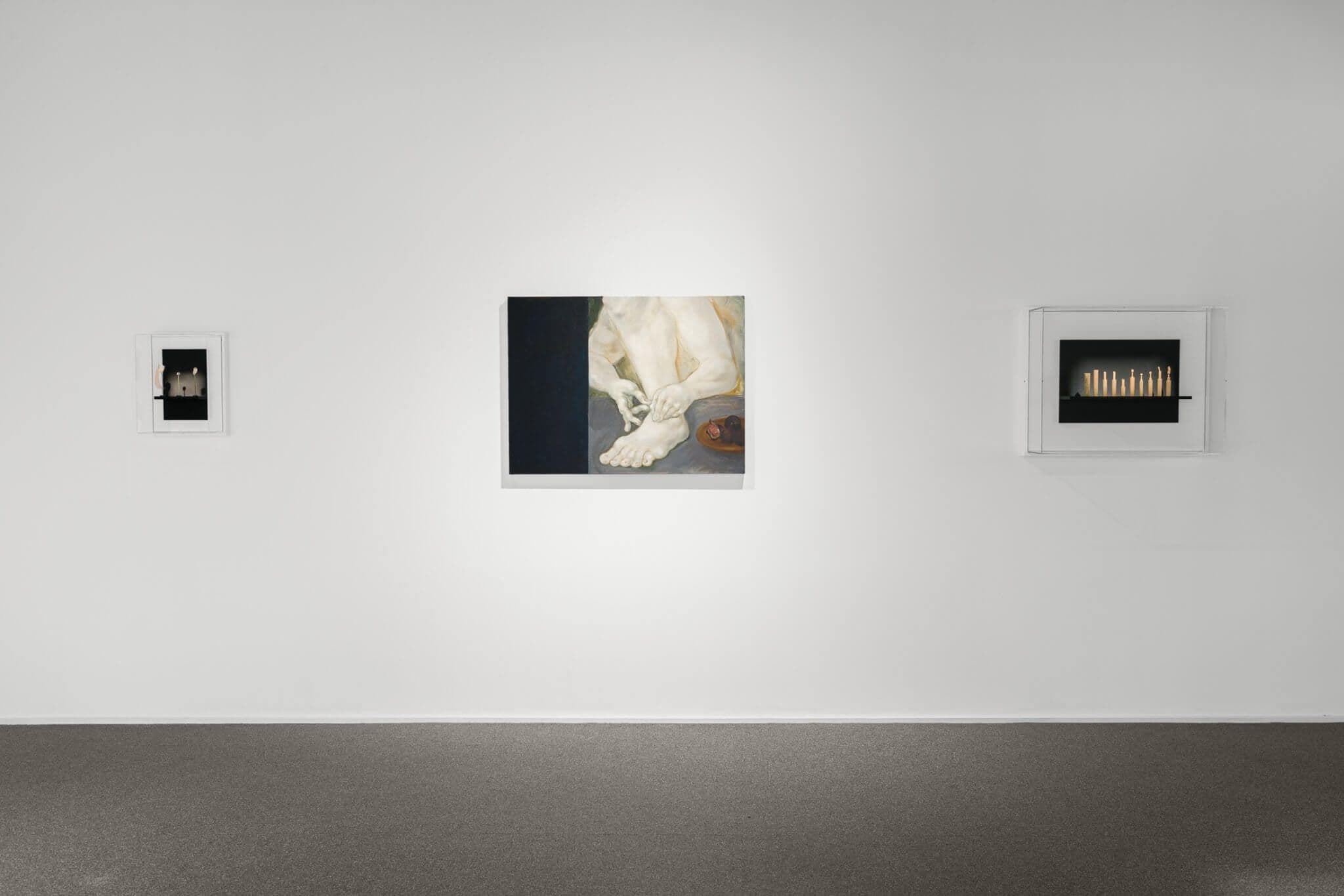
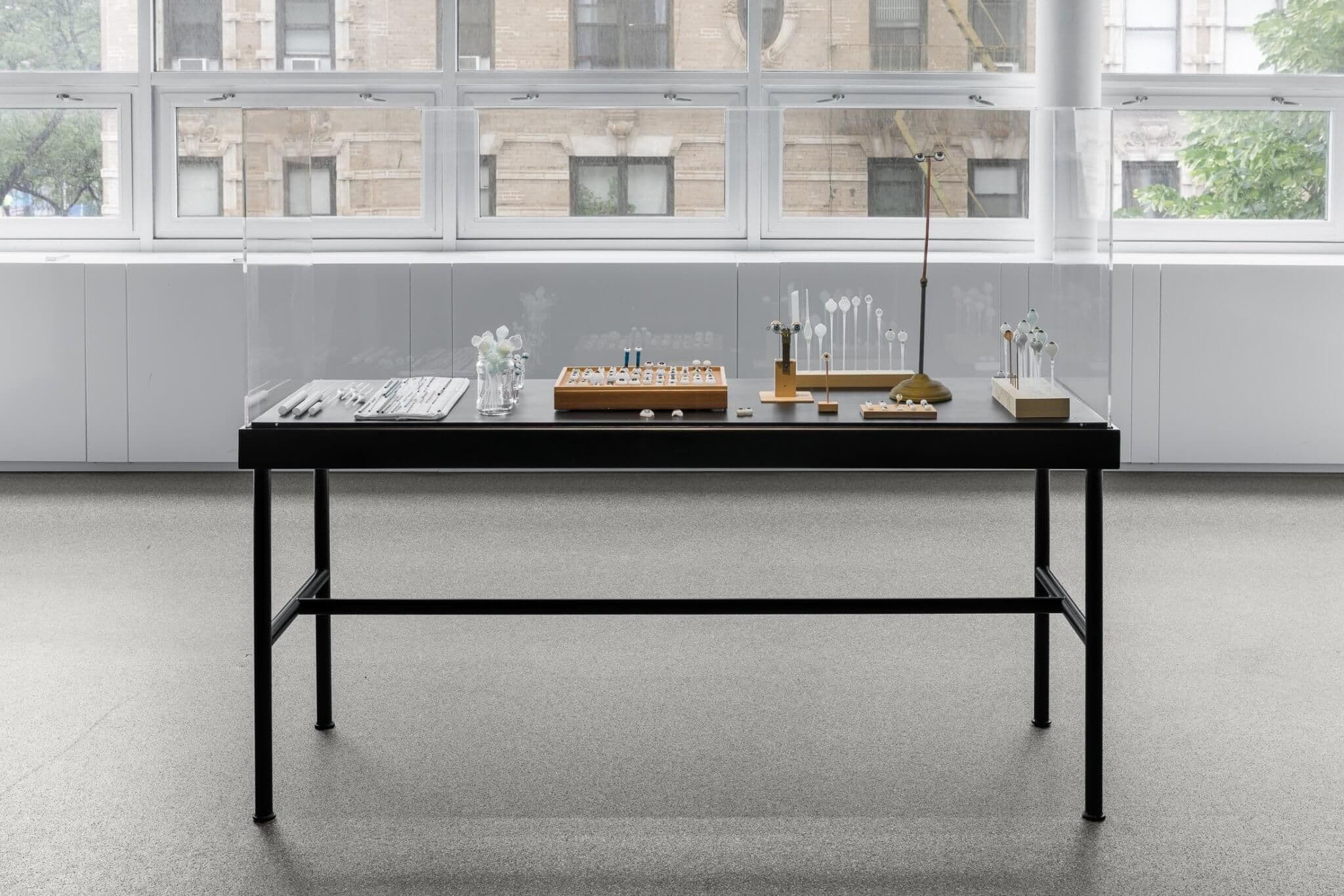
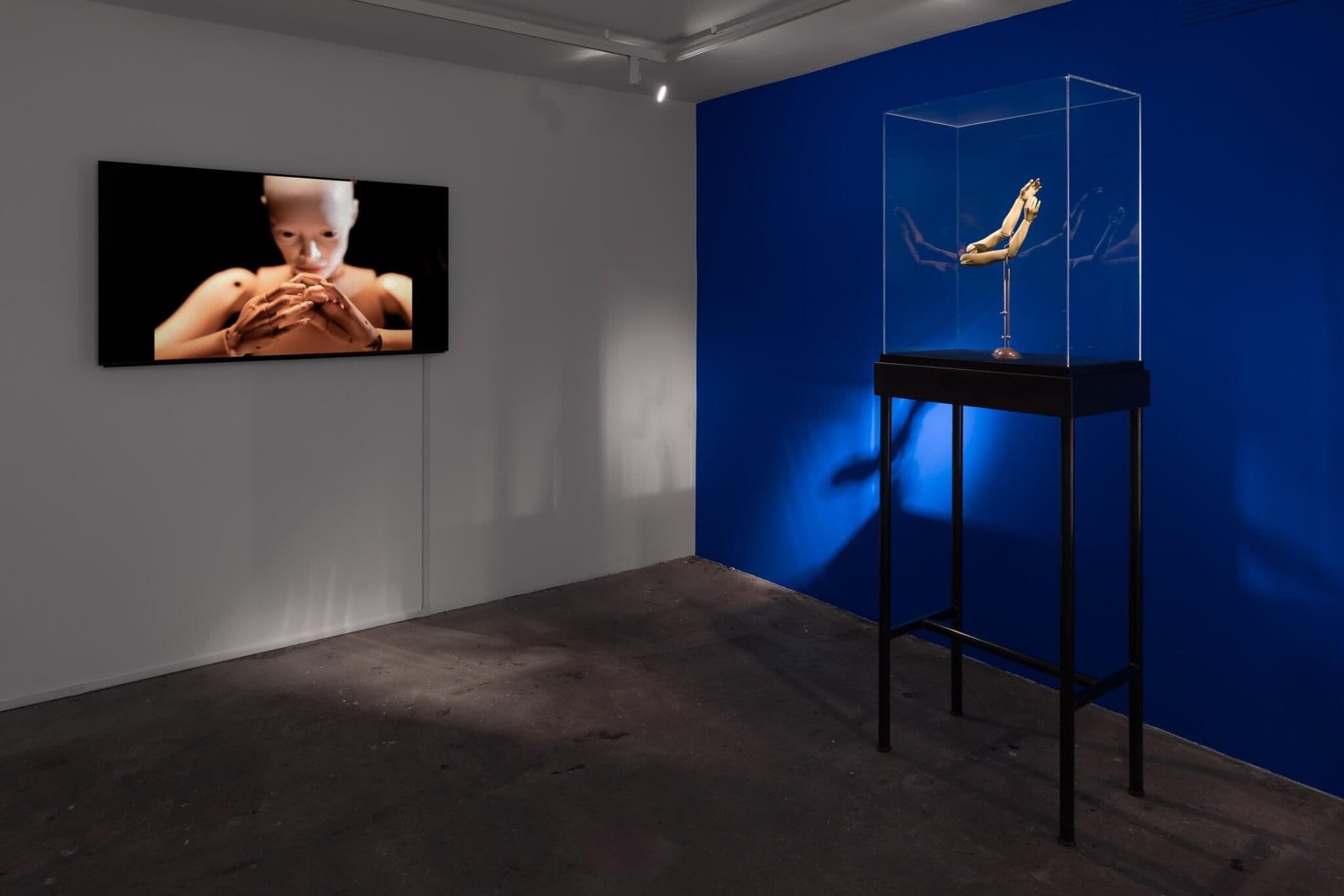
Swiss InstituteSwiss Institute (SI) is pleased to present De Anima, an exhibition that brings together, for the first time, the work of Louise Bonnet (b. 1970, Geneva) and Elizabeth King (b. 1950, Ann Arbor). Bonnet’s paintings often depict bodies suspended between grotesque physicality with symbolic foreboding, and simultaneous subjugation by external forces. King’s sculptures and animations are made in search of the most lifelike shapes and movements, while her research into Renaissance automata posits them as the precursors to today’s mimetic intelligence technologies. While passing as all-too-human, these lack true life force, though not influence. The result of a year-long dialogue between the artists, initiated on the occasion of the exhibition, De Anima pushes against the boundaries between life and nonlife, vitality and passivity, and substance and gesture, in relation to art, technology, and gender. For over fifty years, Elizabeth King has produced sculptures that examine the human form, drawing inspiration from 16th-century mechanical robots, mannequins used in commercial displays or to replace the live model in painting, and jointed figures such as puppets and medical models. Louise Bonnet’s new paintings, all made on the occasion of the exhibition, follow the artist’s dialogue with King on gesture, embodiment, art historical sources ranging from Hans Holbein to Robert Crumb, as well as tells the unconscious bodily movements that reveal concealed intent, such as in a game of poker. Across generational and mediatic differences, Bonnet and King’s works share a cinematic sense of temporality, evoking both past and future through gesture and pose to convey the potential for motion and emotion. Their interrogation of delineations between agency and passivity relates to gendered and other social hierarchies, as explored in Iris Marion Young’s essay, Throwing Like a Girl (1980). In it, the philosopher argues that perceived limitations on feminine mobility are not rooted in physiology but in societal and psychological conditioning. The political subjugation and suspension of othered bodies between life and death, extensions of biopower, and advancements in biotechnology and artificial intelligence today throw life’s definitions and valuations into high relief. Through the original pairing of Bonnet and King’s work, De Anima examines life and its semblance at this moment of heightened pressure on epistemic, existential, and technological questions of animacy. De Anima is curated by Stefanie Hessler, Director. The exhibition is presented with the support of Gagosian. Louise Bonnet (b. 1970, Geneva) lives and works in Los Angeles. Her work is in the permanent collections of the Moderna Museet, Stockholm; Hammer Museum, Los Angeles; Los Angeles County Museum of Art; Museum of Contemporary Art, Los Angeles; MAMCO, Geneva; Museum Brandhorst, Munich; and Long Museum, Shanghai, among numerous others. Her work has been subject of a solo exhibition at the Hollyhock House, and was included in the 59th Venice Biennale, The Milk of Dreams; as well as in group exhibitions at The Warehouse, Dallas; Modern Art Museum of Fort Worth; Fondazione Sandretto Re Rebaudengo, Turin; Aïshti Foundation, Beirut, among others. Elizabeth King (b. 1950, Ann Arbor) lives and works in Richmond. Her work is in the permanent collections of the Hirshhorn Museum, Washington D.C.; Los Angeles County Museum of Art; Museum of Fine Arts, Houston; Virginia Museum of Fine Arts, Richmond; and the Metropolitan Museum of Art, New York, among others. Awards for her work include Anonymous Was a Woman, American Academy of Arts and Letters, Guggenheim Fellowship, and Mary Ingraham Bunting Institute (now the Radcliffe Institute for Advanced Study at Harvard University). She was inducted as a member of the National Academy of Design in November 2017. She is the co-author (with W. David Todd) of Miracles and Machines: A Sixteenth-Century Automaton and Its Legend (Getty Publications, 2023). Her work has been the subject of a solo exhibition at MASS MoCA, among others; and group exhibitions at Vitra Design Museum, Weil am Rhein; Flag Art Foundation, New York; Museum of Contemporary Art, Taipei; and San Francisco Museum of Modern Art, among others.