

Gramercy, New York
Group Exhibition
City Scenes: Video Art from the Collections of n.b.k. and EAI
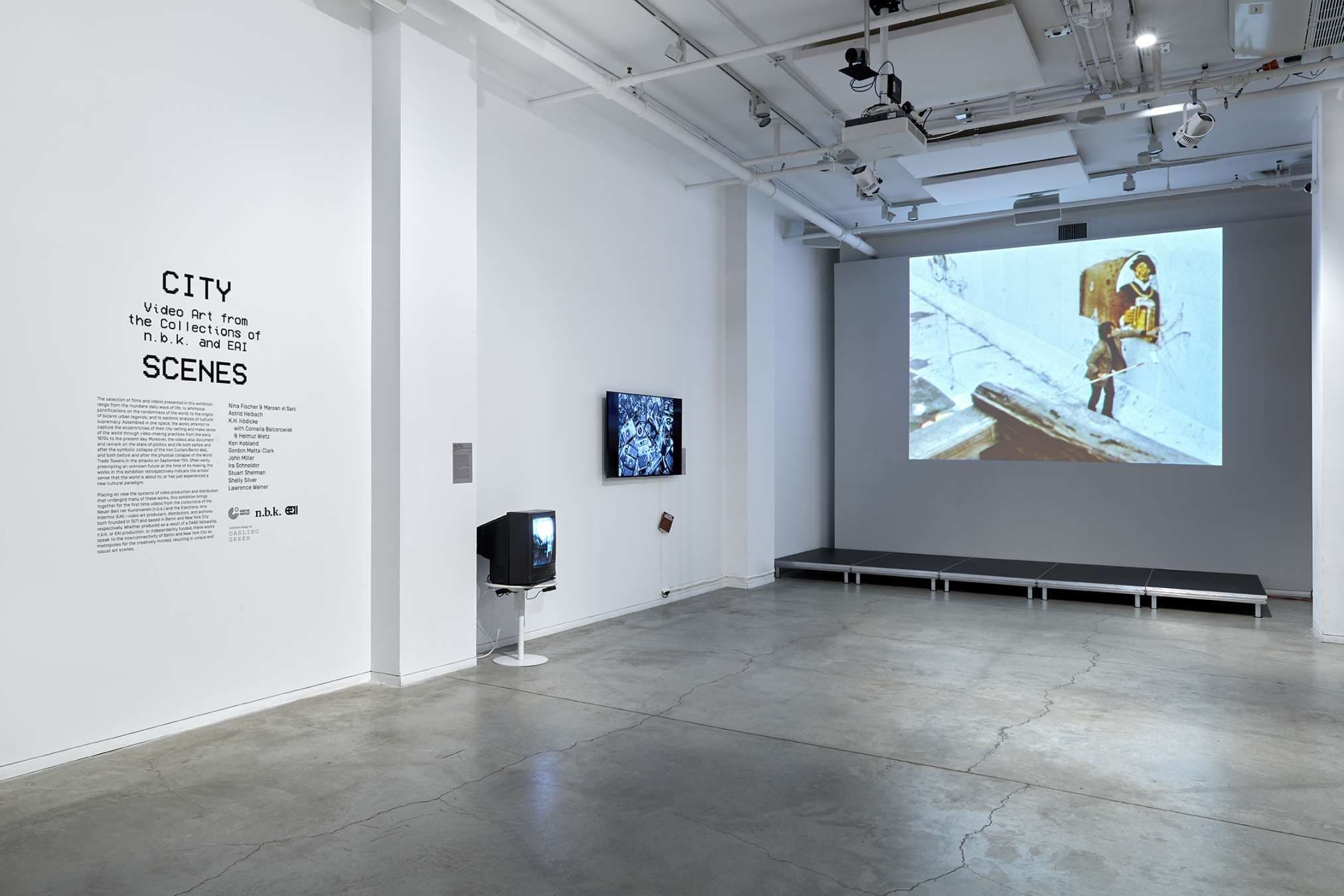
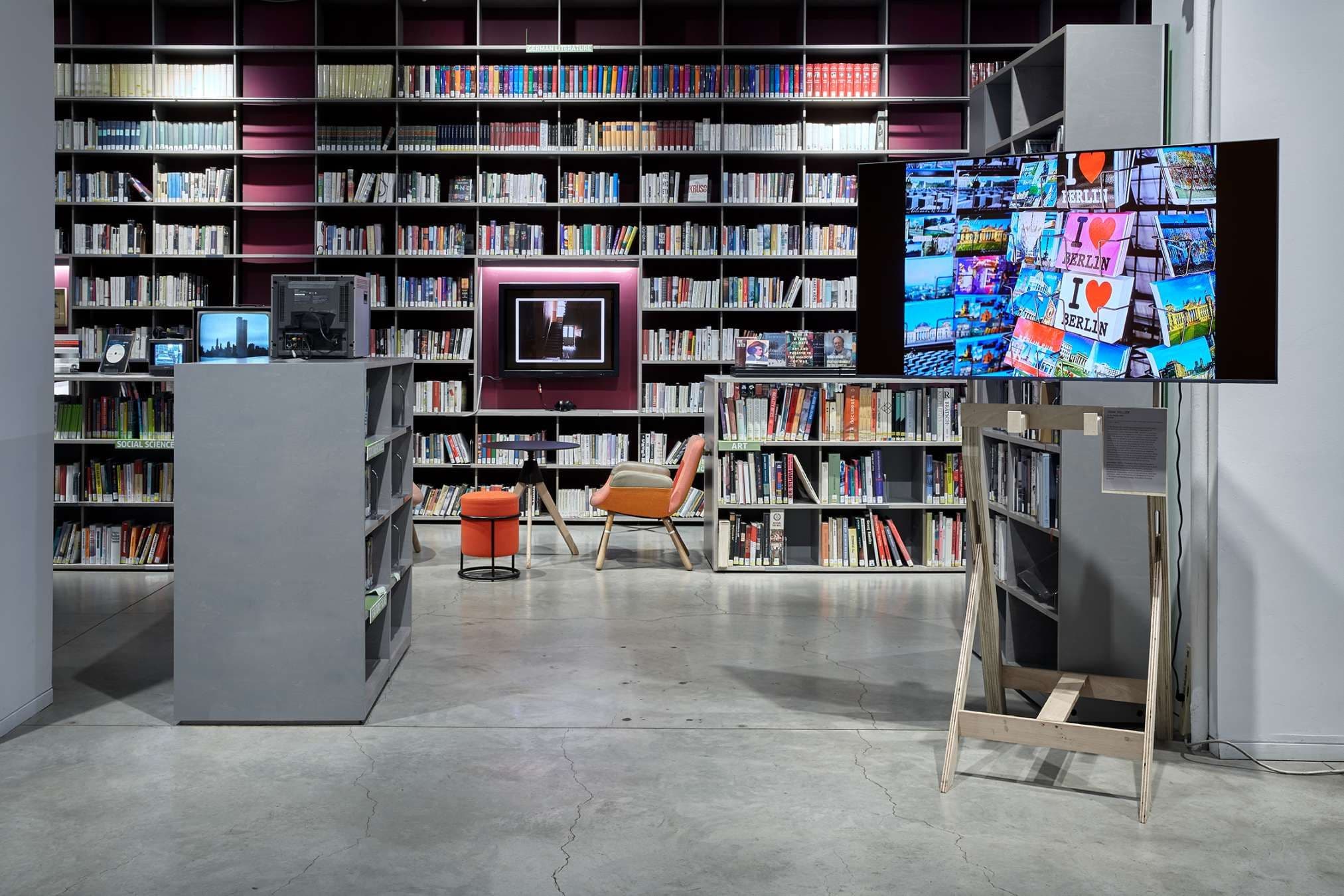
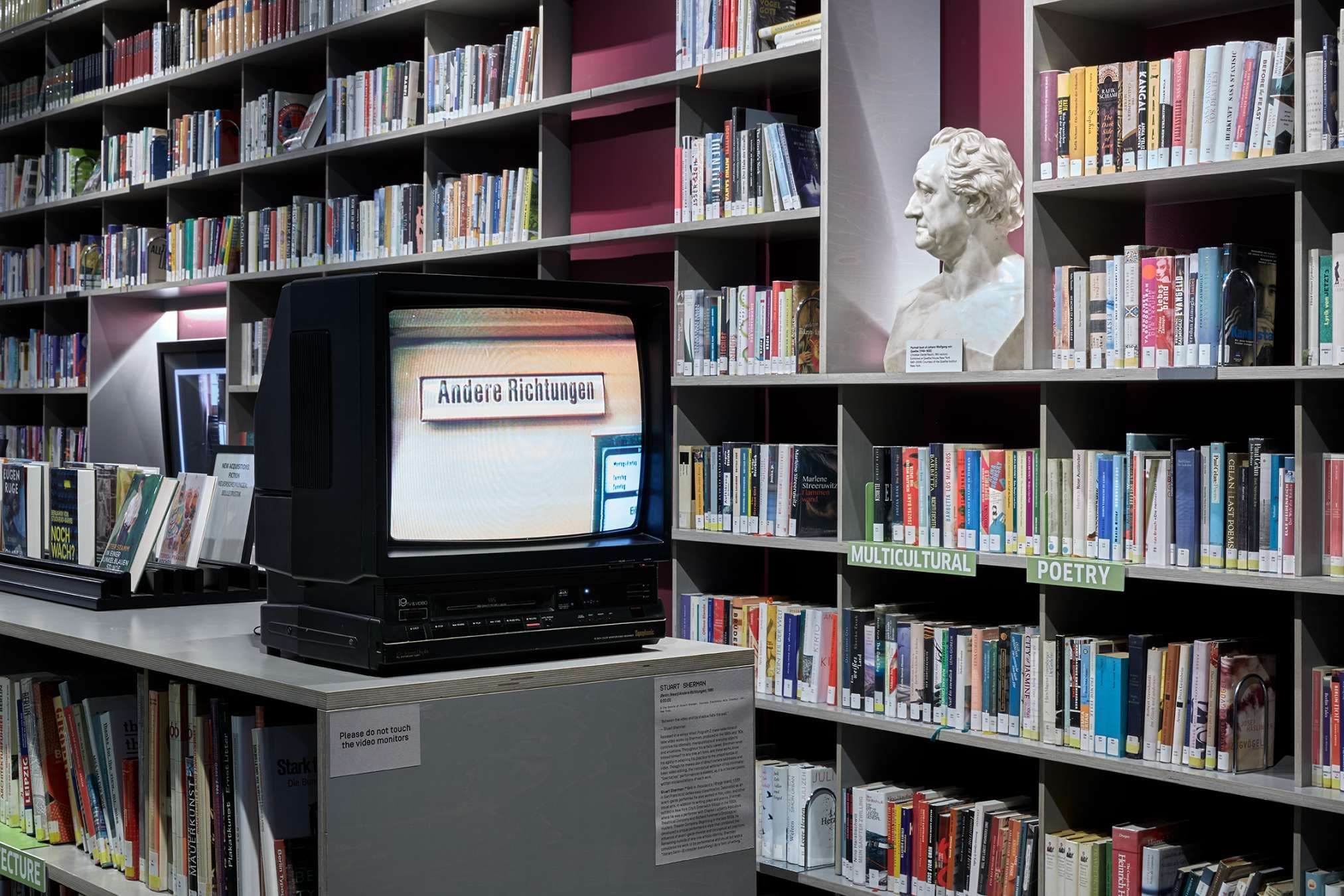
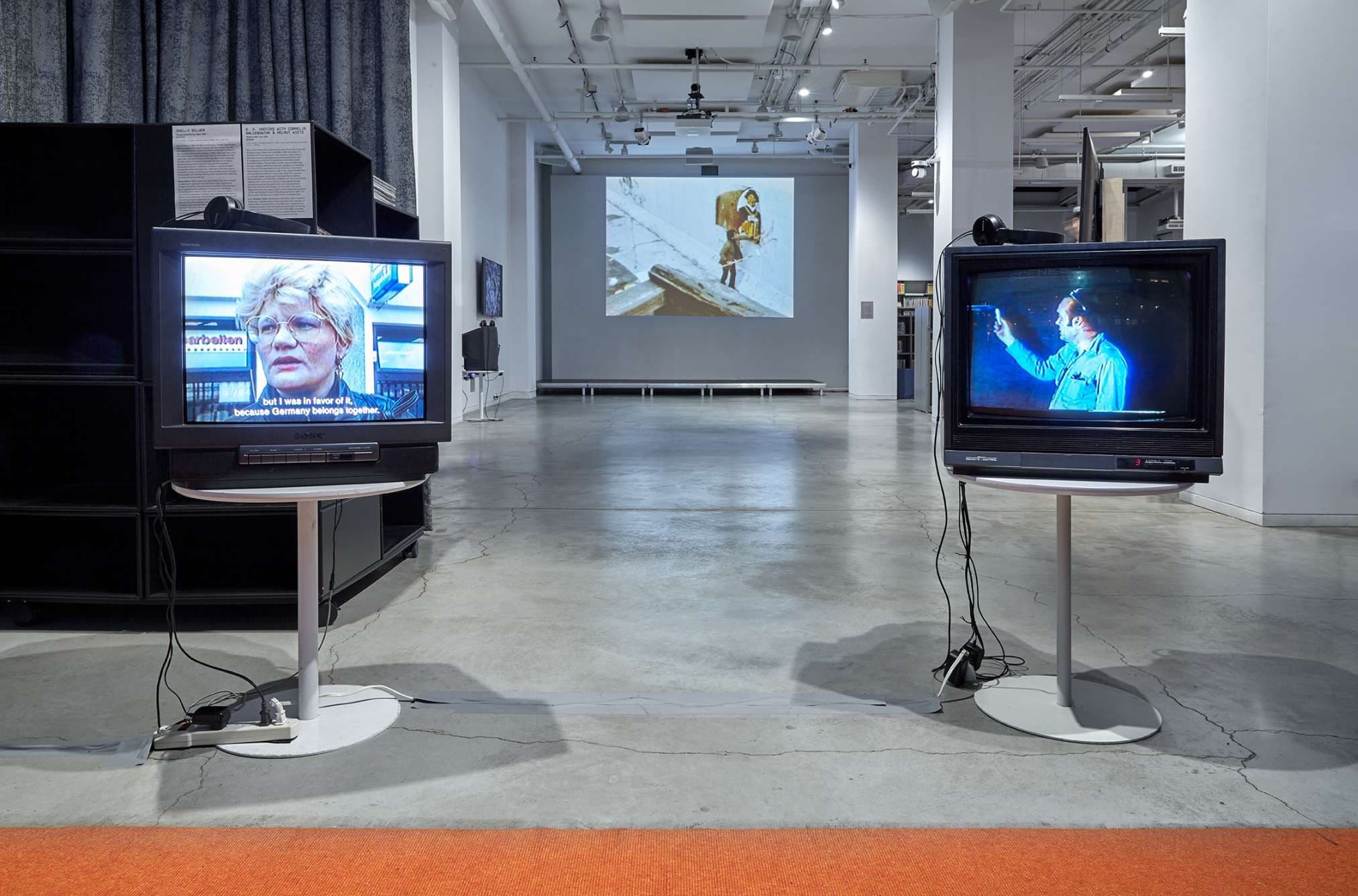
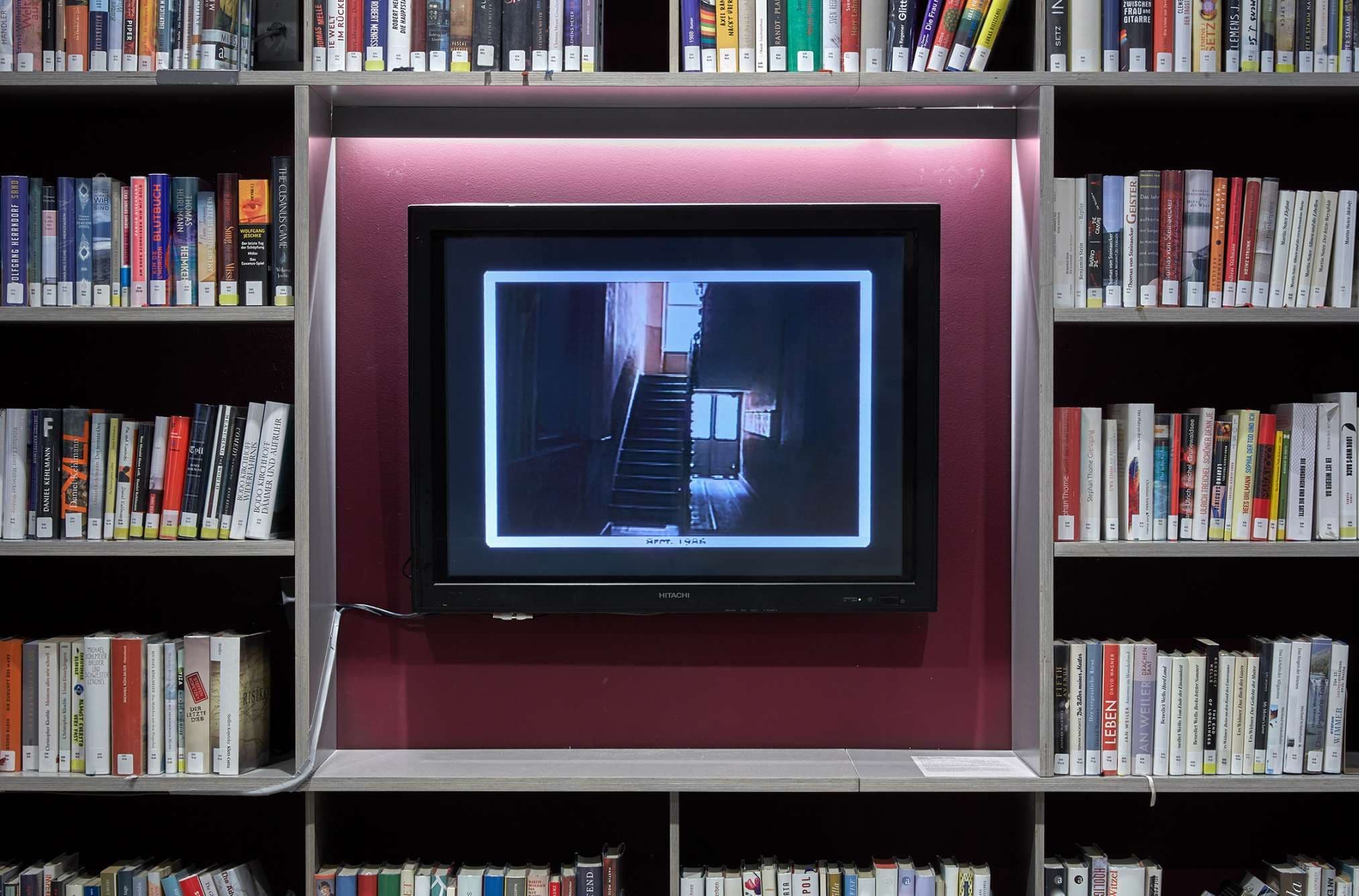
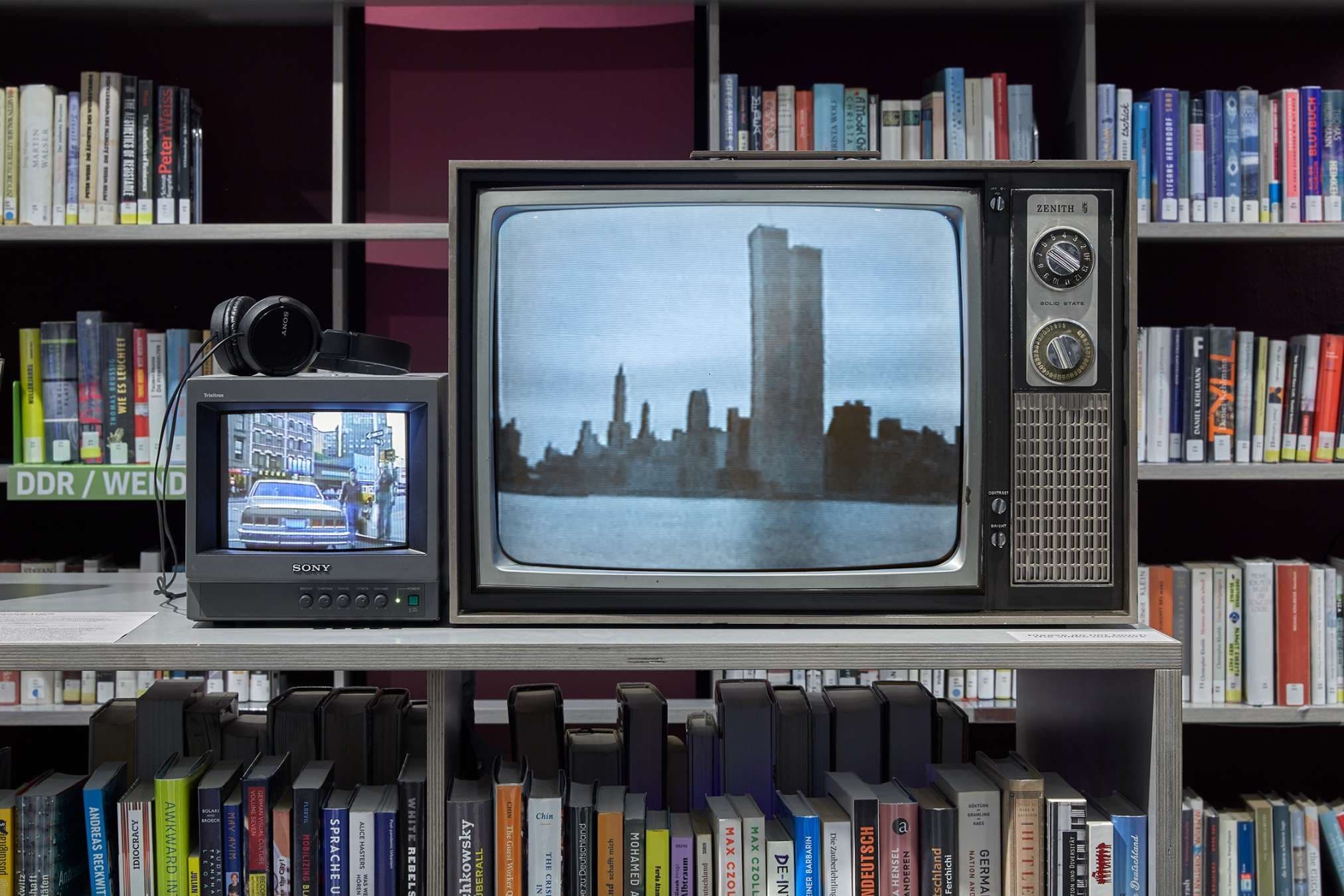
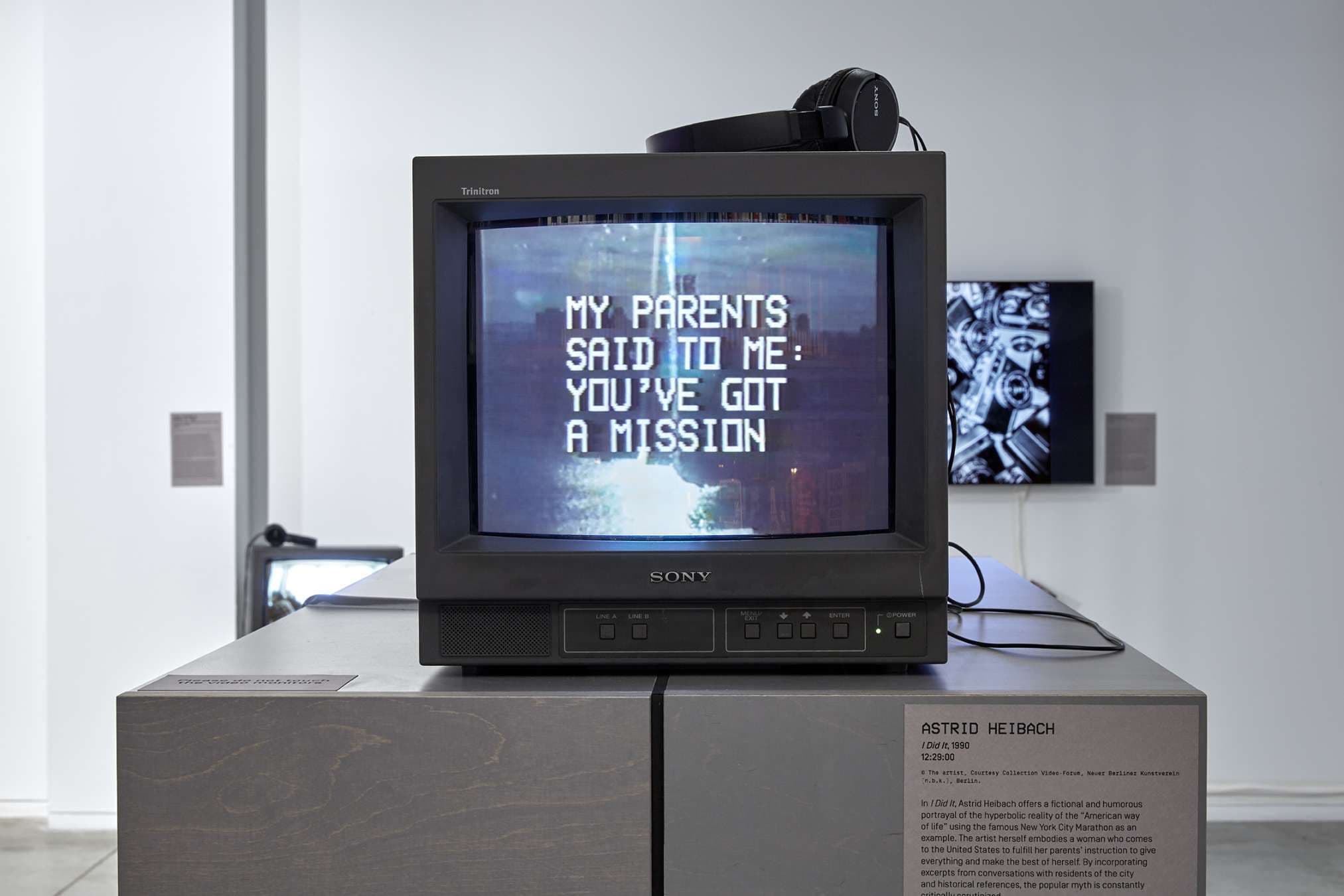
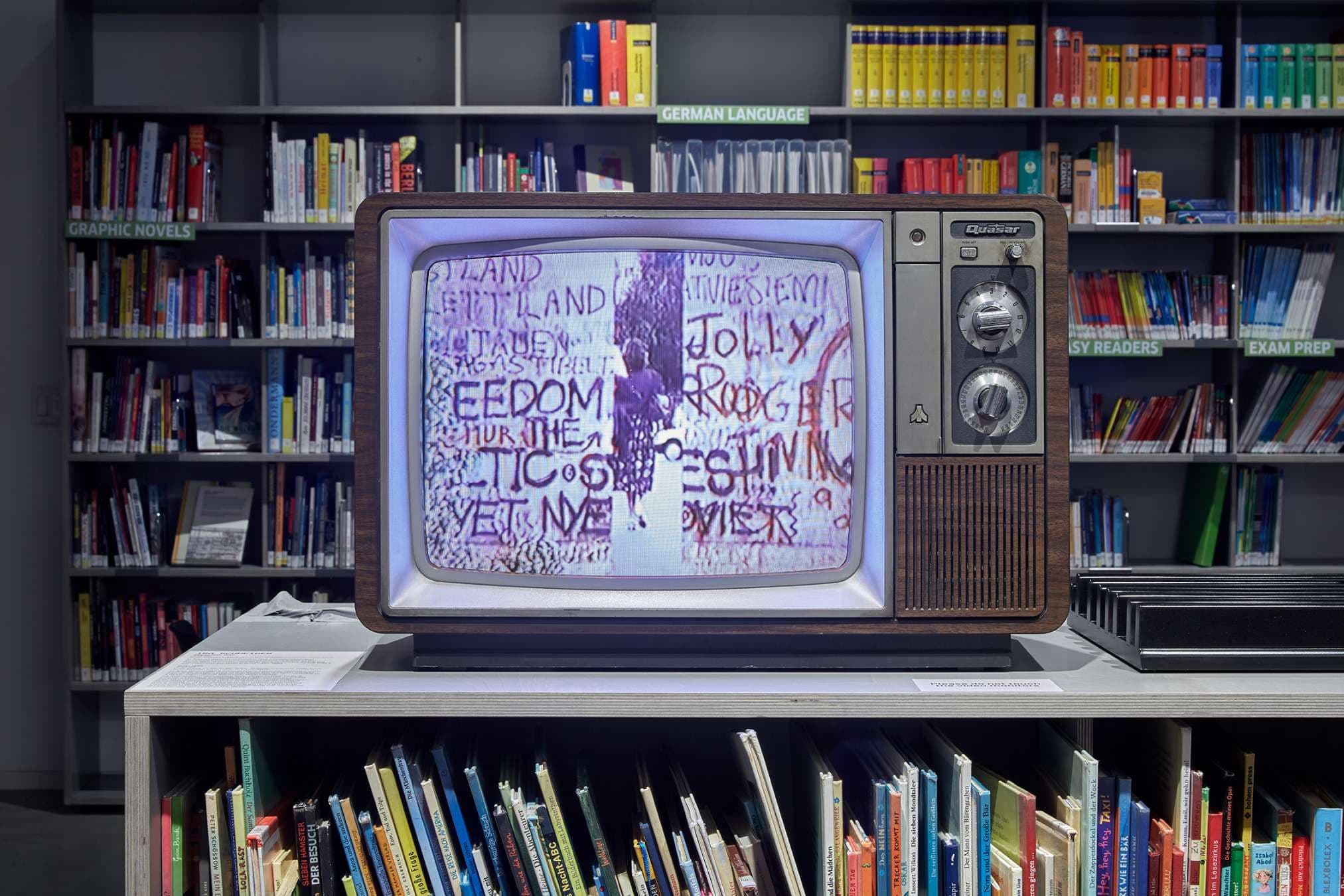
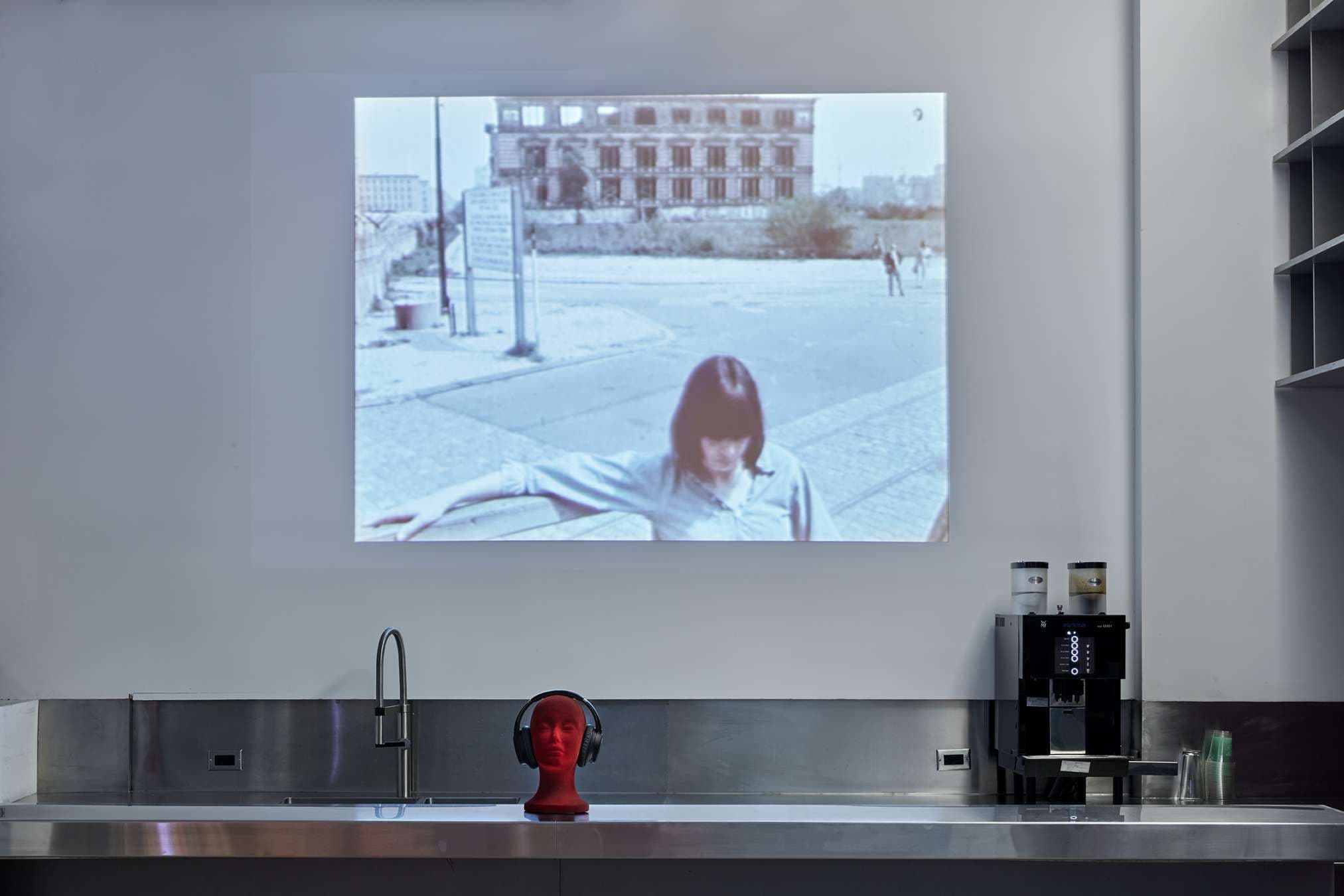
Goethe-InstitutNina Fisher and Maroan el Sani, Astrid Heibach, K.H. Hödicke (with Cornelia Balcerowiak and Helmut Wietz), Ken Kobland, Gordon Matta-Clark, John Miller, Ira Schneider, Stuart Sherman, Shelly Silver, Lawrence Weiner Co-curated by Zachary B. Feldman (Goethe-Institut New York), Anna Lena Seiser (n.b.k. Video-Forum), Karl McCool (EAI) The Goethe-Institut New York presents City Scenes: Video Art from the Collections of the n.b.k. and EAI in cooperation with the Neuer Berliner Kunstverein and Electronic Arts Intermix. This group exhibition features works made in New York and Berlin and highlights systems of exchange—both physical and cultural. Prominently featuring works produced in the cities of Berlin and New York, this exhibition focuses on the two cities as sites for artistic potentials; past, present, and future. The selection of films and videos presented in this exhibition range from the mundane daily ways of life; to whimsical pontifications on the randomness of the world; to the origins of bizarre urban legends; and to sardonic analysis of cultural supremacy. Assembled in one space, the works attempt to capture the eccentricities of their city-setting and make sense of the world through video-making practices from the early 1970s to the present day. Moreover, the videos also document and remark on the state of politics and life both before and after the symbolic collapse of the Iron Curtain/Berlin Wall, and both before and after the physical collapse of the World Trade Towers in the attacks on September 11th. Often eerily preempting an unknown future at the time of their making, the works in this exhibition retrospectively indicate the artists’ sense that the world is about to, or has just experienced a new cultural paradigm. Placing on view the systems of video production and distribution that undergird many of these works, this exhibition brings together for the first time videos from the collections of the Neuer Berliner Kunstverein (n.b.k.) and the Electronic Arts Intermix (EAI)—video art producers, distributors, and archives both founded in 1971 and based in Berlin and New York City respectively. Whether produced as a result of a DAAD fellowship, n.b.k. or EAI production, or independently funded, these works speak to the interconnectivity of Berlin and New York City as metropoles for the creatively minded, resulting in unique and robust art scenes. Neuer Berliner Kunstverein (n.b.k.) Founded in 1971 at the initiative of artists and cultural producers, the Video-Forum with over 1,700 works of video art is the oldest and one of the biggest public collections of video art in Germany. Established over a period of more than 50 years, the collection reflects the historical dimension of video art, while its focal points unfold along the history of the medium: Fluxus, feminist video, approaches reflecting on the media, historical and contemporary video art of Berlin, and more recently essay and documentary film formats. Since its beginnings, the Video-Forum regularly co-produces new works. Furthermore, the n.b.k. Video-Forum is continuously developing national and international projects and collaborations to place the collection in wider contexts, e.g. with exhibitions, screenings, discussions, and other forms of outreach in dialogue with its partners. The holdings of the Video-Forum can be viewed free of charge on three days a week. Electronic Arts Intermix (EAI) Founded in 1971, Electronic Arts Intermix (EAI) is a nonprofit arts organization that is a leading international resource for video and media art. A pioneering advocate for media art and artists, EAI’s core program is the distribution and preservation of a major collection of over 4,000 new and historical video works by artists. For 50 years, EAI has fostered the creation, exhibition, distribution, and preservation of video art, and more recently, digital art projects EAI supports artists through the distribution, preservation, exhibition and representation of their media artworks, and works closely with educators, curators, programmers, and collectors to facilitate exhibitions, acquisitions and educational uses of media artworks. EAI provides access to video art within an educational and cultural framework. EAI’s Preservation Program is a pioneering initiative for the conservation and cataloging of works in the media art collection. Over the past twenty years they have restored many important early video works that would otherwise not be accessible. EAI also provides access to the collection through their Viewing Room, where any work in the collection or archive is available for study or research, by appointment. EAI also offers public programs and events, such as artists’ talks, screenings, lectures, and panels, to provide a forum for critical dialogue and exchange around the collection. A joint project by Goethe-Institut New York, Neuer Berliner Kunstverein (n.b.k.), and Electronic Arts Intermix (EAI). Exhibition design provided by Darling Green.