
GratinPast
Family Album
George Dureau
Jul 1 – Jul 31 · Chinatown
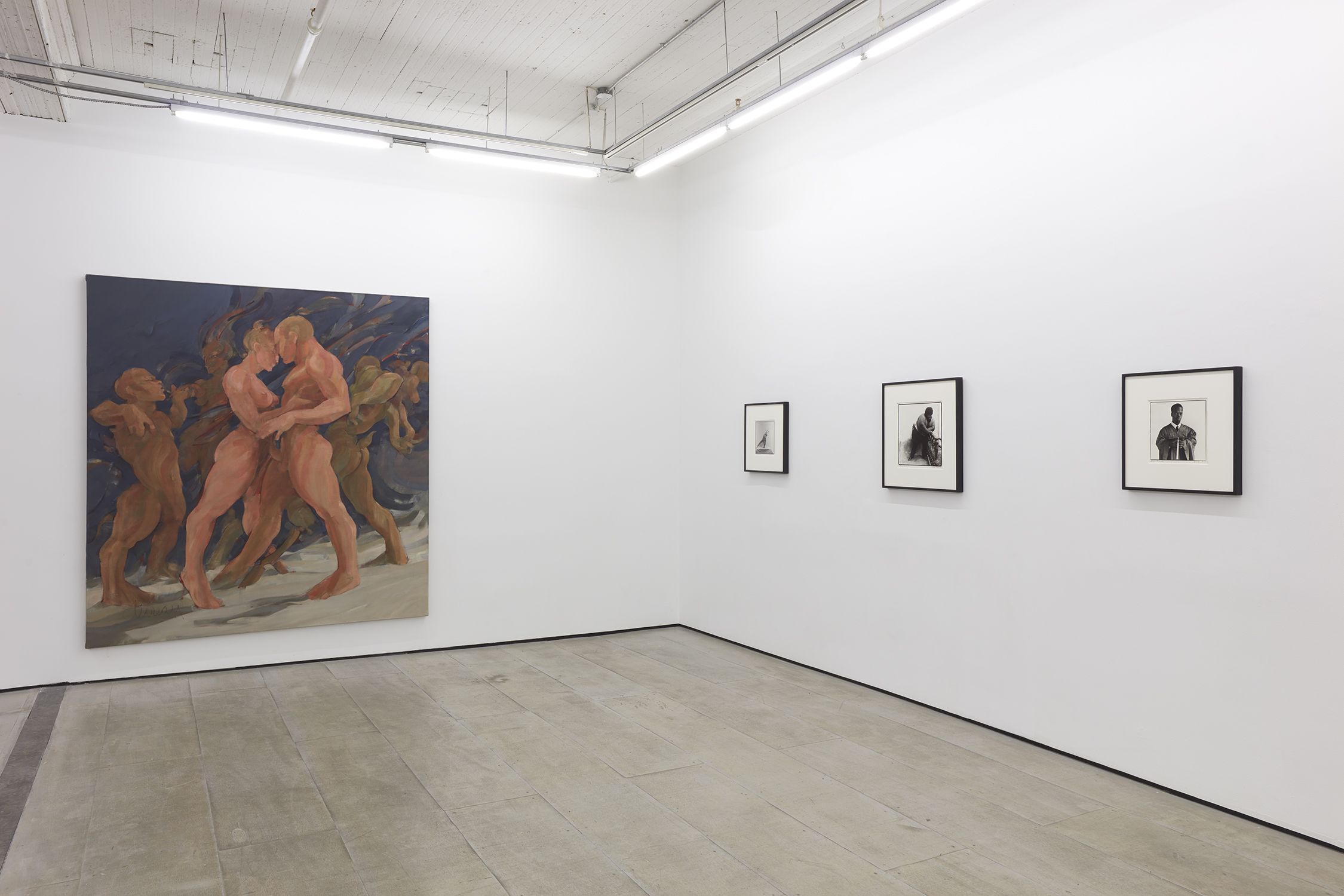
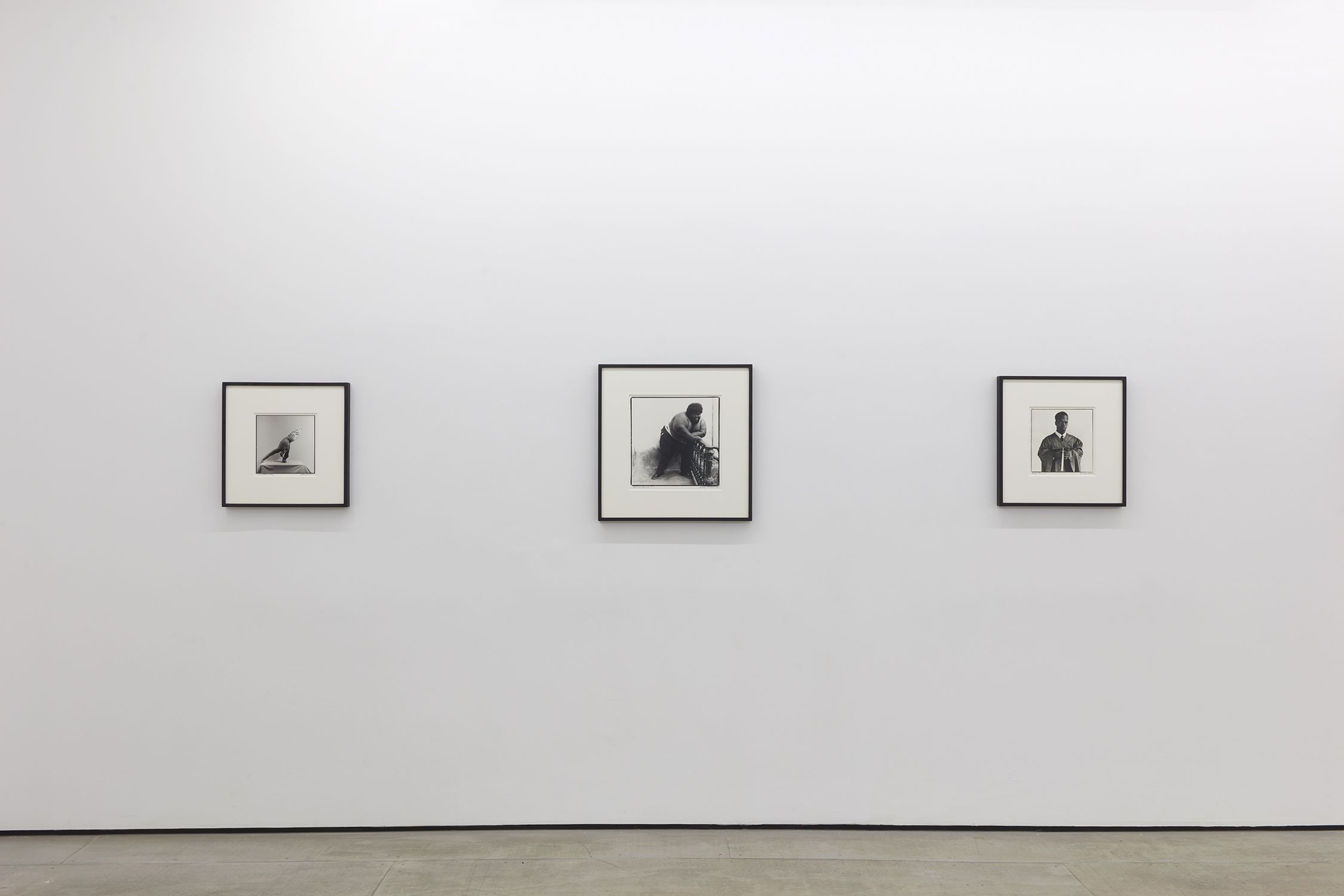
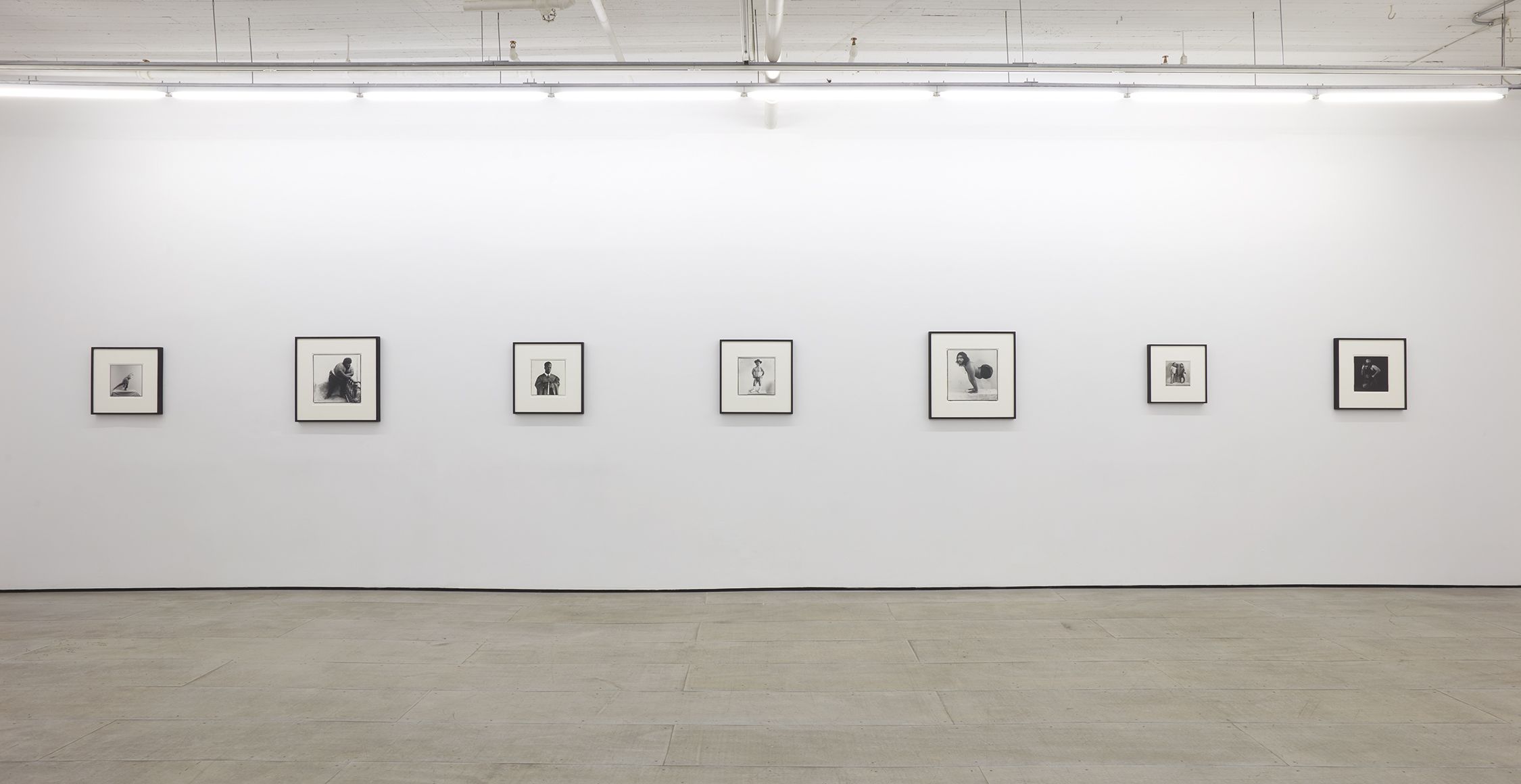
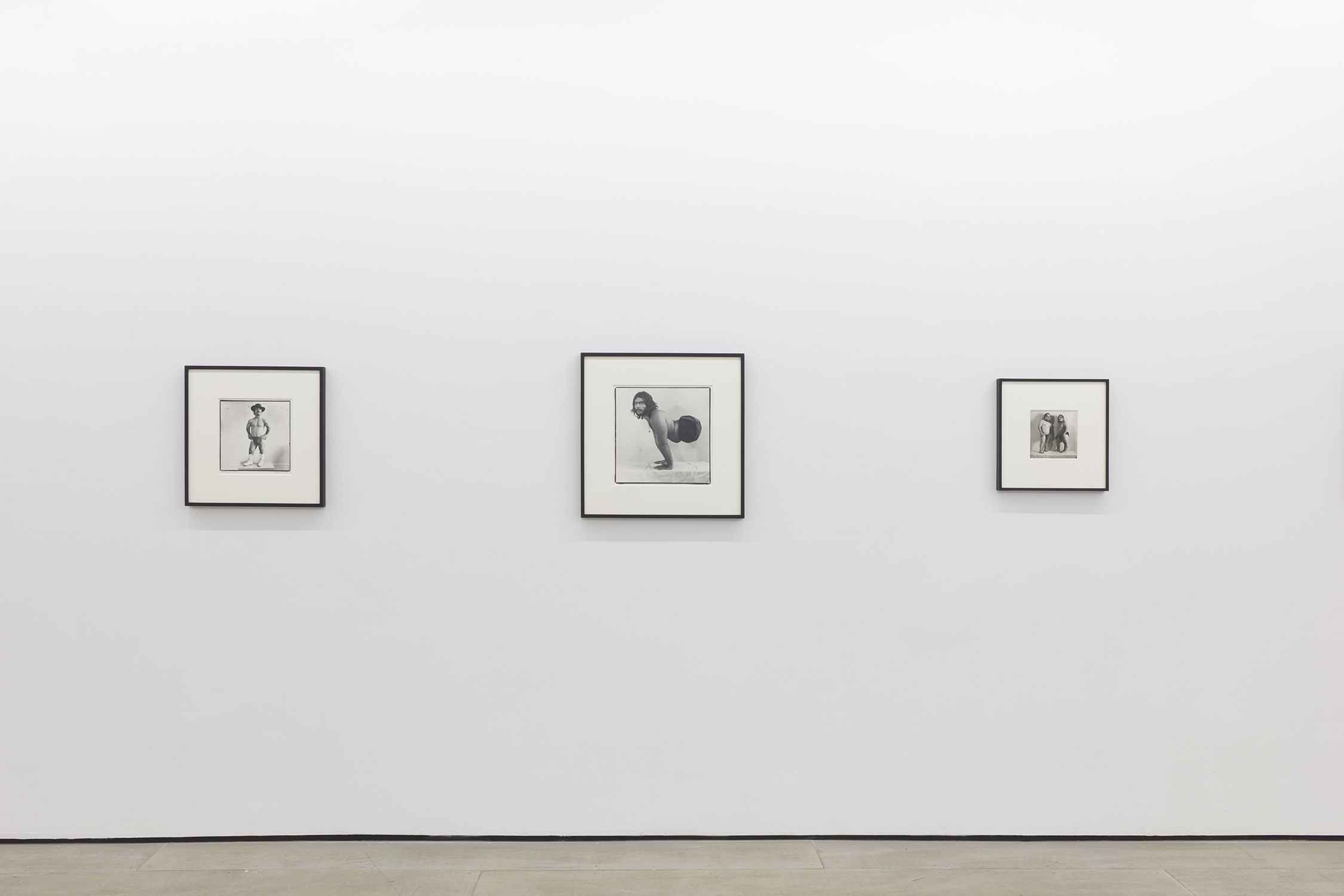
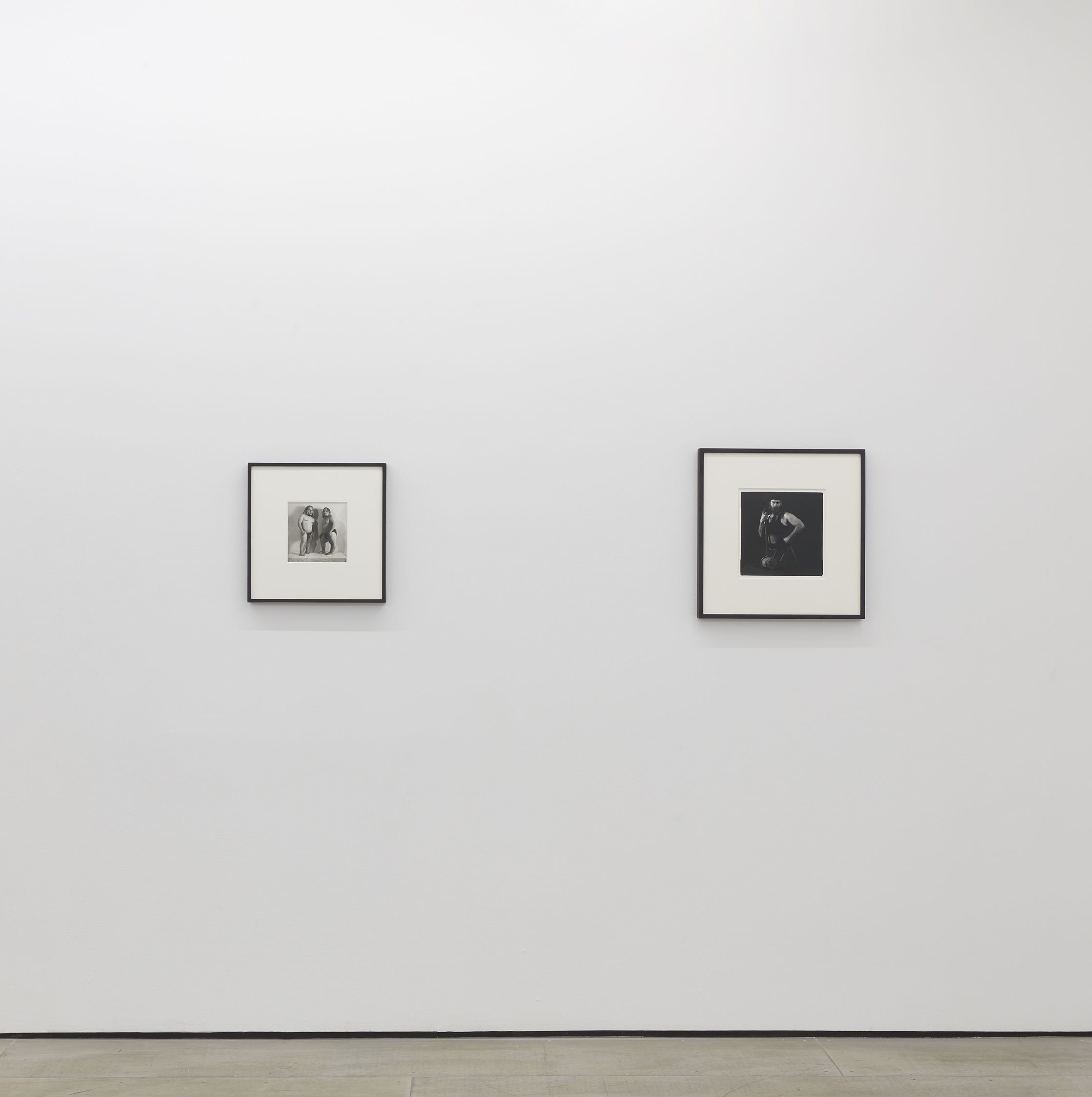
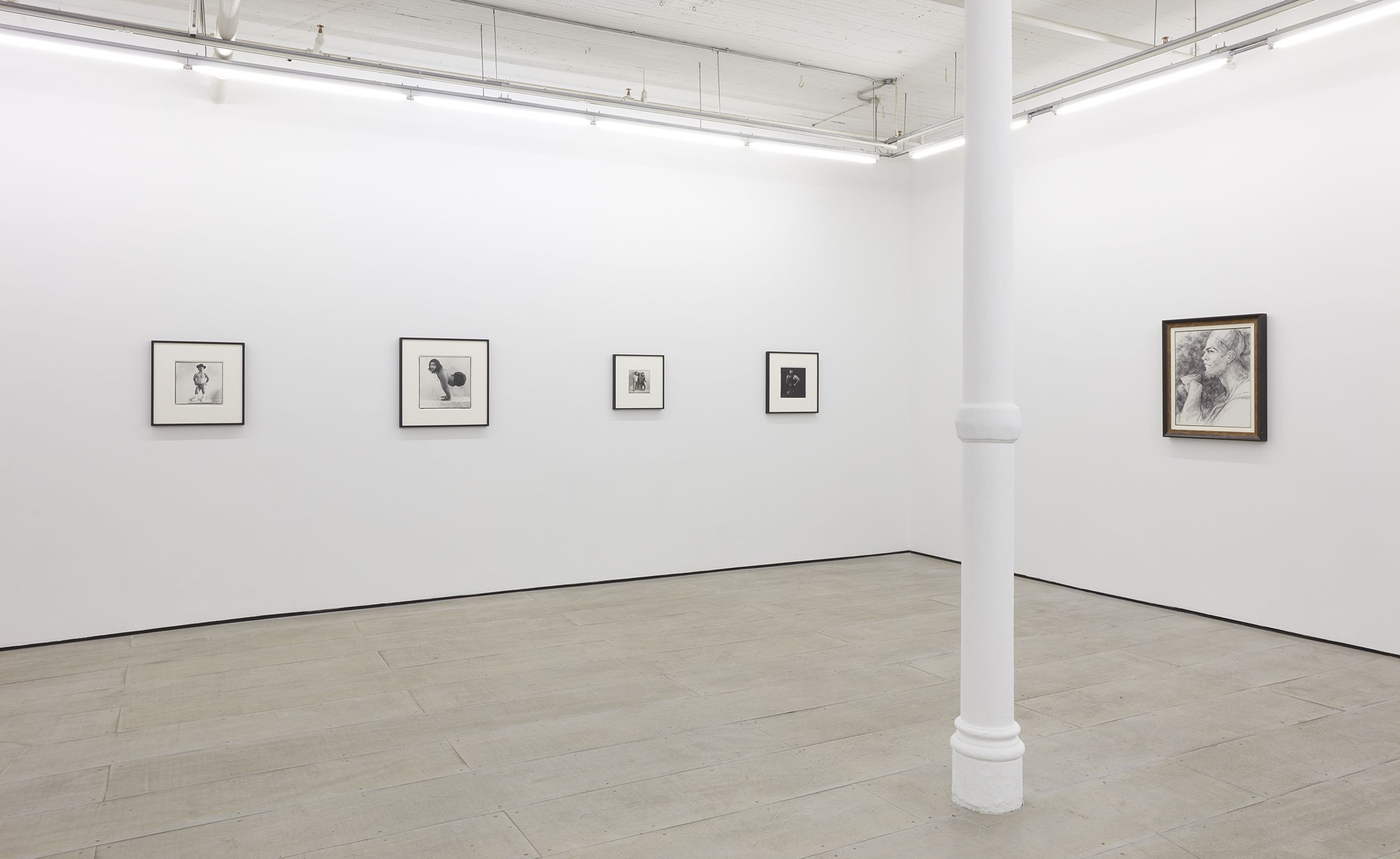
George Dureau’s utter enchantment with the human figure is on full display in the sumptuous oil paintings and expressive charcoal drawings he regarded as the core of his artistic practice. This same fascination propelled the artist’s distinctive photographic portraits for which he has received even wider acclaim. This exhibition brings together Dureau’s output in what he considered the creative arts (painting and drawing) and the applied arts (photography), showcasing the convergences and divergences among his varying approaches to his favored subject: human form. A beloved fixture of the New Orleans art scene throughout much of the latter half of the twentieth century, Dureau created bombastic, operatic paintings he once described as “a bit gushy.” Though many such paintings depict epic, mythological scenes, Dureau also drew inspiration from the people and goings-on of his life in the French Quarter. The artist’s large-scale Dance For Six Street Dance at Comus Parade (1988/90) is somehow at once both raucous and subdued; it captures the bacchanalia of Carnival seemingly in slow motion, or as if seen through a languid humidity. In muted tones, the painting gathers a group of nude revelers rendered with pronounced muscular definition. In a nod to uninhibited Dionysian gaiety, one dancer is half human and half satyr; a single hoofed leg intermingles with those of the couple whose embrace anchors the composition. Flamelike swirls seem to lick at the party’s edges, imbuing the scene with additional flamboyance. In a concurrent practice, Dureau also produced a highly regarded body of work in black and white photography. His compelling portraits largely feature local men whose bodies took unconventional form due to congenital anomaly, genetic condition, or amputation. Many of the artist’s subjects had dwarfism, truncated limbs, or other evident physical disabilities, and were considered socially outcast. Dureau’s photographs unflinchingly confront the realities of non normative bodies, locating beauty in difference. Emphasizing the unique physical prowess of their subjects, images such as Craig Blanchette (1993) and B.J. Robinson (1979) showcase the remarkable upper body strength and adaptive ingenuity of those who must use their arms for mobility. Dureau considered his photographs, which featured sitters posed atop pedestals and shot squarely against spare backgrounds, to have a more clinical affect than his paintings, which exude sensuality and pulse with palpable atmosphere. However, the artist’s interpersonal connections with his subjects, most of whom were friends and some of whom were lovers, undeniably animates these portraits. As each sitter steadily holds the direct gaze of the camera, the mutual respect, regard, and affection between photographer and subject is apparent. Rather than presenting a detached formalist study of the anonymous human figure, Dureau’s portraits carry a recognition of the individual personhood and inherent dignity of each of his unique subjects. —Susan Thompson George Dureau showed his photographs in New York at Robert Samuel Gallery, 795 Broadway and 11th Street. The gallery existed for a mere four years, from 1978 to 1982. But with exhibitions curated by Sam Wagstaff focusing on photography, male erotica and the strange, the gallery was a pioneering enterprise: Robert Samuel was the first gallery to show the photography of Wagstaff’s partner, Robert Mapplethorpe, Peter Hujar, Duane Michals, Christopher Makos, Lynn Davis, and Charles Gatewood, as well as work by Charles Henri Ford, Agustín Fernández, Tom of Finland and Gerhardt Liebmann (whose paintings this gallery will exhibit in September). The extraordinary significance of Robert Samuel’s gallery’s programming is little known today. References to the gallery on the Internet are vanishingly few. There have been no exhibitions documenting the gallery, or collectively, the artists it exhibited and its revolutionary platform. Gratin along with the Mitchell Algus Gallery is working on an historical survey of the Robert Samuel Gallery for next year, the first exhibition of its kind. —Mitchell Algus
Installation views
At the gallery

Gratin
Chinatown · 291 Grand St, 2nd Floor