
Chelsea, New York
Group Exhibition
Once More, With Feeling: Yale MFA Photography 2026 Thesis Show
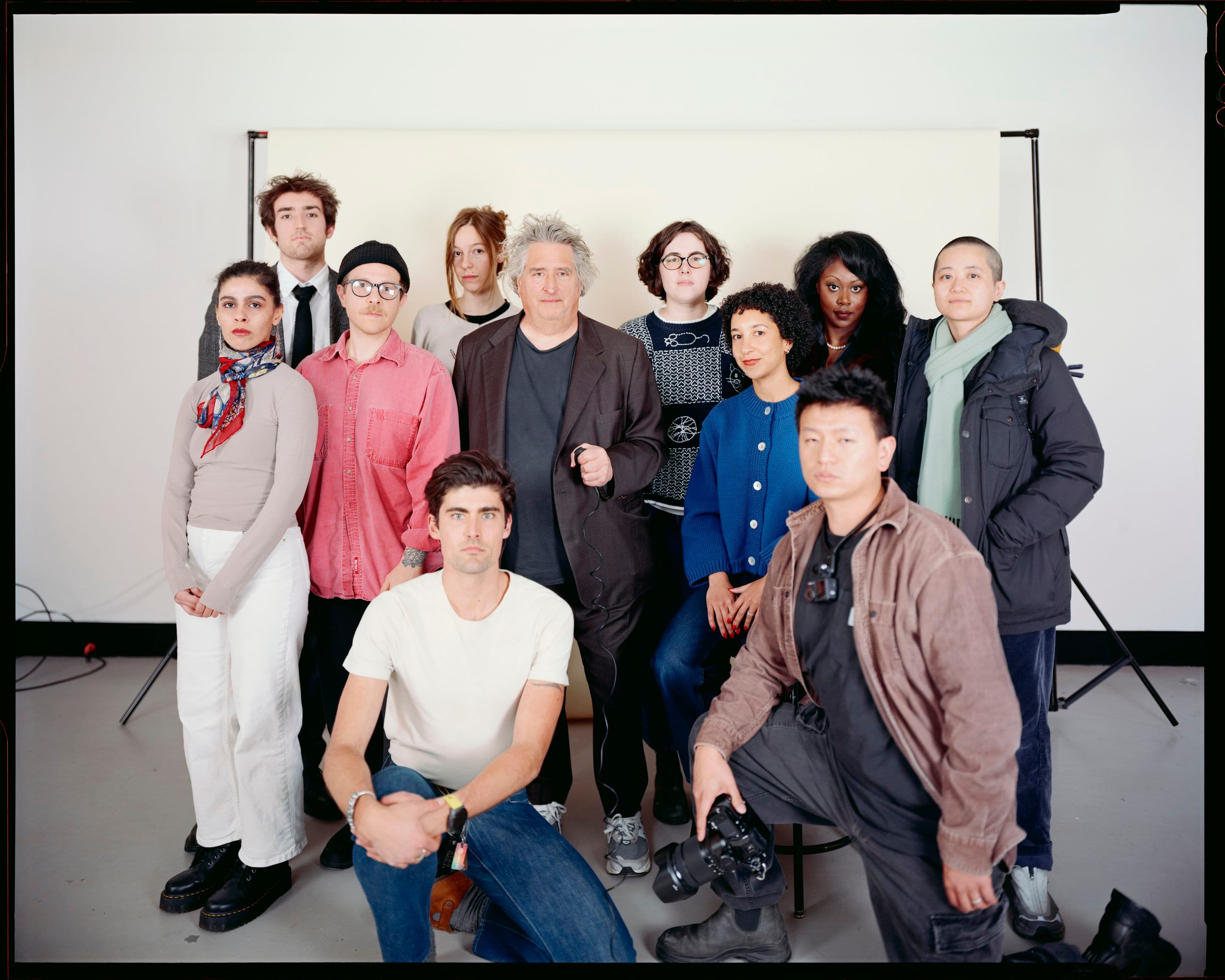
Yancey RichardsonChristian Badach, Chen Xiangyun, Jasmine Clarke, Faith Couch, Christopher Postlewaite, Olivia Reavey, John Shen, Em Wall, Andrew Warner Yancey Richardson is pleased to present Once More, With Feeling, a group exhibition highlighting the work of the 2026 Yale MFA graduates in photography. The Yale MFA in Photography is a celebrated two-year program of study admitting ten students a year. The program is committed to a broad definition of photography as a lens-based medium open to a variety of expressive means. Students work both individually and in groups with faculty and visiting artists. Christian Badach's photographs follow the life of a woman named Cedar, who suffers from hypermobility disorder. Through collaboration between artist and protagonist, the work uses their shared landscape of Western Massachusetts as a site to decode the ways seasonal cycles grant permissions and restrictions of movement, paradoxically affect emotions and change behavior. The camera functions as timekeeper, almanac and as anticipatory eulogy for a life suspended in limbo between daily pain and unflinching vigor, and for a contemporary landscape under threat. Through the merging of land and domesticity, Badach's work grapples with themes of nontraditional caretaking, mortality, love and illness. Chen Xiangyun employs photography, sculpture, video, installation, collaboration and archiving as strategies for queer world building. Rooted in their experience as a queer immigrant, Chen's recent projects feature the billiards community in Flushing, New York, alongside psychologically probing portraits of diverse queer communities in the U.S. For this exhibition Chen exhibits Jajang Billiards (2026), a 360-degree viewing of billiards culture in the Northeastern United States. A photographic assemblage of pool hall facades, cinematic movements through forgotten corners in the pool halls, and stories from the legendary billiards players to amateurs reveals the role billiards has played in the Asian and Latino communities. Jasmine Clarke's photographs capture small, fleeting moments of family life, engaging with the fragmented memories and embellished recollections that accumulate over time. By addressing a wide range of emotions present within familial histories--joy and difficulty, attachment and misunderstanding--Clarke reveals the everyday forces that shape both individual and collective identities. Faith Couch's practice centers self-depiction as a method of entering and reshaping visual histories that have excluded or flattened Black life. Through careful direction of wardrobe, lighting and composition, she constructs a visual language that exists between documentation and fabrication, grounded in truth yet heightened through emotional and symbolic resonance. Influenced by the idea of the photobooth--as a space where performance and self-presentation dovetail and where fictions, realities and a sense of place coexist--Christopher Postlewaite's work consists of photographs made in collaboration with his spouse and extended network of friends. Augmenting the portraits, Postlewaite also photographs the landscape of Philadelphia and people's lived environments: bars, nightclubs, homes and bedrooms. In her self portraits, Olivia Reavey often contrasts her body in an assertive juxtaposition with industrial artifacts whereas in other works, she appears in scenes or performances born from moments of spontaneity. In these, friends or models, mostly male and often in the nude, participate in an awkward dance in which neither photographer nor subject knows the choreography. John Shen's multivalent and experimental practice approaches photography as both image and object, exploring the material, temporal and conceptual conditions through which photographs come to exist. Working across experimental photography, scientific optical systems and handmade imaging apparatuses, Shen frequently engages in early photographic technologies to reconsider his relationship between visibility, memory and representation. For Em Wall photography and family are inexorably intertwined. Raised in a Mormon family in Michigan, they use photography to dismantle the domestic traditions and the family structure they were taught as a child. Now, their four children can be seen in Wall's work representing themselves, the photographer and ideas of gender and sexuality in a religious family. Andrew Warner's work explores the abstraction of control and the phenomenon of perception surrounding attire. By using self-portraiture, performance, landscape and the portrait studio, he investigates the breakdown of one's character as an act of endurance and the self as a site of interpretation. Curated by Archie Caride and Cortney Norman.